Total de visualitzacions de pàgina:

29.8.24


U2 - ONE


Estrena: 24 de febrer de 1992

Llistes: EUA: #10  Regne Unit: #7


"One" va ser llançada com a tercer senzill de l'àlbum "Achtung Baby" al febrer de 1992 com a senzill benèfic. Tots els drets d'autor de la cançó van ser donats a diverses organitzacions de recerca de la sida a cada país on es va publicar. El senzill va assolir un èxit significatiu a les llistes, arribant al número set a la UK Singles Chart i al número deu al US Billboard Hot 100.


"One", escrita per Bono, entrellaça diverses narratives i temes. Bono va revelar que la cançó abasta històries com ara la d'un fill que confessa la seva homosexualitat al seu pare religiós i una dona en un matrimoni problemàtic que ha perdut l’esperança. Inicialment vague sobre el seu significat, Bono la va descriure de manera general com una cançó sobre les relacions. Les interpretacions suggereixen que també podria reflectir temes més amplis com la reunificació d'Alemanya, els desafiaments personals dins del grup o els problemes que afrontava l'amic de Bono, Guggi. Per a alguns, és un diàleg entre un pacient de la sida i el seu pare. Bono destaca la unitat a la cançó, senyalant que mentre els individus són únics "we are one, but we're not the same"(som un, però no som iguals), la cooperació és crucial per a la supervivència de la humanitat.


Bono aclareix al llibre "U2 by U2" que "One" porta un significat més profund que només la unitat. Contràriament a un himne de celebració, la cançó explora la idea de la diferència més que la semblança. Rebutja la noció simplista que tots visquin harmoniosament junts, assemblant-se a una ètica més pròxima al punk rock. La citada frase "som un, però no som iguals" subratlla aquest sentiment, emfatitzant la inevitabilitat de suportar-nos i dependre els uns dels altres malgrat les diferències individuals. Bono reflexiona sobre la seva decepció quan els oients interpreten la tornada com un crit d'acció "we've got to"(hem de) en comptes d'un reconeixement resignat "we get to" (tenim l'oportunitat) d'assistència mútua. Critica la percepció romantitzada de la cançó, assenyalant la seva narrativa distorsionada que no s'alinea amb els temes tradicionals pels casaments.


A "U2 by U2", The Edge aporta la seva perspectiva sobre "One", destacant els seus temes duals. Descriu la cançó com un diàleg complex que indaga en les interaccions amargues i conflicte entre dues persones que han suportat grans adversitats juntes. En el seu nucli, la lletra retracta un cicle de ferir i reconciliar. The Edge assenyala la frase crucial "we get to carry each other" (tenim l'oportunitat de portar-nos els uns als altres), assenyalant que "get to” (tenim l'oportunitat) significa un privilegi més que una obligació, suggerint un concepte més profund de gràcia i suport mutu. Malgrat aquest profund missatge, també expressa reticència sobre la idoneïtat de la cançó per a casaments.


"One" va tenir tres vídeos musicals diferents. El primer, dirigit per Anton Corbijn, mostrava el grup interpretant-la als Hansa Studios de Berlín, intercalat amb imatges de Trabants (simbolitzant una Europa canviant) i els membres del grup vestits de dones. El grup va decidir retirar aquest vídeo per preocupacions que podria ser interpretat com una declaració sobre la sida, cosa que entrava en conflicte amb l'estatus de la cançó d’obtenir beneficis per a combatre la malaltia.


El segon vídeo, dirigit per Mark Pellington, incloïa imatges de flors florint, paraules de títol multilingües i imatges a càmera lenta de búfals corrents, culminant amb la fotografia "Falling Buffalo" de David Wojnarowicz. Com el primer vídeo, el grup no va sentir que el punt de vista de Pellington s'adeqüés a la promoció de la cançó.


El tercer vídeo, dirigit per Phil Joanou, va buscar un atractiu més ampli. Enregistrat al club nocturn Nell's de Manhattan, es centrava en Bono fumant un cigarret i bevent cervesa a una taula, intercalat amb imatges de concerts del grup. Malgrat el pla inicial d'una representació més inclusiva amb models i dones transsexuals en una festa al soterrani, el vídeo finalment es va centrar predominantment en Bono.


U2 - ONE


Released: February 24, 1992

Charted:  US: #10   UK: #7 


"One" was released as the third single from the album “Achtung Baby on February 1992 as a benefit single. All royalties from the song were donated to various AIDS research organizations in each country where it was released. The single achieved significant chart success, reaching number seven on the UK Singles Chart and number ten on the US Billboard Hot 100.


"One" written by Bono weaves together various narratives and themes. Bono revealed that the song encompasses stories such as a son coming out to his religious father and a woman in a troubled marriage who has strayed. Initially vague about its meaning, Bono described it broadly as a song about relationships. Interpretations suggest it could also reflect broader themes like the reunification of Germany, personal challenges within the band, or issues faced by Bono's friend Guggi. Some see it as a dialogue between an AIDS patient and their father. Bono emphasizes unity in the song, highlighting that while individuals are unique ("we are one, but we're not the same"), cooperation is crucial for humanity's survival.


Bono clarifies in U2 by U2 that "One" carries a deeper meaning than unity alone. Contrary to a celebratory anthem, the song explores the idea of difference rather than sameness. It rejects the simplistic notion of everyone living harmoniously together, embracing instead a more punk rock ethos. The lyrics "we are one, but we're not the same" underscore this sentiment, emphasizing the inevitability of supporting and depending on each other despite individual differences. Bono reflects on his disappointment when listeners interpret the chorus as a call to action ("we've got to") rather than a resigned acknowledgment ("we get to") of mutual assistance. He critiques the romanticized perception of the song, pointing out its twisted narrative that doesn't align with traditional wedding themes.


In "U2 by U2," The Edge provides his perspective on "One," highlighting its dual themes. He describes the song as a complex dialogue that delves into the bitter and conflicted interactions between two individuals who have endured significant hardships together. At its core, the lyric portrays a cycle of hurting and reconciliation. The Edge emphasizes the crucial phrase "we get to carry each other," noting that "get to" signifies a privilege rather than an obligation, suggesting a deeper concept of grace and mutual support. Despite this profound message, he also expresses reluctance about the song's suitability for weddings.


"One" had three different music videos. The first, directed by Anton Corbijn, featured the band performing at Hansa Studios in Berlin, interspersed with footage of Trabants (symbolizing a changing Europe) and the band members in drag. The band decided to pull this video due to concerns that it could be misinterpreted as making a statement about AIDS, which conflicted with the song's status as an AIDS benefit.


The second video, directed by Mark Pellington, included imagery of blooming flowers, multilingual title words, and slow-motion footage of running buffaloes, culminating in David Wojnarowicz's "Falling Buffalo" photograph. Like the first video, the band did not feel Pellington's interpretation suited the song's promotion.


The third video, directed by Phil Joanou, aimed for broader appeal. Filmed at Nell's nightclub in Manhattan, it focused on Bono smoking a cheroot and drinking beer at a table, interspersed with concert footage of the band. Despite the initial plan for a more inclusive portrayal involving models and transgender women at a party in the basement, the video ultimately centered predominantly on Bono.


ROLLING STONES - SHE’S A RAINBOW

Estrena: novembre de 1967

Llistes: EUA: #25


"She's a Rainbow" destaca com una de les cançons menys característiques dels Rolling Stones, coneguda per la seva bellesa i ambiguïtat. Inclòs en el seu àlbum de 1967 "Their Satanic Majesties Request", el tema compta amb una secció distintiva de cordes arranjades per John Paul Jones, que posteriorment es va fer famós com a membre de Led Zeppelin. Aquesta cançó mostra la capacitat de Mick Jagger i Keith Richards d'explorar diferents estils musicals més enllà del seu so habitual de rock i blues.


La producció de "She's a Rainbow" va ser un dels primers casos en què els Rolling Stones van treballar sense el seu manager, Andrew Loog Oldham. La seva decisió de desobeir els desitjos d'Oldham durant la creació de "Their Satanic Majesties Request" va contribuir a la seva posterior sortida. Nicky Hopkins va aportar les seves idees al piano, un paper que sovint interpretava en les balades de la banda, juntament amb Ian Stewart i Billy Preston, que tenien rols específics segons les necessitats d'estil i instrumentació de les cançons. Preston normalment es feia càrrec de les pistes amb un so de gòspel que requerien un orgue, mentre que Stewart afegia un toc de boogie-woogie a les cançons més ràpides.


"She's a Rainbow" destaca pel seu lirisme, acompanyat per les veus de tot el grup excepte Charlie Watts. Les veus són intencionadament suaus, fusionant-se amb la música i fent que la lletra sigui una mica difícil d’escoltar, amb la música sovint eclipsant-la. Aquesta elecció artística contribueix a l'atmosfera onírica i etèria de la cançó.


ROLLING STONES - SHE’S A RAINBOW

Released: November 1967

Charted:  US: #25 


"She's a Rainbow" stands out as one of The Rolling Stones' most uncharacteristic songs, known for its beauty and ambiguity. Featured on their 1967 album "Their Satanic Majesties Request," the track features a distinctive string section arranged by John Paul Jones, who later became famous as a member of Led Zeppelin. This song showcases Mick Jagger and Keith Richards' ability to explore different musical styles beyond their usual rock and blues sound.


The production of "She's a Rainbow" marked one of the first instances where The Rolling Stones worked without their manager, Andrew Loog Oldham. Their decision to go against Oldham's wishes during the making of "Their Satanic Majesties Request" contributed to his eventual departure. Nicky Hopkins contributed his piano skills to the song, a role he often played on the band's ballads, alongside Ian Stewart and Billy Preston, who had specific roles depending on the song's style and instrumentation needs. Preston typically handled gospel-sounding tracks requiring an organ, while Stewart added boogie-woogie flair to faster songs.


"She's a Rainbow" is noted for its rich lyricism, accompanied by backing vocals from the entire band except for Charlie Watts. However, the vocals are intentionally subdued, blending into the music and making the lyrics somewhat difficult to discern, with the music often overshadowing them. This artistic choice adds to the dreamlike and ethereal atmosphere of the song.


 U2 - BAD 

Estrena: 1 d'octubre de 1984

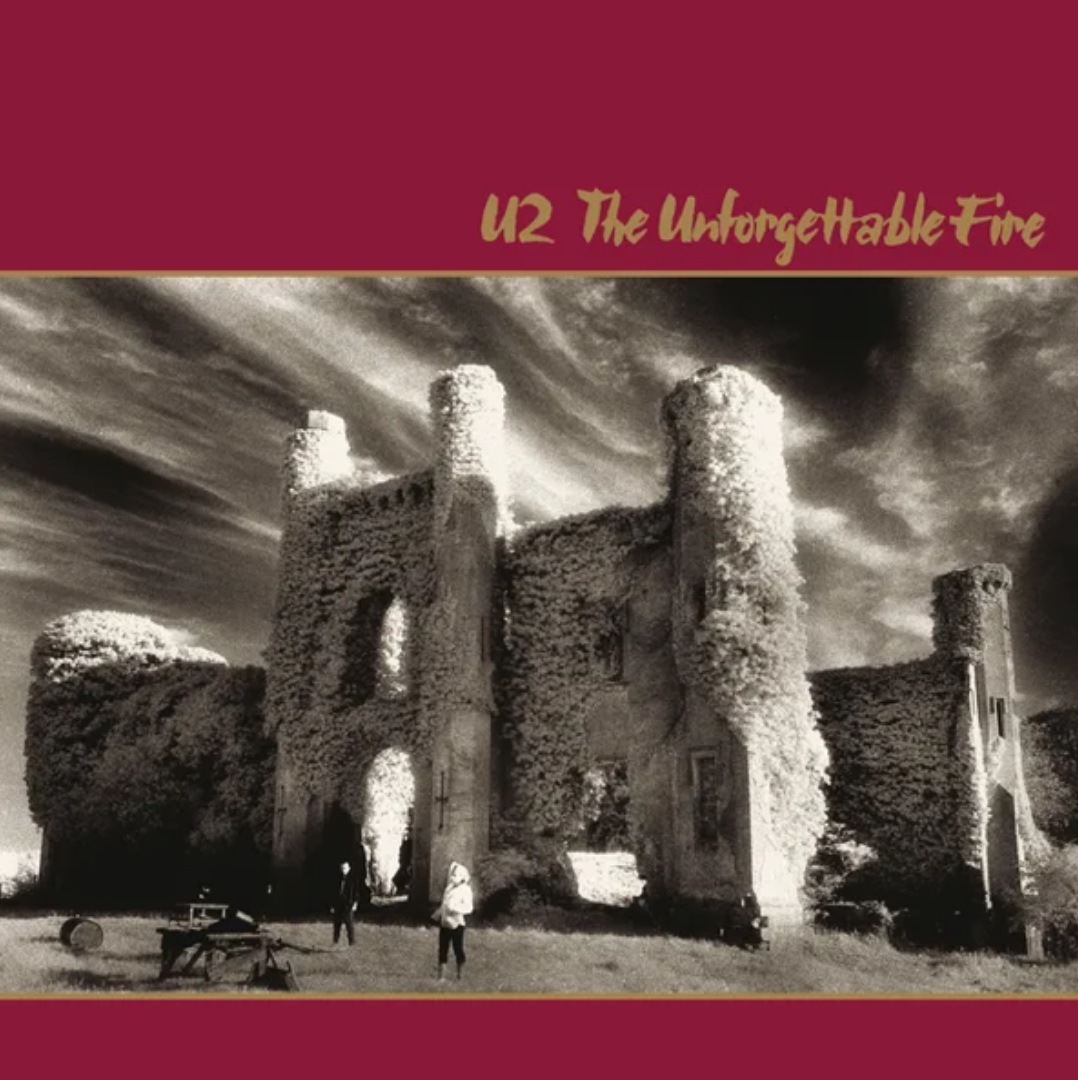
Àlbum: The Unforgettable Fire


"Bad", inclosa a l'àlbum "The Unforgettable Fire", explora el tema de la addicció a la heroïna, tot i que Bono ha donat explicacions diferents sobre la inspiració darrere la lletra. Àmpliament estimada pels fans, "Bad" es manté com una de les cançons més interpretades en els concerts d'U2. La versió en directe del tema, inclosa a l'EP de concerts "Wide Awake in America", és àmpliament considerada icònica. Reflectint sobre l'impacte de la cançó, Adam Clayton va destacar que van ser mesos de gira i interacció amb el públic per descobrir les veritats internes de la cançó.


"Bad" és una cançó que, tot i no mencionar explícitament la heroïna, Bono l'ha introduïda en concerts com un abordatge a la addicció a aquesta droga. Bono va presenciar de primera mà l'impacte devastador de la heroïna entre els joves de Dublin a finals dels anys 70 i principis dels 80, descrivint com sacrificaven tot per la droga. En la biografia de la banda, "U2 by U2", Bono detalla com "Bad" intenta transmetre l'experiència de la addicció a la heroïna —des de l'embat inicial i l'eufòria fins al posterior entumiment i desesperació del son induït per la droga. La lletra, especialment la tornada "I'm wide awake, I'm wide awake, I'm not sleeping!", reflecteixen l'angoixa i la lluita associades amb l’addicció.


"Bad" va sorgir d'una improvisació espontània del riff de guitarra per part de The Edge durant una sessió de jam a Slane Castle, on la banda estava enregistrant l'àlbum. La base bàsica de la cançó es va capturar en només tres preses, destacant la seva essència immediata i directa. The Edge va destacar un moment clau durant la gravació en què el bateria Larry Mullen Jr. va canviar de brotxes a baquetes, creant una pausa dramàtica que va afegir un impacte significatiu a la cançó. El productor Brian Eno va contribuir incorporant arpegis de seqüenciador, que es van convertir en un element definidor de "Bad".


Durant les interpretacions en directe de "Bad", Bono és conegut per haver incorporat fragments de més de 50 cançons diferents al llarg dels anys. Aquests fragments varien des de breus cites d'una sola línia fins a múltiples estrofes, i típicament es canten després de la frase "I'm not sleeping" de la cançó. Bono ha inclòs fins a sis excerpts diferents d'altres cançons en una sola interpretació de la peça, fent que cada versió sigui única i imprevisible. Les interpretacions de "Bad" sense cap fragment són excepcionalment rares.


Un moment clau per a la banda va ser la seva versió de 12 minuts al concert benèfic Live Aid el 1985, que va suposar una fita important en la seva carrera. Aquesta actuació no només va solidificar la reputació d'U2 com una de les millors bandes en directe, sinó que també va mostrar la seva capacitat per crear una atmosfera intima en un lloc massiu com l'estadi de Wembley. Durant l'actuació, la interacció de Bono amb el públic, incloent-hi un memorable ball lent amb una assistent al concert, va exemplificar la seva habilitat per connectar profundament amb els oients.


U2 - BAD 


Released: October 1, 1984

Album: The Unforgettable Fire


"Bad" featured on their 1984 album "The Unforgettable Fire," delves into the theme of heroin addiction, although Bono has provided differing explanations about the inspiration behind the lyrics. Widely beloved by fans, "Bad" stands as one of U2's most regularly performed tracks during their concerts. The live version of the track featured on the concert EP "Wide Awake in America," is widely regarded as iconic. Reflecting on the song's impact, Adam Clayton noted that it took months of touring and engaging with audiences to uncover the song's inner truths.


"Bad" is a song that, while not explicitly mentioning heroin, has been introduced by Bono at concerts as addressing heroin addiction. Bono witnessed firsthand the devastating impact of heroin on young people in Dublin during the late '70s and early '80s, describing how they sacrificed everything sacred to the drug. In the band's biography, "U2 by U2," Bono elaborates on how "Bad" attempts to convey the experience of heroin addiction — from the initial rush and euphoria to the subsequent numbness and despair of drug-induced sleep. The lyrics, particularly the refrain "I'm wide awake, I'm wide awake, I'm not sleeping!" reflect the anguish and struggle associated with addiction. 


"Bad" emerged from a spontaneous guitar riff improvised by the Edge during a jam session at Slane Castle, where the band was recording the album. The song's basic track was captured in just three takes, emphasizing its immediate and live essence. The Edge highlighted a pivotal moment during recording where drummer Larry Mullen Jr. switched from brushes to sticks, creating a dramatic pause that added significant impact to the song. Producer Brian Eno contributed incorporating sequencer arpeggios, which became a defining element of "Bad." 


During live performances of "Bad," Bono is renowned for incorporating snippets from a diverse range of songs, totaling over 50 different tracks. These snippets vary from brief quotes of a single line to multiple verses, and they are typically sung after the line "I'm not sleeping" in the song. Bono has been known to include as many as six different excerpts from other songs in a single performance of "Bad," making each rendition unique and unpredictable. Performances of "Bad" without at least one snippet are exceptionally rare.


A pivotal moment for the band occurred during their 12-minute rendition of the song at the Live Aid charity concert in 1985, which marked a significant breakthrough in their career. This performance not only solidified U2's reputation as one of the best live bands in music but also showcased their unique ability to create an intimate atmosphere in a massive venue like Wembley Stadium. During the performance, Bono's interaction with the audience, including a memorable slow dance with a concertgoer, exemplified his ability to connect deeply with listeners. 


28.8.24


PET SHOP BOYS - A MAN COULD GET ARRESTED

Released: October 28, 1985

Album: Alternative


"A Man Could Get Arrested" initially served as the B-side for the 1985 release of the West End Girls single. The track was originally recorded during sessions with Bobby Orlando but remained unreleased until later. Neil and Chris recorded it in Bobby O's office studio while he was out of town.


The 12" version of the original cut was completed by Neil and Chris after they signed with EMI. They later recorded a more intricate and refined version for the 7" release. Consequently, depending on the version you listen to, you'll experience a different rendition of the song. The bass part was performed by John 'Rhino' Edwards, bassist for Judie Tzuke, who later joined Status Quo.


In the booklet accompanying the Alternative collection, Neil Tennant reveals that "A Man Could Get Arrested," initially recorded in 1984 draws inspiration from an incident the evening he and Chris encountered Peter Andreas, who would later become their close friend. While walking through London, they got entangled in a confrontation with some "yobs" in Russell Square, resulting in Neil and Peter briefly being detained by the police (Chris managed to evade capture). Despite Russell Square's reputation as a popular nighttime spot for gay men, Neil clarifies that the underlying theme of the song is heterosexual: it portrays a man struggling to persuade his girlfriend to sleep with him. Neil describes it as a reflection of sexual frustration, where the protagonist's exasperation reaches a point where he feels "a man could get arrested."


The line "You want to see a doctor before our love is tested" has prompted speculation about its meaning, particularly in relation to HIV testing. While HIV tests weren't available until 1985, the same year the song was released, it's plausible that the song was written before then. The preceding line about having "so many problems and a split personality" suggests the possibility that the reference to seeing a doctor could pertain to psychiatry rather than HIV testing. However, the later line, "You got your health, you got everything," a phrase reportedly associated with Bobby "O" Orlando, underscores a recurring theme of health in the song.