Total de visualitzacions de pàgina:

3.4.25


PRINCE & THE REVOLUTION - WHEN DOVES CRY


Llançament: 16 de maig de 1984

EUA: #1 (5 setmanes)


“When Doves Cry” va ser el primer número 1 de Prince al Billboard Hot 100, mantenint-se al capdamunt durant cinc setmanes el 1984. Segons Billboard, també va ser el single més venut de l’any. Al Regne Unit, va arribar al #4.


Prince la va escriure per a la seva pel·lícula “Purple Rain”, on sona durant un muntatge que mostra el seu personatge perdent la seva estimada (Apollonia) a mans del seu rival (Morris Day). L’escena també reflecteix la relació difícil de Prince amb el seu pare, que és mostrat com a abusiu, en línia amb la lletra de la cançó sobre un pare exigent.


Aquesta cançó té el fet diferencial que no té línia de baix, una decisió que Prince va prendre a última hora per aconseguir un so diferent. El seu baixista, Brown Mark, va donar suport a la idea, qualificant la cançó de fenomenal, però en les actuacions en directe sí que afegia una línia de baix.


“When Doves Cry” es va acreditar a Prince and The Revolution perquè apareixia a l’àlbum “Purple Rain”, que portava el nom de la banda, però el single es va llançar només sota el nom de Prince, ja que ell mateix va tocar tots els instruments i va fer totes les veus.


El videoclip, dirigit pel mateix Prince, es va estrenar a MTV el juny de 1984. Mostra coloms blancs sortint d’unes portes dobles, revelant Prince en una banyera, seguit de diverses escenes en concert. La seva naturalesa sexualment suggerent va generar controvèrsia, ja que alguns directius de la cadena van considerar-lo massa explícit per a la televisió.


PRINCE & THE REVOLUTION - WHEN DOVES CRY


Released: May 16, 1984

US: #1 (5 wks) 


“When Doves Cry” was Prince’s first Billboard Hot 100 #1 hit, staying at the top for five weeks in 1984. It was also the year’s best-selling single, according to Billboard. In the UK, it peaked at #4.


Prince wrote the song for his film “Purple Rain”, where it plays during a montage showing his character losing his love (Apollonia) to his rival (Morris Day). The scene also reflects Prince’s troubled relationship with his father, who is portrayed as abusive, aligning with the song’s lyrics about a demanding parent.


This song is unique for having no bassline, a decision Prince made at the last minute to create a different sound. His bassist, Brown Mark, supported the choice, calling the song phenomenal, but during live performances, Mark added basslines to the track.


“When Doves Cry” was credited to Prince and The Revolution because it appeared on the “Purple Rain” album, which was attributed to the band. The single release was credited solely to Prince, as he was the only performer on the track, playing all instruments and providing all vocals.


The music video, directed by Prince, premiered on MTV in June 1984. It features white doves emerging from double doors, revealing Prince in a bathtub, followed by various performance scenes. The video’s sexual nature sparked controversy among network executives, who felt it was too explicit for television.


2.4.25


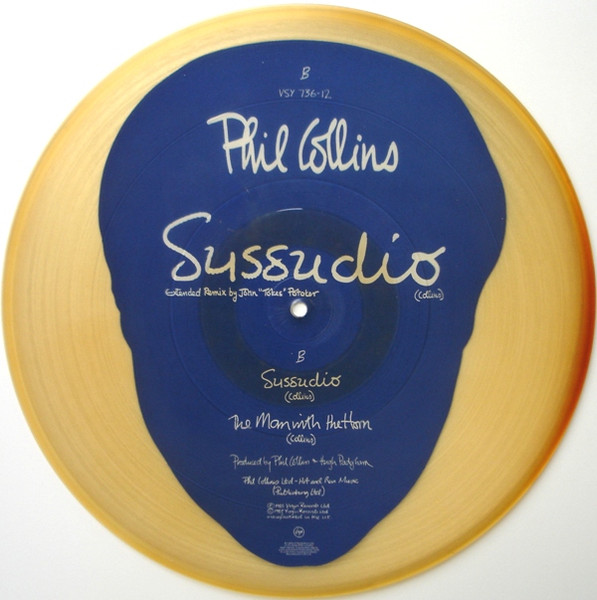
PHIL COLLINS - SUSSUDIO


Llançament: 14 de gener de 1985

Llistes: UK: #12  EUA: #1 (1 setmana)


“Sussudio” és una cançó de Phil Collins, llançada al Regne Unit al gener de 1985 com el primer single del seu tercer àlbum en solitari, “No Jacket Required”. Als Estats Units, va ser el segon senzill, publicat el 30 d’abril de 1985 després de “One More Night”. La cançó es va convertir en un gran èxit, arribant al #1 del Billboard Hot 100 als EUA el juliol de 1985 i assolint el #12 al Regne Unit.


“Sussudio” va néixer d’una improvisació de Collins amb una caixa de ritmes, amb el títol inicialment com un so sense sentit que finalment va decidir mantenir. La cançó compta amb The Phenix Horns, coneguts pel seu treball amb Earth, Wind & Fire. Alguns crítics van assenyalar la semblança amb “1999” de Prince, cosa que Collins va reconèixer, admetent que era gran fan de Prince i que la primera versió de la cançó sonava encara més semblant.


Tot i ser un nom inventat, Collins va decidir donar-li significat. La lletra tracta d’un noi que té un amor platònic per una noia però no sap com expressar-ho, inspirat en els enamoraments infantils de la seva filla. Amb el temps, “Sussudio” fins i tot es va convertir en el nom del cavall de la seva filla, i Collins va bromejar dient que segurament alguns nens havien estat batejats amb aquest nom, demanant disculpes per això.


El videoclip mostra Phil Collins tocant en un pub de Londres, The Princess Victoria, propietat de Richard Branson. Hi apareixen Daryl Stuermer, Chester Thompson i Lee Sklar, tot i que Thompson i Sklar no van participar a la gravació de l’estudi. El vídeo comença amb un home sortint de casa seva mentre la seva família mira la televisió, que casualment està reproduint “In the Air Tonight”. Quan passa per davant d’un pub, Collins i la seva banda hi actuen davant d’un públic inicialment indiferent, però a mesura que la cançó avança, l’ambient s’anima fins a acabar amb una gran ovació.


PHIL COLLINS - SUSSUDIO


Released: January 14, 1985

Charts: UK: #12  US: #1 (1 week)


“Sussudio” is a song by Phil Collins, released on January 1985 in the UK as the lead single from his third solo album, “No Jacket Required”. In the United States, it was the second single, released on 30 April 1985 after “One More Night”. The song became a major hit, reaching No. 1 on the US Billboard Hot 100 in July 1985 and peaking at No. 12 on the UK Singles Chart. 


“Sussudio” originated from Phil Collins improvising lyrics with a drum machine, with the name itself being a nonsensical placeholder that he ultimately kept. The song features The Phenix Horns, known for their work with Earth, Wind & Fire. Critics pointed out its similarity to Prince’s “1999”, which Collins acknowledged, admitting he was a big Prince fan and that the original version sounded even more like Prince. 


The word “sussudio” was nonsensical at first, but when he couldn’t find a better replacement, he decided to give it meaning. The song ended up being about a schoolboy crush, where a boy likes a girl but struggles to express it. Collins related it to his daughter’s childhood crush. Over time, “Sussudio” even became the name of his daughter’s horse, and he joked that some children might have been named after it, apologizing for that.


The music video for features Phil Collins performing in a London pub, The Princess Victoria, owned by Richard Branson. Longtime collaborators Daryl Stuermer, Chester Thompson, and Lee Sklar appear in the video, though Thompson and Sklar did not play on the studio recording. The video begins with a man leaving his house while his family watches TV, which happens to be playing “In the Air Tonight”. As he passes a pub, Collins and his band are performing to an uninterested crowd, but as the song progresses, the audience gradually becomes more engaged, ending with enthusiastic cheering.


1.4.25


AC/DC - THE JACK


Llançament: 1 de desembre de 1975

Àlbums: T.N.T. (1975), High Voltage (1976)


“The Jack” és una cançó d’AC/DC amb un toc bluesy i un humor sarcàstic que tracta sobre les malalties venèries, concretament la gonorrea, que en l’argot australià es coneix com “the jack”. Originalment es va incloure en el segon àlbum australià de la banda, “T.N.T.”, i més tard va aparèixer en la versió internacional de “High Voltage” al maig de 1976, que combinava els seus dos primers discos australians.


La cançó es va inspirar en les experiències de la banda vivint en una casa plena de dones “amables”, on tots els membres del grup van acabar infectats. Bon Scott gaudia explicant la història que hi havia darrere del tema. Recordava un concert el 1976 on les dones en qüestió eren a primera fila, sense saber què els esperava. Quan la banda va arribar a la tornada de la cançó, Scott va començar a assenyalar-les una per una mentre cantava “She’s got the jack”, deixant-les completament avergonyides. Angus Young més tard va explicar que, després d’aquell incident, les dones del públic corrien cap al fons de la sala cada cop que sonava la cançó.


Scott també recordava haver anat al llit amb una dona tot i saber que estava infectat, pensant que no li passaria la malaltia. Poc després, ella va dormir amb el bateria Phil Rudd i el va contagiar. Setmanes més tard, la dona va enviar a Rudd una factura mèdica de 35 dòlars pel tractament. Però en lloc de pagar, Scott es va venjar d’una manera ben seva: durant un concert, la va cridar a l’escenari mentre tocaven “The Jack” i va anunciar a tothom que ell era el veritable responsable del deute. Aquesta combinació d’humor cruel i històries reals definia els primers anys d’AC/DC, amb Scott escrivint lletres que eren tan grolleres com còmiques.


A nivell de lletra, The Jack està plena de dobles sentits i metàfores de pòquer, “If I’d known what she was dealin’ out, I’d have dealt it back” (Si hagués sabut el què ella estava repartint, hauria tornat enrera). En les actuacions en directe, la cançó sovint incloïa un striptease d’Angus Young, cosa que li va donar una fama encara més provocadora. La versió d’estudi acaba amb el so d’una audiència hostil que xiula i escridassa el grup, amb Bon Scott tancant la cançó amb un comentari burleta: “Thank you! Glad you enjoyed the show!” (Gràcies! M'alegro que hagueu gaudit de l'espectacle!).


AC/DC - THE JACK


Released: December 1, 1975

Albums: T.N.T. (1975) High Voltage (1976)


“The Jack” is a bluesy, tongue-in-cheek AC/DC track about venereal disease—specifically gonorrhea, which in Australian slang is called “the jack.” Originally released in Australian second album “T.N.T.”, it later appeared on the international version of “High Voltage” (May 1976), which combined their first two Australian albums.


The song was inspired by the band’s experiences living in a house full of “friendly” women, where everyone in the band ended up infected. Bon Scott relished telling the story behind the song, recalling a 1976 gig where the women in question were in the front row, unaware of what was coming. As the band reached the chorus, Scott pointed at each of them while singing, “She’s got the jack,” much to their horror. Angus Young later added that after that incident, women in the audience would rush to the back whenever the song started.


Scott recalled sleeping with a woman knowing he was infected, and assuming he wouldn't give her the virus. Shortly afterward she slept with drummer Phil Rudd and infected him. A few weeks later, she sent Rudd a $35 medical bill for the treatment. In true Bon Scott style, he got his revenge by calling her on stage during a performance of “The Jack” and announcing to the crowd that he was actually the one who owed her the money. This kind of humor and raw storytelling defined AC/DC’s early years, with Scott often drawing from real-life experiences for lyrics that were equal parts crude and comedic. 


Lyrically, the song is a clever mix of innuendo and poker metaphors (“If I’d known what she was dealin’ out, I’d have dealt it back”). Performed live, “The Jack” often featured a striptease from Angus Young, adding to the track’s notorious reputation. The studio version ends with the sound of a hostile club audience booing and jeering, with Scott cheekily signing off: “Thank you! Glad you enjoyed the show!”


AC/DC - T.N.T.


Llançament: 1 de març de 1976

Àlbum: High Voltage


“T.N.T.” és una cançó de hard rock de 1975 d’AC/DC, escrita per Bon Scott, Angus Young i Malcolm Young. Inicialment publicada només a Austràlia, va assolir reconeixement mundial quan els dos primers àlbums australians de la banda es van combinar en “High Voltage” per al mercat internacional. “T.N.T.” es va llançar com a single el 1976, arribant al número 19 de la llista australiana Kent Music Report Singles Chart. Aquesta va ser una de les primeres cançons d’AC/DC amb Bon Scott com a vocalista, després de la sortida del seu cantant original, Dave Evans.


El so cru i ple d’energia de “High Voltage” es va aconseguir gravant just després dels concerts, amb la producció de Harry Vanda i George Young (germà d’Angus i Malcolm). L’àlbum va tenir bona recepció a Europa, però va rebre crítiques diverses als Estats Units.


El títol de la cançó fa referència a la trinitrotoluè (TNT), un compost explosiu, famós pels dibuixos animats del Correcamins, cosa que encaixa amb la seva lletra rebel i els seus riffs poderosos.


“T.N.T.” es va convertir en una peça clau dels concerts d’AC/DC, destacant per l’energia explosiva i les lletres desafiants de Scott. Va ser una de les cançons principals del repertori que va ajudar a impulsar la seva primera gira com a caps de cartell al Regne Unit, “Lock Up Your Daughters”, el 1976.


AC/DC - T.N.T.


Released: March 1, 1976

Album: High Voltage


“T.N.T.” is a 1975 hard rock song by AC/DC written by Bon Scott, Angus Young, and Malcolm Young. Originally exclusive to Australia, later gained global recognition when AC/DC’s first two Australian albums were combined into “High Voltage” for international release. “T.N.T.” was released as a single in 1976, reaching No. 19 on the Australian Kent Music Report Singles Chart. This was one of AC/DC’s first singles with Bon Scott on vocals, following the departure of their original singer, Dave Evans. 


The raw, high-energy sound of the album “High Voltage” was achieved by recording right after gigs, with production by Harry Vanda and George Young (brother of Angus and Malcolm). The album fared well in Europe but received mixed reviews in America. 


The song’s title refers to Trinitrotoluene (TNT), an explosive compound, famously depicted in Road Runner cartoons, fitting its high-energy, rebellious lyrics and powerful riffs. 


T.N.T. became a live staple, featuring Scott’s rebellious lyrics and explosive energy. It was one of the main songs in the repertoire that helped launch their first UK headlining tour, “Lock Up Your Daughters,” in 1976.