Total de visualitzacions de pàgina:

30.1.24


SIMPLE MINDS - DON’T YOU (FORGET ABOUT ME)


Publicació: 20 de febrer de 1985 (EUA) 8 d'abril de 1985 (Regne Unit)

Llistes: Regne Unit: #7   EUA: #1 (1 setmana)


"Don't You (Forget About Me)" es situa com una de les cançons més representatives dels anys 80, produïda per Keith Forsey i el guitarrista Steve Schiff. Inicialment escrita per a Simple Minds, la cançó va trobar el seu lloc com l'himne icònic de la pel·lícula de 1985 "The Breakfast Club", dirigida per John Hughes. La pel·lícula, un relat de creixement protagonitzat per membres del "Brat Pack" com Ally Sheedy, Molly Ringwald i Judd Nelson, es va convertir en una referència cultural de la seva època. La tornada memorable de la cançó i la melodia optimista van capturar l'essència dels temes de la pel·lícula sobre l'angoixa adolescent, la rebel·lió i la camaraderia, ressonant profundament amb el públic mundial.


La primera opció de Keith Forsey per enregistrar "Don't You (Forget About Me)" va ser Bryan Ferry de Roxy Music, però Ferry va declinar l'oportunitat. Forsey es va girar llavors cap a Simple Minds, una banda escocesa que guanyava popularitat al Regne Unit però que lluitava per entrar als Estats Units a causa de la manca de promoció de la seva discogràfica, A&M. Malgrat la reluctància inicial de la banda, finalment van acordar enregistrar la cançó després de reunir-se amb el director John Hughes, i veure una projecció de la pel·lícula. La persuasió de Forsey durant una visita a Escòcia també va jugar un paper en convèncer Simple Minds de donar una oportunitat a la cançó, conduint al seu exitós enregistrament en un estudi de Londres en només unes poques hores.


El procés d'enregistrament de "Don't You (Forget About Me)" es va revelar com una experiència transformadora per a Simple Minds. Malgrat les reserves inicials sobre enregistrar una cançó que no havien escrit, una vegada van entrar a l'estudi, la seva energia creativa es va encendre. El riff memorable del guitarrista principal, Charlie Burchill, va marcar el to, mentre que el "hey, hey, hey, hey" espontani de Jim Kerr va afegir un element dinàmic a l'introducció.


El èxit de "Don't You (Forget About Me)" va marcar un moment crucial per a Simple Minds, impulsant-los al mainstream americà i presentant la seva música a un públic més ampli a través de MTV. Després d'haver passat anys perfeccionant el seu ofici i treballant incansablement per establir-se, Simple Minds van trobar surrealista assolir un èxit tan immens amb una cançó que no havien escrit i van enregistrar en només unes poques hores. Van lluitar amb sentiments de falta de valua, qüestionant si realment es mereixien l'elogi i el reconeixement que van venir amb l'èxit arribant al capdamunt de les llistes. Les reflexions de Jim Kerr sobre el seu èxit fan ressò d'un sentiment d'humilitat i gratitud, reconeixent les contribucions de tots aquells que van recolzar i van creure en el potencial de la cançó.


El títol "Don't You (Forget About Me)" troba les seves arrels en un moment de la pel·lícula "The Breakfast Club". Mentre cinc estudiants de secundària, cadascun representant un espectre divers de personalitats, passen un dissabte en detenció, lluiten amb les seves identitats individuals i les expectatives socials. Al llarg del dia, forgen connexions inesperades i s'afronten a les seves preconcepcions sobre els uns i els altres. El diàleg captura l'essència del tema central de la pel·lícula: la lluita per alliberar-se d'etiquetes i expectatives socials mentre es navega per les complexitats de l'adolescència.


SIMPLE MINDS - DON’T YOU (FORGET ABOUT ME)


Released: February 20, 1985 (US)  April 8, 1985 (UK)

Charted:  UK: #7  US: #1 (1 week) 


"Don't You (Forget About Me)" stands as one of the quintessential tracks from the 1980s, produced by Keith Forsey and guitarist Steve Schiff. Initially penned for Simple Minds, the song found its place as the iconic anthem of the 1985 film "The Breakfast Club," directed by John Hughes. The movie, a coming-of-age tale featuring members of the "Brat Pack" such as Ally Sheedy, Molly Ringwald, and Judd Nelson, became a cultural touchstone of its era. The track's memorable chorus and uplifting melody captured the essence of the film's themes of teenage angst, rebellion, and camaraderie, resonating deeply with audiences worldwide.


Keith Forsey's initial choice for recording "Don't You (Forget About Me)" was Bryan Ferry of Roxy Music, but Ferry declined the opportunity. Forsey then turned to Simple Minds, a Scottish band gaining popularity in the UK but struggling in the US due to a lack of promotion from their record label, A&M. Despite initial reluctance from the band, they eventually agreed to record the song after meeting with The Breakfast Club director John Hughes and watching a screening of the film. Forsey's persuasion during a visit to Scotland also played a role in convincing Simple Minds to give the song a chance, leading to its successful recording in a London studio in just a few hours.


The recording process for "Don't You (Forget About Me)" proved to be a transformative experience for Simple Minds. Despite initial reservations about recording a song they didn't write, once they entered the studio, their creative energy ignited. Lead guitarist Charlie Burchill's memorable riff set the tone, while Jim Kerr's spontaneous "hey, hey, hey, hey" added a dynamic element to the intro.


The success of "Don't You (Forget About Me)" marked a pivotal moment for Simple Minds, propelling them into the American mainstream and introducing their music to a wider audience through MTV. Having spent years honing their craft and tirelessly working to establish themselves, Simple Minds found it surreal to achieve such immense success with a song they didn't write and recorded in just a few hours. They wrestled with feelings of unworthiness, questioning whether they truly deserved the acclaim and recognition that came with the chart-topping hit. Jim Kerr's reflections on their success echo a sense of humility and gratitude, acknowledging the contributions of those who supported and believed in the song's potential.


The title "Don't You (Forget About Me)" finds its roots in a moment from the film "The Breakfast Club." As five high school students, each representing a diverse spectrum of personalities, spend a Saturday in detention, they grapple with their individual identities and societal expectations. Throughout the day, they forge unexpected connections and confront their preconceived notions about one another. The dialogue captures the essence of the film's central theme: the struggle to break free from societal labels and expectations while navigating the complexities of adolescence.


BILLY OCEAN - WHEN THE GOING GETS TOUGH, THE TOUGH GET GOING


Publicació: 15 novembre 1985

Llistat: Regne Unit: #1 (4 setmanes) EUA: #2 


"When the Going Gets Tough, the Tough Get Going" és la cançó principal de la pel·lícula d'aventures de 1985 "The Jewel Of The Nile". Coescrita i enregistrada originalment pel cantant anglès Billy Ocean, la cançó pren inspiració d'una frase de diàleg de la pel·lícula. El ritme contagiant i la lletra inspiradora de la cançó subratllen el tema aventurer de la pel·lícula, afegint profunditat a la narrativa i millorant la seva experiència cinematogràfica.


"When the going gets tough, the tough... I don't know what the tough do” (Quan la cosa es posa dura, els durs... no sé què fan els durs). Aquesta frase icònica de la pel·lícula "The Jewel Of The Nile", pronunciada per Joan a Jack, captura l'essència de fer front als reptes de manera directa. Billy Ocean va incorporar magistralment aquesta frase a la seva cançó, infonent-la amb temes de coratge i resistència. L’èxit de la cançó va reflectir la popularitat de la pel·lícula, arribant al capdavant de les llistes al Regne Unit i causant un impacte significatiu als Estats Units, on va arribar al número 2.


La seqüela de "Romancing The Stone" (Tras el corazón verde, en castellà), titulada "The Jewel Of The Nile", va aprendre de l'oportunitat musical perduda de la seva predecessora. Mentre que la cançó principal de "Romancing The Stone" d’Eddy Grant va ser gairebé no utilitzada a la pel·lícula i es va llançar fora del context de la mateixa, "When The Going Gets Tough, The Tough Get Going" va rebre un tractament diferent. L'estudi va promocionar la cançó juntament amb la pel·lícula i la va incloure a la banda sonora, que també incloïa pistes com "Freaks Come Out At Night" de Whodini.


En un moviment estratègic, el videoclip no només incloïa escenes de la pel·lícula, sinó que també en mostrava els tres protagonistes - Michael Douglas, Kathleen Turner i Danny DeVito - com a cantants de suport a Billy Ocean durant les seqüències de la interpretació. No obstant això, és important assenyalar que ells no van proporcionar les veus per a la cançó; es van contractar cantants professionals de suport per a aquest propòsit. A més, Danny DeVito va imitar que tocava el saxo en el vídeo, mentre que la part de saxòfon va ser interpretada realment per Jeff Smith. Aquest enfocament va ajudar a integrar la cançó amb la narrativa de la pel·lícula, afegint diversió i energia a les imatges, millorant-ne l'impacte i assegurant-se que ressonés entre el públic.


BILLY OCEAN - WHEN THE GOING GETS TOUGH, THE TOUGH GET GOING


Released:  November 15, 1985

Charted:  UK: #1 (4 weeks)  US: #2 


"When the Going Gets Tough, the Tough Get Going" serves as the theme song for the 1985 adventure film "The Jewel Of The Nile." Co-written and originally recorded by English singer Billy Ocean, the song draws inspiration from a line of dialogue in the movie. The track's infectious rhythm and uplifting lyrics underscore the film's adventurous theme, adding depth to the narrative and enhancing its cinematic experience. 

"When the going gets tough, the tough... I don't know what the tough do." This iconic line from the film "The Jewel Of The Nile", spoken by Joan to Jack, captures the essence of facing challenges head-on. Billy Ocean masterfully incorporated this phrase into his song, "When the Going Gets Tough, the Tough Get Going," infusing it with themes of courage and resilience. The track's success mirrored the film's popularity, climbing to the top of the charts in the UK and making a significant impact in the US, where it reached #2. 


The sequel to "Romancing The Stone," titled "The Jewel Of The Nile", learned from its predecessor's missed musical opportunity. While the theme song for "Romancing The Stone" by Eddy Grant was barely used in the movie and released out of context from the film, "When The Going Gets Tough, The Tough Get Going" received a different treatment. The studio promoted the song along with the film and included it on the soundtrack, which also featured tracks like Whodini's "Freaks Come Out At Night". 


In a strategic move, the music video not only included scenes from the film but also showcased the three stars of the movie - Michael Douglas, Kathleen Turner, and Danny DeVito - as backup singers to Billy Ocean during performance footage. However, it's important to note that they didn't actually provide the vocals for the song; professional backup singers were enlisted for that purpose. Additionally, Danny DeVito mimed playing the saxophone in the video, while the saxophone part was actually performed by Jeff Smith. This approach helped integrate the song with the film's narrative, adding fun and energy to the visuals, enhancing its impact and ensuring it resonated with audiences. 


JOHN TRAVOLTA & OLIVIA NEWTON-JOHN  - YOU’RE THE ONE THAT I WANT


Estrena: 17 de maig de 1978

Llistes: Regne Unit: #1 (9 setmanes)  EUA: #1 (1 setmana)


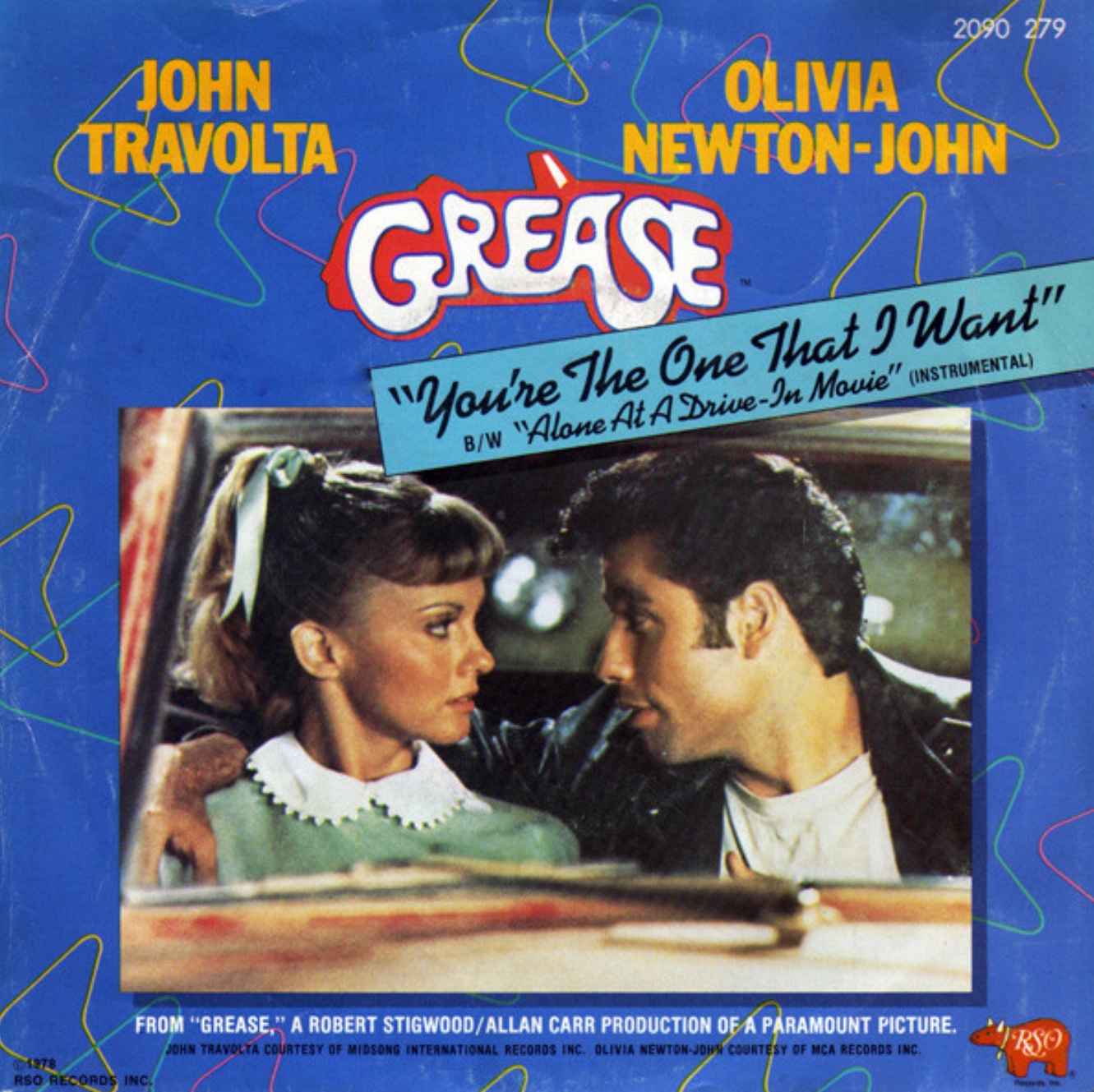
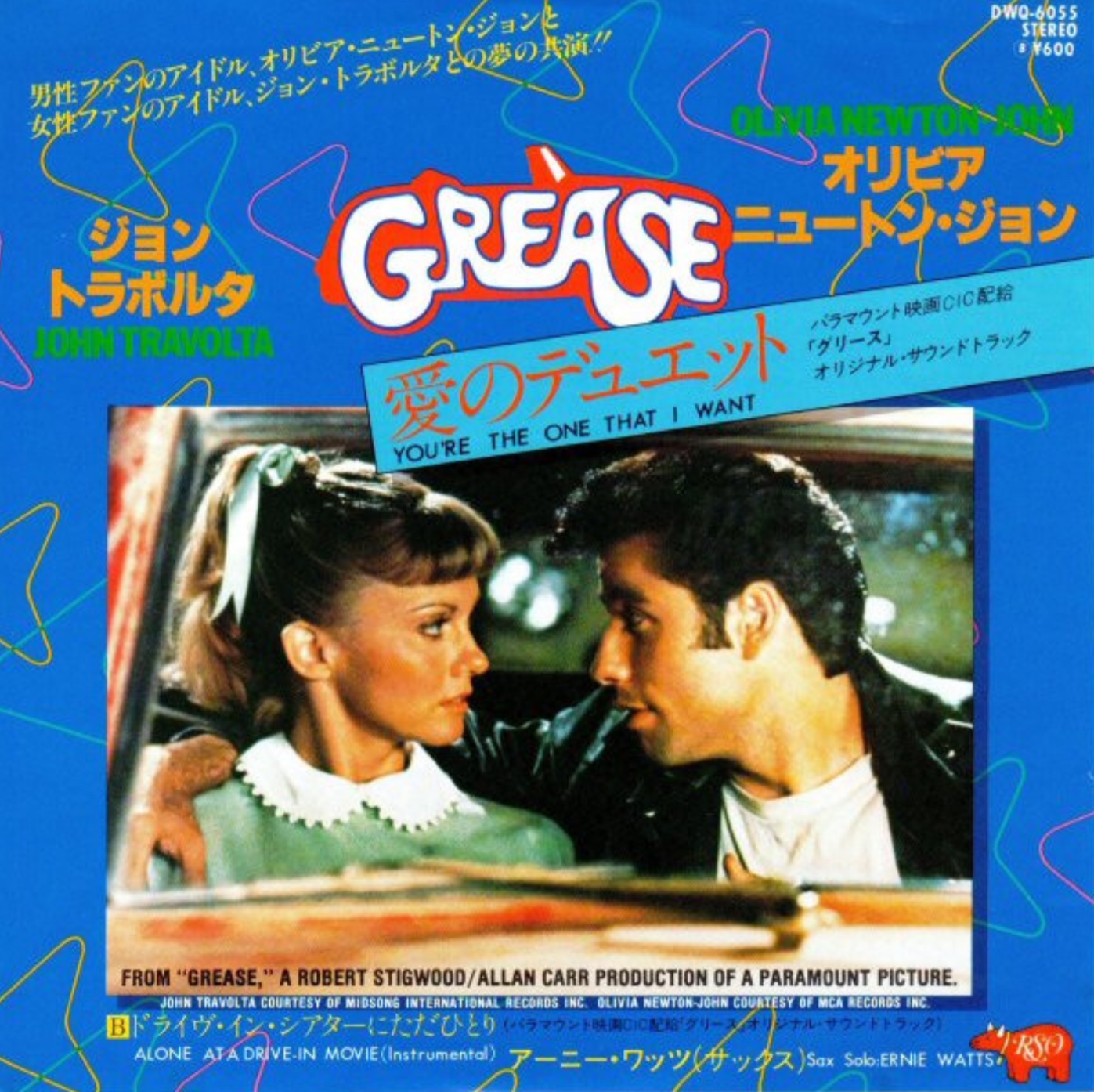
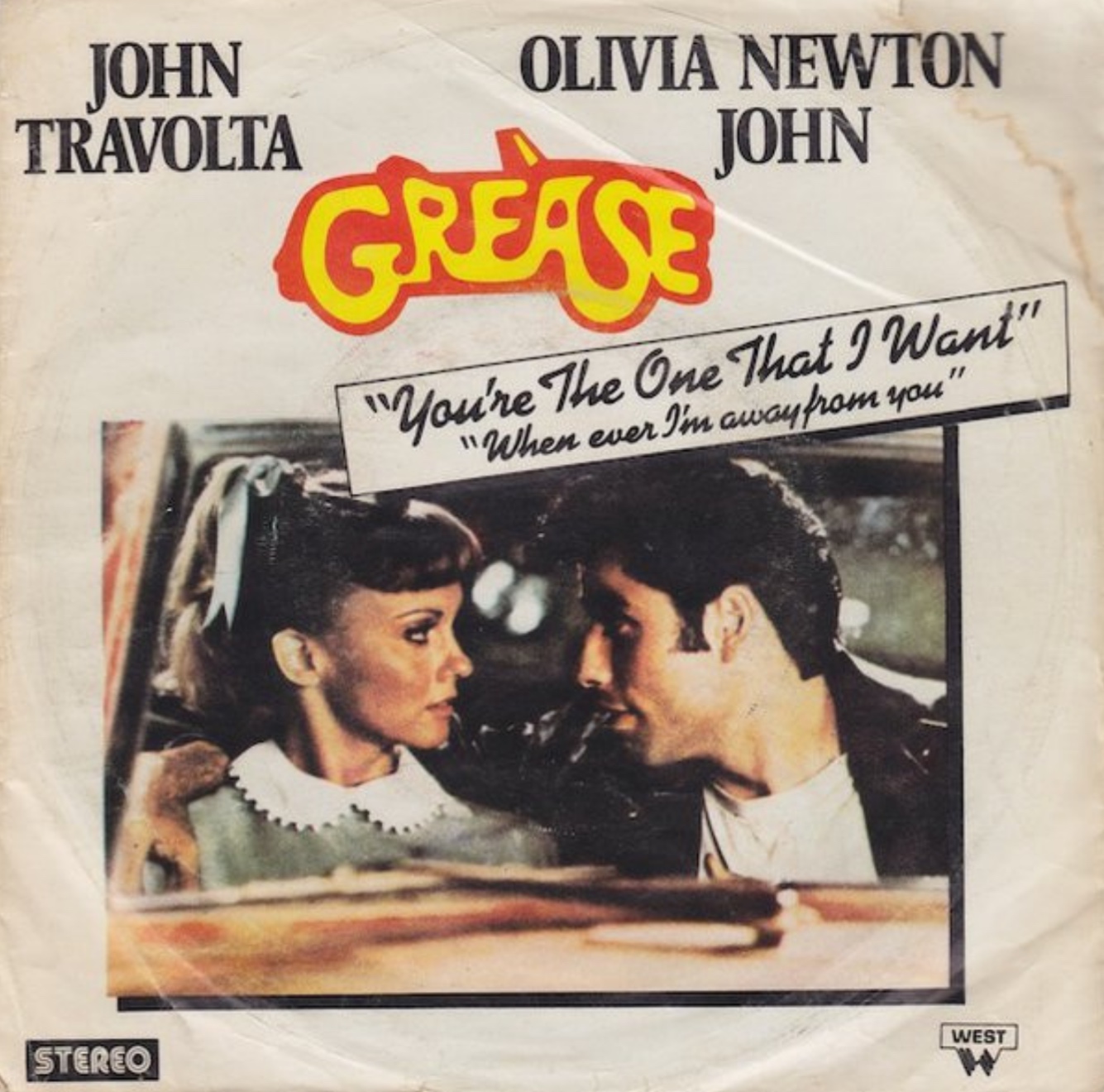
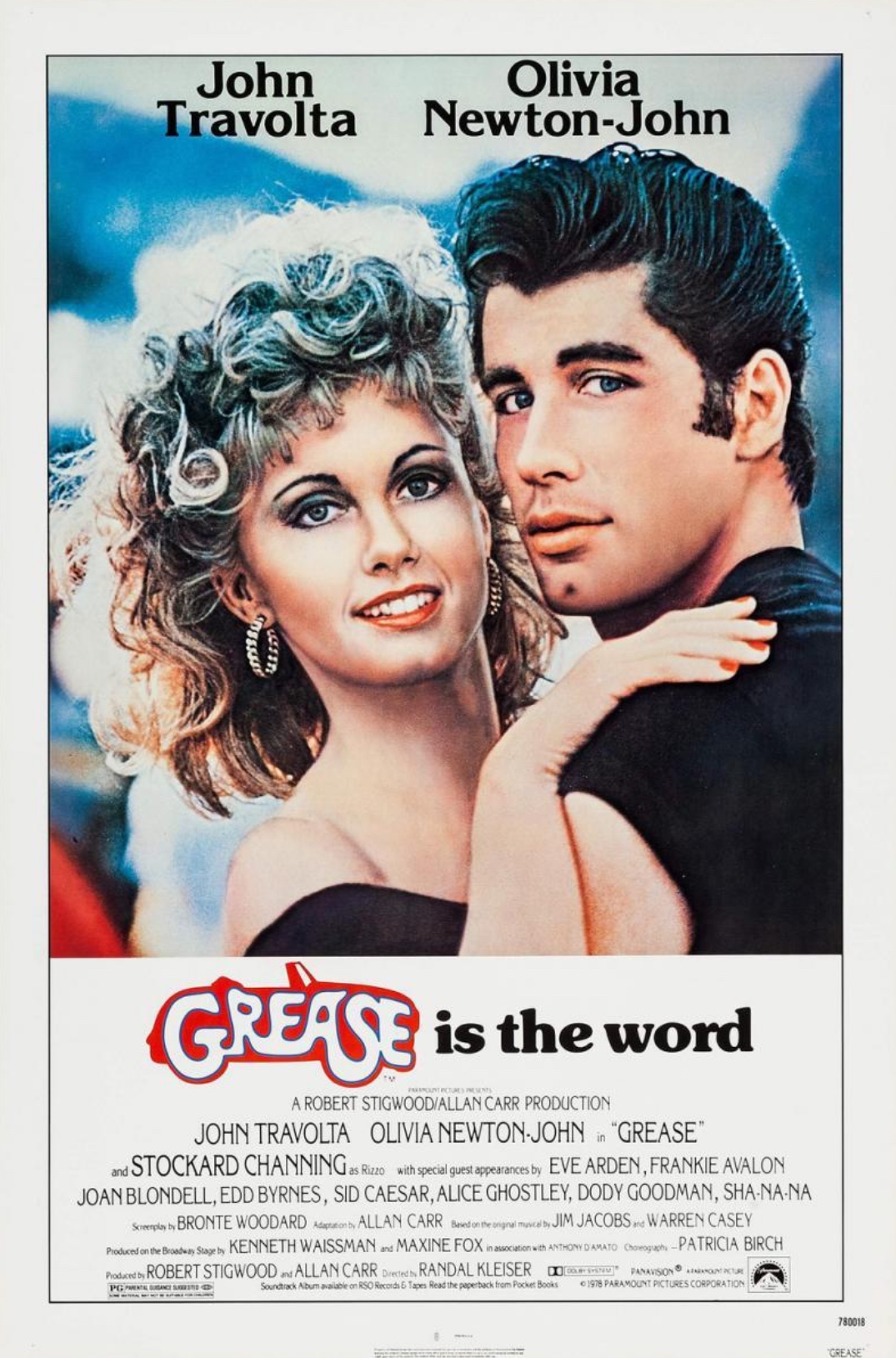
"You're the One That I Want” és una de les cançons més icòniques de la pel·lícula musical Grease. Publicada el 1978 com el segon senzill de la banda sonora, la cançó va ser interpretada per John Travolta i Olivia Newton-John. Escrita i produïda per John Farrar, la pista va esdevenir un enorme èxit comercial, amb més de 4 milions de còpies venudes només als Estats Units i al Regne Unit. Amb estimacions de més de 15 milions de còpies venudes a tot el món, "You're the One That I Want" continua sent un dels senzills més venuts de la història fins a la data.


"You're the One That I Want" és un moment cabdal a la pel·lícula Grease, que serveix com a final on el personatge de John Travolta, Danny, i el de Olivia Newton-John, Sandy, expressen el seu amor malgrat les pressions socials de l'institut. A diferència del musical original de l'escenari, la cançó va ser escrita específicament per a l'adaptació cinematogràfica de Grease. El seu llançament com a senzill abans que la pel·lícula arribés als cinemes va contribuir al seu èxit notable, arribant al número u de les llistes el 10 de juny de 1978, just uns dies abans de l'estrena de la pel·lícula el 16 de juny.


La filmació de l'escena de la fira amb John Travolta i Olivia Newton-John canten "You're the One That I Want" va ser un procés complicat, que va ocupar la major part del dia. El vestuari ajustat a la pell d'Olivia Newton-John per a l'escena va suposar un repte, restringint el seu moviment i la seva comoditat durant tota la filmació. Newton-John va recordar les dificultats, mencionant la calor del dia i la naturalesa restrictiva del seu vestit. A més, no se li permetia beure aigua perquè requeria que utilitzés el lavabo, i donat que estava cosida dins del vestit, hauria estat laboriós de treure i tornar a posar.


La implicació de John Farrar en la composiciò i la producció de "You're The One That I Want" va proporcionar una sensació de familiaritat i comoditat per a Olivia Newton-John, que estava preocupada pel seu paper a la pel·lícula. Newton-John havia treballat amb Farrar en molts dels seus èxits anteriors, i la seva presència va ajudar a alleujar les seves preocupacions sobre la seva aparició a Grease.


La parella d'Olivia Newton-John i John Travolta a Grease era una mica desconcertant. Newton-John, una estrella mundial establerta, tenia poca experiència com a actriu i se sentia inquieta per interpretar una noia d'institut als 29 anys. D'altra banda, Travolta havia assolit la fama recentment després del seu paper protagonista a la pel·lícula de 1977, Saturday Night Fever, que el va catapultar al cim i el va convertir en una sensació de la indústria de l'entreteniment.


A la cançó "You're The One That I Want," Danny Zuko, interpretat per John Travolta, és el líder dels T-Birds i ha assolit recentment l'èxit en una cursa automobilística. Pretén reconciliar-se amb la seva antiga nòvia, Sandy Olsson, interpretada per Olivia Newton-John. Sense que Danny ho sàpiga, Sandy experimenta una transformació, deixant enrere la seva personalitat puritana per abraçar la cultura dels greasers rebels a l'institut. Quan Danny es troba amb la nova Sandy, expressa una gran sorpresa i excitació. Sandy, al seu torn, desafia Danny a "millorar" i demostrar-se capaç de tractar-la amb el respecte i la consideració que es mereix.


JOHN TRAVOLTA & OLIVIA NEWTON-JOHN  - YOU’RE THE ONE THAT I WANT


Released: May 17, 1978

Charted:  UK: #1 (9 weeks)   US: #1 (1 week) 


"You're the One That I Want" is one of the most iconic songs from the musical film Grease. Released in 1978 as the second single from the Grease soundtrack, the song was performed by John Travolta and Olivia Newton-John. Written and produced by John Farrar, the track became a massive commercial success, selling over 4 million copies in the United States and the United Kingdom alone. With estimates of more than 15 million copies sold worldwide, "You're the One That I Want" remains one of the best-selling singles in history to date.


"You're The One That I Want" is a pivotal moment in the movie Grease, serving as the finale where John Travolta's character, Danny, and Olivia Newton-John's character, Sandy, express their love for each other despite the social pressures of high school. Unlike the original stage musical, the song was specifically written for the film adaptation of Grease. Its release as a single before the movie hit theaters contributed to its remarkable success, reaching the number one spot on the charts on June 10, 1978, just days before the movie's release on June 16.


The filming of the fairground scene featuring John Travolta and Olivia Newton-John singing "You're The One That I Want" was an extensive process, spanning the better part of a day. Olivia Newton-John's skin-tight costume for the scene posed challenges, restricting her movement and comfort throughout filming. Newton-John recalled the difficulties, mentioning the heat of the day and the restrictive nature of her outfit. Additionally, she wasn't permitted to drink water because it would require her to use the restroom, and given that she was sewn into the costume, it would have been time-consuming to remove and reapply.


John Farrar's involvement in writing and producing "You're The One That I Want" provided a sense of familiarity and comfort for Olivia Newton-John, who was apprehensive about her role in the film. Newton-John had worked with Farrar on many of her previous hits, and his presence helped alleviate her concerns about appearing in Grease. 


The pairing of Olivia Newton-John and John Travolta in Grease was intriguing. Newton-John, an established global singing star, had limited acting experience and felt uneasy about portraying a high-school girl at the age of 29. On the other hand, Travolta had recently risen to fame following his starring role in the 1977 film Saturday Night Fever, which catapulted him to stardom and made him a sensation in the entertainment industry.


In the song "You're The One That I Want," Danny Zuko, portrayed by John Travolta, is the leader of the T-Birds and has recently achieved success in cross-country running. He aims to reconcile with his estranged girlfriend, Sandy Olsson, played by Olivia Newton-John. Unbeknownst to Danny, Sandy has undergone a transformation, shedding her demure persona to embrace the rebellious greaser culture at their school. As Danny encounters Sandy's newfound confidence and transformation, he expresses pleasant surprise and arousal. Sandy, in turn, challenges Danny to "shape up" and prove himself capable of treating her with the respect and consideration she deserves. 


JOHN TRAVOLTA & OLIVIA NEWTON-JOHN  - SUMMER NIGHTS


Estrena: 25 d'agost de 1978

Llistes: Regne Unit: #1 (7 setmanes) EUA: #5 


"Summer Nights" és una cançó del musical Grease, escrita per Jim Jacobs i Warren Casey. L’icònica interpretació de la cançó va ser realitzada per l'actor i cantant nord-americà John Travolta i la cantant, compositora i actriu britànico-australiana Olivia Newton-John per a l'adaptació cinematogràfica del musical. Llançada a l'agost de 1978 com el quart senzill de l'àlbum de la banda sonora de la pel·lícula, "Summer Nights" es va convertir ràpidament en un èxit massiu a tot el món durant l'estiu de 1978.


El naixement de "Summer Nights" es remunta a un romanç d'estiu entre en Danny i la Sandy. Inicialment, Sandy creu que ha de tornar a Austràlia amb la seva família, cosa que acaba amb la seva relació. No obstant, Sandy descobreix després que la seva família romandrà als Estats Units, la qual cosa la porta a inscriure's a l'institut Rydell, on en Danny també és alumne. La cançó retrata les perspectives contrastades d'en Danny i la Sandy sobre el seu romanç d'estiu.


La versió d'en Danny, cantada als seus amics T-Birds, implica una relació més sexual i aventurera. Mentre que la versió de Sandy a les Pink Ladies descriu un encontre d'estiu dolç i innocent que només implicava agafar-se de la mà i prendre llimonada. La discrepança en les seves històries crea tensió còmica i posa de manifest les diferències en les seves personalitats. Al llarg de la pel·lícula, els intents d'en Danny per mantenir la seva façana i impressionar els seus amics obstaculitzen els seus esforços per reconnectar amb Sandy, resultant en un procés de reconciliació gradual que es desenvolupa al llarg de la història.


La banda sonora original de Grease va gaudir d'un gran èxit, estant dotze setmanes al número u a la llista Billboard 200 als Estats Units. A més, en va estar tretze al capdamunt de la llista d'àlbums britànics, consolidant-ne la popularitat i l'elogi generalitzat internacionalment.


JOHN TRAVOLTA & OLIVIA NEWTON-JOHN  - SUMMER NIGHTS


Released: August 25, 1978

Charted:  UK: #1 (7 weeks)   US: #5 


"Summer Nights" is a beloved song from the musical Grease, written by Jim Jacobs and Warren Casey. The iconic rendition of the song was performed by American actor and singer John Travolta and British-Australian singer, songwriter, and actress Olivia Newton-John for the film adaptation of the musical. Released in August 1978 as the fourth single from the movie's soundtrack album, "Summer Nights" quickly became a massive hit worldwide during the summer of 1978.


The genesis of "Summer Nights" originates from a summer romance between Danny and Sandy. Initially, Sandy believes she must return to Australia with her family, leading to the end of their relationship. However, Sandy later discovers that her family will remain in the United States, prompting her enrollment at Rydell High School, where Danny is also a student. The song portrays the contrasting perspectives of Danny and Sandy regarding their summer romance. 


Danny's version, sung to his T-Birds friends, implies a more physical and adventurous relationship. Meanwhile, Sandy's rendition to her Pink Ladies friends depicts a sweet and innocent summer encounter involving hand-holding and lemonade. The discrepancy in their stories creates comedic tension and highlights the differences in their personalities and experiences. Throughout the film, Danny's attempts to maintain his cool facade and impress his friends hinder his efforts to reconnect with Sandy, resulting in a gradual reconciliation process that unfolds over the course of the story.


The original soundtrack of Grease enjoyed immense success, spending twelve weeks at number one on the Billboard 200 chart in the United States. Additionally, it spent thirteen weeks at the top of the British Album chart, solidifying its popularity and widespread acclaim internationally.