"No No Song" is a 1974 track by Ringo Starr, written by Hoyt Axton and David Jackson. Featured on Starr's 1974 album, “Goodnight Vienna”, it was released as a single in the US paired with "Snookeroo" The song achieved significant success, reaching No. 1 in Canada and securing the third spot on the Billboard charts. Notably, it marked Starr's seventh and final top 10 hit, also claiming the No. 1 position on the Cash Box charts in the US.
The Song humorously explores the theme of someone consistently declining offers of drugs and alcohol, including marijuana from Colombia, cocaine from Majorca, and moonshine from Nashville. The songwriter, Hoyt Axton, used the song as a playful reflection on his own past struggles with drug abuse. Known for his ability to craft whimsical pop songs with a country twist, Axton also penned the Three Dog Night hit "Joy To The World".
Ringo Starr's rendition of "No No Song" is delivered with a touch of irony, considering his own struggles with substance abuse at the time. Despite cheekily referring to it as an "anti-drug song" in interviews, Ringo was far from sober during its recording. The song humorously details the consequences of addiction, such as waking up on the floor. In 1988, Ringo, along with his wife Barbara, entered rehab, reflecting on his years of addiction as a lonely period. The song concludes with Ringo quietly delivering some dialogue in a drunken slur, adding a layer of authenticity to the narrative. On one channel, he says something like "I'll just have another drink, have you got any brandy?" while on the other, "Just put mine in the boot."
GEORGE HARRISON - WHEN WE WAS FAB
Released: January 25, 1988
Charted: US: #23 UK: #25
"When We Was Fab" is a nostalgic reflection by George Harrison on the days of Beatlemania during the 1960s. Released on his 1987 album "Cloud Nine," the song also served as the second single from the album in January 1988. Co-written with Jeff Lynne, who also co-produced the track, the recording pays homage to the psychedelic sound popularized by the Beatles in 1967, incorporating sitar, cello, and backward-relayed effects. Notably, Harrison's former Beatles bandmate Ringo Starr is among the musicians contributing to the track. The accompanying music video, directed by Kevin Godley and Lol Creme, is known for its innovation.
Jeff Lynne's collaboration with George Harrison on "When We Was Fab" extended beyond writing to production, with Lynne co-producing the track along with the entire "Cloud Nine" album. Lynne, a huge Beatles fan, contributed to the song's distinctive sound, particularly noticeable in the cello part played by Philharmonia Orchestra member Bobby Kok.
The genesis of the song occurred during a trip to Australia in 1986, where Harrison and Lynne improvised on a grand piano after a visit to the Adelaide Grand Prix. The initial chords and verse melody were recorded on cassette and later refined during the album recording process in England. The bridge of the song was borrowed from another piece they were working on, completing the track with finalized lyrics.
Harrison incorporated a subtle nod to Bob Dylan by including the line "It's all over now, Baby Blue," which is the title of a 1965 Dylan song. This connection became more significant in 1988 when Harrison, along with Jeff Lynne, joined Dylan, Roy Orbison, and Tom Petty in the supergroup The Traveling Wilburys. Additionally, "Baby Blue" is also the title of a song by Badfinger from their album "Straight Up," a project Harrison started producing but left to organize the Concert For Bangladesh. The song concludes with a touch of sitar played by Harrison, harkening back to Beatles tracks like "Norwegian Wood" and "Within You Without You" where he showcased the instrument.
16.1.24
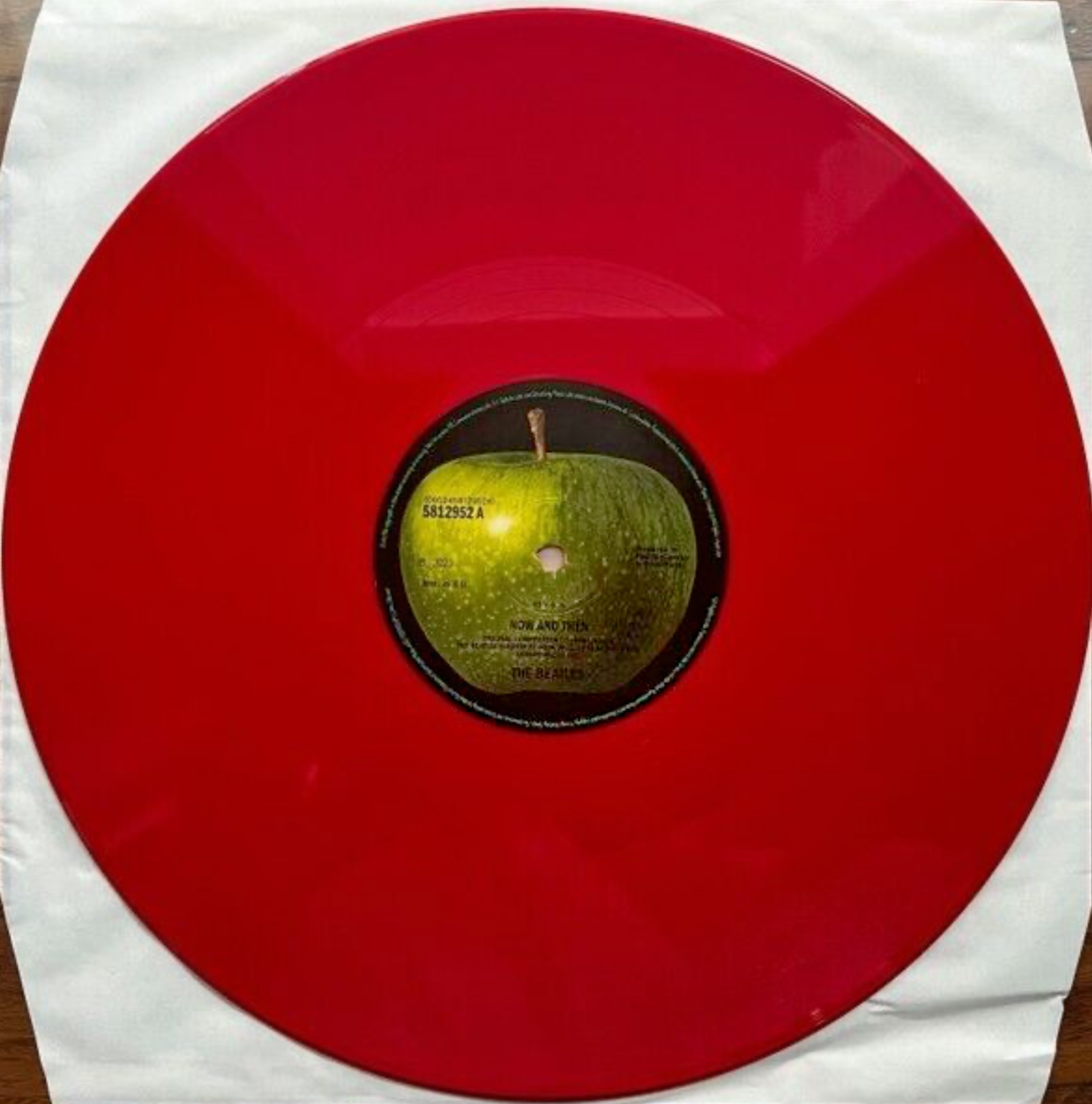
THE BEATLES - NOW AND THEN
Publicació: 2 de novembre de 2023
Llistes: Regne Unit: #1 (1 setmana) EUA: #7
Originalment escrita i enregistrada per John Lennon el 1977 com a peça per a piano en solitari, "Now and Then" va romandre una demo inacabada fins al 1994, quan Yoko Ono la va lliurar, juntament amb les demos de Lennon per a "Free As A Bird" i "Real Love", als Beatles supervivents. La idea d'incloure "Now and Then" com el tercer senzill dels Beatles per al projecte “The Beatles Anthology” va sorgir el 1995-1996, però després de dos dies d'enregistrament, es va deixar de banda principalment a causa de la insatisfacció de George Harrison.
Saltem al 2022 i, aprofitant la tecnologia avançada utilitzada al documental dels Beatles “Get Back”, Paul McCartney i Ringo Starr van emprendre la tasca de completar la pista. La tecnologia d'estudi d'IA, prèviament utilitzada per Peter Jackson, es va aplicar per millorar la presa vocal de Lennon. Reflexionant sobre el passat, Olivia Harrison, vídua de George, va manifestar que els reptes tècnics van impedir els esforços del 1995 i creu que si George estigués present avui, s’uniria amb entusiasme a Paul i Ringo per finalitzar "Now And Then". Apple Records la considera "la darrera cançó dels Beatles", ja que és l'última gravació a la qual tots quatre membres van contribuir.
Aquesta emotiva peça es presenta com un exemple de la feina en solitari de John Lennon als anys 70, servint com una cançó d'amor que probablement fa les funcions de serenata a la seva estimada esposa, Yoko Ono. Amb lletres que expressen moments de desig i un anhel de presència constant, la tornada, "Now and then, I miss you; Oh, now and then, I want you to be there for me; Always to return to me," reflexa la nova harmonia de Lennon amb Yoko després d'un viatge tumultuós. Tot i que sens dubte serveix com una dolça oda a Yoko, també es podria interpretar com una tendra crida de Lennon als seus antics companys de banda, especialment a McCartney.
"Now And Then" és una composició magistralment elaborada que barreja elements de diverses èpoques. Més enllà de la veu de John Lennon, la pista presenta gravacions de guitarra elèctrica i acústica de les sessions abandonades del 1995 de George Harrison. Ringo Starr contribueix amb una nova part de bateria, mentre que Paul McCartney afegeix baix, guitarra i piano, alineant-se perfectament amb l'estil original de Lennon. McCartney ret homenatge a Harrison amb un solo de slide guitar en l’estil de George.
El pont de la cançó incorpora harmonies vocals de gravacions originals de clàssics dels Beatles com "Here, There And Everywhere", "Eleanor Rigby" i "Because". Paul McCartney i el productor Giles Martin utilitzen amb habilitat les tècniques refinades utilitzades durant la creació de l'àlbum de remixos "Love" per integrar aquestes harmonies a la nova composició. Afegint una altra capa de riquesa musical, amb una secció de corda, composada per McCartney, Martin i Ben Foster, que va ser enregistrada als Capitol Studios.
"Now And Then" no només ha captivat els cors dels fans, sinó que també ha assolit fites remarcables a la UK Official Chart:
1) Assegurant el 18è número 1 al Regne Unit pels Beatles: la llegendaria banda consolida la seva posició com els intèrprets britànics amb el major nombre de singles número 1 a la història de les Official Charts, superats només per l’americà Elvis Presley.
2) Batent rècords: els 54 anys entre el seu anterior número 1, "The Ballad of John and Yoko", i "Now And Then" es converteix en la diferència més gran entre números 1 d’un mateix artista a la història de les llistes del Regne Unit, superant el rècord de Kate Bush.
3) Els Beatles estableixen un nou rècord amb una diferència de 60 anys i 6 mesos entre el seu primer número 1, "From Me to You", el 1963, i "Now And Then", superant el rècord d'Elvis Presley per la major diferència entre el primer i darrer número 1 d'un artista.
4) Sir Paul McCartney i Sir Ringo Starr, amb 82 i 83 anys respectivament, es converteixen en la banda més vella en assolir un número 1. A més, ocupen la segona i tercera posició com a artistes de més edat en encapçalar les llistes, seguint els passos de Sir Captain Tom Moore, de 99 anys, el 2020.
THE BEATLES - NOW AND THEN
Released: November 2, 2023
Charted: UK: #1 (1 week) US: #7
Originally penned and recorded by John Lennon in 1977 as a solo piano piece, "Now and Then" remained an unfinished demo until 1994 when Yoko Ono Lennon handed it, along with Lennon's demos for "Free As A Bird" and "Real Love," to the surviving Beatles. The idea of including "Now and Then" as the third Beatles reunion single for The Beatles Anthology project arose in 1995-1996, but after two days of recording, it was shelved primarily due to George Harrison's dissatisfaction.
Fast forward to 2022, and leveraging advanced technology reminiscent of the Beatles documentary Get Back, Paul McCartney and Ringo Starr undertook the task of completing the track. The AI restoration technology, previously employed by Peter Jackson, was applied to enhance Lennon's vocal take. Reflecting on the past, Olivia Harrison, George's widow, shared that technical challenges hindered the 1995 efforts, and she believes that if George were present today, he would enthusiastically join Paul and Ringo in finalizing "Now And Then". Apple Records calls it "the last Beatles song," as it's the last recording all four members contributed to.
This heartfelt track stands as a quintessential example of John Lennon's solo work in the 1970s, serving as an apologetic love song that likely doubles as a serenade to his cherished wife, Yoko Ono. With its lyrics expressing moments of longing and a desire for consistent presence, the chorus, "Now and then, I miss you; Oh, now and then, I want you to be there for me; Always to return to me," reflects Lennon's newfound domestic harmony with Yoko after a tumultuous journey. While it undeniably serves as a sweet ode to Yoko, it could also be interpreted as a tender call from Lennon to his former bandmates, particularly McCartney.
"Now And Then" is a masterfully crafted composition that weaves together elements from various eras. Beyond John Lennon's vocals, the track features electric and acoustic guitar recordings from the abandoned 1995 sessions by George Harrison. Ringo Starr contributes a new drum part, while Paul McCartney adds bass, guitar, and piano, aligning seamlessly with Lennon's original playing. McCartney pays homage to Harrison with a slide guitar solo in his distinctive style.
The bridge of the song incorporates vocal harmonies from original recordings of Beatles classics like "Here, There And Everywhere", "Eleanor Rigby", and "Because". Paul McCartney and producer Giles Martin adeptly use techniques refined during the creation of the remix album “Love” to integrate these harmonies into the new composition. Adding another layer of musical richness, a string section, composed by McCartney, Martin, and Ben Foster, was recorded at Capitol Studios.
"Now And Then" has not only captured the hearts of fans but also achieved remarkable milestones on the UK Official Chart:
1) Securing the 18th #1 UK hit for The Beatles, the legendary band solidifies their position as the British act with the highest number of UK #1 singles in Official Charts history, surpassed only by Elvis Presley.
2) Breaking records, the 54-year gap between their previous #1, "The Ballad of John and Yoko," and "Now And Then" becomes the longest wait between #1s in UK chart history, surpassing the record held by Kate Bush.
3) The Beatles set a new standard with a 60-year-and-6-month gap between their debut #1 single, "From Me to You" in 1963, and "Now And Then", surpassing Elvis Presley's record for the longest time span between an artist's first and last #1 single.
4) Sir Paul McCartney and Sir Ringo Starr, at ages 82 and 83 respectively, become the oldest band to achieve a #1 hit. Additionally, they rank as the second and third-oldest artists to top the chart, following 99-year-old Sir Captain Tom Moore in 2020.
"(Just Like) Starting Over" és una cançó composada i interpretada per John Lennon, inclosa a l'àlbum de 1980 "Double Fantasy". Llançada com a single amb "Kiss Kiss Kiss" de Yoko Ono com a cara B, va aconseguir arribar al número u en les llistes dels EUA i del Regne Unit després de l'assassinat tràgic de Lennon el 8 de desembre de 1980. Aquesta emotiva peça destaca com l'últim senzill de Lennon llançat durant la seva vida.
"Starting Over" transmet l'esperit de renovació en les trajectòries personals i professionals entrellaçades de John Lennon i Yoko Ono durant la creació de "Double Fantasy". David Sheff, un periodista que va realitzar la darrera gran entrevista a Lennon, va destacar el tema evident de la superació dels desafiaments passats a la seva relació. Malgrat les qüestions de confiança anteriors, la cançó irradia un optimisme i una alegria increïbles, simbolitzant un nou començament per a la icònica parella.
"(Just Like) Starting Over" va sorgir d’una sèrie de demos anteriors com "Don't Be Crazy" i "My Life", i va ser una de les últimes cançons completades per a les sessions de "Double Fantasy". Segons el productor Jack Douglas, l'equip la va escoltar per primera vegada l'últim dia de proves. Lennon va acabar d'escriure la cançó durant unes vacances a Bermuda, i es va enregistrar a The Hit Factory de Nova York poc després. Originalment titulada "Starting Over", l'afegit de "(Just Like)" es va posar abans del llançament a causa de les similituds amb "Starting Over Again" de Dolly Parton. La campana que ressona a la introducció feia referència deliberada a la campana que sonava a la cançó de Lennon de 1970 "Mother", destacant el seu retorn a la passada dècada.
La còpia de "Double Fantasy" que Mark Chapman va demanar a John Lennon que signés ha guanyat un valor considerable amb els anys. Amb la signatura de Lennon i les empremtes digitals de Chapman a la portada, té una importància històrica a causa de la seva connexió amb els tràgics esdeveniments. Venut per 525.000 lliures el 2003, el valor del disc ha augmentat significativament, convertint-lo en una peça única i altament valuosa de la història de la música.
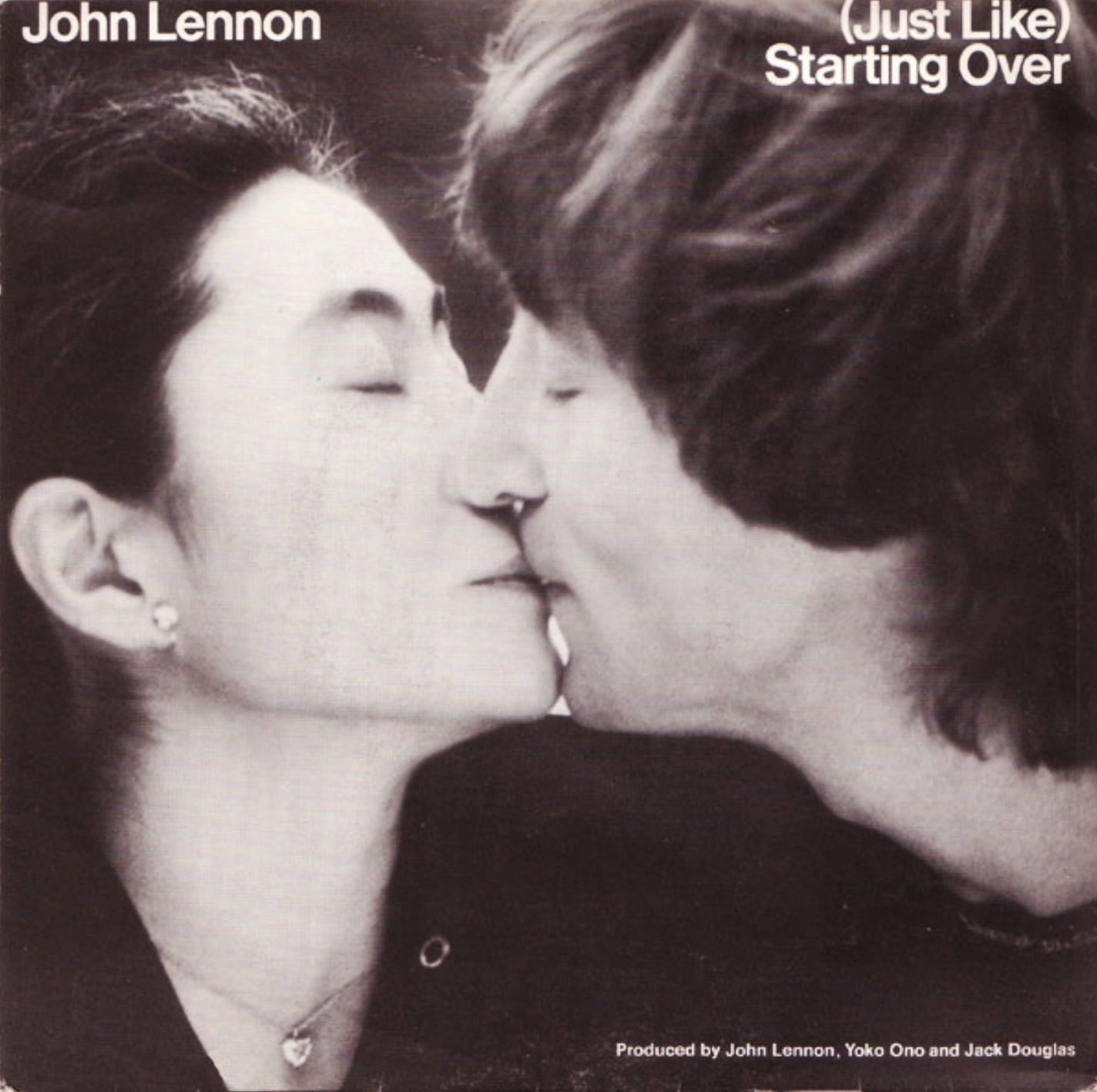
JOHN LENNON - (JUST LIKE) STARTING OVER
Released: October 24, 1980
Charted: UK: #1 (1 week) US: #1 (5 weeks)
"(Just Like) Starting Over" is a song composed and performed by John Lennon, featured on the 1980 album "Double Fantasy". Released as a single with Yoko Ono's "Kiss Kiss Kiss" as the B-side, it remarkably reached number one in both the US and UK charts after Lennon's tragic murder on December 8, 1980. This touching track stands as Lennon's last single released during his lifetime.
"Starting Over" encapsulated the spirit of renewal in John Lennon and Yoko Ono's intertwined personal and professional journeys during the creation of "Double Fantasy". David Sheff, a journalist who conducted the last major interview with Lennon, noted the song's obvious theme of overcoming past challenges in their relationship. Despite prior trust issues, the song radiates incredible optimism and joy, symbolizing a fresh beginning for the iconic couple.
"(Just Like) Starting Over" emerged from earlier demo compositions like "Don't Be Crazy" and "My Life", but it was one of the final songs completed for the Double Fantasy sessions. According to producer Jack Douglas, the team first heard it on the last day of rehearsal. Lennon finished writing the song during a Bermuda holiday, and it was recorded at The Hit Factory in New York City shortly afterward. Originally titled "Starting Over", the addition of "(Just Like)" occurred before release due to similarities with Dolly Parton's "Starting Over Again". The chiming bell in the intro deliberately referenced the tolling bell in Lennon's 1970 song "Mother", highlighting his journey over the past decade.
The copy of “Double Fantasy” that Mark Chapman requested John Lennon to autograph has gained considerable value over the years. With Lennon's signature and Chapman's fingerprints on the cover, it holds historical significance due to its connection with the tragic events. Sold for £525,000 in 2003, its worth has significantly increased, making it a unique and highly valuable piece of music history.


.jpeg)