Total de visualitzacions de pàgina:

6.2.24


PET SHOP BOYS - OPPORTUNITIES (LET’S MAKE LOTS OF MONEY)


Publicació: 1 de juliol de 1985

Llistes: EUA: #10   UK: #11


"Opportunities (Let's Make Lots of Money)" és una cançó dels Pet Shop Boys, coneguda per la seva melodia enganxosa i el seu enfocament satíric sobre el capitalisme i el materialisme. Originalment llançada el 1986, la cançó va guanyar una nova atenció i popularitat després de ser inclosa en un anunci de la Super Bowl el febrer del 2021. Aquesta exposició va portar a un ressorgiment d'interès per la cançó, que va tornar a entrar a diverses llistes de música i, finalment, va arribar al primer lloc a la llista de cançons digitals Dance/Electronic de Billboard el 27 de febrer de 2021.


"Opportunities (Let's Make Lots of Money)" té una història interessant en la trajectòria de la carrera dels Pet Shop Boys. Originalment enregistrada amb el productor Bobby O el 1984 però mai llançada, la cançó va veure finalment la llum quan el duo va signar amb EMI Records. Malgrat la confiança inicial d'EMI en l'èxit de la cançó, el primer llançament d’"Opportunities" el juliol de 1985 no va tenir l'èxit esperat. El subsequent èxit dels Pet Shop Boys amb "West End Girls", especialment després de tornar a enregistrar-la amb el productor Stephen Hague, va portar a una reavaluació d’"Opportunities". La cançó va ser rellançada, i aquesta vegada va assolir un èxit més gran, arribant al número 11 al Regne Unit i al número 10 als Estats Units.


La cançó reflecteix els comentaris de Neil Tennant sobre l'auge del thatcherisme i l'aparició d'una cultura centrada en el consum durant la dècada de 1980 al Regne Unit. La lletra de Tennant, elaborada com a resposta a la suggerència de Chris Lowe de basar una cançó al voltant de la frase "let's make lots of money", serveix com a enfocament satíric de l'ètica materialista que impregnava la societat durant aquella època. "Opportunities" encarna un to satíric, amb Neil Tennant creant una persona lírica lluny de les seves creences i valors personals. El narrador de la cançó adopta una perspectiva cínica i oportunista, defensant la cerca de la riquesa i l'èxit a qualsevol preu.


Els vídeos musicals reflecteixen els temes de la cançó sobre l'ambició, el materialisme i els contrastos socials. En la primera versió dirigida per Eric Watson i Andy Morahan, Neil Tennant i Chris Lowe estan representats en un entorn surrealista d'un aparcament subterrani. Tennant, vestit elegantment amb un vestit guarnit amb un pin de dòlar, sembla representar la cerca de la riquesa i l'èxit. Mentrestant, Lowe, vestit de manera casual, simbolitza un enfocament més pragmàtic i pràctic de la vida.


En la segona versió dirigida per Zbigniew Rybczyński, els temes de la riquesa i l'estatus s'accentuen encara més a través de la simbologia visual. Tennant, vestit elegantment, es contrasta amb Lowe, que representa el treball manual i una existència més humil. La pluja de diners en paper i els intercanvis repetits d'objectes simbòlics entre els dos personatges subratllen la disparitat en el seu estatus social i les seves aspiracions.


PET SHOP BOYS - OPPORTUNITIES (LET’S MAKE LOTS OF MONEY)


Released: July 1, 1985

Charted:  US: #10   UK: #11 


"Opportunities (Let's Make Lots of Money)" is a song by the Pet Shop Boys, known for its catchy melody and satirical take on capitalism and materialism. Originally released in 1986, the song gained renewed attention and popularity following its inclusion in a Super Bowl ad in February 2021. This exposure led to a resurgence of interest in the song, resulting in it re-entering various music charts and ultimately claiming the number one spot on the Billboard Dance/Electronic Digital Songs chart on 27 February 2021. 


"Opportunities (Let's Make Lots of Money)" has an interesting history in the trajectory of the Pet Shop Boys' career. Originally recorded with producer Bobby O in 1984 but never released, the song eventually saw the light of day when the duo signed with EMI Records. Despite EMI's initial confidence in the song's success, the first release of "Opportunities" in July 1985 did not perform as expected. The Pet Shop Boys' subsequent success with "West End Girls," particularly after re-recording it with producer Stephen Hague, prompted a reevaluation of "Opportunities." The song was re-released, and this time it achieved greater success, reaching number 11 in the UK and number 10 in the US.


The song reflects Neil Tennant's commentary on the rise of Thatcherism and the emergence of a culture centered around conspicuous consumption during the 1980s in the UK. Tennant's lyrics, crafted in response to Chris Lowe's suggestion to base a song around the phrase "let's make lots of money," serve as a satirical take on the materialistic ethos that permeated society during that era. "Opportunities” embodies a satirical tone, with Neil Tennant crafting a lyrical persona distinct from his personal beliefs and values. The song's narrator adopts a cynical and opportunistic perspective, advocating for the pursuit of wealth and success at any cost. However, Neil Tennant has clarified that the character portrayed in the song is not a reflection of himself.


The music videos reflect the song's themes of ambition, materialism, and societal contrasts. In the first version directed by Eric Watson and Andy Morahan, Neil Tennant and Chris Lowe are depicted in a surreal underground parking garage setting. Tennant, dressed sharply in a suit adorned with a dollar-sign pin, appears to represent the pursuit of wealth and success. Meanwhile, Lowe, in casual attire, symbolizes a more grounded and practical approach to life. 


In the re-release version directed by Zbigniew Rybczyński, the themes of wealth and status are further emphasized through visual symbolism. Tennant, dressed elegantly, is contrasted with Lowe, who represents manual labor and a more humble existence. The shower of paper money and the repeated exchanges of symbolic objects between the two characters underscore the disparity in their social status and aspirations.


EAGLES - NEW KID IN TOWN


Estrena: 7 de desembre de 1976

Llistes: EUA: #1 (1 setmana)   Regne Unit: #20


"New Kid in Town" és una cançó del seu àlbum d'estudi de 1976 "Hotel California". Va ser escrita per Don Henley, Glenn Frey i JD Souther, i va ser llançada com el primer single de l'àlbum. La versió senzilla té un final mês curt que la versió de l'àlbum. Aquesta cançó és un gran exemple d'escriptura de cançons intel·ligent i de bon gust amb guitarra acústica i belles harmonies vocals. Frey canta la veu principal i Henley proporciona les harmonies. Randy Meisner toca el guitarró mexicà, Don Felder toca les guitarres elèctriques i Joe Walsh toca el piano elèctric i les parts d'orgue. La cançó va guanyar el premi Grammy al millor arranjament vocal per a dues o més veus.


El compositor JD Souther parla d'aquesta cançó: "'New Kid' va sorgir de tota la nostra fascinació pels trets als westerns com a analogia. La qüestió era que en algun moment un noi entraria a la ciutat, seria molt més ràpid que tu i t’ho deia, i després t’ho demostraria. Aquesta és la història de la vida. Aquesta és la història de l'envelliment, sobretot des dels teus anys d'adolescència i joventut i quan t'acostes als 30, comences a veure que les coses no segueixen igual per sempre. Hi ha molts altres nois com tu i noies com tu que volen el mateix que tu, i ells també volen el seu moment, i ho aconseguiran. I està bé. És com ha de ser".


La cançó tracta sobre ser la persona nouvinguda en un entorn familiar i la sensació que produeix ser jutjat pels altres. La lletra descriu les expectatives, les mirades a la gent que passa, la solitud de voler encaixar i les esperances de trobar acceptació i amor. Pinta una imatge del que és ser la persona nova a la ciutat: la xerrada al carrer, la pressió de complir les expectatives, dubtar de tu mateix i la sensació d'esperar ser acceptat. La tornada resumeix de manera succinta les emocions de ser el noi nou a la ciutat amb la frase "Johnny-come-thely, the new kid in town, Everybodys love you, so don't let them down". (Arriba en Johnny, el noi nou de la ciutat, tothom t'estima, així que no els decebis).


Henley va escriure això sobre "New Kid In Town": "Es tracta de la naturalesa fugaç i voluble de l'amor i el romanç. "També es tracta de la naturalesa fugaç de la fama, especialment en el negoci de la música". Souther va dir: "Només estàvem escrivint sobre els nous, els que ens han de substituir".


Aquest va ser el tercer número 1 dels Eagles als Estats Units, i en el debut en solitari de Don Henley, "Johnny Can't Read", se’n fa referència acabant la cançó amb la frase "There's a new kid in town...".


EAGLES - NEW KID IN TOWN


Released: December 7, 1976

Charted:  US: #1 (1wk)   UK: #20 


"New Kid in Town" is a song from their 1976 studio album “Hotel California”. It was written by Don Henley, Glenn Frey and JD Souther, and released as the first single from the album. The single version has an earlier fade-out than the album version. This song is a great example of tasteful, intelligent songwriting on acoustic guitar and beautiful vocal harmonies. Frey sings lead vocals and Henley provides lead harmony vocals. Randy Meisner plays Mexican guitarrón, Don Felder plays electric guitars, and Joe Walsh plays electric piano and organ parts. The song won the Grammy Award for Best Vocal Arrangement for Two or More Voices.


Souther talking about this song: "'New Kid' emerged from our whole fascination with gunfire as an analogy. The point was at some point some kid would come riding into town that was much faster than you and he'd say so, and then he'd prove it. That's the story of life. That's the story of aging, especially coming out of your teenage and young man years and as you approach 30, you begin to see that things don't stay the same forever. And that there's a lot other guys like you and gals like you that want the same thing that are coming up, and they want their moment, too, and they're going to get it. And it's fine. It's as it should be".


The song is about being the new person in a familiar environment and the sense of being judged by others. The lyrics describe the expectations, the glances at people passing by, the loneliness of wanting to fit in, and the hopes of finding acceptance and love. It paints a picture of what it’s like to be the new person in town: the talk on the street, the pressure of living up to expectations, doubting yourself, the restless hearts that never mend, and the sense of hoping to be accepted. The chorus succinctly sums up the emotions of being the new kid in town with the phrase "Johnny-come-lately, the new kid in town, Everybody loves you, so don't let them down".


Henley wrote this about “New Kid In Town”: “It is about the fleeting and fickle nature of love and romance. “It’s also about the fleeting nature of fame, especially in the music business”. Souther said: "We were just writing about our replacements."


This was the Eagles' third #1 hit in the US, and is referenced in Don Henley's solo debut, "Johnny Can't Read", which ends with the line "There's a new kid in town...".


FOREIGNER - DIRTY WHITE BOY


Publicació: agost de 1979

Llistes: EUA: #12


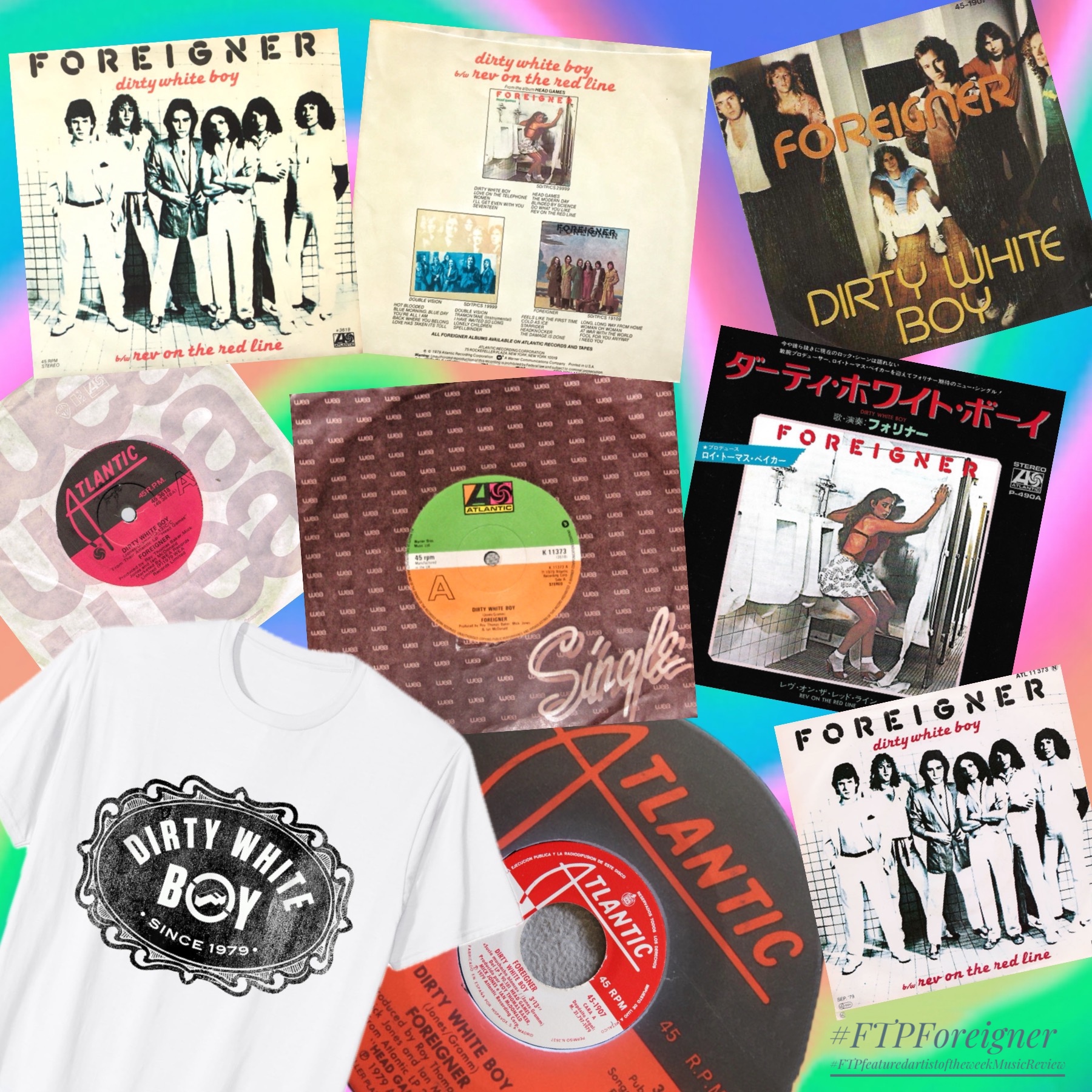
"Dirty White Boy" és una cançó gravada pel grup de rock britànic-nord-americà Foreigner, escrita per Lou Gramm i Mick Jones, i produïda per Roy Thomas Baker, Jones i Ian McDonald. Va ser el primer senzill extret del tercer àlbum d'estudi de la banda de 1979, "Head Games". A la portada de l'àlbum hi havia una foto d'una dona jove endinsada en un urinari al bany d'homes, intentant esborrar el seu número de telèfon de la paret. Això no va anar bé amb alguns propietaris de botigues de discos i emissores de ràdio, que el van censurar. 


La cançó recull l'essència d'un personatge rebel i incomprès. La lletra descriu una persona que no s'ajusta a les normes o expectatives de la societat, per tant se l'anomena "Dirty White Boy" (nen blanc brut). Aquí teniu un desglossament del significat darrere de la lletra. El cantant reconeix que poden oferir consol i suport a algú que es pugui sentir abatut. Tanmateix, també hi ha la consciència que aquesta associació amb ells podria danyar la reputació de l'altra persona. La tornada reforça l'autoidentificació com a "nen blanc brut", suggerint una imatge d'algú que no s'ajusta als estàndards convencionals. Es converteix en una declaració d'individualitat i desafiament. La cançó també revela un patró de problemes i una propensió al perill en la vida del cantant. Es descriu a si mateix com un solitari, constantment a la vora dels problemes, però sense por pel risc. Això emfatitza encara més el seu estatus de foraster i l'atractiu de viure al límit.


Qui era el "Dirty White Boy"? Jones va dir: "Va ser Elvis Presley. Per a mi, sempre va ser aquell noi blanc brut que va canviar completament la forma de la música. Va estar parlant del tipus d'herència que va deixar, i crec que va tenir un efecte en tots els músics. Després en van venir altres com Mick Jagger, que també era un noi blanc brut. Elvis va obrir el camí per a tots".


"Dirty White Boy" va ser una mica controvertida, ja que la raça encara era un tema força tabú a la música popular. L'àlbum no va assolir els màxims dels seus dos primers llançaments i no va produir cap single del Top 10, però finalment va vendre més de 5 milions de còpies. El següent àlbum del grup, "4" va ser molt menys controvertit i molt més amic de la ràdio, assolint el màxim per a la banda. 


FOREIGNER - DIRTY WHITE BOY


Released : August 1979

Charted:  US: #12 


"Dirty White Boy" is a song recorded by British-American rock band Foreigner, written by Lou Gramm and Mick Jones, and produced by Roy Thomas Baker, Jones, and Ian McDonald. It was the first single taken from the band's 1979 third studio album, “Head Games”. On the album cover was a photo of a young woman backed into a urinal in a men's bathroom, trying to erase her phone number from the wall. This didn't go over well with some record store owners and radio stations, especially in the Bible Belt.


The song captures the essence of a rebellious and misunderstood character. The lyrics depict a person who doesn't fit into societal norms or expectations, hence being referred to as a "dirty white boy." Here's a breakdown of the meaning behind the lyrics. The singer acknowledges that they can offer comfort and support to someone who may be feeling down. However, there is also an awareness that this association with them could potentially damage the other person's reputation. The chorus reinforces the self-identification as a "dirty white boy," suggesting an image of someone who doesn't conform to conventional standards. It becomes a declaration of individuality and defiance. The song also reveals a pattern of trouble and a propensity for danger in the singer's life. He describe himself as a loner, constantly on the brink of trouble again, yet unafraid of the risk. This further emphasizes his outsider status and the allure of living on the edge.


Who was the "Dirty White Boy"? Jones told: "It was Elvis Presley. To me, he always was that dirty white boy who changed the shape of music completely. It was talking about the kind of heritage that he left, and I think that had an effect on all the musicians that came after, like Mick Jagger - he was also a dirty white boy. Elvis paved the way for all that."


"Dirty White Boy" was a bit controversial, since race was still a fairly taboo subject in popular music. The album didn't reach the highs of their first two releases and didn't produce any Top 10 singles, but it still eventually sold over 5 million copies. The group's next album, “4” was far less controversial and much more radio friendly.


HUEY LEWIS & THE NEWS - THE POWER OF LOVE


Publicat: 17 de juny de 1985

Llistes: Regne Unit: #9   EUA: #1 (2 setmanes)


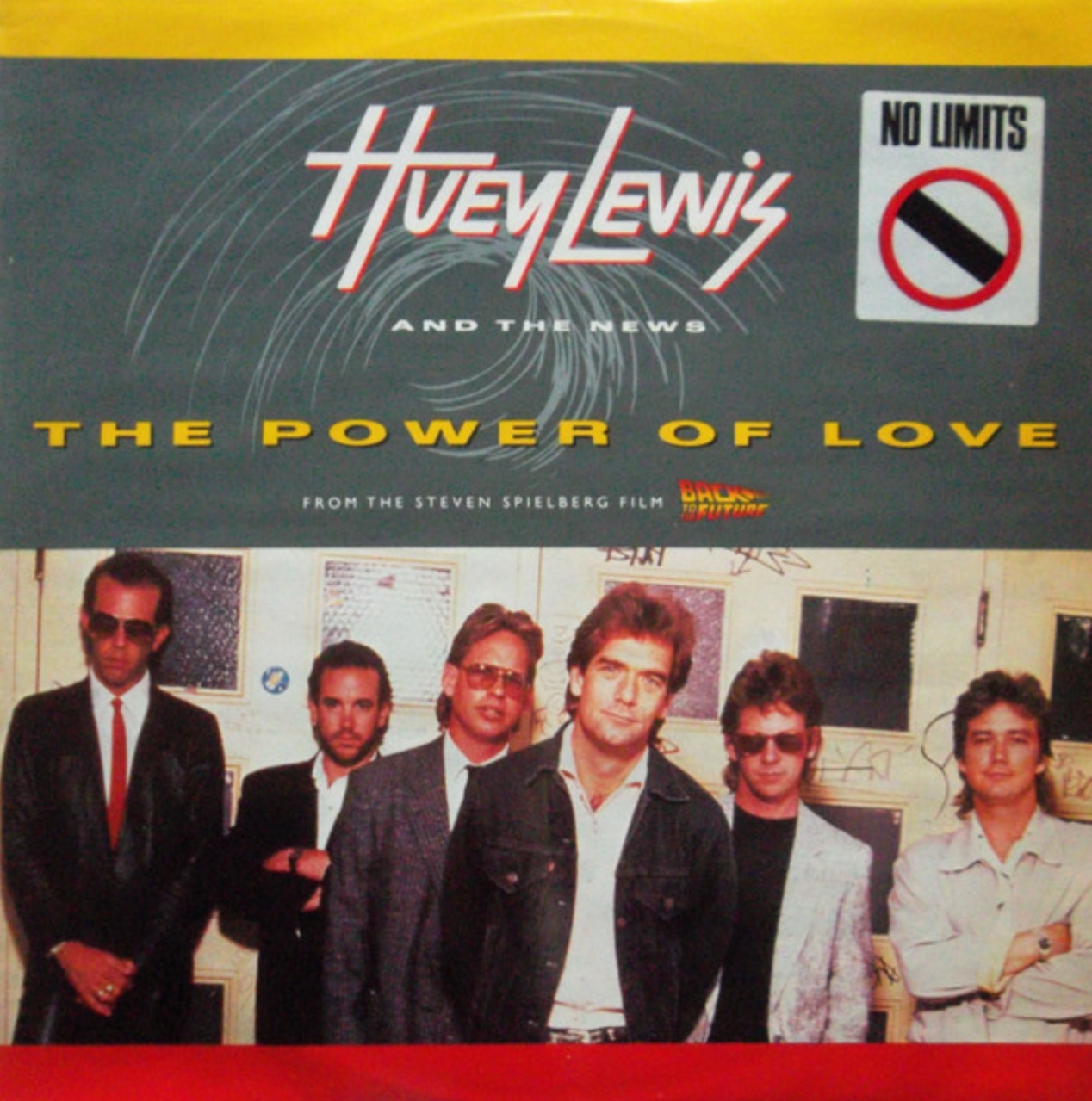
"The Power of Love" és un senzill del 1985 de Huey Lewis and the News, escrit específicament per a la banda sonora de la pel·lícula d'èxit “Back to the Future”. La cançó va suposar el primer número u de la banda a la llista dels més venuts dels Estats Units, el Billboard Hot 100, i el segon número u a la llista del rock mainstream dels Estats Units. Al Regne Unit, es va publicar com a doble cara A amb "Do You Believe in Love", i es va convertir en l'única cançó dins del top ten a la llista de singles del Regne Unit de la banda.


Dirigida per Robert Zemeckis, la pel·lícula situada tant en 1955 com en 1985 requeria una cançó amb un so modern que pogués connectar les dues èpoques. Zemeckis va buscar específicament Huey Lewis & the News per a la cançó. Inicialment reticent a escriure una cançó relacionada directament amb la pel·lícula, Lewis finalment va acceptar el repte quan Zemeckis li va assegurar que la cançó no havia de ser sobre la pròpia pel·lícula. "The Power of Love" sona durant una escena memorable on Marty McFly, interpretat per Michael J. Fox, passeja amb el seu patinet des de la casa de Doc fins a l'escola.


La breu aparició de Huey Lewis com a professor exigent a l'escena de l'audició és un moment destacat a “Back to the Future”. Els Pinheads intenten interpretar "The Power of Love", però la seva actuació és interrompuda pel personatge de Lewis, qui els considera "massa sorollosos". Marty McFly no va poder cantar la cançó durant l'audició perquè "The Power of Love" encara no estava finalitzada. En lloc d'això, Lewis va proporcionar una versió preliminar de la cançó amb lletres fictícies al supervisor musical de la pel·lícula, Bones Howe, qui la va editar per simular que Marty i la seva banda l'interpretaven.


"The Power of Love" va assolir un impressionant ascens al capdavant de les llistes, reflectint l'èxit de la pel·lícula "Back to the Future". Malgrat entrar a la llista Hot 100 al núm. 46 abans de l'estrena de la pel·lícula el 3 de juliol de 1985, la cançó no va arribar al núm. 1 fins al 24 d'agost, on es va mantenir durant dues setmanes. Aquesta fita va suposar el primer dels tres número u als Estats Units per al grup, amb èxits posteriors com "Stuck With You" i "Jacob's Ladder".


El vídeo musical és un divertit i nostàlgic homenatge a la pel·lícula. Tot i que no n’inclou escenes, presenta una divertida aparició de Christopher Lloyd com a Doc Brown. En el vídeo, Doc arriba a l’icònic DeLorean fora d'un club on la banda està actuant. Huey Lewis apareix a l'escenari fent broma sobre l'estatus de la banda a Hollywood, mentre els fans prenen amb entusiasme el DeLorean per a un viatge a través del temps.


HUEY LEWIS & THE NEWS - THE POWER OF LOVE 


Released:  June 17, 1985

Charted:  UK: #9    US: #1 (2 weeks)


"The Power of Love" is a 1985 single by Huey Lewis and the News, written specifically for the soundtrack of the blockbuster film Back to the Future. The song marked the band's first number-one hit on the U.S. Billboard Hot 100 and their second number-one hit on the U.S. Mainstream Rock chart. In the United Kingdom, it was released as a double-A side with "Do You Believe in Love," and it became the band's only top ten hit on the UK Singles Chart.


Directed by Robert Zemeckis, the film's setting in both 1955 and 1985 required a song with a modern sound that could bridge the gap between the two eras. Zemeckis specifically sought out Huey Lewis & the News for the track. Initially hesitant about writing a song directly related to the movie, Lewis eventually accepted the challenge when Zemeckis assured him that the song didn't have to be about the film itself. In the movie, "The Power of Love" plays during a memorable scene where Marty McFly, portrayed by Michael J. Fox, rides his skateboard from Doc's house to school.


Huey Lewis's c ameo as the judgmental teacher in the audition scene is a memorable moment in Back to the Future. The Pinheads' attempt to perform "The Power of Love" is cut short by Lewis's character, who deems them "just too darn loud." Marty McFly, doesn't get to sing the song during the audition because "The Power of Love" wasn't finalized yet. Instead, Lewis provided a rough mix of the song with dummy lyrics to the film's music supervisor, Bones Howe, who edited it to make it seem like Marty and his band were performing.


"The Power of Love" made an impressive climb to the top of the charts, mirroring the success of the film "Back to the Future." Despite entering the Hot 100 chart at #46 before the movie's release on July 3, 1985, the song didn't reach #1 until August 24 where it remained for two weeks. This achievement marked the first of three US #1 hits for the group, with subsequent chart-toppers including "Stuck With You" and "Jacob's Ladder".


The music video is a fun and nostalgic nod to the film. While it doesn't include scenes from the movie, it features an entertaining cameo by Christopher Lloyd in character as Doc Brown. In the video, Doc Brown arrives in the iconic DeLorean outside a club where the band is performing. Huey Lewis is depicted on stage joking about the band's newfound Hollywood status, while fans excitedly take the DeLorean for a joyride through time.