Total de visualitzacions de pàgina:

3.3.24


AC/DC - YOU SHOOK ME ALL NIGHT LONG


Publicació: 15 d'agost de 1980

Llistes: EUA: #35   Regne Unit: #38


"You Shook Me All Night Long" és una cançó de la banda australiana de hard rock AC/DC, inclosa al seu icònic àlbum "Back in Black". De manera notable, la pista va marcar la transició d'AC/DC amb Brian Johnson prenent el relleu com a cantant principal després de la tràgica mort de Bon Scott, l'anterior cantant de la banda, que va morir el febrer de 1980 per beure en excés. Publicada com a senzill, "You Shook Me All Night Long" es va convertir ràpidament en una de les cançons característiques  d'AC/DC.


La explicació de Brian Johnson sobre la inspiració darrere de "You Shook Me All Night Long" aclareix els orígens creatius de la cançó. La seva analogia entre cotxes i dones captura la naturalesa directa i sense excuses de les lletres d'AC/DC, que sovint es centren en temes de l’estil de vida característic del rock 'n' roll. La descripció de les noies americanes i el seu encant, especialment els seus malucs, reflecteix l'estètica del rock 'n' roll present en moltes de les cançons d'AC/DC.


Les declaracions de Silver Smith, l'ex-nòvia de Bon Scott, i Doug Thaler, l'agent d'AC/DC, aclareixen l’orígen de "You Shook Me All Night Long" i la seva lletra. Segons Smith, la cançó es va escriure al seu apartament a Gloucester Road a Kensington, Londres, el 1976. Destaca la inclinació de Scott per escriure en quaderns i perfeccionar les seves lletres amb el temps, indicant que elements de la cançó, com els "malucs americans", ja estaven presents en les seves primeres anotacions. L'afirmació de Thaler reforça la idea que Bon Scott va ser el principal lletrista de la cançó.


Dos vídeos musicals de "You Shook Me All Night Long" ofereixen interpretacions visuals diferents de la cançó: El primer vídeo, dirigit per Eric Dionysius i Eric Mistler, segueix l'estil d'altres vídeos d'AC/DC de l'època de l'àlbum "Back in Black". Inclou imatges de la banda actuant, recordant els seus concerts en directe, i es troba en llançaments especials com "Back in Black, The Videos" i la caixa de “Backtracks”. El segon vídeo, dirigit per David Mallet, es va llançar sis anys després del llançament original de la cançó quan es va reeditar a l'àlbum "Who Made Who". Aquest vídeo mostra Angus i Malcolm Young seguint Brian Johnson per la ciutat de Huddersfield al West Riding de Yorkshire. Hi apareix Angus Young amb el seu icònic vestuari escolar. El vídeo també inclou la model britànica Corinne Russell, juntament amb altres dones vestides de cuir, pedalant sobre bicicletes d'exercici.


AC/DC - YOU SHOOK ME ALL NIGHT LONG 


Released: August 15, 1980

Charted:  US: #35  UK: #38 


"You Shook Me All Night Long" is a song by the Australian hard rock band AC/DC, featured on their iconic album "Back in Black." Notably, the track marked AC/DC's transition with Brian Johnson taking over as the lead vocalist following the tragic death of Bon Scott, the band's former lead singer, who passed away in February 1980 due to alcohol poisoning. Released as a single, "You Shook Me All Night Long" quickly became one of AC/DC's signature tracks.


Brian Johnson's insights into the inspiration behind "You Shook Me All Night Long" shed light on the song's creative origins. His analogy likening cars and women captures the straightforward and unapologetic nature of AC/DC's lyrics, which often focus on themes of rock 'n' roll lifestyle, women, and cars. The imagery of American girls and their allure, particularly their thighs, reflects the rock 'n' roll aesthetic prevalent in many of AC/DC's songs. 


The insights from Silver Smith, Bon Scott's former girlfriend, and Doug Thaler, AC/DC's booking agent, shed light on the origins of "You Shook Me All Night Long" and its lyrics. According to Smith, the song was written at her flat in Gloucester Road in Kensington, London, back in 1976. Scott's penchant for keeping notebooks and refining his lyrics over time is highlighted, indicating that elements of the song, including "American thighs," were already present in its early stages. Thaler's assertion reinforces the idea that Bon Scott was the primary lyricist behind the song, attesting to his creative contributions to AC/DC's music. 


The two music videos for "You Shook Me All Night Long" offer different visual interpretations of the song: The first video, directed by Eric Dionysius and Eric Mistler, follows the style of other AC/DC videos from the "Back in Black" album era. It features performance footage of the band, reminiscent of their live concerts, and is included in special releases like "Back in Black, The Videos" and the Backtracks box set. The second video, directed by David Mallet, was released six years after the song's original release when it was reissued in the album "Who Made Who." This video features Angus and Malcolm Young following Brian Johnson around the town of Huddersfield in West Riding of Yorkshire. Angus Young is seen wearing his iconic schoolboy outfit. The video also includes English glamour model Corinne Russell, along with other leather-clad women, pedaling exercise bicycles in the background.


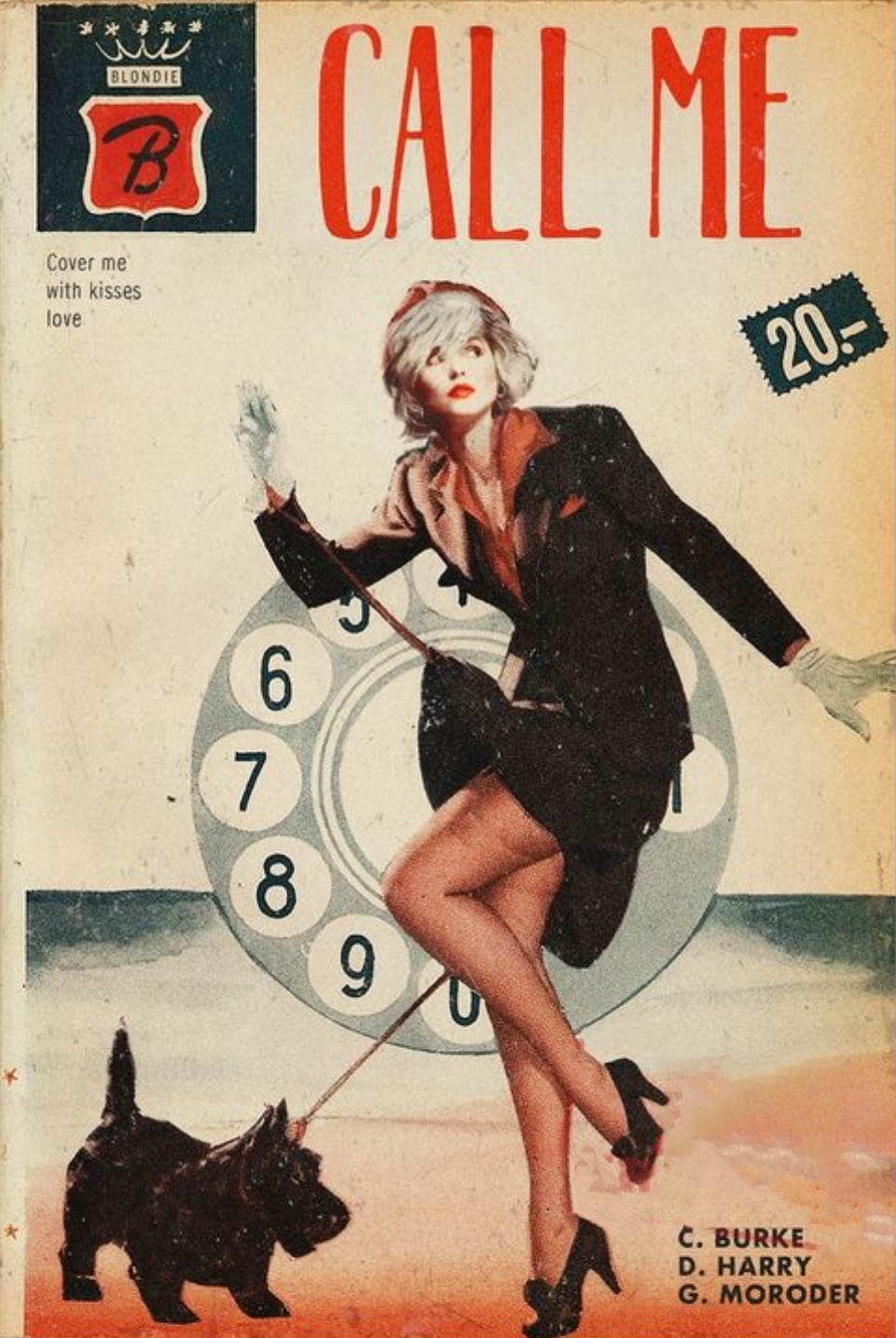
BLONDIE - CALL ME


Publicació: 29 de gener de 1980

Llistes: Regne Unit: #1 (1 setmana)   EUA: #1 (6 setmanes)


"Call Me" és la cançó principal de la pel·lícula American Gigolo de 1980. Va ser produïda i escrita per Giorgio Moroder, amb lletra de Debbie Harry. Moroder inicialment va imaginar la cançó per a Stevie Nicks, la cantant de Fleetwood Mac, però quan Nicks va declinar l'oferta, va obrir pas a l’icònica interpretació de Debbie Harry.


Només ser llançada com a single als Estats Units a principis de 1980, "Call Me" va dominar les llistes, assegurant-se el primer lloc a la llista Billboard Hot 100 durant sis setmanes consecutives. Amb aquest assoliment “Call me” es va convertir en l’èxit més gran de Blondie i el seu segon número u. La cançó també va tenir un èxit significatiu a nivell internacional, arribant a la primera posició al Regne Unit i al Canadà.


"Call Me" tracta sobre la vida vista des de la perspectiva d'una prostituta, adaptada de manera adequada per a la pel·lícula American Gigolo, on destaca una escena que mostra la professió del personatge principal. Giorgio Moroder I Debbie Harry van col·laborar per escriure la cançó, i aquest treball de Harry a "Call Me" li va suposar ser la primera dona en la història de les llistes britàniques en haver escrit tres cançons que van arribar al número u.


La col·laboració de Giorgio Moroder amb Blondie no va estar exempta de problemes, com va revelar a la revista Billboard. L'experiència d'enregistrar la cançó amb la banda va deixar Moroder desil·lusionat amb el treball amb bandes de rock en general. Recordant les dificultats trobades durant el procés d'enregistrament, Moroder va assenyalar els conflictes i tensions persistents que van sorgir entre els membres de la banda. Moroder tenia la intenció de seguir treballant amb Blondie en un nou àlbum, però la discordia entre els músics va anar més enllà de l'estudi d'enregistrament. Els conflictes personals van persistir, arribant a un punt de ruptura quan les tensions van esclatar entre el guitarrista i el teclista durant una sessió a l'estudi. Afrontat a la discordia contínua, Moroder va prendre la decisió de posar fi a la seva implicació en el projecte, optant per retirar-se enlloc de gestionar més conflictes.


BLONDIE - CALL ME


Released: January 29, 1980

Charted:  UK: #1 (1 week)   US: #1 (6 weeks) 


"Call Me" is the theme song for the 1980 film American Gigolo. The song was produced and composed by Giorgio Moroder, with lyrics by Blondie's lead vocalist Debbie Harry. Moroder initially envisioned Fleetwood Mac’s singer Stevie Nicks to lend her vocals to the track. However, Nicks declined the offer, paving the way for Debbie Harry's iconic performance on the song. 


Upon its release as a single in the United States in early 1980, "Call Me" dominated the charts, claiming the top spot on the Billboard Hot 100 chart for six consecutive weeks. This achievement marked Blondie's biggest single and their second number one hit. The song also achieved significant success internationally, reaching the number one position in the UK and Canada.


"Call Me" delves into the theme of a prostitute's perspective, fittingly crafted for the film American Gigolo, where it underscores a scene depicting the lead character's profession. Giorgio Moroder collaborated with Blondie's lead vocalist, Debbie Harry, in penning the song. Harry's contribution to "Call Me" marked her as the first woman in British chart history to have written three number one hits.


Giorgio Moroder's collaboration with Blondie on "Call Me" was not without its challenges, as he revealed to Billboard magazine. The experience of recording the song with the band left Moroder disillusioned with working with rock bands in general. Recalling the difficulties encountered during the recording process, Moroder noted the persistent conflicts and tensions that arose among band members.


In fact, the discord among the musicians extended beyond the recording studio, as Moroder intended to continue working with Blondie on a subsequent album. However, the interpersonal conflicts persisted, reaching a breaking point when tensions flared between the guitarist and keyboard player during a studio session. Faced with ongoing discord, Moroder made the decision to terminate his involvement with the project, opting to withdraw rather than navigate further conflicts


2.3.24


DONNA SUMMER - LOVE IS IN CONTROL (FINGER ON THE TRIGGER)


Estrena: juny de 1982

Llistes: Regne Unit: #18  EUA: #10


"Love Is in Control (Finger on the Trigger)" és un senzill nominat als Grammy de l'àlbum homònim de Donna Summer del 1982, significant el seu 12è èxit dins del top 10 a la llista Billboard Hot 100. La cançó va servir com a single principal de l'àlbum, el qual va ser produït per Quincy Jones. El tema va ser escrit per Jones i Rod Temperton, conegut pel seu treball amb la banda de funk Heatwave i la seva col·laboració amb Michael Jackson en èxits com "Rock with You".


La transició de Donna Summer del seu àlbum anterior, "The Wanderer", a la seva col·laboració amb Quincy Jones va suposar diversos desafiaments. Després de la certificació d'or de "The Wanderer", el seu treball inicial amb Geffen Records, el següent projecte de Donna era "I'm a Rainbow" amb Giorgio Moroder i Pete Bellotte, però David Geffen va decidir cancel·lar-ho i va suggerir que Summer fes un àlbum amb Quincy Jones. Aquest treball amb Jones es va fer, tot i que el procés d'enregistrament va ser dur per a Summer, agreujat pel seu embaràs i la decepció per l'arxivament d’"I'm a Rainbow" per part de Geffen Records, que es va publicar finalment el 1996.


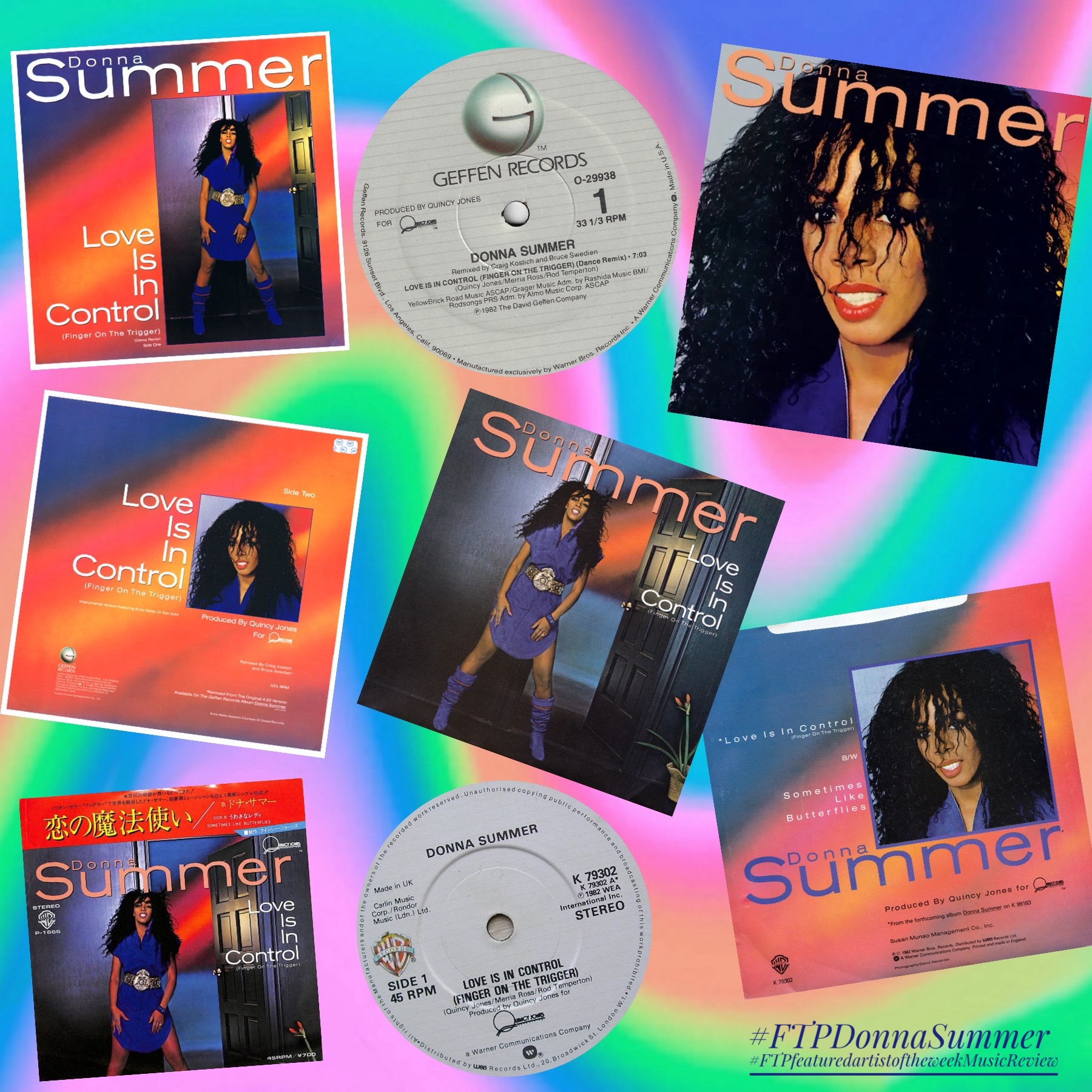
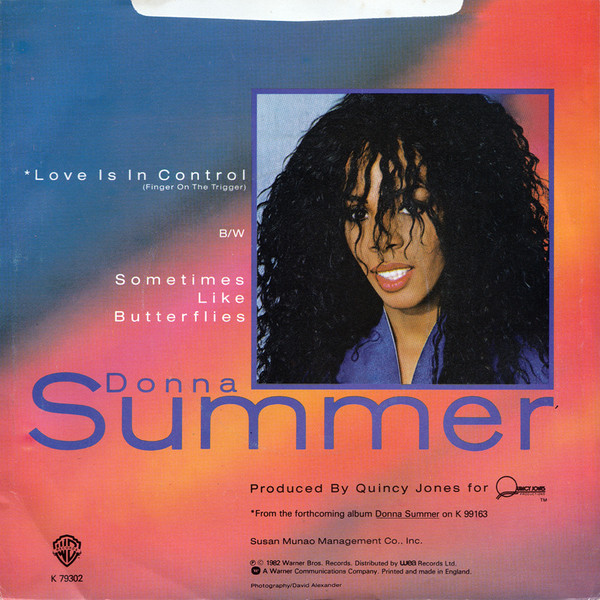
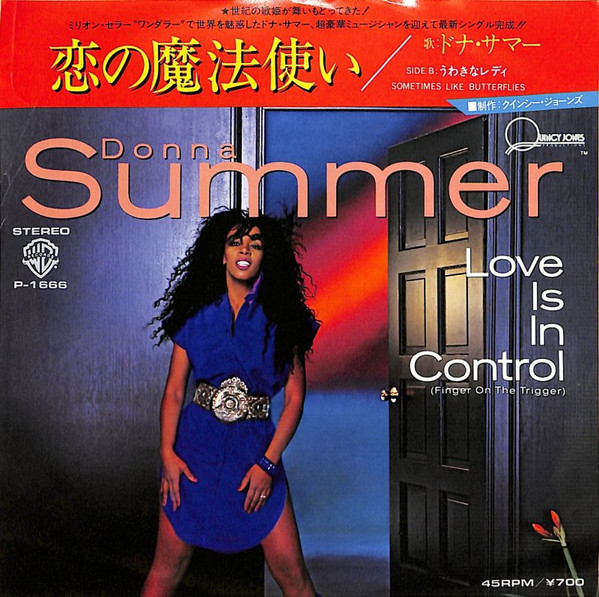
El videoclip de Donna Summer per a "Love Is in Control (Finger on the Trigger)" la mostra ballant en una habitació plena d'art pop. Per ocultar l’embaràs de la seva filla, Amanda Grace, va portar un vestit de negre durant el rodatge. A més de les escenes principals amb ella ballant, el vídeo inclou clips de Summer en una sessió de fotos, on portava un vestit blau amb un cinturó gran per ocultar el seu estómac. Aquest vestit blau també és el que llueix a la portada del senzill i de l'àlbum.


"Love Is in Control (Finger on the Trigger)" va assolir un èxit significatiu, arribant al número 10 a la llista Billboard Hot 100 dels Estats Units la setmana del 25 de setembre de 1982. Això va significar el setzè èxit en el top 40 de Donna Summer i també va arribar al número 4 a la llista R&B dels Estats Units. Tot i que l'àlbum va rebre la certificació d'or als Estats Units, no va generar més èxits importants i tampoc va complir les expectatives de Geffen Records per a un disc del que s’esperava molt més. 


DONNA SUMMER - LOVE IS IN CONTROL (FINGER ON THE TRIGGER) 


Released: June 1982

Charted:  UK: #18   US: #10 


"Love Is in Control (Finger on the Trigger)" stands as a Grammy-nominated single from Donna Summer's eponymous 1982 studio album, marking her 12th top 10 hit on the Billboard Hot 100 chart. The song served as the lead single from the album, which was produced by Quincy Jones. The track was composed by Jones and Rod Temperton, known for his work with the funk band Heatwave and his collaboration with Michael Jackson on hits like "Rock with You". Surrounding guitar riffs, layered background vocals and rhythmic beats injected the song with the usual commercially powerful sound of its era. 


Donna Summer's transition from her previous album "The Wanderer" to her collaboration with Quincy Jones faced several challenges. After the gold certification of "The Wanderer", her initial work with Geffen Records, Donna's next project was to be "I'm a Rainbow" with Giorgio Moroder and Pete Bellotte, however David Geffen decided to cancel it and suggest Summer do an album with Quincy Jones. That work with Jones was done, although the recording process was arduous for Summer, compounded by her pregnancy and disappointment over the shelving of "I'm a Rainbow" by Geffen Records. "I'm a Rainbow" was finally published in 1996.


Donna Summer's music video for "Love Is in Control (Finger on the Trigger)" showcases her dancing in a vibrant room filled with pop art. To conceal her pregnancy with her baby, Amanda Grace, she donned a black satin outfit during the filming. In addition to the main scenes of her dancing, the video includes clips of Summer at a photo shoot, where she wore a blue dress with a substantial belt to obscure her stomach. This blue dress is also featured on the cover of both the single and the album.


"Love Is in Control (Finger on the Trigger)" achieved significant success, reaching No. 10 on the US Billboard Hot 100 chart on the week of September 25, 1982. This marked Donna Summer's sixteenth top 40 hit and also peaked at No. 4 on the US R&B Chart. The incorporation of police whistles in the song, reminiscent of "Bad Girls," contributed to its appeal and nostalgic resonance with Summer's earlier successes. Although the parent album received a gold certification in the US, it did not yield further major hits and did not meet Geffen Records' expectations for a powerhouse album. 


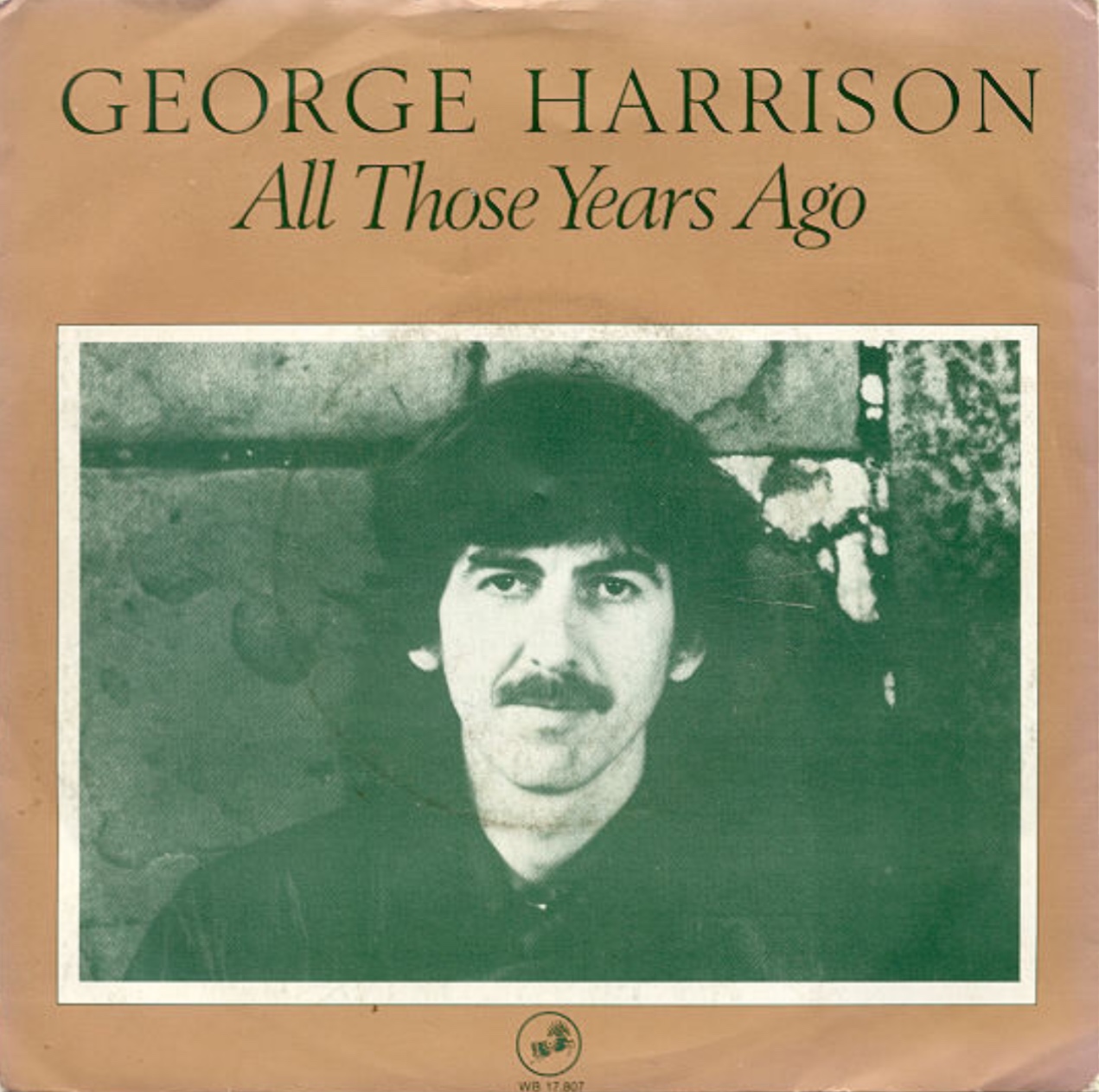
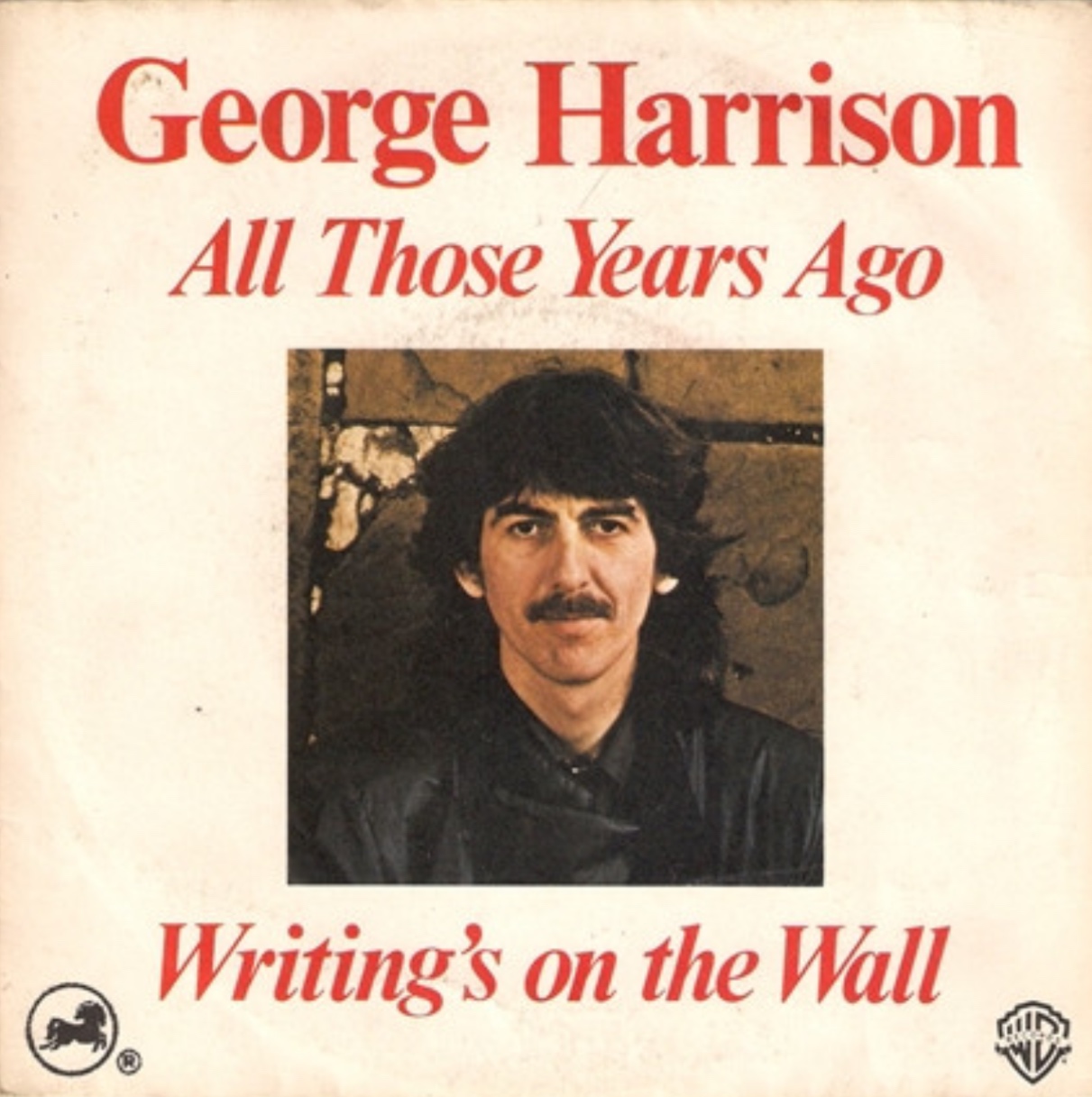
GEORGE HARRISON - ALL THOSE YEARS AGO


Estrena: 11 de maig de 1981

Llistes: Regne Unit: #13   EUA: #2


"All Those Years Ago", llançada el 1981, és un homenatge de Harrison al seu difunt company de banda dels Beatles, John Lennon, qui va ser tràgicament assassinat el 1980. La lletra de la cançó reflecteix els seus sentiments personals i els records dels moments compartits amb John. Ringo Starr va tocar la bateria a la pista, i Paul McCartney, juntament amb els membres de Wings, Linda McCartney i Denny Laine, van afegir els cors durant les gravacions. La cançó també compta amb contribucions addicionals de músics destacats com Al Kooper i Ray Cooper.


Inicialment destinada a Ringo Starr amb una lletra diferent, la cançó es va transformar després de la tràgica mort de John Lennon. George Harrison, en revisar la composició, va remodelar la lletra per utilitzar-la com a emotiu homenatge al seu company de banda difunt. L’inclusió de referències a les cançons icòniques de Lennon, "All You Need Is Love" i "Imagine", dins de la lletra ressalta la intenció de George de mostrar el seu apreci per Lennon.


"All Those Years Ago" té un significat especial per ser una de les poques ocasions en què George Harrison, Paul McCartney i Ringo Starr van col·laborar, significant la seva primera gravació conjunta des de "I Me Mine" el 1970. La convergència de George Martin, Geoff Emerick i membres de Wings a l'estudi de George Harrison, inicialment destinat a una gravació de guitarra per a l'àlbum de Paul McCartney "Tug of War", va prendre un gir inesperat. En lloc de contribuir a l'àlbum de McCartney, la sessió es va convertir en una gravació coral per al tribut de Harrison.


El relat d'Al Kooper a "Backstage Passes and Backstabbing Bastards" ofereix un cop d'ull a la reacció immediata de George Harrison en conèixer la tràgica mort a trets de John Lennon. La visible angoixa de Harrison i les trucades de suport de Paul McCartney i Yoko Ono revelen l'impacte emocional dins del cercle dels Beatles. Malgrat la trista notícia, Harrison va trobar consol a l'estudi, on la feina del dia a dia va donar com a resultat l'àlbum "Somewhere in England", tot i el difícil moment per a la família Beatle.


Malgrat el seu sincer missatge, el single es va trobar amb una dura competició als rànquings, arribant al número 2 al Billboard Hot 100 dels Estats Units on hi va estar durant tres setmanes, just darrere de "Bette Davis Eyes" de Kim Carnes. Al Regne Unit, va assolir el número 13 a la llista UK Singles Chart.


GEORGE HARRISON - ALL THOSE YEARS AGO 


Released: May 11, 1981

Charted:  UK: #13  US: #2 


"All Those Years Ago", released in 1981, stands as tribute to his late Beatles bandmate, John Lennon, who was tragically murdered in 1980. The song's lyrics reflect his personal feelings and memories of their shared history. Ringo Starr played drums on the track, and Paul McCartney, along with Wings members Linda McCartney and Denny Laine, added backing vocals during overdubbing. The track also features additional contributions from notable musicians like Al Kooper and Ray Cooper.


Initially intended for Ringo Starr with different lyrics, the song underwent transformation after John Lennon's tragic death. George Harrison, revisiting the composition, reshaped the lyrics to serve as a poignant tribute to his departed bandmate. The inclusion of references to Lennon's iconic songs, "All You Need Is Love" and "Imagine," within the lyrics adds a reflective dimension to the track.


"All Those Years Ago" holds significance as a rare instance where George Harrison, Paul McCartney, and Ringo Starr collaborated, marking their first joint recording since "I Me Mine" in 1970. The convergence of George Martin, Geoff Emerick, and members of Wings at George Harrison's studio, initially intended for a guitar overdub on Paul McCartney's "Tug of War", took an unexpected turn. Instead of contributing to McCartney's album, the session evolved into a vocal recording for Harrison's tribute, "All Those Years Ago."


Al Kooper's account from "Backstage Passes and Backstabbing Bastards" provides a glimpse into George Harrison's immediate reaction upon learning about John Lennon's tragic shooting. Harrison's visible distress and the supportive phone calls from Paul McCartney and Yoko Ono shed light on the emotional impact within the Beatles' circle. Despite the somber news, Harrison found solace in the studio, where the day's work became part of the album "Somewhere in England."


Despite its heartfelt message, the single faced tough competition on the charts, reaching number 2 on the US Billboard Hot 100 for three weeks, just behind "Bette Davis Eyes" by Kim Carnes. In the UK, it peaked at number 13 on the Singles Chart.