Total de visualitzacions de pàgina:

24.3.24


RICK ASTLEY - NEVER GONNA GIVE YOU UP


Estrena: 27 de juliol de 1987

Llistes: Regne Unit: #1 (5 setmanes)  EUA: #1 (2 setmanes)


"Never Gonna Give You Up", llançada el 1987, es va convertir en una sensació internacional, encapçalant les llistes en 25 països, inclosos el Regne Unit i els Estats Units. Produïda per Stock Aitken Waterman, la cançó va ser llançada per RCA Records com el primer single del primer àlbum d'estudi de Astley, "Whenever You Need Somebody", mantenint-se al capdamunt de la llista del Regne Unit durant cinc setmanes, sent el single més venut del 1987 i guanyant el premi al Millor Single Britànic als Brit Awards del 1988.


"Never Gonna Give You Up" va originar-se a partir d'una experiència personal de Pete Waterman, que va mantenir una relació amorosa durant tres anys i va servir com a inspiració. Rick Astley, que en aquell moment estava amb Waterman, va comentar la situació després d'una trucada telefònica, la qual cosa va donar lloc al concepte de la cançó. Astley havia estat treballant a l’estudi de Stock, Aitken i Waterman durant dos anys, inicialment fent tasques menors com operar amb màquines de gravció i fer el te. Finalment, el trio va escriure i produir la cançó per a Astley, que es va convertir en el seu èxit inicial. Enregistrada a l'octubre de 1986, es va llançar estratègicament al juliol de 1987 per presentar Astley com a nou artista en el món de la música.


Quan la maqueta de Rick Astley es va presentar a RCA Records, un executiu va ser escèptic que la veu de baríton que s'escoltava a la cinta pertanyés a un jove prim de Manchester. En resposta, Astley i el seu equip es van organitzar perquè l'executiu escoltés Astley cantar en persona a la recepció dels estudis d'enregistrament de PWL. Astley va recordar l'experiència, afirmant: "Així que el vam portar a la recepció dels estudis d'enregistrament de PWL i li vaig cantar... i llavors va quedar convençut".


El vídeo musical dirigit per Simon West mostra Rick Astley actuant en diversos llocs de West London, incloent-hi un club buit on inspira gradualment un cambrer, interpretat pel ballarí Clive Clarke. Durant el rodatge, Clarke va intentar un salt mortal però va caure sobre el cap a causa d'una ressaca seriosa. Afortunadament, no va resultar ferit i va completar amb èxit l'acrobàcia en una altra presa. A més, el manager d'Astley va mantenir una discussió de dues hores amb West sobre si les mànigues d'Astley havien d'estar arremangades, com va revelar VH1's Pop Up Video.


La cançó "Never Gonna Give You Up" es va convertir en un himne del Rickrolling, una broma d'internet que va sorgir el 2007. Diversos llocs web, inclosos els que no tenien res a veure amb la cançó, publicaven enllaços enganyosos que suposadament portaven a contingut interessant, però en realitat redirigien els usuaris al vídeo musical de la cançó de Rick Astley a YouTube. Aquest fenomen va aconseguir milions de visualitzacions per al vídeo i es va convertir en una sensació viral. Astley mateix es va adonar finalment de la tendència després de ser Rickrolled diverses vegades i va compartir el seu desconcert sobre això en una entrevista amb el LA Times, reconeixent la estranyesa de veure's a ell mateix més jove en línia i comentant sobre la imprevisibilitat i la creativitat de la cultura d'internet.


Rick Astley no va pujar el vídeo musical oficial de "Never Gonna Give You Up" a YouTube fins al 24 d'octubre de 2009, es a dir, dos anys després que la tendència del Rickrolling ja hagués començat. Abans d'això, còpies no autoritzades del vídeo circulaven a la plataforma, sovint utilitzades com a part de la broma.


Nick Lowe ofereix una perspectiva més cínica sobre el sentiment de la cançó de Rick Astley en la seva pista de 1990 "All Men Are Liars". En la seva lletra, Lowe fa referència a la cançó d'èxit d'Astley, expressant menyspreu per la seva simplicitat i insinceritat. Lowe canta críticament sobre l'afirmació d'Astley de mai rendir-se ni decebre, insinuant que aquestes declaracions són buides i que Astley, tot i ser jove quan va fer aquestes promeses, probablement entén ara la seva inadequació.


RICK ASTLEY - NEVER GONNA GIVE YOU UP


Released: July 27, 1987

Charted:  UK: #1 (5 weeks)  US: #1 (2 weeks)


"Never Gonna Give You Up", released in 1987, became an international sensation, topping charts in 25 countries, including the United Kingdom and the United States. Produced by Stock Aitken Waterman, the song was released by RCA Records as the first single from Astley's debut studio album, “Whenever You Need Somebody” staying at the top of the UK chart for five weeks, being the best-selling single of 1987 and winning Best British Single at the 1988 Brit Awards. 


"Never Gonna Give You Up" originated from a personal experience of Pete Waterman, who was in a relationship for three years. Rick Astley, staying with Waterman at the time, remarked on the situation after a phone call, which led to the song's concept. Astley had been working in Stock, Aitken, and Waterman's studio for two years, initially doing menial tasks like operating tape machines and making tea. Eventually, the trio wrote and produced the song for Astley, which became his breakout hit. Recorded in October 1986, it was strategically released in July 1987 to introduce Astley as a new artist in the music scene.


When Rick Astley's demo was presented to RCA Records, one executive was skeptical that the deep baritone voice heard on the tape belonged to a slim young man from Manchester. In response, Astley and his team arranged for the executive to hear Astley sing in person at the reception of PWL recording studios. Astley recounted the experience, stating, "So we brought him round to the reception at PWL recording studios and I sang for him... and then he was convinced." 


The music video directed by Simon West, showcases Rick Astley performing in various West London locations, including an empty club where he gradually inspires a bartender, portrayed by dancer Clive Clarke. During filming, Clarke attempted a stunt flip but landed on his head due to a serious hangover. Fortunately, he wasn't injured and successfully completed the stunt in another take. Additionally, Astley's manager engaged in a two-hour argument with West over whether Astley's sleeves should be rolled up, as revealed by VH1's Pop Up Video.


The song "Never Gonna Give You Up" became infamous as the anthem of Rickrolling, an internet prank that emerged in 2007. Various websites, including those unrelated to the song, posted misleading links that purported to lead to interesting content but instead redirected users to the music video of Rick Astley's song on YouTube. This phenomenon garnered millions of views for the video and became a viral sensation. Astley himself eventually became aware of the trend after being Rickrolled a few times and shared his bemusement about it in an interview with the LA Times, acknowledging the oddity of seeing his younger self online and remarking on the unpredictability and creativity of internet culture. 


Rick Astley didn't upload the official music video for "Never Gonna Give You Up" to YouTube until October 24, 2009, which was two years after the Rickrolling trend had already begun. Prior to that, unauthorized copies of the video were circulated on the platform, often used as part of the prank. 


Nick Lowe offers a more cynical perspective on the sentiment of Rick Astley's song "Never Gonna Give You Up" in his 1990 track "All Men Are Liars." In his lyrics, Lowe references Astley's hit song, expressing disdain for its simplicity and insincerity. Lowe sings critically about Astley's assertion of never giving up or letting down, implying that such declarations are hollow and that Astley, despite being young when he made those promises, likely understands their inadequacy now.


22.3.24


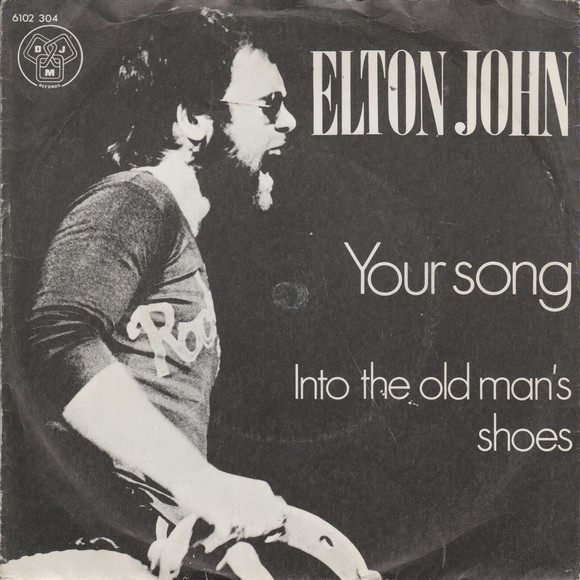
ELTON JOHN - YOUR SONG

Estrena: 26 d'octubre de 1970

Llistes: Regne Unit: #7   EUA: #8 


"Your Song" és un clàssic que va significar l'inici de la prolífica col·laboració entre Elton John i Bernie Taupin com a compositors. El seu llançament el 1970 va propulsar ràpidament el duo a la fama internacional, amb el single arribant al Top 10 de les llistes als Estats Units i al Regne Unit. Escrita en la cuina de la mare d'Elton a Northwood Hills, Londres, "Your Song" va ser concebuda en un simple paper d'exercicis, ara tacat amb taques de cafè com a testimoni dels seus humils inicis.


"Your Song" ocupa un lloc especial en el cor dels oients gràcies a la seva lletra sincera i emotiva, que captura la innocència i la puresa del primer amor. Les tendres paraules de Bernie Taupin, escrites quan només tenia 17 anys, transmeten una autèntica emoció i vulnerabilitat que connecta amb públics de totes les edats. Malgrat la seva simplicitat, l'honestedat i la sinceritat de la cançó han resistit la prova del temps, convertint-la en un clàssic estimat en el repertori d'Elton John i Bernie Taupin.


La primera interpretació d'Elton John de "Your Song" al programa The Andy Williams Show va marcar un modest inici per a l'artista llegendari. Vestit amb una indumentària senzilla, Elton irradiava un comportament tímid, un contrast evident amb el personatge estrafalari amb que més endavant es convertiria. Aquesta primera aparició no va presagiar la transformació d'un músic reservat en una icona mundial conegut pels seus vestits extravagants i la seva espectacular presència escènica.


La versió de "Your Song" de Billy Paul va servir com a cara B del seu número u "Me and Mrs. Jones" el 1972. El mateix Elton John va descobrir la versió de Paul quan va comprar el single i el va posar al seu jukebox, sense saber que la seva pròpia composició havia estat enregistrada pel cantant de soul.


Billy Joel i Elton John van interpretar "Your Song" durant el "Concert for New York" del 2001, un esdeveniment benèfic per a les víctimes dels atacs al World Trade Center. Malgrat la seva emotiva actuació, la cançó no va ser inclosa en el CD del concert.


"Your Song" d'Elton John i Bernie Taupin va ser escrita durant l'esmorzar i va trigar un any a convertir-se en un èxit, però va donar l'impuls necessari a la carrera d'Elton per a anar més enllà.


ELTON JOHN - YOUR SONG


Released: October 26, 1970

Charted:  UK: #7   US: #8 


"Your Song" is a timeless classic that marked the beginning of Elton John and Bernie Taupin's prolific songwriting partnership. Its release in 1970 quickly propelled the duo to international fame, with the single reaching the Top 10 charts in both the US and the UK. Written in the humble surroundings of Elton's mother's kitchen in Northwood Hills, London, "Your Song" was crafted on a simple piece of exercise paper, now adorned with coffee stains as a testament to its humble origins. 


"Your Song" holds a special place in the hearts of many listeners due to its sincere and heartfelt lyrics, which capture the innocence and purity of young love. Bernie Taupin's tender words, written when he was just 17 years old, convey a sense of genuine emotion and vulnerability that resonates with audiences of all ages. Despite its simplicity, the song's honesty and sincerity have stood the test of time, making it a beloved classic in the repertoire of Elton John and Bernie Taupin.


Elton John's debut performance of "Your Song" on The Andy Williams Show marked a humble beginning for the legendary artist. Clad in unassuming attire, Elton exuded a shy demeanor, a stark contrast to the flamboyant persona he would later embrace. 

This early appearance foreshadowed the transformation of a reserved musician into a global icon known for his extravagant costumes and larger-than-life stage presence.


Billy Paul's rendition of "Your Song" served as the B-side to his chart-topping hit "Me and Mrs. Jones" in 1972. Elton John himself discovered Paul's cover when he purchased the single and played it on his jukebox, unaware that his own composition had been recorded by the soul singer.


Billy Joel and Elton John delivered a rendition of "Your Song" during the 2001 "Concert For New York," a benefit event for the victims of the World Trade Center attacks. Despite their moving performance, the song was not included on the CD release of the concert.


Elton John and Bernie Taupin's “Your Song” was written over breakfast and took a year to become a hit, but it gave Elton's career the push it needed to go stratospheric.


CYNDI LAUPER - MEMPHIS BLUES


Publicat: 22 de juny de 2010

Llistes: EUA: #26  Regne Unit: #105


"Memphis Blues" és l’onzè àlbum d'estudi de Cyndi Lauper, que presenta versions de cançons clàssiques de blues. Llançat el seu 57è aniversari, el 22 de juny de 2010, l'àlbum va marcar una continuació del seu exitós retorn començat el 2008. Va rebre elogis de la crítica i va ser nominat als Premis Grammy el 2010. L'àlbum va tenir una bona acollida comercial, guanyant el reconeixement com el disc de blues més venut de Billboard el 2010 i classificant-se com el setè millor àlbum de l'any segons el New York Post. Per donar suport a l'àlbum, Lauper va iniciar la seva gira més gran fins el moment, la Memphis Blues Tour, que va incloure més de 140 espectacles.


La transició de Cyndi Lauper al gènere del blues amb "Memphis Blues" mostra la seva notable capacitat per reinventar-se com a artista. Malgrat l'escepticisme inicial dels puristes, la veu aguda de Lauper resulta sorprenentment adequada per als clàssics del gènere que es presenten a l'àlbum. Cançons com "Rollin’ and Tumblin’" de Muddy Waters i "Crossroads" de Robert Johnson s'aborden amb naturalitat i autenticitat, desmentint qualsevol noció de ser una oportunista. La interpretació de Lauper de temes de llegendes del blues com Albert King i Memphis Slim és ben rebuda, destacant la seva versatilitat com a vocalista i el seu profund respecte pel gènere.


La immersió de Cyndi Lauper en el món de la música blues a "Memphis Blues" s'enriqueix amb la col·laboració d'artistes veterants que encarnen l'esperit del gènere. Amb veterans com Charlie Musselwhite, B.B. King, Allen Toussaint i Ann Peebles, així com talents emergents com Jonny Lang, Lauper s'envolta de músics profundament arrelats en la tradició del blues. L'àlbum presenta músics de sessió sòlids, inclosos 'Skip' Charles Pitts, Lester Snell, i una secció de vents liderada per Derrick Williams, Kirk Smothers i Marc Franklin, tots veterans de les gravacions del segell Stax. Cançons com "Down Don’t Bother Me", "Romance in Dark", "How Blue Can You Get" i "Rollin and Tumblin’" mostren la immersió genuïna de Lauper en el gènere.


L'exploració del gènere del blues per part de Cyndi Lauper va ser influïda per la seva admiració a icones del rock com Janis Joplin i els Rolling Stones, que la van portar a descobrir llegendes del blues com Muddy Waters, Robert Johnson i Big Maybelle. Reconeixent el paper fonamental del blues en l'evolució del rock and roll, Lauper va emprendre un viatge musical cap al blues, malgrat els riscos involucrats.


Per a Lauper, la transició del món del pop al gènere del blues va ser una aventura audaç que requeria un compromís total. Va abordar el procés de selecció de cançons amb cura meticulosa, triant dotze pistes que s’adequqven a ella i explicaven històries captivadores.


Col·laborar amb les personalitats eminents de la comunitat del blues va ser una experiència humil i inspiradora per a Lauper. Treballant al costat d'aquests artistes llegendaris, Lauper va sentir un profund sentiment d'honor i admiració, tot i que també va experimentar moments d'intimidació i vulnerabilitat durant el procés d'enregistrament. Malgrat els reptes, la dedicació i la passió de Lauper pel blues li van permetre immersir-se plenament en el viatge creatiu, amb el resultat de l'àlbum aclamat "Memphis Blues".


CYNDI LAUPER - MEMPHIS BLUES 


Released: June 22, 2010

Charted:  US: #26   UK: #105 


"Memphis Blues" is the eleventh studio album by Cyndi Lauper, featuring cover versions of classic blues songs. Released on her 57th birthday, June 22, 2010, the album marked a continuation of her successful comeback starting in 2008. It received critical acclaim and was nominated for the Grammy Awards in 2010. The album was well-received commercially, earning recognition as Billboard's biggest selling blues album of 2010 and ranking as the 7th best album of the year by the New York Post. To support the album, Lauper embarked on her largest tour yet, the Memphis Blues Tour, which included over 140 shows. 


Cyndi Lauper's transition into the blues genre with "Memphis Blues" showcases her remarkable ability to reinvent herself as an artist. Despite initial skepticism from purists, Lauper's high-pitched voice proves surprisingly fitting for the genre's classics featured on the album. Songs like "Rollin’ and Tumblin’" by Muddy Waters and "Crossroads" by Robert Johnson are approached with naturalness and authenticity, dispelling any notions of her being an opportunist. Lauper's rendition of tracks by blues legends like Albert King and Memphis Slim is well-received, highlighting her versatility as a vocalist and her deep respect for the genre. 


Cyndi Lauper's immersion into the realm of blues music on "Memphis Blues" is enriched by the collaboration of seasoned artists who embody the genre's spirit. With veterans like Charlie Musselwhite, B.B. King, Allen Toussaint, and Ann Peebles, as well as emerging talents like Jonny Lang, Lauper surrounds herself with musicians deeply rooted in blues tradition. The album features solid session players, including 'Skip' Charles Pitts, Lester Snell, and a horn section led by Derrick Williams, Kirk Smothers, and Marc Franklin, all veterans of the Stax label recordings. Tracks like "Down Don’t Bother Me," "Romance in Dark," "How Blue Can You Get," and "Rollin and Tumblin’" showcase Lauper's genuine immersion into the blues genre.


Cyndi Lauper's exploration of the blues genre was influenced by her exposure to rock icons like Janis Joplin and the Rolling Stones, who led her to discover blues legends such as Muddy Waters, Robert Johnson, and Big Maybelle. Recognizing the foundational role of blues in the evolution of rock and roll, Lauper embarked on a musical journey into the blues, despite the risks involved.


For Lauper, transitioning from the pop world to the blues genre was a bold adventure that required wholehearted commitment. She approached the song selection process with meticulous care, choosing twelve tracks that resonated with her and told compelling stories. 


Collaborating with the esteemed personalities in the blues community was a humbling and inspiring experience for Lauper. Working alongside these legendary artists, Lauper felt a deep sense of honor and admiration, although she also experienced moments of intimidation and vulnerability during the recording process. Despite the challenges, Lauper's dedication and passion for the blues allowed her to immerse herself fully in the creative journey, resulting in the acclaimed album "Memphis Blues."