Total de visualitzacions de pàgina:

28.3.24


SIMON & GARFUNKEL - OLD FRIENDS / BOOKENDS THEME (REPRISE)


Publicació: 5 d'abril de 1968


"Old Friends" és una cançó de Simon & Garfunkel, inclosa al seu àlbum "Bookends" llançat el 1968. S'integra de manera fluida en el següent tema, "Bookends Theme (Reprise)," amb una sola nota alta i sostinguda en les cordes, fusionant les dues cançons en una. Originàriament publicada a la cara B del senzill "Mrs. Robinson" llançat el abril de 1968 per Columbia Records, "Old Friends" captura l'essència nostàlgica dels records preuats.


"Old Friends" descriu a dues persones grans mentre s'asseuen juntes en un banc del parc, simbolitzant el pas del temps i els lligams duradors de l'amistat. La peça suggereix que són dos homes que semblen prestatges evocant una sensació de simetria en les experiències compartides, mentre que la lletra insinua una sensació de nostalgia i reflexió sobre la naturalesa de la vida. A mesura que avança la cançó, s’endinsa en temes com l'envelliment, la memòria i els canvis inevitables que acompanyen el pas del temps. La peça acompanyant, "Bookends Theme (Reprise)," aprofundeix encara més en aquests temes, incidint en la realitat agredolça de la pèrdua i la naturalesa transitòria de les connexions humanes. Juntes, aquestes cançons ens ofereixen una meditació emotiva sobre el viatge que és la vida i el poder durador de l'amistat al llarg del pas del temps.


La lletra escrita per Paul Simon captiva una profunditat de saviesa i visió més enllà dels anys. En una entrevista del 2014 amb la revista The Mail on Sunday's Event, Garfunkel es meravella de la capacitat de Simon per transmetre el sentiment poètic de l'envelliment i la reminiscència, quan només era un noi de 24 anys, reconeixent la qualitat atemporal del missatge de la cançó i la qualitat del seu company com a escriptor en aquell moment.


"Bookends Theme" serveix com a introducció introspectiva i conclusió de la sèrie de cançons que exploren temes de l'envelliment i les relacions a la cara A de l'àlbum "Bookends." La cançó marca el to per al viatge introspectiu que es desplega. En acabar la reprise aquesta sèrie, queda una sensació d'ambigüitat i reflexió, subratllada per la commovedora súplica de Paul Simon de "conservar els vostres records," reconeixent-ne la profunda importància davant dels canvis inevitables de la vida.


SIMON & GARFUNKEL - OLD FRIENDS / BOOKENDS THEME (REPRISE)


Released: April 5, 1968


"Old Friends" is a song by Simon & Garfunkel, featured on their album "Bookends" released in 1968. It seamlessly transitions into the following track, "Bookends Theme (Reprise)," with a single high, sustained note on the strings, creating a seamless musical journey. Originally placed on the B-side of the "Mrs. Robinson" single released on April 1968, by Columbia Records, "Old Friends" captures the nostalgic essence of cherished memories.


"Old Friends" depicts the contemplations of two elderly individuals as they sit together on a park bench, symbolizing the passage of time and the enduring bonds of friendship. The imagery of two men resembling bookends evokes a sense of symmetry and shared experiences, while the lyrics evoke a sense of nostalgia and reflection on the fleeting nature of life. As the song unfolds, it explores themes of aging, memory, and the inevitable changes that accompany the passage of time. The companion piece, "Bookends Theme (Reprise)," further explores these themes, delving into the bittersweet reality of loss and the transient nature of human connections. Together, these songs offer a poignant meditation on the journey of life and the enduring power of friendship amidst the passage of time.


The lyrics penned by Paul Simon capture a depth of wisdom and insight beyond his years. In a 2014 interview with The Mail on Sunday's Event magazine, Garfunkel marvels at Simon's ability to convey the poignant sentiment of aging and reminiscence, when he was only a 24 year-old boy, recognizing the timeless quality of the song's message and the quality of his then mate as a writer. 


"Bookends Theme" serves as an introspective introduction and conclusion to the suite of songs exploring themes of aging and relationships on the first side of the album "Bookends." With its beautifully sparse finger-picking and haunting melody, the song sets the tone for the introspective journey that unfolds. As the reprise concludes the suite, there is a sense of ambiguity and reflection, underscored by Paul Simon's poignant plea to "preserve your memories," acknowledging their profound significance in the face of life's inevitable changes. 


27.3.24


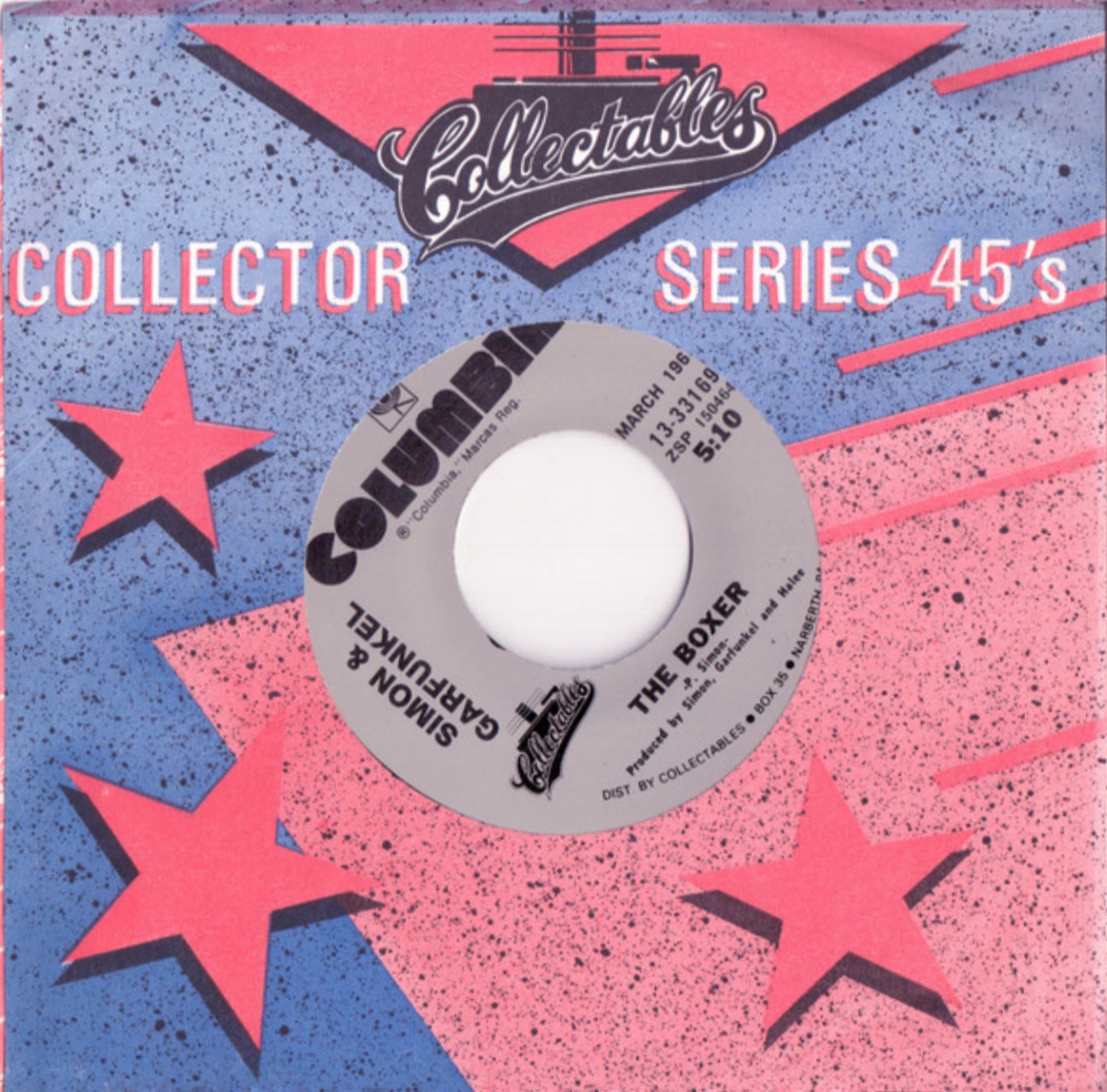
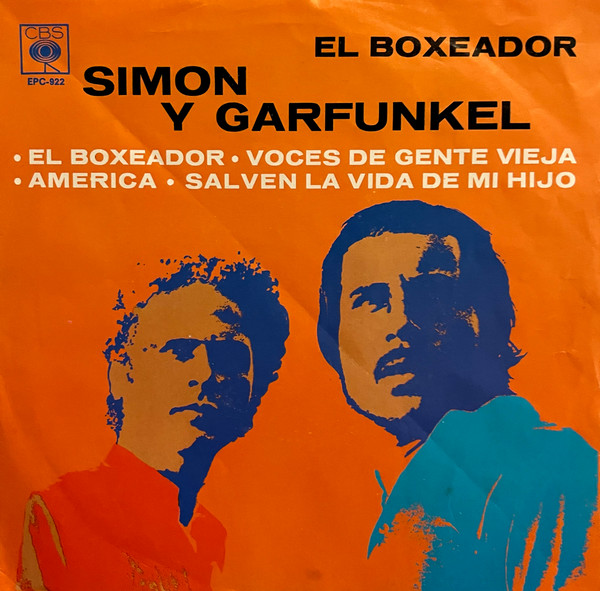
SIMON & GARFUNKEL - THE BOXER 


Estrena: 21 de març de 1969

Llistes: EUA: #7   Regne Unit: #6


"The Boxer" és una balada de folk rock commovedora escrita per Paul Simon i interpretada per Simon & Garfunkel. Inicialment publicada com a senzill independent el 1969, més tard va trobar el seu lloc a l'àlbum "Bridge over Troubled Water" el 1970. La lletra introspectiva de la cançó toca temes com la pobresa, la solitud i les lluites personals, inspirada en les pròpies experiències de Simon i en la bíblia. Cal destacar que la tornada, amb la repetició inquietant de "lie-la-lie", subratllada amb un cop de bateria amb reverberació, es va convertir en una ícona.


A mesura que Simon i Garfunkel s'apropaven al seu cinquè i últim àlbum, "Bridge Over Troubled Water", la seva relació s'havia deteriorat significativament. Mentre moltes cançons de l'àlbum reflectien la seva dinàmica tensa, "The Boxer" s'endinsa en una lluita més personal i introspectiva. Frases com "I have squandered my resistance for a pocketful of mumbles, such are promises" (He malbaratat la meva resistència per un grapat de murmuris, que semblaven promeses) transmeten un sentiment de conflicte intern i desil·lusió, diferent del turment interpersonal evident en altres peces de l'àlbum.


Durant anys, va haver-hi especulacions que "The Boxer" era una crítica a Bob Dylan, amb la repetitiva tornada "lie-la-lie" interpretat com un comentari sobre la percebuda insinceritat artística de Dylan. No obstant això, Paul Simon va desmentir aquesta noció, revelant que el "lie-la-lie" era inicialment una lletra temporal que no podia substituir. Va admetre sentir-se’n una mica avergonyit, però va reconèixer que la seva indefinició permetia als oients infondre el seu propi significat a la cançó.


En una revelació durant la seva entrevista a Playboy el 1984, Paul Simon va revelar que va escriure "The Boxer" durant un període tumultuós quan els periodistes criticaven la seva música, fent-lo sentir com si estigués metafòricament en el ring, lluitant contra un judici sever. Simon va admetre sentir-se atacat i va contemplar la possibilitat de retirar-se de l'escena si la crítica continuava. Reflexionant sobre els primers anys d'èxit de Simon & Garfunkel, va reconèixer l'elogi inicial que van rebre però també la posterior realitat de que només eren dos nois ordinaris de Queens, no les figures exòtiques que alguns imaginaven.


"The Boxer" va experimentar un extens procés d'enregistrament que va abastar més de 100 hores, amb sessions realitzades als estudis de Columbia Records a Nashville i Nova York. Per capturar les riques harmonies vocals de la tornada, l'equip d'enregistrament es va aventurar a la Capella de Sant Pau de la Universitat de Columbia a Nova York, atrets per les seves rajoles dobles que afavoria l'acústica. Donada la complexitat de la cançó i el desig de disposar de més pistes d'enregistrament, el productor Roy Halee va buscar una actualització del gravador estàndard de 8 pistes. Va demostrar la necessitat a l'executiu de Columbia Records, Clive Davis, que va accedir immediatament a la sol·licitud i va comprar un nou gravador de 16 pistes, mostrant el seu suport al projecte.


El bateria de sessió Hal Blaine, conegut pel seu treball amb el Wrecking Crew, va contribuir al so de bateria icònic de "The Boxer". Treballant al costat del productor Roy Halee, van idear una configuració d'enregistrament improvisada davant d'un ascensor a les oficines de Columbia. En una anècdota divertida de la creació de la cançó, recordada al documental "The Making of Bridge Over Troubled Water" (2011), un guardaespatlles de la tercera edat, sense sospitar-ho, es va espantar pel so atronador de la bateria de Blaine quan va sortir de l'ascensor, posant de manifest els reptes inesperats i les solucions creatives que van sorgir durant el procés d'enregistrament.


En el seu llançament com a single, "The Boxer" va rebre elogis de la crítica. Cash Box el va qualificar com una cara A espectacular, destacant el seu estil folklòric envoltat de l'ambient característic de Simon & Garfunkel, alhora que elogiava els detalls de producció que elevaven la pista a una experiència captivadora i immersiva, similar a la intensitat final de "Hey Jude" dels Beatles. Billboard també va lloar la cançó, preveient el seu èxit a les llistes, elogiant el seu ritme contagiant i destacant el seu lirisme convincent com a punts forts.


SIMON & GARFUNKEL - THE BOXER 


Released: March 21, 1969

Charted:  US: #7   UK: #6 


"The Boxer" is a poignant folk rock ballad written by Paul Simon and performed by Simon & Garfunkel. Initially released as a standalone single in 1969, it later found its place on their album "Bridge over Troubled Water" in 1970. The song's introspective lyrics touch on themes of poverty, loneliness, and personal struggles, drawing from Simon's own experiences and biblical inspiration. Notably, its refrain, featuring the haunting repetition of "lie-la-lie," underscored by a reverberating snare drum, became iconic.


As Simon and Garfunkel approached their fifth and final album, "Bridge Over Troubled Water," their relationship had deteriorated significantly. While many tracks on the album reflected their strained dynamic, "The Boxer" delves into a more personal, introspective struggle. Lines like "I have squandered my resistance for a pocketful of mumbles, such are promises" convey a sense of internal conflict and disillusionment, distinct from the interpersonal turmoil evident elsewhere on the album.


For years, there was speculation that "The Boxer" was a critique of Bob Dylan, with the repetitive "lie-la-lie" chorus interpreted as a commentary on Dylan's perceived artistic insincerity. However, Paul Simon debunked this notion, revealing that the "lie-la-lie" was initially a placeholder lyric that he couldn't replace. He admitted feeling a bit embarrassed by it, but acknowledged that its open-endedness allowed listeners to infuse their own meaning into the song.


In a revelation during his 1984 Playboy interview, Paul Simon disclosed that he wrote "The Boxer" during a tumultuous period when critics were panning his music, making him feel like he was metaphorically in the ring, fighting against harsh judgment. Simon admitted feeling like he was under attack and contemplated stepping away from the spotlight if the criticism persisted. Reflecting on the early years of Simon & Garfunkel's success, he acknowledged the initial acclaim they received but also the subsequent realization that they were just two ordinary guys from Queens, not the exotic figures some imagined them to be.


"The Boxer" underwent an extensive recording process that spanned over 100 hours, with sessions held at Columbia Records studios in both Nashville and New York City. To capture the rich vocal harmonies of the chorus, the recording crew ventured to St. Paul's Chapel at Columbia University in New York, drawn by its acoustically favorable tiled dome. Given the complexity of the song and the desire for more recording tracks, producer Roy Halee sought an upgrade from the standard 8-track recorder. He demonstrated the need to Columbia Records executive Clive Davis, who promptly acquiesced to the request and purchased a new 16-track recorder, showcasing his support for the project.


Session drummer Hal Blaine, renowned for his work with the Wrecking Crew, contributed to the iconic drum sound on "The Boxer." Working alongside producer Roy Halee, they devised a makeshift recording setup in front of an elevator at the Columbia offices. In a humorous anecdote from the making of the song, recounted in the documentary "The Making of Bridge Over Troubled Water" (2011), an unsuspecting elderly security guard was startled by Blaine's thunderous drumming as he emerged from the elevator, highlighting the unexpected challenges and creative solutions encountered during the recording process.


Upon its release as a single, "The Boxer" garnered critical acclaim. Cash Box praised it as a "spectacular side," noting its haunting folk style reminiscent of Simon & Garfunkel's signature sound, while also commending the production touches that elevated the track into a captivating and immersive experience, akin to the closing intensity of "Hey Jude" by The Beatles. Billboard similarly lauded the song, predicting its success on the charts, praising its infectious rhythm, and highlighting its compelling lyricism as key strengths.


26.3.24


VISAGE - FADE TO GREY


Estrena: 14 de novembre de 1980

Llistes: Regne Unit: #8 


"Fade to Grey" es va publicar al novembre de 1980 com a segon senzill de l’àlbum debut, "Visage" (1980), a Polydor Records. La cançó va originar-se durant les proves de so de la gira de Gary Numan el 1979, on els membres de la banda Billy Currie i Chris Payne, juntament amb el bateria de Numan, Cedric Sharpley, van col·laborar en la composició. Payne va desenvolupar la línia de baix i la harmonia, mentre que Currie va contribuir amb idees addicionals.


Inicialment es volia anomenar Tooth City, proposada com a single per Billy Currie i Chris Payne, però, finalment, la cançó va formar part del grup Visage. Hi sembla haver una mica de lluita creativa pel que fa a l'origen de "Fade to Grey" entre els membres de Visage. Mentre que Midge Ure va jugar un paper en la formació de la melodia i la creació de la lletra, Steve Strange assegura la seva contribució significativa als elements temàtics i la direcció creativa general de la cançó. En la seva autobiografia, Strange sosté que va tenir un paper fonamental en el desenvolupament de la cançó, suggerint que la seva aportació tenia més pes que la dels seus companys de banda.


Tot i que Steve Strange presta la seva veu a la cançó, l'addició de Brigitte Arens amb les paraules en francès afegeix un toc distintiu. És fascinant com Julia Fodor va assumir el paper de la jove francesa en el vídeo, afegint una altre toc de complexitat a la narrativa visual. La implicació de Kevin Godley i Lol Creme com a directors va significar una de les seves primeres incursions en el món de la direcció de vídeos musicals.


Començant com un projecte d'estudi i evolucionant cap a una banda de ple dret, la decisió de Visage de llançar "Fade To Grey" com a segon senzill va suposar un pas important endavant, especialment amb el suport d'una discogràfica important com Polydor. El Blitz va proporcionar un terreny fèrtil perquè la seva música aflorés, mostrant el seu so en un entorn vibrant i influent.


"Fade to Grey" aprofundeix en temes de solitud, desesperació i la lluita per trobar sentit als desafiaments de la vida. La imatge d'una figura solitària dempeus en una plataforma, carregada de por i desesperança, pinta un quadre commovedor de turment emocional i vulnerabilitat. La repetició de "Devenir gris" i "Fade to Gray" reforça la sensació d'apagament, de perdre vitalitat davant de l'adversitat. No obstant, enmig de la foscor, hi ha un missatge subtil de resiliència sobre la importància de mantenir l'esperança, fins i tot quan es sent esquiva.


VISAGE - FADE TO GREY


Released: November 14, 1980

Charted:  UK: #8 


"Fade to Grey" by Visage was released in November 1980 as the second single from their debut album, "Visage" (1980), on Polydor Records. The song originated during sound checks on Gary Numan's 1979 tour, where band members Billy Currie and Chris Payne, along with Numan's drummer Cedric Sharpley, collaborated on the composition. Payne developed the bass line and harmony, while Currie contributed additional ideas.


Initially it was going to be called Tooth City, proposed as a single by Billy Currie and Chris Payne, but, finally, the song became part of the group Visage. There appears to be a bit of a creative tug-of-war regarding the genesis of "Fade to Grey" among Visage's members. While Midge Ure played a part in shaping the melody and crafting the lyrics, Steve Strange asserts his significant contribution to the thematic elements and overall creative direction of the song. In his autobiography, Strange contends that he played a pivotal role in the song's development, suggesting that his input carried more weight than that of his bandmates. 


While Steve Strange lends his distinctive vocals to the track, the addition of Brigitte Arens speaking the French words adds a unique touch. It's fascinating how Julia Fodor stepped into the role of the young French woman in the video, adding another layer of complexity to the visual narrative. The involvement of Kevin Godley and Lol Creme as directors brings a seasoned perspective to the video, marking one of their initial forays into the world of music video direction.


Starting as a studio project and evolving into a full-fledged band, Visage’s decision to release "Fade To Grey" as their second single marked a significant step forward, especially with the backing of a major label like Polydor. The Blitz provided a fertile ground for their music to flourish, showcasing their sound in a vibrant and influential setting.


"Fade to Grey" delves into profound themes of loneliness, despair, and the struggle to find meaning in life's challenges. The imagery of a solitary figure standing on a platform, weighed down by fear and hopelessness, paints a poignant picture of emotional turmoil and vulnerability. The repetition of "Devenir gris" and "Fade to Gray" reinforces the sense of fading away, losing vibrancy and vitality in the face of adversity. Yet, amidst the darkness, there's a subtle message of resilience and the importance of holding onto hope, even when it feels elusive.