Total de visualitzacions de pàgina:

6.4.24


THE CLASH - THE MAGNIFICENT SEVEN


Publicació: 10 d'abril de 1981

Llistes: Regne Unit: #34


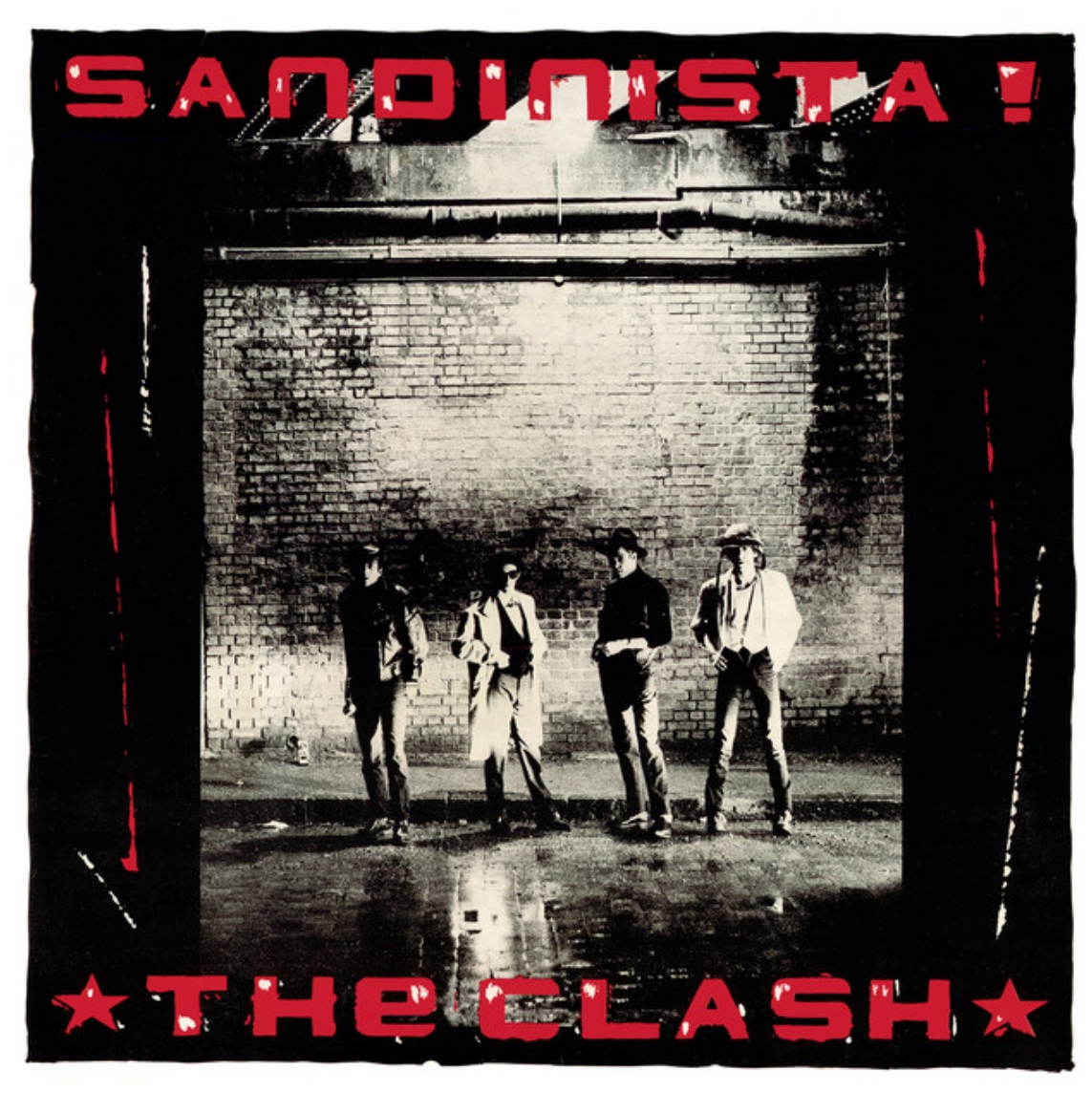
"The Magnificent Seven" és una fusió pionera de punk rock i influències del primer hip hop. Llançada el 1981 com el tercer senzill de l'àlbum "Sandinista!" dels Clash, la cançó va inspirar-se en l'escena emergent de l'hip hop a la ciutat de Nova York, especialment en grups com Sugarhill Gang i Grandmaster Flash & the Furious Five. Mick Jones, en particular, va quedar captivat per l'energia crua i els ritmes innovadors del hip hop, i aquesta influència és palpable al llarg de la cançó. El títol fa homenatge a la pel·lícula del Western de John Sturges del 1960 amb el mateix nom.


"The Magnificent Seven" va tenir uns inicis humils, amb el baixista d’Ian Dury and the Blockheads, Norman Watt-Roy, plantant les primeres llavors d'inspiració. Mick Jones va reconèixer ràpidament la necessitat d'alguna cosa funky per complementar el desig de Joe Strummer d'experimentar amb el rap. En un cop de creativitat espontani, Strummer va escriure la lletra a l'instant, i en poques hores, la cançó va ser enregistrada i finalitzada. Durant les sessions d'enregistrament de "Sandinista!", el baixista dels Clash, Paul Simonon, estava ocupat amb el seu paper d'actor a la pel·lícula "Ladies and Gentlemen, the Fabulous Stains". Per omplir el buit del baix en la seva absència, Watt-Roy va intervenir i va crear la línia de baix contagiosa que esdevindria el sinònim de "The Magnificent Seven".


No obstant això, el llançament de "Sandinista!" va provocar una lleugera polèmica a causa del crèdit de composició "The Clash" a cada cançó, obviant les contribucions significatives dels col·laboradors externs com Watt-Roy. Aquesta negligència no va reconèixer la valuosa aportació de fonts externes, exemplificada pel paper essencial de Watt-Roy en la conformació del so característic de la cançó.


Enregistrada als Electric Lady Studios al març de 1980 durant la primera etapa de les sessions de "Sandinista!", la lletra es van elaborar en un estil de corrent de consciència. La narrativa gira al voltant d'un dia de treball mundà, començant amb el so del despertador a les 7:00 del matí, assenyalant l'inici d'un altre dia monòton "Ring! Ring! It's 7:00 A.M.! Move yourself to go again" (Ring! Ring! Són les 7:00 A.M.! Mou-te per tornar-hi), plena de reflexions sobre qüestions socials com el comercialisme i la publicitat manipuladora "Working for a rise, better my station, take my baby to sophistication" (Treballant per pujar, millorar la meva posició, portar el meu nadó a la sofisticació) i la trista realitat de la brutalitat policial "What do we have for entertainment? Cops kickin' Gypsies on the pavement""What do we have for entertainment? Cops kickin' Gypsies on the pavement" (Què tenim per entreteniment? Policies pegant a gitanos al paviment).


La cançó pren un gir imaginatiu al situar figures històriques com Karl Marx, Friedrich Engels, Martin Luther King i Mahatma Gandhi en escenaris actuals. Per exemple, Marx i Engels es troben a la caixa d'un supermercat 7-11, i King i Gandhi pateixen la decepció de veure com el seu equip de futbol pateix una derrota contundent. Les frases finals imiten el format d'una "història divertida" sovint presentada als noticiaris, injectant un toc de fantasia parlant sobre anècdotes absurdes com curses d'estrussos o aspiradores que engoleixen ocellets domèstics.


Les veus col·lectives de la banda als cors aporten una energia carismàtica i un toc rebel a la cançó, mentre que la línia de baix persistent crea un ritme hipnòtic. La part de guitarra de Mick Jones brilla i aporta el to funky que destaca en la cançó.


THE CLASH - THE MAGNIFICENT SEVEN


Released: April 10, 1981

Charted: UK: #34 


"The Magnificent Seven" is a pioneering fusion of punk rock and early hip hop influences. Released in 1981 as the third single from the Clash's “Sandinista!” album, the song drew inspiration from the emerging hip hop scene in New York City, particularly acts like the Sugarhill Gang and Grandmaster Flash & the Furious Five. Mick Jones, in particular, was captivated by the raw energy and innovative rhythms of hip hop, and this influence is palpable throughout the track. The title of the song pays homage to John Sturges' 1960 Western film of the same name.


"The Magnificent Seven" had humble beginnings, with Ian Dury and the Blockheads' bassist Norman Watt-Roy planting the initial seeds of inspiration. Mick Jones quickly recognized the need for something funky to complement Joe Strummer's desire to experiment with rap. In a spontaneous burst of creativity, Strummer penned the lyrics on the spot, and within hours, the song was recorded and finalized. During the recording sessions for “Sandinista!”, Clash bassist Paul Simonon was occupied with his acting role in the film “Ladies and Gentlemen, the Fabulous Stains”. To fill the bass void in his absence, Watt-Roy stepped in and crafted the infectious bassline that would become synonymous with "The Magnificent Seven."


However, the release of “Sandinista!” sparked mild controversy due to the blanket "The Clash" writing credit on every song, overlooking significant contributions from external collaborators like Watt-Roy. This oversight failed to acknowledge the valuable input from outside sources, exemplified by Watt-Roy's essential role in shaping the song's sound.


Recorded at Electric Lady Studios in March 1980 during the early stages of the Sandinista! sessions, the lyrics were crafted in a stream-of-consciousness style. The narrative revolves around a mundane workday, starting with the ringing of the alarm clock at 7:00 A.M., signaling the beginning of another monotonous day ("Ring! Ring! It's 7:00 A.M.! Move yourself to go again"), peppered with reflections on societal issues like commercialism and manipulative advertising ("Working for a rise, better my station, take my baby to sophistication") and the grim reality of police brutality ("What do we have for entertainment? Cops kickin' Gypsies on the pavement"). 


The song takes an imaginative turn by placing historical figures like Karl Marx, Friedrich Engels, Martin Luther King, and Mahatma Gandhi in modern-day scenarios. For instance, Marx and Engels find themselves at a 7-11 store checkout, and King and Gandhi suffer the disappointment of watching their football team suffer a crushing defeat. The concluding lines mimic the format of a lighthearted "kicker story" often featured in newscasts, injecting a touch of whimsy with absurd anecdotes like ostrich races or vacuum cleaners swallowing pet budgies. 


The collective voices of the band on the choruses add a charismatic and rebellious energy to the song, while the persistent bass line creates a hypnotic groove. Mick Jones's guitar parts shine as some of his most memorable moments in the track. 


5.4.24


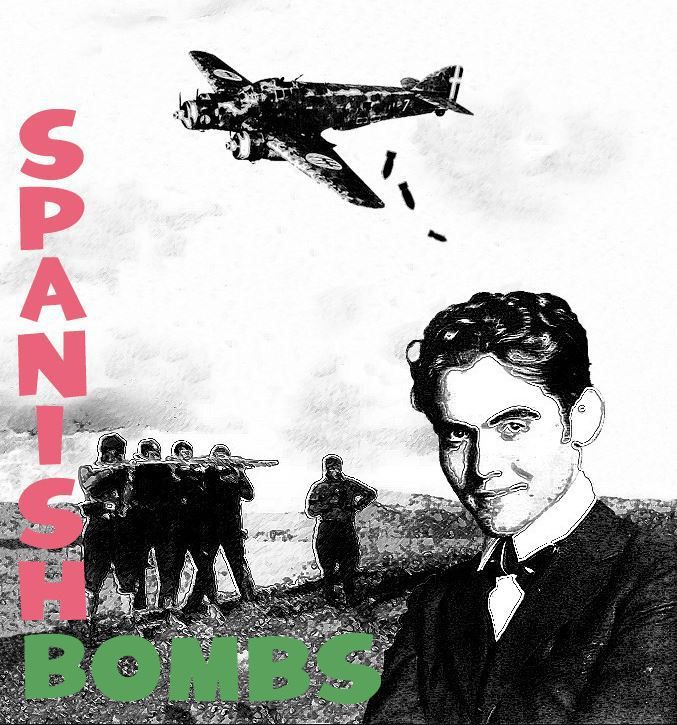
THE CLASH - SPANISH BOMBS


Publicació: 14 de desembre de 1979

Àlbum: London Calling


"Spanish Bombs" és una cançó del disc "London Calling" escrita per Joe Strummer, qui la canta amb Mick Jones en els cors. La lletra de Strummer combina l’anglès i el que ell anomenava "Clash Spanish", en algunes frases amb un significat intuïtiu però amb un resultat encantador.


"Spanish Bombs" va ser inspirada en una conversa entre Joe Strummer i la seva llavors parella Gaby Salter sobre les bombes que van posar els separatistes bascos a hotels turístics de la Costa del Sol i la Costa Brava. El tema explora la Guerra Civil Espanyola, fent paral·lelismes entre el conflicte històric i aquests esdeveniments contemporanis.


La devastació causada per la guerra, que va portar a la dictadura de Franco, serveix com a teló de fons per al tema de la cançó. La fascinació del camioner dels Clash, Johnny Green, per aquest període de la història va influir en Joe Strummer, que es va informar en llibres com "Homenatge a Catalunya" de George Orwell per cercar inspiració. Per entendre bé la cançó, cal posar alguns dels moments històrics dels que parla en context.


La Guerra Civil Espanyola va ser un conflicte que va tenir lloc entre el 17 de juliol de 1936 i l'1 d'abril de 1939, després del cop militar contra les institucions constitucionals de la República. Andalusia va ser una de les primeres regions a ser invaïda pel bàndol autodenominat "nacional" el 1936 ("Spanish songs in Andalucia").


Federico García Lorca, un poeta republicà andalús, és una de les figures més famoses assassinades durant la rebel·lió ("Federico Lorca is dead and gone” - Federico Lorca és mort i se n'ha anat). La guàrdia civil era una força policial rural, similar a la gendarmeria a França o els carabinieri a Itàlia ("The black cars of the Guardia Civil” - Els cotxes negres de la Guàrdia Civil). Federico García Lorca, que en els seus poemes com "Romance de la Guàrdia Civil espanyola" havia denunciat la repressió d'aquest còs, va ser assassinat per un grup de repressió falangista. Molts intel·lectuals i poetes de l'època estaven al costat republicà i van morir a mans dels colpistes ("Trenches full of poets” - Trinxeres plenes de poetes). Els feixistes van guanyar el govern el 1939 i el seu líder, Francisco Franco, va governar Espanya fins que va morir el 1975, poc abans que es composés la cançó. Els vencedors van ser molt durs amb els vençuts, assassinant i empresonant milers d'ells fins a uns dies abans de la mort del dictador, que ja està pudrint-se a l'infern. El problema és que gairebé 50 anys després de la seva mort, encara tenim molts feixistes al voltant.


Incorporar elements actuals com l'avió de passatgers DC-10 ("I'm flying in a DC 10 tonight" - Estic volant en un DC 10 aquesta nit) i referències a discoteques casinos i hotels ("Spanish weeks in my disco casino, the freedom fighters died upon the hill" - Setmanes espanyoles al meu casino disco, els lluitadors per la llibertat van morir al turó) ajuda a connectar la narrativa històrica amb els contextos contemporanis. La habilitat de Joe Strummer de lligar passat i present és evident en frases com ("The hillsides ring with 'Free the people,' Or can I hear the echo from the days of '39?"- Els costats de les muntanyes ressonen amb 'Alliberem al poble', o puc escoltar l'eco dels dies del '39?).


En resum, “Spanish Bombs” és una forta súplica antifeixista que en un principi pot semblar ridícula als hispanoparlants, per l'aparent falta de sentit d'algunes frases, però coneixent el seu context una mica més a fons, aquestes bombes espanyoles són torpedes que impacten directament. a la línia de flotació del franquisme i reten un sentit homenatge als que van perdre la vida defensant la llibertat.


THE CLASH - SPANISH BOMBS


Released: December 14, 1979

Album: London Calling


"Spanish Bombs" is a song released on the album “London Calling” written by Joe Strummer, who sings it with Mick Jones in the backing vocals. Strummer's lyrics blend English and what he called "Clash Spanish", in some sentences with an intuitive meaning but with an endearing result.


"Spanish Bombs," was inspired from a conversation between Joe Strummer and his then-girlfriend Gaby Salter about Basque separatist bombings tourist hotels in Costa del Sol and Costa Brava. The track explores the Spanish Civil War, drawing parallels between the historical conflict and this contemporary events. 


The devastation wrought by the war, which led to Franco's dictatorship, serves as a backdrop for the song's themes. Clash roadie Johnny Green's fascination with this period of history influenced Joe Strummer, who delved into books like George Orwell's "Homage To Catalonia" for inspiration. To understand the song well, you have to put some of the historical moments it talks about into context.


The Spanish Civil War was a dispute that took place between July 17, 1936 and April 1, 1939, after the military coup against the constitutional institutions of the Republic. Andalusia was one of the first regions to be invaded by the self-named "national side" in 1936 (“Spanish songs in Andalucia”). 


Federico García Lorca, an Andalusian republican poet, is among the most famous figures killed during the rebellion ("Federico Lorca is dead and gone"). The civil guard was a rural police force, similar to the gendarmerie in France or the carabinieri in Italy ("The black cars of the Guardia Civil"). Federico García Lorca, who in his poems like "Romance of the Spanish Civil Guard" had denounced the repression of this Guard was killed by a Falangist repression group. Many intellectuals and poets of the time were on the republican side and they died at the hands of the coup plotters (“Trenches full of poets”). The fascists won the government in 1939 and their leader, Francisco Franco, ruled Spain until he died in 1975, shortly before the song was written. The winners were very harsh on the defeated, murdering and imprisoning thousands of them until a few days before the death of the dictator, who is already rotting in hell. The problem is that almost 50 years after his death we still have many fascists around.


Incorporating modern-day elements like the DC-10 passenger aircraft ("I'm flying in a DC 10 tonight") and references to disco casinos and hotels ("Spanish weeks in my disco casino, the freedom fighters died upon the hill") helps bridge the historical narrative with contemporary contexts. Joe Strummer's skillful interweaving of past and present is evident in lines like ("The hillsides ring with 'Free the people,' Or can I hear the echo from the days of '39?"). 


In summary, “Spanish Bombs” is a strong anti-fascist plea that at first may seem ridiculous to Spanish speakers, due to the apparent meaninglessness of some phrases, but knowing its context a little more deeply, those Spanish bombs are torpedoes that directly impact on the waterline of the Franco regime and pay a heartfelt tribute to those who lost their lives defending freedom.


4.4.24


THE CLASH - HITSVILLE U.K.


Released: January 16, 1981

Charted:  UK: #56 


"Hitsville U.K." is a track from their 1980 album Sandinista!. It's a notable song on the album and serves as the second single released from it. The title pays homage to Motown Records, known for its legendary hits, by referencing its nickname "Hitsville U.S.A." attributed to its headquarters in Detroit. 


Ellen Foley's collaborate with, then boyfriend, Mick Jones on the track. As Foley mentioned, the recording process was enjoyable and relaxed, and her vocals added a distinctive touch to the track. The song's lighthearted nature and its homage to Motown's "Hitsville U.S.A." resonated with Foley, who appreciated the reference to her American roots and her admiration for Motown's iconic sound. 


"Hitsville U.K." served as a hymn to music, reflecting the band's critique of the commercialized music industry of the time. The song's lyrics and themes highlighted the dominance of corporate-controlled radio stations, known for playing predominantly mainstream and commercially driven music. The Clash lamented the lack of diversity and artistic integrity in radio programming, which often prioritized profit over public interest and artistic expression.


In the context of the era, where radio was the primary medium for music consumption, "Hitsville U.K." served as a protest against the calcification and commercialization of the industry. The band's disdain for the corporate influence on radio stations and their frustration with the lack of alternative voices in the music scene are evident throughout the song. "Hitsville U.K." can be seen as The Clash's call for change and their desire to reclaim music from the hands of corporate interests.


Despite its critical overtones toward the music industry, the Motown-inspired beat, combined with the harmonious duet of Mick Jones and Ellen Foley, lead to "Hitsville U.K." to be considered one of the most optimistic, hopeful and idealistic Clash tracks of all time, although also hated by their most idealized fans in the most punk aspect of the band.


THE CLASH - BANKROBBER


Released: August 8, 1980

Charted: UK: #12 


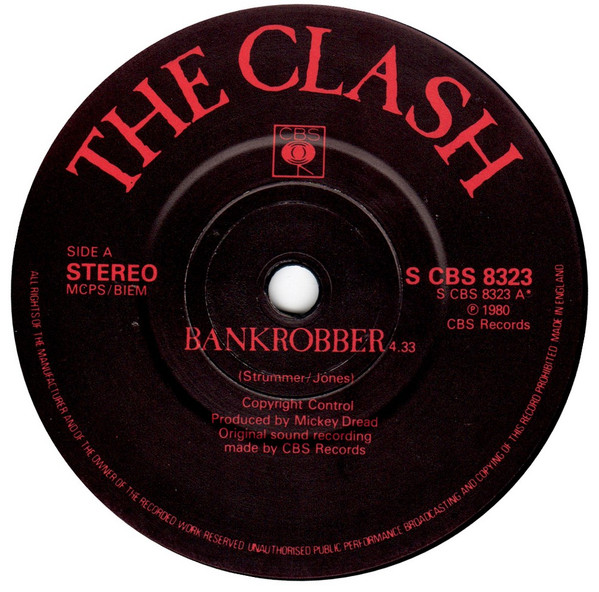
"Bankrobber" stands out as a notable track by the English punk rock band The Clash. Despite not being featured on any of their studio albums, it found its place on their compilation album, “Black Market Clash”. Originally released as a single in 1980, it quickly gained traction, peaking at number 12 on the UK Singles Chart. The song marked a significant progression for the Clash following the success of "London Calling"


"Bankrobber" tells the story of a boy whose father is involved in bank robbery, yet refrains from harming anyone in the process. Despite some taking the lyrics literally, Joe Strummer's father was not actually a bank robber but a diplomat. The song's themes delve into the idea of dead-end jobs and escaping oppression, common themes throughout many Clash songs.


The recording of "Bankrobber" took place at Pluto Studios in Manchester in early February 1980. This marked the beginning of the Clash's collaboration with Mikey Dread, who would go on to produce their 1980 triple-album “Sandinista!”. Known for his innovative approach, Mikey created rhythms in the studio by shaking a matchbox or using a squeaky toy, contributing to the unique sound of the track.


Mick Jones revealed to Daniel Rachel, author of "The Art of Noise: Conversations with Great Songwriters," that there was a familial connection to the theme of "Bankrobber." Jones speculated that his father may have been involved as an assistant to bank robbers, possibly driving getaway cars. While his father worked as a cab driver, he also drove for other individuals. Jones emphasized that Joe Strummer wrote the lyrics, and the song, like many of the Clash's compositions, took on a folk song quality, becoming relatable to a broad audience.


The music video featured two masked robbers, portrayed by roadies Johnny Green and Barry Glare, holding up a bank in Lewisham, South London. The video was rejected by the popular UK TV show Top of the Pops. Consequently, when the song appeared on the show in August 1980, the resident dance troupe of the time, Legs and Co, had to perform a dance routine to it instead.


Ian Brown and Pete Garner, who would later become members of the Stone Roses, were present at the studio recording session of "Bankrobber." Brown recounted that they stumbled upon the recording session by chance. Rumors were circulating that the Clash were recording in Manchester, so while walking through the city center, they heard Topper Headon playing the drums at Pluto Studios. Headon then came out of the studio and invited them in to join the session.