Total de visualitzacions de pàgina:

14.4.24


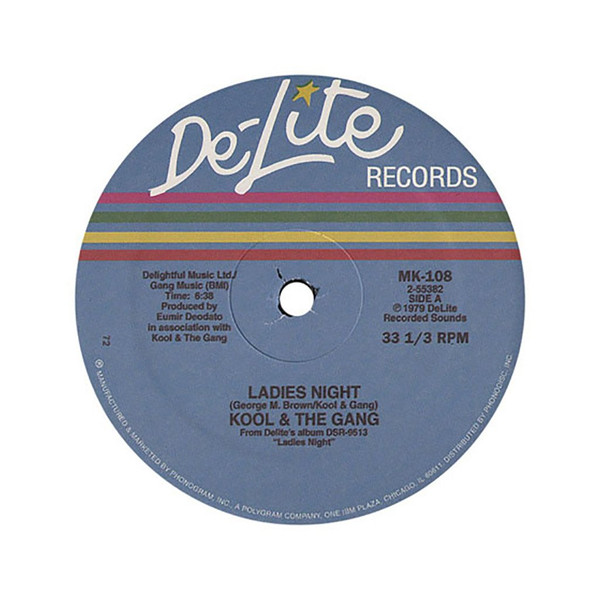
KOOL & THE GANG - LADIES’ NIGHT


Publicada: 21 d'agost de 1979

Llistes: EUA: #8  Regne Unit: #9


"Ladies' Night" de Kool & the Gang va ser un èxit massiu que va dominar les ones radiofòniques i les pistes de ball des del seu llançament. Va arribar a posicions elevades en diverses llistes, incloent el US Billboard Hot 100 i les llistes R&B, on va mantenir el primer lloc durant tres setmanes. El seu èxit no es va limitar als Estats Units; també es va convertir en el seu primer èxit a Anglaterra, arribant al novè lloc a la llista de singles del Regne Unit el 1979.


Als Estats Units, les nits temàtiques són comunes als bars i discoteques, atraient les dones amb ofertes especials com ara entrada i begudes gratuïtes per atraure una major afluència de públic. La legalitat de les nits de dones ha provocat debat en diversos estats, i alguns, com Califòrnia, Pennsilvània, Maryland i Wisconsin, han pres mesures per prohibir aquest tipus de promocions degut a la potencial discriminació de gènere. Els crítics argumenten que oferir descomptes o altres incentius exclusivament a les dones perjudica injustament els homes, que normalment s‘espera que paguin el preu complet per les begudes i serveis.


El tema continua sent polèmic, i els tribunals d’alguns estats, com Illinois, han rebutjat les queixes contra les nits de dones. Aquests tribunals van raonar que el propòsit d'aquestes promocions és atraure més clients femenines en lloc de discriminar els clients masculins. Com a resultat, han defensat la legalitat de les nits de dones, mantenint que no violen les lleis antidiscriminació.


Malgrat els desafiaments legals i els diferents punts de vista, les nits de dones segueixen sent una tàctica de màrqueting popular per als bars i discoteques, i la cançó, amb el seu so disco-funk i la divertida lletra sobre aquest concepte, captura la seva essència que no és altra que passar un bon moment ballant i gaudint d'aquestes nits de celebració i diversió.


En "Ladies' Night", s'hauria de posar un apòstrof després de la 's' per indicar possessió, significant que és una nit que pertany a les dones. L'absència de l'apòstrof pot tenir implicacions significatives, suggerint que les dones s'estan utilitzant com a ham en lloc de ser tractades com a convidades. Resumint, que no és el mateix dir la nit de les senyores que les senyores de la nit.


"Ladies' Night" va marcar un moment cabdal per a Kool & the Gang, revitalitzant la seva carrera durant un període complicat quan el so disco dominava les llistes, eclipsant les seves arrels funk. Abans de l'èxit de "Ladies' Night", la banda havia lluitat per tornar a posar-se en peu, afrontant-se a una disminució de l'èxit a les llistes en un panorama musical canviant. Després de la recepció tèbia del seu àlbum centrat en el disco "Everybody's Dancin'", van reconèixer la necessitat d'un canvi per mantenir-se rellevants en la indústria.


Recorrent al productor brasiler Eumir Deodato per orientar-se, Kool & the Gang van experimentar un procés transformador per refrescar el seu so, infonent-lo amb elements de pop i R&B, mentre mantenien la seva característica funk. Amb l'addició del cantant principal James "J.T." Taylor, la banda va trobar un nou punt focal per a la seva música, millorant el seu atractiu per a un públic més ampli. El resultat va ser molt remarcable: "Ladies' Night" es va convertir en el seu èxit revelació, propulsant-los de nou al centre de l'atenció fent-los guanyar el seu primer àlbum de platí.


KOOL & THE GANG - LADIES’ NIGHT


Released: August 21, 1979

Charted:  US: #8    UK: #9 


"Ladies' Night" by Kool & the Gang was a massive hit that dominated the airwaves and dance floors upon its release. It soared to high positions on various charts, including the US Billboard Hot 100 and the R&B charts, where it held the number one spot for three weeks. Its success wasn't limited to the United States; it also became their first hit in England, reaching number nine on the UK Singles Chart in 1979. 


In the United States, theme nights are common in bars and clubs, attracting women with special offers such as free admission and drinks to attract a larger crowd. The legality of women's nights has sparked debate in several states, and some, such as California, Pennsylvania, Maryland and Wisconsin, have taken steps to ban such promotions due to the potential for gender discrimination. Critics argue that offering discounts or other incentives exclusively to women unfairly disadvantages men, who are typically expected to pay full price for drinks and services. 


However, the issue remains controversial, and courts in some states, such as Illinois, have dismissed complaints against women's nights. These courts reasoned that the purpose of such promotions is to attract more female customers rather than to discriminate against male customers. As a result, they have defended the legality of ladies' nights, maintaining that they do not violate anti-discrimination laws. 


Despite legal challenges and differing points of view, ladies' nights remain a popular marketing tactic for bars and nightclubs, and the song, with its catchy disco-funk sound and fun lyrics about this concept, captured is essence which was nothing other than having a good time dancing and enjoying those nights of celebration and fun.


In "Ladies' Night," an apostrophe should be placed after the 's' to indicate possession, signifying that it's a night belonging to the ladies. The absence of the apostrophe can carry significant implications, suggesting that the ladies are being used as bait rather than being treated as guests.


"Ladies' Night" marked a pivotal moment for Kool & the Gang, revitalizing their career during a challenging period when disco dominated the charts, overshadowing their funk roots. Prior to the success of "Ladies' Night," the band had struggled to regain their footing, facing dwindling chart success and a shifting musical landscape. Following the lukewarm reception of their disco-focused album "Everybody's Dancin'," they recognized the need for a change to remain relevant in the industry.


Turning to Brazilian producer Eumir Deodato for guidance, Kool & the Gang underwent a transformative process to refresh their sound, infusing it with elements of pop and R&B while retaining their signature funk vibe. With the addition of lead vocalist James "J.T." Taylor, the band found a new focal point for their music, enhancing their appeal to a wider audience. The result was nothing short of remarkable: "Ladies' Night" became their breakthrough hit, propelling them back into the spotlight and earning them their first platinum-selling album. 


BANANARAMA - CRUEL SUMMER

Publicada: 27 de juny de 1983

Llistes: Regne Unit: #8  EUA: #9


"Cruel Summer" va ser un èxit tant al Regne Unit com als Estats Units. Llançada inicialment el 1983 com a single independent, va arribar al número vuit a la llista de singles del Regne Unit. La seva popularitat va créixer després de la seva inclusió a la pel·lícula de 1984 "The Karate Kid", propulsant-la al número nou de la llista US Billboard Hot 100. Bananarama i els seus productors, Steve Jolley i Tony Swain, van escriure la cançó. Inspirats pel seu treball amb la banda Imagination, els productors van crear la pista de fons, i Sarah Dallin, Siobhan Fahey i Keren Woodward van contribuir amb la melodia i la lletra.


"Cruel Summer" captura la sensació de soledat i frustració experimentada per la cantant mentre navega sola per una ciutat calurosa i opressiva, amb el seu nuvi absent. La lletra reflecteix les experiències personals de la banda durant un període d'intensa promoció i compromisos laborals, que els impedien gaudir de les seves vacances d'estiu habituals amb els amics.


La gravació del vídeo musical dirigit per Brian Simmons, va suposar la primera visita de Bananarama a la ciutat de Nova York. El vídeo segueix les noies mentre caminen pels carrers atapeïts i es troben en situacions inesperades, com escapar de la llei en un camió fins a ballar amb agents en una festa a un terrat. L'ús de pells de plàtan com a tàctica d'escapada reflecteix la personalitat capritxosa i irreverent de la banda, i afegeix un toc d'humor a la trama.


La versió de "Cruel Summer" d'Ace of Base va donar nova vida a la cançó el 1998, entrant a les llistes marcant un pic al número vuit al Regne Unit i al número deu als Estats Units. Aquesta cançó va significar un exitós capítol final per al grup de pop suec en l'escena musical nord-americana.


Bananarama ha mantingut "Cruel Summer" fresca amb diverses versions noves al llarg dels anys. El 1989, "Cruel Summer '89" va rebre un tractament de new jack swing. Malgrat la seva moderna renovació, va arribar a un respectacle número 19 a la llista de singles del Regne Unit. El 2001, el grup va prendre un enfocament diferent amb una versió que incorporava instrumentació llatina i lletres addicionals, incloses al seu àlbum "Exotica", tot i que no es va llançar com a single. El 2009 van llançar una altra versió actualitzada com a cara B del seu single "Love Comes". I el 2023, coincidint amb el 40è aniversari de la cançó, Bananarama va regalar als fans una altra interpretació titulada "Cruel Summer 3AM".


BANANARAMA - CRUEL SUMMER


Released: June 27, 1983

Charted:  UK: #8    US: #9 


"Cruel Summer" was a hit in both, the UK and the US. Initially released in 1983 as a stand-alone single, it reached number eight on the UK Singles Chart. However, its popularity soared after its inclusion in the 1984 film "The Karate Kid," propelling it to number nine on the US Billboard Hot 100. Bananarama and their producers, Steve Jolley and Tony Swain, wrote the song. Inspired by their work with the band Imagination, the producers crafted a rough backing track, and Sarah Dallin, Siobhan Fahey, and Keren Woodward contributed to the melody and lyrics.


"Cruel Summer" captures the feeling of loneliness and frustration experienced by the singer as she navigates a hot and oppressive city alone, with her boyfriend absent. The song's lyrics reflect the band's personal experiences during a period of intense promotion and work commitments, preventing them from enjoying their usual summer holiday with friends. 


The music video directed by Brian Simmons, marks Bananarama's first visit to New York City. The video follows the girls as they navigate the bustling streets and find themselves in unexpected situations, as evading the law in a truck to dancing with officers on a rooftop party. The use of banana peels as a comedic escape tactic reflects the band's whimsical and irreverent persona, and adds an humorous touch to the storyline. 


Ace of Base's cover brought new life to the song in 1998, earning them a spot in the charts with a peak at #8 in the UK and #10 in the US. This rendition marked a successful final chapter for the Swedish pop group's journey in the American music scene.


Bananarama has kept "Cruel Summer" fresh with multiple re-recordings over the years. In 1989, "Cruel Summer '89" received a new jack swing treatment. Despite its modern makeover, it reached a respectable number 19 on the UK Singles Chart. In 2001, the group took a different approach with a version featuring Latin instrumentation and additional lyrics, included on their album "Exotica," although it wasn't released as a single. In 2009 they released another updated version as a B-side of their single "Love Comes". And in 2023, marking the song's 40th anniversary, Bananarama treated fans to yet another rendition titled "Cruel Summer 3AM." 


13.4.24


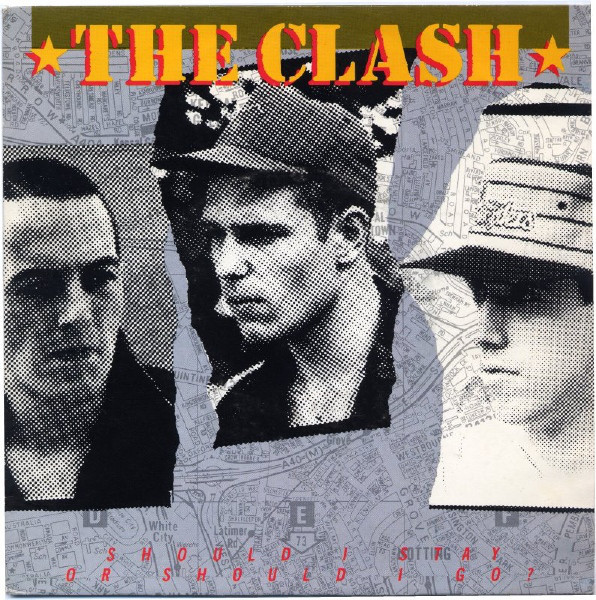
THE CLASH - SHOULD I STAY OR SHOULD I GO?


Estrena: 17 de setembre de 1982

Llistes: Regne Unit: # 1 (2 setmanes)   EUA: # 45


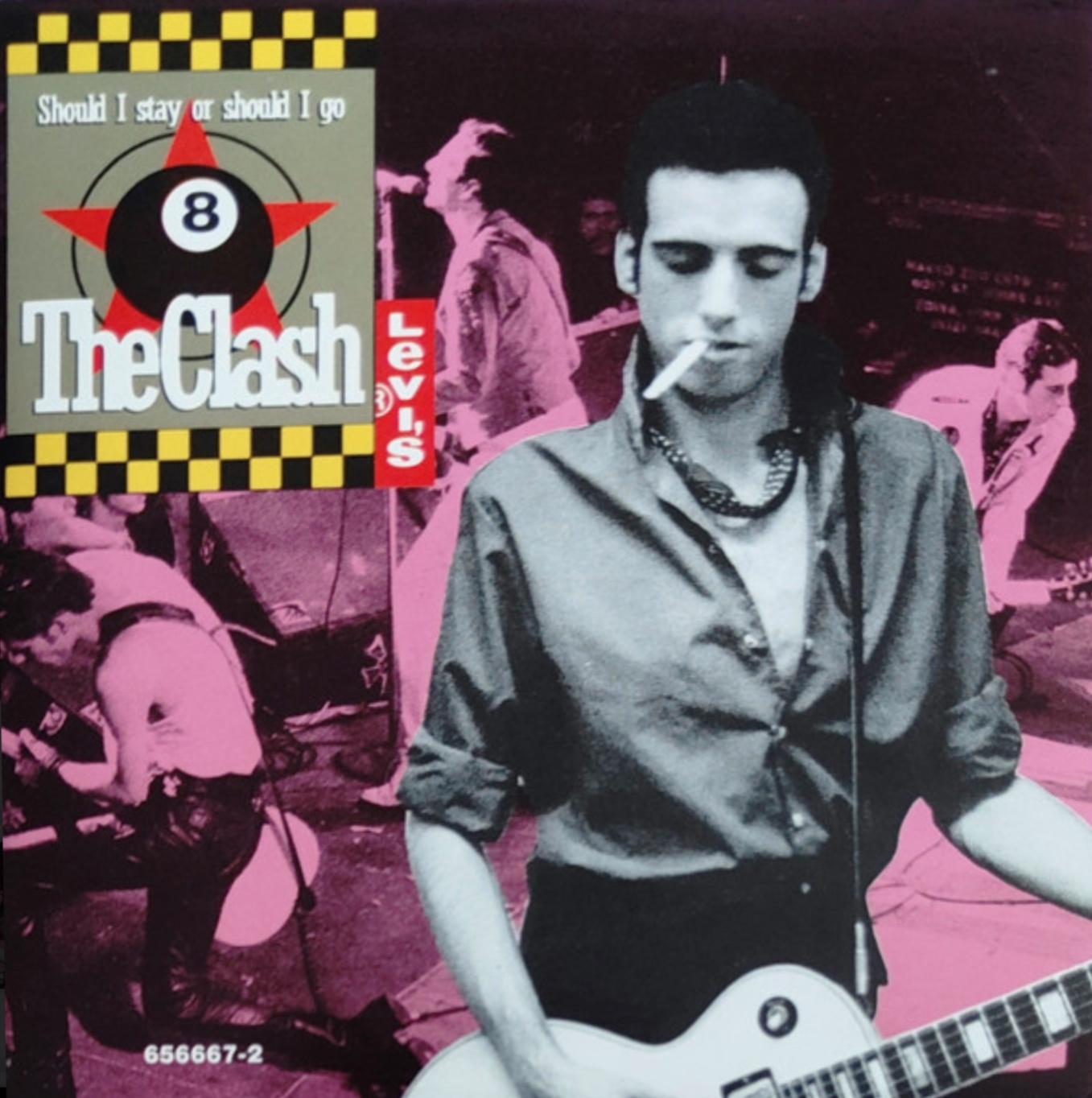
"Should I Stay or Should I Go?" és una cançó de l'àlbum "Combat Rock", escrita el 1981 i amb Mick Jones com a vocalista principal. Es va llançar el 1982 com a single de doble cara A juntament amb "Straight to Hell", però inicialment va tenir un rendiment modest a les llistes de música globals. Prop de deu anys més tard, la cançó va rebre més atenció a causa d'un anunci de pantalons vaquers Levi's a principis dels anys 90, el que va portar al seu rellançament el 1991. Aquest rellançament va liderar les llistes del Regne Unit i va arribar al top 10 a Nova Zelanda i a moltes llistes europees.


Una de les cançons més populars de The Clash, "Should I Stay or Should I Go?", utilitza la tècnica d’incorporar lletres en espanyol juntament amb les paraules en anglès. Joe Ely, un cantant de Texas, es va unir a Joe Strummer per cantar les parts en espanyol. The Clash va descobrir la música d'Ely a Anglaterra quan van escoltar el seu àlbum de 1978 "Honky Tonk Masquerade". Després d'assistir a un dels concerts d'Ely a Londres, The Clash es van fer amics seus i el van acompanyar per la ciutat. Van mantenir la seva amistat i, quan The Clash va fer una gira per Texas el 1979, van tocar junts. Més tard, Ely es va unir a The Clash a l'estudi durant la gravació de "Combat Rock" a Electric Ladyland Studio a Nova York el 1982.


La frase "If you want me off your back" originalment era més sexualment suggerent com "On your front or on your back". Quan el productor Glyn Johns va ser contractat per simplificar l'àlbum per captar un públic més ampli a l'abril de 1982, va insistir en canviar la frase, temorós que podria afectar la reproducció a les ràdios dels Estats Units. Aquestes sessions van ser tenses, amb Mick Jones descontent amb les seves mescles originals que es van modificar sense el seu consentiment. Això, juntament amb altres problemes com el retorn del manager Bernie Rhodes, va contribuir a la desintegració de la banda i al acomiadament de Jones el 1983.


Mick Jones sempre ha estat reticent a atribuir un significat específic a la lletra, afirmant que no es tractava de res en particular i simplement era un intent d'escriure una cançó de rock clàssica. S'ha especulat, incloent-hi el mateix Jones, que la cançó podria haver estat inspirada per la seva relació amb Ellen Foley. També s'ha especulat que la cançó podria tractar sobre la posició de Jones dins de The Clash, possiblement anticipant la seva eventual sortida de la banda el 1983. Jones ha reconegut aquesta possibilitat, però s’inclina cap a la idea que és més probable que fos sobre una situació personal, possiblement la seva relació amb Foley.


Mick Jones va incorporar un sampler de "Should I Stay or Should I Go?" en un dels seus projectes posteriors a The Clash, Big Audio Dynamite. El sampler es pot escoltar a la seva cançó "The Globe".


THE CLASH - SHOULD I STAY OR SHOULD I GO?


Released: September 17, 1982

Charted:  UK: #1 (2 weeks) US:# 45 


"Should I Stay or Should I Go?" is a song from the album “Combat Rock”, written in 1981 and featuring Mick Jones on lead vocals. It was released in 1982 as a double A-sided single alongside "Straight to Hell", but initially performed modestly on global music charts. Nearly a decade later, the song gained greater attention due to an early-1990s Levi's jeans commercial, leading to its re-release in 1991. The re-release topped the UK Singles Chart and reached the top 10 in New Zealand and many European charts.


One of The Clash's more popular songs, "Should I Stay or Should I Go?," employs a unique technique by incorporating Spanish lyrics that echo the English words. Joe Ely, a Texas singer, joined Joe Strummer in singing the Spanish parts. The Clash discovered Ely's music in England when they heard his 1978 album "Honky Tonk Masquerade." After attending one of Ely's shows in London, The Clash befriended him and took him around town. They maintained their friendship, and when The Clash toured Texas in 1979, they performed together. Ely later joined The Clash in the studio during the recording of Combat Rock at Electric Ladyland Studio in New York in 1982.


The line "If you want me off your back" was originally more sexually suggestive as "On your front or on your back." When producer Glyn Johns was brought in to streamline the album for mainstream appeal in April 1982, he insisted on changing the line, fearing it would hinder radio play in the US. These sessions were tense, with Mick Jones unhappy about his original mixes being altered without his consent. This, along with other issues such as the return of manager Bernie Rhodes, contributed to the breakdown of the band and Jones' dismissal in 1983.


Mick Jones has been reluctant to attribute specific meaning to the lyrics, stating that it wasn't about anything particular and was simply an attempt to write a classic rock song. There has been speculation, including from Jones himself, that the song may have been inspired by his relationship with Ellen Foley. Additionally, there's been speculation that the song could have been a commentary on Jones' position within The Clash, possibly foreshadowing his eventual departure from the band in 1983. Jones has acknowledged this possibility but leans towards the idea that it was more likely about a personal situation, possibly his relationship with Foley.


Mick Jones incorporated a vocal sample from "Should I Stay or Should I Go?" into one of his post-Clash projects, Big Audio Dynamite. The sample can be heard in their song "The Globe."