Total de visualitzacions de pàgina:

14.5.24


ROLLING STONES - JUMPIN’ JACK FLASH

Publicació: 24 de maig de 1968

Llistes: EUA: #3   Regne Unit: #1 (2 setmanes)


"Jumpin' Jack Flash" és una cançó dels Rolling Stones, llançada com a single independent el 1968. Descrita com a "blues sobrenatural del Delta a través del Swinging London" per la revista Rolling Stone, la cançó va marcar un retorn a les arrels blues de la banda després del pop barroc i la psicodèlia dels seus àlbums anteriors. És una de les cançons més icòniques i perdurables del grup, mantenint la distinció de ser la seva peça més interpretada en concert fins a la data.


"Jumpin' Jack Flash" té un origen curiós. La inspiració ve de Jack Dyer, qui va ser el jardiner de Keith Richards. Richards va explicar a Rolling Stone el 2010: "La lletra va sorgir una albada grisa a Redlands. Mick i jo havíem estat desperts tota la nit, plovia fora, i s’escoltava el so d'aquestes botes prop de la finestra, pertanyents al meu jardiner, Jack Dyer. Mick va dir, 'Què és això?' Vaig dir, 'Oh, això és el Jack. Això és Jumping Jack.' Vaig començar a treballar al voltant de la frase amb la guitarra, que estava ben afinada, cantant la frase 'Jumping Jack.' Mick va dir, 'Flash,' i de sobte vam tenir aquesta frase amb un gran ritme i sonoritat." Mick Jagger va explicar que aquesta cançó tracta "de passar-ho malament i sortir-se’n. Només és una metàfora per sortir de totes les coses àcides i complicades."


Richards va expressar el seu orgull en la seva part de guitarra per a aquesta cançó, afirmant a Rolling Stone: "Quan aconsegueixes un riff com 'Flash', sents una gran sensació d'elevació, un malenconios gresol. Puc sentir tota la banda enlairar-se darrere meu cada vegada que toco 'Flash' - hi ha aquesta mena d'extra sobreimpulsió. Et llances al riff, i et toca. La levitació és probablement l'analogia més propera al que sento."


Bill Wyman va contribuir a la creació de “Jumping “, però es va creditar oficialment només a Mick Jagger i Keith Richards, cosa que va decebre Wyman. Va recordar: "Un dia vam arribar d'hora a l'estudi, i... de fet, crec que era un estudi de proves, no un estudi d'enregistrament. I érem només jo, en Brian i en Charlie - els Stones MAI arriben alhora, ja ho saps - i en Mick i en Keith no havien vingut. Estava tocant i em vaig seure al piano i vaig començar a tocar aquest riff, da-daw, da-da-daw, da-da-daw, i després en Brian va tocar una mica de guitarra, i en Charlie estava fent un ritme. Només ho estàvem provant durant 20 minuts, només omplint el temps, en Mick i en Keith van entrar, vam parar, i van dir, 'Ei, això sonava molt bé, continua, què és?' I llavors, l'endemà, la vam enregistrar. Mick va escriure una lletra fantàstica i va resultar ser un single molt bo."


"Jumpin' Jack Flash" va marcar una transició significativa al rock caracteritzat per un riff de guitarra pels Rolling Stones. Inicialment influïts pel blues, principalment a causa del membre fundador Brian Jones, la banda va evolucionar a través de diversos gèneres durant els anys seixanta, des del R&B fins al pop i la psicodèlia. Va ser amb "Jumpin' Jack Flash" el '68 que van solidificar el seu so distintiu. Amb Mick Jagger i Keith Richards prenent el control, la banda va trobar un èxit massiu amb himnes de rock d'estadi com "Brown Sugar" i "It's Only Rock 'N' Roll".


Keith Richards captura de manera magnífica l'allau enigmàtica de "Jumpin' Jack Flash" a la seva autobiografia, "Life" (2010). Descriu els acords de la cançó com transgresors de la manera convencional de composar cançons, evocant ecos de melodies antigues, clàssiques i fins i tot gregorianes. Richards es meravella de la capacitat de la cançó per combinar el rock and roll amb una qualitat eterna, gairebé primordial, suggerint una connexió amb alguna cosa molt més antiga i profunda que ell mateix. En la seva reflexió, admet estar desconcertat pels orígens de la cançó, emfatitzant la seva sorprenent capacitat per seguir immortal a través de les generacions.


ROLLING STONES - JUMPIN’ JACK FLASH


Released: May 24, 1968

Charted:  US: #3   UK: #1 (2 weeks)


"Jumpin' Jack Flash" is a track by the Rolling Stones, released as a standalone single in 1968. Described as "supernatural Delta blues by way of Swinging London" by Rolling Stone magazine, the song marked a return to the band's blues roots following the baroque pop and psychedelia of their earlier albums. It stands as one of the group's most iconic and enduring songs, holding the distinction of being their most frequently performed track in concert to date.


"Jumpin' Jack Flash" has a curious origin. His name is Jack Dyer, and he served as Keith Richards' gardener. Richards elaborated to Rolling Stone in 2010: "The lyrics came from a gray dawn at Redlands. Mick and I had been up all night, it was raining outside, and there was the sound of these boots near the window, belonging to my gardener, Jack Dyer. It woke Mick up. He said, 'What's that?' I said, 'Oh, that's Jack. That's jumping Jack.' I started to work around the phrase on the guitar, which was in open tuning, singing the phrase 'Jumping Jack.' Mick said, 'Flash,' and suddenly we had this phrase with a great rhythm and ring to it." Mick Jagger explained that this song is about "having a hard time and getting out. Just a metaphor for getting out of all the acid things."


Richards expressed his pride in his guitar part for this song, stating in Rolling Stone, "When you get a riff like 'Flash,' you get a great feeling of elation, a wicked glee. I can hear the whole band take off behind me every time I play 'Flash' - there's this extra sort of turbo overdrive. You jump on the riff, and it plays you. Levitation is probably the closest analogy to what I feel."


Bill Wyman contributed to the creation of this song, but it was still officially credited only to Mick Jagger and Keith Richards, which Wyman found disappointing. He recalled: "We got to the studio early once, and... in fact, I think it was a rehearsal studio, not a recording studio. And there was just myself, Brian, and Charlie - the Stones NEVER arrive at the same time, you know - and Mick and Keith hadn't come. I was just messing about and sat down at the piano and started playing this riff, da-daw, da-da-daw, da-da-daw, and then Brian played a bit of guitar, and Charlie was doing a rhythm. We were just messing with it for 20 minutes, just filling in time, and Mick and Keith came in, and we stopped, and they said, 'Hey, that sounded really good, carry on, what is it?' And then the next day, we recorded it. Mick wrote great lyrics to it, and it turned out to be a really good single."


"Jumpin' Jack Flash" marked a significant transition to guitar-driven rock for the Rolling Stones. Initially influenced by blues, largely due to founding member Brian Jones, the band evolved through various genres in the '60s, from R&B to pop to psychedelic. It was with "Jumpin' Jack Flash" in '68 that they solidified their signature sound. With Mick Jagger and Keith Richards taking the reins, the band found massive success with stadium rock anthems like "Brown Sugar" and "It's Only Rock 'N' Roll."


Keith Richards beautifully captures the enigmatic allure of "Jumpin' Jack Flash" in his autobiography, "Life" (2010). He describes the song's chords as transcending typical songwriting conventions, evoking echoes of ancient, classical, and even Gregorian chant-like melodies. Richards marvels at the song's ability to blend rock and roll with a timeless, almost primordial quality, suggesting a connection to something far older and more profound than himself. In his reflection, he admits to being mystified by the song's origins, emphasizing its uncanny ability to resonate across generations.


11.5.24


MADRID 1982: LA PRIMERA VEGADA QUE VAIG VEURE A SES SATÀNIQUES MAJESTATS


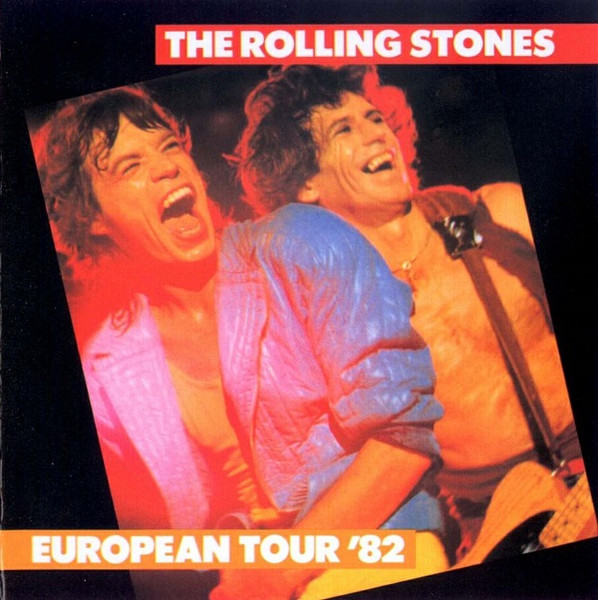
Era l’any 1982 quan es va programar un concert dels Rolling Stones a l’estadi de Sarrià a Barcelona. Evidentment vam còrrer a comprar les entrades, tot i el problema que suposaven per mi dues mil pessetes de les de llavors a la meva edat. Ja portava uns quants concerts a sobre en aquells temps, però em quedava pendent un gran concert, un concert d’alguna de les bandes històriques, i els Stones era el màxim al que podies aspirar en aquell moment. Només quedava esperar el gran dia, quan de sobte, a poques setmanes de l’esdeveniment, surt la pèssima notícia: la promotora Gay And Company i l’Espanyol trenquen l’acord i no hi haurà concert a Sarrià. En el seu lloc es farà un segon concert a Madrid en la mateixa data. Teniem dues opcions: o ens retornaven els diners, o ens canviaven l’entrada per una de Madrid. S’havia de decidir ràpid, i jo, tot i ser menor d’edat vaig dir a casa: han suspès Barcelona i es fa a Madrid, jo hi vaig! Dit i fet, el meu amic Pep es va fer càrrec de mi i el 8 de juliol cap a Madrid que tocaven el 9. 


Aquell vespre havíem de sortir de Plaça Catalunya en autocar, però es jugava la semifinal del mundial de futbol entre França i Alemania i vam marxar amb quasi dues hores de retard per la prorroga i els penals, i, per la negativa dels xòfers a marxar abans no acabes el partit. Prop de mitjanit una comitiva de 32 autocars marxàvem a Madrid, destinació Estadio Vicente Calderón on vam arribar al voltant de les deu del matí. 


El dia es va fer etern fins a les sis de la tarda que obrien les portes de l’estadi. Recordo que al costat mateix hi havia la fàbrica de la Mahou i que molts hi anàven a buscar provisions. També que vam anar a dinar al centre, però cap a les cinc ja tornàvem a ser allà. Després va sorgir un problema afegit, nosaltres teniem entrades de grada (verda) i tots els que m’acompanyaven volien anar a gespa (entrada marró). Jo no podia dir res perquè era una criatura al costat de tots ells. 


Vam entrar, i un cop dins vam voltar per l’interior de l’estadi. Havíem d’entrar a la gespa com fos. En arribar a un dels córners van veure la solució: era una porta molt ample on només hi havia un porter. La proposta: entrar tots correns. “La mare que’m va parir, estan sonats aquests pagesos”, vaig pensar. Dit i fet! Quarts de set, quedaven tres hores pel concert i ja erem dins. Però va sorgir un nou problema: erem a la gespa amb entrades de grada. Després de carregar tantes provisions a can Mahou, evidentment s’havia d’evacuar i els lavabos eren fora. Però tot problema té una solució, i vam trobar un noi amb entrada marró que ens la va cedir per poder anar a pixar per torns.


A dos quarts de deu en punt sona la intro del “Take the A train” de Duke Ellington i tot seguit “Under my thumb” com en el disc “Still life” de la gira americana que havia sortit poques dates abans. En aquells dies no havia mòbils ni res semblant, jo portava una llibreta petita on apuntava cada cançó que tocaven per fer-me després un cassette amb el repertori. Després de l’última cançó, “Satisfaction” vaig pensar que ja em podia morir perquè havia tocat el cel, però havia de tornar a Lloret per poder-ho explicar. Marxant cap a l’autocar vaig veure una entrada al terra i per aquelles casualitats de la vida era marró i del concert anterior, pleno!


Posteriorment els vaig veure dues vegades més a l’estadi olímpic de Barcelona, el 1990 durant la Urban Jungle Tour, i el 2003 en el Licks Tour. Van ser dos grans concerts, però lluny del que va significar tot el que va envoltar el concert de 1982, per a un noi de 17 anys que encara no havia tingut cap experiència del nivell de l’aventura que va ser dir als pares: “els Stones toquen a Madrid i jo hi vaig”. 


THE FIRST TIME I SAW THEIR SATANIC MAJESTIES


It was 1982 when a Rolling Stones concert was scheduled at the Sarrià stadium in Barcelona. Obviously we rushed to buy the tickets, despite the problem that two thousand pesetas meant for me at that time at my age. I already had a few concerts under my belt then, but I was still waiting for a big concert, a concert by one of the historical bands, and the Stones was the most you could aspire to at that time.


We only need to wait for the big day, when suddenly, a few weeks before the event, the terrible news came out: the promoter Gay And Company and R.C.D. Espanyol (the owners of the stadium and a damn football rival) broke the agreement and there would be no concert in Sarrià. Instead, a second concert will be held in Madrid on the same date. We had two options: either they would refund our money, or they would exchange our ticket for one from Madrid. It had to be decided quickly, and I, despite being a minor, said at home: they have suspended Barcelona and it is being held in Madrid, I am going there! All said and done, my friend Pep took care of me and on the 8th of July we headed to Madrid, which played on the 9th.


That evening we were supposed to leave Plaça Catalunya in Barcelona by coach, but the semi-final of the World Cup between France and Germany was being played and we left almost two hours late due to overtime and penalties, and the refusal of the drivers to leave until the game is over. Around midnight, a group of 32 coaches left for Madrid, destination Estadio Vicente Calderón where we arrived around 10 A.M.


The day became eternal until 6 P.M. when the stadium doors opened. I remember that right next to the stadium it was the Beer Mahou factory and that many people went there to get supplies. We also went to lunch in the city center, but by five o'clock we were back there. Then an added problem arose, we had bleacher tickets (green) and everyone who accompanied me wanted to go to the grass (brown ticket). I couldn't say anything because I was a child next to all of them. We entered, once inside we walked around the stadium to find our seats, but everyone was thinking that we had to go to the grass no matter what. When we saw that the solution was in one of the corners: it was a very wide door where there was only one doorman. The proposal: enter all at once running. Said and done, we’re in!


6:15 P.M., almost three hours left for the concert and we were already inside, but a new problem arose: we were on the turf with bleachers tickets. After loading so many provisions of beer in Mahou factory, it was obvious that he had to evacuate and the toilets were outside. But every problem has a solution, and we found a guy with a brown ticket who gave it to us so we could take turns peeing.


At 9:30P.M., the intro to Duke Ellington's "Take the A train" plays, followed immediately by "Under my thumb" as in the "Still life" album from the American tour that had been released a few dates earlier. In those days there were no mobile phones or anything like that, I carried a small notebook where I wrote down every song they played to later make a cassette with the repertoire. After the last song, "Satisfaction", I thought I could die because I had touched heaven, but I had to go back to Lloret to be able to explain it. Walking towards the bus I saw a ticket on the floor and by those coincidences of life it was brown and from the previous concert, the day ends in the best way, now I have the tickets for both days and both colors in my collection.


Later I saw them twice more at the Olympic Stadium in Barcelona, ​​in 1990 during the Urban Jungle Tour, and in 2003 during the Licks Tour. They were two great concerts, but far from the excitement surrounding the 1982 concert for a 17-year-old boy who had not yet experienced the level of what it meant to tell his parents: "The Stones are playing in Madrid and I'm going."


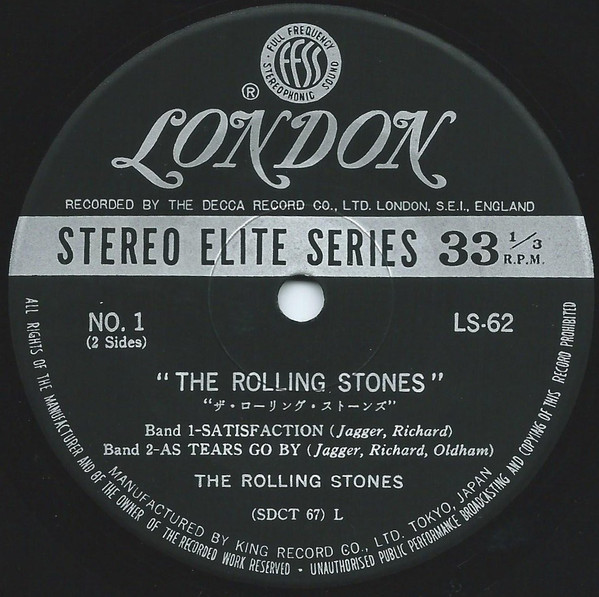
ROLLING STONES - (I CAN’T GET NO) SATISFACTION


Publicada: 4 de juny de 1965 (EUA)  20 d'agost de 1965 (Regne Unit)

Llistes: EUA: #1 (4 setmanes)  Regne Unit: #1 (2 setmanes)


"(I Can't Get No) Satisfaction" és una cançó escrita per Mick Jagger i Keith Richards que exhibeix un riff de guitarra fascinant de Richards que fa reconeixible inmediatament la cançó. Ampliament aclamada com un dels millors ganchos de la història de la música, la lletra toca temes de frustració sexual i comercialisme. Reverenciada com una de les cançons més icòniques del món, "Satisfaction" va ser induïda al Saló de la Fama dels Grammy el 1998 i afegida al Registre Nacional de Gravacions de la Biblioteca del Congrés dels Estats Units el 2006.


"(I Can't Get No) Satisfaction" va ser enregistrada només cinc dies després que Keith Richards concebés inicialment la idea de la cançó. Llançada com a single als Estats Units tres setmanes després, es va convertir ràpidament en un èxit massiu, impulsant els Rolling Stones a l'estrellatge a Amèrica. La cançó va arribar al número u a la llista Billboard Hot 100 el 10 de juliol, on va romandre durant quatre setmanes consecutives. També va ser inclosa a l'edició americana del seu quart àlbum d'estudi, "Out of Our Heads", llançat aquell juliol.


Al Regne Unit, la cançó va afrontar-se a una censura inicial, només sent retransmesa a emisores de ràdio pirates a causa de la seva lletra excessivament suggerent sexualment, però el single va ser finalment llançat el 20 d'agost de 1965, després que els Stones insistissin en estar presents al país per donar suport al seu llançament. També va arribar al número u a l’UK Singles Chart el 15 de setembre, on va romandre dues setmanes, esdevenint el seu quart número u al seu país natal.


L'experiència de Keith Richards a l'estadi Jack Russell a Clearwater, Florida, el 6 de maig de 1965, durant la primera gira dels Rolling Stones pels Estats Units, es va convertir en el catalitzador d'un dels riffs i lletres més icònics de la música rock. Enmig del caos mentre uns 200 joves es barallaven amb agents de policia, els Stones van aconseguir interpretar només quatre cançons abans que la interrupció els obligués a aturar l’actuació. Aquella mateixa nit, Richards es va despertar a l’habitació de l'hotel amb el riff de guitarra, ara famós, i la lletra "can't get no satisfaction" ressonant al seu cap. Va enregistrar ràpidament el riff en una grabadora portàtil, capturant no només la inspiració musical sinó també els sons dels seus propis roncs. La setmana següent, armat amb la idea enregistrada, Richards la va portar a l'estudi, immortalitzant-la finalment en l'èxit "(I Can't Get No) Satisfaction". Richards s’allotjava a l'Hotel Fort Harrison, llavors conegut com a Jack Tar Harrison Hotel, quan la inspiració va arribar.


Mick Jagger en va escriure la majoria de la lletra excepte la memorable tornada "can't get no satisfaction". La lletra reflecteix les observacions de Jagger sobre Amèrica, mostrant el contrast entre l'autenticitat i l'artificialitat. Retracta la recerca dels homes per experiències genuïnes enmig de la influència omnipresent del consumisme i el màrqueting. Les experiències personals de Jagger amb el consumisme d'Amèrica durant les gires dels Rolling Stones van formar la seva perspectiva, i la banda posteriorment va aprofitar aquest aspecte a través de patrocinis i venda de merchandising, aconseguint un gran èxit financer als Estats Units.


Keith Richards va experimentar amb una Gibson Fuzz Box mentre enregistrava "(I Can't Get No) Satisfaction", amb l’intenció d'utilitzar-la per esbossar una secció de vents amb notes sostingudes. Inicialment, no tenia plans d'incloure el so de guitarra distorsionat en la gravació final, però la resta de la banda va quedar impressionada amb el so únic i poc convencional que produïa la Fuzz Box. Malgrat les reticències de Richards pel caràcter artificiós de l'efecte, la banda el va convèncer de prescindir de la secció de vents i mantenir el so distorsionat de la guitarra, fent que finalment fos la característica reconeixible de la cançó.


La reflexió de Mick Jagger sobre "(I Can't Get No) Satisfaction" en una entrevista del 1995 destaca el seu important impacte en la carrera dels Rolling Stones. Reconeix el paper fonamental de la cançó en impulsar la banda a l'estrellatge global, descrivint-la com la melodia característica que els va distingir dels altres grups. Jagger destaca el títol, el memorable riff de guitarra i el so innovador com a factors claus del seu èxit. També assenyala que la cançó va capturar perfectament l'esperit de l'època, parlant de temes d'alienació i frustració sexual que reflectien el sentir del públic en aquell moment. En general, Jagger reconeix la importància de la cançó en el llegat de la banda i el seu impacte cultural.


ROLLING STONES - (I CAN’T GET NO) SATISFACTION


Released: June 4, 1965 (US)  August 20, 1965 (UK)

Charted:  US: #1 (4 weeks)  UK: #1 (2 weeks)


"(I Can't Get No) Satisfaction" is a song by the English rock band the Rolling Stones. Composed by Mick Jagger and Keith Richards, it showcases a mesmerizing guitar riff by Richards that drives the song. Widely acclaimed as one of the greatest hooks in music history, the track's lyrics touch upon themes of sexual frustration and commercialism. Revered as one of the world's most iconic songs, "Satisfaction" was inducted into the Grammy Hall of Fame in 1998 and added to the National Recording Registry of the Library of Congress in 2006.


"(I Can't Get No) Satisfaction" was recorded only five days after Keith Richards initially conceived the idea for the song. Released as a single in the US three weeks later, it quickly became a massive hit, propelling The Rolling Stones to stardom in America. The song reached number one on the Billboard Hot 100 chart on July 10, where it remained for four consecutive weeks. It was also included on the American edition of their fourth studio album, "Out of Our Heads," released that July. 


In the UK, the song faced initial censorship, only being played on pirate radio stations due to its sexually suggestive lyrics, but the single was finally released on August 20, 1965, after The Stones insisted on being present to support its release. It also reached number one on the UK Singles Chart on September 15, where it stayed for two weeks, becoming their fourth number one single in their home country. 


Keith Richards' experience at the Jack Russell Stadium in Clearwater, Florida on May 6, 1965, during The Rolling Stones' first US tour, became the catalyst for one of rock music's most iconic riffs and lyrics. Amidst chaos as about 200 young fans clashed with police officers, The Stones managed just four songs before the disruption forced them to halt the performance. That very night, Richards awoke in his hotel room with the now-famous guitar riff and the lyric "can't get no satisfaction" echoing in his mind. He swiftly recorded the riff on a portable tape deck, capturing not only the musical inspiration but also the sounds of his own snoring. The following week, armed with his recorded idea, Richards brought it to the studio, ultimately immortalizing it in the timeless hit "(I Can't Get No) Satisfaction." Richards was lodging at the Fort Harrison Hotel, then known as the Jack Tar Harrison Hotel, when inspiration struck.


Mick Jagger wrote the majority of the lyrics for the song except for the memorable refrain "can't get no satisfaction." The song's lyrics reflect Jagger's observations of America, depicting the contrast between authenticity and artifice. It portrays a man's quest for genuine experiences amidst the pervasive influence of commercialism and marketing. Jagger's firsthand encounters with the commercialism of America during The Rolling Stones' tours informed his perspective, and the band later capitalized on this aspect by leveraging sponsorships and merchandising to great financial success in the US.


Keith Richards experimented with a Gibson Fuzz Box while recording "(I Can't Get No) Satisfaction," intending to use it to outline a horn section with sustained notes. Initially, he had no plans to incorporate the distorted guitar sound into the final recording, but the rest of the band was impressed with the unique and unconventional sound produced by the Fuzz Box. Despite Richards' reservations about the gimmicky nature of the effect, the band persuaded him to forego the horn section and embrace the distorted guitar sound, ultimately making it a defining feature of the song.


Mick Jagger's reflection on "(I Can't Get No) Satisfaction" in a 1995 interview emphasizes its transformative impact on The Rolling Stones' career. He acknowledges the song's pivotal role in propelling the band to global stardom, describing it as the signature tune that distinguished them from other acts. Jagger highlights the song's catchy title, memorable guitar riff, and innovative sound as key factors in its success. He also notes how the song captured the zeitgeist of the era, reflecting themes of alienation and sexual frustration that resonated with audiences at the time. Overall, Jagger recognizes the song's enduring significance in the band's legacy and its cultural impact.