"I'm Not in Love" del grup britànic 10cc, escrita per Eric Stewart i Graham Gouldman, es va llançar al maig de 1975 com el segon senzill del seu àlbum "The Original Soundtrack". Va marcar el seu segon número u al Regne Unit i es va convertir en un èxit internacional, arribant al número u a Canadà i Irlanda i assolint el top 10 en diversos països, inclosos els EUA, Austràlia i Alemanya.
"I'm Not in Love" va ser elaborada amb una pista de fons creada a partir de les veus gravades en multicapes de la banda, que consistia en unes 256 veus doblades. La inspiració de la cançó va sorgir del reconeixement d'Eric Stewart que dir repetidament "T'estimo" li fa perdre el seu significat. Reflexionant sobre la seva experiència personal amb la seva dona, Stewart va traduir aquest sentiment en una conversa retòrica amb ell mateix, acabant per donar lloc a la creació de la cançó. Sense ser afectat per l'escepticisme inicial de la banda, Stewart i Graham Gouldman van col·laborar en el desenvolupament de la cançó, prenent influència de l’estil bossa nova i incorporant un arranjament vocal diferent.
La veu que xiuxieja de la frase "Be quiet, big boys don't cry" (Calla, els grans no ploren), la va proporcionar Kathy Redfern, la secretària d'Strawberry Studios, on gravava la banda. Mentre enregistraven, Redfern va entrar a l'estudi per informar Eric Stewart d'una trucada, proporcionant involuntàriament el so perfecte que buscaven. La seva veu xiuxiejada va afegir l'element evocador a la cançó que estaven cercant.
Segons Kevin Godley, la gravació inicial d’"I'm Not in Love" tenia un toc de "lounge-lizard" i bossa nova que no acabava de connectar. Sentint-se perduts, van experimentar amb un enfocament nou, centrant-se únicament en les veus. Van passar dies cantant notes en un micròfon, creant bucles de cinta que es carregaven en 16 màquines de cinta i es reproduïen simultàniament. Cada membre de la banda tenia el control sobre quatre atenuadors a la sala de control per manipular els bucles, que es sobregravaven a la pista bàsica. Utilitzar la veu original d'Eric com a peça central va fer que tot encaixés perfectament. El procés va semblar gairebé màgic, sense desacords ni problemes. El resultat, una obra mestra de sis minuts i mig, va demostrar ser realment especial, tot i que en aquell moment no van adonar-se'n del seu potencial com a èxit discogràfic.
The Pretenders van enregistrar una excel·lent versió d’"I'm Not in Love", produïda per Trevor Horn, per a la pel·lícula de 1993 "Indecent Proposal".
10cc - I’M NOT IN LOVE
Released: May 1975
Charted: US: #2 UK: #1 (2 weeks)
"I'm Not in Love" by British group 10cc, written by Eric Stewart and Graham Gouldman, it was released in May 1975 as the second single from their album "The Original Soundtrack”. It marked their second UK number-one hit and became a breakthrough internationally, reaching the top of the charts in Canada and Ireland and peaking within the top 10 in various countries including the US, Australia, and Germany.
"I'm Not in Love" was crafted with a unique backing track created from the band's multitracked vocals, comprising around 256 vocal dubs. The song's inspiration stemmed from Eric Stewart's realization that repeatedly saying "I Love You" would lose its meaning. Reflecting on his personal experience with his wife, Stewart translated this sentiment into a rhetorical conversation with himself, eventually leading to the creation of the song. Without being affected by initial skepticism from the band, Stewart and Graham Gouldman collaborated on the song's development, drawing influence from bossa nova style and incorporating a distinctive vocal arrangement.
The whispered vocals of "Be quiet, big boys don't cry" were provided by Kathy Redfern, the secretary of Strawberry Studios, where the band operated. While recording, Redfern entered the studio to inform Eric Stewart of a phone call, inadvertently providing the perfect sound they were seeking. Her whispered voice added the evocative element to the song they were looking for.
According to Kevin Godley, the initial recording of "I'm Not in Love" had a lounge-lizard, bossa-nova vibe that didn't quite click. Feeling lost, they experimented with a new approach, focusing solely on voices. They spent days singing notes into a microphone, creating tape loops that were loaded onto 16 tape machines and played simultaneously. Each band member had control over four faders in the control room to manipulate the loops, which were overdubbed onto the basic track. Using Eric's original guide vocal as the centerpiece led everything else to fall seamlessly into place. The process felt almost magical, with no disagreements or problems. The resulting six-and-a-half-minute masterpiece proved to be something truly special, even if they didn't realize its potential as a hit record at the time.
The Pretenders recorded an excellent version of "I'm Not in Love" for the 1993 movie "Indecent Proposal," produced by Trevor Horn.
1.6.24
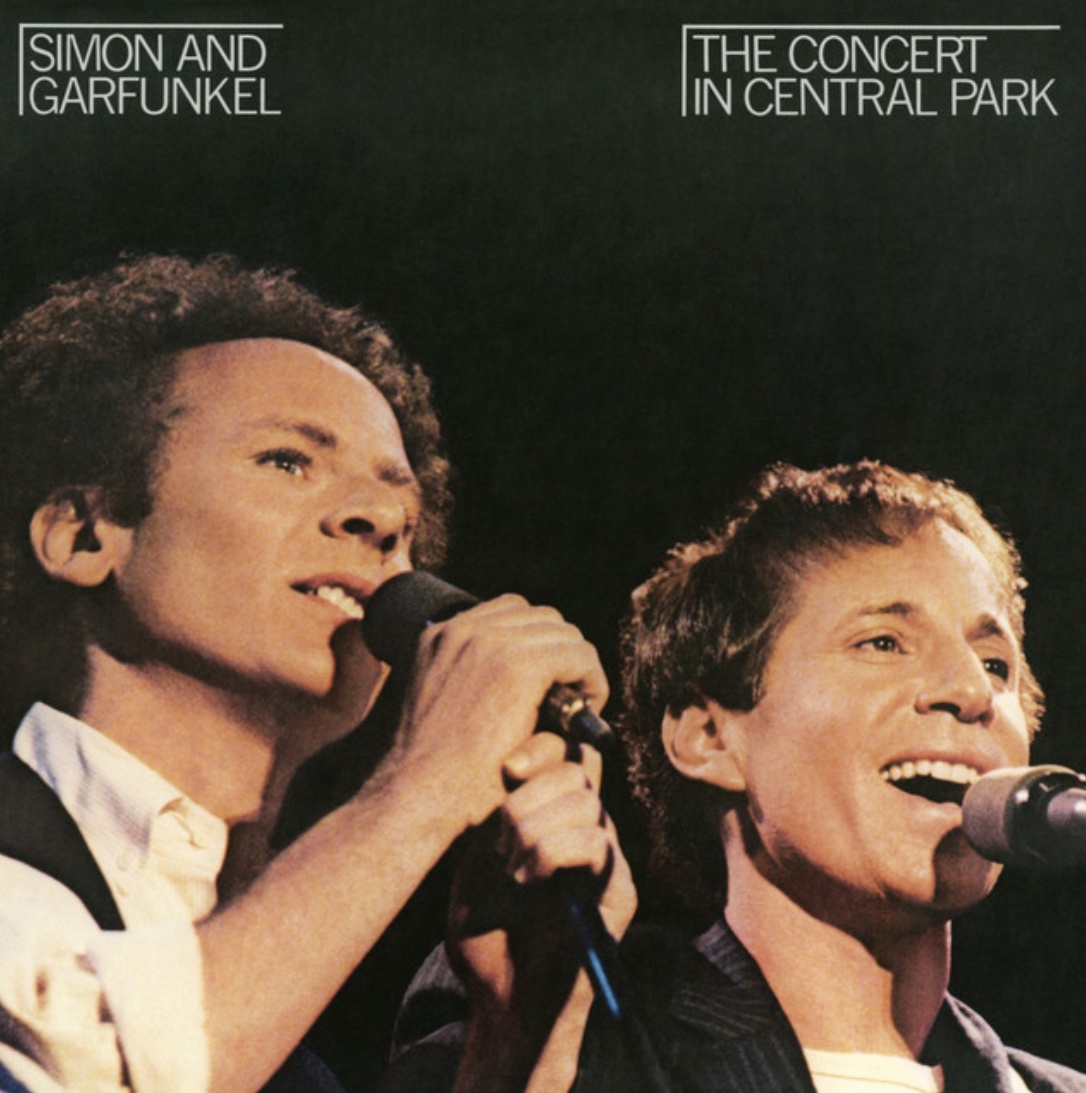
SIMON & GARFUNKEL - THE SOUND OF SILENCE
Estrenada: 19 d'octubre de 1964 (versió acústica original); 12 de setembre de 1965 (versió elèctrica).
Llistes : EUA: #1 (2 setmanes)
"The Sound of Silence" (originalment titulada "The Sounds of Silence") és una cançó del duet musical estatunidenc Simon & Garfunkel, escrita per Paul Simon. La interpretació de la cançó durant una audició en un estudi els va assegurar un contracte discogràfic amb Columbia Records. La versió acústica original es va enregistrar el març de 1964 als estudis d'enregistrament de la 7th Avenue de Columbia a Nova York per al seu àlbum debut, "Wednesday Morning, 3 A.M.", que es va llançar a l'octubre d'aquell any, però que inicialment va tenir vendes decebedores.
Descoratjats pel rendiment poc satisfactori de l'àlbum, Paul Simon i Art Garfunkel van seguir camins separats. Sense saber-ho, la seva discogràfica, Columbia Records, tenia un pla diferent. En un intent de capitalitzar el moviment emergent de folk-rock, el productor Tom Wilson va afegir instruments elèctrics a la pista acústica i la va llançar com a single. Simon i Garfunkel no en tenien coneixement d'aquesta nova versió, però la cançó reeditada es va convertir en un èxit massiu, i això va motivar la seva reunió. Sense la intervenció de Wilson, el duet podria haver seguit camins separats. Quan la cançó va arribar al número 1 de les llistes als Estats Units, Simon era a Anglaterra i Garfunkel estava a la universitat.
En una entrevista amb Terry Gross de National Public Radio (NPR), Paul Simon va recordar el naixement de "The Sound of Silence", revelant que la va escriure mentre treballava en el seu primer treball en la indústria musical. Va descriure com va lluitar per col·locar cançons d'una gran companyia editorial per a la qual treballava, acabant per decidir marxar i conservar la propietat de les seves pròpies composicions. El moment clau va arribar quan va rebutjar donar la seva última creació, "The Sound of Silence", a l'empresa, optant per publicar-la ell mateix. Simon va reflexionar sobre l'apel·lació perdurable de la cançó, atribuint gran part del seu èxit a la simplicitat de la seva melodia i lletra, que captaven un sentiment d'alienació juvenil.
Paul Simon, sovint comparat amb Bob Dylan, va admetre la influència de Dylan a la cançó, però va emfatitzar que no intentava emular-lo. Simon va reconèixer a Dylan com el primer artista seriós a trencar amb les cançons orientades als adolescents, inspirant-lo a explorar temes més profunds. Tot i que Simon estava decidit a no imitar Dylan, li va donar crèdit per obrir noves possibilitats en l'escriptura de cançons.
La connexió amb Dylan a "The Sound of Silence" és profunda en la seva producció. Tom Wilson, que va produir la versió elèctrica, i Bob Johnston, que la va completar, tenien tots dos lligams amb Bob Dylan. Wilson, el productor de Dylan a principis dels anys seixanta, va jugar un paper clau en la transició de Dylan del folk acústic al rock elèctric, ajudant a donar forma al seu so durant el període de la transformació. Johnston, que va succeir Wilson com a productor de Dylan, va continuar col·laborant amb ell fins al 1970.
"The Sound of Silence" va guanyar popularitat inicialment a Boston, on es va convertir en un dels singles més venuts a principis de novembre de 1965. Després es va estendre a Miami i Washington, D.C., arribant al número u a Boston i debutant a la llista Billboard Hot 100.
Al gener de 1966, la cançó va participar en una batalla directa amb "We Can Work It Out" dels Beatles pel primer lloc a la llista Billboard Hot 100. "The Sound of Silence" va assolir la primera posició durant les setmanes del 1 i 22 de gener, mentre que "We Can Work It Out" va mantenir el primer lloc durant les setmanes del 8, 15 i 29 de gener. Durant les setmanes en què "The Sound of Silence" era al número u, "We Can Work It Out" ocupava la segona posició, i viceversa.
Després de l'èxit, Paul Simon va tornar immediatament als Estats Units per enregistrar un nou àlbum de Simon & Garfunkel a petició de Columbia. Recordant el moment en què va saber que la cançó havia arribat al número u, Simon va explicar que seia al cotxe amb Art Garfunkel a una cantonada del barri de Queens, Nova York. Van escoltar el locutor a la ràdio declarar "Número u, Simon & Garfunkel", i Garfunkel va comentar: "Aquests Simon & Garfunkel, han d’estar passan-t’ho bé ara mateix". Tot i això, Garfunkel també recorda el moment de manera diferent, dient que eren a Los Angeles quan el seu representant els va informar del seu èxit al cim de les llistes. Van celebrar-ho obrint les cortines per deixar entrar la llum del sol a l'estança i demanant servei d'habitacions.
La versió que van fer Disturbed pel seu àlbum "Immortalized" del 2015 va sorprendre els fans amb la seva sortida del seu estil típic de heavy metal. El guitarrista Dan Donegan va explicar que van intentar destacar la veu de David Draiman sense sobrecarregar-la amb les guitarres elèctriques, optant per un enfocament més vulnerable amb cordes i violins. Malgrat la sortida del seu so habitual, la versió es va convertir en la seva cançó més ben classificada a les llistes, arribant al número 42. Draiman va expressar el seu estupor davant l'èxit de la versió. Paul Simon va elogiar la interpretació de Disturbed després de la seva actuació a Conan, enviant un correu electrònic a David Draiman expressant el seu agraïment.
SIMON & GARFUNKEL - THE SOUND OF SILENCE
Released: October 19, 1964 (original acoustic version); September 12, 1965 (overdubbed electric version).
Charted: US: #1 (2 weeks)
"The Sound of Silence" (originally titled "The Sounds of Silence") is a song by the American music duo Simon & Garfunkel, written by Paul Simon. The duo's performance of the song during a studio audition secured them a record deal with Columbia Records. The original acoustic rendition was recorded in March 1964 at Columbia's 7th Avenue Recording Studios in New York City for their debut album, "Wednesday Morning, 3 A.M.," which was released in October of that year but initially garnered disappointing sales.
Disheartened by the album's lackluster performance, Paul Simon and Art Garfunkel went their separate ways. Unbeknownst to them, their record label, Columbia Records, had a different plan. In an attempt to capitalize on the burgeoning folk-rock movement, producer Tom Wilson added electric instruments to the acoustic track and released it as a single. Simon and Garfunkel were unaware of this alteration, but the revamped song became a massive hit, prompting their reunion. Without Wilson's intervention, the duo might have pursued separate paths. When the song reached #1 on the charts in the United States, Simon was in England, and Garfunkel was at college.
In an interview with Terry Gross of National Public Radio (NPR), Paul Simon recounted the genesis of "The Sound of Silence," revealing that he wrote the song while working at his first job in the music industry. He described how he struggled to place songs from a large publishing company he worked for, ultimately deciding to leave and retain ownership of his own compositions. The pivotal moment came when he refused to give his latest creation, "The Sound of Silence," to the company, opting to publish it himself. Simon reflected on the song's enduring appeal, attributing much of its success to the simplicity of its melody and lyrics, which captured a sense of youthful alienation.
Paul Simon, often compared to Bob Dylan, admitted to Dylan's influence on "The Sound of Silence" but emphasized that he wasn't trying to emulate him. Simon acknowledged Dylan as the first serious artist to break away from teen-oriented songs, inspiring him to explore deeper themes. While Simon was determined not to imitate Dylan, he credited him for opening up new possibilities in songwriting.
The Dylan connection to "The Sound of Silence" runs deep in its production. Tom Wilson, who produced the electric version, and Bob Johnston, who completed it, both had extensive ties to Bob Dylan. Wilson, Dylan's producer in the early '60s, played a pivotal role in Dylan's transition from acoustic folk to electric rock, helping shape his sound during a transformative period. Johnston, who succeeded Wilson as Dylan's producer, continued to collaborate with him until 1970.
"The Sound of Silence" initially gained popularity in Boston, where it became one of the best-selling singles in early November 1965. It then spread to Miami and Washington, D.C., reaching number one in Boston and debuting on the Billboard Hot 100.
In January 1966, the song engaged in a head-to-head battle with The Beatles' "We Can Work It Out" for the top spot on the Billboard Hot 100. "The Sound of Silence" claimed the number one position for the weeks of January 1 and 22, while "We Can Work It Out" held the top spot for the weeks of January 8, 15, and 29. During the weeks when "The Sound of Silence" was at number one, "We Can Work It Out" held the number two position, and vice versa.
In the aftermath of the song's success, Paul Simon promptly returned to the United States to record a new Simon & Garfunkel album at Columbia's request. Recalling the moment when he learned that the song had reached number one, Simon described sitting in his car with Art Garfunkel on a street corner in Queens, New York. They heard the announcer on the radio declare "Number one, Simon & Garfunkel," prompting Garfunkel to comment, "That Simon & Garfunkel, they must be having a great time." However, Garfunkel remembers the moment differently, recalling that they were in Los Angeles when their manager informed them of their chart-topping success. They celebrated by opening the curtains to let the sunshine into their room and ordering room service.
Disturbed's unexpected cover of "The Sound of Silence" for their 2015 album "Immortalized" surprised fans with its departure from their typical heavy metal style. Guitarist Dan Donegan explained that they aimed to highlight David Draiman's vocals without overpowering them with loud guitars, opting instead for a more vulnerable approach with strings and violins. Despite the departure from their usual sound, the cover became their highest-charting song on the Hot 100, peaking at #42. Draiman expressed his astonishment at the cover's success. Paul Simon praised Disturbed's rendition of his song after their performance on Conan, sending David Draiman an email expressing his appreciation.
31.5.24
ROLLING STONES - CAN’T YOU HEAR ME KNOCKING
Publicada: 23 d’abril de 1971
Àlbum: Sticky Fingers
"Can't You Hear Me Knocking" és una cançó destacada de l'àlbum dels Rolling Stones de 1971 "Sticky Fingers". Amb més de set minuts de durada, la cançó presenta una memorable introducció de guitarra de Keith Richards. La part principal dura dos minuts i 43 segons abans de passar a una llarga improvisació. A més de la formació principal dels Rolling Stones amb Mick Jagger, Keith Richards, Mick Taylor, Charlie Watts i Bill Wyman, la pista compta amb les contribucions del percussionista Rocky Dijon, el saxofonista Bobby Keys, l'organista Billy Preston i percussió addicional del productor Jimmy Miller.
A "Can't You Hear Me Knocking", l'habilitat amb la guitarra de Mick Taylor brilla amb força. El seu estil elegant i poderós afegix una qualitat lírica a la cançó, mostrant la seva excepcional oïda per a la música. La pista destaca com l'extravagança de guitarra més gran dels Rolling Stones, barrejant el so brut amb el so excels de la guitarra de Taylor. "Can't You Hear Me Knocking" destaca com un extrany moment de llarga improvisació en una banda coneguda per les seves composicions concises.
La cançó comença amb una base elemental de blues rock, ancorada per l'icònic riff de Keith Richards i un ritme funky de Charlie Watts i Bill Wyman, però és la secció instrumental llarga del final el que realment destaca de la pista. Aquesta secció, que comença al voltant del minut 2:40, va ser una creació espontània. La banda inicialment pensava que la cançó havia acabat, però el desig de Mick Taylor de continuar tocant va portar a una sessió d'improvisació. La cinta encara estava gravant, capturant la màgia del moment en una sola presa.
Durant aquesta secció instrumental, les línies fluides de guitarra de Taylor, influïdes per la música llatina, es creuen amb els trets staccato de Richards, creant un paisatge musical fascinant. El saxofonista Bobby Keys contribueix amb un solo de blues gemegant, afegint més ànima a l'arranjament. Mick Jagger més tard va elogiar l'estil de tocar melòdic de Taylor, destacant-lo com el responsable de proporcionar la inspiració per a la resta de la banda durant la sessió d'enregistrament.
"Can't You Hear Me Knocking" és una d'aquelles pistes dels Rolling Stones on la lletra podria no tenir un significat trascendent. De fet, el mateix Mick Jagger no està del tot segur del que va escriure. Segons el llibre de Robert Greenfield, "Ain't It Time We Said Goodbye", hi va haver una reunió per transcriure la lletra abans del llançament de l'àlbum per assegurar-ne els drets d'autor. Desafortunadament, algunes frases es van malinterpretar o oblidar, portant an errors divertits com "I've got flatted feet, now" (Tinc els peus plans, ara). Jagger va negar haver escrit aquesta frase però no va poder recordar la correcta, així que es va mantenir a la cançó. Malgrat l'ambigüitat de la lletra, la cançó conté referències evidents a les drogues, com "cocaine eyes" and "speed-freak jive" (ulls de cocaïna i jerga de velocitat). Aquestes referències reflecteixen la cultura de la droga prevalent entre la banda i els seus associats en aquell moment.
ROLLING STONES - CAN’T YOU HEAR ME KNOCKING
Released: April 23, 1971
Album: Sticky Fingers
"Can't You Hear Me Knocking" is a standout track from the Rolling Stones' 1971 album “Sticky Fingers”. Clocking in at over seven minutes, the song features a memorable guitar intro by Keith Richards. The main part of the song lasts for about two minutes and 43 seconds before transitioning into an extended improvisational jam. In addition to the core Rolling Stones lineup of Mick Jagger, Keith Richards, Mick Taylor, Charlie Watts, and Bill Wyman, the track features contributions from conga player Rocky Dijon, saxophonist Bobby Keys, organist Billy Preston, and additional percussion by producer Jimmy Miller.
In "Can't You Hear Me Knocking," Mick Taylor's guitar prowess shines brightly. His elegant and powerful playing style adds a lyrical quality to the song, showcasing his exceptional ear for music. The track serves as the Rolling Stones' greatest guitar extravaganza, blending brutality with a wide-open sound. It stands out as a rare moment of long-form jamming from a band known for concise compositions.
The song begins with an elemental blues rocker foundation, anchored by Keith Richards' iconic riff and a funky groove from Charlie Watts and Bill Wyman, but it's the extended instrumental section that truly elevates the track. This section, which kicks in around the 2:40 mark, was a spontaneous creation. The band initially thought the song was over, but Taylor's desire to continue playing led to an impromptu jam session. The tape was still rolling, capturing the magic of the moment in one take.
During this extended section, Taylor's fluid guitar lines, influenced by Latin music, intertwine with Richards' staccato shots, creating a mesmerizing musical landscape. Saxophonist Bobby Keys contributes a blues-wailing solo, adding further depth to the arrangement. Mick Jagger later praised Taylor's melodic playing style, emphasizing how it provided inspiration and direction for the rest of the band during the recording session.
"Can't You Hear Me Knocking" is one of those Rolling Stones tracks where the lyrics might not hold a deeper meaning. In fact, Mick Jagger himself isn't entirely sure of what he wrote. According to Robert Greenfield's book, Ain't It Time We Said Goodbye, there was a rush to transcribe the lyrics before the album's release to secure copyright. Unfortunately, some lines were misheard or forgotten, leading to amusing mistakes like "I've got flatted feet, now." Jagger denied writing that line but couldn't recall the correct one, so it remained in the song. Despite the lyrical ambiguity, the song does contain evident drug references, such as "cocaine eyes" and "speed-freak jive." These references reflect the drug culture prevalent among the band and their associates at the time.