Total de visualitzacions de pàgina:

7.6.24


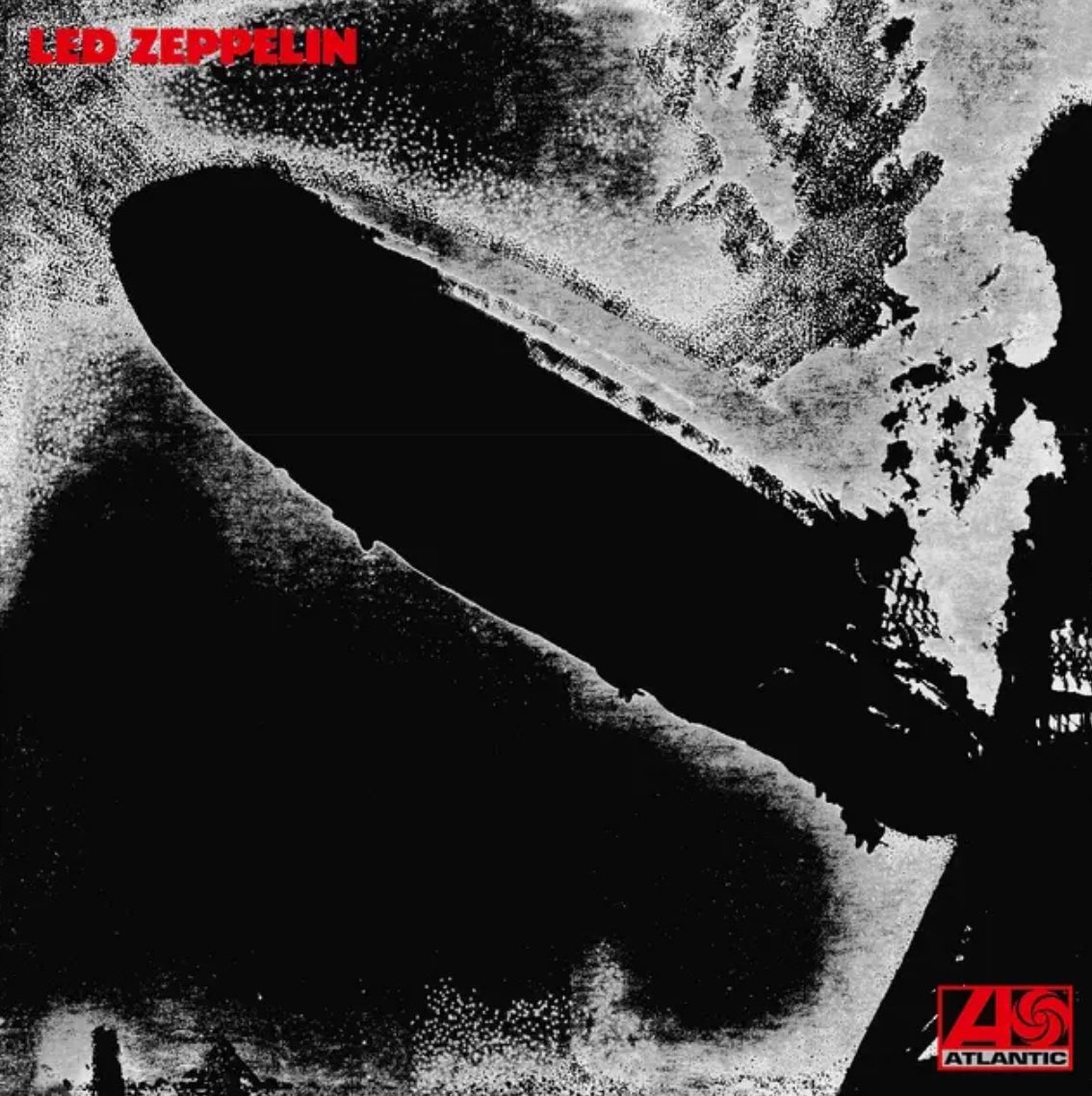
LED ZEPPELIN - DAZED AND CONFUSED


Llançament: 12 de gener de 1969

Àlbum: Led Zeppelin


"Dazed and Confused" es va publicar com una cançó de l'autor i cantautor nord-americà Jake Holmes el 1967. Els Yardbirds la van reestructurar amb un nou arranjament i es va convertir en una peça central dels seus concerts. Jimmy Page, guitarrista dels Yardbirds en aquell moment, posteriorment va produir enregistraments de la cançó, incloent-la a l'àlbum "Yardbirds '68". Quan Page va formar Led Zeppelin el 1968, van enregistrar una versió de "Dazed and Confused" amb lletres i una línia vocal noves per al seu àlbum de debut. Va acabar sent una cançó emblemàtica i una peça clau en els concerts de Led Zeppelin al llarg de la seva carrera.


La versió original de "Dazed and Confused" de Jake Holmes presentava elements com una línia de baix relaxada, lletres paranoiques i un so inquietant, fent referència a un viatge d'àcid. Quan Holmes va interpretar la cançó al Village Theatre de Nova York, on també actuaven els Yardbirds, Jimmy Page ho va veure. Segons Holmes, Page va enviar algú a buscar el seu àlbum després de veure la interpretació. Holmes va pensar que la versió de la cançó enregistrada per Led Zeppelin per part de Page era un robatori del seu treball.


La versió de "Dazed and Confused" de Led Zeppelin inicialment no va ser acreditada a Jake Holmes, ja que Jimmy Page creia que havia fet prou canvis a la melodia i afegit lletres noves suficients per evitar una demanda per plagi. Holmes va contactar Page amb el temps pel tema i va presentar una demanda el 2010, acusant-lo d'infracció de drets d'autor. La demanda va estar influenciada per la sentència favorable per a l'organista Matthew Fisher en el cas de "A Whiter Shade Of Pale", que establia que els crèdits de composició es podien defensar en els tribunals britànics molts anys després dels fets. Holmes va arribar a un acord amb Page, i la demanda es va desestimar el 17 de gener de 2012, canviant el crèdit de composició a "Jimmy Page, inspirat per Jake Holmes".


"Dazed and Confused" va ser una peça habitual en les actuacions en directe de Led Zeppelin, present en més de 400 concerts i interpretat en cada gira fins als seus espectacles de 1975 a Earls Court. Durant les actuacions en directe, sovint s'ampliava la cançó per incloure improvisacions extenses, incorporant curts fragments d'altres cançons, i podia superar els 30 minuts de durada. L'ús d'un arc de violí sobre les cordes de la guitarra per Page durant les actuacions en directe es va fer icònic. Page va donar crèdit a un violinista de sessió per la idea, però la tècnica va ser pionera anteriorment utilitzada per Eddie Phillips de la banda britànica The Creation, que va fer servir un arc de violí sobre les cordes de la guitarra a la seva cançó "Makin' Time". La clau d'aquesta tècnica és aplicar resina a l'arc, que s'enganxa a les cordes de la guitarra i crea vibracions, produint el so únic que s’escolta a la cançó.


"Dazed and Confused" va ser eliminada posteriorment de la llista de cançons dels seus concerts en directe. Jimmy Page va continuar interpretant parts del segment de guitarra amb arc durant els solos en les gires posteriors, especialment com a pròlegs a "Achilles Last Stand" durant la gira de 1977 i "In the Evening" a Knebworth el 1979 i la gira per Europa el 1980. Una versió en directe de "Dazed and Confused" enregistrada el juliol de 1973 al Madison Square Garden de Nova York va ser inclosa a la pel·lícula de Led Zeppelin de 1976 "The Song Remains the Same".


LED ZEPPELIN - DAZED AND CONFUSED


Released: January 12, 1969

Album: Led Zeppelin


"Dazed and Confused" originated as a song by American singer-songwriter Jake Holmes in 1967. The Yardbirds reworked it with a new arrangement and it became a centerpiece of their tours. Jimmy Page, guitarist of the Yardbirds at the time, later produced recordings of the song, including on the album Yardbirds '68. When Page formed Led Zeppelin in 1968, they recorded a version of "Dazed and Confused" with new lyrics and vocal line for their debut album. It went on to become a signature song and concert staple for Led Zeppelin throughout their career.


Jake Holmes' original version of "Dazed and Confused" featured elements such as a walking bass line, paranoid lyrics, and a spooky sound, reflecting themes of an acid trip. When Holmes performed the song at the Village Theatre in New York City, where The Yardbirds were also on the bill, Jimmy Page saw it. According to Holmes, Page sent someone to get his album after seeing the performance. Holmes felt that Page's version of the song, recorded with Led Zeppelin, was a rip-off of his work.


Led Zeppelin's version of "Dazed and Confused" was not initially credited to Jake Holmes, as Jimmy Page believed he had made enough changes to the melody and added sufficient new lyrics to avoid a plagiarism lawsuit. Holmes eventually contacted Page regarding the matter and filed a lawsuit in 2010, alleging copyright infringement and naming Page as a co-defendant. The lawsuit was influenced by the favorable judgment for organist Matthew Fisher in the "A Whiter Shade Of Pale" case, which established that songwriting credits could be challenged in British courts many years after the fact. Holmes settled with Page, and the case was dismissed on January 17, 2012, with the songwriting credit changed to "Jimmy Page, Inspired By Jake Holmes."


"Dazed and Confused" was a staple of Led Zeppelin's live performances, appearing at over 400 concerts and played on every tour up to and including their 1975 shows at Earls Court. During live performances, the song was often expanded to include extensive improvisation, incorporating short portions of other songs, and could exceed 30 minutes in duration. Jimmy Page's iconic use of a violin bow on his guitar strings during live performances. Page credited a session violinist for the idea, but the technique was pioneered earlier by Eddie Phillips of the UK band The Creation, who used a violin bow on guitar strings in their song "Makin' Time." The key to this technique is applying rosin to the bow, which sticks to the guitar strings and creates vibrations, producing the unique sound heard in the song.


"Dazed and Confused" was later removed from their live setlist. Jimmy Page continued to perform parts of the bowed guitar segment during solo spots on subsequent tours, notably as preludes to "Achilles Last Stand" during the 1977 tour and "In the Evening" at Knebworth in 1979 and the Tour Over Europe in 1980. A live version of "Dazed and Confused" recorded in July 1973 at New York's Madison Square Garden was featured in the 1976 Led Zeppelin concert film "The Song Remains the Same."



LED ZEPPELIN - ROCK AND ROLL


Publicació: 21 de febrer de 1972

Llistes: EUA: #47


"Rock and Roll" va ser llançada en el quart àlbum d'estudi el 1971. La cançó compta amb l’actuació del pianista original dels Rolling Stones, Ian Stewart. El crític musical nord-americà Robert Christgau la va qualificar com "simplement la cançó hard rock més dinàmica de 1972”. Fidel al seu títol, la cançó segueix la clàssica progressió de blues de 12 compassos en A, una pedra angular del rock and roll. La frase "Rock and Roll" en si mateixa era originalment un terme utilitzat pels músics de blues com a eufemisme per al sexe.


Robert Plant va escriure la lletra com a resposta als crítics que van desestimar el seu àlbum anterior, "Led Zeppelin III", per no encarnar veritablement l'essència del rock and roll. "Led Zeppelin III" tenia un so més acústic i folklòric, la qual cosa va portar Plant a reafirmar l'habilitat de la banda pel rock. En una entrevista amb Creem el 1988, Plant va explicar: "Només vam pensar que necessitàvem fer un retorn al rock and roll". Va destacar que la intenció darrere de la cançó no era intel·lectual sinó més aviat un impuls visceral per alliberar el seu talent musical. Es tractava de deixar fluir l'energia bruta lliurement, una expressió animalística i poderosa de la seva essència musical.


La concepció d'aquesta cançó va tenir lloc durant una sessió d'enregistrament a la mansió Headley Grange a Hampshire, Anglaterra. La frustració va augmentar mentre John Bonham lluitava amb el complicat patró de bateria de "Four Sticks". En un moment d'exasperació, va canviar de marxa i va començar a tocar un riff inspirat en la introducció de la cançó "Keep a Knockin'" de Little Richard del 1957. Aquesta explosió espontània de creativitat va portar la banda a apartar "Four Sticks" i centrar-se en aquest nou riff. Anomenada "It's Been a Long Time", la cançó va prendre forma ràpidament, amb Jimmy Page tocant una part de guitarra frenètica. En només 30 minuts, se’n va establir la base.


Led Zeppelin va utilitzar la unitat d'enregistrament mòbil dels Rolling Stones per a l'àlbum, i Ian Stewart va ser enviat com a tècnic per ajudar amb el procés d'enregistrament. Quan la banda va buscar un piano boogie-woogie per a "Rock and Roll", es va considerar l’habilitat de Stewart i va intervenir per proporcionar la interpretació de piano entusiasta que s'escolta a la pista.


"Rock and Roll" va ocupar una posició destacada en les actuacions en viu de Led Zeppelin, apareixent en els seus repertoris des del 1971 en endavant. Introduïda inicialment a l'escenari com "It's Been A Long Time", presa de la seva primera frase, es va convertir en la cançó d'obertura de totes les actuacions en concert el 1972 i es va mantenir com a tema inicial fins al 1975. Durant la gira nord-americana de 1977 es va interpretar com a bis en un medley juntament amb "Whole Lotta Love". Posteriorment, del 1979 al 1980, va tornar com a bis sencera.


Jason Bonham, seguint les passes del seu pare, ha assumit la difícil tasca de tocar la bateria per a Led Zeppelin durant diverses actuacions de reunions des de la mort del seu progenitor. Segons ell, "Rock and Roll" suposa un repte especialment formidable a causa dels seus patrons de bateria complicats. Bonham va explicar an American Songwriter que molts intenten tocar la cançó, però la seva exigent marxa de dos mans, mantenint les notes dels seixants durant tota la cançó, requereix precisió i habilitat. No és simplement una qüestió d'un ritme bàsic boom-bap; més aviat, implica una interacció complexa entre la caixa de tambor i els charles, la qual cosa la converteix en una peça difícil de dominar.


LED ZEPPELIN - ROCK AND ROLL


Released: February 21, 1972

Charted: US: #47 


"Rock and Roll" was released on the fourth studio album in 1971. The song features a guest performance by original Rolling Stones pianist Ian Stewart. American music critic Robert Christgau dubbed it "simply the most dynamic hard-rock song in the music" in 1972. True to its title, the song follows the classic 12-bar blues progression in A, a cornerstone of rock and roll. The phrase "Rock and Roll" itself was originally a term used by blues musicians as a euphemism for sex.


Robert Plant wrote the lyrics as a response to critics who dismissed their previous album, “Led Zeppelin III”, as not truly embodying the essence of rock and roll. “Led Zeppelin III” featured a more acoustic folk sound, prompting Plant to assert the band's ability to rock out. In an interview with Creem in 1988, Plant explained, "We just thought rock and roll needed to be taken on again." He emphasized that the intention behind the song wasn't intellectual but rather a visceral urge to unleash their musical prowess. It was about letting the raw energy flow freely—an animalistic and powerful expression of their musical essence.


This song's inception occurred during a recording session for "Four Sticks" at the Headley Grange mansion in Hampshire, England. Frustration mounted as John Bonham struggled with the complex drum pattern of "Four Sticks." In a moment of exasperation, he shifted gears and began playing a riff inspired by the intro to Little Richard's 1957 song "Keep a Knockin'." This spontaneous burst of creativity led the band to set aside "Four Sticks" and focus on this new direction. Dubbed "It's Been a Long Time," the song took shape rapidly, with Jimmy Page laying down a blistering guitar part. Within just 30 minutes, the foundation of the song was established.


Led Zeppelin utilized the Rolling Stones' mobile recording unit for the album, and Ian Stewart was dispatched as a technician to aid with the recording process. When the band sought a boogie-woogie piano for "Rock and Roll," Stewart's skills proved invaluable, and he stepped in to provide the spirited piano performance heard on the track.


"Rock and Roll" held a prominent position in Led Zeppelin's live performances, featuring in their setlists from 1971 onward. Initially introduced on stage as "It's Been A Long Time," taken from the song's opening line, it became the opening number of all concert performances in 1972 and retained this status until 1975. During the band's 1977 North American tour, it transitioned into a medley encore alongside "Whole Lotta Love." Subsequently, from 1979 to 1980, it returned as an encore in its own right, ensuring its enduring presence and impact on their live shows.


Jason Bonham, following in his father's footsteps, has taken on the daunting task of drumming for Led Zeppelin during various reunion performances since his father's passing. According to him, "Rock and Roll" poses a particularly formidable challenge due to its intricate drumming patterns. Bonham explained to American Songwriter that many attempt to play the song, but its demanding two-handed shuffle, maintaining sixteenth notes throughout, requires precision and skill. It's not simply a matter of a basic boom-bap rhythm; rather, it involves a complex interplay between the snare and hi-hat, making it a difficult piece to master.


6.6.24


LED ZEPPELIN - RAMBLE ON


Llançament: 22 d'octubre de 1969

Àlbum: Led Zeppelin II


"Ramble On", co-escrita per Jimmy Page i Robert Plant, va ser enregistrada el 1969 i inclosa en el segon àlbum d'estudi, "Led Zeppelin II". Produïda per Page, la cançó ocupa la setena posició a l'àlbum. Els crítics n’han elogiat la combinació de veu i guitarra.


"Ramble On" no va ser llançada com a senzill en vinil als Estats Units o al Regne Unit durant el segle XX. Malgrat això, l'àlbum "Led Zeppelin II" va arribar al número 1 en ambdós països, amb més de 12 milions de còpies venudes arreu del món. Quan finalment es va llançar com a senzill digital, va arribar al número 66 a la llista de vendes digitals de cançons de Billboard al Canadà el 2007.


La cançó reflexa la novel·la de fantasia de Tolkien "El Senyor dels Anells" en la seva lletra, mostrant l'interès de la banda per temes místics. Led Zeppelin fa referència a les aventures de Frodo Baggins mentre es dirigeix a Mordor i es troba amb Gollum i les forces del mal. No obstant, Robert Plant va expressar posteriorment vergonya per aquestes referències a Tolkien, reconeixent la seva manca de coherència, ja que una donzella no sol estar a Mordor i les prioritats de Gollum giren únicament al voltant de l'anell precios.


Jimmy Page va aconseguir el to suau i sostenible semblant al violí en el solo emprant unes tècniques específiques. Va utilitzar un micro al coll a la seva guitarra Gibson Les Paul amb els aguts tallats, creant un so melós. A més, va utilitzar una unitat d'efectes que produeix un so sostingut dissenyada per l'enginyer d'àudio Roger Mayer.


L'especulació sobre la percussió que acompanya la bateria de John Bonham en aquesta cançó ha portat a diverses teories. El so s'assembla a bongos, però també s'ha rumorejat que es va crear utilitzant un cubell de brossa de plàstic, el seu propi genoll o una maleta de guitarra; alguns suggereixen que estava tocant sobre un sofà. La font exacta de la percussió roman incerta.


"Ramble On" es manté com un dels clàssics perdurables de Led Zeppelin, tot i que la banda mai no la va interpretar en directe íntegrament durant els seus anys actius. La cançó va ser inclosa al seu repertori per al concert de reunió a l'O2 Arena de Londres el 10 de desembre de 2007. El fill de John Bonham, Jason, va substituir-lo a la bateria per a aquesta actuació.


LED ZEPPELIN - RAMBLE ON


Released: October 22, 1969

Album: Led Zeppelin II


"Ramble On" co-written by Jimmy Page and Robert Plant, was recorded in 1969 and featured on the second studio album, “Led Zeppelin II”. Produced by Page, the song stands as the seventh track on the album. Critics have praised the combination of vocals and guitar playing on the song.


"Ramble On" wasn't released as a vinyl single in the US or UK during the 20th century. Despite this, the album, "Led Zeppelin II," reached number 1 in both countries, with over 12 million copies sold worldwide. When it was eventually released as a digital single, it reached number 66 on the Billboard Canadian Digital Song Sales chart in 2007. 


The song reflects Tolkien's fantasy novel "The Lord of the Rings" in its lyrics, showcasing the band's interest in mystical themes. Led Zeppelin references the adventures of Frodo Baggins as he ventures into Mordor and encounters Gollum and the evil forces. However, Robert Plant later expressed embarrassment over these Tolkien references, acknowledging their lack of coherence, as a fair maiden wouldn't typically be found in Mordor, and Gollum's priorities revolve solely around the precious ring.


Jimmy Page achieved the smooth, sustaining violin-like tone on the solo of "Ramble On" by employing specific techniques. He used the neck pickup on his Gibson Les Paul guitar with the treble cut, creating a mellow sound. Additionally, he utilized a sustain-producing effects unit designed by the audio engineer Roger Mayer.


Speculation about the percussion accompanying John Bonham's drums on this song has led to various theories. The sound resembles bongos, but has also been rumored to be created using a plastic garbage pail, his knee or a guitar case; some suggest he was tapping on a sofa. The exact source of the percussion remains unclear.


"Ramble On" stands as one of Led Zeppelin's enduring classics, yet the band never performed it live in its entirety during their active years. The song was included in their setlist for their reunion concert at the O2 Arena in London on December 10, 2007. John Bonham's son, Jason, filled in on drums for this performance.