Total de visualitzacions de pàgina:

22.7.24


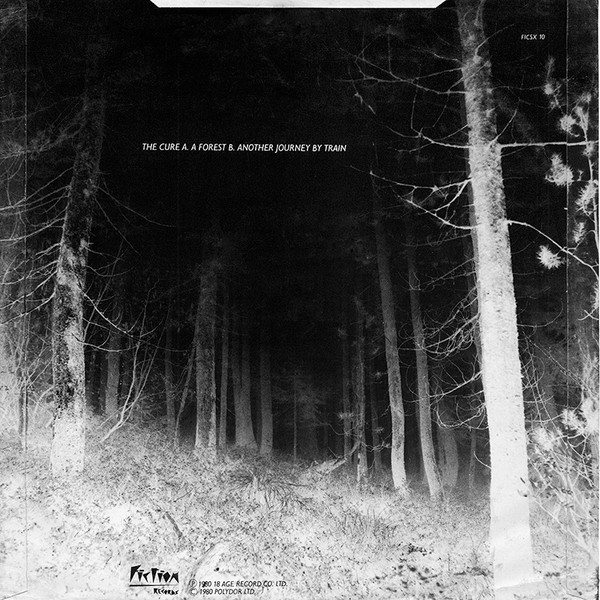
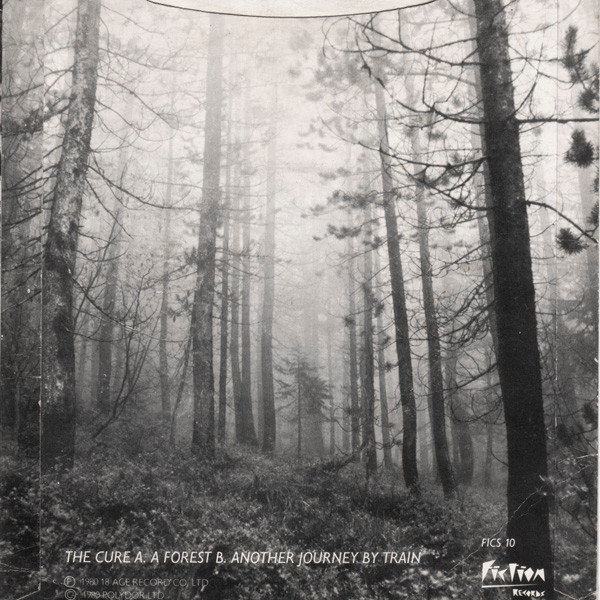
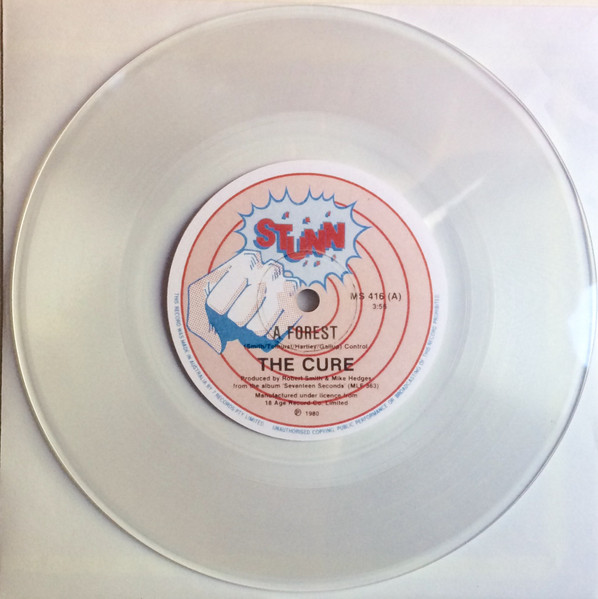
THE CURE - A FOREST 


Estrenada: 28 de març de 1980

Llistes: Regne Unit: #31


"A Forest" és una cançó co-produïda per Mike Hedges i Robert Smith. Llançada com a single del seu segon àlbum "Seventeen Seconds" el març de 1980, va ser el seu debut a les llistes de singles del Regne Unit, assolint el número 31. El videoclip acompanyant va fer la seva estrena al programa Top of the Pops de la BBC el 24 d'abril de 1980. Enregistrada i mesclada en set dies, "A Forest" representa la fase de rock gòtic dels anys 80 de The Cure i continua sent una peça clau en el repertori dels seus concerts. Va ser reenregistrada i remesclada per ser llançada com a single del seu àlbum de 1990 "Mixed Up".


"A Forest" va ser el primer single de la banda en ser llançat en format maxi-single. Aquest format maxi-single incloïa una versió llarga que mantenia la introducció inicial de guitarra i teclat, afegia sons addicionals entre els versos i allargava el solo de guitarra final abans de desvanir-se. En contrast, la versió single era condensada, ometia la introducció, saltava seccions entre els versos i acabava amb un desvaniment més ràpid, cosa que la feia aproximadament dos minuts més curta.


La cançó explica un conte de persecució i pèrdua dins d'un bosc, sovint interpretat com un viatge metafòric. Robert Smith l'ha descrit com la representació d'un malson d'infantesa que va perdurar fins a l'adolescència. Va explicar a Rockstar el 1984 que la cançó es va inspirar en la seva pròpia experiència en trobar-se perdut al bosc quan era nen, amb l'objectiu de capturar la intensa por i malestar que va sentir en aquell moment.


"A Forest" comença amb una sirena que insta al narrador a trobar una noia al bosc. A mesura que avança la història, el narrador descobreix que la noia mai no va ser realment allà, subratllant un sentiment de decepció i inutilitat perpètua. Robert Smith retracta magistralment temes com la monotonia, el buit i la cerca perpetual a la lletra. El protagonista es troba atrapat en un cicle on les accions condueixen a una estasis, i la possibilitat d’un canvi sembla encara pitjor que romandre en un estat d'inèrcia. L'efecte global és com d’estar al purgatori, ja que la cançó gira metafòricament en repeticions fredes i grises de les paraules "again and again and again and again” (una vegada i una altra i una altra i una altra).


Cap la fi del 1979, sentint-se insatisfet amb el so cru i primitiu del seu àlbum debut "Three Imaginary Boys", Robert Smith va concebre un enfocament radicalment diferent per al seu segon àlbum. Enregistrat al gener de 1980 als estudis Morgan a Willesden amb el productor Mike Hedges, les sessions per a "Seventeen Seconds" van ser un contrast important amb el procés llarg i descoratjador de "Faith" uns mesos més tard. Smith, juntament amb el bateria Lol Tolhurst i els nous membres Simon Gallup al baix i Matthieu Hartley als teclats, van completar la gravació en només vuit dies i la mescla en set. L'ètica de producció de l'àlbum girava entorn del minimalisme, amb Smith insistint que qualsevol músic que desitgés tocar més d'una nota al piano havia de buscar un altre lloc per fer-ho.


"A Forest" va captar una atenció significativa per la seva atmosfera envolvent que durava sis minuts. Robert Smith va expressar la seva intenció de crear una peça profundament atmosfèrica amb un so diferèncial. Malgrat les preocupacions del segell discogràfic sobre el seu potencial a les ràdios, Smith es va mantenir ferm en preservar el so original de la cançó tal com ell l'havia imaginat. Aquest és un dels primers èxits de The Cure i sens dubte una de les seves cançons més aclamades. Avui en dia sona tan bé com el primer dia.


THE CURE - A FOREST


Released: March 28, 1980

Charted:  UK: #31 


"A Forest" is a song co-produced by Mike Hedges and Robert Smith. Released as a single from their second album “Seventeen Seconds” on March 1980, it marked their debut entry on the UK Singles Chart, peaking at number 31. The accompanying music video debuted on BBC's Top of the Pops on 24 April 1980. Recorded and mixed within seven days, "A Forest" epitomizes The Cure's 1980s gothic rock phase and remains a staple on their concert set lists. It was re-recorded and remixed for release as a single from their 1990 album “Mixed Up”.


This was the band's debut single released in the 12-inch record format, distinguishing it from the standard 7-inch single version. The 12-inch format included an extended version that retained the initial guitar-and-keyboard introduction, featured additional bars between verses, and prolonged the guitar solo ending before fading out. In contrast, the 7-inch version was condensed, omitting the introduction, skipping sections between verses, and concluding with a quicker fade-out, making it approximately two minutes shorter than its larger counterpart.


This song narrates a haunting tale of pursuit and loss within a forest, often interpreted as a metaphorical journey. Robert Smith has described it as a manifestation of a childhood nightmare that persisted into adolescence. He explained to Rockstar in 1984 that the song was inspired by his own experience of becoming lost in the forest as a child, aiming to capture the intense fear and unease he felt during that time. 


"A Forest" begins with a siren call urging the narrator to find a girl in the forest, setting up an elusive pursuit. As the story unfolds, the narrator discovers that the girl was never actually there, emphasizing a sense of perpetual disappointment and futility. Robert Smith masterfully portrays themes of sameness, nothingness, and perpetual searching in the lyrics. The song's protagonist finds himself caught in a cycle where actions lead to a stasis, and the prospect of change seems even worse than remaining in a state of inertia. The overall effect is purgatorial, as the song metaphorically circles in cold, grey repetitions, encapsulated in the refrain of "again and again and again and again."


In late 1979, feeling dissatisfied with the raw and primitive sound of their debut album "Three Imaginary Boys," Robert Smith envisioned a starkly different approach for their second album. Recorded in January 1980 at Morgan Studios in Willesden with producer Mike Hedges, the sessions for "Seventeen Seconds" were a stark contrast to the lengthy and disheartening process of making "Faith" a few months later. Smith, along with drummer Lol Tolhurst and new members Simon Gallup on bass and Matthieu Hartley on keyboards, completed recording in just eight days and mixing in seven. The album's production ethos revolved around minimalism, with Smith famously insisting that any musician desiring to play more than one piano note should find another place to do so. 


"A Forest" garnered significant attention for its atmospheric and expansive six-minute duration. Robert Smith expressed his intention to create a deeply atmospheric piece with a distinctive sound. Despite label concerns about its radio appeal, Smith remained steadfast in preserving the song's original sound as he envisioned it. This is one of The Cure's first hits, and certainly one of their most acclaimed songs. Today sounds as good as the first day.







21.7.24


THE CURE - JUST LIKE HEAVEN


Estrena: 5 d'octubre de 1987

Llistes: Regne Unit: #29   EUA: #40


"Just Like Heaven" és una cançó inspirada en l'experiència personal de Robert Smith durant un viatge al mar amb la seva futura esposa. Va ser en gran part escrita durant les sessions d'enregistrament al sud de França el 1987. La lletra transmet un dia somiat al costat del mar amb l'ésser estimat. Aquesta cançó es va publicar com el tercer senzill de l'àlbum "Kiss Me, Kiss Me, Kiss Me" de 1987. Va marcar el gran avanç de la banda als Estats Units, convertint-se en el seu primer èxit a les llistes de Billboard, on va arribar al número 40 el 1988. La cançó va rebre lloança per part de la crítica i des de llavors ha estat considerada per Robert Smith com una de les seves composicions més valuoses.


"Just Like Heaven" ocupa un lloc especial a la història de The Cure, influïda per la profunda connexió romàntica de Robert Smith amb Mary Poole, a qui coneixia des de l'adolescència i amb qui es va casar el 1988. Smith estava tan enamorat durant la creació de la cançó que va dir als seus companys de banda: "No escriuré mai res tan bo com això". La presència de les parelles dels membres de la banda durant les sessions d'enregistrament va proporcionar inspiració addicional, amb els seus comentaris modelant la música.


El preludi instrumental de "Just Like Heaven" és un testimoni de la seva grandesa, establint l'escenari amb una narrativa captivadora en només 49 segons. Comença amb la distingida introducció rítmica de Gallup i Williams, acompanyada de sintetitzadors i una guitarra que descendeix de manera vívida. Llavors entra la veu de Robert Smith, navegant en una onada d'eufòria, mentre canta sobre una noia que pregunta per què sembla tan distant, massa absorbit en el seu propi món per adonar-se de la seva presència. Aquesta combinació de lletres introspectives contra el teló de fons musical enèrgic millora la profunditat emocional de la cançó, capturant tant el desig com l'alegria dins de la seva estructura melòdica.


En una entrevista del 2003, Robert Smith va reflexionar sobre l'entorn creatiu que va portar a "Just Like Heaven". En aquell moment, ell i la seva dona Mary vivien en un modest pis de dues habitacions al nord de Londres, amb una habitació designada com a espai musical. Smith va reconèixer haver-se imposat una rutina disciplinada, comprometent-se a escriure música durant 15 dies cada mes. Aquesta estructura era crucial per a ell, ja que sense això, temia caure en un cicle de rutina com mirar la televisió fins que obrien els bars i passar les vetlades bevent. Smith va reconèixer el potencial de la cançó gairebé immediatament després d'escriure-la.


El videoclip dirigit per Tim Pope es va filmar l'octubre de 1987 als estudis Pinewood d'Anglaterra. Mostra escenes ambientades en un penya-segat que domina el mar, amb l'objectiu de recrear els records nostàlgics descrits a la lletra de la cançó. Quan un fanzine va preguntar a Robert Smith pel seu significat, va suggerir veure el vídeo per entendre'n la inspiració, insinuant que era una experiència personal del seu passat.


Inicialment, Smith va dir que el vídeo es va gravar al lloc real que va inspirar la cançó. Més tard va aclarir que, mentre algunes imatges van ser gravades a Beachy Head per al seu vídeo de 1985 "Close to Me", la majoria de "Just Like Heaven" es va rodar a l'estudi.


THE CURE - JUST LIKE HEAVEN


Released: October 5, 1987

Charted:  UK: #29    US: #40 


"Just Like Heaven" is a song inspired by Robert Smith's personal experience during a trip to the seaside with his future wife. It was largely written during recording sessions in southern France in 1987. The lyrics convey a dreamy day spent near the seashore with a loved one. This song was released as the third single from 1987’s album "Kiss Me, Kiss Me, Kiss Me". It marked the band's breakthrough in the United States, becoming their first hit on the Billboard charts where it reached number 40 in 1988. The song received acclaim from critics and has since been regarded by Robert Smith as one of their strongest compositions. 


"Just Like Heaven" holds a special place in The Cure's history, being influenced by Robert Smith's deep romantic connection with Mary Poole, whom he had known since adolescence and later married in 1988. Smith was so enamored during the song's creation that he reportedly told his bandmates, "I'll never write something this good again." The presence of the band members' girlfriends during recording sessions provided additional inspiration, with their feedback shaping the music. 


The instrumental prelude of "Just Like Heaven" is a testament to its greatness, setting the stage with a compelling narrative in just 49 seconds. It begins with the distinctive rhythm intro by Gallup and Williams, accompanied by yearning synths and a lively descending lead guitar. Robert Smith's vocals then enter, riding on this wave of euphoria, as he sings of a girl asking why he seems so distant, too absorbed in his own world to notice her presence. This combination of introspective lyrics against the energetic musical backdrop enhances the song's emotional depth, capturing both yearning and elation within its melodic structure. 


In a 2003 interview Robert Smith reflected on the creative environment that led to "Just Like Heaven." At the time, he and his wife Mary lived in a modest two-bedroom flat in North London, with one room designated as his music space. Smith admitted to imposing a disciplined routine on himself, committing to writing music for 15 days each month. This structure was crucial for him, as without it, he feared falling into a cycle of late starts, television watching until pubs opened, and evenings spent drinking. Smith recognized the song's potential almost immediately after writing it.


The music video directed by Tim Pope, was filmed in October 1987 at Pinewood Studios in England. It portrays scenes set on a cliff overlooking the sea, aiming to recreate the nostalgic memories described in the song's lyrics. Robert Smith, when asked about the song's meaning by a fanzine, suggested watching the video for insight into its inspiration, hinting at a personal experience from his past.


Initially, Smith had implied that the video was shot at the actual location that inspired the song. He later clarified that while some footage was indeed captured at Beachy Head for their 1985 video "Close to Me," the majority of "Just Like Heaven" was filmed in the studio.


20.7.24


THE JACKSONS - BLAME IT ON THE BOOGIE


Estrena: 8 de setembre de 1978  

Llistes: Regne Unit: #8   EUA: #54


"Don't blame it on the sunshine, don't blame it on the moonlight, don't blame it on the good times. Blame it on the boogie."


"Blame It On The Boogie," un èxit infal·lible a la pista de ball per The Jacksons, en realitat va ser escrit per un compositor anomenat Mick Jackson, no pels mateixos Jacksons. Originalment destinada a Stevie Wonder, Mick Jackson la va acabar gravant a petició de Global Records, Munic. La cançó va fer el seu debut al Midem Music Festival de Cannes, França, el 1978, on va captar l'atenció d'un membre de l'entorn dels Jacksons. Impressionat per la cançó i la similitud de nom, la va enregistrar en secret i la va portar de tornada a la banda als Estats Units. Els Jacksons van enregistrar ràpidament la seva pròpia versió per llançar-la abans que la versió de Mick Jackson arribés al mercat.


Durant la "Batalla del Boogie", com va ser anomenada pels mitjans, les dues versions de "Blame It On The Boogie" es van llançar ràpidament, creant una situació única on dos artistes anomenats Jackson competien a les llistes amb la mateixa cançó. La versió de Mick Jackson, coneguda pel seu ambient soul, va arribar al número 15 al Regne Unit i al número 61 als Estats Units. La versió ràpida dels Jacksons també va guanyar popularitat i va estar a les llistes simultàniament.


El vídeo musical promocional creat el 1978 mostrava els membres del grup ballant davant d’un fons negre. El vídeo va utilitzar efectes electrònics per millorar l'atractiu visual de la seva energètica actuació de ball.


THE JACKSONS - BLAME IT ON THE BOOGIE


Released : September 8, 1978  

Charted:  UK: #8  US: #54


"Don't blame it on the sunshine, don't blame it on the moonlight, don't blame it on the good times. Blame it on the boogie."


"Blame It On The Boogie," a timeless dance floor filler by The Jacksons, was actually written by a songwriter named Mick Jackson, not the Jacksons themselves. Originally intended for Stevie Wonder, Mick Jackson ended up recording the track at the request of Global Records, Munich. The song made its debut at the 1978 Midem Music Festival in Cannes, France, where it caught the attention of a member of The Jacksons' entourage. Impressed by the track and its name similarity, he secretly recorded it and brought it back to the band in the United States. The Jacksons swiftly recorded their own version to release it before Mick Jackson's version hit the market.


During the "Battle of the Boogie," as dubbed by the media, both versions of "Blame It On The Boogie" were rushed for release, creating a unique situation where two artists named Jackson competed on the charts with the same song. Mick Jackson's rendition, known for its soulful vibe, reached #15 in the UK and #61 in the US. Meanwhile, The Jacksons' uptempo version also garnered fans and charted simultaneously.


The promotional music video created in 1978, featured the group's members dancing against a black background. The video utilized electronic trail effects, enhancing the visual appeal of their energetic dance performance.