Total de visualitzacions de pàgina:

1.10.24


PAT BENATAR - PROMISES IN THE DARK


Released: September 25, 1981

Charts:  US: #38 


"Promises in the Dark" is a song released as the second single from the album “Precious Time”. Written by Benatar and her guitarist Neil Giraldo, the song addresses the emotional turmoil and vulnerability that comes with broken promises in a relationship. The track showcases Benatar's powerful voice, building from a soft, emotive verse to a fiery and explosive chorus, a hallmark of her style.The song peaked at #38 on the U.S. Billboard Hot 100 and #16 on the U.S. Mainstream Rock chart. 


Pat Benatar revealed in a 1984 interview that she sometimes dislikes singing in the first person, as it feels too personal, preferring to use more general pronouns like "we" or "they." This sentiment hints at the personal nature of this song. Her guitarist Neil Giraldo, told that he recognized the song's hit potential early on. Originally a ballad, Giraldo came up with a signature guitar riff during rehearsals and sped up the tempo, transforming the song. He felt confident that this change made it more powerful and commercially viable.


Neil Giraldo explained that Pat Benatar had a melody idea, which he built upon by writing the music on the piano in their home studio. While composing, his favorite guitar fell and broke, which he humorously saw as a curse. Despite this setback, the song came together, although they were missing the last verse when they entered the studio. Giraldo ended up writing the final verse during the recording session, completing the song.


Pat Benatar was one of the pioneering American artists making music videos before MTV's launch. Since finding an American director was difficult at the time, she worked with British director Keith MacMillan, also known as Keef, who had directed videos for artists like Motörhead, Paul McCartney, and Kate Bush. The video for "Promises in the Dark" was simple, showing Benatar and her band performing on stage for a small audience. It was shot back-to-back with the "Fire and Ice" video, with no costume change, making it a quick and straightforward production.


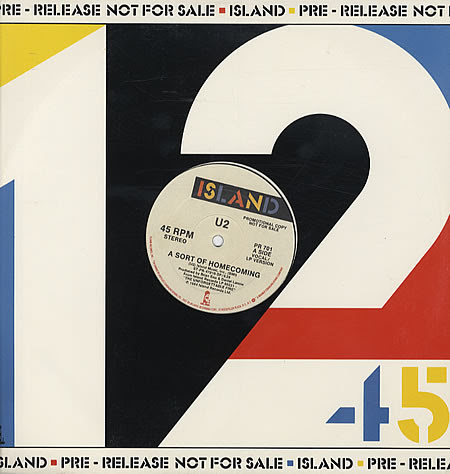
U2 - A SORT OF HOMECOMING


Estrena: 1 d'octubre de 1984

Àlbum: The Unforgettable Fire


"A Sort of Homecoming" és la primera pista de l'àlbum de 1984 "The Unforgettable Fire". El títol està inspirat en una cita del poeta jueu Paul Celan, qui va descriure la poesia com "una mena de retorn a casa". Una versió en directe apareix a l'EP del grup de 1985, "Wide Awake in America".


La primera pista de "The Unforgettable Fire" va ser creada a la torre defensiva Martello del segle XIX convertida en casa de Bono, a la costa irlandesa. Produïda en col·laboració amb Brian Eno i Daniel Lanois, la cançó evoca una marxa militar ascendint cap a regnes celestials. La lletra de Bono és penetrant i evocadora, entrelligant imatges, promeses i càntics que pinten un quadre de turment emocional similar a un camp de batalla. En reflexionar sobre el seu enfocament, Bono contrasta les convencions típiques del rock amb les seves pròpies, descrivint la seva música com impulsada per idees interessants executades amb diferents graus d'èxit.


Després del seu àlbum "War", el so de U2 va evolucionar cap a una estructura més artística i estructurada. Les frases d'obertura de la cançó, "And you hunger for the time / Time to heal, desire, time / And your earth moves beneath / Your own dream landscape," (I tu sents fam de temps / Temps per guarir, desig, temps / I la teva terra es mou sota / El teu propi paisatge oníric), es consideren decisives, marcant un dels primers reconeixements de la banda del seu paper com estrelles del rock.


Durant la gravació de "A Sort of Homecoming", el guitarrista The Edge va explicar en una entrevista de 1984 que el productor Daniel Lanois va crear una mescla de referència de la pista instrumental molt exigent. Aquesta complexitat va dificultar la coincidència de les veus durant la gravació, cosa que va portar a la decisió de superposar les veus de Bono a la mescla àspera existent. El baixista Adam Clayton va afegir que la veu de Bono es va gravar de nou a última hora durant una sessió nocturna per complir amb el termini final de gravació, de manera que Lanois pogués lliurar les cintes per a la masterització a les 8 del matí. Després d'escoltar la cançó, Bono va expressar el desig de gravar una altra presa de veu. Malgrat que Lanois tenia el seu taxi esperant per marxar cap a l'estudi de masterització a Londres, va permetre a Bono gravar una darrera presa abans de partir, assegurant-li que la mesclaria durant la masterització.


Es va crear una pel·lícula documentant la gira de U2 per Europa del Nord a l'octubre i novembre de 1984 per complementar una versió en directe d'aquesta cançó. Aquest material visual va servir com a vídeo promocional per a l'àlbum "The Unforgettable Fire", mostrant la banda de gira per Londres, França, els Països Baixos i actuant en diversos llocs, com ara el Westfalenhalle de Dortmund, Alemanya Occidental. La pel·lícula acaba amb la banda tornant pel mar del Nord en un ferri, sincronitzat amb el final de la cançó.


U2 - A SORT OF HOMECOMING


Released: October 1, 1984

Album: The Unforgettable Fire


"A Sort of Homecoming" is the opening track on 1984 album, "The Unforgettable Fire." The song's title is inspired by a quote from Jewish poet Paul Celan, who described poetry as "a sort of homecoming." A live version of the track appears on the band's 1985 EP, "Wide Awake in America."


The opening track from "The Unforgettable Fire," was crafted in Bono's converted 19th-century Martello defense tower home on the Irish coast. Produced in collaboration with Brian Eno and Daniel Lanois, the song evokes a military march ascending into heavenly realms. Bono's lyrics are poignant and evocative, weaving images, pledges, and chants that paint a picture of emotional turmoil akin to a battlefield of the heart. Reflecting on their approach, Bono contrasts typical rock conventions with their own, describing their music as driven by interesting ideas executed with varying degrees of success.


Following their album "War," U2's sound evolved to become more artistic and structured. The song's opening lyrics, "And you hunger for the time / Time to heal, desire, time / And your earth moves beneath / Your own dream landscape," are seen as pivotal, marking one of the band's early acknowledgments of their role as rockstars.


During the recording of "A Sort of Homecoming" guitarist The Edge explained in a 1984 interview that producer Daniel Lanois created a challenging reference mix of the instrumental track. This complexity made it hard to match the vocals during recording, leading to the decision to bounce Bono's vocals onto the existing rough mix. Bassist Adam Clayton added that Bono's vocals were re-recorded last-minute. The band worked through the night to complete the album by 8 a.m. on the final recording day so that Lanois could deliver the tapes for mastering. After hearing the song, Bono expressed a desire to record another vocal take. Despite Lanois having his taxi waiting to leave for the mastering studio in London, he allowed Bono to record one final take before departing, promising to mix it during mastering.


A film documenting U2's tour in Northern Europe in October–November 1984 was created to complement a live version of this song. This footage served as a promotional video for “The Unforgettable Fire” album, showcasing the band on the road traveling through London, France, the Low Countries, and performing at various venues, including the Westfalenhalle in Dortmund, West Germany. The film concludes with the band returning across the North Sea by ferry boat, synchronized with the song's ending.


30.9.24


U2 - BULLET THE BLUE SKY


Estrena: 9 de març de 1987

Àlbum: The Joshua Tree


"Bullet the Blue Sky" és una cançó carregada políticament de l'àlbum “The Joshua Tree”. Inspirada per les experiències de Bono a Nicaragua i El Salvador, la cançó reflecteix la seva ira envers l'impacte de la intervenció militar nord-americana sobre els camperols locals. Les actuacions en directe sovint inclouen crítiques fermes als conflictes polítics i la violència, convertint-la en una de les composicions més explícitament polítiques i socialment conscients de U2.


Adam Clayton, Larry Mullen i The Edge en van crear la música, mentre que Bono va escriure la lletra entorn de la seva composició. Bono va instar al guitarrista The Edge a crear un so que capturés la intensitat de la situació, resultant en una pista coneguda per la seva lletra poderosa i una melodia visceral dominada per la guitarra. Parlant sobre el procés, Bono va comentar: "Quan li vaig explicar a Edge el que havia viscut a El Salvador, va fer una referència a Jimi Hendrix, intentant transmetre una part d'aquell temor i odi en el seu solo de guitarra. Finalment vam utilitzar els meus sentiments per acabar la cançó.


"Bullet the Blue Sky" critica la política exterior nord-americana. Bono volia conscienciar sobre l'impacte perjudicial de les accions nord-americanes a l'estranger, que ell creia que molts americans desconeixien. Bono va fer una reflexió sobre la cançó a l'exposició del Rock and Roll Hall of Fame "Louder Than Words: Rock, Power and Politics." Va descriure les seves experiències de primera mà a Amèrica Central, observant l'impacte de la intervenció militar nord-americana i sentint-se inquietat pel suport d'alguns cristians americans a les guerres contra els comunistes només perl poder.


Malgrat la seva postura crítica, la cançó no va afectar l'èxit de l'àlbum als EUA; “The Joshua Tree” va debutar en el número u. La franqueesa de Bono no el va alienar dels polítics americans; en lloc d'això, va ser convidat a parlar sobre diverses causes, utilitzant la seva celebritat per defensar qüestions socials i polítiques.


U2 - BULLET THE BLUE SKY


Released: March 9, 1987

Album: The Joshua Tree


"Bullet the Blue Sky" is a politically charged song from the album "The Joshua Tree". Inspired by Bono's experiences in Nicaragua and El Salvador, the song reflects his anger at US military intervention's impact on local peasants. Live performances often feature strong critiques of political conflicts and violence, making it one of U2's most overtly political and socially conscious compositions.


Adam Clayton, Larry Mullen, and The Edge crafted the music for "Bullet the Blue Sky," while Bono penned the lyrics around their composition. Bono urged guitarist The Edge to create a sound capturing the intensity of the situation, resulting in a track known for its powerful lyrics and visceral guitar-driven melody. Reflecting on the process, Bono noted, "When I explained to Edge what I'd been through in El Salvador, he was able to, with a nod to Jimi Hendrix, try to put some of that fear and loathing into his guitar solo. We strapped my feelings to the song 'Bullet The Blue Sky.'"


"Bullet the Blue Sky" criticizes US foreign policy. Bono aimed to raise awareness about the detrimental impact of US actions abroad, which he believed many Americans were unaware of. Bono reflected on the song at the Rock and Roll Hall of Fame exhibit "Louder Than Words: Rock, Power and Politics." He described his firsthand experiences in Central America, witnessing the impact of US military intervention and feeling troubled by American Christians supporting proxy wars against Communists. 


Despite its critical stance, the song did not hinder the album's success in the US; "The Joshua Tree" debuted at number one. Bono's outspokenness did not alienate him from American politicians; instead, he was celebrated and invited to speak on various causes, leveraging his celebrity to advocate for social and political issues.


29.9.24


LA HISTÒRIA DEL CASSET


El 1963, Lou Ottens va crear una petita caixa de plàstic, de 10 centímetres per 6, que canviaria per sempre el món de la música. Com a cap d'enginyeria a la companyia holandesa Hasselt, propietat de Philips, va ser l'encarregat de desenvolupar un prototip per emmagatzemar i reproduir música, que deu anys més tard es va popularitzar a tot el món amb el nom de "casset."


Ottens estava obsessionat amb la possibilitat de crear una tecnologia compacta per reproduir música. En aquella època, les cançons es reproduïen en discos de vinil, massa grans i fràgils per adaptar-se al moviment de la població. Els sons sempre eren un plaer estàtic, però aquest prototip prometia donar a la música un altre tipus de moviment.


Casset significa "petita caixa" en francès, fent referència al contenidor que guarda dues petites bobines connectades per una cinta magnètica. La música s'enregistra en aquella cinta i es pot reproduir per ambdues cares, requerint que els oients treguin el casset del reproductor i girar-lo, per oferir a l'aparell la famosa cara A i cara B.


El 1964, els cassets ja es venien a Europa, i quatre anys més tard, van arribar als Estats Units. Era un objecte nou i encara rudimentari, però cada vegada tenia més entusiastes disposats a convertir-lo en un aliat indispensable per a la música.


El 1971, es va millorar la reducció de soroll amb l'ús de cinta de diòxid de crom. Els sons viatjaven cada cop millor a bord d'aquella petita caixa de plàstic, però la veritable popularitat va arribar de la mà de la tecnologia japonesa, que va convertir els oients en protagonistes. La companyia japonesa Maxell va llançar al mercat cintes verges, cassets que desfermaven la creativitat. Els usuaris ara podien gravar la seva pròpia música: copiar àlbums sencers, crear les seves pròpies compilacions i fins i tot gravar la seva pròpia veu utilitzant gravadores domèstiques. El casset oferia un món de possibilitats on l’oient tenia el control.


Durant els anys setanta i vuitanta, els cassets van dominar el món de la música. A diferència dels discos de vinil, eren resistents i compactes. Podien viatjar en motxilles i butxaques, ser compartits i suportar els reptes de cada viatge. També es podien adaptar a les preferències de l'usuari, que creava, en forma de casset mesclat, els predecessors de les llistes de reproducció actuals.


Amb la seva popularitat provada, diverses empreses van treballar per millorar l'invent d'Ottens. L'empresa nord-americana Dolby va treballar en la reducció de soroll, i el 1978 es van crear cintes de partícules metàl·liques pures, un avenç que preservava la qualitat del so sense deteriorament durant dècades. 


Només un any després, una altra innovació tecnològica vinculada al casset va revolucionar la manera d’escoltar música. L'1 de juliol de 1979 va néixer el Walkman, un reproductor portàtil amb piles que va introduir un hàbit encara present avui dia: escoltar música mentre es camina, en transport públic o en una sala d’espera, tot de manera individual gràcies a l’ús d’auriculars.


Als anys vuitanta, els cassets dominaven els estèreos dels cotxes, els Walkman i les gravadores domèstiques. En les seves versions verges, s'utilitzaven per crear compilacions o "mix tapes", i inundaven els aparadors de les botigues de discos amb les últimes novetats dels artistes més reconeguts. Però va ser el mateix Lou Ottens qui va participar en la creació del successor del casset: el disc compacte o CD, una nova tecnologia que va anar guanyant-se els consumidors de manera gradual fins a convertir-se en el nou rei de la reproducció sonora.


El 1981, Sony i Philips van llançar els CDs al mercat. Aquests discos, fets de policarbonat i recoberts d'alumini, feien que la petita caixa dels anys setanta semblés gran. Amb un pes de només 30 grams, podien emmagatzemar fins a 650 megabytes, dominant primer el món de la música i més tard fent-se un lloc en l'àmbit informàtic.


Els CDs van anar guanyant popularitat entre els usuaris. Al llarg dels anys noranta, els discos compactes i els cassets convivien a les botigues de discos, i molts encara preferien el Walkman fins i tot quan ja existien tecnologies més modernes com el Discman. Tanmateix, la fidelitat del so i la practicitat del CD van acabar per imposar-se del tot. El 2007, ja s’havien venut 200 mil milions de CDs a nivell mundial.


Fins i tot després de ser destronats com a reis de la reproducció musical, la petjada que van deixar els cassets en el món de la música va ser tan important que aquestes petites caixetes encara són recordades amb nostàlgia. Potser perquè van ser les primeres que van permetre als oients fer-se seva la música i posar-la en moviment.


THE HISTORY OF THE CASSETTE


In 1963, Lou Ottens created a small plastic box, 10 centimeters by 6, that would change the music world forever. As the head of engineering at the Dutch company Hasselt, owned by Philips, he was in charge of developing a prototype to store and play music, which ten years later became popular worldwide under the name "cassette."


Ottens was obsessed with the possibility of creating a compact technology for playing music. At that time, songs were played on vinyl records, which were too large and fragile to adapt to the movement of the population. Sounds were always a static pleasure, but this prototype promised to give music another kind of movement.


Cassette means "little box" in French, referring to the container that holds two small reels connected by a magnetic tape. Music is recorded on that tape and can be played on both sides, requiring listeners to remove the cassette from the player to offer the device the famous Side A and Side B.


By 1964, cassettes were already being sold in Europe, and four years later, they landed in the United States. It was a new and still rudimentary object, but it had an increasing number of enthusiasts ready to turn it into an indispensable ally for music.


In 1971, noise reduction was improved with the use of chromium dioxide tape. Sounds traveled better and better on board that little plastic box, but true popularity came hand in hand with Japanese technology, which turned listeners into protagonists.


The Japanese company Maxell launched blank tapes on the market, cassettes that unleashed creativity. Users could now record their own music: copy entire albums, create their own compilations, and even record their own voices using home recorders. The cassette offered a world of possibilities where the listener was in control.


During the 1970s and 1980s, cassettes dominated the music world. Unlike vinyl records, they were sturdy and compact. They could travel in backpacks and pockets, be shared, and withstand the challenges of every journey. They could also be tailored to the user's preferences, who created, in the form of a mixed cassette, the forerunners of today's playlists.


With their proven popularity, various companies worked to improve Ottens' invention. The American company Dolby worked on noise reduction, and in 1978, pure metal particle tapes were created, an advancement that preserved sound quality without deterioration for decades.


Just a year later, another technological breakthrough associated with the cassette revolutionized the way people listened to music. On July 1, 1979, the Walkman was born—a portable, battery-powered player that introduced a habit still present today: listening to music while walking, on public transportation, or in a waiting room, all individually, thanks to the use of headphones.


In the 1980s, cassettes dominated car stereos, Walkmans, and home recorders. In their blank versions, they were used to create compilations or "mix tapes," and flooded record store windows with the latest releases from the most renowned artists.


But it was Lou Ottens himself who participated in the creation of the cassette's successor: the compact disc or CD, a new technology that gradually won over consumers and eventually became the new king of sound reproduction.


In 1981, Sony and Philips launched CDs on the market. These discs, made of polycarbonate and coated with aluminum, made the small cassette box of the 1970s seem large. Weighing just 30 grams, they could store up to 650 megabytes, first dominating the music world and later making their mark in the realm of computing.


CDs gradually gained popularity among users. Throughout the 1990s, compact discs and cassettes coexisted in record stores, and many still preferred the Walkman even when more modern technologies like the Discman were available. However, the sound fidelity and practicality of the CD eventually won out completely. By 2007, 200 billion discs had been sold worldwide.


Even after being dethroned as the king of music playback, the mark that cassettes left on the music world was so significant that these small boxes are still remembered fondly by the nostalgic. Perhaps because they were the first to truly allow listeners to take ownership of music and set it in eternal motion.