"Dude (Looks Like a Lady)" is a song released as the lead single from the ninth studio album, “Permanent Vacation”, in 1987. Written by Steven Tyler, Joe Perry, and Desmond Child, the song centers on a man who is mistaken for a woman. The concept originated when Tyler mistakenly identified Mötley Crüe's singer Vince Neil as a woman due to his long blonde hair, which led to jokes among the band about how "the dude looked like a lady." The narrative of the song follows a man who, after being drawn to a stripper, discovers she is actually a man but chooses to embrace the situation, highlighting themes of acceptance and challenging societal norms.
This song was the result of an unexpected collaboration with songwriter Desmond Child, who was brought in by A&R executive John Kalodner. Initially, the band was hesitant to work with an outside writer, feeling confident in their ability to write songs independently, but during a session, Steven Tyler shared an unfinished song titled "Cruisin' for the Ladies," which Child criticized as a boring title. Tyler then revealed the melody he had sung, which included the phrase "Dude Looks Like a Lady," inspired by the humorous incident where they mistook Mötley Crüe's Vince Neil for a woman. Then Child encouraged the band to use this phrase as the title.
"Dude (Looks Like a Lady)" reflects a progressive attitude toward sexuality for its time, as the band navigated the complexities of writing about a man who appears to be a woman and the ensuing attraction. Despite their heterosexual identity, the band members were mindful of how the song might be perceived, especially regarding the LGBT community. Desmond Child emphasized that they wanted to ensure it didn’t come off as offensive. He reassured them that he, as a gay man, found the concept acceptable. Child noted that the song promotes the idea of not judging others based on appearances, marking it as a daring and inclusive message for its time.
The music video is primarily a performance piece interspersed with random shots of girls and quirky visuals. It effectively showcased the band, particularly lead singer Steven Tyler, whose eccentric stage presence captivated viewers, especially since many had never seen them perform before.
The inclusion of female figures not only appealed to the target audience but also reinforced the song's theme of blurring gender lines. Tyler is seen in a striking outfit that combines masculine and feminine elements. A humorous moment occurs when a bride turns out to be John Kalodner, the A&R executive who facilitated the song's collaboration.
AEROSMITH - BACK IN THE SADDLE
Released: March 22, 1977
Charts: US: #38
"Back in the Saddle" is a song written by Steven Tyler and Joe Perry. It serves as the opening track on their 1976 album “Rocks” and was released as the album's third single in 1977, peaking at #38 on the Billboard Hot 100. Initially, it had moderate commercial success, but over time, it has gained recognition as one of the band's most iconic songs and a staple in their live performances. The song is noted for its aggressive sound, openly sexual themes, and forceful emotional tone.
"Back in the Saddle" narrates the story of a cowboy who visits a bar, encounters a girl, and spends the night with her, featuring rich sexual innuendo and Old West imagery, such as lines like "I'm like a loaded gun" and "This snake is gonna rattle." The character Sukie Jones, mentioned in the song, is a fictional creation by Steven Tyler. Inspired by discussions with producer Jack Douglas, Tyler used the cowboy theme to express the band's return with a new album and a desire to rock hard. He interpreted the phrase "back in the saddle" as a metaphor for sexual experiences and crafted the lyrics in the stairwell of the Record Plant recording studio after the music was completed.
The main riff of "Back in the Saddle" was created by guitarist Joe Perry on a 6-string bass guitar he had recently acquired. Perry has noted that he came up with the riff while lying on the floor, "stoned on heroin." The song was not recorded until nearly a year later when Aerosmith used their rehearsal space, known as "The Wherehouse" in Waltham, Massachusetts, as a makeshift studio. They brought in a mobile recording unit to capture the tracks for their album “Rocks”.
After the band constructed the song around Joe Perry's guitar riff, they recognized it would serve as a powerful opener for the album. Producer Jack Douglas aimed to create a larger-than-life vibe that would immerse listeners in the music. For the bridge, lead singer Steven Tyler attached tambourines to his cowboy boots and stomped on plywood in the studio. To create the sound of a whip crack, they initially bought a bullwhip but ultimately used a cord to simulate the whip sound, complemented by the noise of a cap gun for the crack effect.
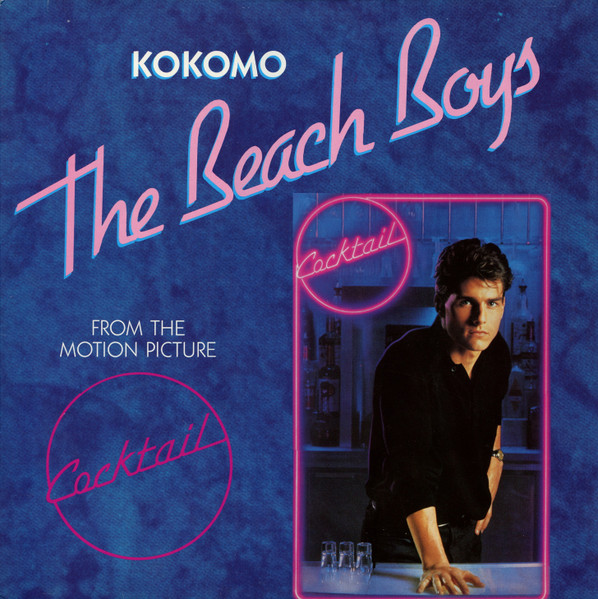
BEACH BOYS - KOKOMO
Estrena: 8 de juliol de 1988
Llistes: EUA: #1 (1 setmana) Regne Unit: #25
"Kokomo" és una cançó llançada al juliol de 1988 per a la banda sonora de la pel·lícula “Cocktail” i posteriorment inclosa a l'àlbum “Still Cruisin'”. Escrita per John Phillips, Scott McKenzie, Mike Love i Terry Melcher, la cançó es va convertir en un èxit significatiu, arribant al número u del Billboard Hot 100 dels Estats Units i encapçalant les llistes a Austràlia. Va ser el primer èxit original al top 20 dels Beach Boys en 20 anys i el seu primer número u en 22 anys, convertint-se també en el seu últim èxit en el top 40.
Quan els Beach Boys van gravar "Kokomo", els seus dies de domini a les llistes de vendes ja havien quedat enrere, i havien passat a tocar en fires i espectacles de nostàlgia. No obstant això, la seva reputació com a autors de cançons divertides i alegres els va fer ser una opció natural per a la banda sonora de “Cocktail”, una pel·lícula protagonitzada per Tom Cruise. En una entrevista, Mike Love va compartir com va sorgir la cançó: el director de la pel·lícula va demanar als Beach Boys que creessin una cançó per a una escena en la qual el personatge de Cruise passava de ser un bàrman de Nova York a un entorn tropical a Jamaica.
Mike Love va descriure el procés de composició, explicant que John Phillips va escriure inicialment les estrofes, però Love va canviar la lletra per fer-les semblar més actuals. Terry Melcher estava treballant en la maqueta de la cançó, però encara faltava la tornada. Va ser aleshores quan Love va intervenir amb la frase ja icònica "Aruba, Jamaica", que havia conceptualitzat abans. Per telèfon, Love va cantar la melodia i la lletra per a Melcher, incloent-hi el famós: "Aruba, Jamaica, ooo, I want to take you." Melcher ho va escriure mentre Love ho cantava, creant així el ganxo que es convertiria en una peça clau del ressorgiment tardà dels Beach Boys amb "Kokomo". Terry Melcher va escriure el pont, que va cantar Carl Wilson. Tot i que Scott McKenzie està acreditat com a escriptor, Love no estava segur de la seva contribució a la cançó.
"Kokomo" és tant el nom d'una ciutat a Indiana com d'un petit complex a Montego Bay, Jamaica, però el títol de la cançó en realitat es va inventar. Estava pensat per simbolitzar la destinació tropical ideal que la gent somia quan vol escapar-se a una illa paradisíaca. A John Phillips li va agradar com sonava el nom "Kokomo" i va decidir utilitzar-lo com a títol.
Abans de "Kokomo", l'últim número u dels Beach Boys als Estats Units havia estat "Good Vibrations" l'any 1966. Amb 22 anys entre aquests èxits, aquesta va ser la bretxa més ampla que qualsevol artista havia experimentat entre números u als Estats Units fins que Cher va batre el rècord. Ella va encapçalar les llistes amb "Believe" l'any 1999, 25 anys després del seu anterior número u, "Dark Lady", que va arribar al primer lloc el 1974.
BEACH BOYS - KOKOMO
Released: July 8, 1988
Charts: US: #1 (1 week) UK: #25
"Kokomo" is a song released in July 1988 for the “Cocktail” movie soundtrack and later included on the album “Still Cruisin'”. Written by John Phillips, Scott McKenzie, Mike Love, and Terry Melcher, the song became a significant hit, reaching number one on the US Billboard Hot 100 and topping the charts in Australia. It marked the Beach Boys' first original top-20 hit in 20 years and their first number-one hit in 22 years, also becoming their last top 40 hit.
By the time the Beach Boys recorded "Kokomo," their days of dominating the charts were largely behind them, and they had transitioned to playing fairs and nostalgia shows, but their reputation for fun, upbeat songs made them a natural choice for the “Cocktail” movie soundtrack, which starred Tom Cruise. In a interview, Mike Love shared how the song came together: the film's director asked the Beach Boys to create a song for a scene where Cruise's character transitions from a New York bartender to a tropical setting in Jamaica.
Mike Love described the songwriting process, explaining that John Phillips initially wrote the verses, but Love changed the lyrics to sound more current. Terry Melcher was working on the demo track, but the song was still incomplete without a chorus. That's when Love stepped in with the now-iconic "Aruba, Jamaica" line, which he had conceptualized earlier. Over the phone, Love sang the melody and lyrics for Melcher, including the now-famous chorus: "Aruba, Jamaica, ooo, I want to take you." Melcher wrote it down as Love sang it, creating the catchy hook that would become a cornerstone of the Beach Boys' late-career resurgence with "Kokomo." Terry Melcher wrote the bridge, which Carl Wilson sang. Although Scott McKenzie is credited as a writer, Love was unsure of his contribution to the song.
"Kokomo" is both the name of a city in Indiana and a small resort in Montego Bay, Jamaica, but the song's title was actually made up. It was intended to symbolize the ideal tropical destination that people dream of when wanting to escape to a paradise island. John Phillips liked how the name "Kokomo" sounded and decided to use it as the title.
Before "Kokomo," the Beach Boys' last US #1 hit was "Good Vibrations" in 1966. With 22 years between chart-toppers, this was the longest gap any artist had experienced between US #1 hits until Cher broke the record. She topped the charts with "Believe" in 1999, 25 years after her previous #1, "Dark Lady," which hit the top spot in 1974.
4.10.24
U2 - MAGNIFICENT
Publicada: 4 de maig de 2009
Llistes: EUA: #79 Regne Unit: #42
"Magnificent" és la segona pista de l'àlbum “No Line on the Horizon” i es va publicar com el segon single del disc. Inicialment titulat "French Disco", la cançó va canviar de nom durant el procés de gravació. Quan es va publicar al maig de 2009, va assolir el número 42 a la llista de singles del Regne Unit, convertint-se en el primer senzill de U2 llançat a nivell nacional des de "A Celebration" el 1982 que no va arribar al Top 40 del Regne Unit, però va aconseguir el número u a la llista de singles d'Escòcia. Malgrat no aconseguir èxit comercial al Regne Unit, "Magnificent" va ser ben rebuda per la crítica. El videoclip es va gravar a Fez, Marroc, i va ser dirigit per Alex Courtes, conegut per la seva feina prèvia amb la banda en "Get On Your Boots".
"Magnificent" explora temes de fe i adoració, convertint-se en una de les seves cançons més obertament cristianes des de "Gloria" el 1981. La lletra subratlla el soroll alegra de Bono en el seu primer cant, destacant el seu propòsit espiritual. El cor de la cançó, "I was born to sing for you", es pot interpretar com si anés adreçat a una parella, al públic o possiblement a ambdós, reflectint la integració deliberada de referències bíblices a la música de U2.
El co-productor Daniel Lanois va parlar de la seva contribució a la cançó, mencionant que va originar-se a Fez amb el desig de crear quelcom eufòric. Bono va introduir una melodia memorable que sonava com una fanfara, i Lanois va col·laborar en la lletra, amb l'objectiu d'explorar temes de sacrifici en el context de la dedicació d'un artista al seu art. Per les imatges es va inspirar en Nova York dels anys 50, vista a través de la perspectiva d'un personatge semblant a la llegenda del jazz Charlie Parker.
"Magnificent" va entrar a la Billboard Hot 100 al número 79, coincidint amb el debut de la cançó "Magnificent" de Rick Ross al número 88. Aquest esdeveniment és destacable per ser una de les diverses ocasions en què diferents cançons amb el mateix títol van debutar a la llista en la mateixa setmana. Un altre exemple inclou Fleetwood Mac i D.J. Rogers debutant amb diferents cançons titulades "Say You Love Me" el 3 de juliol de 1976. De manera similar, Mary J. Blige i Mick Jagger van debutar amb diferents cançons titulades "Sweet Thing" el 13 de febrer de 1993.
U2 - MAGNIFICENT
Released: May 4, 2009
Charts: US: #79 UK: #42
"Magnificent" is the second track from the album “No Line on the Horizon”, and was released as its second single. Initially titled "French Disco", the song underwent a name change during the recording process. Upon its release on May 2009, it reached number 42 on the UK Singles Chart, making it the first domestically-released U2 single since "A Celebration" in 1982 not to crack the UK Top 40, but it did achieve number one on the Scottish Singles Chart. Despite not achieving commercial success in the UK, "Magnificent" was well-received by critics. The music video was filmed in Fez, Morocco, and directed by Alex Courtes, known for his previous work with the band on "Get On Your Boots".
"Magnificent" explores themes of faith and worship, making it one of their most overtly Christian-based songs since "Gloria" in 1981. The lyrics highlight Bono's joyful noise at his first cry, emphasizing his spiritual connection and purpose. The song's chorus, "I was born to sing for you," can be interpreted as addressing a lover, the audience, or possibly both, reflecting U2's deliberate integration of Biblical references into their music.
Co-producer Daniel Lanois discussed his contribution to the song, mentioning that it originated in Fez with a desire for something euphoric. Bono introduced a memorable melody that resonated like a fanfare, and Lanois collaborated on the lyrics, aiming to explore themes of sacrifice in the context of an artist's dedication to their craft. The song's imagery was inspired by New York in the 1950s, viewed through the lens of a character akin to jazz legend Charlie Parker.
"Magnificent" by U2 entered the Billboard Hot 100 at #79, coinciding with the debut of Rick Ross' track "Magnificent" at #88. This event is notable as one of several instances where different songs with the same title debuted on the chart in the same week. Another example includes Fleetwood Mac and D.J. Rogers debuting with different songs titled "Say You Love Me" on July 3, 1976. Similarly, Mary J. Blige and Mick Jagger debuted with different songs titled "Sweet Thing" on Feb. 13, 1993.