Total de visualitzacions de pàgina:

13.10.24


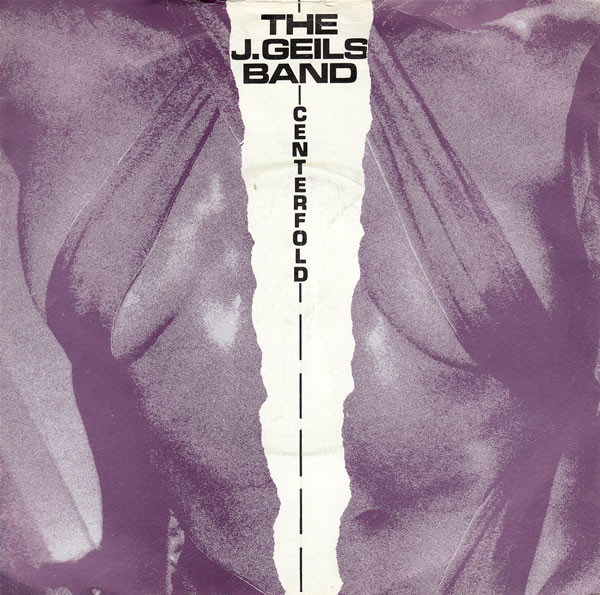
J. GEILS BAND - CENTERFOLD


Estrena: 13 de setembre de 1981

Llistes: Regne Unit: #3   EUA: #1 (6 setmanes)


"Centerfold" és una cançó llançada el setembre de 1981 com a single principal del desè àlbum, “Freeze Frame”. Va ser escrita per Seth Justman, el teclista de la J. Geils Band, qui va ser responsable d'escriure o coescriure totes les cançons de l'àlbum. La trama de la cançó retracta el conflicte entre la nostàlgia i la dura realitat de la pèrdua de la innocència.


La cançó explica la història d'un home que se sent desconcertat en descobrir que una noia de l’Institut de la que estava  enamorat ha esdevingut una “centerfold”, una noia destacada en una revista per a homes. El narrador experimenta emocions contradictòries: sent una pèrdua d'innocència mentre reflexiona sobre la transformació d'aquella noia dolça que admirava a una figura de desig. En lloc de sentir-se atret, es veu decebut, adonant-se que els seus records idealitzats han estat eclipsats per la nova imatge d'ella.


El tema va aconseguir un gran èxit comercial, arribant al número 1 al Billboard Hot 100 dels EUA el febrer de 1982, on s'hi va mantenir durant sis setmanes consecutives. Aquest èxit va fer de “Centerfold” el senzill més exitós de la carrera de la banda. Al febrer de 1982, després d'aconseguir el número 1 als EUA, va arribar al número 3 al Top 40 del Regne Unit, sent l'únic èxit significatiu de la J. Geils Band al país. A més, també va liderar les llistes d'Austràlia i Canadà.


La J. Geils Band va signar amb Atlantic Records el 1970, consolidant-se com una banda d’un directe destacat, coneguda pel seu so basat en el blues. “Freeze Frame” va ser el seu tercer àlbum amb EMI després de deixar Atlantic. Tot i que la banda anteriorment triava els seus senzills, EMI va seleccionar “Centerfold” com a single principal, cosa que va donar els seus fruits quan va arribar al número u del Billboard Hot 100 dels EUA, contribuint enormement a l'èxit de l'àlbum.


El videoclip, dirigit per Paul Justman (germà de l'escriptor de la cançó, Seth), mostra la banda tocant en un entorn escolar envoltada de noies vestides amb uniformes de col·legi catòlic. Aquest concepte visualment atractiu va esdevenir ràpidament un dels primers clips destacats a la recentment llançada MTV, ajudant a augmentar la popularitat de la cançó.


J. GEILS BAND - CENTERFOLD


Released: September 13, 1981

Charts: UK: #3   US: #1 (6 weeks) 


"Centerfold" is a song released in September 1981 as the lead single from the tenth album, “Freeze Frame”. It was written by Seth Justman, the keyboard player of the J. Geils Band, who was responsible for writing or co-writing all the tracks on the album. The song plot captures the conflict between nostalgia and the harsh reality of lost innocence.


The song tells the story of a man who is dismayed to find that his high school crush has become a centerfold in a men's magazine. The narrator grapples with mixed emotions: he feels a loss of innocence as he reflects on her transformation from the sweet girl he admired to an object of desire. Instead of being aroused, he experiences disappointment, realizing that his cherished memories of her have been overshadowed by her new image. 


The track achieved significant commercial success, reaching No. 1 on the U.S. Billboard Hot 100 in February 1982, where it remained for six consecutive weeks. This success made "Centerfold" the most successful single of the band's career. In February 1982, after reach No. 1 on the US Billboard Hot 100 “Centerfold” peaked at No. 3 in the UK Top 40, marking the J. Geils Band's only significant hit in the UK. Additionally, the song topped the charts in Australia and Canada.


The J. Geils Band signed with Atlantic Records in 1970, establishing themselves as a prominent live act known for their blues-based sound. *Freeze Frame* was their third album with EMI, after leaving Atlantic. While the band previously chose their singles, EMI selected "Centerfold" as the lead single, which paid off immensely as it reached number one on the U.S. Billboard Hot 100, contributing significantly to the album's success at the top of the charts.


The music video directed by Paul Justman (brother of the song's writer Seth), features the band performing in a classroom setting surrounded by girls dressed in Catholic school uniforms. This visually engaging concept quickly became an early staple on the newly launched MTV, helping to boost the song's popularity.




12.10.24


AEROSMITH - COME TOGETHER / REMEMBER (WALKING IN THE SAND)


COME TOGETHER

Publicació: 31 de juliol de 1978

Llistes: EUA: #23


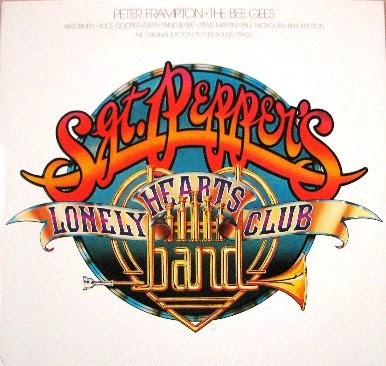
"Come Together" és una cançó dels Beatles, escrita per John Lennon i acreditada a la col·laboració Lennon-McCartney. Serveix com a pista d'obertura del seu àlbum de 1969, “Abbey Road”. El 1978, Aerosmith va gravar una popular versió de la cançó, que van interpretar a la pel·lícula “Sgt. Pepper's Lonely Hearts Club Band”, i la seva versió va aparèixer a la banda sonora del film.


En l'escena d'Aerosmith a la pel·lícula, el malvat Mr. Mustard segresta Strawberry, cosa que fa que Billy i els Hendersons, membres de la banda de Sgt. Pepper, el persegueixin després de ser testimonis de l'abducció. Mustard condueix fins a la seu de la Future Villain Band (FVB), interpretada per Aerosmith, una banda de rock dur orwelliana amb una estètica fosca en contrast amb la naturalesa més pura de la banda de Sgt. Pepper.


A la seu de l'FVB, planegen convertir Strawberry en una "groupie sense cervell". Per fer-ho, la lliguen a l'escenari mentre interpreten "Come Together", durant la qual el cantant Steven Tyler interactua de manera inapropiada amb ella. A mesura que la tensió augmenta, Billy i els Hendersons arriben just a temps per enfrontar-se a l'FVB. Es produeix una lluita cos a cos que culmina en el moment climàtic on el cantant és llançat fora de l'escenari, però, tràgicament, Strawberry també cau i mor.


La versió d'Aerosmith es va llançar com a single al juliol de 1978 i ràpidament va tenir èxit, arribant al número 23 del Billboard Hot 100. Això va suposar un altre èxit per a la banda després d'una sèrie de senzills que havien arribat al Top 40 a mitjans de la dècada dels 70, però seria el seu darrer èxit al Top 40 durant gairebé una dècada. Posteriorment, una gravació de la cançó es va incloure en el seu àlbum en directe “Live! Bootleg” i en la seva primera compilació d’èxits, “Greatest Hits”, llançada el 1980. A més, una actuació en directe als 33ens Grammy es va incloure en un CD recopilatori dels premis. La cançó també apareix a la banda sonora de la pel·lícula “Armageddon”.


REMEMBER (WALKING IN THE SAND)

Estrena: 11 de desembre de 1979

Llistes: EUA: #67


"Remember (Walking in the Sand)", també coneguda simplement com "Remember", és una cançó escrita per George "Shadow" Morton i originalment gravada per les Shangri-Las, aconseguint arribar al top cinc el 1964. S’he de subratllar que un jove Billy Joel va tocar el piano durant les sessions de gravació d'aquesta cançó i el següent èxit de les Shangri-Las, "Leader of the Pack". La cançó explora el tema de l'amor jove perdut, amb la cantant rememorant els moments feliços compartits amb una parella que ha marxat de sobte.


George "Shadow" Morton, un aspirant a compositor, va ser presentat a Jeff Barry per la seva dona, Ellie Greenwich, que el va recomanar com a potencial col·laborador. Barry estava interessat a trobar material nou i va organitzar una sessió per gravar demos amb músics i les Shangri-Las. Però, mentre es dirigia a l'estudi de Barry, Morton es va adonar que havia oblidat escriure una cançó. En un moment d'inspiració, va aparcar al costat de la carretera i va escriure ràpidament la lletra, donant lloc a la creació de "Remember (Walking in the Sand)".


El 1979, Aerosmith en va llançar una versió rock amb la veu de suport no acreditada de Mary Weiss, de les Shangri-Las. El single, llançat per Columbia Records, formava part del seu sisè àlbum d'estudi, “Night in the Ruts”, i també es va incloure en la seva recopilació “Greatest Hits”. Co-produïda per Gary Lyons, la versió va arribar al número 67 del Billboard Hot 100.


AEROSMITH - COME TOGETHER / REMEMBER (WALKING IN THE SAND)


COME TOGETHER

Released: July 31, 1978

Charts: US: #23  


"Come Together" is a song by The Beatles, written by John Lennon and credited to the Lennon–McCartney partnership. It serves as the opening track of their 1969 album “Abbey Road”. In 1978 Aerosmith recorded a popular cover of the song, which they performed in the film “Sgt. Pepper's Lonely Hearts Club Band”, with their version appearing on the movie's soundtrack.


In the Aerosmith scene for the movie, villainous Mr. Mustard kidnaps Strawberry, prompting Billy and the Hendersons, the members of Sgt. Pepper's band, to pursue him after witnessing the abduction. Mustard drives to the headquarters of the Future Villain Band (FVB) performed by Aerosmith, an Orwellian hard-rock group characterized by their contrasting dark aesthetic compared to the wholesome nature of Sgt. Pepper's band.


At FVB's headquarters, they plan to turn Strawberry into a "mindless groupie." To achieve this, they chain her up onstage while performing "Come Together," during which lead singer Steven Tyler inappropriately interacts with her. As tension builds, Billy and the Hendersons arrive just in time to confront FVB. They engage in hand-to-hand combat, ultimately leading to a climactic moment where the singer is thrown off the stage, but tragically, Strawberry falls to her death as well. 


Aerosmith's version was released as a single in July 1978 and quickly became a success, reaching number 23 on the Billboard Hot 100. This marked another hit for the band following a series of Top 40 successes in the mid-1970s, but it would be their last Top 40 hit for nearly a decade. Later, a recording of the song appeared on their live album “Live! Bootleg”. It was also included in their first singles compilation, “Greatest Hits”, released in 1980. Additionally, a live performance from the 33rd Annual Grammy Awards was featured on a Grammy compilation CD. The song has also been included in the soundtrack for the film “Armageddon”.


REMEMBER (WALKING IN THE SAND)

Released: December 11, 1979

Charts: US: #67 


"Remember (Walking in the Sand)," also known simply as "Remember," is a song written by George "Shadow" Morton and originally recorded by the Shangri-Las, achieving a top-five hit in 1964. Notably, a young Billy Joel played piano during the recording sessions for this track and the Shangri-Las' subsequent hit, "Leader of the Pack." The song explores the theme of young love lost, with the singer reminiscing about the joyful moments shared with a partner who has suddenly departed.


George "Shadow" Morton, an aspiring songwriter, was introduced to Jeff Barry by his wife, Ellie Greenwich, who recommended him as a potential collaborator. Barry was interested in finding new material and arranged for Morton to meet with musicians and the Shangri-Las for a demo session, but on his way to Barry's studio, Morton realized he had forgotten to write a song. In a moment of inspiration, he pulled over to the side of the road and quickly penned the lyrics, leading to the creation of "Remember (Walking in the Sand)."


In 1979, Aerosmith released a rock-oriented cover of "Remember (Walking in the Sand)," featuring uncredited backing vocals by Mary Weiss of the Shangri-Las. The single, released on Columbia Records, was part of their sixth studio album, “Night in the Ruts”, and was also included in their “Greatest Hits” compilation. Co-produced by Gary Lyons, the cover reached number 67 on the Billboard Hot 100.


NIK KERSHAW – WOULDN’T IT BE GOOD


Estrena: 20 de gener de 1984

Llistes: EUA: #46  Regne Unit: #4 


"Wouldn’t It Be Good" és una cançó de 1984 del compositor anglès i pioner del Techno-Pop Nik Kershaw. Va ser el segon senzill del seu àlbum debut “Human Racing”, i el seu primer gran èxit en molts territoris. Va passar tres setmanes en la quarta posició al Regne Unit i va entrar al top 10 tant al Canadà com a Austràlia, però no va aconseguir entrar al top 40 dels Estats Units, quedant-se al lloc 46.


Segons les pròpies paraules de Kershaw, la cançó tracta de "sempre voler-ho millor que tothom". La lletra és un clàssic intercanvi entre dues persones: la primera (a la primera estrofa) desesperada per viure la vida fàcil que creu que té l'altra persona (“Tu ho tens fàcil, no saps quan ho tens bé”) mentre lamenta la duresa de la seva pròpia vida. A la segona estrofa, l'altra persona respon (“No tens problemes, jo em quedaria allà mateix si fos tu”) i després afirma que els seus problemes són encara pitjors. La major part de la resta de la cançó és un estira-i-arronsa entre els dos individus, cadascun queixant-se dels seus problemes i afirmant que està en una situació molt pitjor que l'altre.


El vídeo segueix una narrativa similar, amb Kershaw interpretant un alienígena (amb una jaqueta generada per ordinador, molt avançada per a l'època, el 1984) observant els humans i aclaparat per les seves disputes trivials. Al final, fa el que qualsevol alienígena assenyat faria: puja a la seva nau espacial i torna a casa sense establir cap contacte.


La cançó va llançar Nik Kershaw com un artista habitual d'èxits al Regne Unit, on va ser vist com una mena d'ídol adolescent, i com a artista de techno-Pop en solitari, va ser posat en competència directa amb altres artistes com Howard Jones i Thomas Dolby. Nik Kershaw va aconseguir quatre èxits més al top 10 al Regne Unit: “I Won’t Let the Sun Go Down on Me” (#2), “The Riddle” (#3), “Wide Boy” (#9) i “Don Quixote” (#10). La fama de Nik Kershaw va ser tan gran el 1985 que va participar en el concert de Live Aid a Wembley, on “Wouldn’t It Be Good” va tancar el seu conjunt de quatre cançons.


Després del llançament del seu quart àlbum el 1989, Kershaw va fer una pausa en la seva carrera com a músic en solitari, però va continuar treballant en la indústria com a compositor. El seu major èxit va arribar el 1991 amb el número 1 al Regne Unit i número 10 als Estats Units amb “The One and Only” per a Chesney Hawkes. Va tornar a l'estudi el 1998 i des de llavors ha gravat cinc àlbums de material nou. Actualment, fa gires contínuament pel circuit de nostàlgia i recentment ha fet una sèrie de concerts amb el seu antic rival, Howard Jones.


NIK KERSHAW – WOULDN’T IT BE GOOD


Released: January 20, 1984

Charts:   US: #46   UK: #4


“Wouldn’t It Be Good” is a 1984 song by English songwriter and Synth-Pop pioneer Nik Kershaw. It was the second single from Kershaw's debut album “Human Racing”, and his breakthrough hit in many territories. It spent three weeks at the #4 position in the UK, and made the top ten in both Canada and Australia, but narrowly failed to make the US top 40, stalling at #46.


In Kershaw's own words, the song is about “always wanting it better than everyone else”. The lyrics are a classic back and forth between two people, the first (verse one) sounding desperate to live the easy life he believes the second person has (“You got it easy, you don’t know when you’ve got it good”) while bemoaning the hardship of his own life. In verse two, the second person responds (“You got no problems, I’d stay right there if I was you”), before claiming his own problems to be even worse. Much of the rest of the song is a retort and counter between the two individuals, each whining about their issues and claiming to be far worse off than the other.


The video follows a similar narrative, with Kershaw portraying an alien (in a cutting edge (for 1984) computer generated jacket) observing humans and overwhelmed by their petty squabbles. In the end, he does what any sensible alien would do, and gets back in his spaceship and goes home without making contact.


The song launched Nik Kershaw as a regular hitmaker in the UK, where he was seen as a bit of a teen idol, and as a solo Synth-Pop artist, he was placed in direct competition with other acts like Howard Jones and Thomas Dolby. Nik Kershaw had a further four top ten hits in the UK, “I Won’t Let the Sun Go Down on Me” (#2), “The Riddle” (#3), “Wide Boy” (#9) and “Don Quixote” (#10). Nik Kershaw's star was high enough in 1985 for him to have featured in the Wembley leg of Live Aid, where “Wouldn’t It Be Good” closed his four-song set.


After the release of his fourth album in 1989, Kershaw took a break from making his own music, while still working in the business as a songwriter, his greatest success coming in 1991, with the UK #1, US #10, “The One and Only” for Chesney Hawkes. He returned to the studio in 1998, and has since recorded five albums of new material. He constantly tours the nostalgia circuit, and recently performed a series of gigs alongside his former rival, Howard Jones.