"Lodi" is a song written by John Fogerty and performed by Creedence Clearwater Revival, recorded in March 1969 and released as the B-side to "Bad Moon Rising." The song is featured on the “Green River” album. In his memoir “Fortunate Son: My Life, My Music”, Fogerty explained that the inspiration for "Lodi" came from trips he took with his father around central California, which he found to be a warm and special place.
Lodi is a city in California's Central Valley, approximately 30 miles south of Sacramento and 75 to 100 miles east of the San Francisco Bay Area. John Fogerty and his earlier band often played in small, "nowhere towns" similar to Lodi, which likely contributed to the song's theme of being stuck in a place with limited opportunities.
"Lodi" tells the story of a down-on-his-luck musician stuck in the small town of Lodi, California, playing in local bars and unable to afford bus or train fare to leave. Even though had never visited Lodi before writing the song, John Fogerty chose the town because he thought it had "the coolest sounding name." The chorus, "Oh Lord, stuck in Lodi again," captures the musician's sense of frustration and entrapment. The song has since become closely associated with the town, even being used as the theme for several local events in Lodi. Remarkably, Fogerty was just 23 when he wrote this song about an aging musician reflecting on his faded success.
"Lodi" reflects John Fogerty's experiences with his earlier band, The Golliwogs, before they became Creedence Clearwater Revival. During their early years, they struggled to find success, playing in small, out-of-the-way places with poor equipment and indifferent, often unappreciative audiences. The song captures the feeling of being stuck in these "bad old days," performing in towns where there seemed to be no future. Drummer Doug Clifford recalled a real show in Lodi, where the band played for just nine drunk locals who spent the entire night telling them to lower the volume, highlighting their frustration during this period.
22.10.24
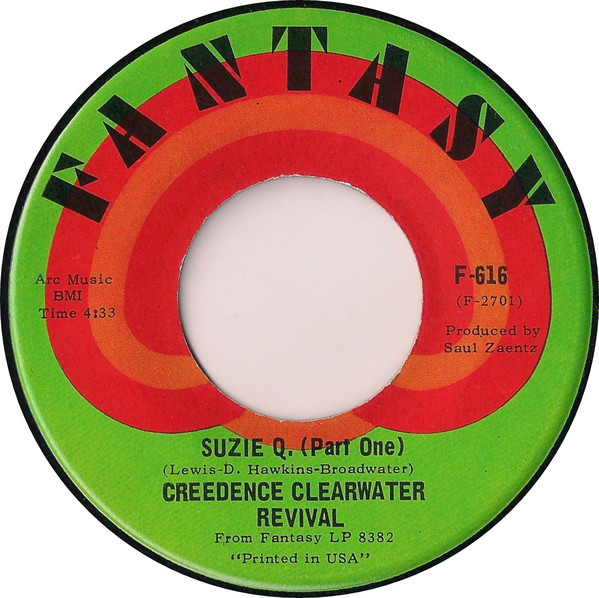
CREEDENCE CLEARWATER REVIVAL - SUSIE Q
Publicada: 15 de juny de 1968
Llistes: EUA: #11
"Susie Q" és una cançó de rockabilly de 1957 escrita per Dale Hawkins, coescrita amb Eleanor Broadwater i Stan Lewis. Creedence Clearwater Revival la van versionar com el seu primer single el 1968, significant la transició des del seu anterior nom de banda, The Golliwogs. Va ser l'únic èxit del Top 40 de CCR que no va ser escrit pel seu líder, John Fogerty. La seva popularitat va fer que moltes noies anomenades Susie rebessin el sobrenom de "Susie Q".
John Fogerty tenia clar que "Susie Q" ajudaria a donar forma a la identitat de Creedence Clearwater Revival. A la biografia “Bad Moon Rising: The Unofficial History of Creedence Clearwater Revival”, va explicar que va triar aquesta cançó per fer que la banda sonés professional, misteriosa i diferencial. Fogerty va seleccionar "Susie Q" perquè era més fàcil treballar amb una cançó ja existent que amb una de pròpia, cosa que li permetia ser menys auto-conscient a l'hora de definir l'estil i el so de la banda.
"Susie Q" es va produir amb un ús intens d'efectes d'estudi típics de finals dels anys 60, com la separació de l’estèreo, el feedback i la distorsió vocal. El baixista Stu Cook va mencionar que les rimes senzilles a la part final es van elaborar deliberadament com una declaració en contra de l'ús de rimes previsibles, una cosa que el líder John Fogerty no apreciava. La cançó també va guanyar popularitat inicialment a la Costa Oest abans del seu llançament en vinil, després que la banda lliurés una cinta de casset a un DJ de San Francisco com a agraïment pel suport que havien rebut durant una vaga de DJ.
La versió de l'àlbum dura 8 minuts i 37 segons. El single es va dividir en dues parts: la primera part a la cara A es fon amb el solo de guitarra just abans del coda, mentre que la segona part a la cara B es reprèn amb el coda. "Susie Q" és una de les rares cançons de Creedence on s'escolten les veus dels membres de la banda a part de John Fogerty, amb les contribucions dels seus companys durant la segona part de la cançó.
CREEDENCE CLEARWATER REVIVAL - SUSIE Q
Released: June 15, 1968
Charts: US: #11
"Susie Q" is a 1957 rockabilly song by Dale Hawkins, co-written with Eleanor Broadwater and Stan Lewis. Creedence Clearwater Revival later covered it as their first single in 1968, marking their transition from their previous band name, The Golliwogs. It became the only Top 40 hit by Creedence that wasn’t written by their leader, John Fogerty. The song's popularity led to many girls named Susie being nicknamed "Susie Q."
John Fogerty had clear intentions for "Susie Q" to shape Creedence Clearwater Revival's unique identity. In “Bad Moon Rising: The Unofficial History of Creedence Clearwater Revival”, he explained that he chose the song to help the band sound professional, mysterious, and distinct. Fogerty selected "Susie Q" because it was easier to work with an existing song rather than one of his own, allowing him to be less self-conscious in defining the band's style and sound.
"Susie Q" was produced with heavy use of late '60s studio effects, such as wide stereo separation, feedback, and vocal distortion. Bass player Stu Cook mentioned that the simple rhymes in the latter part of the song were deliberately crafted as a statement against using predictable rhymes, something frontman John Fogerty disliked. The song also gained early popularity on the West Coast before its vinyl release, after the band gave a cassette of it to a San Francisco DJ in appreciation for their earlier support of a DJ strike.
The album version runs for 8 minutes and 37 seconds. The single was split into two parts: Part one on the A-side fades out with the guitar solo just before the coda, while part two on the B-side fades back in with the coda. "Susie Q" is one of the rare Creedence tracks where vocals from band members other than John Fogerty are heard, with his bandmates contributing during the second part of the song.
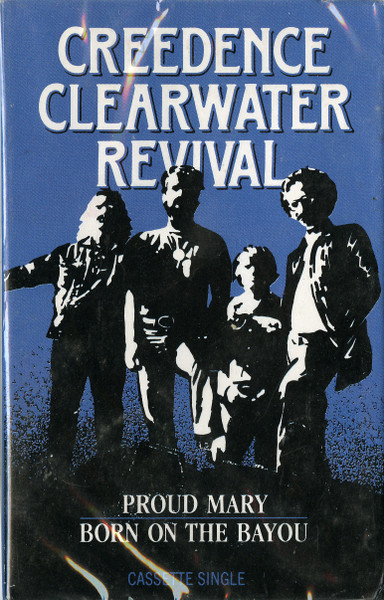
CREEDENCE CLEARWATER REVIVAL - PROUD MARY
Publicada: 9 de gener de 1969
Llistes: EUA: #2 Regne Unit: #8
"Proud Mary" és una cançó escrita pel vocalista i guitarrista John Fogerty. Publicada com a single el gener de 1969 i inclosa al segon àlbum d'estudi de la banda “Bayou Country”, es va convertir en un èxit important. La cançó va arribar al número 2 de la llista Billboard Hot 100 el març de 1969.
Inicialment, John Fogerty va concebre "Proud Mary" com una cançó sobre una dona que treballava com a minyona per a gent rica, però la temàtica va canviar després d'una suggerència del baixista de CCR, Stu Cook. Inspirat per la sèrie de televisió “Maverick”, Cook va esmentar un vaixell de riu, fet que va portar Fogerty a integrar la imatge del vaixell fluvial a la lletra. Fogerty va utilitzar progressions d'acords que evocaven el ritme d'una roda de pales, transformant la cançó en la icònica història d'un vaixell fluvial anomenat "Proud Mary". L'hàbit de Fogerty de mantenir idees de potencials cançons en un quadern va suggerir el títol de la cançó en trobar-hi aquesta frase apuntada.
"Proud Mary" va sorgir el dia que John Fogerty va rebre la seva llicència de l'Exèrcit dels EUA el 1967. Després de veure la carta de llicenciament, va estar tan entusiasmat que va sortir corrents al jardí per celebrar-ho. Ple d'emoció, Fogerty va agafar immediatament la seva guitarra i va començar a tocar, cantant la frase inicial, "Left a good job in the city", i altres parts clau de la cançó. Va desenvolupar ràpidament els canvis d'acords, incloent-hi el memorable "Big wheel keep on turnin'/Proud Mary keep on burnin'", que va pronunciar en un estil influenciat pel cantant de blues Howlin' Wolf. Quan va arribar a la tornada "Rolling, rolling, rolling on the river", Fogerty va adonar-se que havia escrit una de les seves millors cançons.
Quan Creedence Clearwater Revival la van gravar, John Fogerty no va quedar satisfet amb les veus d'harmonia que havien fet els seus companys de banda. Per solucionar-ho, va gravar ell mateix les harmonies i les va sobreposar a la pista. Aquesta decisió va augmentar la tensió creixent entre Fogerty i la resta dels membres de la banda, contribuint a la dinàmica tensa dins del grup. Els conflictes en curs van acabar provocant la separació de la banda el 1972.
El 1971, Ike & Tina Turner van fer de "Proud Mary" una part emblemàtica de les seves actuacions en directe, convertint-la en un èxit que va arribar al número 4 als Estats Units. En una entrevista a Rolling Stone, Tina Turner va explicar com van decidir gravar-la per al seu àlbum “Workin' Together”. Originalment, necessitaven pistes addicionals per a l'àlbum i van decidir incorporar algunes cançons dels seus espectacles en directe. A Tina sempre li havia agradat la versió original de Creedence Clearwater Revival, i després d'escoltar una noia fer una audició amb la cançó, Ike la va redescobrir mesos després. Tina va suggerir que la interpretessin, però amb el seu toc personal. Mentre improvisaven al cotxe, Ike tocava la guitarra i van transformar la cançó en la seva pròpia "versió negra", barrejant elements d'ells mateixos amb allò que el seu públic escoltava a la ràdio.
CREEDENCE CLEARWATER REVIVAL - PROUD MARY
Released: January 9, 1969
Charts: US: #2 UK: #8
"Proud Mary" is a song written by lead vocalist and guitarist John Fogerty. Released as a single in January 1969 and featured on the band's second studio album, “Bayou Country”, it became a significant hit. The song reached #2 on the Billboard Hot 100 chart in March 1969.
John Fogerty originally conceived "Proud Mary" as a song about a woman working as a maid for wealthy people, but the song's theme shifted after a suggestion from CCR bassist Stu Cook. Inspired by the TV show “Maverick”, Cook mentioned a riverboat, which led Fogerty to integrate the riverboat imagery into the lyrics. Fogerty used chord progressions that evoked the rhythm of a paddlewheel, transforming the song into the iconic story of a riverboat called "Proud Mary." The song title was initially inspired by Fogerty's habit of keeping potential song ideas in a notebook.
"Proud Mary" came together on the day John Fogerty received his honorable discharge from the U.S. Army in 1967. After seeing the discharge letter, he was so thrilled that he celebrated by running out to his lawn and doing cartwheels. Filled with excitement, Fogerty immediately picked up his guitar and began strumming, coming up with the opening line, "Left a good job in the city," and other key parts of the song. He quickly developed the chord changes, including the memorable "Big wheel keep on turnin'/Proud Mary keep on burnin'," which he pronounced in a style influenced by blues singer Howlin' Wolf. By the time he reached the chorus, "Rolling, rolling, rolling on the river," Fogerty realized he had written one of his best songs.
When Creedence Clearwater Revival recorded it, John Fogerty was dissatisfied with the harmony vocals provided by his bandmates. To fix this, he recorded the harmonies himself and overdubbed them onto the track. This decision added to the growing tension between Fogerty and the other band members, contributing to the strained dynamics within the group. The ongoing conflicts eventually led to the band's breakup in 1972.
In 1971, Ike & Tina Turner made "Proud Mary" a signature part of their live performances, turning it into a #4 hit in the US. In a Rolling Stone,interview, Tina Turner explained how they decided to record the song for their “Workin' Together” album. Originally, they needed additional tracks for the album and decided to incorporate a few songs from their live shows. Tina had always loved the original Creedence Clearwater Revival version, and after hearing a girl audition with the song, Ike rediscovered it months later. Tina suggested they perform it, but with their own twist. While jamming in the car, Ike played guitar, and they transformed it into their unique "black version" of the song, blending elements of themselves with what their audience heard on the radio.
21.10.24
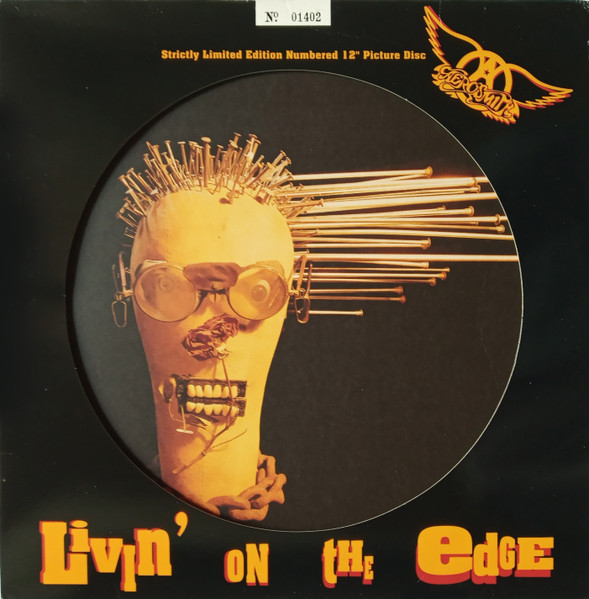
AEROSMITH - LIVIN’ ON THE EDGE
Released: March 1993
Charts: US: #18 UK: #19
"Livin' on the Edge" is a 1993 song released as the first single from the eleventh album “Get a Grip”. The track achieved commercial success, reaching number 18 on the US Billboard Hot 100, number three on the Cash Box Top 100, and topping the Billboard Album Rock Tracks chart for nine weeks. In the UK, it peaked at number 19 in April 1993. The song won a Grammy Award for Best Rock Performance by a Duo or Group with Vocal, and Aerosmith performed I it live at the 1994 Grammy ceremony.
"Livin' on the Edge" explores the chaotic nature of the world, highlighting how people remain trapped in their routines, reluctant to change despite the turmoil around them. The song was inspired by the 1992 Los Angeles riots, which erupted after the acquittal of the police officers involved in the beating of Rodney King. The lyrics reflect the frustration and tension surrounding societal issues, emphasizing the disconnect between awareness of problems and the lack of meaningful action to address them.
Joe Perry and Steven Tyler co-wrote the track with songwriter Mark Hudson during the sessions for the album. John Kalodner, their A&R executive, arranged the collaboration, as he believed working with outside songwriters would help keep the band's sound fresh. Hudson, known for his diverse career, was one of several external collaborators on the album, which also included Jim Vallance, Lenny Kravitz, and Desmond Child.
According to Steven Tyler, the three big drum hits heard near the end of the song were made using a bass drum he stole from Roosevelt High School in Yonkers, New York. Tyler, who had been part of the school's marching band, was expelled after being caught for drug possession by an undercover cop posing as a student. He took the drum with him after his band performed at the school's senior prom.
The music video directed by Marty Callner, features actor Edward Furlong and showcases provocative themes such as vandalism, grand theft auto, joyriding, airbag crashes, unprotected sex, youth violence, and cross-dressing teachers. It also includes visually striking scenes, such as Steven Tyler holding a zipper at his crotch with half of his body painted black, creating the illusion of unzipping himself. Joe Perry performs a guitar solo in front of an oncoming McCloud River Railroad freight train.