Total de visualitzacions de pàgina:

12.11.24


CREEDENCE CLEARWATER REVIVAL - FORTUNATE SON


Llançament: octubre de 1969  

Llistes: EUA: #3   Regne Unit: #31  


"Fortunate Son" és una cançó de Creedence Clearwater Revival, llançada en el seu àlbum “Willy and the Poor Boys” l'octubre de 1969, i com a single al costat de “Down on the Corner” el setembre de 1969. Ràpidament es va convertir en un himne del moviment contra la guerra del Vietnam, simbolitzant l'oposició a la implicació militar dels Estats Units en el conflicte. La cançó ha estat àmpliament utilitzada en la cultura popular, especialment en representacions de la guerra del Vietnam. Similar a “Born in the U.S.A.” de Bruce Springsteen, “Fortunate Son” és sovint malinterpretada com un himne patriòtic, tot i que en realitat és una crítica del privilegi i la desigualtat en el context de la guerra.


“Fortunate Son” critica la guerra del Vietnam mentre expressa suport als soldats que hi lluiten, especialment aquells de la classe treballadora. Molts dels seguidors de Creedence Clearwater Revival, com els soldats, eren homes corrents sense els diners o les connexions necessàries per evitar ser cridats a files. La cançó parla des de la perspectiva d’un d’aquests homes, contrastant la seva situació amb la dels pocs privilegiats, com els fills dels senadors, que podien escapar de la guerra. Així, posa de manifest la disparitat entre aquells que havien de servir i aquells que podien optar per no fer-ho, convertint-se en una poderosa protesta contra la desigualtat social i política durant la guerra.


El 16 de novembre de 1969, Creedence Clearwater Revival va interpretar “Fortunate Son” al programa The Ed Sullivan Show, probablement perquè els productors no es van adonar que era una cançó de protesta. El programa, que solia evitar la controvèrsia, generalment feia que els grups interpretessin cançons menys controvertides o ajustessin les lletres per a l'audiència, però “Fortunate Son” hi va passar. Abans d’aquesta actuació, John Fogerty havia enregistrat múltiples preses vocals per a “Down on the Corner”, deixant la seva veu fatigada, cosa que ell mateix va remarcar que es notava en l’actuació.


L'any 2000, Wrangler va utilitzar la cançó en els seus anuncis, només amb les frases inicials d’aspecte patriòtic: "Some folks are born, made to wave the flag, ooh, that red, white and blue" (Algunes persones neixen, fetes per onejar la bandera, oh, aquella vermella, blanca i blava), mentre ometien les frases més crítiques que seguien. Això va portar a una malinterpretació generalitzada del missatge de la cançó, fent que s’alineés amb sentiments patriòtics en lloc del seu missatge anti-establishment i antibel·licista. John Fogerty es va indignar per l’ús de la seva cançó per vendre texans, però no ho podia impedir, ja que no posseïa els drets de la cançó. El director de publicitat de Wrangler va afirmar que la marca s’adreçava a "l'home corrent", que creien reflectit en la lletra. Els anuncis es van emetre fins a 2002, quan Fogerty va expressar la seva frustració en una entrevista amb Los Angeles Times, cosa que va portar la companyia a retirar els anuncis.


La ira de Fogerty provenia de la distorsió del significat original de la cançó, ja que “Fortunate Son” és una crítica del privilegi de classe i de les injustícies de la guerra del Vietnam, més que no pas un simple himne de rock. Aquesta experiència va ser especialment dolorosa per a Fogerty perquè havia perdut els drets de totes les cançons que va escriure per a CCR, incloent-hi “Fortunate Son”, a causa d’un contracte amb Fantasy Records, on Saul Zaentz controlava els drets. Zaentz podia llicenciar les cançons per a ús comercial sempre que no fossin interpretades per membres de CCR, deixant Fogerty sense poder per aturar aquests abusos de la seva música.


“Fortunate Son” va arribar al número 14 de les llistes als Estats Units el 22 de novembre de 1969, just abans que Billboard canviés la manera de classificar els senzills de doble cara. La cançó, aparellada amb “Down on the Corner”, va pujar després fins al número 9 la setmana següent. Ambdues cançons van arribar al número 3 el 20 de desembre de 1969.


CREEDENCE CLEARWATER REVIVAL - FORTUNATE SON


Released: October 1969

Charts: US: #3    UK: #31 


"Fortunate Son" is a song by Creedence Clearwater Revival, released on their “Willy and the Poor Boys” album in October 1969, and as a single alongside "Down on the Corner" in September 1969. It quickly became an anthem for the Vietnam anti-war movement, symbolizing opposition to US military involvement in the conflict. The song has been widely featured in pop culture, particularly in depictions of the Vietnam War. Similar to Bruce Springsteen's "Born in the U.S.A.," "Fortunate Son" is often misunderstood as a patriotic anthem, though it is actually a critique of privilege and inequality in the context of war.


"Fortunate Son" critiques the Vietnam War while expressing support for the soldiers fighting it, particularly those from the working class. Many of Creedence Clearwater Revival's fans, like the soldiers, were ordinary men without the wealth or connections to avoid the draft. The song is voiced from the perspective of one of these men, contrasting their plight with the privileged few, like "senator's sons," who could escape the war. It highlights the disparity between those who had to serve and those who could opt out, making it a powerful protest against social and political inequality during the war.


On November 16, 1969, Creedence Clearwater Revival performed "Fortunate Son" on The Ed Sullivan Show, likely because the producers did not realize it was a protest song. The show, which aimed to avoid controversy, typically had bands perform less contentious songs or adjust lyrics for the audience, but "Fortunate Son" slipped through. Before this performance, John Fogerty had recorded multiple vocal takes for "Down On The Corner," leaving his voice strained, which Fogerty later remarked was noticeable in the performance.


In 2000, Wrangler used it in their commercials, only featuring the patriotic-sounding opening lines: "Some folks are born, made to wave the flag, Ooh, that red, white and blue," while omitting the more critical lines that follow. This led to a widespread misinterpretation of the song's message, aligning it with patriotic sentiments rather than its anti-establishment, anti-war stance. John Fogerty was outraged by the use of his song to sell jeans, but he couldn't prevent it, as he didn't own the rights to the song. Wrangler's advertising director claimed the brand was targeting the "common man," which they saw reflected in the lyrics. The ads ran until 2002 when Fogerty expressed his frustration in a Los Angeles Times interview, leading the company to pull the ads.


Fogerty's anger stemmed from the distortion of the song's original meaning, as "Fortunate Son" is a critique of class privilege and the injustices of the Vietnam War, rather than a simple rock anthem. This experience was especially painful for Fogerty because he had lost the rights to all the songs he wrote for CCR, including "Fortunate Son," due to a contract with Fantasy Records, where Saul Zaentz controlled the rights. Zaentz could license the songs for commercial use as long as they weren’t performed by CCR members, leaving Fogerty powerless to stop such misuses of his music.


"Fortunate Son" reached number 14 on the US charts on November 22, 1969, just before Billboard changed how it ranked double-sided hits. The song, paired with "Down on the Corner," then climbed to number 9 the following week. Both tracks eventually peaked at number 3 on December 20, 1969.


11.11.24


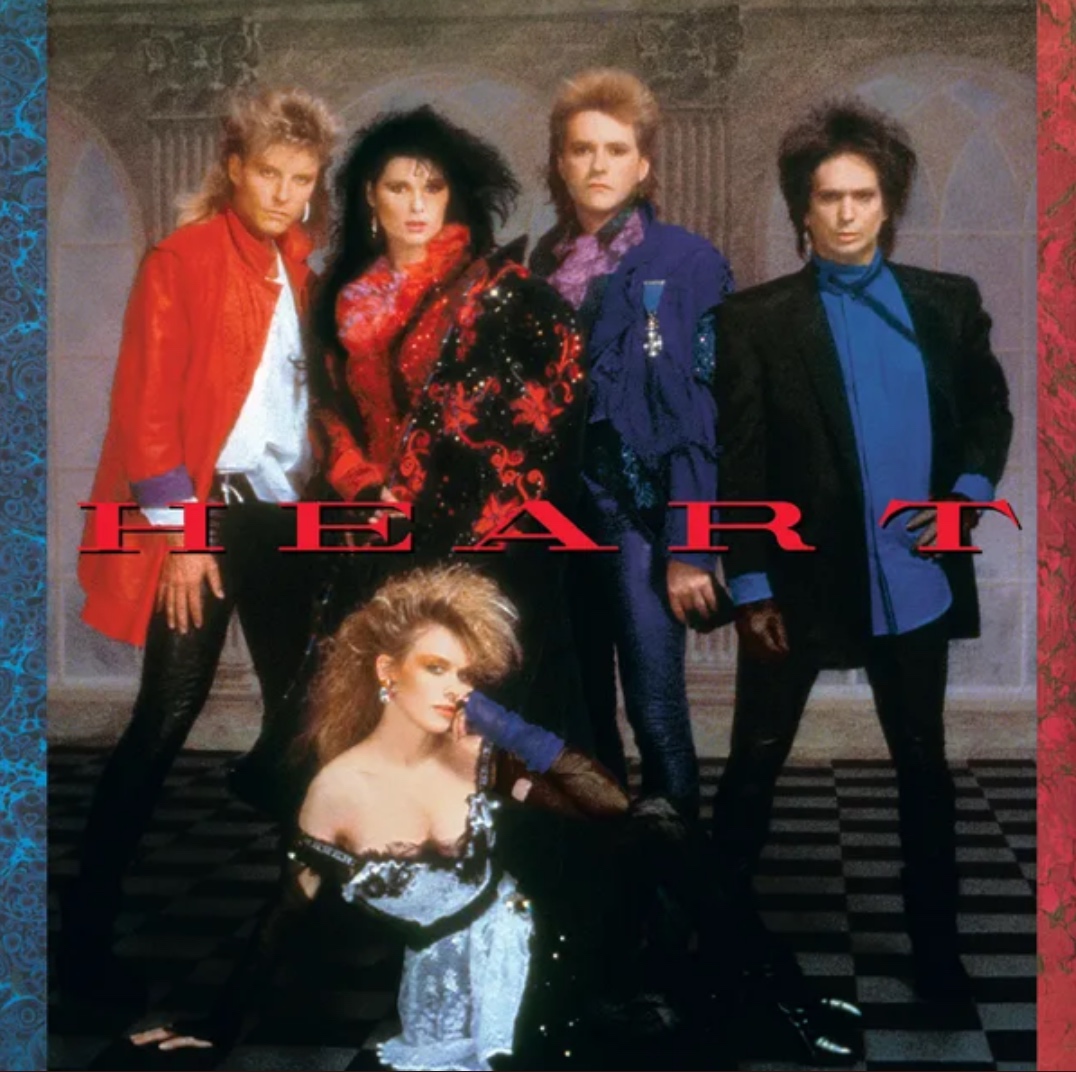
HEART - NEVER


Released: August 29, 1985

Charted:  US: #4   UK: #8 


Heart's song "Never," released in 1985 as the second single from their self-titled album, became a major hit, reaching number four on the Billboard Hot 100 and marking the first time the band achieved back-to-back top-ten hits. Written by Holly Knight, Gene Bloch, and the pseudonymous "Connie" (representing Ann Wilson, Nancy Wilson, and Sue Ennis), the track also helped Heart’s album generate multiple top-ten singles. In 1988, "Never" was reissued in the UK as a double A-side with "These Dreams," following the success of Heart’s hit "Alone."


Heart's self-titled eighth studio album, released on June 21, 1985, marked a pivotal shift for the band as they embraced a more mainstream rock sound, which ultimately brought them their greatest commercial success. This was their first album with Capitol Records, and it became their only album to reach number one on the US Billboard 200. 


After Heart's 1983 album “Passionworks” fell short of commercial expectations, Epic Records dropped them. Heart then signed with Capitol Records, which implemented a new strategy: pairing the band with producer Ron Nevison and pushing them to record songs written by outside songwriters. This approach led to major success, with their self-titled 1985 album producing three Top 10 hits: "What About Love," "Never," and "These Dreams." According to Nevison, this shift was necessary to improve the songwriting quality, even though it bruised the Wilson sisters' egos as they weren’t the primary songwriters on these tracks. Capitol’s A&R executive Don Grierson played a key role in this transition, stipulating that Heart’s new direction involved both co-writing and adopting outside songs, which ultimately revived their career.


"Never" is an anthem of empowerment with an open-ended storyline but a memorable, powerful chorus. Co-writer Holly Knight described it as embodying her own resolve not to tolerate mistreatment, shaped by her challenging early experiences. 


The music video directed by Marty Callner, received significant airplay on MTV, which greatly boosted the song's success. Though Ann Wilson provided the lead vocals, the video prominently featured her sister Nancy, who was considered more visually marketable. This reflected a broader trend during this period, as the band experienced both heightened success and some creative frustration. Their label’s focus on image and outside songwriters meant Heart had less control over their music and visual presentation than they were accustomed to.


HEART - MAGIC MAN


Released: June 1975

Charts:  US: #9 


"Magic Man" is a song from the debut album “Dreamboat Annie”, written by Ann and Nancy Wilson. It tells the story of a young woman drawn to an older man, the "Magic Man," despite her mother's pleas for her to return home. The album version includes an extended instrumental section featuring a guitar solo and Minimoog synthesizer, while the single version trims this instrumental, reducing the song length from 5:28 to 3:29.


Ann Wilson shared that the song is based on her real-life relationship with Heart's original guitarist, Mike Fisher, who was also her boyfriend at the time. To avoid the Vietnam draft, Fisher relocated to Canada, and Ann followed him there. The song captures the intense, almost irrational passion she felt at the start of their relationship. Fisher later became Heart's manager and sound engineer after Ann's sister, Nancy, joined the band in 1974.


In their autobiography, Ann and Nancy Wilson recount how "Magic Man" gained radio traction through unconventional promotional tactics. According to Nancy, a radio publicist helped the song climb the charts by offering DJs incentives, such as drugs or access to prostitutes, in exchange for airplay. This aggressive promotional approach played a part in building the song’s early popularity.


Ann Wilson reflected on the meaning of "Magic Man” and how it feels to perform it now. She described it as a nostalgic look back on a formative, youthful love, noting that first love's intensity can feel like a "lifestyle." For her, the song embodies a "leaving home" theme, and she approaches it by channeling her 21-year-old self, stepping boldly into the world for the first time.


"Magic Man" was first released in the U.S. in the summer of 1976 after "Crazy on You" had introduced Heart’s music to American audiences. The song became their first top 10 hit in the U.S., reaching No. 9 on the Billboard Hot 100 in November 1976. Internationally, it was also successful, peaking at No. 7 in the Netherlands, No. 10 in Belgium, No. 6 in Australia, and No. 26 in New Zealand.


STEVE WINWOOD – WHILE YOU SEE A CHANCE


Estrena: 1 de febrer de 1981

Llistes: EUA: #7  Regne Unit: #45


“While You See a Chance” és el primer single del segon àlbum en solitari de Steve Winwood, “Arc of a Diver”, i també el seu primer gran èxit com a solista. Composta per Winwood en col·laboració amb el lletrista Will Jennings, la cançó es caracteritza per la seva introducció d'orgue interpretada pel mateix Winwood. Va tenir un gran èxit a Amèrica del Nord, arribant al número 7 als EUA i al número 3 al Canadà.


Amb un ritme mig i un so d'estil rock soulful, “While You See a Chance” atrapa l'oient amb una melodia enganxosa que el fa moure el peu al ritme. Tot i la seva alegre interpretació, amaga un significat més profund. La cançó tracta sobre la idea que el romanticisme pot fer la vida més interessant i plena, fins i tot si no s'hi està completament compromès, reflectint una actitud oportunista en la lletra.


La frase “While you see a chance, take it, to find romance” (Quan vegis l’oportunitat, aprofita-la, per trobar l’amor) sembla una frase típica de moltes cançons d'amor, però el joc de paraules amb “While you see a chance, fake it, to find romance” (Quan vegis l’oportunitat, fingeix-ho, per trobar l’amor) canvia el sentit, suggerint una visió on qualsevol amor és vàlid i portant l'expressió “fingeix-ho fins que funcioni” a un extrem.


Durant les sessions de gravació, Winwood va esborrar accidentalment la pista de bateria del tema. Després de mesos intentant replicar-la sense èxit, va optar per refer la cançó sense bateria. Will Jennings, el coautor, tenia una trajectòria excepcional com a compositor, amb cançons com “Street Life” (The Crusaders), “One Day I’ll Fly Away” (Randy Crawford), “Up Where We Belong” (Joe Cocker/Jennifer Warnes), “Tears in Heaven” (Eric Clapton), “Higher Love” (Winwood) i “My Heart Will Go On” (Celine Dion). Jennings va morir el 6 de setembre d’enguany després d’una llarga malaltia, als 80 anys.


Steve Winwood és una llegenda de la música britànica. Va ser un prodigi adolescent als anys 60, membre de tres grups importants: Spencer Davis Group (’64-’67), Traffic (’67-’74) i Blind Faith (1969). El seu primer àlbum en solitari es va publicar el 1977, però va ser durant els anys 80 quan va destacar amb àlbums com “Arc of a Diver” (1980), “Talking Back to the Night” (1982), “Back in the High Life” (1986) i “Roll With It” (1988), tots grans èxits. És membre del Saló de la Fama del Rock & Roll com a part de Traffic i guanyador de múltiples premis Grammy. Winwood ha publicat nou àlbums en solitari, l’últim dels quals, “Nine Lives”, el 2008. Encara fa gires i omple estadis, als seus 76 anys.


STEVE WINWOOD – WHILE YOU SEE A CHANCE


Released: February 1, 1981

Charts: US: #7  UK: #45 


 “While You See a Chance” is the first single from Steve Winwood's second solo album, “Arc of a Diver” and his first hit single as a solo act. It was written by Winwood in collaboration with lyricist Will Jennings, and features a distinctive organ intro by Winwood. It was a big success in North America, making #7 in the U.S. and #3 in Canada.


 “While You See a Chance” is a soulful, mid-tempo rock song, with a great hook, that gets in your head and has you unconsciously tapping your foot along with it. Its jaunty arrangement hides the deeper meaning of the song. The song revolves around the idea that romance makes life more interesting and fulfilling, even if you are not fully committed to it. It explains the opportunistic attitude of the lyrics. 


“While you see a chance, take it, to find romance” seems like normal words of love for many songs, but “While you see a chance, fake it, to find romance” is a different story, telling the listener that any love is good love, and taking the phrase “fake it ‘til you make it” to a new extreme.  


 During recording sessions for the song, Winwood accidentally deleted the drum pattern from the backing track. After months of trying to replicate it, Winwood gave up and reworked the song without drums. Will Jennings’ track record as a songwriter was second to none. Songs from his pen include “Street Life” (The Crusaders), “One Day I’ll Fly Away (Randy Crawford), “Up Where We Belong” (Joe Cocker/Jennifer Warnes), “Tears in Heaven” (Eric Clapton), “Higher Love” (Winwood) and “My Heart Will Go On” (Celine Dion). Jennings died on September 6th this year, after a long illness. He was 80.


Steve Winwood is a legend of the British music scene. He was a teenage prodigy in the 1960s as a member of three important acts, Spencer Davis Group (’64-’67), Traffic (’67-’74) and Blind Faith (1969). His self-titled debut album was released in 1977, but it was his 1980s output that made him a solo star, with the albums “Arc of a Diver” (1980), “Talking Back to the Night” (1982), “Back in the High Life” (1986) and “Roll With it” (1988) all major successes. He is a member of the Rock & Roll Hall Fame as a member of Traffic, and a multiple Grammy winner. Winwood has released nine solo albums to date, with his last album, “Nine Lives” released in 2008. He still tours and sells out stadium nowadays, aged 76.


HUMAN LEAGUE – TELL ME WHEN

Llançament: 26 de desembre de 1994  

Llistes: Regne Unit: #6, EUA: #31  


"Tell Me When" és un single de Human League llançat el dia de Boxing Day de 1994 i que va entrar a les llistes al gener de 1995. Escrita per Philip Oakey i Paul Beckett, la cançó va ser el primer senzill del setè àlbum de la banda, “Octopus”. Produïda per Ian Stanley, antic teclista i compositor de Tears for Fears, la cançó va marcar el retorn de la banda al top 10 del Regne Unit per primera vegada des del 1986, assolint el sisè lloc, i va ajudar a que l'àlbum “Octopus” arribés al número 6 en la llista d'àlbums.


Originalment, la cançó havia estat escrita per a un projecte paral·lel entre Oakey i Beckett, anomenat “Fast Arithmetic”. Es va gravar en forma de demo el 1991, però mai es va completar. Finalment, va convertir-se en el primer senzill de Human League sota East West Records després de deixar Virgin Records el 1992. La cançó va ser un retorn a les llistes per a la banda, que molts donaven per desapareguda després del fracàs de l'àlbum “Romantic?” del 1990. Va esdevenir el seu èxit més gran des de "(Keep Feeling) Fascination", que va assolir el número 2 a les llistes del Regne Unit el 1983.


El tema explora les experiències de diferents persones amb l'anhel i les relacions. Parla de tres persones: Kelly, que ha buscat l’amor sense èxit durant anys; Billy, que va sentir-se confús amb l’amor de ben jove; i el mateix narrador, que vivia content amb la seva solitud, sense preocupar-se gaire pel tema. Això canvia quan una trobada inesperada porta el narrador a experimentar amor i anhel, passant de l’apatia a preguntar-se: "Digues-me quan podré tornar-te a veure".


Aquesta cançó va ser l’últim senzill de Human League en arribar al top 10, fins a la data d’avui.


HUMAN LEAGUE – TELL ME WHEN


Released: December 26, 1994

Charts: UK: #6  US: #31


 “Tell Me When” is a 1994 single by The Human League, released on Boxing Day of 1994, charting in January of 1995. The song was written by Philip Oakey and Paul Beckett, and was the first song released from the band's seventh album, “Octopus”. The song was produced by former Tears for Fears keyboardist and songwriter Ian Stanley and returned the band to the UK top ten for the first time since 1986, making number six in the UK and helping “Octopus” to #6 in the album chart.


The song was originally written for an aborted side project between writers Phil Oakey and Paul Beckett called “Fast Arithmetic”. It was recorded by the duo in 1991, but never got further than demo form. It ended up as Human League's first single under East West Records, following their departure from Virgin Records in 1992. The song proved both a return to form and a return to the charts for the band, who many assumed had split up after the failure of 1990’s “Romantic?” It became the band’s biggest hit since 1983’s “(Keep Feeling) Fascination” made #2 in the UK charts.


The song’s theme explores different people’s experiences with longing and relationships. It concerns three people, “Kelly”, “Billy” and the unnamed singer. Kelly had searched fruitlessly for love for years, Billy seemed confused by love early on in his life, and Oakey's own singer was happy in his solitude, unbothered with all the fuss. That changes when a random encounter leads the singer to love and longing, going from apathy to asking “Tell me when I can see you again”.


The song proved to be Human League's final top ten hit to date.