Total de visualitzacions de pàgina:

12.11.24


BRUCE SPRINGSTEEN - BORN IN THE U.S.A.


Llançada: 14 d’octubre de 1984  

Llistes: EUA: #9, Regne Unit: #5  


“Born in the U.S.A.” és el tercer single extret de l'àlbum del mateix nom. Amb un ritme enèrgic, va aconseguir entrar al top 10 de les llistes de tot el món, convertint-se en el tercer senzill de l'àlbum que va assolir aquest èxit als EUA. L'àlbum va produir set singles consecutius dins del top ten, igualant el rècord d’un sol àlbum establert per “Thriller” de Michael Jackson.


Aquesta és una de les cançons més representatives de Springsteen, sovint utilitzada com a himne patriòtic per persones que desconeixen o ignoren el seu veritable significat. En la seva gravació, el Boss va estar acompanyat pels membres clàssics de l’E-Street Band: “Little” Steven Van Zandt (guitarra), Roy Bittan (teclats), Danny Federici (piano/glockenspiel), Garry Tallent (baix), Max Weinberg (bateria) i Clarence Clemons (saxofon/percussió).


Tot i el seu ús habitual com a celebració enèrgica de tot allò americà, la cançó tracta una història tràgica sobre com els veterans de Vietnam van ser marginats i abandonats en tornar a casa. El protagonista, nascut en la pobresa, explica com lluitava per sobreviure des del naixement “The first kick I took was when I hit the ground” (La primera bufetada que vaig rebre va ser quan vaig tocar el terra) i com va ser enrolat a l'exèrcit després de tenir problemes al seu poble:


 “Got in a little hometown jam  

So, they put a rifle in my hands.  

Sent me off to a foreign land  

To go and kill the yellow man”.


La resta de la cançó parla del seu retorn de la guerra. Incapaç de trobar feina, visita el representant de Veterans, qui li diu que així és la vida ara. La tercera estrofa parla d'un "germà" (no queda clar si de sang o d'armes) que va morir en combat, i com ell encara porta una foto del seu germà amb la seva promesa.


La cançó acaba amb el veterà, deu anys després, encara perseguit pel seu passat i sense futur:


 “I’m ten years burning down the road  

Nowhere to run, ain’t got nowhere to go”.


“Born in the U.S.A.” s'allunya molt del crit nacionalista que sovint se li atribueix, tant que és un autèntic error que alguns polítics la facin servir amb aquest sentit. El mateix Springsteen ha criticat aquells que utilitzen la cançó com un himne patriòtic.


Bruce Springsteen és una llegenda, un dels compositors nord-americans més destacats. El Boss ha llançat un total de 21 àlbums, des de “Greetings from Asbury Park, NJ” de 1972 fins a “Only the Strong Survive” de 2022. És un pioner del Heartland Rock, un estil que parla de la vida quotidiana de les classes treballadores. Bruce Springsteen és membre del Rock & Roll Hall of Fame i ha rebut vint premis Grammy i un Oscar per la cançó “Streets of Philadelphia,” de la pel·lícula “Philadelphia” amb Tom Hanks.


BRUCE SPRINGSTEEN - BORN IN THE U.S.A.


Released: October 14, 1984

Charts: US: #9  UK: #5 


 “Born in the U.S.A.” is a song by Bruce Springsteen, the third single lifted from the album of the same name. An up-tempo rocker, the song made the top 10 of charts worldwide, becoming the third single from “Born in the U.S.A.” to make the US top ten. The album went on to produce seven top ten singles in a row, tying the record from a single album set by Michael Jackson's “Thriller”.


The song is one of Springsteen's signature songs, and is often used as a patriotic anthem by individuals either unaware or unconcerned by it’s true meaning. On the recording of the song, the Boss was backed by the classic line-up of his E-Street Band: “Little” Steven Van Zandt (guitar), Roy Bittan (keyboards), Danny Federici (piano/glockenspiel), Garry Tallent (bass), Max Weinberg (drums) and the big man, Clarence Clemonds (Saxophone/percussion).


Despite its constant use as a bombastic celebration of all things American, the song is a rather tragic story of how Vietnam veterans were vilified and abandoned after their return from service. The protagonist of the song cuts a tragic figure. Born into poverty, he states how he was fighting to survive since birth (“The first kick I took was when I hit the ground”), and was subscripted into the army after getting into trouble in his home town:


 “Got in a little hometown jam

So, they put a rifle in my hands.

Sent me off to a foreign land

To go and kill the yellow man”.


The rest of the song deals with his return from the war. Unable to get a job, he goes to his Veteran's Association representative who tells him that’s just how it now is. The third verse tells of a “brother” (whether a blood brother or a brother in arms, it isn’t said) who fell in battle, and how he still carries a photo of his brother with his fiancé.


The song ends with the veteran, ten years later on, still haunted by his past and with no future to look forward to:


 “I’m ten years burning down the road

Nowhere to run, ain’t got nowhere to go”.


The song is so far away from the raucous call-to-arms that it’s so often used as, that it’s truly an embarrassment to any politician using it as a backdrop. Springsteen himself has been known to criticise those using the song as a nationalistic anthem.


Bruce Springsteen is a legend, and one of America's finest all-time songwriters. The Boss has released a total of 21 albums in his lifetime, from 1972’s “Greetings from Asbury Park, NJ”, through to 2022’s “Only the Strong Survive”. He is a pioneer of Heartland Rock, which talks of everyday life of the working classes. Bruce Springsteen is a member of the Rock & Roll Hall of Fame, the recipient of twenty Grammy Awards and an Oscar for the song “The Streets of Philadelphia”, from the Tom Hanks film, “Philadelphia”.


CREEDENCE CLEARWATER REVIVAL - FORTUNATE SON


Llançament: octubre de 1969  

Llistes: EUA: #3   Regne Unit: #31  


"Fortunate Son" és una cançó de Creedence Clearwater Revival, llançada en el seu àlbum “Willy and the Poor Boys” l'octubre de 1969, i com a single al costat de “Down on the Corner” el setembre de 1969. Ràpidament es va convertir en un himne del moviment contra la guerra del Vietnam, simbolitzant l'oposició a la implicació militar dels Estats Units en el conflicte. La cançó ha estat àmpliament utilitzada en la cultura popular, especialment en representacions de la guerra del Vietnam. Similar a “Born in the U.S.A.” de Bruce Springsteen, “Fortunate Son” és sovint malinterpretada com un himne patriòtic, tot i que en realitat és una crítica del privilegi i la desigualtat en el context de la guerra.


“Fortunate Son” critica la guerra del Vietnam mentre expressa suport als soldats que hi lluiten, especialment aquells de la classe treballadora. Molts dels seguidors de Creedence Clearwater Revival, com els soldats, eren homes corrents sense els diners o les connexions necessàries per evitar ser cridats a files. La cançó parla des de la perspectiva d’un d’aquests homes, contrastant la seva situació amb la dels pocs privilegiats, com els fills dels senadors, que podien escapar de la guerra. Així, posa de manifest la disparitat entre aquells que havien de servir i aquells que podien optar per no fer-ho, convertint-se en una poderosa protesta contra la desigualtat social i política durant la guerra.


El 16 de novembre de 1969, Creedence Clearwater Revival va interpretar “Fortunate Son” al programa The Ed Sullivan Show, probablement perquè els productors no es van adonar que era una cançó de protesta. El programa, que solia evitar la controvèrsia, generalment feia que els grups interpretessin cançons menys controvertides o ajustessin les lletres per a l'audiència, però “Fortunate Son” hi va passar. Abans d’aquesta actuació, John Fogerty havia enregistrat múltiples preses vocals per a “Down on the Corner”, deixant la seva veu fatigada, cosa que ell mateix va remarcar que es notava en l’actuació.


L'any 2000, Wrangler va utilitzar la cançó en els seus anuncis, només amb les frases inicials d’aspecte patriòtic: "Some folks are born, made to wave the flag, ooh, that red, white and blue" (Algunes persones neixen, fetes per onejar la bandera, oh, aquella vermella, blanca i blava), mentre ometien les frases més crítiques que seguien. Això va portar a una malinterpretació generalitzada del missatge de la cançó, fent que s’alineés amb sentiments patriòtics en lloc del seu missatge anti-establishment i antibel·licista. John Fogerty es va indignar per l’ús de la seva cançó per vendre texans, però no ho podia impedir, ja que no posseïa els drets de la cançó. El director de publicitat de Wrangler va afirmar que la marca s’adreçava a "l'home corrent", que creien reflectit en la lletra. Els anuncis es van emetre fins a 2002, quan Fogerty va expressar la seva frustració en una entrevista amb Los Angeles Times, cosa que va portar la companyia a retirar els anuncis.


La ira de Fogerty provenia de la distorsió del significat original de la cançó, ja que “Fortunate Son” és una crítica del privilegi de classe i de les injustícies de la guerra del Vietnam, més que no pas un simple himne de rock. Aquesta experiència va ser especialment dolorosa per a Fogerty perquè havia perdut els drets de totes les cançons que va escriure per a CCR, incloent-hi “Fortunate Son”, a causa d’un contracte amb Fantasy Records, on Saul Zaentz controlava els drets. Zaentz podia llicenciar les cançons per a ús comercial sempre que no fossin interpretades per membres de CCR, deixant Fogerty sense poder per aturar aquests abusos de la seva música.


“Fortunate Son” va arribar al número 14 de les llistes als Estats Units el 22 de novembre de 1969, just abans que Billboard canviés la manera de classificar els senzills de doble cara. La cançó, aparellada amb “Down on the Corner”, va pujar després fins al número 9 la setmana següent. Ambdues cançons van arribar al número 3 el 20 de desembre de 1969.


CREEDENCE CLEARWATER REVIVAL - FORTUNATE SON


Released: October 1969

Charts: US: #3    UK: #31 


"Fortunate Son" is a song by Creedence Clearwater Revival, released on their “Willy and the Poor Boys” album in October 1969, and as a single alongside "Down on the Corner" in September 1969. It quickly became an anthem for the Vietnam anti-war movement, symbolizing opposition to US military involvement in the conflict. The song has been widely featured in pop culture, particularly in depictions of the Vietnam War. Similar to Bruce Springsteen's "Born in the U.S.A.," "Fortunate Son" is often misunderstood as a patriotic anthem, though it is actually a critique of privilege and inequality in the context of war.


"Fortunate Son" critiques the Vietnam War while expressing support for the soldiers fighting it, particularly those from the working class. Many of Creedence Clearwater Revival's fans, like the soldiers, were ordinary men without the wealth or connections to avoid the draft. The song is voiced from the perspective of one of these men, contrasting their plight with the privileged few, like "senator's sons," who could escape the war. It highlights the disparity between those who had to serve and those who could opt out, making it a powerful protest against social and political inequality during the war.


On November 16, 1969, Creedence Clearwater Revival performed "Fortunate Son" on The Ed Sullivan Show, likely because the producers did not realize it was a protest song. The show, which aimed to avoid controversy, typically had bands perform less contentious songs or adjust lyrics for the audience, but "Fortunate Son" slipped through. Before this performance, John Fogerty had recorded multiple vocal takes for "Down On The Corner," leaving his voice strained, which Fogerty later remarked was noticeable in the performance.


In 2000, Wrangler used it in their commercials, only featuring the patriotic-sounding opening lines: "Some folks are born, made to wave the flag, Ooh, that red, white and blue," while omitting the more critical lines that follow. This led to a widespread misinterpretation of the song's message, aligning it with patriotic sentiments rather than its anti-establishment, anti-war stance. John Fogerty was outraged by the use of his song to sell jeans, but he couldn't prevent it, as he didn't own the rights to the song. Wrangler's advertising director claimed the brand was targeting the "common man," which they saw reflected in the lyrics. The ads ran until 2002 when Fogerty expressed his frustration in a Los Angeles Times interview, leading the company to pull the ads.


Fogerty's anger stemmed from the distortion of the song's original meaning, as "Fortunate Son" is a critique of class privilege and the injustices of the Vietnam War, rather than a simple rock anthem. This experience was especially painful for Fogerty because he had lost the rights to all the songs he wrote for CCR, including "Fortunate Son," due to a contract with Fantasy Records, where Saul Zaentz controlled the rights. Zaentz could license the songs for commercial use as long as they weren’t performed by CCR members, leaving Fogerty powerless to stop such misuses of his music.


"Fortunate Son" reached number 14 on the US charts on November 22, 1969, just before Billboard changed how it ranked double-sided hits. The song, paired with "Down on the Corner," then climbed to number 9 the following week. Both tracks eventually peaked at number 3 on December 20, 1969.


11.11.24


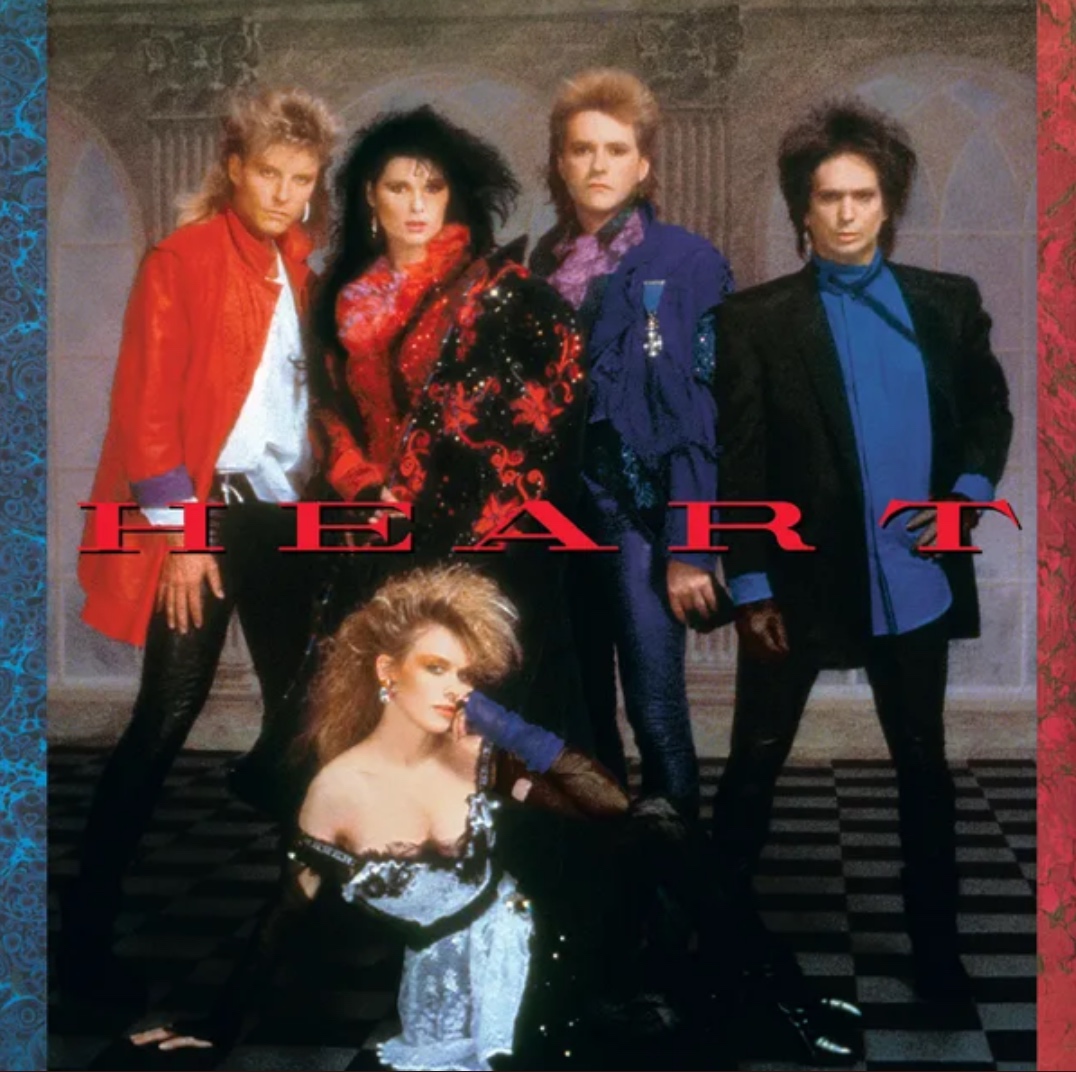
HEART - NEVER


Released: August 29, 1985

Charted:  US: #4   UK: #8 


Heart's song "Never," released in 1985 as the second single from their self-titled album, became a major hit, reaching number four on the Billboard Hot 100 and marking the first time the band achieved back-to-back top-ten hits. Written by Holly Knight, Gene Bloch, and the pseudonymous "Connie" (representing Ann Wilson, Nancy Wilson, and Sue Ennis), the track also helped Heart’s album generate multiple top-ten singles. In 1988, "Never" was reissued in the UK as a double A-side with "These Dreams," following the success of Heart’s hit "Alone."


Heart's self-titled eighth studio album, released on June 21, 1985, marked a pivotal shift for the band as they embraced a more mainstream rock sound, which ultimately brought them their greatest commercial success. This was their first album with Capitol Records, and it became their only album to reach number one on the US Billboard 200. 


After Heart's 1983 album “Passionworks” fell short of commercial expectations, Epic Records dropped them. Heart then signed with Capitol Records, which implemented a new strategy: pairing the band with producer Ron Nevison and pushing them to record songs written by outside songwriters. This approach led to major success, with their self-titled 1985 album producing three Top 10 hits: "What About Love," "Never," and "These Dreams." According to Nevison, this shift was necessary to improve the songwriting quality, even though it bruised the Wilson sisters' egos as they weren’t the primary songwriters on these tracks. Capitol’s A&R executive Don Grierson played a key role in this transition, stipulating that Heart’s new direction involved both co-writing and adopting outside songs, which ultimately revived their career.


"Never" is an anthem of empowerment with an open-ended storyline but a memorable, powerful chorus. Co-writer Holly Knight described it as embodying her own resolve not to tolerate mistreatment, shaped by her challenging early experiences. 


The music video directed by Marty Callner, received significant airplay on MTV, which greatly boosted the song's success. Though Ann Wilson provided the lead vocals, the video prominently featured her sister Nancy, who was considered more visually marketable. This reflected a broader trend during this period, as the band experienced both heightened success and some creative frustration. Their label’s focus on image and outside songwriters meant Heart had less control over their music and visual presentation than they were accustomed to.


HEART - MAGIC MAN


Released: June 1975

Charts:  US: #9 


"Magic Man" is a song from the debut album “Dreamboat Annie”, written by Ann and Nancy Wilson. It tells the story of a young woman drawn to an older man, the "Magic Man," despite her mother's pleas for her to return home. The album version includes an extended instrumental section featuring a guitar solo and Minimoog synthesizer, while the single version trims this instrumental, reducing the song length from 5:28 to 3:29.


Ann Wilson shared that the song is based on her real-life relationship with Heart's original guitarist, Mike Fisher, who was also her boyfriend at the time. To avoid the Vietnam draft, Fisher relocated to Canada, and Ann followed him there. The song captures the intense, almost irrational passion she felt at the start of their relationship. Fisher later became Heart's manager and sound engineer after Ann's sister, Nancy, joined the band in 1974.


In their autobiography, Ann and Nancy Wilson recount how "Magic Man" gained radio traction through unconventional promotional tactics. According to Nancy, a radio publicist helped the song climb the charts by offering DJs incentives, such as drugs or access to prostitutes, in exchange for airplay. This aggressive promotional approach played a part in building the song’s early popularity.


Ann Wilson reflected on the meaning of "Magic Man” and how it feels to perform it now. She described it as a nostalgic look back on a formative, youthful love, noting that first love's intensity can feel like a "lifestyle." For her, the song embodies a "leaving home" theme, and she approaches it by channeling her 21-year-old self, stepping boldly into the world for the first time.


"Magic Man" was first released in the U.S. in the summer of 1976 after "Crazy on You" had introduced Heart’s music to American audiences. The song became their first top 10 hit in the U.S., reaching No. 9 on the Billboard Hot 100 in November 1976. Internationally, it was also successful, peaking at No. 7 in the Netherlands, No. 10 in Belgium, No. 6 in Australia, and No. 26 in New Zealand.