Total de visualitzacions de pàgina:

3.12.24


RICKIE LEE JONES - CHUCK E.’S IN LOVE


Llançament: 28 d’abril de 1979

Llistes: Regne Unit: #18; Estats Units: #4


“Chuck E.’s in Love” va ser el senzill debut de Rickie Lee Jones, publicat el 1979 al seu àlbum homònim. Triada pel cap d’A&R de Warner Bros., Lenny Waronker, la cançó es va convertir en el major èxit de Jones, arribant al número 4 del Billboard Hot 100 dels Estats Units i establint-la com una nova estrella. L’èxit de la cançó li va valer el Grammy a la Millor Artista Novell.


“Chuck E.’s in Love” és una cançó lúdica sobre un home anomenat Chuck E., que experimenta una transformació notable, convertint-se en algú més segur i elegant, cosa que desconcerta els seus amics. Finalment, es revela que el canvi es deu al fet que s’ha enamorat de la narradora de la cançó. La lletra captura l’emoció i l’energia dels sentiments de Chuck E. i el seu desig d’impressionar. El cor repeteix amb alegria “Chuck E.’s in love,” destacant l’entusiasme del romanç, mentre que el pont insinua l’escepticisme i el desig de la cantant de tenir proves del seu afecte.


“Chuck E.’s in Love” es basa en Chuck E. Weiss, un amic de Jones i de la seva parella d’aleshores, Tom Waits. Weiss, que treballava com a rentaplats i era un habitual al club Troubadour de Los Angeles, va trucar una nit a Waits per anunciar que s’havia enamorat d’una dona a Denver. Quan Waits va explicar això a Jones, dient-li “Chuck E.’s in love,” ella es va inspirar en aquesta frase i va escriure la cançó al seu voltant. Tot i que el gir final suggereix que Chuck E. està enamorat de Jones, això és fictici; mai no van tenir una relació romàntica.


Rickie Lee Jones no va intentar replicar l’estil del seu èxit “Chuck E.’s in Love” al seu següent àlbum, “Pirates”, prioritzant la llibertat creativa per sobre de la pressió comercial. Tot i que va tenir menys vendes, “Pirates” va mantenir una recepció crítica positiva, consolidant la seva carrera. Jones va destacar que mantenir-se fidel a la seva visió artística era essencial per a la seva trajectòria.


Chuck E. Weiss, la inspiració per a l’èxit de Jones, també va aparèixer a la cançó “Jitterbug Boy” de Tom Waits i va publicar àlbums en solitari, incloent-hi “The Other Side of Town” i “Extremely Cool”.


RICKIE LEE JONES - CHUCK E.’S IN LOVE


Released: April 28, 1979

Charts:  UK: #18  US: #4 


"Chuck E.'s in Love" was the debut single by Rickie Lee Jones, released in 1979 on her self-titled album. Chosen by Warner Bros. A&R head Lenny Waronker, the song became Jones' biggest hit, reaching #4 on the U.S. Billboard Hot 100 and establishing her as a new talent. The track's success helped her win the Grammy for Best New Artist.


"Chuck E.'s In Love" is a playful song about a man named Chuck E. who undergoes a noticeable transformation, becoming more confident and stylish, which confuses his friends. Eventually, it’s revealed that his change is due to his newfound love for the song's narrator. The lyrics capture the excitement and energy of Chuck E.'s feelings and his desire to impress. The chorus joyfully repeats "Chuck E.'s in love," highlighting the excitement of the romance, while the bridge hints at the singer's skepticism and desire for proof of his affection.


"Chuck E.'s in Love" centers on Chuck E. Weiss, a friend of Jones and her then-boyfriend, Tom Waits. Weiss, a dishwasher and regular at Los Angeles' Troubadour club, called Waits one night to announce he'd fallen in love with a woman in Denver. When Waits relayed this to Jones, saying "Chuck E.'s in love," she was inspired by the phrase and crafted the song around it. Although the song’s twist ending suggests Chuck E. is in love with Jones, this is fictional; they were never romantically involved.


Rickie Lee Jones didn't try to replicate the style of her hit "Chuck E.'s in Love" for her next album, “Pirates”, prioritizing creative freedom over commercial pressure. Despite lower sales, “Pirates” maintained strong critical reception, supporting her long-term career. Jones noted that staying true to her artistic vision was essential to sustaining her career. 


Chuck E. Weiss, the inspiration for Jones' hit, was also featured in Tom Waits' song "Jitterbug Boy" and released solo albums, including “The Other Side of Town” and “Extremely Cool”.


2.12.24


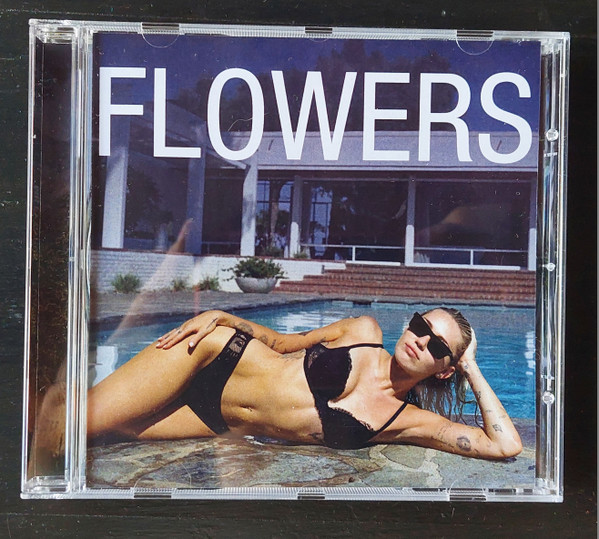
MILEY CYRUS - FLOWERS


Publicada: 12 de gener de 2023

Classificació als rànquings: EUA: #1 (8 setmanes), Regne Unit: #1 (10 setmanes)


“Flowers” és una cançó de Miley Cyrus, llançada com a single principal del seu vuitè àlbum, “Endless Summer Vacation”. Va debutar el 12 de gener de 2023 en algunes regions i globalment l’endemà, sota el segell Columbia Records. Escrita per Cyrus, Gregory Aldae Hein i Michael Pollack, la cançó va ser produïda per Kid Harpoon i Tyler Johnson.


El tema és una cançó pop amb elements de disco, rock i funk, on Miley Cyrus reflexiona sobre com superar una relació passada i acceptar la seva independència. La lletra transmet la seva acceptació de ser autosuficient i de no necessitar una exparella per sentir-se plena.


Cyrus i l’actor australià Liam Hemsworth es van conèixer durant el rodatge de “The Last Song”, iniciant una relació turbulenta que va incloure dos compromisos i un matrimoni al desembre de 2018. El matrimoni va acabar després de només vuit mesos, i el divorci es va finalitzar al gener de 2020. A la cançó, Miley reflexiona sobre l’alegria que inicialment definia la seva relació amb Hemsworth, assenyalant com va passar de ser ideal a estar trencada, simbolitzada per la pèrdua de la seva casa a Califòrnia durant l’incendi Woolsey de 2018. La frase, “We were good, we were gold… Built a home and watched it burn” (Érem bons, érem daurats... Hem construït una casa i hem vist com cremava), captura aquesta transformació. L’incendi, que va devastar la seva casa, serveix com a metàfora de com el seu matrimoni es va “consumir”, reflectint la ruptura de la seva unió.


La tornada subratlla l’autoestima i l’empoderament, amb Cyrus declarant la seva capacitat de satisfer les seves pròpies necessitats en lloc de dependre d’una parella que podria haver descuidat la relació. Frases com “I can buy myself flowers” i “I can love me better than you can” (Puc comprar-me flors" i "Puc estimar-me millor que tu) reflecteixen l’afirmació de Cyrus sobre el seu propi valor i la determinació de prioritzar l’autocura. Les flors serveixen com a símbol de l’amor i l’atenció que ha après a oferir-se a si mateixa, subratllant el missatge d’independència i respecte propi de la cantant.


El concepte de la cançó va sorgir de la paraula “flowers”, a partir de la qual van fluir la resta de frases de manera natural. Miley Cyrus, juntament amb els coautors Pollack i Aldae, només van tenir dificultats amb la frase: “I didn’t wanna leave you, I didn’t wanna lie” (No et volia deixar, no volia mentir). Finalment van crear la frase  “Started to cry but then remembered I” (Vaig començar a plorar però després em vaig recordar) que Pollack va descriure com essencial per equilibrar l’empoderament amb un toc de tristesa i vulnerabilitat. Pollack va assenyalar que deixar la frase incompleta crea una subtil intriga que atrau els oients cap a la potent tornada.


Miley Cyrus va llançar el videoclip el 12 de gener de 2023 al seu canal Vevo. Dirigit per Jacob Bixenman i filmat per Marcell Rév, el vídeo comença amb vistes panoràmiques de Los Angeles i mostra Cyrus caminant amb confiança per un pont a Elysian Park. A casa seva, es despulla quedant-se en roba interior, neda, fa exercici, es dutxa i balla, acabant al terrat on balla mentre un helicòpter passa per sobre.


MILEY CYRUS - FLOWERS


Released: January 12, 2023

Charts:  US: #1 (8 weeks)   UK: #1 (10 weeks)


“Flowers” is a song by Miley Cyrus, released as the lead single from her eighth album, “Endless Summer Vacation”. It debuted on January 12, 2023, in some regions and globally the next day, under Columbia Records. Co-written by Cyrus, Gregory Aldae Hein, and Michael Pollack, the track was produced by Kid Harpoon and Tyler Johnson.


The song is a pop track with disco, rock, and funk elements, where Miley Cyrus reflects on moving on from a past relationship and embracing her independence. The lyrics convey her acceptance of being self-reliant and not needing an ex-partner to feel fulfilled.


Cyrus and Australian actor Liam Hemsworth met on the set of The Last Song, starting a turbulent relationship that included two engagements and a marriage in December 2018. The marriage ended after just eight months, with their divorce finalized in January 2020. In the song, Miley Cyrus reflects on the joy that once defined her relationship with Liam Hemsworth, noting how it turned from ideal to broken, symbolized by losing their California home in the 2018 Woolsey Fire. The lyrics, “We were good, we were gold… Built a home and watched it burn,” capture this transformation. The fire, which devastated their home, serves as a metaphor for how their marriage ultimately “burned out,” mirroring the collapse of their union.


The chorus emphasizes self-love and empowerment, with Cyrus declaring her ability to fulfill her own needs rather than depending on a partner who may have neglected the relationship. Lyrics like “I can buy myself flowers” and “I can love me better than you can” reflect Cyrus’s affirmation of her own worth and determination to prioritize self-care. Flowers serve as a symbol of the love and attention she has learned to provide herself, underscoring the pop star’s message of independence and self-respect.


The concept for the song originated with the word “flowers,” from which the rest of the lyrics flowed naturally. Miley Cyrus, along with co-writers Pollack and Aldae, struggled only with the line at the end of the pre-chorus: “I didn’t wanna leave you, I didn’t wanna lie.” They eventually crafted the line, “Started to cry but then remembered I,” which Pollack described as essential for balancing the song’s empowerment with a touch of sadness and vulnerability. Pollack noted that leaving the sentence incomplete creates a subtle cliffhanger that draws listeners into the powerful chorus.


Miley Cyrus released the music video on January 12, 2023, on her Vevo channel. Directed by Jacob Bixenman and filmed by Marcell Rév, the video opens with sweeping views of Los Angeles and shows Cyrus confidently walking across a bridge in Elysian Park. At her house, she strips to her bra and underwear, swims, exercises, showers, and dances, eventually moving outdoors and dancing on her roof as a helicopter flies overhead.


1.12.24


 SHANIA TWAIN - THAT DON’T IMPRESS ME MUCH

Publicada: 7 de desembre de 1998

Llistes d’èxits: EUA: #7    Regne Unit: #3


La cançó de Shania Twain, “That Don’t Impress Me Much”, va ser coescrita amb Robert John “Mutt” Lange i llançada com a single el desembre de 1998 dins del seu tercer àlbum, “Come On Over”. Inicialment dirigida a emissores de ràdio country nord-americanes, va aconseguir una gran popularitat, que la va portar a editar-se internacionalment. Es va convertir en un gran èxit al Billboard Hot 100, sent el tercer major èxit de Twain en aquesta llista i una de les seves cançons més conegudes a escala global.


Tot i que Shania Twain ja era una estrella de la música country amb set èxits que havien arribat al número 1 en el gènere, va aconseguir un gran èxit fora del món country amb aquesta cançó, que va guanyar més popularitat entre el públic pop. Malgrat que es va quedar al número 8 de la llista Country, va arribar al número 7 al Billboard Hot 100 gràcies en part a la producció orientada al pop de Mutt Lange, que reduïa l’estil country en favor d’una tornada enganxosa. La lletra, que aborda les peculiaritats dels homes, també va contribuir a la seva àmplia acceptació.


En aquesta cançó, Twain canta sobre homes que poden ser talentosos o atractius però que no aconsegueixen impressionar-la, ja que ella busca algú que li pugui oferir una connexió real i confort, especialment algú que la mantingui “warm in the middle of the night” (càlida al mig de la nit”. Menciona icones com Elvis i Brad Pitt, que s’han mantingut com a símbols culturals amb el pas del temps.


La referència a Brad Pitt es va inspirar en l’enrenou mediàtic per unes fotografies de l’actor nu publicades a la revista Playgirl. Twain recorda que, mentre feia galetes amb una amiga, va escoltar com parlaven de les fotografies i va pensar que l’enrenou era exagerat, fet que va donar lloc a la frase, “OK, so you’re Brad Pitt? That don’t impress me much” (“OK, ets Brad Pitt? Això no m’impressiona gaire”). Twain va aclarir que la menció a Pitt no era una crítica cap a ell, sinó que simplement representava la fascinació de la societat per l’aspecte de les celebritats. Twain també ha canviat la frase segons el públic; per exemple, va substituir “Brad Pitt” per “Ryan Reynolds” durant la seva actuació als People’s Choice Awards del 2022, en honor a Reynolds, que estava present.


El vídeo musical es va filmar al desert de Mojave a El Mirage Dry Lake i Barstow, Califòrnia, i va ser dirigit per Paul Boyd. Publicat el desembre de 1998, mostra Twain fent autoestop amb un conjunt de pell de lleopard, cridant l’atenció de diversos homes que li ofereixen transport en vehicles diversos, com un Chevy Bel Air del 1957 i una motocicleta. El vídeo, que inclou un cameo del model John Devoe, va guanyar diversos premis, incloent-hi el de Vídeo de l’Any als Canadian Country Music Awards. Es van crear dues versions del vídeo: una per a canals country amb la versió original de l’àlbum i una altra per a canals pop amb una edició amb ritme de ball.


SHANIA TWAIN - THAT DON’T IMPRESS ME MUCH


Released: December 7, 1998

Charts:  US: #7    UK: #3 


Shania Twain's song "That Don't Impress Me Much" was co-written with Robert John "Mutt" Lange and released as a single in December 1998 from her third album, “Come On Over”. Initially sent to North American country radio, it soon expanded internationally due to its popularity. The song achieved major success on the Billboard Hot 100, becoming Twain's third biggest hit on the chart and one of her most well-known tracks globally.


Shania Twain, already a country star with seven #1 country hits, achieved crossover success with this song, which became more popular with pop audiences. Although it stalled at #8 on the Country chart, it reached #7 on the Billboard Hot 100, thanks in part to producer Mutt Lange’s pop-oriented production that downplayed the country twang in favor of catchy background vocals. The song's relatable lyrics, addressing men’s quirks, also contributed to its wide appeal.


In this song, Shania Twain sings about men who may be talented and attractive but fail to impress her, as she’s searching for someone who can offer real connection and comfort, specifically someone who will keep her "warm in the middle of the night." She mentions icons Elvis and Brad Pitt, both of whom have maintained their status as cultural symbols over time.


Shania Twain’s reference to Brad Pitt was inspired by the media frenzy over nude photos of Pitt published in Playgirl magazine. Twain recalled that while baking cookies with a friend, she heard about the photos and thought the hype was overblown, leading to the line, "OK, so you're Brad Pitt? That don’t impress me much." She clarified that the mention of Pitt wasn’t meant as a dig at him specifically; he simply represented the idea of society’s fascination with celebrity appearances. Twain has also been known to change the line to suit her audience, such as playfully substituting "Ryan Reynolds" during her 2022 People's Choice Awards performance in honor of Reynolds, who was present at the event.


The music video was filmed in the Mojave Desert at El Mirage Dry Lake and Barstow, California, directed by Paul Boyd. Released in December 1998, it features Twain hitchhiking in a hooded leopard-skin outfit, attracting the attention of several men offering rides in various vehicles, including a 1957 Chevy Bel Air and a motorcycle. The video, which includes a cameo by male model John Devoe, won multiple awards, including Video of the Year at the Canadian Country Music Awards. Two versions of the video were created: one for country channels with the original album version and another for pop stations with a dance mix edit.