Total de visualitzacions de pàgina:

3.12.24


GRACE JONES - SLAVE TO THE RHYTHM


Publicada: Octubre de 1985

Llistes d’èxits: Regne Unit: #12


“Slave to the Rhythm” es va publicar com el single principal de l’àlbum homònim de Grace Jones, cantant, model i actriu jamaicana, el 1985. L’àlbum incloïa vuit variacions de la mateixa cançó. Escrita per Bruce Woolley, Simon Darlow, Stephen Lipson i el productor Trevor Horn, va marcar el retorn de Jones després de tres anys sense publicar cap àlbum. Originalment, la peça estava destinada a ser un senzill per a Frankie Goes to Hollywood com a continuació del seu èxit “Relax”. Es va enregistrar una maqueta amb la banda, però finalment Horn va decidir donar el projecte a Grace Jones, dedicant-hi molt temps i esforços per perfeccionar-la amb l’esperança que es convertís en una de les seves produccions més exitoses.


“Slave to the Rhythm” es va convertir en un dels senzills més populars de Grace Jones, arribant al número 12 a les llistes del Regne Unit, igual que el seu altre èxit “Pull Up to the Bumper”. La cançó va entrar al top 10 a Bèlgica, Nova Zelanda, Itàlia i països de parla alemanya, i va assolir el primer lloc a la llista de música dance dels Estats Units a principis de 1986, tot i que no va aparèixer a la Billboard Hot 100. La revista The Face la va considerar el millor single de 1985. El 2012, Jones la va interpretar mentre feia hula-hoop durant tota la peça al concert del Jubileu de Diamant de la Reina Elisabet II.


El videoclip presenta la versió del senzill de l’àlbum, titulada “Ladies and Gentlemen: Miss Grace Jones”. Dirigit per Jean-Paul Goude, aleshores parella de Jones, el vídeo combina material d’arxiu dels seus vídeos anteriors, com “My Jamaican Guy” i “Living My Life”, amb clips del seu concert en directe A One Man Show. També s’hi inclouen imatges icòniques de Jones i fragments del seu anunci per al Citroën CX.


El vídeo s’obre amb una narració de l’actor Ian McShane, extreta de les pistes “Jones the Rhythm” i “Operattack”, i mostra el procés de creació de la portada de l’àlbum. El vídeo acaba amb una escena dramàtica editada de “Living My Life”. Va ser molt ben rebut i va ser nominat al premi al millor videoclip femení als MTV Video Music Awards de 1986, tot i que va perdre davant “How Will I Know” de Whitney Houston. Posteriorment, el vídeo es va incloure com a contingut extra en la reedició de “A One Man Show”.


GRACE JONES - SLAVE TO THE RHYTHM


Released: October 1985

Charts:  UK: #12 


"Slave to the Rhythm" was released as the lead single from Jamaican singer, model, and actress Grace Jones' 1985 album of the same name, which featured eight variations of the song. Written by Bruce Woolley, Simon Darlow, Stephen Lipson, and producer Trevor Horn, it marked Jones' first album in three years. Initially, the track was intended as a follow-up single for Frankie Goes to Hollywood after their hit "Relax," with a demo recorded by the band, but Horn ultimately gave the project to Jones, dedicating extensive time and effort to perfecting the song, hoping it would be one of his most successful productions.


"Slave to the Rhythm" became one of Grace Jones' most successful singles, reaching number 12 in the UK charts, alongside her other hit "Pull Up to the Bumper." The song achieved top 10 status in Belgium, New Zealand, Italy, and German-speaking countries, and it topped the U.S. dance chart in early 1986, although it did not chart on the Billboard Hot 100. The Face magazine named it the best single of 1985. In 2012, Jones famously performed the song while hula-hooping for its entire duration at Queen Elizabeth II’s Diamond Jubilee Concert.


The music video features the album's hit single version, billed as "Ladies and Gentlemen: Miss Grace Jones." Directed by Jean-Paul Goude, Jones' then-boyfriend, the video combines archival footage from Jones' previous videos—such as "My Jamaican Guy" and "Living My Life"—along with clips from her live concert video, “A One Man Show”. The video also includes iconic stills of Jones and segments from her Citroën CX TV advertisement. 


Actor Ian McShane's voice-over, taken from tracks "Jones the Rhythm" and "Operattack," opens the video, which provides a glimpse into the creation of the album's cover art and ends with a dramatic scene edited from "Living My Life." The video was well-received and was nominated for Best Female Video at the 1986 MTV Video Music Awards but lost to Whitney Houston’s "How Will I Know." It was later included as a bonus feature on the re-release of “A One Man Show.


RICKIE LEE JONES - CHUCK E.’S IN LOVE


Llançament: 28 d’abril de 1979

Llistes: Regne Unit: #18; Estats Units: #4


“Chuck E.’s in Love” va ser el senzill debut de Rickie Lee Jones, publicat el 1979 al seu àlbum homònim. Triada pel cap d’A&R de Warner Bros., Lenny Waronker, la cançó es va convertir en el major èxit de Jones, arribant al número 4 del Billboard Hot 100 dels Estats Units i establint-la com una nova estrella. L’èxit de la cançó li va valer el Grammy a la Millor Artista Novell.


“Chuck E.’s in Love” és una cançó lúdica sobre un home anomenat Chuck E., que experimenta una transformació notable, convertint-se en algú més segur i elegant, cosa que desconcerta els seus amics. Finalment, es revela que el canvi es deu al fet que s’ha enamorat de la narradora de la cançó. La lletra captura l’emoció i l’energia dels sentiments de Chuck E. i el seu desig d’impressionar. El cor repeteix amb alegria “Chuck E.’s in love,” destacant l’entusiasme del romanç, mentre que el pont insinua l’escepticisme i el desig de la cantant de tenir proves del seu afecte.


“Chuck E.’s in Love” es basa en Chuck E. Weiss, un amic de Jones i de la seva parella d’aleshores, Tom Waits. Weiss, que treballava com a rentaplats i era un habitual al club Troubadour de Los Angeles, va trucar una nit a Waits per anunciar que s’havia enamorat d’una dona a Denver. Quan Waits va explicar això a Jones, dient-li “Chuck E.’s in love,” ella es va inspirar en aquesta frase i va escriure la cançó al seu voltant. Tot i que el gir final suggereix que Chuck E. està enamorat de Jones, això és fictici; mai no van tenir una relació romàntica.


Rickie Lee Jones no va intentar replicar l’estil del seu èxit “Chuck E.’s in Love” al seu següent àlbum, “Pirates”, prioritzant la llibertat creativa per sobre de la pressió comercial. Tot i que va tenir menys vendes, “Pirates” va mantenir una recepció crítica positiva, consolidant la seva carrera. Jones va destacar que mantenir-se fidel a la seva visió artística era essencial per a la seva trajectòria.


Chuck E. Weiss, la inspiració per a l’èxit de Jones, també va aparèixer a la cançó “Jitterbug Boy” de Tom Waits i va publicar àlbums en solitari, incloent-hi “The Other Side of Town” i “Extremely Cool”.


RICKIE LEE JONES - CHUCK E.’S IN LOVE


Released: April 28, 1979

Charts:  UK: #18  US: #4 


"Chuck E.'s in Love" was the debut single by Rickie Lee Jones, released in 1979 on her self-titled album. Chosen by Warner Bros. A&R head Lenny Waronker, the song became Jones' biggest hit, reaching #4 on the U.S. Billboard Hot 100 and establishing her as a new talent. The track's success helped her win the Grammy for Best New Artist.


"Chuck E.'s In Love" is a playful song about a man named Chuck E. who undergoes a noticeable transformation, becoming more confident and stylish, which confuses his friends. Eventually, it’s revealed that his change is due to his newfound love for the song's narrator. The lyrics capture the excitement and energy of Chuck E.'s feelings and his desire to impress. The chorus joyfully repeats "Chuck E.'s in love," highlighting the excitement of the romance, while the bridge hints at the singer's skepticism and desire for proof of his affection.


"Chuck E.'s in Love" centers on Chuck E. Weiss, a friend of Jones and her then-boyfriend, Tom Waits. Weiss, a dishwasher and regular at Los Angeles' Troubadour club, called Waits one night to announce he'd fallen in love with a woman in Denver. When Waits relayed this to Jones, saying "Chuck E.'s in love," she was inspired by the phrase and crafted the song around it. Although the song’s twist ending suggests Chuck E. is in love with Jones, this is fictional; they were never romantically involved.


Rickie Lee Jones didn't try to replicate the style of her hit "Chuck E.'s in Love" for her next album, “Pirates”, prioritizing creative freedom over commercial pressure. Despite lower sales, “Pirates” maintained strong critical reception, supporting her long-term career. Jones noted that staying true to her artistic vision was essential to sustaining her career. 


Chuck E. Weiss, the inspiration for Jones' hit, was also featured in Tom Waits' song "Jitterbug Boy" and released solo albums, including “The Other Side of Town” and “Extremely Cool”.


2.12.24


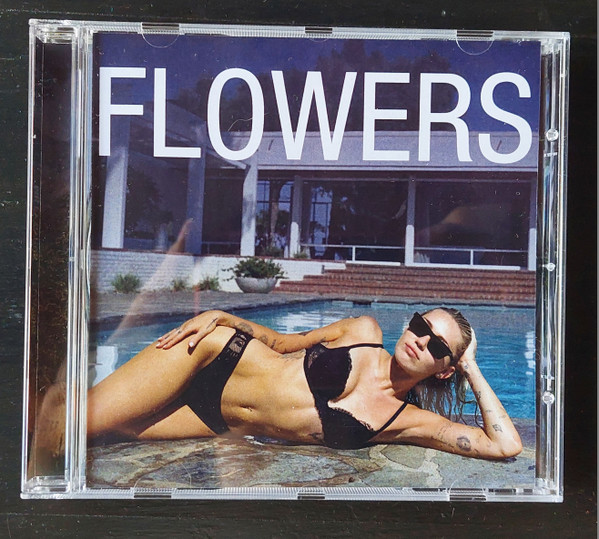
MILEY CYRUS - FLOWERS


Publicada: 12 de gener de 2023

Classificació als rànquings: EUA: #1 (8 setmanes), Regne Unit: #1 (10 setmanes)


“Flowers” és una cançó de Miley Cyrus, llançada com a single principal del seu vuitè àlbum, “Endless Summer Vacation”. Va debutar el 12 de gener de 2023 en algunes regions i globalment l’endemà, sota el segell Columbia Records. Escrita per Cyrus, Gregory Aldae Hein i Michael Pollack, la cançó va ser produïda per Kid Harpoon i Tyler Johnson.


El tema és una cançó pop amb elements de disco, rock i funk, on Miley Cyrus reflexiona sobre com superar una relació passada i acceptar la seva independència. La lletra transmet la seva acceptació de ser autosuficient i de no necessitar una exparella per sentir-se plena.


Cyrus i l’actor australià Liam Hemsworth es van conèixer durant el rodatge de “The Last Song”, iniciant una relació turbulenta que va incloure dos compromisos i un matrimoni al desembre de 2018. El matrimoni va acabar després de només vuit mesos, i el divorci es va finalitzar al gener de 2020. A la cançó, Miley reflexiona sobre l’alegria que inicialment definia la seva relació amb Hemsworth, assenyalant com va passar de ser ideal a estar trencada, simbolitzada per la pèrdua de la seva casa a Califòrnia durant l’incendi Woolsey de 2018. La frase, “We were good, we were gold… Built a home and watched it burn” (Érem bons, érem daurats... Hem construït una casa i hem vist com cremava), captura aquesta transformació. L’incendi, que va devastar la seva casa, serveix com a metàfora de com el seu matrimoni es va “consumir”, reflectint la ruptura de la seva unió.


La tornada subratlla l’autoestima i l’empoderament, amb Cyrus declarant la seva capacitat de satisfer les seves pròpies necessitats en lloc de dependre d’una parella que podria haver descuidat la relació. Frases com “I can buy myself flowers” i “I can love me better than you can” (Puc comprar-me flors" i "Puc estimar-me millor que tu) reflecteixen l’afirmació de Cyrus sobre el seu propi valor i la determinació de prioritzar l’autocura. Les flors serveixen com a símbol de l’amor i l’atenció que ha après a oferir-se a si mateixa, subratllant el missatge d’independència i respecte propi de la cantant.


El concepte de la cançó va sorgir de la paraula “flowers”, a partir de la qual van fluir la resta de frases de manera natural. Miley Cyrus, juntament amb els coautors Pollack i Aldae, només van tenir dificultats amb la frase: “I didn’t wanna leave you, I didn’t wanna lie” (No et volia deixar, no volia mentir). Finalment van crear la frase  “Started to cry but then remembered I” (Vaig començar a plorar però després em vaig recordar) que Pollack va descriure com essencial per equilibrar l’empoderament amb un toc de tristesa i vulnerabilitat. Pollack va assenyalar que deixar la frase incompleta crea una subtil intriga que atrau els oients cap a la potent tornada.


Miley Cyrus va llançar el videoclip el 12 de gener de 2023 al seu canal Vevo. Dirigit per Jacob Bixenman i filmat per Marcell Rév, el vídeo comença amb vistes panoràmiques de Los Angeles i mostra Cyrus caminant amb confiança per un pont a Elysian Park. A casa seva, es despulla quedant-se en roba interior, neda, fa exercici, es dutxa i balla, acabant al terrat on balla mentre un helicòpter passa per sobre.


MILEY CYRUS - FLOWERS


Released: January 12, 2023

Charts:  US: #1 (8 weeks)   UK: #1 (10 weeks)


“Flowers” is a song by Miley Cyrus, released as the lead single from her eighth album, “Endless Summer Vacation”. It debuted on January 12, 2023, in some regions and globally the next day, under Columbia Records. Co-written by Cyrus, Gregory Aldae Hein, and Michael Pollack, the track was produced by Kid Harpoon and Tyler Johnson.


The song is a pop track with disco, rock, and funk elements, where Miley Cyrus reflects on moving on from a past relationship and embracing her independence. The lyrics convey her acceptance of being self-reliant and not needing an ex-partner to feel fulfilled.


Cyrus and Australian actor Liam Hemsworth met on the set of The Last Song, starting a turbulent relationship that included two engagements and a marriage in December 2018. The marriage ended after just eight months, with their divorce finalized in January 2020. In the song, Miley Cyrus reflects on the joy that once defined her relationship with Liam Hemsworth, noting how it turned from ideal to broken, symbolized by losing their California home in the 2018 Woolsey Fire. The lyrics, “We were good, we were gold… Built a home and watched it burn,” capture this transformation. The fire, which devastated their home, serves as a metaphor for how their marriage ultimately “burned out,” mirroring the collapse of their union.


The chorus emphasizes self-love and empowerment, with Cyrus declaring her ability to fulfill her own needs rather than depending on a partner who may have neglected the relationship. Lyrics like “I can buy myself flowers” and “I can love me better than you can” reflect Cyrus’s affirmation of her own worth and determination to prioritize self-care. Flowers serve as a symbol of the love and attention she has learned to provide herself, underscoring the pop star’s message of independence and self-respect.


The concept for the song originated with the word “flowers,” from which the rest of the lyrics flowed naturally. Miley Cyrus, along with co-writers Pollack and Aldae, struggled only with the line at the end of the pre-chorus: “I didn’t wanna leave you, I didn’t wanna lie.” They eventually crafted the line, “Started to cry but then remembered I,” which Pollack described as essential for balancing the song’s empowerment with a touch of sadness and vulnerability. Pollack noted that leaving the sentence incomplete creates a subtle cliffhanger that draws listeners into the powerful chorus.


Miley Cyrus released the music video on January 12, 2023, on her Vevo channel. Directed by Jacob Bixenman and filmed by Marcell Rév, the video opens with sweeping views of Los Angeles and shows Cyrus confidently walking across a bridge in Elysian Park. At her house, she strips to her bra and underwear, swims, exercises, showers, and dances, eventually moving outdoors and dancing on her roof as a helicopter flies overhead.