“Birds of a Feather” de Billie Eilish, el segon senzill del seu tercer àlbum “Hit Me Hard and Soft”, és una cançó sobre l’amor profund i inseparable. Llançada a les emissores de ràdio de grans èxits dels EUA el 2 de juliol de 2024, reinterpreta la frase clàssica “birds of a feather flock together” com un vincle romàntic poderós. Eilish canta amb vulnerabilitat sobre el desig de quedar-se per sempre amb la seva parella, expressant una connexió tan intensa que li fa saltar les llàgrimes. El tema es descriu com una “peca lleugera de neo-new-wave,” que barreja la profunditat emocional característica d’Eilish amb un so fresc i animat.
“Birds of a Feather” explora els temes de la lleialtat i l’amor durador en les relacions, centrant-se en el profund vincle entre dues persones que es mantenen unides malgrat les dificultats. La lletra reflecteix un compromís de romandre junts en moments bons i dolents, amb el refrany “Birds of a feather, we should stick together” (Ocells del mateix plomatge, hem de mantenir-nos junts) que subratlla les experiències compartides i la comprensió mútua. L’imaginari “a la tomba o al taüt junts” simbolitza una connexió irrompible que transcendeix qualsevol separació. La cançó també reconeix la complexitat de l’amor, equilibrant una profunda afectuositat amb moments de frustració.
El videoclip, dirigit per Aidan Zamiri, es va estrenar el 27 de setembre de 2024. Mostra Billie Eilish cantant en un edifici d’oficines abandonat mentre és arrossegada per una força invisible. Aquesta imatge ha estat interpretada per Sarah Kearns, de Hypebeast, com una representació del sentiment de ser estirada en direccions conflictives per una influència absent. El videoclip es va avançar un dia abans del seu llançament.
BILLIE EILISH - BIRDS OF A FEATHER
Released: July 2, 2024
Charts: US: #2 UK: #2
"Birds of a Feather" by Billie Eilish, the second single from her third album “Hit Me Hard and Soft”, is a song about deep, inseparable love. Released to US contemporary hit radio on July 2, 2024, it reinterprets the classic phrase "birds of a feather flock together" as a powerful romantic bond. Eilish sings with vulnerability about wanting to stay with her significant other forever, expressing a connection so intense that it brings her to tears. The track is described as a "breezy neo-new-wave jam," blending her signature emotional depth with a fresh, upbeat sound.
"Birds of a Feather" explores themes of loyalty and enduring love in relationships, focusing on the deep bond between two individuals who remain together despite challenges. The lyrics reflect a commitment to sticking together through thick and thin, with the refrain "Birds of a feather, we should stick together" emphasizing shared experiences and mutual understanding. Imagery of being "in the grave or casket together" symbolizes an unbreakable connection that transcends separation. The song also acknowledges the complexity of love, balancing deep affection with moments of frustration.
The music video for directed by Aidan Zamiri, was released on September 27, 2024. The video features Billie Eilish singing in an abandoned office building while being dragged by an invisible force. This imagery was interpreted by Sarah Kearns of Hypebeast as representing the feeling of being pulled in conflicting directions by an absent influence. The video was teased one day prior to its release.
5.12.24
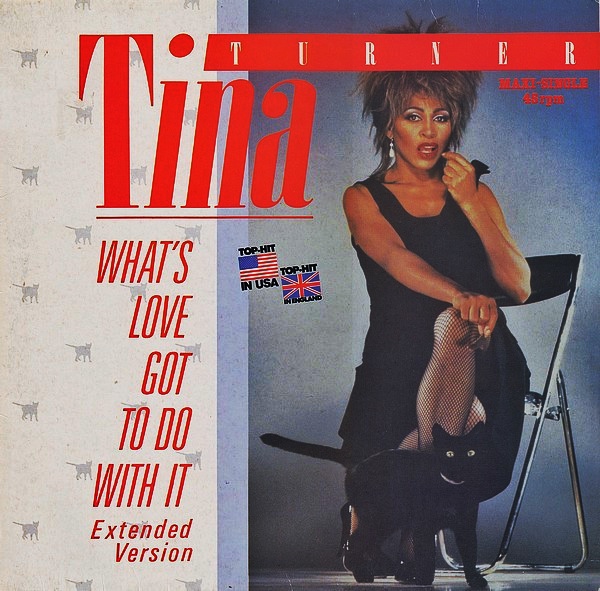
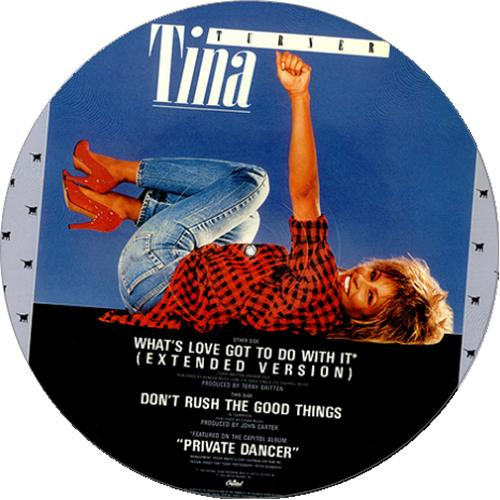
TINA TURNER - WHAT’S LOVE GOT TO DO WITH IT
Llançament: maig de 1984
Llistes: EUA: #1 (3 setmanes) | Regne Unit: #3
La cançó de Tina Turner “What’s Love Got to Do with It” va ser escrita per Graham Lyle i Terry Britten i llançada com a senzill del seu àlbum “Private Dancer” de 1984. Aquest tema es va convertir en el seu major èxit, guanyant-li tres premis Grammy el 1985: Cançó de l’Any, Enregistrament de l’Any i Millor Interpretació Vocal Femenina. Tina va atribuir el renaixement de la seva carrera al seu mànager australià Roger Davies, qui la va conèixer el 1979 després d’una sèrie d’àlbums solistes sense èxit. El títol de la cançó també es va utilitzar per a una pel·lícula biogràfica del 1993 sobre la vida de Turner, protagonitzada per Angela Bassett, que feia playback amb les cançons de Tina.
En aquesta cançó, Tina Turner interpreta una dona que prefereix una relació purament física sense lligams emocionals, rebutjant l’amor com “una dolça noció antiquada.” La cançó ofereix una visió directa sobre gaudir de trobades casuals sense romanticisme, convertint-se gairebé en una anti-cançó d’amor. Tot i que inicialment Tina era reticent a gravar-la, el seu mànager Roger Davies va insistir, convençut del seu potencial per convertir-se en un èxit.
“What’s Love Got to Do with It” va ser un gran retorn de Tina Turner el 1984, revitalitzant la seva carrera després d’anys de dificultats posteriors a la seva separació d’Ike Turner. Tina havia guanyat fama inicialment als anys 60 amb Ike, amb qui va tenir èxits icònics com la seva versió de “Proud Mary” de 1971. Després de patir anys d’abusos, Tina va deixar Ike el 1976 i va viure un període professional complicat fins que aquesta cançó la va catapultar novament a l’èxit, 13 anys després del seu últim gran triomf.
Quan aquesta cançó va arribar al número 1 del Billboard Hot 100 l’1 de setembre de 1984, Tina va aconseguir dos rècords. Amb 44 anys, es va convertir en la dona solista de més edat a encapçalar la llista, desafiant una indústria centrada en la joventut, especialment per a les dones. A més, va establir el rècord de l’interval més llarg entre la seva primera cançó a les llistes (“A Fool in Love” amb Ike Turner el 1960) i el seu primer número 1, un període de 24 anys. Ambdós rècords van ser superats més tard per Cher, que va arribar al número 1 amb “Believe” als 52 anys i va tenir el seu primer èxit a les llistes amb “I Got You Babe” el 1965.
El videoclip mostra Tina Turner caminant pels carrers de Nova York amb una minifaldilla de cuir, interactuant amb persones del carrer i cantant a càmera. Filmat la primavera de 1984, inclou aparicions de Pamela Springsteen, germana de Bruce Springsteen, com a ballarina de carrer, i de Vanessa Bell Calloway, qui més tard interpretaria l’amiga de Turner, Jackie, al film biogràfic de 1993. Dirigit per John Mark Robinson, també existeix una versió alternativa en blanc i negre dirigida per Bud Schaetzle, que mostra Turner cantant en un bar mentre parelles discuteixen al fons.
“Private Dancer”, el cinquè àlbum d’estudi en solitari de Tina Turner, es va llançar el 29 de maig de 1984 sota el segell Capitol Records. Aquest àlbum va significar el seu retorn després d’anys de lluita després de la seva separació d’Ike Turner. Capitol va assumir un risc al signar-la, que es va demostrar un èxit quan l’àlbum es va convertir en un fenomen global, establint Tina com una gran artista en solitari. El procés de gravació va comptar amb diversos productors i músics, incloent-hi Rupert Hine, que va elogiar la dedicació i el talent de Tina. L’àlbum, amb èxits com “Better Be Good to Me” i “I Might Have Been Queen”, va obtenir certificacions multiplatí i continua sent el seu àlbum més venut a Amèrica del Nord. El 2020, va ser reconegut pel Library of Congress com a culturalment i històricament significatiu, entrant al Registre Nacional d’Enregistraments.
TINA TURNER - WHAT’S LOVE GOT TO DO WITH IT
Released: May 1984
Charts: US: #1 (3 weeks) UK: #3
Tina Turner's song "What's Love Got to Do with It" was written by Graham Lyle and Terry Britten and released as a single from her 1984 album “Private Dancer”. This track became Turner’s biggest hit, earning her three Grammy Awards in 1985 for Song of the Year, Record of the Year, and Best Female Vocal Performance. She credited Australian manager Roger Davies, who met her in 1979 after a series of unsuccessful solo albums, with helping to relaunch her career. The song's title was later used for a 1993 biographical film about Turner’s life, starring Angela Bassett, who lip-synched Turner’s songs.
In this song, Tina Turner portrays a woman who values a purely physical relationship without emotional ties, dismissing love as “a sweet, old-fashioned notion.” The song is a frank take on enjoying casual encounters without romance, making it almost an anti-love song. Despite her initial reluctance, Turner recorded it at the insistence of her manager, Roger Davies, who saw its hit potential.
“What's Love Got to Do With It” marked Tina’s powerful comeback in 1984, revitalizing her career after a long period of struggle following her split from Ike Turner. Tina originally rose to fame in the early 1960s with Ike, and their most iconic hit was their 1971 cover of "Proud Mary." After years of abuse, Tina left Ike in 1976, facing a challenging time professionally until this song brought her back into the limelight, 13 years after her last major success.
When this song hit #1 on the Billboard Hot 100 on September 1, 1984, she set two records. At 44, she became the oldest female solo artist to top the chart, challenging an industry focused on youth, especially for female artists. Additionally, she achieved the longest gap between her first charting song ("A Fool In Love" with Ike Turner in 1960) and her first #1 hit, a span of 24 years. Both records were eventually surpassed by Cher, who reached #1 at 52 with "Believe" and had her first chart hit with "I Got You Babe" in 1965.
The music video shows Tina Turner walking through New York City in a leather miniskirt, engaging with people on the street and singing to the camera. Filmed in spring 1984, it features appearances by Pamela Springsteen, Bruce Springsteen's sister, as a street dancer, and Vanessa Bell Calloway, who would later portray Turner's friend Jackie in the 1993 biographical film of the same name. Directed by John Mark Robinson, the video also has an alternate black-and-white version directed by Bud Schaetzle, featuring Turner singing in a bar setting while couples argue in the background.
“Private Dancer”, Tina Turner's fifth solo studio album, was released on May 29, 1984, by Capitol Records. It marked her comeback after years of struggle following her split from Ike Turner. Capitol took a risk signing her, which proved successful as the album became a global hit and reestablished Turner as a major solo artist. The recording process involved several producers and musicians, including Rupert Hine, who praised Turner's dedication and skill. The album, featuring hits like "Better Be Good To Me" and "I Might Have Been Queen," achieved multi-platinum status and remains her best-selling album in North America. In 2020, it was recognized by the Library of Congress as culturally and historically significant, securing its place in the National Recording Registry.
KATE BUSH - BABOOSHKA
Publicació: 27 de juny de 1980
Llistes: Regne Unit: #5
Kate Bush va publicar “Babooshka” el juny de 1980 com a part del seu àlbum “Never for Ever”. La cançó va assolir un gran èxit, arribant al número 5 a les llistes del Regne Unit i al número 2 a Austràlia i França. Amb una línia distintiva de baix sense trasts interpretada per John Giblin, “Babooshka” es va gravar a principis de 1980 i es va convertir en una de les seves peces més icòniques.
La lletra explica la història d’una esposa que, moguda per la inseguretat i la paranoia, prova la lleialtat del seu marit fent-se passar per una dona misteriosa i més jove anomenada “Babooshka.” Enviant-li cartes perfumades, aconsegueix captivar-lo i evoca en ell la imatge de la seva esposa quan era jove. Tot i això, el pla de l’esposa surt malament, ja que arrisca la relació en intentar posar a prova el seu amor. Bush es va inspirar en la cançó popular anglesa “Sovay”, que també tracta d’una dona que es disfressa per provar la devoció del seu amant. Curiosament, més tard va descobrir que “babushka” significa “àvia” en rus, un contrast irònic amb l’intent de l’esposa de recuperar la seva joventut.
El títol de la cançó va sorgir d’una sèrie de coincidències: Bush va escoltar la paraula diverses vegades en poc temps, ja fos en una cançó a la televisió, en el títol d’una òpera en una revista o com el nom del gat d’una amiga. Fascinada per aquestes connexions, un tema que també explora a la seva cançó “Strange Phenomena”, va decidir utilitzar el nom Babooshka per al títol.
La peça incorpora un efecte de vidres trencant-se, creat amb el sintetitzador digital Fairlight CMI, un dels primers samplers digitals disponibles. Peter Gabriel, amic de Bush i el primer propietari d’un Fairlight al Regne Unit, li va presentar aquesta innovadora tecnologia mentre ella col·laborava en les seves cançons “No Self Control” i “Games Without Frontiers.” Inspirada pel seu ús del sampler, Bush va incorporar aquest so als seus projectes musicals i, posteriorment, el Fairlight es va convertir en una eina central en la seva creativitat, especialment als àlbums “The Dreaming” i “Hounds of Love”.
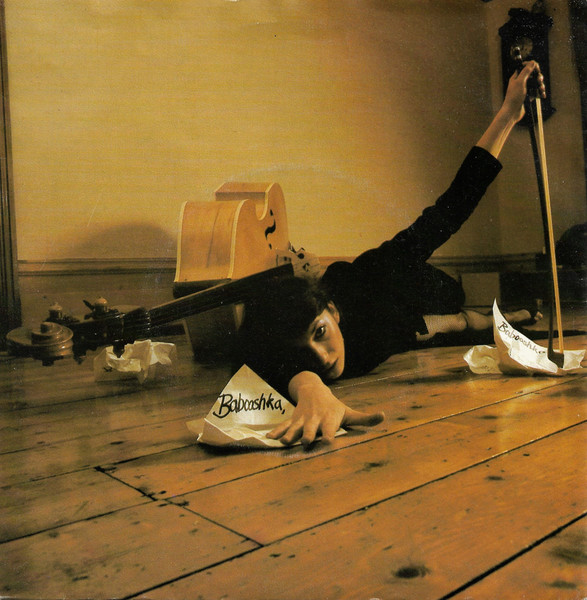
El vídeo musical complementa perfectament el tema de la cançó, amb Bush representant el paper de l’esposa i del seu alter ego, Babooshka. En ell, apareix inicialment vestida amb un body negre i un vel, símbol de l’amargura de l’esposa, al costat d’un contrabaix que representa el seu marit. A mesura que el vídeo avança, es transforma en Babooshka, amb un extravagant vestit inspirat en una il·lustració de Chris Achilleos per al llibre de 1978 Raven – Swordsmistress of Chaos. Aquesta vestimenta afegeix un element de fantasia i poder al personatge, emfatitzant la misteriosa dualitat que defineix la història.
KATE BUSH - BABOOSHKA
Released: June 27, 1980
Charts: UK: #5
Kate Bush’s song "Babooshka," from her 1980 album “Never for Ever”, became a major hit, reaching number five in the UK and number two in Australia and France. Released as a single in June 1980, and recorded early that year, "Babooshka" features a distinctive fretless bass line played by John Giblin.
"Babooshka" tells the story of a wife testing her husband's loyalty by pretending to be a mysterious younger woman named "Babooshka." Driven by insecurity and paranoia, she begins sending him scented letters and eventually arranges a meeting in disguise. Unaware it’s his wife, he’s reminded of how she was in her youth, which reignites his attraction but ultimately backfires, as her scheme risks damaging the relationship. Bush drew inspiration from the English folk song "Sovay," where a woman similarly disguises herself to test her lover's devotion. She also later learned that "babushka" means "grandmother" in Russian, an ironic twist given the wife's attempt to recapture her youthful allure.
The word "Babooshka" became the title of Kate Bush's song through a series of coincidences. Bush encountered the term repeatedly—in a song on TV, in an opera title in a magazine, and as the name of a friend's cat. Intrigued by this synchronicity, a theme she explored in her song "Strange Phenomena," she chose "Babooshka" for the title, reflecting her fascination with coincidental connections.
The song features a sample of glass breaking, created with the Fairlight CMI digital synthesizer, one of the first digital samplers available. Peter Gabriel, who was the first person in the UK to own the Fairlight, introduced it to Kate Bush while she was providing backing vocals on his songs "No Self Control" and "Games Without Frontiers." Inspired by Gabriel's use of the sampler, Bush incorporated the breaking glass sound into her own music. By the time she worked on her albums “The Dreaming” and “Hounds of Love”, the Fairlight CMI had become central to her creative process and songwriting.
In the music video the artist portrays an embittered wife who is symbolically represented beside a double bass (contrabass), which represents her husband. Dressed in a black bodysuit and veil, she initially embodies the role of the wife. As the video progresses, she transforms into her alter-ego, Babooshka, donning an extravagant and mythic "Russian" costume, inspired by an illustration by Chris Achilleos for the 1978 book “Raven – Swordsmistress of Chaos”. The costume is an element of fantasy and audacity, which embodies the character of Babooshka, who represents a powerful and mysterious woman.