Total de visualitzacions de pàgina:

13.12.24


BEYONCÉ - CRAZY IN LOVE


Llançament: 18 de maig de 2003

Llistes d’èxits: EUA: #1 (8 setmanes)  Regne Unit: #1 (3 setmanes)


“Crazy in Love” és una cançó coescrita i produïda per Rich Harrison i Eugene Record per a l’àlbum debut en solitari de Beyoncé, Dangerously in Love. Inclou Jay-Z en un vers de rap i improvisacions vocals. Combinant pop, hip hop, R&B, soul i funk dels anys 70, la cançó transmet la sensació d’una obsessió romàntica que porta la protagonista a actuar de manera fora del seu caràcter. Llançada com a senzill principal de l’àlbum el 18 de maig de 2003, va liderar les llistes tant als EUA com al Regne Unit, convertint-se en un èxit global i arribant al top 10 en molts altres països.


El productor guanyador d’un Grammy Rich Harrison va tocar tots els instruments, utilitzant des de seqüenciadors fins a congues i incorporant acuradament un sample de la cançó dels Chi-Lites “Are You My Woman (Tell Me So).” Harrison havia valorat aquest sample durant molt de temps i va esperar a utilitzar-lo amb l’artista adequada. Quan Beyoncé va escoltar el ritme, inicialment va dubtar, considerant els riffs de trompeta massa retro, però finalment va acceptar el concepte. Va desafiar Harrison a escriure la cançó en dues hores mentre ella feia una pausa, i en tornar, ell ja havia completat les estrofes i la tornada, deixant només el pont per a ella.


Beyoncé va explicar que va coescriure “Crazy in Love” amb Rich Harrison i, un cop acabada va convidar Jay-Z a col·laborar-hi. La cançó descriu els sentiments imprevisibles i intensos d’enamorar-se, que fan que la persona actuï sense preocupar-se del que pensin els altres. Beyoncé va dir que la inspiració va sorgir d’un moment a l’estudi quan es va sentir “boja,” i Harrison li va suggerir: “Aquesta és la cançó!”


El videoclip, llançat el maig de 2003 i dirigit per Jake Nava, es va filmar al centre de Los Angeles. Beyoncé el va descriure com una celebració de l’evolució d’una dona enamorada, mostrant una noia que, en adonar-se dels seus sentiments, comença a fer coses fora de la seva manera de fer sense importar-li perquè està “boja d’amor.”


El vídeo s’obre amb Jay-Z conduint per Mission Road a Los Angeles, on es troba amb Beyoncé al mig de la carretera al pont del carrer Fourth. Beyoncé interpreta diverses seqüències de ball, començant amb una samarreta blanca, uns pantalons curts texans i unes sabates de taló vermelles. Més tard balla sobre una plataforma i participa en una sessió de fotos. El vídeo canvia a una escena on ballarins actuen davant d’una paret. Jay-Z encén una línia de gasolina que condueix a un cotxe sota el pont, que explota en flames. Ell rapeja davant del cotxe en flames mentre Beyoncé, vestida amb un disseny de seda exòtic i un abric de pell, balla al seu costat i activa una boca d’incendis. El vídeo acaba amb Beyoncé i els seus ballarins, incloent Carmit Bachar de The Pussycat Dolls, amb vestits vius de Versace davant d’un ventilador.


BEYONCÉ - CRAZY IN LOVE


Released: May 18, 2003

Charts:  US: #1 (8 weeks)  UK: #1 (3 weeks)


“Crazy in Love” is a song co-written and produced by Rich Harrison and Eugene Record for Beyoncé’s debut solo album “Dangerously in Love”, featuring Jay-Z in a rap verse and ad-libs. Blending pop, hip hop, R&B, soul, and 1970s-style funk, the song captures the feeling of romantic obsession that leads the protagonist to act out of character. Released on May 18, 2003, as the album’s lead single, it topped charts in both the US and UK, becoming a global hit and reaching the top ten in many other countries.


Grammy-winning producer Rich Harrison played all instruments, handling everything from sequencers to congas and carefully incorporating a sample from the Chi-Lites’ song “Are You My Woman (Tell Me So).” Harrison had long valued this sample and waited to use it with the right artist. When Beyoncé heard the beat, she was initially unsure, finding the horn riffs too retro, but she eventually embraced the concept. She challenged Harrison to write the song in two hours while she took a break, and by the time she returned, he had completed the verses and hook, leaving only the bridge for her.


Beyoncé explained that she co-wrote “Crazy in Love” with Rich Harrison, and after completing the song, she invited Jay-Z to feature on it. The song describes the wild, unpredictable feelings of falling in love and acting out of character without caring. Beyoncé shared that the inspiration came from a moment in the studio when she felt “crazy,” prompting Harrison to suggest, “That’s the song!”


The music video released in May 2003 and directed by Jake Nava, was filmed in downtown Los Angeles. Beyoncé described the video as celebrating the evolution of a woman in love, showcasing a girl who, realizing she’s in love, begins doing things out of character without caring because she’s “crazy in love.”


The video opens with Jay-Z driving along Mission Road in Los Angeles, where he encounters Beyoncé standing in the middle of the road at the Fourth Street bridge. Beyoncé performs a series of dance sequences, starting in a white tank top, denim shorts, and red high heels. She later dances on a riser and takes part in a mock photo shoot set. The video shifts to a scene where dancers perform against a wall. Jay-Z ignites a line of petrol leading to a car under the bridge, which explodes in flames. He raps in front of the burning car while Beyoncé, wearing an exotic silk print and fur coat, dances beside him and activates a fire hydrant. The video concludes with Beyoncé and her dancers, including Carmit Bachar of The Pussycat Dolls, wearing vibrant Versace dresses in front of a fan.



12.12.24


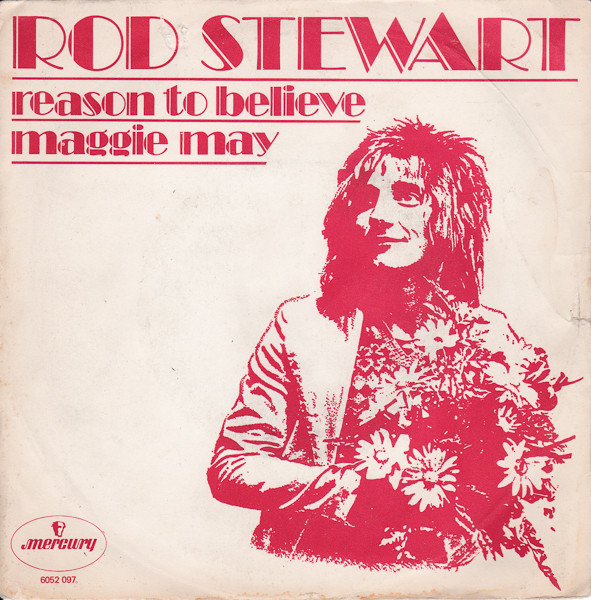
ROD STEWART - REASON TO BELIEVE


Llançament: Juliol de 1971

Llistes d’èxits: EUA: #62 | Regne Unit: #19


“Reason to Believe” va ser escrita i gravada originalment pel cantautor de folk Tim Hardin el 1965, qui també la va interpretar a Woodstock el 1969. Malgrat la influència de Hardin com a músic, la seva carrera va estar marcada per greus problemes amb les drogues, i va morir el 1980 als 39 anys. Rod Stewart va versionar la cançó el 1971, llançant-la com a senzill amb “Maggie May” a la cara B. Tanmateix, els DJs van preferir “Maggie May”, que es va convertir en un gran èxit, arribant al número 1 tant als EUA com al Regne Unit, mentre que “Reason to Believe” va assolir el lloc 62 als EUA i el 19 al Regne Unit.


La instrumentació de la versió de Rod Stewart és un dels seus elements més destacats, combinant piano, orgue Hammond B3, violí, baix acústic i guitarra acústica per crear un so ric i eteri. La peça comença amb una introducció lenta al piano, seguida de la veu de Stewart acompanyada per orgue, bateria i guitarra. Un solo de violí enriqueix el pont instrumental. La part final combina de manera elegant el piano i l’orgue, culminant amb una breu pausa abans que Stewart canti una frase a cappella per concloure amb un últim passatge instrumental.


A primera vista, “Reason to Believe” sembla una balada tendra, però transmet un missatge més profund i agredolç. La lletra explica la història d’un home traït per una dona que “mentia de cara mentre ell plorava.” Malgrat les seves accions, ell lluita per deixar-la anar, buscant desesperadament una raó per creure que ella no és la persona que el va ferir.


L’actuació unplugged de “Reason to Believe” de Rod al costat del guitarrista dels Rolling Stones i antic company de Faces, Ronnie Wood, va ser un moment significatiu, ja que va ser la primera vegada que tocaven junts la cançó en 22 anys.


ROD STEWART - REASON TO BELIEVE


Released: July 1971

Charts:  US: #62    UK: #19 


“Reason to Believe” was originally written and recorded by folk singer Tim Hardin in 1965, who also performed it at Woodstock in 1969. Despite Hardin’s influence as a musician, his career was marred by severe drug problems, and he passed away in 1980 at the age of 39. Rod Stewart covered the song in 1971, releasing it as a single with “Maggie May” on the B-side. However, DJs favored “Maggie May,” which became a massive hit, reaching #1 in both the US and UK, while “Reason to Believe” peaked at #62 in the US and #19 in the UK.


The instrumentation of Rod Stewart’s version is a standout feature, blending piano, Hammond B3 organ, violin, upright bass, and acoustic guitar to create a rich and ethereal sound. The piano opens the song with a slow introduction, transitioning into Stewart’s vocals accompanied by organ, drums, and guitar. A violin solo enhances the instrumental bridge, adding emotional depth. The outro features a layered combination of piano and organ, with a brief pause before Stewart delivers an a cappella line, leading to a final instrumental flourish. 


At first glance, “Reason to Believe” seems like a tender ballad, but it carries a deeper, more bittersweet message. The lyrics tell of a man betrayed by a girl who “lied straight-faced” while he cried. Despite her actions, he struggles to let go, continually searching for a reason to believe she isn’t the person who hurt him. 


Rod Stewart’s unplugged performance of “Reason to Believe” alongside Rolling Stones guitarist and former Faces bandmate Ronnie Wood marked a significant moment, as it was their first time playing the song together in 22 years. 


11.12.24


ROD STEWART - FOREVER YOUNG


Released: July 1988

Charts:  US: #12    UK: #55 


“Forever Young” is a song by Rod Stewart from his 1988 album “Out of Order”. It reached #12 on the Billboard Hot 100 and #9 on the Canadian charts. Andy Taylor, formerly of Duran Duran, played guitar and co-produced the album with Stewart and Bernard Edwards. The music video, filmed on Potrero Road in California, features Stewart singing to a child, played by Alex Zuckerman, against scenes of rural America.


Bob Dylan released a song titled “Forever Young” in 1974 with a similar theme to Rod Stewart’s 1988 version. Acknowledging the similarities, Stewart’s team proactively approached Dylan, leading to an agreement to give Dylan half of the publishing royalties. While the music differs, the lyrical concept and structure bear strong similarities. Though Dylan’s name wasn’t initially credited, his publishing company, Special Rider Music, was listed. Stewart also pledged to donate his royalties from the song to organizations supporting the homeless in America.

In the “Storyteller” liner notes, Rod Stewart described the creative process behind “Forever Young”. After experimenting with various tempos and arrangements, they settled on a slightly Gaelic approach. Stewart decided to add a lower harmony to the lead vocal late in production, causing stress for his team, particularly his manager Arnold Stiefel, who humorously ended up “resting in a dark room with a lightly boiled egg.”


Rod Stewart recorded multiple versions of “Forever Young”. A mellow rendition appears on his 1996 compilation “If We Fall in Love Tonight”, and a piano-accompanied version is included in the 2009 compilation “The Rod Stewart Sessions 1971-1998”. A live version was performed during his MTV Unplugged session in 1993, later added as a bonus track to the 2009 Collector’s Edition of “Unplugged…and Seated”. Another live version, from his 2013 performance at The Troubadour in West Hollywood, appears on the deluxe edition of his album “Time”.


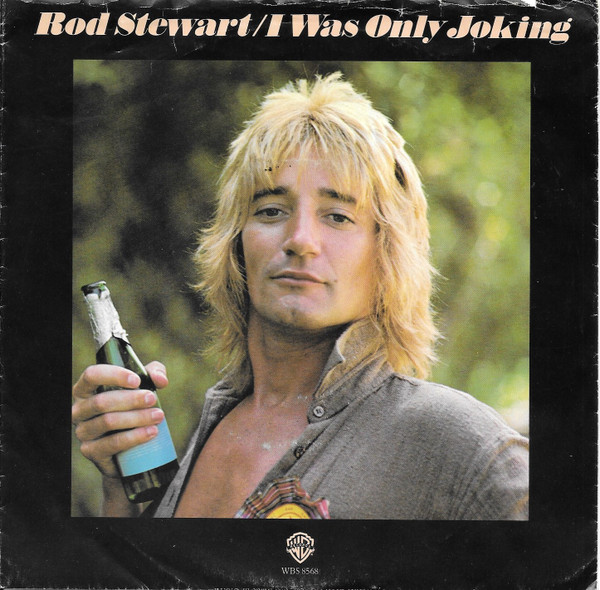
ROD STEWART - I WAS ONLY JOKING 


Llançament: 20 de gener de 1978

Llistes d’èxits: Regne Unit: #5  Estats Units: #22 


“I Was Only Joking” és una cançó de Rod Stewart, coescrita amb Gary Grainger, llançada com el tercer senzill del seu àlbum de 1977 “Foot Loose & Fancy Free”. La cançó va aconseguir èxit comercial, assolint el número 5 al Regne Unit (com a part d’un doble senzill amb “Hot Legs”) i el lloc 22 als Estats Units, a més de classificar-se en altres països.


“I Was Only Joking” és una cançó introspectiva sobre el penediment, la consciència de si mateix i el dany involuntari causat en una relació. Stewart no especifica mai quin és l’error comès, però admet haver posat el seu cor en la cançó com a disculpa, esperant comprensió. Malgrat la seva naturalesa profundament personal, és una peça universal que s’ajusta a qualsevol que hagi experimentat la pèrdua d’un amor, oportunitats desaprofitades o grans errors. La cançó captura la vulnerabilitat d’afrontar els penediments del passat, fent-la adequada tant per a homes com per a dones.


La cançó toca aspectes profundament personals de la vida de Stewart. Fa referència a “Susie,” inspirada en Susannah Boffey, una estudiant d’art que Stewart va conèixer de jove el 1961. El 1963, Boffey va donar a llum la seva filla, Sarah Streeter, que va ser adoptada per una parella adinerada. Dècades després, el 2010, Streeter va ser rebuda a la família de Stewart. La cançó també al·ludeix a les experiències de Stewart amb l’alcohol i als reptes del seu estil de vida com a músic de rock, marcat pel consum de substàncies. El seu to reflexiu sembla una confessió sincera d’errors i un camí de creixement personal.


Rod Stewart va descriure “I Was Only Joking” com una de les seves cançons més sentides, en la qual reflexiona sobre la seva joventut rebel i ofereix una revisió del seu “passat accidentat.” En les notes de Storyteller, Stewart va destacar que les cançons properes al cor són les més fàcils i gratificants d’escriure. Va elogiar el “meravellós treball de guitarra” de Jim Cregan, que dona a la cançó una atmosfera melancòlica i narrativa en la tonalitat de mi, i va aplaudir l’execució de tota la banda.


ROD STEWART - I WAS ONLY JOKING 


Released: January 20, 1978

Charts:  UK: #5  US: #22 


“I Was Only Joking” is a song by Rod Stewart, co-written with Gary Grainger, released as the third single from his 1977 album Foot Loose & Fancy Free. The track achieved commercial success, reaching No. 5 in the UK (as part of a double A-side with “Hot Legs”) and No. 22 in the US, as well as charting in other countries.


“I Was Only Joking” is a reflective song about regret, self-awareness, and unintended harm caused in a relationship. Stewart never specifies the offense but admits to pouring his heart into the song as an apology, hoping for understanding. Despite its deeply personal nature, it is universally suited to anyone who has experienced the loss of love, missed opportunities or big mistakes. The song is both a personal reflection and a universal story of youthful mistakes and their consequences. The song captures the vulnerability of grappling with past regrets, making it relatable for both men and women.


This song touches on deeply personal aspects of his life. The song references “Susie,” inspired by Susannah Boffey, an art student Stewart met as a teenager in 1961. In 1963, Boffey gave birth to their daughter, Sarah Streeter, who was adopted by a wealthy couple. Decades later, in 2010, Streeter was welcomed into Stewart’s family. The song also nods to Stewart’s experiences with alcohol and the challenges of a rock musician’s lifestyle, marked by substance use. Its reflective tone seems as a candid confession of missteps and personal growth.


Rod Stewart described “I Was Only Joking” as one of his most heartfelt songs, reflecting on his spirited and rebellious youth and offering a review of his “checkered past.” In the liner notes of Storyteller, Stewart noted that songs close to the heart are the easiest and most fulfilling to write. He praised Jim Cregan’s “beautiful guitar work,” which created a wistful, narrative feel in the key of E, and commended the entire band’s execution.