Total de visualitzacions de pàgina:

3.1.25


ROD STEWART - THE KILLING OF GEORGIE


Llançament: 13 d’agost de 1976

Llistes d’èxits: EUA: #30  Regne Unit: #2


“The Killing of Georgie (Part I and II)” és una cançó en dues parts de Rod Stewart, inclosa en el seu àlbum de 1976 “A Night on the Town”. Llançada com a single l’agost de 1976, va passar deu setmanes a les llistes britàniques, arribant al número 2. La cançó també va entrar en llistes internacionals, assolint el lloc 25 als Països Baixos, el 30 als Estats Units i el 33 al Canadà. La primera part va ser més popular, mentre que la segona tenia un to més sobri. Stewart va admetre haver-se pres llicències poètiques, canviant l’any dels fets del 1974 al 1975 per qüestions de rima.


Llançada el 1976, “The Killing of Georgie” abordava el tema llavors tabú de l’homofòbia i les lluites de la comunitat LGBTQ+. Inspirada en el seu mànager i publicista gai, la cançó explica la tràgica història d’un home, Georgie, assassinat per una banda de carrer. La balada es considera una de les obres més emotives de Stewart, tractant qüestions socials amb compassió.


La primera part de “The Killing of Georgie” narra la història de Georgie, un home gai semi-ficcional i amic de Rod Stewart. Després de sortir de l’armari davant dels seus pares i ser rebutjat, Georgie es trasllada a Nova York, on troba acceptació i popularitat entre l’elit de Manhattan i la comunitat gai local. El 1975, després d’assistir a una obra de Broadway, Georgie és atacat per una colla i mor accidentalment. Stewart reflexiona sobre els consells de Georgie per viure la vida plenament. La segona part de la cançó lamenta la mort de Georgie, amb Stewart expressant l’absència i l’impacte que Georgie va tenir en aquells que l’estimaven.


El veterà DJ anglès David “Diddy” Hamilton va relatar un error durant el programa Top of the Pops mentre presentava “The Killing of Georgie”. Després d’un dinar amb promotors de discos, Hamilton va anunciar per error la cançó com “The Killing of Georgie Fame”. Tot i els intents per corregir-se, va continuar equivocant-se i no va ser convidat mai més a presentar el programa. Dos anys després, Hamilton va descobrir que li havien posat LSD a la beguda com a broma durant el dinar, cosa que explicava la seva confusió en antena.


Rod Stewart també va recordar un incident memorable mentre interpretava “The Killing of Georgie” a finals dels anys 70. Durant els concerts, es muntava una escena de carrer de Nova York a l’escenari, amb un fanal de mida real que descendia des de dalt. En una ocasió, Stewart es va col·locar accidentalment sota el fanal mentre baixava, que el va colpejar a l’espatlla i el va fer caure davant de 18.000 persones. Després de l’incident, Stewart va bromejar dient que ni la cançó ni el fanal s’han tornat a utilitzar.


La BBC no va tenir cap problema amb “The Killing of Georgie”, malgrat la seva temàtica i els seus 6 minuts i 31 segons de durada, però, va prohibir un altre senzill de Stewart, “Tonight’s The Night”, en aquell moment (tot i aixecar la prohibició més tard) per les seves connotacions sexuals explícites.


Boy George, que apreciava la cançó durant la seva joventut mentre formava la seva identitat, la va interpretar amb Rod Stewart durant la gira Global Hits el 2023.


ROD STEWART - THE KILLING OF GEORGIE


Released: August 13, 1976

Charts:  US: #30   UK: #2 


“The Killing of Georgie (Part I and II)” is a two-part song by Rod Stewart from his 1976 album A Night on the Town. Released as a single in August 1976, it spent ten weeks on the UK Singles Chart, peaking at No. 2. The song also charted internationally, reaching No. 25 in the Netherlands, No. 30 in the US, and No. 33 in Canada. Part I was the more popular, while Part II had a more somber tone. Stewart admitted to taking poetic license, changing the year of the event from 1974 to 1975 for rhyming purposes. 


Released in 1976, Rod Stewart’s “The Killing of Georgie” tackled the then-taboo subject of homophobia and the struggles faced by the LGBTQ+ community. Inspired by Stewart’s gay manager and publicist, the song tells the tragic story of a gay man, Georgie, who was murdered by a street gang. The ballad is considered one of Stewart’s most lyrically poignant works, addressing societal issues with compassion. 


The first part of “The Killing of Georgie” tells the story of Georgie, a semi-fictional gay man and friend of Rod Stewart. After coming out to his parents and being rejected, Georgie moves to New York, where he finds acceptance and popularity among Manhattan’s elite and the local gay community. In 1975, after attending a Broadway show, Georgie is attacked by a gang and accidentally killed. Stewart reflects on Georgie’s advice to live life to the fullest. The second part of the song mourns Georgie’s death, with Stewart lamenting his absence and expressing the lasting impact he had on those who loved him.


Veteran English DJ David “Diddy” Hamilton recounted a mishap on Top of the Pops while introducing Rod Stewart’s “The Killing of Georgie.” After lunching with record pluggers, Hamilton mistakenly announced the song as “The Killing of Georgie Fame.” Despite attempts to correct himself, he continued to struggle and was never invited to present the show again. Two years later, Hamilton learned that his drink had been spiked with LSD as a prank during lunch, explaining his on-air confusion.


Rod Stewart recounted a memorable stage mishap while performing “The Killing of Georgie” in the late 1970s. During live shows, a New York street scene was set up on stage, featuring a full-size lamppost that descended from above. On one occasion, Stewart accidentally stood beneath the descending lamppost, which struck his shoulder, causing him to stumble and fall in front of 18,000 people. Following this incident, Stewart humorously noted that neither the song nor the lamppost has been used again.


The BBC had no issue with “The Killing of Georgie”, despite its theme and 6:31 length, but banned Stewart’s other single, “Tonight’s The Night”, at the time (later lifting the ban) for explicitly sexual innuendos.


Boy George, who cherished the song during his youth while embracing his identity, performed it with Rod Stewart during the Global Hits tour in 2023.


2.1.25


THE MAMAS AND THE PAPAS - I CALL YOUR NAME


Released: February 28, 1966

Album: If You Can Believe Your Eyes and Ears


“I Call Your Name” is a song by the Beatles, primarily written by John Lennon with help from Paul McCartney. It was released in the US on “The Beatles’ Second Album” and in the UK on the “Long Tall Sally” EP. The Mamas & the Papas covered the song in 1966 on their debut album “If You Can Believe Your Eyes and Ears”. Cass Elliot notably whispers “John… John” during the instrumental break as a nod to her crush on John Lennon. The group closes the song with “I call your name… ye-ah!”—a playful reference to the Beatles’ iconic “Yeah, yeah, yeah” from “She Loves You”.


Lennon initially gave “I Call Your Name” to The Dakotas, another Liverpool band, but he was dissatisfied with their arrangement and its lackluster B-side performance. As a result, Lennon decided to have The Beatles re-record the song. The Mamas & the Papas’ 1966 cover of the track appears to compensate for Lennon’s earlier disappointment. Their version features a bright, honky-tonk piano, lush harmonized vocals, and a polished instrumental bridge.


On “I Call Your Name” the narrator grapples with feelings of loneliness, questioning their role in the relationship’s end. They express their struggle with insomnia and despair, revealing their difficulty in coping with the loss. Despite their emotional fragility, they find fleeting solace in calling out their former partner’s name, symbolizing their lingering attachment. 


The original cover of “If You Can Believe Your Eyes and Ears” album, featuring a bathroom photo with a visible toilet, was pulled in 1966 for being deemed indecent. Later versions either had a scroll pasted over the toilet listing the album’s hit singles or cropped the bathroom out entirely. The original uncensored version is now a collector’s item, valued highly. 


The album included several covers in addition to original material. Notably, it featured soul singer Bobby Freeman’s “Do You Wanna Dance?” and “Spanish Harlem,” a collaboration between Jerry Leiber and Phil Spector.


SOPHIE ELLIS-BEXTOR - MURDER ON THE DANCEFLOOR

Llançament: 3 de desembre de 2001

Llistes d’èxits: EUA: #51  Regne Unit: #2


“Murder on the Dancefloor”, una cançó de Sophie Ellis-Bextor inclosa al seu àlbum “Read My Lips”, va ser escrita per Ellis-Bextor i Gregg Alexander. Inicialment, va assolir la segona posició a la llista de singles del Regne Unit i es va convertir en un èxit global, arribant al top 10 en diversos països. Al gener del 2024, la cançó va viure un ressorgiment de popularitat gràcies a la seva inclusió a la pel·lícula “Saltburn” i a una tendència viral a TikTok. Això la va portar de nou al número dos de les llistes britàniques, sent el primer top 10 d’Ellis-Bextor al Regne Unit des del 2007. També va debutar al Billboard Hot 100 dels EUA aquell mateix mes.


Sophie Ellis-Bextor va coescriure “Murder on the Dancefloor” amb Gregg Alexander, un compositor americà conegut pel seu treball amb New Radicals i per coescriure “The Game of Love” de Santana que li va valer un Premi Grammy. La cançó tracta, amb to humorístic, sobre les tàctiques sense escrúpols en les competicions de ball, barrejant pop animat amb una lletra enginyosa. Alexander, que sovint utilitzava el pseudònim “Alex Ander”, va aportar el seu estil distintiu a la cançó.


Inicialment, Gregg Alexander va escriure “Murder on the Dancefloor” com a possible single de debut per a l’àlbum de New Radicals de 1998, “Maybe You’ve Been Brainwashed, Too”. Alexander la va composar durant els anys 90, però finalment va prioritzar “You Get What You Give” com a primer single del grup. Anys més tard, Alexander va compartir una primera maqueta de la cançó amb Sophie Ellis-Bextor, qui en va adaptar la lletra i li va afegir el seu propi toc. A la seva versió, Ellis-Bextor va substituir la frase original d’Alexander “I’m gonna make us hit the Hague. Once you hit the bong” per “I’ll take you all the way. Stay another song”, adaptant-la al seu estil i fent-la seva. Alexander va elogiar la seva interpretació, afirmant que quan la va gravar, la seva màgia la va fer seva.


Abans d’interpretar “Murder on the Dancefloor” al Le Bataclan de París durant la seva gira europea del 2024, Sophie Ellis-Bextor va retre homenatge a les víctimes de l’atac terrorista del 2015 a la sala, en què van perdre la vida 90 persones i moltes altres van resultar ferides. Conscient de la gravetat de la història i de la sensibilitat del títol de la seva cançó, va dirigir-se al públic per explicar que “Murder on the Dancefloor” no té cap intenció negativa. Al contrari, va compartir que el propòsit de la cançó, igual que el de la sala, és portar alegria i celebrar l’esperit de la música. Va dedicar la seva actuació a tots aquells que havien ballat allà, mantenint viva aquesta energia.


SOPHIE ELLIS-BEXTOR - MURDER ON THE DANCEFLOOR


Released: December 3, 2001

Charts:  US: #51    UK: #2 


"Murder on the Dancefloor," a song by Sophie Ellis-Bextor from her 2001 album “Read My Lips”, was written by Ellis-Bextor and Gregg Alexander. Initially, it peaked at number two on the UK Singles Chart and became a global hit, reaching the top 10 in multiple countries. In January 2024, the song saw a resurgence in popularity due to its feature in the film “Saltburn” and a viral trend on TikTok, climbing again to number two on the UK Singles Chart—Ellis-Bextor's first UK top 10 since 2007. It also made her debut on the US Billboard Hot 100 that same month.


Sophie Ellis-Bextor co-wrote "Murder on the Dancefloor" with American songwriter Gregg Alexander, known for his work with New Radicals and his Grammy-winning co-write of "The Game of Love" for Santana in 2003. The song humorously addresses cutthroat tactics in dance competitions, blending upbeat pop with sly lyrical content. Alexander, who often used the pseudonym "Alex Ander," contributed his distinct style to the track.


Gregg Alexander initially wrote "Murder on the Dancefloor" as a potential debut single for The New Radicals' 1998 album “Maybe You've Been Brainwashed, Too.” Alexander composed the song in the ‘90s after his car broke down, but ultimately decided to prioritize "You Get What You Give" as the band’s first single. Alexander later shared an early demo with Sophie Ellis-Bextor, who adapted the lyrics and added her own touch. In her version, Ellis-Bextor replaced Alexander's original line, "I'm gonna make us hit the Hague. Once you hit the bong," with "I'll take you all the way. Stay another song," shaping it to her style and making the song uniquely her own. Alexander praised her performance, saying that when she recorded it, her magic owned it.


Before performing "Murder on the Dancefloor" at Paris' Le Bataclan during her 2024 European tour, Sophie Ellis-Bextor honored the victims of the tragic 2015 terrorist attack at the venue, which claimed 90 lives and injured many more. Acknowledging the gravity of the venue's history and the sensitivity of her song's title, she addressed the audience, explaining that "Murder on the Dancefloor" holds no negative intent. Instead, she shared that the song’s purpose, much like the venue's, is to bring joy and celebrate the spirit of music. She dedicated her performance to all who had danced there, preserving that spirit.


1.1.25


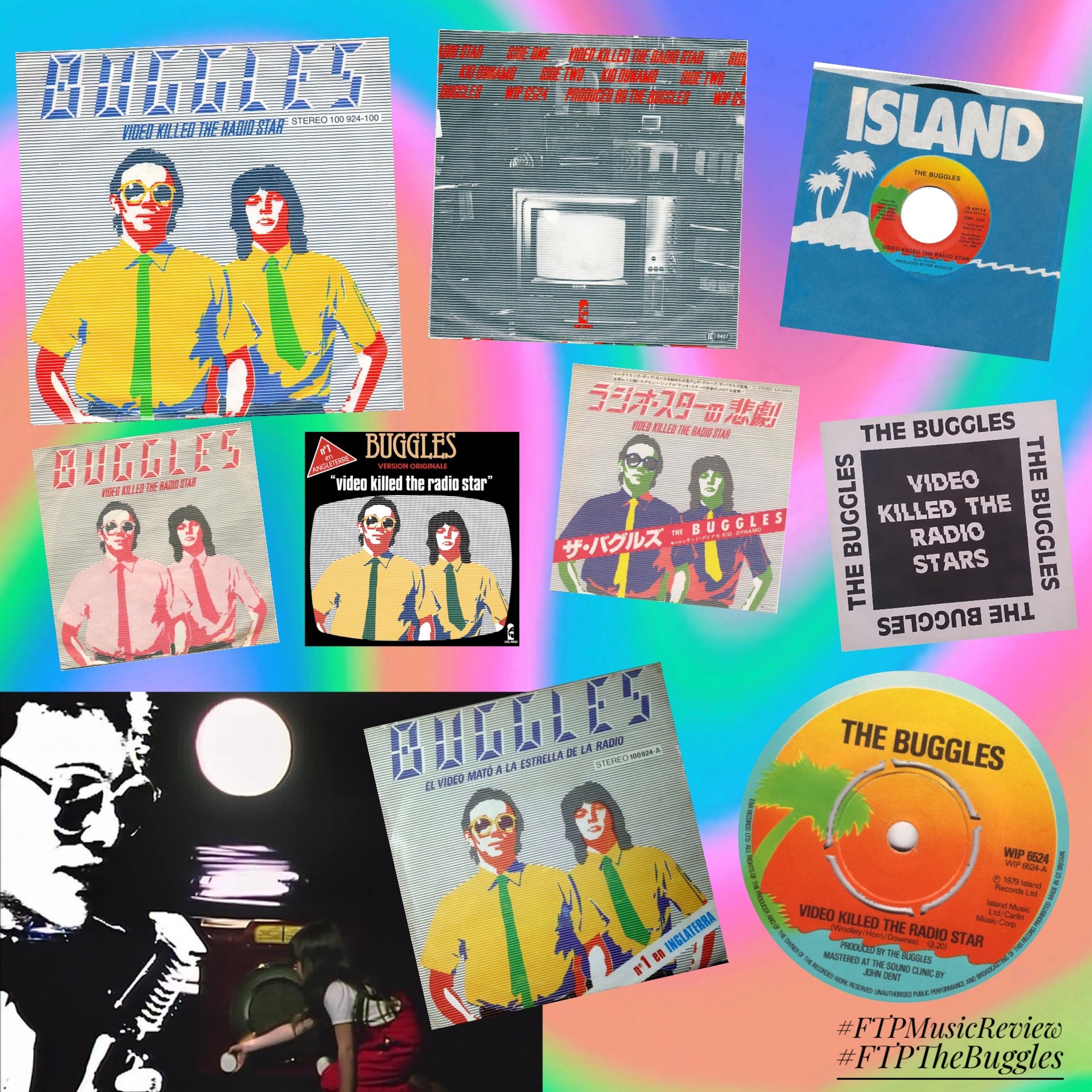
BUGGLES - VIDEO KILLED THE RADIO STAR


Estrena: 7 de setembre de 1979

Llistes: EUA: #40  Regne Unit: #1 (1 setmana)


“Video Killed the Radio Star” és una cançó composta per Trevor Horn, Geoff Downes, i Bruce Woolley, i llançada per The Buggles el 7 de setembre de 1979 com a single principal del seu àlbum debut “The Age of Plastic”. La cançó, que reflexiona sobre els efectes de les innovacions tecnològiques en els mitjans de comunicació, va assolir el número 1 al Regne Unit durant una setmana i va arribar al lloc 40 als Estats Units.


La lletra expressa nostàlgia pel passat i lamenta l’oblit de generacions més joves envers la ràdio, una al·legoria sobre l’impacte de la televisió i els vídeos musicals com a nous mitjans dominants. Inspirat per les experiències de Trevor Horn escoltant Radio Luxembourg de petit, el tema examina com la tecnologia, com la ràdio, la fotografia i el cinema, canvia la manera de consumir art i cultura.


La cançó va entrar a la història com el primer vídeo emès per MTV el dia del seu llançament, l’1 d’agost de 1981, amb el ja icònic moment de l’explosió de la ràdio al clip musical. L’emissió a MTV va propulsar les vendes de l’àlbum “The Age of Plastic”, especialment a zones on la xarxa de televisió estava disponible, demostrant l’impacte inicial de MTV en la indústria musical.


Tot i la seva poca emissió a la ràdio als EUA, la cançó va obtenir un èxit comercial sostingut gràcies al poder de la televisió musical. El videoclip va ser dirigit per l’australià Russell Mulcahy, que posteriorment es convertiria en un dels directors més prominents dels primers anys de MTV. El vídeo presenta una barreja d’imatges retrospectives i futuristes, amb un ús simbòlic de la transició tecnològica representada per elements com el micròfon vintage, la ràdio que explota, i l’escenari de ciència-ficció.


La cançó es va enregistrar després que Horn, frustrat per la seva experiència treballant en projectes de producció sense bones cançons, decidís escriure i interpretar la seva pròpia música. El nom “The Buggles” es va escollir com una sàtira als noms absurds de l’època punk, tot i que Horn més tard va lamentar-lo, considerant-lo massa banal.


Musicalment, la cançó incorpora sons robòtics, sintetitzadors processats i una estructura rítmica inspirada pel canvi cap a la música digital i la producció artificial. Aquesta estètica reflecteix la seva temàtica i marca una transició cap al domini de la música electrònica i els vídeos musicals com a eina de màrqueting.


Després de l’èxit del senzill, Trevor Horn i Geoff Downes es van unir al grup Yes el 1980, substituint Jon Anderson i Rick Wakeman. Més tard, Downes es va unir al supergrup Asia, mentre que Horn es va consolidar com un dels productors més respectats de la indústria, treballant amb artistes com Frankie Goes to Hollywood, Seal, ABC i Grace Jones. La seva decisió d’abandonar la interpretació va ser en part influïda per la seva percepció negativa de la seva aparença al vídeo de “Video Killed the Radio Star”.


BUGGLES - VIDEO KILLED THE RADIO STAR


Released: September 7, 1979

Charts:  US: #40  UK: #1 (1 week)


“Video Killed the Radio Star,” written by Trevor Horn, Geoff Downes, and Bruce Woolley, was recorded in 1979 by both Bruce Woolley and the Camera Club and the Buggles. The Buggles’ version, released as a single on September 1979, became the lead track on their debut album “The Age of Plastic”. The song made history as the first video aired on MTV when the network launched on August 1, 1981.


“Video Killed the Radio Star” was a major hit in the UK in 1979 but relatively unknown in the US, where it peaked at #40. When MTV launched in 1981 it boosted the Buggles’ album sales in regions where the network was available. Despite no radio airplay, the song’s popularity demonstrated MTV’s early power to influence music sales. Billboard highlighted this impact, noting a record store in Tulsa that sold out of copies of the album shortly after MTV began broadcasting.


The theme of “Video Killed the Radio Star” revolves around nostalgia and the impact of technological change in the media landscape during the 20th century. The lyrics express longing for the past and lament that younger generations may not value it. The song reflects on innovations like photography, cinema, radio, and television, and their transformative effects. Trevor Horn noted that the line “Lying awake intent at tuning in on you” was inspired by his childhood experiences of listening to Radio Luxembourg late at night.


Trevor Horn explained that “Video Killed the Radio Star” was inspired by the technological shift brought by video recorders and music videos, which signaled a move from radio to video as the dominant medium. The Buggles embraced the theme of artificiality in life and music, reflected in Horn’s robotic vocals and the heavily processed, computerized instruments. 


Trevor Horn described how frustration with unsuccessful record production led him to create “Video Killed the Radio Star” with Bruce Woolley. Dissatisfied with working on projects that lacked good songs, he decided to write and perform his own. The Buggles’ name was chosen as a satirical jab at punk-era band names, intentionally selecting something absurd. Although Horn later regretted the name, at the time he focused solely on the music, not marketing or image.


The music video was written, directed, and edited by Australian Russell Mulcahy. It opens with a young girl sitting by a radio, with a black-and-white shot of Trevor Horn singing into a vintage microphone superimposed over her. As the first chorus begins, the radio explodes. In the second verse, the girl is transported into a futuristic setting, where she encounters Horn and a woman in a silver jumpsuit inside a clear plastic tube. The video features additional shots of Horn and Geoff Downes, blending retro and futuristic imagery.


Trevor Horn and Geoff Downes of the Buggles joined the band Yes in 1980, replacing Rick Wakeman and Jon Anderson. The Buggles recorded a second album in 1981, but during the process, Downes joined the band Asia. Horn completed the album with musicians from Yes and The Camera Club. Following his time with Yes, Horn’s wife encouraged him to focus on production instead of performing, agreeing with his belief that he appeared “dumb-looking” in the Video Killed the Radio Star music video.