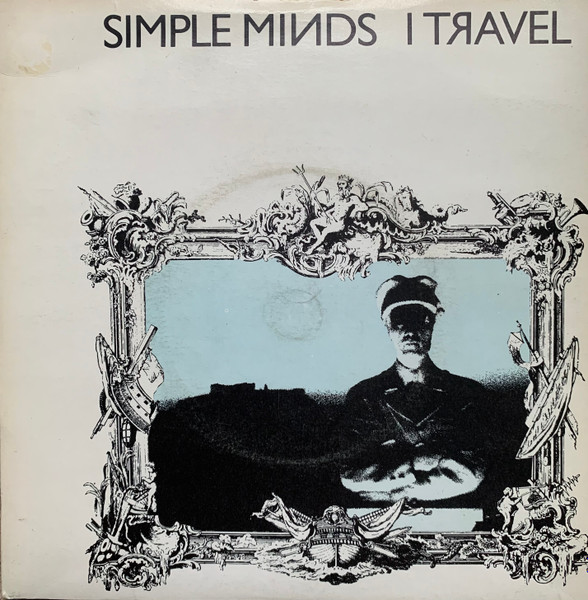
“I Travel” is a song by the Scottish band Simple Minds, released in 1980 as a single from their third album “Empires and Dance”. The track is a fast-paced, electronic-driven post-punk/new wave song with strong influences from Krautrock, disco, and early electronic music.
“I Travel” captures Simple Minds’ early experimental brilliance, blending post-punk energy with emerging electronic influences. Driven by Derek Forbes’ futuristic basslines and a pulsating rhythm, the track reflects the band’s experiences touring Europe, where the grandeur of historic cities contrasted with the tensions of the Cold War.
Lyrically, Jim Kerr paints a vivid picture of a continent marked by cultural richness and political unrest, referencing bombings and militant groups like the Red Brigade and Baader-Meinhof. His sharp, urgent vocals enhance the song’s sense of movement and unease.
Inspired by Berlin’s club scene and influenced by artists like Kraftwerk and Giorgio Moroder, I Travel signaled the band’s shift toward a more electronic and danceable sound, signaling their emergence as a force in post-punk music. Although it wasn’t a big hit at the time of release, “I Travel” has since become a cult favorite and is often regarded as a precursor to the synth-driven sound that dominated the 1980s. It remains a staple in Simple Minds’ live performances.
“Empires and Dance” was released on September 12, 1980 through Arista Records. Recorded at Rockfield Studios and the Rolling Stones Mobile Studio, the album blends structured, danceable tracks like I Travel, This Fear of Gods, and Thirty Frames a Second with more experimental pieces such as Constantinople Line, Twist/Run/Repulsion, and Kant-Kino. Lyrically, Jim Kerr adopts the perspective of a traveler moving through central Europe, observing its political and social climate. The album charted modestly, peaking at number 41 on the UK Albums Chart.
24.2.25
RIGHT SAID FRED - I’M TOO SEXY
Llançament: 15 de juliol de 1991
Estats Units: #1 (3 setmanes) Regne Unit: #2
“I’m Too Sexy” és el senzill debut de la banda pop britànica Right Said Fred, llançat el juliol de 1991 dins de l’àlbum “Up”. Escrita pels germans Fred i Richard Fairbrass juntament amb Rob Manzoli, es va convertir en un èxit internacional massiu. Tot i que només va arribar al número dos a la llista britànica de singles, va encapçalar les llistes de set països, inclosos els Estats Units, el Canadà, Austràlia i Irlanda.
Right Said Fred, format pels germans Richard i Fred Fairbrass i el guitarrista Rob Manzoli, va crear “I’m Too Sexy” com una paròdia del narcisisme que observaven mentre gestionaven un estudi de dansa a Londres. La cançó va néixer espontàniament quan Richard Fairbrass va cantar la frse ara icònica en broma mentre jugava amb una pista en bucle.
Una demo de la cançó va arribar al promotor musical Guy Holmes, que en va veure el potencial però va decidir transformar-la en un tema de ball. Com que cap discogràfica important hi va mostrar interès, Holmes va fundar el seu propi segell, Tug Records, i la va llançar de manera independent. Va començar a guanyar popularitat quan BBC Radio 1 va començar a emetre-la, convertint-se finalment en un èxit mundial. Holmes va recordar més tard que la va descobrir gràcies a una trobada casual amb una dona borratxa que gestionava la banda, i de seguida va reconèixer el seu potencial com a hit de ball.
“I’m Too Sexy” va ser número 1 en 28 països, però mai va assolir el cim al Regne Unit, on es va quedar sis setmanes al número 2, superada per ”(Everything I Do) I Do It for You” de Bryan Adams. Inicialment, Richard Fairbrass no hi va donar importància, però més tard va admetre certa frustració pel domini d’Adams a les llistes.
Als Estats Units, “I’m Too Sexy” va ser l’únic gran èxit de Right Said Fred, convertint-los en un clàssic one-hit wonder després de passar tres setmanes al número 1. De fet, van ser el primer grup britànic des de The Beatles a debutar directament al primer lloc als EUA. Al Regne Unit van continuar tenint èxits com “Don’t Talk Just Kiss” (#3) i “Deeply Dippy” (#1).
El videoclip, dirigit per James Lebon, mostra la banda posant amb humor com a models en una passarel·la, envoltats de fotògrafes en biquini. També inclou clips reals de models desfilant en diverses desfilades de moda. Llançat el gener de 1992, el vídeo va influir en els assistents a les discoteques, molts dels quals van imitar el característic ball de catwalk de la banda.
RIGHT SAID FRED - I’M TOO SEXY
Released: July 15, 1991
US: #1 (3 weeks)
“I’m Too Sexy” is the debut single by British pop band Right Said Fred, released in July 1991 from their album “Up”. Written by brothers Fred and Richard Fairbrass along with Rob Manzoli, the song became a massive international hit. While it peaked at number two on the UK Singles Chart, it topped the charts in seven countries, including the US, Canada, Australia, and Ireland.
Right Said Fred, consisting of brothers Richard and Fred Fairbrass along with guitarist Rob Manzoli, created “I’m Too Sexy” as a playful take on the narcissism they observed while managing a London dance studio. The song originated from a spontaneous moment when Richard Fairbrass jokingly sang the now-famous line while messing around with a looped track.
A demo of the song reached music promoter Guy Holmes, who saw its potential but had it remixed into a dance track. When no major label showed interest, Holmes launched his own label, Tug Records, and released it independently. The song gained traction after BBC Radio 1 started playing it, ultimately becoming a global hit. Holmes later recalled discovering the song through a chance encounter with a drunk woman who managed the band, recognizing immediately that it had the potential to be a dance smash.
I’m Too Sexy was a #1 hit in 28 countries but never reached the top spot in Right Said Fred’s home country, the UK, where it was kept at #2 for six weeks by Bryan Adams’ (Everything I Do) I Do It For You. While initially indifferent, band member Richard Fairbrass later admitted frustration with Adams’ chart dominance.
In the US, I’m Too Sexy was Right Said Fred’s only hit, making them a classic one-hit wonder after spending three weeks at #1. They were the first British group since The Beatles to debut at #1 in the US. However, in the UK, they had continued success with hits like “Don’t Talk Just Kiss” (#3) and “Deeply Dippy” (#1).
The music video directed by James Lebon features the band humorously posing as models on a runway set, surrounded by bikini-clad female photographers. It also includes clips of real models walking the catwalk at various fashion shows. Released in January 1992, the video influenced clubgoers, many of whom imitated the band’s signature “catwalk” dance.
23.2.25
THE POLICE - SO LONELY
Llançament: 24 de novembre de 1978
Llistes: Regne Unit: #6
“So Lonely” és una cançó amb influències de reggae de The Police, llançada com el tercer i últim senzill del seu àlbum debut, “Outlandos d’Amour”, el 24 de novembre de 1978. Interpretada per Sting, el single inicialment no va entrar a les llistes, però va escalar fins al número 6 després de la seva reedició. Aquest patró es va repetir amb altres senzills de l’àlbum, que van tenir més èxit després de ser reeditats. Als Estats Units, “So Lonely” no es va llançar com a single. La lletra, reciclada d’una cançó anterior de Sting anomenada “Fool in Love”, reflecteix sentiments d’intensa solitud després d’un desengany amorós.
“So Lonely” barreja reggae blanc, new wave i blues, caracteritzant-se per la transició dels versos relaxats amb ritmes de reggae a una tornada energètica i explosiva. La cançó combina elements de “Roxanne” i “Next to You”, mostrant l’habilitat de Sting per unir lletres malenconioses sobre la solitud amb una música animada i ballable. Els versos es reforcen amb el falsetto planyívol de Sting, que allarga les notes per destacar la fluïdesa de la seva línia de baix. Això contrasta amb la tornada vibrant, on les harmonies i les guitarres dinàmiques creen una energia gairebé caòtica. Aquesta transició amplifica l’impacte emocional, convertint la solitud dels versos en un esclat dinàmic i contagiós.
The Police eren coneguts per les estructures repetitives de les seves cançons, i “So Lonely” n’és un exemple destacat. La tornada consisteix en la frase “so lonely” repetida 12 vegades, i després d’un breu solo de guitarra subtil d’Andy Summers, la cançó retorna a una repetició prolongada de “feel so lonely.” En total, la frase del títol es repeteix 54 vegades al llarg de la cançó.
El videoclip mostra The Police passejant pels carrers de Hong Kong i viatjant en metro a Tòquio el 1980. La banda apareix fent playback amb walkie-talkies, mentre el bateria Stewart Copeland interpreta amb humor els cops de bateria sobre diversos objectes, com autobusos i productes del mercat.
THE POLICE - SO LONELY
Released: November 24, 1978
Charts: UK: #6
“So Lonely” is a reggae-inspired song by the Police, released as the third and final single from their debut album Outlandos d’Amour on November 24, 1978. Sung by Sting, the single initially failed to chart but climbed to No. 6 upon its re-release. This pattern mirrored other singles from the album, which gained greater success after reissues. In the US, “So Lonely” was not released as a single. The song’s lyrics, originally recycled from his earlier track “Fool in Love,” reflect feelings of intense loneliness after heartbreak.
“So Lonely” is a unique blend of white reggae, new wave, and blues, characterized by a transition from mellow reggae verses to an energetic chorus. Combining elements of “Roxanne” and “Next to You,” the song showcases Sting’s ability to pair melancholy, bluesy lyrics about loneliness with uplifting, danceable music. The verse of “So Lonely” is elevated by Sting’s plaintive falsetto, as he stretches out long notes that highlight the fluidity of his bassline. This contrasts sharply with the explosive chorus, where layered harmonies and gated guitars create a vibrant, almost chaotic energy. The transition amplifies the emotional impact, turning the solitude of the verse into an infectious, dynamic outburst.
The Police were known for their repetitive song structures, and “So Lonely” is a prime example. The chorus consists of the phrase “so lonely” repeated 12 times, and after a brief, understated guitar solo by Andy Summers, the song dives back into extended repetitions of “feel so lonely.” In total, the title phrase is repeated 54 times.
The music video features The Police wandering through the streets of Hong Kong and riding subway trains in Tokyo in 1980. The band is shown lip-syncing the song into walkie-talkies, while drummer Stewart Copeland humorously performs drum fills on various objects, including buses and market items.
22.2.25
PETER GABRIEL - GAMES WITHOUT FRONTIERS
Llançament: 25 de gener de 1980
Posició a les llistes: EUA: #48 | Regne Unit: #4
“Games Without Frontiers” és una cançó de Peter Gabriel del seu tercer àlbum homònim (Peter Gabriel III), amb cors de Kate Bush. La lletra compara la guerra i la diplomàcia internacional amb jocs infantils, una idea reforçada pel videoclip, que inclou imatges olímpiques i escenes del film de la Guerra Freda “Duck and Cover”. La cançó es va convertir en el primer gran èxit de Gabriel al Regne Unit, arribant al número 4, i també va assolir el número 7 al Canadà, encara que només va arribar al 48 als Estats Units. Es van crear tres videoclips, el tercer dels quals es va publicar el 2004.
Gabriel es va inspirar per “Games Without Frontiers” en un programa de televisió europeu dels anys setanta amb el mateix nom, on els concursants competien disfressats en proves absurdes. La versió britànica del programa, “It’s a Knockout”, va donar lloc a la famosa frase de la cançó.
El tema critica el comportament infantil dels adults, especialment en competicions internacionals com els Jocs Olímpics. Escrita abans del boicot dels EUA als Jocs Olímpics de Moscou 1980, denuncia com les nacions tracten els afers globals com si fossin jocs insignificants. Kate Bush va gravar els cors a última hora, cantant la frase en francès “jeux sans frontières”. També es va enregistrar una versió en alemany per a l’àlbum “Ein deutsches Album”, on algunes lletres prenen un to encara més ombrívol.
Els versos fan referències geopolítiques, amb Andre possiblement al·ludint a l’escriptor francès André Malraux, Chiang Ching referint-se a Chiang Kai-shek, el líder anticomunista xinès, i Lin Tai Yu simbolitzant el president del Vietnam del Sud, Nguyễn Văn Thiệu. La lletra suggereix que, mentre que els líders polítics més radicals es trobaven segurs en els seus extrems ideològics, els que estaven atrapats al mig—com Thiệu—eren simples titelles de la Guerra Freda.
La portada del senzill va ser dissenyada per Storm Thorgerson de Hipgnosis, utilitzant una tècnica desenvolupada per Les Krims que consistia a manipular fotografies Polaroid SX-70. Gabriel i els dissenyadors van experimentar amb la distorsió de les imatges mitjançant llumins cremats, monedes i llapis, creant un efecte de rostre fos. Thorgerson va elogiar l’actitud de Gabriel, que preferia imatges teatrals i expressives en lloc de retrats convencionals.
PETER GABRIEL - GAMES WITHOUT FRONTIERS
Released: January 25, 1980
Charts: US: #48 UK: #4
“Games Without Frontiers” is a 1980 song by Peter Gabriel from his third self-titled album, featuring backing vocals by Kate Bush. The lyrics compare war and international diplomacy to children’s games, reinforced by a music video featuring Olympic footage and scenes from the Cold War-era film Duck and Cover. The song became Gabriel’s first UK top-10 hit, peaking at No. 4, and also reached No. 7 in Canada, though it only hit No. 48 in the U.S. Three music videos were created, with the third released in 2004. Peter Gabriel drew inspiration for Games Without Frontiers from a 1970s European game show of the same name, where contestants competed in bizarre costumes. The English version, It’s a Knockout, provided the song’s famous lyric.
“Games Without Frontiers” critiques the childish behavior of adults, particularly in international competition like the Olympics. Written before the U.S. boycott of the 1980 Moscow Olympics, the song highlights how nations treat global affairs like petty games. Kate Bush provided last-minute backing vocals, singing the French phrase “jeux sans frontières.” A German-language version of the song was also recorded for “Ein deutsches Album”, making certain lyrics sound more ominous.
The lyrics reference geopolitical figures, with Andre possibly representing French leftist author André Malraux, Chiang Ching likely referring to Chiang Kai-shek, the anti-communist Chinese leader, and Lin Tai Yu potentially symbolizing South Vietnamese President Nguyễn Văn Thiệu. The verse suggests that while political leaders on the far left and right had secure positions, those caught in between—like Thiệu—became powerless pawns of the Cold War.
The single artwork was designed by Storm Thorgerson of Hipgnosis, using a technique developed by Les Krims that involved manipulating Polaroid SX-70 images. Gabriel and the designers experimented with distorting the photos using burnt matches, coins, and blunt instruments like pencils, creating a melted face effect. Thorgerson praised Gabriel’s willingness to embrace unflattering, theatrical imagery over conventional aesthetics.
21.2.25
PETER GABRIEL - HERE COMES THE FLOOD
Released: February 25, 1977
Album: Peter Gabriel (Car)
“Here Comes the Flood” is a song from Peter Gabriel’s 1977 debut solo album. It was written soon after leaving Genesis in 1975. Inspired by a dream, the song envisions a society where telepathy exposes people’s true thoughts—those who are open and honest will adapt, while others will struggle. Gabriel described it as a “mental flood… a release, a wash over the mind.”
The song was originally part of a larger concept involving a character named Mozo, loosely based on Moses and alchemical themes, though Gabriel never completed the project. He also drew inspiration from his fascination with shortwave radio, believing that psychic energy, like radio signals, intensified at night. The song was conceived during a summer evening at his cottage, where he experimented with meditation by running downhill with his eyes closed, believing he had discovered an “energy point” on the hillside.
Although the album version was heavily produced, Gabriel later felt it was overdone. He preferred stripped-down versions performed live or included in his “Shaking the Tree” compilation, which better captured his original vision of the song’s atmospheric and introspective nature.