Total de visualitzacions de pàgina:

16.4.25


KINGS OF LEON - SEX ON FIRE


Llançament: 11 d’agost de 2008

Regne Unit: #1 (3 setmanes)


“Sex on Fire” va ser el gran èxit que va catapultar Kings of Leon a la fama mundial, convertint-se en el seu primer senzill número u en diversos països, com el Regne Unit, Irlanda, Finlàndia i Austràlia. Publicat com el primer single del seu quart àlbum, “Only by the Night”, la cançó va ser clau en la transició de la banda d’un favorit de l’escena indie-rock a una autèntica potència global del rock. Va guanyar el seu primer Grammy a la Millor Interpretació Rock per un Duo o Grup en la 51a edició dels Grammy Awards el 2009, consolidant el seu èxit.


Al Regne Unit, “Sex on Fire” va debutar al número u el 14 de setembre de 2008, romanent a la llista de senzills durant 42 setmanes consecutives fins que va sortir breument a causa de l’augment de vendes post-mortem de Michael Jackson. No obstant, va tornar a entrar a la llista durant 37 setmanes més, arribant fins i tot al Top 10 novament al setembre de 2009.


Caleb Followill va concebre “Sex on Fire” inicialment com una cançó divertida i desenfadada, sense esperar l’enorme èxit que tindria. Amb el temps, ha arribat a valorar-la amb orgull. La lletra ambigua va generar especulacions, amb alguns interpretant “sex is on fire” com una referència a una malaltia de transmissió sexual, però Followill ho va desmentir, aclarint que la cançó tracta simplement d’un sexe apassionat i inoblidable.


Malgrat el seu contingut explícit, el segell discogràfic la va triar com a single principal, sorprenent el mateix Followill. Aquest va admetre que va escriure la lletra sota els efectes d’analgèsics, que prenia després d’una baralla amb el seu germà que li va provocar una lesió a l’espatlla. El que va començar com un tema ocasional i sense pretensions va acabar convertint-se en un dels èxits més grans de Kings of Leon.


El videoclip va ser dirigit per Sophie Muller, coneguda pel seu treball en “Smile” de Lily Allen i “Grace Kelly” de Mika. Amb un estil surrealista i inquietant, el vídeo mostra la banda actuant en una fàbrica abandonada mentre es desenvolupen escenes estranyes i inquietants. Caleb Followill va descriure el concepte del vídeo com una sèrie d’al·lucinacions que el fan sentir com un pervertit atret per la seva pròpia família. El seu germà Jared va confessar que només van acceptar la idea per la trajectòria de Muller, bromejant que no haurien estat d’acord si algú els hagués proposat un vídeo on Caleb apareix lligat a un matalàs o Jared persegueix una gallina. Altres imatges destacades inclouen Nathan rentant-se el cabell en aigua negra, Matthew menjant una ala de pollastre i Caleb observant ombres estranyes. El vídeo acaba amb Caleb obrint la boca mentre surt fum del seu interior.


KINGS OF LEON - SEX ON FIRE


Released: August 11, 2008

UK: #1 (3 weeks)


“Sex on Fire” was a breakthrough hit for Kings of Leon, becoming their first number-one single in multiple countries, including the UK, Ireland, Finland, and Australia. Released as the lead single from their fourth album, “Only by the Night”, the song propelled the band to mainstream success and earned them their first Grammy win for Best Rock Vocal Performance by a Duo or Group at the 51st Grammy Awards in 2009. This song marked a turning point for Kings of Leon, shifting them from an indie-rock favorite to a global rock powerhouse, setting the stage for their future success.


In the UK, the song debuted at number one on September 14, 2008, and remained on the singles chart for 42 consecutive weeks before briefly dropping out due to the posthumous surge in Michael Jackson sales. It quickly re-entered the chart and stayed for another 37 weeks, even returning to the top 10 in September 2009.


Caleb Followill originally intended “Sex on Fire” as a lighthearted, playful track on “Only by the Night” but was surprised by its massive success. He later admitted he looks back on it with pride. The song’s ambiguous lyrics sparked speculation, with some interpreting “sex is on fire” as a reference to a venereal disease, but Followill dismissed this, clarifying that it’s simply about memorable, passionate sex.


Despite its explicit lyrics, the record label chose it as the lead single, much to Followill’s surprise. He also admitted he wrote the lyrics while under the influence of painkillers, taken after injuring his shoulder in a fight with his brother. What started as a casual, offhand track ended up becoming one of Kings of Leon’s biggest hits.


The music video was directed by Sophie Muller, known for her work on Lily Allen’s “Smile” and Mika’s “Grace Kelly”. The video features surreal and unsettling imagery, with the band performing in an abandoned factory while bizarre scenes unfold. Caleb Followill described the video’s concept, saying he sees hallucinations that make him feel like a pervert attracted to his family. His brother Jared admitted they only trusted the idea because of Muller’s previous work, joking that they wouldn’t have agreed to a treatment that included Caleb tied to a mattress or Jared chasing a chicken otherwise. The video’s visuals include Nathan washing his hair in black water, Matthew eating a chicken wing, and Caleb staring at strange shadows. It ends with Caleb opening his mouth as smoke pours out.




15.4.25


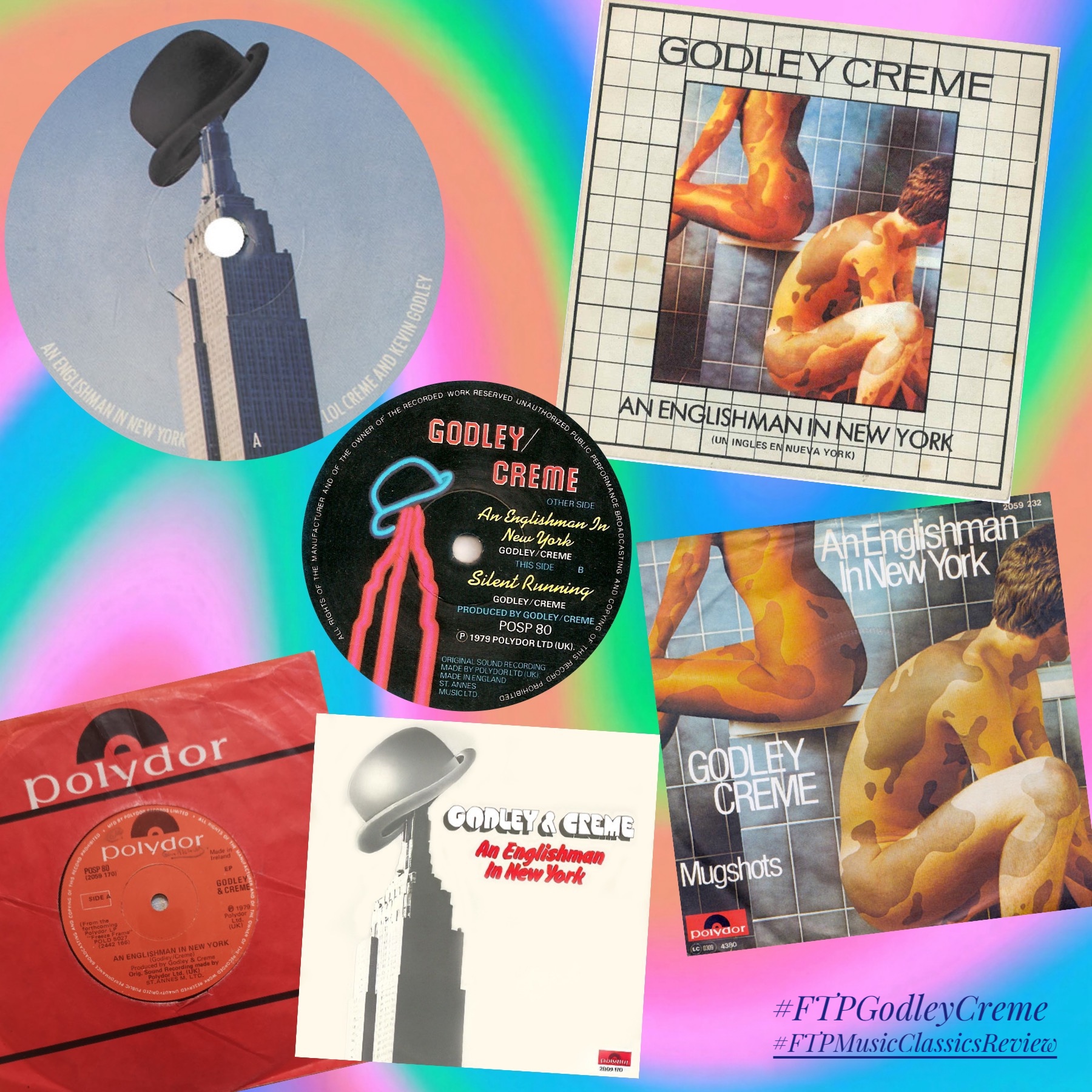
GODLEY & CREME - AN ENGLISHMAN IN NEW YORK 


Llançament: Novembre de 1979

Àlbum: Freeze Frame


“An Englishman in New York” és una cançó del duo Godley & Creme, extreta del seu àlbum “Freeze Frame”. Inspirada en el seu primer viatge a Nova York durant la seva etapa amb 10cc, la cançó expressa la seva fascinació per l’energia caòtica i absurda de la ciutat. La lletra reflecteix els contrastos i excentricitats de Nova York, una metròpoli on tot sembla xocar alhora. Kevin Godley va explicar que els va impactar la intensitat de la ciutat i la barreja d’extrems que la definien. L’àlbum inclou la versió original de 5:51 minuts, mentre que una versió més curta (3:55) es va publicar com a single a Austràlia i Europa.


El videoclip, dirigit per Derek Burbidge, mostra Godley & Creme com a directors d’una big band surrealista, amb músics que semblen figures robòtiques i emmascarades. Aquest va ser el primer videoclip del duo, i la seva gravació va resultar fonamental per a la seva carrera. Tot i que inicialment només eren intèrprets, van implicar-se profundament en la filmació i el muntatge, adonant-se del potencial del videoclip com a mitjà artístic. Aquesta experiència els va portar a fer el salt a la direcció de vídeos musicals, creant clips icònics per artistes com Duran Duran (Girls On Film), The Police (Synchronicity II) i Eric Clapton (Forever Man).


Godley va explicar com van absorbir tot el que passava al plató i van acabar prenent les regnes creatives, per molesta que fos la situació pel director original. No obstant, Burbidge els va mentoritzar, ajudant-los a entendre la connexió entre música i narrativa visual, cosa que va influir decisivament en la seva trajectòria com a directors.


Godley & Creme eren coneguts per estructures musicals no convencionals, i “An Englishman in New York” no és una excepció. La cançó segueix un format imprevisible, amb només una vaga semblança de tornada (“Strange apparatus…”), i curiosament, el títol no apareix a la lletra.


El 1987, Sting va publicar la seva pròpia cançó titulada “Englishman in New York”, sense cap relació amb la de Godley & Creme. La versió de Sting explica la història de Quentin Crisp, escriptor britànic i icona LGBTQ+ que es va traslladar a Nova York. Sting també tenia un vincle professional amb Godley & Creme, ja que van dirigir diversos dels seus videoclips, tant en la seva carrera en solitari com amb The Police.


GODLEY & CREME - AN ENGLISHMAN IN NEW YORK


Released: November 1979

Album: Freeze Frame


“An Englishman in New York” is a song by Godley & Creme from their album “Freeze Frame”. It reflects the duo’s fascination with America and was inspired by their first trip to New York City during their time with 10cc. The lyrics capture the chaotic and absurd energy of the city, portraying its contrasts and eccentricities. As Kevin Godley explained, they were struck by New York’s intensity and its mix of extremes, where everything seemed to collide at once. The album version of the song runs 5:51, while a shorter single version (3:55) was released in Australia and parts of Europe.


The music video, directed by Derek Burbidge, features Godley & Creme as bandleaders in a surreal supper club, conducting a band of masked, robotic figures. It was their first music video and became a pivotal moment in their careers. While initially just performers, they became deeply involved in the filming and editing process, realizing the potential of music videos as an artistic medium. This experience inspired their transition into directing, leading them to create iconic videos for artists like Duran Duran (“Girls On Film”), The Police (“Synchronicity II”), and Eric Clapton (“Forever Man”).


Godley described how they absorbed everything on set and gradually took over the creative process, much to the original director’s irritation. However, Burbidge mentored them, helping them recognize the connection between visual storytelling and music, which shaped their future careers as pioneering music video directors.


Godley & Creme were known for their unconventional song structures, and “An Englishman in New York” is no exception. The song follows a loose, unpredictable format, with only a semblance of a chorus (“Strange apparatus…”), and notably, the title never appears in the lyrics.


Sting released his own song titled “Englishman in New York” in 1987, though it was unrelated to Godley & Creme’s track. Sting’s song tells the story of Quentin Crisp, a British writer and gay icon living in New York. Sting also had a history with Godley & Creme, working with them on several music videos, both as a solo artist and during his time with The Police.


14.4.25


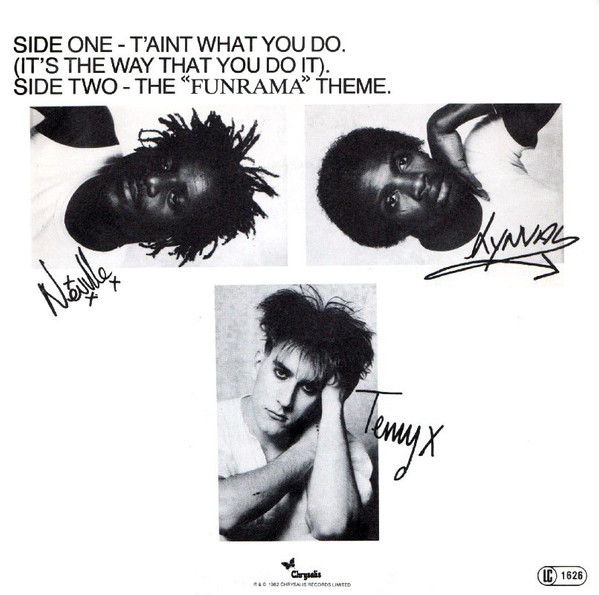
FUN BOY THREE & BANANARAMA - IT AIN’T WHAT YOU DO (IT’S THE WAY THAT YOU DO IT)


Llançament: 29 de gener de 1982

Posició a les llistes: UK: #4


“It Ain’t What You Do (It’s the Way That You Do It)” és una versió pop/new wave d’un clàssic de jazz titulat “‘Tain’t What You Do (It’s the Way That You Do It)”, escrit per Sy Oliver i Trummy Young. La cançó va ser gravada per Jimmie Lunceford, Harry James i Ella Fitzgerald el 1939, i també per Nat Gonella and His Georgians, convertint-se en un tema habitual del ball shim sham.


El 1982, Fun Boy Three i Bananarama van enregistrar una versió ska-pop de la cançó, inclosa en el primer àlbum de Fun Boy Three. Aquesta nova interpretació va arribar al número 4 de la llista de singles del Regne Unit i va obtenir la certificació de Plata de la British Phonographic Industry.


La col·laboració entre Bananarama i Fun Boy Three es va iniciar gràcies a Terry Hall, qui va quedar impressionat pel seu estil i pel senzill anterior del grup, “Aie a Mwana”. L’èxit d’”It Ain’t What You Do” va portar-los a col·laborar novament en “Really Saying Something”.


Fun Boy Three fou una banda de new wave i pop anglesa activa entre 1981 i 1983, fundada per Terry Hall, Neville Staple i Lynval Golding després de la seva marxa de The Specials. Inicialment van adoptar un estil minimalista, basat en percussions i ritmes esquelètics, però en el seu segon àlbum van ampliar la seva formació amb nous músics, com un violoncel·lista i un trombonista, permetent-los actuar en directe amb un so més ric i elaborat. Malgrat la seva curta trajectòria, Fun Boy Three va aconseguir set èxits al Top 20 britànic.


Bananarama és un grup de pop anglès format a Londres el 1980 per Sara Dallin, Siobhan Fahey i Keren Woodward. Amb una combinació de pop comercial i influències dance, van aconseguir un rècord Guinness com el grup femení amb més entrades a les llistes britàniques. El 1988, Siobhan Fahey va deixar la banda per formar Shakespears Sister, sent substituïda per Jacquie O’Sullivan fins al 1991, quan Bananarama va continuar com a duet. Entre 1982 i 2009, van col·locar 32 singles al Top 50 britànic.


FUN BOY THREE & BANANARAMA - IT AIN’T WHAT YOU DO (IT’S THE WAY THAT YOU DO IT)


Released: January 29, 1982

Charts:  UK: #4 


”‘Tain’t What You Do (It’s the Way That You Do It)” is a jazz song written by Melvin “Sy” Oliver and James “Trummy” Young, first recorded in 1939 by Jimmie Lunceford, Harry James, and Ella Fitzgerald. It was also recorded by Nat Gonella and His Georgians the same year and is commonly associated with the “shim sham” dance.


In 1982, Bananarama and Fun Boy Three released a pop/new wave cover of the song, retitled “It Ain’t What You Do.” Their ska-influenced version appeared on Fun Boy Three’s debut album and became a hit.


The collaboration between Bananarama and Fun Boy Three was initiated by Terry Hall, who was impressed by Bananarama’s style and their previous single “Aie a Mwana.” Their version of “It Ain’t What You Do” became a major UK hit, reaching number four on the Singles Chart and earning a Silver certification from the British Phonographic Industry. The success of the song led Bananarama to collaborate with Fun Boy Three again on “Really Saying Something.”


Fun Boy Three was an English new wave pop band active from 1981 to 1983, formed by Terry Hall, Neville Staple, and Lynval Golding after leaving The Specials. They released two albums and achieved seven UK top 20 hits. The band moved away from the ska sound of The Specials, initially focusing on minimal percussion-driven arrangements. For their second album, they expanded their lineup with additional musicians, including a cellist and trombone player, which allowed for richer arrangements and enabled them to perform live rather than being strictly a studio band.


Bananarama is an English pop group formed in London in 1980 by Sara Dallin, Siobhan Fahey, and Keren Woodward. Originally a trio, they achieved major success on both pop and dance charts, earning a Guinness World Record for the most chart entries by an all-female group. Siobhan Fahey left in 1988 to form Shakespears Sister and was replaced by Jacquie O’Sullivan until 1991, after which Bananarama continued as a duo. Between 1982 and 2009, they had 32 singles reach the UK Top 50.


13.4.25


RUPERT HOLMES - ESCAPE (THE PIÑA COLADA SONG)


Llançament: 17 de setembre de 1979

Llistes: EUA: #1 (3 setmanes)


“Escape (The Piña Colada Song)” és un èxit pop desenfadat de 1979 que es va convertir en l’últim número 1 als Estats Units de la dècada. Inclosa en l’àlbum “Partners in Crime”, la cançó explica una història enginyosa i irònica: un home avorrit de la seva relació respon a un anunci personal per conèixer una altra dona… només per descobrir que la seva parella actual és qui havia posat l’anunci.


Rupert Holmes la va escriure inicialment sota el títol “People Need Other People”, però no estava satisfet amb la lletra. Durant el procés de gravació, va fer servir una tècnica innovadora per a l’època, loopant una secció de 16 compassos d’una primera presa per crear la base instrumental. Mentre buscava una lletra més interessant, es va inspirar en un anunci personal que va veure a The Village Voice i va imaginar un escenari on algú respon a un anunci col·locat per la seva pròpia parella sense saber-ho. Aquest gir inesperat es va convertir en el punt central de la cançó i en la clau del seu èxit.


Holmes volia que “Him” fos el primer single de “Partners in Crime”, però la discogràfica va insistir a publicar “Escape”. La cançó va començar a guanyar popularitat després que una emissora de ràdio de Washington la posés en rotació, però els oients la demanaven com “The Piña Colada Song”, cosa que generava confusió a les botigues de discos. Per evitar pèrdues de vendes, el segell discogràfic va insistir a canviar-ne el nom a Escape (The Piña Colada Song), i Holmes va acceptar de mala gana.


Tot i que és conegut principalment per aquesta cançó, Rupert Holmes ha tingut una carrera diversa i reeixida en el món de l’entreteniment. Ha escrit diverses obres de Broadway, com “Say Goodnight, Gracie” i “The Mystery of Edwin Drood”, que va guanyar múltiples premis Tony. Com a compositor, ha treballat per artistes com Barbra Streisand, Judy Collins i fins i tot Britney Spears. També va crear la sèrie de televisió “Remember WENN” i va escriure la novel·la “Where The Truth Lies”. La seva trajectòria li ha valgut premis Tony, Emmy i Edgar, però malgrat la seva extensa obra, Holmes reconeix que “Escape” continua sent la seva obra més reconeguda.


RUPERT HOLMES - ESCAPE (THE PIÑA COLADA SONG)


Released: September 17, 1979

US: #1 (3 weeks)


“Escape (The Piña Colada Song)” is a lighthearted pop hit from 1979 that became the last U.S. #1 song of the decade. Featured on his album “Partners in Crime”, the song tells a witty and ironic story about a man bored with his relationship who answers a personal ad—only to discover that the woman he’s meeting is his own partner. 


Rupert Holmes originally wrote it as “People Need Other People,” but he wasn’t satisfied with the lyrics. During the recording process, he used an innovative (for the time) sampling technique, looping a 16-bar section from an early take to create the song’s instrumental backing. Struggling to find the right lyrics, Holmes was inspired by a personal ad in The Village Voice and imagined a “What If” scenario where someone unknowingly responds to an ad placed by their own partner. This twist became the heart of the song’s now-famous storyline. 


Rupert Holmes initially wanted “Him” to be the lead single from “Partners in Crime”, but the record label insisted on releasing “Escape.” The song gained popularity after a Washington radio station played it, but listeners referred to it as “The Piña Colada Song,” causing confusion in record stores. To avoid losing sales, the label pushed to rename it “Escape (The Piña Colada Song),” and Holmes reluctantly agreed.


Rupert Holmes has had a diverse and successful career in entertainment. He has written several Broadway plays, including Say Goodnight, Gracie and The Mystery of Edwin Drood (which won multiple Tony Awards). His songwriting credits include works performed by Barbra Streisand, Judy Collins, and Britney Spears. Holmes also created the TV series Remember WENN and authored the novel Where The Truth Lies. His contributions to music, theater, and television have earned him Tonys, Emmys, and Edgar Awards. Despite his broader musical career, Holmes acknowledges that “Escape” remains his most recognizable work.