Total de visualitzacions de pàgina:

9.5.25


STEVE MILLER BAND - ABRACADABRA


Publicada: maig de 1982

EUA: núm. 1 (2 setmanes)


“Abracadabra” és una cançó del grup de rock nord-americà Steve Miller Band, escrita pel mateix Steve Miller. Va ser llançada com a primer single del seu àlbum del mateix nom l’any 1982. El tema va arribar al número 1 del Billboard Hot 100 durant dues setmanes i va assolir el número 2 al Regne Unit.


Va ser el major èxit de la carrera del grup i, alhora, la seva última entrada al Top 40 dels EUA. Malgrat l’èxit de la cançó, el grup va tenir dificultats per omplir grans recintes a mesura que les tendències musicals es desplaçaven cap al punk, la new wave i el glam metal. Steve Miller va reflexionar més tard sobre aquest període, reconeixent que molts els veien com un “grup dinosaure”. Després d’una pausa de sis anys sense fer gires, Miller va tornar als escenaris l’any 1988, identificat amb el seu estatus de llegenda del rock clàssic i tornant a atreure grans audiències. Des de llavors, ha mantingut una activitat constant, amb una mitjana de 50 concerts a l’any.


“Abracadabra” és una cançó d’amor que utilitza la màgia com a metàfora de l’atracció intensa. La lletra transmet una sensació d’encantament, amb una tornada que evoca un encanteri per expressar el desig físic. Frases com “I heat up, I can’t cool down” (“m’escalfo, no em puc refredar”) destaquen la passió i l’impuls incontrolable dels sentiments del cantant.


El videoclip va ser el primer de Steve Miller, creat per adaptar-se a l’auge de MTV l’any 1982. Com que Miller mantenia un perfil discret, el vídeo es va centrar en el tema de la màgia, amb mags fent trucs. El mateix Miller hi apareix d’incògnit, amb ulleres de sol i movent-se a càmera lenta mentre toca la guitarra. Dirigit per Peter Conn, va ser un dels primers vídeos musicals a incorporar efectes per ordinador.


STEVE MILLER BAND - ABRACADABRA


Released : May 1982

US: #1 (2 weeks)


"Abracadabra" is a song by American rock group the Steve Miller Band, written by Steve Miller. It was released as the first single from the 1982 album of the same name. The single topped the Billboard Hot 100 for two weeks and peaked #2 in the UK. 


It was the Steve Miller Band’s biggest hit and their last US Top 40 entry, reaching #1 in 1982. Despite the song’s success, the band struggled to fill arenas as musical trends shifted toward punk, new wave, and glam metal. Steve Miller later reflected on this period, acknowledging that they were seen as a “dinosaur group.” After a six-year hiatus from touring, he returned in 1988, embracing his status as a classic rock act and consistently drawing large crowds again. Since then, Miller has maintained a steady touring schedule, performing around 50 shows a year.


“Abracadabra” is a playful love song that uses magic as a metaphor for intense attraction. The lyrics convey the singer’s sense of enchantment, with the chorus mimicking a magic spell to emphasize their desire for physical connection. The song describes the overwhelming emotions and physical sensations the singer experiences, portraying them as being completely under their lover’s spell. Lines like “I heat up, I can’t cool down” highlight the passionate and uncontrollable nature of their feelings.


The music video was Steve Miller’s first, created to adapt to the rise of MTV in 1982. Since Miller was a low-profile frontman, the video leaned into the song’s magic theme, featuring magicians performing tricks. Miller himself appears incognito, wearing sunglasses and moving in slow motion while playing guitar. Directed by Peter Conn, the video was one of the first to incorporate computer effects.


8.5.25


THE MONKEES - LAST TRAIN TO CLARKSVILLE


Released: August 16, 1966

Charts: US: #1 (1 week)   UK: #23 


“Last Train to Clarksville” was the Monkees’ debut single, released on August 16, 1966, and later included on their self-titled album. Written by Tommy Boyce and Bobby Hart, the song was recorded in July 1966 and reached No. 1 on the Billboard Hot 100 by November 5. Micky Dolenz provided lead vocals. The song gained popularity after being featured in multiple episodes of the Monkees’ TV show, eventually becoming a major hit as the show gained traction.


“Last Train to Clarksville” was subtly written as a protest against the Vietnam War. Songwriters Tommy Boyce and Bobby Hart crafted the song to reflect the story of a man being drafted, heading to an army base, and uncertain if he’ll return—hinted at in the lyric, “I don’t know if I’m ever coming home.” Because of the Monkees’ mainstream pop image, the anti-war message had to be disguised. The name “Clarksville” was chosen for its sound, though coincidentally, there is a military base near Clarksville, Tennessee, aligning perfectly with the theme. The song features lyrical dissonance, with its upbeat, danceable tempo contrasting the somber subject matter. Session bassist Carol Kaye noted that maintaining the brisk tempo was crucial for danceability, which made the emotional weight of the lyrics less apparent in the song’s energetic delivery.


Bobby Hart was inspired to write “Last Train to Clarksville” after mistakenly hearing The Beatles’ “Paperback Writer” lyric as “Take the last train.” Realizing his error, he used the misheard line to craft the Monkees’ debut single. Aware that the Monkees’ TV show was modeled after The Beatles’ A Hard Day’s Night, Hart intentionally echoed their style by including a catchy guitar riff and the “Oh No-No-No” vocal line, a nod to the Beatles’ iconic “Yeah Yeah Yeah.” Micky Dolenz was the only Monkee to perform on the track, as the group was initially cast more for TV appeal than musical skill.


GARY NUMAN - CARS


Publicada: 21 d’agost de 1979

Regne Unit: núm. 1 (1 setmana)


“Cars” és el single debut en solitari de Gary Numan, extret del seu àlbum “The Pleasure Principle” de 1979. La cançó es va convertir en un gran èxit, encapçalant les llistes a diversos països i consolidant Numan com un pioner del synth-pop.


La lletra reflexiona sobre com les persones utilitzen la tecnologia i les possessions materials per aïllar-se dels altres. Numan, que més endavant revelaria que té síndrome d’Asperger, sempre havia tingut dificultats socials i va trobar la inspiració per a la cançó després d’un incident de ràbia al volant, on va percebre el seu cotxe com una mena de closca protectora dins la societat moderna. Irònicament, malgrat el seu missatge anti-materialista, “Cars” va ser utilitzada en anuncis de Nissan, Oldsmobile i fins i tot en una publicitat de DieHard, on Numan tocava la cançó amb 24 clàxons de cotxe alimentats per una sola bateria.


El seu nom artístic prové d’una empresa de fontaneria (Neumann Kitchen Appliances); Numan buscava un cognom de dues síl·labes que sonés millor que el seu veritable cognom, Webb.


El videoclip de “Cars” es va convertir en un clàssic de MTV quan la cadena es va llançar el 1981, cosa que va ajudar a augmentar la popularitat de la cançó als Estats Units.


GARY NUMAN - CARS


Released: August 21, 1979

UK: #1 (1 wk)


“Cars” is the debut solo single by Gary Numan, released from his 1979 album The Pleasure Principle. It became a major hit, topping charts in several countries and establishing Numan as a pioneer of synth-pop.


The song explores how people use technology and material possessions to isolate themselves from human interaction. Numan, who later revealed he has Asperger syndrome, struggled with social interactions and found inspiration for the song after a road rage incident where he viewed his car as a protective shell in modern society. Despite its anti-materialistic message, the song was used in commercials for Nissan and Oldsmobile, and in a DieHard ad featuring Numan playing the song on 24 car horns powered by one battery.


Numan adopted his stage name from a plumbing company (Neumann Kitchen Appliances) after searching for a cooler-sounding two-syllable surname than his real name, Webb.


The music video became a staple on MTV when it launched in 1981, helping the song gain popularity in the United States.


6.5.25


AC/DC - HELL’S BELLS


Publicada: 31 d’octubre de 1980

Àlbum: Back in Black


“Hells Bells” és la cançó que obre “Back in Black”, l’àlbum de retorn d’AC/DC de 1980 després de la tràgica mort del cantant Bon Scott. Publicada com a segon senzill el 31 d’octubre de 1980, la cançó va establir el to d’aquesta nova etapa amb Brian Johnson com a nou vocalista.


La cançó comença de manera ominosa amb el so d’una campana fúnebre, que sona quatre vegades abans que entri el cèlebre riff de guitarra. En total, la campana toca tretze vegades, simbolitzant tant un homenatge a Scott com una presentació carregada de presagi d’un dels àlbums més llegendaris d’AC/DC. El tema arrenca amb la campana, seguida per un riff de guitarra lent i desolat, un ritme de bateria senzill i una construcció gradual fins que explota el riff principal. La veu de Brian Johnson no apareix fins gairebé als 90 segons.


Per honrar adequadament la memòria de Bon Scott, AC/DC necessitava una campana real i enorme per a “Hells Bells”, no només un efecte sonor. El primer intent de gravar una campana a Leicestershire, Anglaterra, va fracassar perquè hi havia ocells niant a l’interior, cosa que provocava sorolls no desitjats. Finalment, la banda va encarregar una campana de bronze d’una tona a John Taylor Bellfounders, que després van utilitzar també en les actuacions en directe. Com que la campana no estava llesta per a la gravació, van portar un estudi mòbil al taller de fosa i van enregistrar el so quan el campaner la va tocar. L’enginyer Tony Platt va gravar el so des de diversos angles i després el va alentir a l’estudi per fer-lo encara més ominós.


L’expressió “Hell’s Bells” normalment s’utilitza com una exclamació de sorpresa, però en aquesta cançó evoca imatges de l’infern i l’esperit rebel que caracteritzava Scott. A l’escenari, Brian Johnson sovint colpejava una gegantina campana com a part de l’espectacle. Avui dia, “Hells Bells” no només és un himne del rock, sinó també un homenatge perfectament construït a Bon Scott, completat amb la seva icònica campana d’escenari i un dels solos més elèctrics d’Angus Young.


AC/DC - HELL’S BELLS


Released: October 31, 1980

Album: Back in Black


“Hells Bells” is the opening track of “Back in Black”, AC/DC’s 1980 comeback album following the tragic death of lead singer Bon Scott. Released as the second single on October 31, 1980, the song set the tone for the band’s new era with Brian Johnson as their frontman.


The song begins ominously with the tolling of a funeral bell, ringing four times before the iconic guitar riff kicks in. The bell tolls a total of 13 times, symbolizing both a tribute to Scott and a foreboding introduction to one of AC/DC’s most legendary albums. The track opens “Back in Black” with a tolling bell, followed by a slow, desolate guitar riff, a simple drumbeat, and a gradual build-up before the explosive main riff kicks in. Brian Johnson’s vocals don’t appear until nearly 90 seconds in.  


To properly honor Bon Scott’s memory, AC/DC needed a real, massive bell for “Hells Bells”, not just a sound effect. Their first attempt at recording a bell in Leicestershire, England, failed due to birds nesting inside it, causing unwanted fluttering sounds. Ultimately, the band commissioned a custom one-ton bronze bell from John Taylor Bellfounders, which they later used in live performances. Since the bell wasn’t ready in time for recording, they brought a mobile studio into the foundry and captured the sound as the bell was struck by the man who built it. Engineer Tony Platt carefully recorded the bell from multiple angles and later slowed it down in the studio to make it sound even more ominous.


The phrase “Hell’s Bells” is typically an exclamation of surprise, but in this song, it evokes images of the underworld and the rebellious spirit Scott was known for. On stage, Brian Johnson would often strike a giant bell as part of the performance. Today, “Hells Bells” is not just a rock anthem but a perfectly crafted tribute to Scott, complete with its iconic stage bell prop and one of Angus Young’s most electrifying solos.


5.5.25


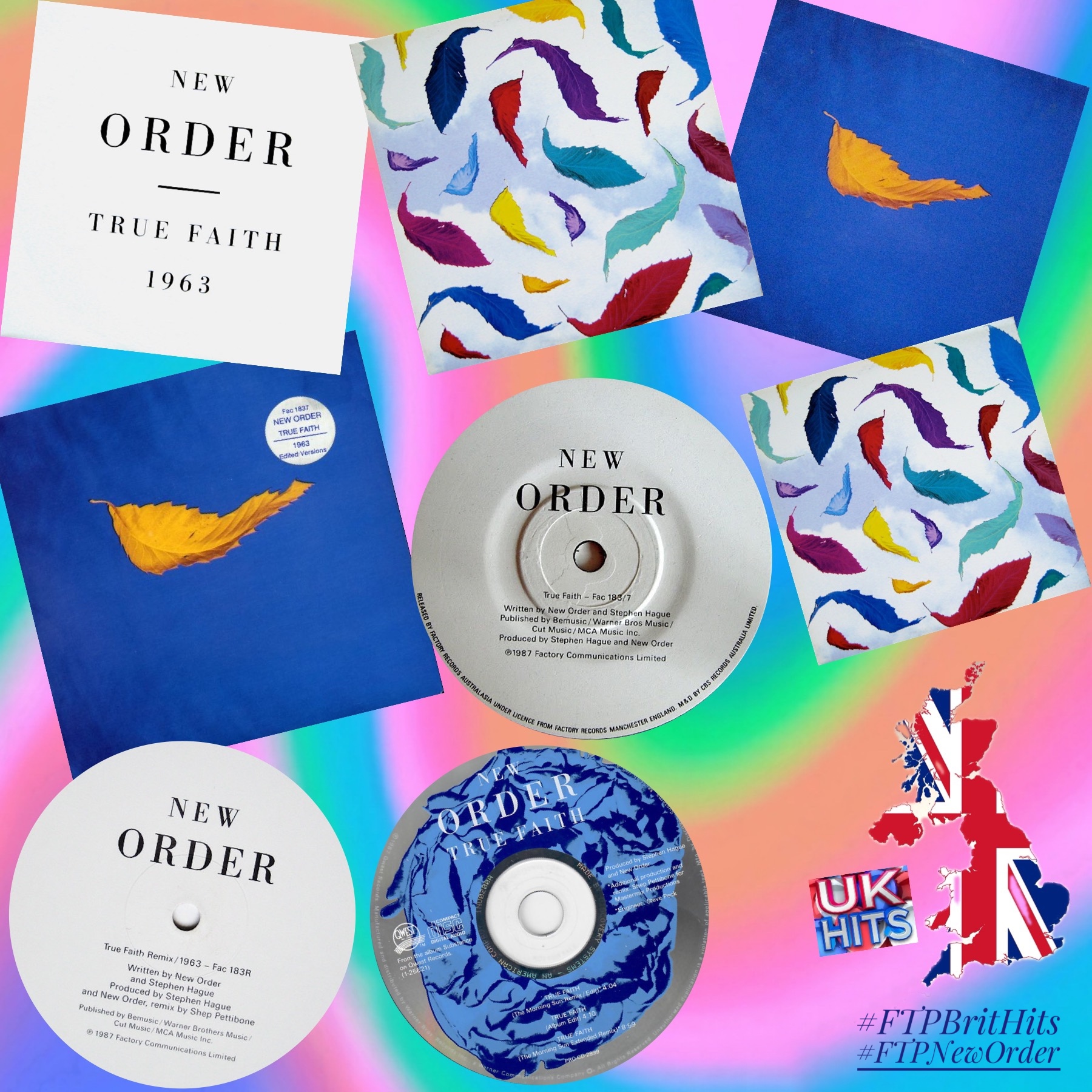
NEW ORDER - TRUE FAITH


Llançament: 20 de juliol de 1987

Regne Unit: #4


“True Faith” és un single de New Order, llançat com a part del seu primer àlbum recopilatori de senzills, “Substance 1987”. Va ser el primer senzill de la banda al Regne Unit des de “Ceremony” que es va publicar en dues versions separades en maxi-single amb la segona incloent remescles de Shep Pettibone. La seva cara B, “1963”, també va ser escrita com a material nou per a “Substance 1987”. Als Estats Units, “True Faith” es va convertir en el primer senzill de New Order a entrar a la llista Billboard Hot 100. La cançó va tornar a guanyar popularitat el 2011, quan George Michael en va gravar una versió per a Comic Relief, fet que la va portar de nou a les llistes britàniques.


“True Faith” va ser escrita per New Order en col·laboració amb el productor Stephen Hague, sent la primera vegada que treballaven junts. Hague més tard tornaria per produir l’àlbum “Republic” el 1993. Segons Bernard Sumner, la cançó es va concebre intencionadament com un èxit comercial, en part perquè la banda s’enfrontava a un impost elevat. Sumner va desenvolupar la línia de baix, Gillian Gilbert va contribuir amb les idees per a les cordes, i Hague es va encarregar de la bateria. La lletra es va escriure en una sessió nocturna amb una ampolla de Pernod en un apartament de Londres. Per recomanació de Hague, la lletra original—“they’re all taking drugs with me”—es va canviar per “they’re afraid of what they see”, per fer la cançó més comercial, encara que Sumner ocasionalment cantava la lletra original en directe.


El videoclip va ser dirigit i coreografiat per Philippe Decouflé, produït per Michael H. Shamberg i editat per Marc Eskenazi. Conegut per les seves imatges surrealistes, el vídeo mostra ballarins disfressats fent moviments exagerats i estranys, amb escenes inspirades en la performance Light/Dark de Marina Abramović i Ulay, així com en el Triadisches Ballett d’Oskar Schlemmer. El vídeo va rebre crítiques excel·lents, sent votat com un dels millors videoclips de 1987, guanyant el premi British Video of the Year el 1988, i influenciant la coreografia de Decouflé en la cerimònia d’obertura dels Jocs Olímpics d’Hivern de 1992. Una reedició de 1994 del vídeo va incloure clips en blanc i negre de dones, editats en les escenes finals.


NEW ORDER - TRUE FAITH


Released: July 20, 1987

UK: #4  


“True Faith” it’s a single by New Order, released as part of their first singles compilation album, “Substance 1987”. It was the band’s first UK single since “Ceremony” to be issued as two separate 12” versions, with the second featuring remixes by Shep Pettibone. The B-side, “1963”, was also written as new material for “Substance 1987”. In the United States, “True Faith” became New Order’s first single to chart on the Hot 100. The song saw a resurgence in 2011, when George Michael recorded a cover version for Comic Relief, bringing it back to the UK Singles Chart.


“True Faith” was written by New Order in collaboration with producer Stephen Hague, marking their first time working together. Hague later returned to produce their 1993 album “Republic”. According to Bernard Sumner, the song was deliberately crafted to be a hit single, partly due to a large tax bill. Sumner developed the bassline, while Gillian Gilbert contributed string ideas, and Hague handled the drums. The lyrics were written during an overnight session fueled by a bottle of Pernod in a London flat. At Hague’s suggestion, the original lyric—“they’re all taking drugs with me”—was changed to “they’re afraid of what they see”, to make the song more commercially viable, but Sumner occasionally sang the original lyric during live performances.


The music video was directed and choreographed by Philippe Decouflé, produced by Michael H. Shamberg, and edited by Marc Eskenazi. Known for its surreal visuals, the video features costumed dancers performing bizarre, exaggerated movements, with scenes inspired by Marina Abramović and Ulay’s Light/Dark performance and Oskar Schlemmer’s Triadisches Ballett. The video received critical acclaim, being voted one of the best music videos of 1987, winning British Video of the Year in 1988, and influencing Decouflé’s choreography for the 1992 Winter Olympics opening ceremony. A 1994 re-release of the video included black-and-white clips of women edited into later scenes.