Total de visualitzacions de pàgina:

18.5.25


SNAP! - RHYTHM IS A DANCER


Publicada: 30 de març de 1992

Regne Unit: núm. 1 (6 setmanes)


“Rhythm Is a Dancer” és un èxit del gènere Eurodance de l’any 1992 del grup alemany Snap!, publicat com a segon senzill del seu àlbum “The Madman’s Return”. Amb la veu principal de la cantant nord-americana Thea Austin, la cançó va ser escrita per Austin juntament amb els productors alemanys Michael Münzing i Luca Anzilotti (sota els àlies Benito Benites i John “Virgo” Garrett III), que també en van fer la producció. En el moment de la seva publicació, al març del 1992, la cançó es va convertir en una sensació internacional, encapçalant les llistes de molts països com el Regne Unit, Alemanya, França, Irlanda, Itàlia i els Països Baixos. Va mantenir el número 1 al Regne Unit durant sis setmanes i es va convertir en el segon senzill més venut de l’any al país. Als Estats Units, va arribar al top 5 del Billboard Hot 100 i va assolir el número 1 a la llista Dance Club Songs.


La participació de Thea Austin a Snap! va arribar en un moment de transició per al grup. Després que la vocalista original Penny Ford marxés per tensions amb el raper del grup, Turbo B, els productors la van convidar a tornar per ajudar a trobar una substituta. Ford va quedar impressionada per una maqueta d’Austin durant una entrevista i, com que volia la cançó per a ella mateixa, va gestionar que Austin viatgés a Alemanya, on va enregistrar ràpidament la veu principal de “Rhythm Is a Dancer”. Tot i l’èxit, Austin va deixar el grup poc després de la publicació del single.


Després de la seva marxa, Ford va reclutar Niki Haris (antiga corista de Madonna) per unir-se a Snap!, i ella va cantar en temes com “Exterminate!” i “Do You See The Light (Looking For)”. El 1994, Haris va ser substituïda per Paula Brown, coneguda com a “Summer”, que va participar en altres èxits europeus com “Welcome to Tomorrow (Are You Ready?)” i “The First The Last Eternity (Till the End)”. Snap! va entrar en aturada l’any 1997, però es va reformar el 2006 amb Penny Ford com a vocalista principal i amb un nou raper, Benjamin “Stoli” Lowe.


El videoclip de “Rhythm Is a Dancer”, dirigit per Howard Greenhalgh, es va estrenar al juliol de 1992. Es va filmar al Centre de Visitants del Kennedy Space Center, a Florida, i mostra Austin i Turbo B actuant entre escenes plenes de fum amb elements visuals espacials i ballarins. Va ser el darrer videoclip amb Austin i Turbo B, que van abandonar el grup poc després.


SNAP! - RHYTHM IS A DANCER


Released: March 30, 1992

UK: #1 (6 weeks)


“Rhythm Is a Dancer” is a 1992 Eurodance hit by German group Snap!, released as the second single from their album “The Madman’s Return”. Featuring vocals by American singer Thea Austin, the track was written by Austin along with German producers Michael Münzing and Luca Anzilotti (using the aliases Benito Benites and John “Virgo” Garrett III), who also produced the song. Upon release in March 1992, the song became an international sensation, topping the charts in multiple countries including the UK, Germany, France, Ireland, Italy, and the Netherlands. It held the number one spot on the UK Singles Chart for six weeks and was the second biggest-selling single in the UK that year. In the US, it reached the top five on the Billboard Hot 100 and topped the Dance Club Songs chart.


Thea Austin’s contribution to Snap! came during a period of transition. After original lead vocalist Penny Ford left due to tensions with group rapper Turbo B, the producers invited Ford back to help find a replacement. Austin, a fellow songwriter from the same town as Turbo B, impressed Ford with a demo during an interview. Wanting the track for herself, Ford arranged to send Austin to Germany, where she quickly recorded vocals for “Rhythm Is a Dancer.” Austin left the group shortly after the release of the song.


Following Austin’s departure, Ford recruited Niki Haris (formerly a backup singer for Madonna) to join Snap!, and she performed on hits like “Exterminate!” and “Do You See The Light (Looking For).” In 1994, Haris was replaced by Paula Brown, known as “Summer,” who featured on other European successes like “Welcome to Tomorrow (Are You Ready?)” and “The First The Last Eternity (Till the End).” Snap! went on hiatus in 1997 but reformed in 2006 with Penny Ford returning as the female vocalist, joined by a new male rapper, Benjamin “Stoli” Lowe.


The music video for “Rhythm Is a Dancer,” directed by Howard Greenhalgh, premiered in July 1992. Filmed at the Kennedy Space Center Visitor Complex in Florida, it features Austin and Turbo B performing amid smoke-filled scenes with space-themed visuals and dancers. The video was the last to include both Austin and Turbo B, who left the group shortly afterward.


15.5.25


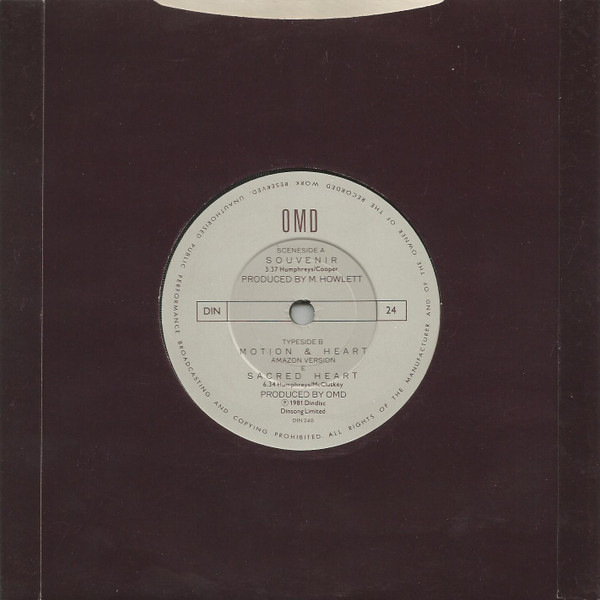
OMD - SOUVENIR


Publicació: 21 d’agost de 1981

Classificació: Regne Unit: #3


“Souvenir” és un single d’Orchestral Manoeuvres in the Dark, escrit per Paul Humphreys i Martin Cooper. Inclòs a l’àlbum “Architecture & Morality”, és interpretat per Humphreys i és conegut pels seus bucles corals alentits, així com per un enganxós motiu de sintetitzador que substitueix una tornada vocal tradicional. El tema esdevingué un dels majors èxits internacionals d’OMD, arribant al número 3 de la llista britànica de singles. També va encapçalar les llistes a Espanya i Portugal, i va assolir el top 10 a diversos països europeus.


“Souvenir” va ser el primer senzill d’OMD escrit íntegrament per Paul Humphreys, amb la seva pròpia veu com a protagonista. La cançó es va construir al voltant d’uns bucles encantadors i imperfectes d’un cor afinant, aportats per l’exmembre Dave Hughes. Aquests bucles es van crear manualment utilitzant llapis i altres eines improvisades per estirar cinta magnètica, resultant en un so característic i tremolós.


Inicialment titulada “The Choir Song”, la banda va tenir moltes dificultats per completar la composició i fins i tot va estar a punt d’abandonar-la. Andy McCluskey, que no va participar en l’escriptura, va admetre que la trobava massa sentimental i li costava connectar-hi, malgrat el seu èxit posterior. També va intentar afegir-hi una línia de baix més dura i industrial, però finalment, la cançó va conservar el seu so melancòlic i delicat.


El vídeo promocional va ser dirigit pel col·laborador habitual d’OMD, Peter Saville, i es va rodar als elegants jardins de Stowe House a Buckinghamshire i al parc de Blenheim Palace a Oxfordshire. L’estil visual, elegant i gairebé oníric, combinava perfectament amb el to melancòlic i atmosfèric de la cançó. Al vídeo, es veu Andy McCluskey conduint un clàssic Volkswagen Karmann Ghia vermell descapotable per carreteres de camp pintoresques. Mentrestant, Paul Humphreys, qui interpreta la veu principal, apareix dret sobre els pilars del Palladian Bridge, o recolzat contra ell, transmetent una sensació de quietud solemne que contrasta bellament amb el moviment del cotxe.


OMD - SOUVENIR


Released: August 21, 1981

Charts: UK: #3 


“Souvenir” is a single by Orchestral Manoeuvres in the Dark, written by Paul Humphreys and Martin Cooper. Featured on the album “Architecture & Morality”, it is sung by Humphreys and known for its dreamy, slowed-down choral loops and a synthesizer hook replacing a traditional vocal chorus. The track became one of OMD’s biggest international hits, reaching number 3 on the UK Singles Chart. It also topped the charts in Spain and Portugal and secured top-10 placements across Europe.


“Souvenir” was the first OMD single written entirely by Paul Humphreys, featuring his vocals. The song was built around charming, imperfect tape loops of a choir tuning up, brought in by ex-member Dave Hughes. These loops were created using pencils and other makeshift tools to stretch quarter-inch tape, resulting in a distinctive fluttering sound.


Initially titled “The Choir Song,” the band struggled with the composition and nearly abandoned it. Andy McCluskey, who didn’t write the track, admitted he found it too soppy and had difficulty connecting with it, despite its success. He also attempted to give it a harsher, more industrial bassline, but ultimately, the song retained its melancholic and delicate sound.


The promo video was directed by longtime OMD collaborator Peter Saville and filmed in the picturesque grounds of Stowe House in Buckinghamshire and Blenheim Palace Park in Oxfordshire. The elegant, almost dreamlike visual style matched the song’s melancholic and atmospheric tone. In the video, Andy McCluskey is seen driving a classic red convertible Volkswagen Karmann Ghia through scenic countryside roads. Meanwhile, Paul Humphreys, who sings lead vocals, appears throughout the clip standing on and leaning against the pillars of the Palladian Bridge, adding a sense of solemn stillness that contrasts beautifully with the movement of the car.


14.5.25


LOS LOBOS - LA BAMBA


EUA: núm. 1 (3 setmanes)  Regne Unit: núm. 1 (2 setmanes)


Originària de l’estat mexicà de Veracruz, “La Bamba” és una cançó popular tradicional arrelada en l’estil musical son jarocho, que combina influències espanyoles, indígenes i africanes. Històricament es tocava en casaments, i la lletra sovint era improvisada, amb més de 500 versos coneguts. Una tradició nupcial particular consistia en què els nuvis es lligaven una cinta als dits dels peus i ballaven La Bamba com a símbol d’unió.


La cançó va guanyar reconeixement internacional el 1958 quan Ritchie Valens, de només 17 anys, en va fer una versió en clau de rock and roll, convertint-la en una de les primeres cançons en espanyol que van entrar a les llistes d’èxits dels EUA, on va arribar al número 22 del Billboard Hot 100. Malauradament, la vida de Valens es va veure truncada en un accident d’avió l’any 1959, però la seva interpretació de “La Bamba” va deixar una empremta inesborrable en la història de la música.


El 1987, la pel·lícula biogràfica “La Bamba” va revifar l’interès per la vida i la música de Valens. El grup Los Lobos, procedent de l’est de Los Angeles, va ser escollit per la família de Valens per interpretar la banda sonora. La seva enèrgica versió de “La Bamba” va arribar al número 1 del Billboard Hot 100, convertint-se en la quarta cançó en una llengua diferent de l’anglès a assolir aquest èxit. El videoclip, amb Lou Diamond Phillips en el paper de Valens, va guanyar el premi MTV al millor vídeo d’una pel·lícula el 1988.


LOS LOBOS - LA BAMBA


US: #1 (3 weeks)  UK: #1 (2 weeks) 


Originating from the Mexican state of Veracruz, “La Bamba” is a traditional folk song rooted in the son jarocho musical style, which blends Spanish, indigenous, and African influences. Historically performed at weddings, the song’s lyrics were often improvised, with over 500 known verses. A unique wedding tradition involved the bride and groom tying a ribbon to their toes and dancing to “La Bamba” as a symbol of unity.


The song gained international recognition in 1958 when 17-year-old Ritchie Valens adapted it into a rock ‘n’ roll version, making it one of the first Spanish-language songs to chart in the U.S., peaking at number 22 on the Billboard Hot 100. Tragically, Valens’ life was cut short in a plane crash in 1959, but his rendition of “La Bamba” left an indelible mark on music history.


In 1987, the biographical film “La Bamba” reignited interest in Valens’ life and music. Los Lobos, a band from East Los Angeles, was chosen by Valens’ family to perform the soundtrack. Their energetic cover of “La Bamba” soared to the top of the Billboard Hot 100, making it the fourth non-English song to achieve this feat. The accompanying music video, featuring Lou Diamond Phillips as Valens, won the 1988 MTV Video Music Award for Best Video from a Film.


13.5.25


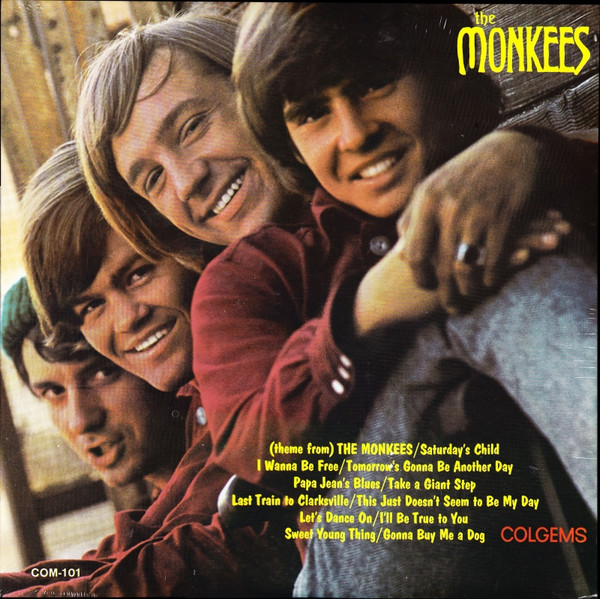
THE MONKEES - THEME FROM THE MONKEES


Released: February 1967

Album: The Monkees


“(Theme from) The Monkees” was the first song written and recorded for The Monkees TV series (1966–1968). Written and produced by Tommy Boyce and Bobby Hart before the cast was chosen, it introduced the band as a playful, Beatles-inspired act. Two versions were recorded: a full-length album version and a shorter TV theme. An Italian version appeared on a Monkees compilation


“(Theme From) The Monkees” served as both the opening track on the band’s debut album and the theme for all 58 episodes of their TV show. The full-length version was released as a single in several countries, becoming a hit in places like Australia (No. 8), Mexico (Top 10), and Japan (Top 20). A slower version, sung by Boyce and Hart, was used in an early pilot and is included in the Season 1 DVD set’s special features.


The song features Micky Dolenz on vocals and session musicians playing the instruments. Though it effectively introduced the band on TV, Peter Tork disliked its self-congratulatory tone and refused to perform it live, opting instead to use it as entrance music during concerts.


The song captured the Monkees’ fun, approachable image with a catchy, upbeat style that contrasted the rebellious tone of 1960s rock. The chorus emphasized their friendly persona—“We’re too busy singing to put anybody down”—to suit television standards. 


12.5.25


PRINCE - KISS


Publicació: 5 de febrer de 1986

EUA: #1 (2 setmanes)


Publicada el 5 de febrer de 1986, “Kiss” es va convertir ràpidament en un fenomen mundial. Acompanyada d’un dels seus videoclips més icònics, la cançó va ocupar el número 1 del Billboard Hot 100 durant dues setmanes i va arribar al número 6 a la llista britànica. Curiosament, la setmana que “Kiss” era número 1 als Estats Units, el número 2 també era una composició de Prince: “Manic Monday” de The Bangles. La cançó li va valer a Prince el premi Grammy a la millor interpretació vocal de R&B l’any 1986.


Tot i l’èxit, “Kiss” suposava un repte en directe. El seu arranjament minimalista, sense baix, i la veu en falset eren difícils de reproduir davant del públic massiu i sorollós que Prince acostumava a atreure.


L’origen de “Kiss” és força inusual. Prince la va escriure inicialment per a Mazarati, una banda formada pel seu baixista Brown Mark i signada al seu segell, Paisley Park. Durant una pausa en les sessions del seu àlbum “Parade”, Prince va enregistrar una demo acústica bàsica per al grup. Mazarati, amb el productor David Z, la va transformar en una cançó funky i ballable amb l’ajuda d’una LinnDrum. Quan Prince va escoltar la seva versió, va decidir que era massa bona per regalar-la. Va tornar a gravar les veus, hi va afegir un solo de guitarra i va incloure “Kiss” a “Parade” com a incorporació d’última hora.


Brown Mark va acceptar que Prince recuperés la cançó a canvi d’un crèdit com a coautor. Tanmateix, més endavant va afirmar que mai va rebre la compensació promesa i va abandonar Mazarati poc després. Malgrat el conflicte, Brown Mark va reconèixer que treballar amb Prince li havia obert moltes portes.


El videoclip de “Kiss” també va sorgir de manera espontània. Mentre viatjava en limusina per Los Angeles, Prince va veure la fotògrafa Rebecca Blake en una sessió amb Sheila E. Més tard li va demanar que dirigís el vídeo. Protagonitzat per Prince i la ballarina Monique Manning, el decorat minimalista permetia que Prince lluís els seus moviments caracteristics. Blake va recordar la capacitat natural de Prince per adaptar-se físicament a l’espai, i va descriure la col·laboració com a fascinant. Posteriorment, Blake dirigiria altres vídeos per an ell, com ara “Diamonds and Pearls” i “Cream”.


PRINCE - KISS


Released: February 5, 1986

US: #1 (2 weeks) 


Released in February 1986, Prince’s “Kiss” quickly became a worldwide phenomenon. Accompanied by one of his most memorable music videos, the single spent two weeks at No. 1 on the Billboard Hot 100 and peaked at No. 6 on the UK Singles Chart. Remarkably, the week “Kiss” topped the Billboard chart, the No. 2 spot was also occupied by a Prince composition — The Bangles’ “Manic Monday.” The song earned Prince a Grammy Award for Best R&B Vocal Performance in 1986.


Despite its massive success, “Kiss” presented challenges during live performances. Its minimalist, bass-less arrangement and falsetto vocals were difficult to translate to the large, boisterous audiences Prince regularly drew.


The origin of “Kiss” is an unusual story. Prince initially wrote the song for Mazarati, a band formed by his bassist Brown Mark and signed to his Paisley Park label. Prince recorded a rough acoustic demo for them during a break from sessions for his Parade album. Mazarati, with producer David Z, transformed the track into a funky, danceable song using a LinnDrum machine. When Prince heard their version, he decided it was too good to give away. He re-recorded the vocals, added a guitar solo, and included “Kiss” on Parade as a last-minute addition.


Brown Mark agreed to let Prince reclaim the song in exchange for a writing credit. However, he later claimed he never received the promised compensation and left Mazarati shortly afterward. Despite the fallout, Brown Mark acknowledged that working with Prince had opened significant doors for him.


The video for “Kiss” came together almost as spontaneously as the song itself. While riding in a limousine in Los Angeles, Prince spotted fashion photographer Rebecca Blake during a shoot with Sheila E. He later asked Blake to direct the music video. Featuring Prince alongside dancer Monique Manning, the minimalist set allowed Prince to showcase his signature moves. Blake later recalled Prince’s natural ability to adapt physically to the set’s space, describing the collaboration as fascinating. She would go on to direct additional videos for Prince, including “Diamonds and Pearls” and “Cream.”