Total de visualitzacions de pàgina:

29.5.25


IKE & TINA TURNER - PROUD MARY


Publicada: 14 de gener de 1971

Llistes d’èxits: EUA: #4


“Proud Mary” va ser escrita originalment per John Fogerty i publicada pel grup Creedence Clearwater Revival (CCR) el gener de 1969, dins el seu àlbum “Bayou Country”. Tot i que la cançó començà com una peça sobre una minyona, va evolucionar fins a explicar la història d’un vaixell de vapor anomenat “Proud Mary”. La versió original de CCR es caracteritza pels seus potents riffs de guitarra rítmics, que imiten el so d’una roda de pales d’un vaixell fluvial.


El 1971, Ike & Tina Turner van transformar “Proud Mary” en una de les versions més potents i icòniques del R&B. La seva interpretació comença amb la ja llegendària introducció parlada de Tina:

“We never, ever do anything nice and easy…”

La versió arrenca de manera lenta i sensual, però aviat esclata en un ritme funk-rock frenètic, ple de vocals amb influències gospel i una energia escènica desbordant. L’arranjament el van concebre Ike Turner i Soko Richardson, amb el suport coreogràfic de The Ikettes. Aquesta posada en escena va convertir la cançó en un número insígnia del seu repertori.


Tant va impactar, que el mateix John Fogerty va confessar en una ocasió que temia que la gent oblidéssin que ell n’era l’autor, perquè la versió de Tina havia esdevingut la més recordada.


El single va arribar al número 4 del Billboard Hot 100 i al número 5 de la llista R&B, i va guanyar un Grammy el 1972 a la Millor Interpretació Vocal R&B per un Grup. Ike & Tina la van presentar a programes de televisió com Playboy After Dark, The Ed Sullivan Show i Soul Train, i es va convertir en una peça clau dels seus concerts en directe, inclosa en àlbums com “Live at Carnegie Hall” i “Live in Paris”, ambdós del 1971.


Tina Turner va continuar interpretant “Proud Mary” durant tota la seva carrera en solitari. Apareix a l’àlbum en directe “Tina Live in Europe” (1988) i va tenir un paper destacat al film biogràfic del 1993 “What’s Love Got to Do with It”, on Angela Bassett interpretava Tina Turner. Tina en va fer una nova gravació per a la banda sonora de la pel·lícula, i aquella versió va ser inclosa al recopilatori “All the Best” (2004). Una altra versió en directe es pot sentir a “Tina Live” (2009), enregistrada durant la seva gira del 50è aniversari.


Les seves interpretacions conjuntes de “Proud Mary” amb Beyoncé i Cher van fer que la cançó arribés a noves generacions, mantenint-la viva com una de les peces més emblemàtiques de la història de la música moderna.


IKE & TINA TURNER - PROUD MARY


Released: January 14, 1971

Charts: US: #4 


“Proud Mary” was originally written by John Fogerty and released by Creedence Clearwater Revival in January 1969 on their album “Bayou Country”. While it began as a song about a maid, the song tells the story of a riverboat named “Proud Mary”. The original CCR version was built on strong rhythmic guitar riffs meant to mimic the churn of a paddlewheel steamboat. 


In 1971, Ike & Tina Turner transformed “Proud Mary” into one of the most powerful R&B covers of all time. Their version begins with Tina’s now-legendary spoken introduction: “We never, ever do anything nice and easy…” The cover starts slowly, then erupts into a fast-paced, energetic funk rock rendition, filled with gospel-influenced vocals and explosive stage presence. This rearrangement was driven by Ike Turner and Soko Richardson, with added choreography and the backing vocals of The Ikettes. Their performance turned the song into a signature number. The Ike & Tina version is so powerful that John Fogerty once feared people would forget he wrote it, as Tina’s interpretation had become so dominant.


It reached #4 on the Billboard Hot 100 and #5 on the R&B chart, eventually winning a Grammy Award for Best R&B Vocal Performance by a Group in 1972. Ike & Tina debuted it on TV shows such as Playboy After Dark, The Ed Sullivan Show, and Soul Train, and it became a staple of their live sets, featured on live albums like Live at Carnegie Hall (1971) and Live in Paris (1971).


Tina Turner continued to perform “Proud Mary” throughout her solo career. It was featured in her 1988 album “Tina Live in Europe” and again in the 1993 biopic “What’s Love Got to Do with It”, where Angela Bassett portrayed Turner in a dramatized version of her rise to fame. Tina re-recorded the song for the biopic’s soundtrack, and that solo version was later included in her 2004 greatest hits compilation “All the Best”. A live version from her 50th Anniversary Tour appeared on the 2009 album “Tina Live”. Her performances of “Proud Mary” with Beyoncé and Cher brought the song to new generations. 


28.5.25


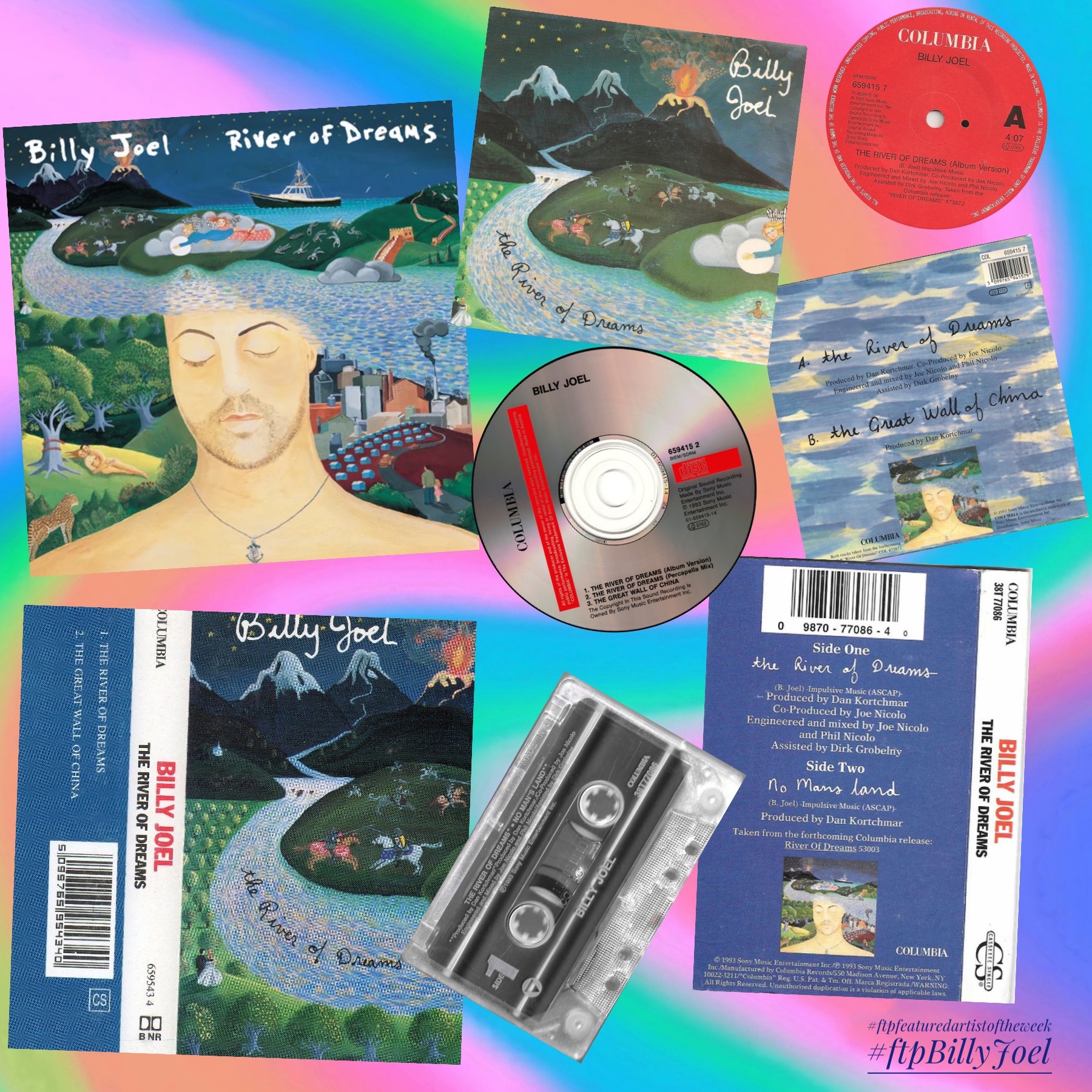
BILLY JOEL - THE RIVER OF DREAMS


Publicada: 19 de juliol de 1993

Llistes: EUA: #3 · Regne Unit: #3


“The River of Dreams” és la cançó que dóna títol i el primer single de l’àlbum “River of Dreams”, el dotzè disc d’estudi de Billy Joel, publicat el juliol de 1993. Va esdevenir un gran èxit, arribant al número 3 tant als Estats Units com al Regne Unit, i encapçalant les llistes d’Austràlia, Nova Zelanda, Canadà i la llista Adult Contemporary dels EUA. És el single més ben posicionat de Joel durant la dècada dels noranta i continua sent el seu últim Top 10 tant als EUA com al Regne Unit. La cançó va ser produïda per Joe Nicolo i Danny Kortchmar.


Musicalment, destaca per la seva sonoritat espiritual i influenciada pel gospel, un gir estilístic nou en la carrera de Joel. Malgrat declarar-se ateu, Joel va omplir la lletra d’imatges religioses, com el baptisme, rius de sang i una reescriptura del Salm 23:4 (“travessant la vall de la por”). Tant el títol de la cançó com la frase “walking in my sleep” van sorgir d’un somni real que Joel va tenir—es va despertar amb la melodia al cap. Tot i intentar ignorar-la (fins i tot cantant-la a la dutxa per “treure-se-la del cap”), la cançó insistia a tornar, i finalment la va acabar acceptant i enregistrant.


Joel ha descrit “The River of Dreams” com un joc de paraules amb el concepte de “corrents de consciència”, i la cançó funciona com un viatge introspectiu profund. Parla de la recerca de la veritat, el propòsit i l’acompliment espiritual, expressant una inquietud que resulta tant personal com universal.


Durant els Premis Grammy de 1994, on la cançó va estar nominada a Disc de l’Any, Joel va protagonitzar un moment molt comentat. Al mig de la seva actuació, després d’un fals final, va fer una pausa, va mirar el rellotge i va dir sarcàsticament: “Temps publicitari valuós que passa… dòlars”. Era una crítica oberta als productors per haver interromput el discurs d’agraïment de Frank Sinatra aquella nit. Tot i que el premi va ser per a “I Will Always Love You” de Whitney Houston, el gest de Joel va quedar com un dels moments més recordats d’aquella gala.


El videoclip, dirigit per Andy Morahan, es va rodar a Connecticut, i mostra Joel i les coristes sobre un pont ferroviari damunt el riu Connecticut, així com altres escenaris pintorescos com Old Saybrook i East Haddam. També hi apareix un ferri que es creu que és el Rocky Hill–Glastonbury Ferry.


BILLY JOEL - THE RIVER OF DREAMS


Released: July 19, 1993

Charts:  US: #3   UK: #3 


“The River of Dreams” is the title track and lead single from Billy Joel’s twelfth studio album, “River of Dreams”, released in July 1993. It became a major hit, peaking at No. 3 in both the US and the UK, and topping charts in Australia, New Zealand, Canada, and the US Adult Contemporary chart. It was Joel’s best-charting single of the 1990s and remains his final Top 10 hit in the US and UK to date. The song was produced by Joe Nicolo and Danny Kortchmar.


The song is notable for its spiritual and gospel-influenced sound, which was a new direction for Joel. Even being a self-identified atheist, Joel infused the track with religious imagery, referencing baptism, rivers of blood, and a rephrasing of Psalm 23:4 (“Through the valley of fear”). The line “walking in my sleep” and the song’s title both stem from a dream Joel had—he literally woke up with the tune in his head. Initially hesitant to write or record it, he tried to dismiss it, even singing it in the shower to wash it away. But the song persisted, and he ultimately embraced it.


Joel described “The River of Dreams” as a play on the concept of a “stream of consciousness”, reflecting a deep, introspective journey. The song explores searching for truth, purpose, and spiritual fulfillment, and expresses a yearning that feels both personal and universal.


At the 1994 Grammy Awards, where the song was nominated for Record of the Year, Joel made headlines during his performance. After a false ending in the middle of the song, he paused, looked at his watch, and said sarcastically, “Valuable advertising time going by… dollars.” This was a protest against producers for cutting off Frank Sinatra’s acceptance speech earlier in the show. Although the award went to Whitney Houston’s “I Will Always Love You”, Joel’s bold on-stage statement became a memorable moment in Grammy history.


The music video, directed by Andy Morahan, was shot in Connecticut and features Joel and backup singers standing on a railroad bridge over the Connecticut River, as well as other scenic locations like Old Saybrook and East Haddam. A ferry shown in the video is believed to be the Rocky Hill–Glastonbury Ferry.


 TINA TURNER - I DON’T WANNA LOSE YOU

Released: November 6, 1989

Charts: UK: #8 


“I Don’t Wanna Lose You” is a soulful pop ballad performed by Tina Turner, released as the second single in the UK from her seventh solo studio album, “Foreign Affair”. Written by Albert Hammond and Graham Lyle—the latter also co-wrote Turner’s earlier hit “What’s Love Got to Do with It”—the song became a Top 10 hit in multiple countries, peaking at No. 8 on the UK Singles Chart, marking Turner’s fifth UK Top 10 single. It also charted well in Belgium and Australia.


The track emerged from a spontaneous collaboration between Hammond and Lyle. As recounted by Hammond, the idea for the chorus came to him in the early morning hours while suffering from jet lag before meeting Lyle for the first time. While casually strumming a guitar in Lyle’s studio, Hammond improvised the melody and lyrics for the chorus. Lyle then contributed a pre-written verse, and the two quickly realized the strength of the combination, developing the song organically on the spot.


Produced by Roger Davies—Turner’s manager and key figure in shaping her sound in the late ’80s and beyond—the song fits within the mature, emotionally resonant style that defined “Foreign Affair”. It is driven by a lush arrangement and Turner’s heartfelt vocal performance, emphasizing vulnerability and emotional sincerity. The lyrics express a desire to hold on to a relationship and an aversion to parting.


27.5.25


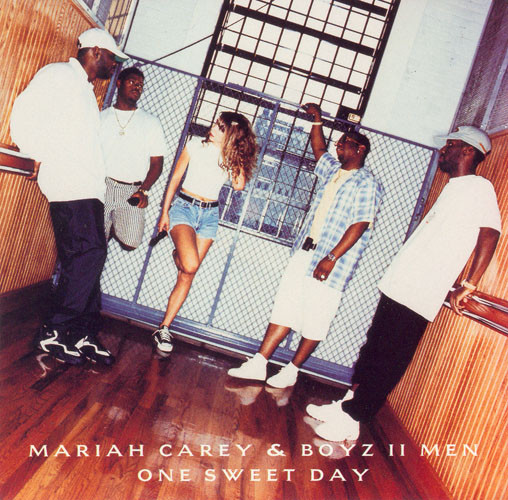
MARIAH CAREY & BOYZ II MEN - ONE SWEET DAY

Publicada: 14 de novembre de 1995

EUA: núm. 1 (16 setmanes)


“One Sweet Day” és una balada llançada el novembre de 1995 per Mariah Carey i Boyz II Men com a segon single del cinquè àlbum d’estudi de Carey, “Daydream”. Escrita per Carey, Boyz II Men i el productor Walter Afanasieff, la cançó és un homenatge emotiu a éssers estimats que han mort, especialment en el context de l’epidèmia de la sida, que tenia un fort impacte global en aquell moment. La lletra tracta temes com el dol, el penediment i l’esperança, amb el missatge central de retrobar-se amb els difunts al cel.


La col·laboració va sorgir de manera fortuïta. Carey estava escrivint una cançó sobre la pèrdua quan va descobrir que Nathan Morris de Boyz II Men havia composat una peça amb una temàtica i melodia molt similars. En lloc de triar entre les dues, van decidir fusionar-les, donant lloc a un tema que ambdues parts van considerar “destinat a ser”.


La cançó va aconseguir un èxit històric, mantenint-se durant 16 setmanes consecutives al número 1 del Billboard Hot 100, un rècord absolut en aquell moment. Aquesta fita no va ser superada fins al 2019, quan “Old Town Road” de Lil Nas X va assolir les 17 setmanes al capdavant. Boyz II Men ja tenien rècords previs, amb èxits com “End of the Road” (13 setmanes) i “I’ll Make Love to You” (14 setmanes) al núm. 1.


La inspiració per escriure la cançó va ser profundament personal. Mariah Carey va explicar que va sentir la necessitat de compondre-la després de la mort del seu amic i col·laborador David Cole (de C+C Music Factory), qui va morir per complicacions relacionades amb la sida. Carey va descriure “One Sweet Day” com la primera cançó amb la qual va afrontar realment una pèrdua personal, convertint-la en un missatge catàrtic i universal per a tothom que ha patit un dol.


A causa d’agendes incompatibles, Carey i Boyz II Men no van poder rodar un videoclip de gran producció. En el seu lloc, el vídeo oficial mostra imatges senzilles i sinceres de les sessions d’enregistrament a l’estudi. Tot i ser una solució improvisada, aquest enfocament cru i autèntic va ser elogiat per la crítica, ja que ressaltava la sinceritat emocional del tema i evitava distraccions visuals respecte al missatge.


MARIAH CAREY & BOYZ II MEN - ONE SWEET DAY


Released: November 14, 1995

US: #1 (16 weeks) 


“One Sweet Day” is a ballad released on November 1995, by Mariah Carey and Boyz II Men as the second single from Carey’s fifth studio album, “Daydream”. Written by Carey, Boyz II Men, and producer Walter Afanasieff, the song is a heartfelt tribute to loved ones lost, particularly in the context of the AIDS epidemic, which had a global impact at the time. Its lyrics reflect themes of grief, regret, and hope, with the central message being the anticipation of reuniting with the deceased in heaven.


The collaboration was serendipitous. Carey was writing a song on the topic of loss when she discovered that Nathan Morris of Boyz II Men had written a strikingly similar piece in theme and melody. Rather than choose between them, they combined their compositions, resulting in a track that both groups considered fated.


The song achieved historic chart success, spending 16 consecutive weeks at No. 1 on the US Billboard Hot 100 — the longest run at the top in history at the time. This record stood unchallenged for over two decades until “Old Town Road” by Lil Nas X broke it in 2019 with 17 weeks at No. 1. Boyz II Men were already record-holders, with previous hits like “End of the Road” (13 weeks) and “I’ll Make Love to You” (14 weeks) dominating the charts.


The inspiration behind the song was deeply personal. Mariah Carey revealed that she was moved to write the song after the death of her friend and collaborator David Cole of C+C Music Factory, who died of AIDS-related complications. Carey described “One Sweet Day” as the first song where she truly confronted personal loss, making it a cathartic and universal message for anyone experiencing grief.


Due to scheduling conflicts, Carey and Boyz II Men were unable to shoot a high-production music video. Instead, the music video consists of simple, behind-the-scenes footage of the artists recording in the studio. While unplanned, this raw and authentic approach was praised by critics for complementing the song’s emotional sincerity and avoiding any visual distraction from the message.


24.5.25


BRYAN ADAMS - (EVERYTHING I DO) I DO IT FOR YOU


Publicada: 17 de juny de 1991

Regne Unit: núm. 1 (16 setmanes) Estats Units: núm. 1 (7 setmanes)


Publicada el juny de 1991, “(Everything I Do) I Do It for You” és una balada poderosa i emotiva del cantant i compositor canadenc Bryan Adams, coescrita amb el compositor Michael Kamen i el productor Robert John “Mutt” Lange. La cançó va ser el single principal tant de la banda sonora de “Robin Hood: Prince of Thieves” com del sisè àlbum d’estudi d’Adams, “Waking Up the Neighbours”.


La cançó va ser un èxit comercial aclaparador. Va liderar les llistes en almenys 19 països i va batre rècords al Regne Unit, on es va mantenir al número 1 durant 16 setmanes consecutives, un rècord que encara no s’ha superat el 2025. Als Estats Units, va ocupar el primer lloc del Billboard Hot 100 durant 7 setmanes i 17 setmanes més al número 1 de la llista de vendes pures. Amb més de 15 milions de còpies venudes arreu del món, continua sent el major èxit d’Adams i un dels senzills més venuts de tots els temps.


L’origen de la cançó es troba en el tema instrumental composat per Michael Kamen per a la pel·lícula. Adams i Lange el van reconvertir en una declaració romàntica de lleialtat i sacrifici personal, inicialment pensada des del punt de vista de Lady Marian. Cantants com Kate Bush i Annie Lennox van rebutjar la proposta d’interpretar-la. Finalment, Adams i Lange van decidir accelerar lleugerament la cinta i tornar a gravar la veu, una decisió d’última hora que Adams considera clau per a l’èxit de la cançó.


El videoclip, dirigit per Julien Temple, mostra Adams cantant entre boscos emboirats i a la platja, prop de Somerset (Anglaterra), combinat amb escenes de la pel·lícula. També se’n va fer una altra versió d’actuació en directe, dirigida per Andy Morahan.


Tot i ser molt estimada pel públic, la cançó va suposar un canvi d’estil en la carrera d’Adams cap a balades més dramàtiques i d’adult contemporani, cosa que va alienar alguns fans del seu so rocker inicial. Malgrat això, el seu èxit va obrir el camí per a altres balades cinematogràfiques d’Adams, com “All For Love” amb Rod Stewart i Sting (Els tres mosqueters, 1993) i “Have You Ever Really Loved a Woman?” (Don Juan DeMarco, 1995).


BRYAN ADAMS - (EVERYTHING I DO) I DO IT FOR YOU


Released: June 17, 1991

UK: #1 (16 Weeks)  US: #1 (7 weeks)


Released in June 1991, “(Everything I Do) I Do It for You” is a sweeping power ballad by Canadian singer-songwriter Bryan Adams, co-written with composer Michael Kamen and producer Robert John “Mutt” Lange. The song served as the lead single for both the “Robin Hood: Prince of Thieves” soundtrack and Adams’s sixth studio album, “Waking Up the Neighbours”. 


The track was a massive commercial success. It topped the charts in at least 19 countries and broke records in the UK, where it held the No. 1 position for 16 consecutive weeks—a record that remains unbroken as of 2025. In the US, it spent seven weeks atop the Billboard Hot 100 and an astounding 17 weeks at No. 1 on the sales-only chart. With over 15 million copies sold worldwide, it remains Adams’s biggest hit and one of the best-selling singles of all time.


The song’s origin lies in Michael Kamen’s instrumental theme for the film. Adams and Lange reworked it into a romantic declaration of loyalty and self-sacrifice, originally envisioned from the perspective of Maid Marian. Early vocalists like Kate Bush and Annie Lennox declined to sing it. Ultimately, Adams and Lange adjusted the tempo by speeding up the tape and rerecording vocals—a last-minute decision Adams believes was key to the song’s success.


The music video, directed by Julien Temple, features Adams performing in misty woodlands and on a beach near Somerset, England, intercut with clips from the film. Another version was produced for a live performance and directed by Andy Morahan.


Though beloved by many, the song marked a stylistic shift in Adams’s career toward more dramatic adult contemporary ballads, alienating some fans of his earlier rock sound. Still, its success paved the way for other soundtrack ballads by Adams, such as “All For Love” with Rod Stewart and Sting for “The 3 Musketeers” (1993) and “Have You Ever Really Loved a Woman?” for “Don Juan DeMarco” (1995).