Total de visualitzacions de pàgina:

30.11.23


 DEPECHE MODE - JUST CAN’T GET ENOUGH

Publicació: 7 de setembre de 1981

Llistes: Regne Unit: #8


"Just Can't Get Enough" és una cançó de la banda anglesa Depeche Mode. Va ser el seu tercer senzill, llançat un mes abans del llançament del seu àlbum d'estudi debut, "Speak & Spell". Aquest va ser el primer senzill llançat als Estats Units, el 18 de febrer de 1982, i també va ser l'últim senzill escrit pel membre fundador Vince Clarke, que va deixar la banda el novembre de 1981. Acabava de fer 20 anys quan va escriure aquesta cançó. El vídeo "Just Can't Get Enough" és l'únic en el qual apareix.


Musicalment, es va inspirar en "To Cut a Long Story Short" de Spandau Ballet, llançat l'any 1980. Fins a aquest moment, a Clark no li agradava la música de ball, però la cançó de Spandau Ballet li va canviar el parer. "Va ser la primera vegada que em va impressionar un ritme 'boom-thwack, boom-thwack'", va dir a Rolling Stone l'any 2000. "Va ser la primera vegada que descobria la música de ball per a mi mateix i escriure una cançó al voltant d’aquest ritme va ser tota una revelació per a mi. "Just Can't Get Enough" va sortir gràcies a això".


"Just Can't Get Enough" és una cançó d'amor sobre una persona tan enamorada i consumit per la seva parella que mai en té prou. La cançó expressa els sentiments de passió i adoració que un té per l'altre, i parla de l'alegria d'estar junts i enamorats. També parla de la idea que no hi ha límit a les emocions fortes que sent per la seva parella i que cap quantitat de temps o esforç serà mai massa. La cançó subratlla que aquesta persona mai en tindrà prou del ser que estima, sense importar quin tipus d'obstacles es trobin al seu camí.


En una entrevista a la revista Q el febrer de 2008, el vocalista Dave Gahan va recordar la gravació de l'àlbum debut de Depeche Mode "Speak & Spell" i els seus inicis com a banda: "Vince Clarke era el líder en aquell moment. Quan vam entrar a l’estudi, en Vince ja s'havia avorrit. No li agradava la idea d'haver de tractar amb altres persones. Volia tenir el control. Aquest és l'únic disc on les cançons ja s'havien interpretat des de feia un any i mig abans. Vam entrar a l'estudi i les vam gravar com ho faríem en directe. Crec que Daniel Miller (el cap del segell discogràfic) ens va veure com un encreuament entre els Ramones i els Beach Boys, d'una manera electrònica, ràpida i curta amb riffs molt senzills. Ens volien les grans discogràfiques però vam desconfiar molt de signar un acord que significava gravar cinc àlbums. Veníem d'aquesta ètica punk: només volíem fer un single. En Daniel va venir i això és tot el que realment podia fer amb els diners que tenia, així que va funcionar. Volíem mantenir el control. Mai vam pensar molt més enllà del següent single i tocar alguns concerts. Aquells temps van ser genials".


DEPECHE MODE - JUST CAN’T GET ENOUGH


Released: September 7, 1981

Charted:  UK: #8 


"Just Can't Get Enough" is a song by the English band Depeche Mode. It was their third single, released a month before the release of their debut studio album, “Speak & Spell”. This was the first single released in the United States, on February 18, 1982, and also was the last single written by founding member Vince Clarke, who left the band in November 1981. He just turned 20 when wrote this song. "Just Can't Get Enough" video is the only one he appears in.


Musically, it was inspired by "To Cut a Long Story Short" by Spandau Ballet, released in 1980. To that point, Clark wasn't into dance music, but the Spandau Ballet song turned him around.  "It was the first time I was actually impressed by a rhythm that went 'boom-thwack, boom-thwack,'" he told Rolling Stone in 2000. "It was the first time I discovered dance music for myself, and to write a song around the rhythm was quite a revelation for me. 'Just Can't Get Enough' came out of that."


This is a love song about the singer being so in love and consumed by his significant other that he just can't get enough of them. The song expresses the feelings of passion and adoration one has for the other, and speaks to the joy of being together and in love. It also speaks to the idea that there is no limit to the strong emotions felt for their partner and that no amount of time or effort will ever be too much. The song emphasizes that the singer just can't get enough of the person they love, no matter what kind of obstacles come their way.


In an interview with Q magazine February 2008, vocalist Dave Gahan recalled recording Depeche Mode's debut album “Speak & Spell” and their early days as a band: "Vince (Clarke) was the leader at that point. By the time we got into the studio, Vince had got bored with it. He didn't like the idea of having to deal with other personalities. He wanted to be in control. That's the only album where the songs had already been performed for a year and a half beforehand, and we went into the studio and recorded them as we would live. I think Daniel Miller (their record label boss) saw us as a cross between the Ramones and the Beach Boys, in an electronic way, fast and short with really simple riffs. We were courted by major labels and were very suspicious of signing a deal that meant five albums. We'd come from that punk ethic: we just wanted to make a single. Daniel came along and that's all he really had the money to do, so it kind of worked. We wanted to keep in control. We never thought much beyond the next single and playing some gigs. That time was brilliant."


DEPECHE MODE - SEE YOU

Publicació: 29 de gener de 1982

Llistes: Regne Unit: #6


"See You" és el quart single de Depeche Mode i el primer escrit per Martin Gore. El senzill es va incloure al segon àlbum de la banda "A Broken Frame". Va ser el primer single que van llançar com a trio, a causa de la marxa de Vince Clarke l'any anterior, que havia deixat el grup per fundar Yazoo.


Vince Clarke volia deixar la banda amb un bon senzill, així que va escriure la cançó "Only you". Depeche Mode la va rebutjar i va llançar "See You", que Martin Gore va escriure quan només tenia 16 anys. "Only You" va ser un èxit per a Yazoo arribant al #2, però "See You" va demostrar que Depeche Mode se’n podria sortir sense Clarke. Recordant aquest moment crucial, Gore va dir a Mojo: "No ens vam espantar, només vam reservar una estona d'estudi. Aleshores 'See You', que vaig escriure quan tenia 16 anys, va ser la primera cançó que vam gravar i va ser un gran èxit; ens vam sentir invencibles.


Gore també va dir a la revista Kingsize el maig del 2001: "Sento afecte per coses com 'See You'? Realment no, no. Va ser la primera cançó que vaig escriure després que Vince se'n va anar, i crec que només estava intentant copiar el seu estil. Va ser una gravació de malson perquè encara viviem a Basildon i haviem d’agafar l'últim tren de tornada de Londres. Sempre era un tren ple de borratxos, i sempre ens barallavem, de vegades perquè ens reconeixien, però normalment només era pura violència d'Essex!"


Aquesta és una cançó d'enyorança, amb el cantant intentant convèncer el seu amor perdut perquè torni a intentar la seva relació. "Els temps canvien, però crec que la gent és bàsicament la mateixa", suplica.


Encara que el teclista Alan Wilder s'havia unit a la banda en aquest moment, no va ser inclòs a l'enregistrament de la cançó. Tanmateix, se’l pot veure breument al vídeo escrivint en una màquina d'escriure al fons.


DEPECHE MODE - SEE YOU


Released : January 29 1982

Charted:  UK: #6 


"See You" is the fourth UK single by Depeche Mode, and the first written by Martin Gore. The single was included on the band's second album “A Broken Frame”. It was the first single the band released as a trio, due to Vince Clarke's departure the previous year, who'd left the band for Yazoo. 


Vince Clarke wanted to leave the band with a good single, so he wrote the song "Only you”. Depeche Mode turned it down and instead released "See You," which Martin Gore wrote when he was only 16. "Only You" ended up being a #2 hit for Yazoo, but "See You" proved that Depeche Mode could have a go without Clarke. Recalling this pivotal time, Gore told Mojo, "We didn't panic, we just booked some studio time. Then 'See You,' which I wrote when I was 16, was the first song we recorded and it was a huge hit; we felt invincible.


Gore also told Kingsize magazine in May 2001: "Do I feel any affection for things like 'See You'? Not really, no. It was the first song I wrote after Vince left, and I think I was just trying to copy his style. It was a nightmare recording because we still lived in Basildon and caught the last train back from London. It was always a dodgy train, full of drunkards, and we always got into fights, sometimes because we were recognised, but usually it was just pure Essex violence!"


This is a song of longing, with the singer trying to convince his lost love to give their relationship another try. "Times change, but I think that you'll find people are basically the same," he pleads.


Though keyboardist Alan Wilder had joined the band by this time he was not included on the song's recording. However he can be briefly seen on the music video typing on a typewriter in the background.


DEPECHE MODE - EVERYTHING COUNTS

Released : July 11, 1983

Charted:  UK: #6 


"Everything Counts" is a song from their 1983 third studio album “Construction Time Again” A live version of the song was released in 1989 to support the band's live album “101”. The original single reached #6 on the UK Singles Charts, whereas the live version reached #22. It’s the first song to have both Martin Gore and Dave Gahan sing prominently at different times and was quick to become one of the fan favourites when they toured. 


The studio version of “Everything Counts” is a standout and one of Depeche Mode’s biggest early hits. However, this 1989 live version reigns supreme. Made by a more mature band the finale of “101” benefits hugely from stronger vocals from Martin Gore. During the chorus of the original 1983 take, his falsetto was still coming into its own, but six years later it’s fully realized—not to mention more powerfully contrasted against Dave Gahan’s low-pitched lamentations.


Martin Gore to NME in 1983: "I think 'Everything Counts' was partly inspired by going to Thailand as well that's where the oriental flavour comes in, like Korea 'n' all that. But you go over there and all the hotels are full of, like, businessmen and basically they tend to treat people as though they're nothing. All they're interested in is their business — that's what I really hate about big business, people just don't seem to matter. Just money. You see all the women over there 'n' they're all prostitutes — that's the only way they can make any money. 'Course, the businessmen love it. Work [will "remove the stains"]. It's no good just sitting back and hoping things'll change, you've got to actually work together. The material's there; it's like, there's enough food in the world to feed everybody and then half the world's eating three quarters of it and the rest of the world's starving. But the food is there. There is a solution. The thing is, the people in power don't care about someone with a low wage, they only care about their own power. But I think people should care about other people, y'know, cos from the moment we're born we're put into competition with everybody else. I really don't understand why people go into politics — what makes someone at 16 or 17 decide to go into parliament? It's got to be people themselves. People's attitudes have got to be changed. For instance, when I wrote "All we need's universal revolution", I didn't mean, like, everyone to take up arms, but more a total change of attitude. That's what's needed. People's attitudes have got to be changed. You've got to look at the world to change things. Attitudes in the world, poverty in the world.


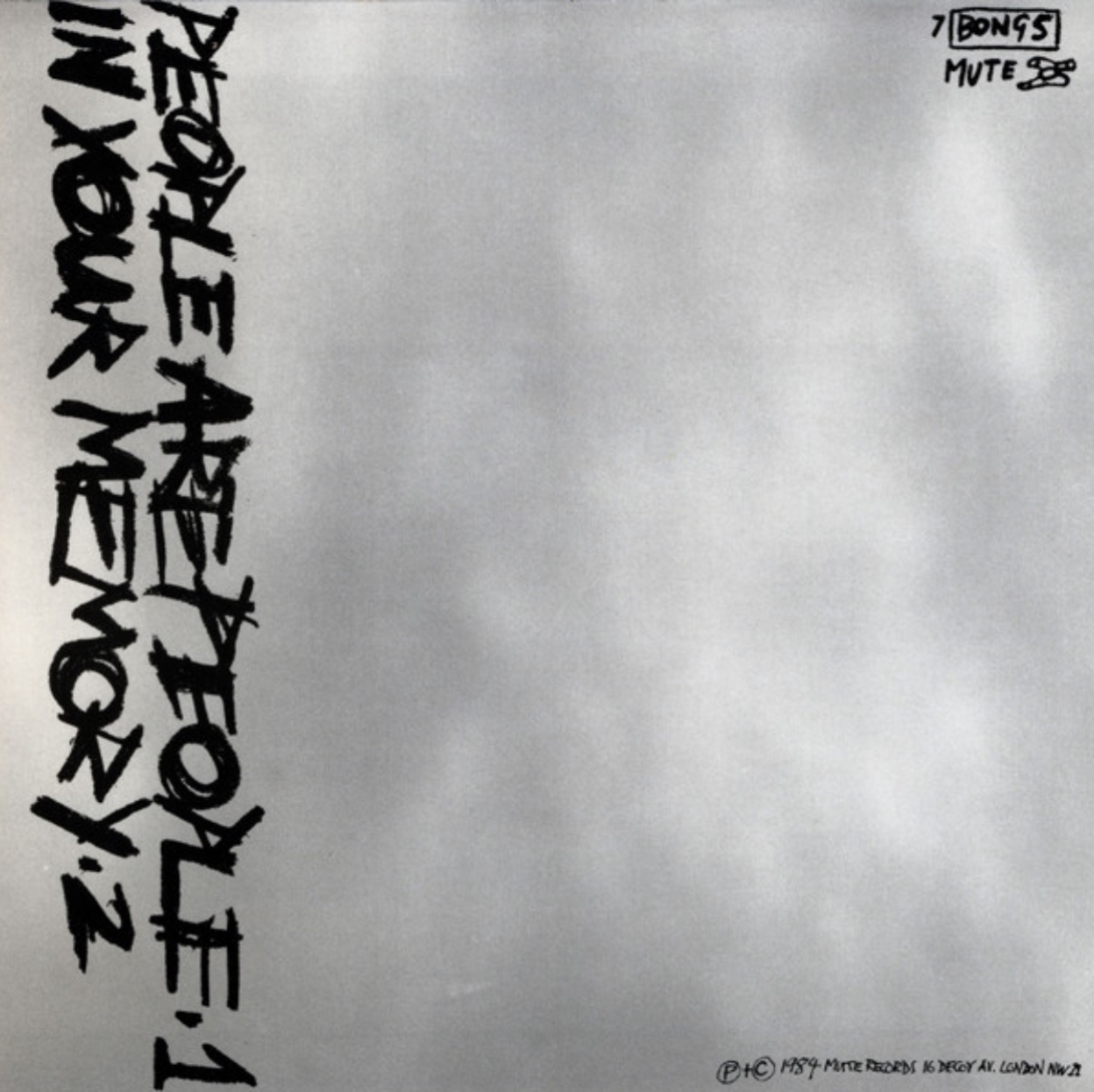
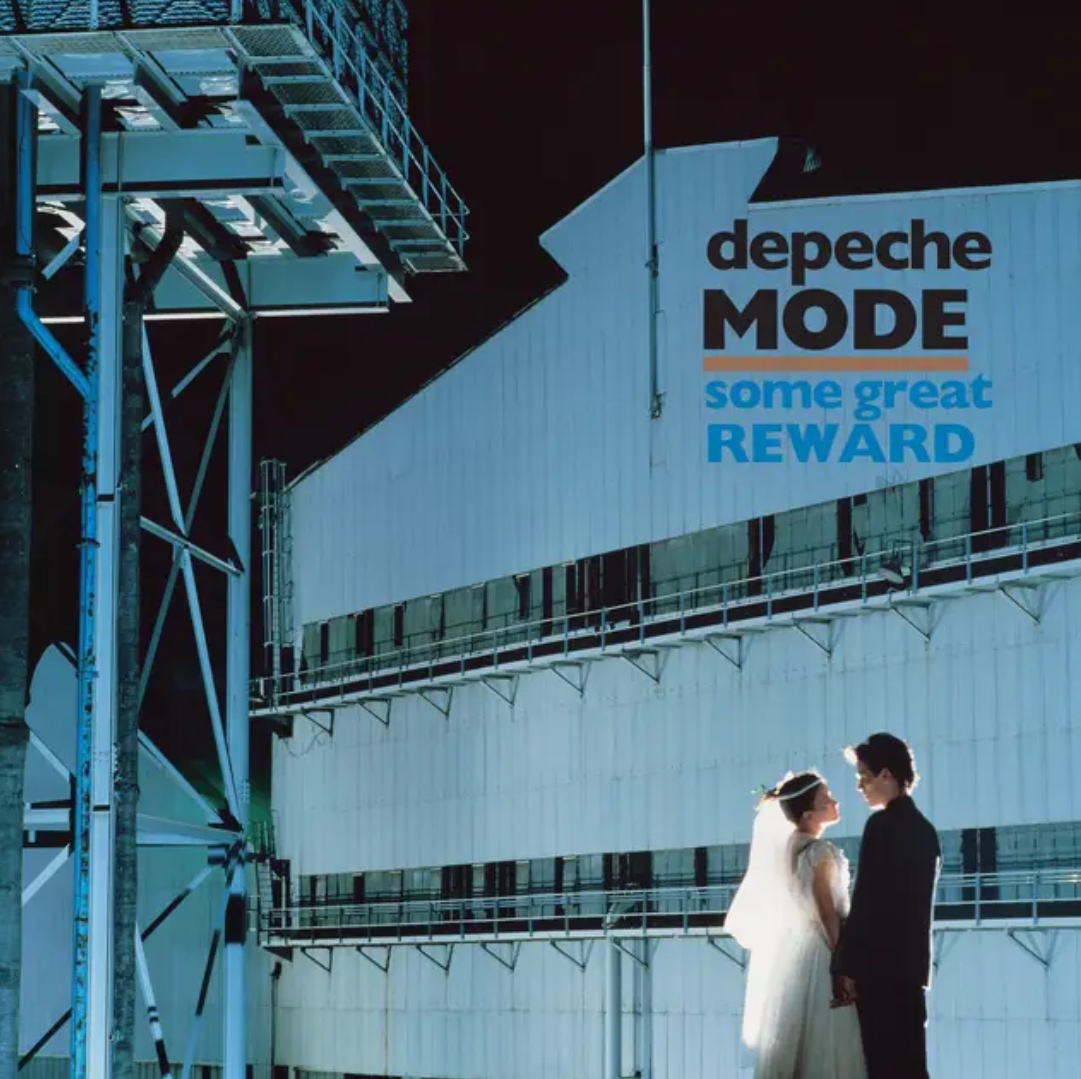
DEPECHE MODE - PEOPLE ARE PEOPLE

Released : March 12, 1984

Charted:  UK: #4    US: #13 


"People Are People" is a song released as the lead single from the band’s 1984 fourth studio album “Some Great Reward”. This was Depeche Mode's breakthrough hit in the United States; they had several chart hits in the UK to this point. 


Written by band member Martin Gore, this song is a call for people to put aside their differences and work toward unity. Gore said on Record Mirror: "Although it's a song about racism, that's just one example of people not getting on. It's about all sorts of differences between people." This song I t's unusual for Depeche Mode because the lyrics are so blatant and leave little to the imagination. The song earned them a great deal of freedom, allowing them to create more music on their terms.


Martin Gore told in 1986: Usually we spend two or three days before recording just sampling sounds. Then we sample as we go. If somebody has a good idea, we just stop recording and do some sampling. Sometimes we use old favourites — like one sample which we first used on 'People Are People'. It’s a Hank Marvin-type guitar sound, an acoustic guitar plucked with a 50-pfennig piece. We’ve used that three or four times. 


Gareth Jones told in 2007: Martin made a demo for 'People Are People' — it was also the first time the band had done a pre-production session — and this had one ambient sound that he'd recorded with a Walkman on an airplane; a bit of laughter and noise. He looped this up on the demo, and we decided to somehow recreate that sound, but it was impossible to recreate because it was a 'found sound', full of texture and rhythm, so we ended up using what was on the demo.


Dave Gahan told in 2017: This was the first song of ours that made a dent, really, into popular radio. We were using all these tape loops to create rhythms and the technology was quite advanced, but it wasn't anything like it is today, the things that you can do. It's not one of Martin's particular favorites, this one, and I don’t think we've done it live since the mid '80s. It's quite literal, very poppy, all major chords — something Martin doesn't like so much these days. But the song really propelled us into a new cosmos at that particular time.


29.11.23


DEPECHE MODE - ENJOY THE SILENCE

Publicació: 5 de febrer de 1990

Llistes: Regne Unit: #6   EUA: #8


"Enjoy the Silence" és una cançó publicada com a segon senzill del setè àlbum d'estudi de la banda "Violator". El senzill té la certificació d'Or als EUA i Alemanya, i va guanyar el millor senzill britànic als Brit Awards de 1991.


La cançó explora el concepte de trobar consol en el silenci, abraçant moments de solitud en un món caòtic. La lletra explica la història d'algú que busca la tranquil·litat fugint del soroll i les distraccions de la vida quotidiana. Fomenta una connexió més profunda amb un mateix i amb el món que l'envolta animant els oients a apreciar moments de tranquil·litat i introspecció. La lletra també il·lustra la idea que les paraules poden ser violentes i difícils d'entendre, mentre que el silenci pot proporcionar un lloc de tranquil·litat, pau i comprensió. En definitiva, aquesta és una cançó sobre el poder del silenci i la seva importància per reflectir i apreciar la bellesa de la vida.


La lletra commovedora era inicialment per a una cançó lenta, una mena de balada. No obstant això, Alan Wilder va tenir la idea d'accelerar-la i fer-la més disco al que Gore s'oposava. Va sentir que contradeia la serenitat i l'estètica de la lletra, però va acceptar quan va escoltar la nova versió.


Ampliament considerada com la seva millor gravació, "Enjoy The Silence" va començar la seva vida com una maqueta casolana simplista gravada per Martin Gore només amb un òrgan i la seva veu principal tremolosa. No va ser fins que la banda la va portar a l'estudi amb el productor Flood i Daniel Miller que la idea es va donar a conèixer per transformar-la completament, en un tema de discoteca; segons Flood, Gore estava lluny d'estar convençut que funcionaria. Flood recorda que la banda va gravar en un estudi al mig del no-res en algun lloc de Dinamarca amb només camps i mosques per a companyia. El seu últim objecte, un sintetitzador modular Roland, es va instal·lar degudament a l'estudi i la nova versió va començar a prendre forma. Un groove disco clàssic es va agafar sense tenir en compte com a punt de partida per a la metamorfosi, i d'aquell elegant banc de sintetitzadors va sorgir una línia de baix i una atmosfera airejada que va fer clic gairebé immediatament. En declaracions el 1998, Gore va dir: "Aquesta va ser l'única vegada a l'estudi en què pensàvem que teníem un senzill d'èxit.


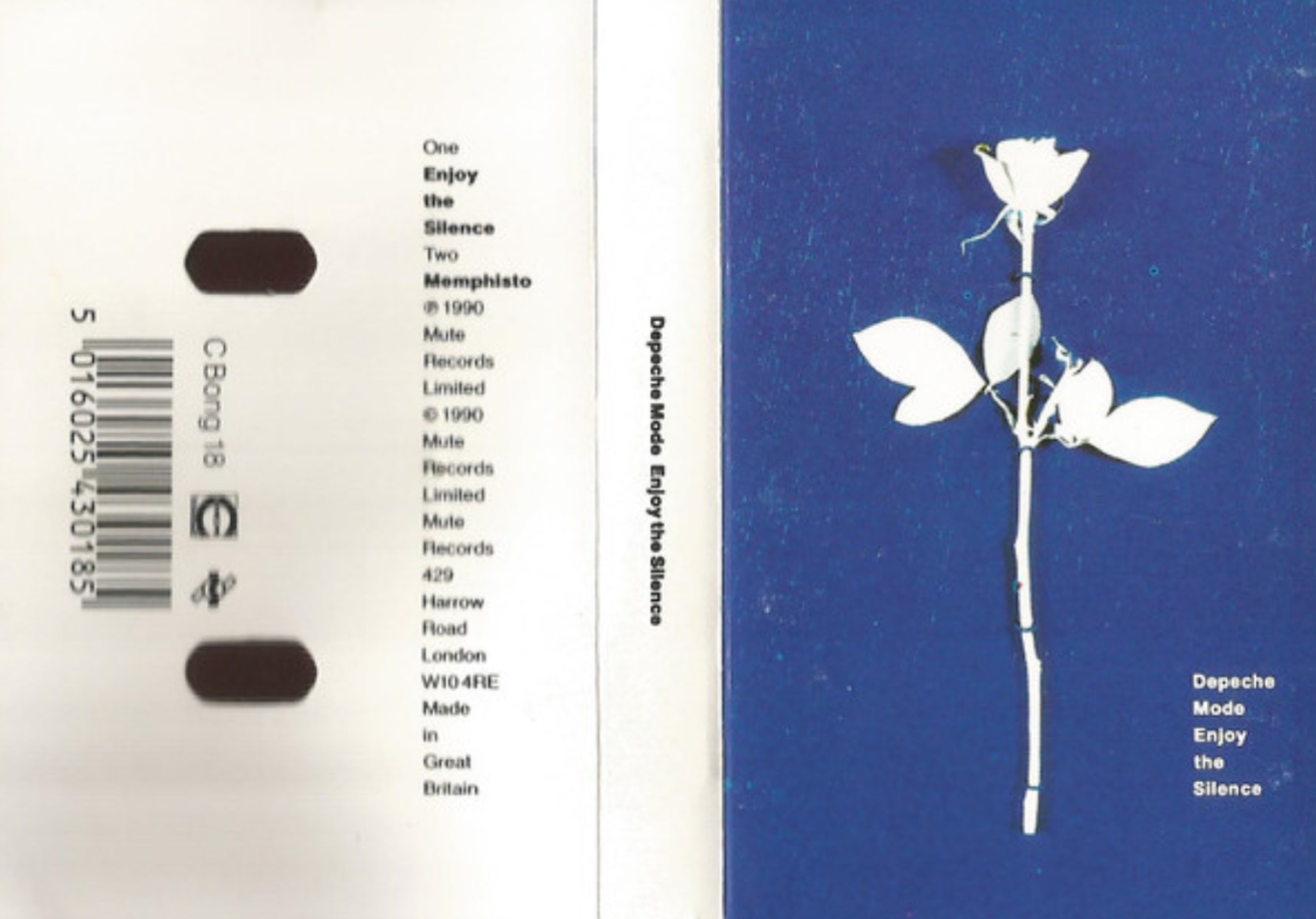
DEPECHE MODE - ENJOY THE SILENCE


Released :  February 5, 1990

Charted:  UK: #6   US: #8 


"Enjoy the Silence" is a song released as the second single from the band 1990 seventh studio album, “Violator”. The single is certified Gold in the US and Germany, and won Best British Single at the 1991 Brit Awards.


The song explores the concept of finding solace in silence, embracing moments of solitude in a chaotic world. The lyrics tell the story of someone who seeks tranquility by escaping the noise and distractions of daily life. It encourages a deeper connection with oneself and the surrounding world by encouraging listeners to appreciate moments of quiet and introspection. The lyrics also illustrate the idea that words can be violent and hard to comprehend, while silence can provide a place of tranquility, peace and understanding. Ultimately, this is a song about the power of silence and its importance to reflect and appreciate the beauty of life. 


The stripped-back, poignant lyrics were initially going to be sung over a slow track, a ballad of sorts. However, Alan Wilder had the idea to speed it up and make it more disco which Gore was opposed to. He felt it contradicted the serenity and aesthetic of the lyrics, but he came around once he’d heard the new version.


Widely regarded as their finest recorded moment, “Enjoy The Silence” began its life as a simplistic, downcast home demo, recorded by Martin Gore with just a pump organ and his trembling lead vocal. It wasn’t until the band took it into the studio with producer Flood and Daniel Miller presiding that the rather radical idea was floated around to transform it completely, into an uptempo disco track; according to Flood, Gore was far from convinced that it would work. Flood remembers the band recording in a studio in the middle of nowhere somewhere in Denmark with only fields and flies for company. His latest gizmo, a Roland modular synth, was duly installed in the studio and the new direction began to take shape. A classic disco groove was heedlessly nabbed as a starting point for the metamorphosis, and from out of that snazzy bank of synths came a bassline and some airy atmospherics that clicked almost immediately. Speaking in 1998, Gore said: “This was the only time ever in the studio when we thought we had a hit single.