Total de visualitzacions de pàgina:

13.12.23


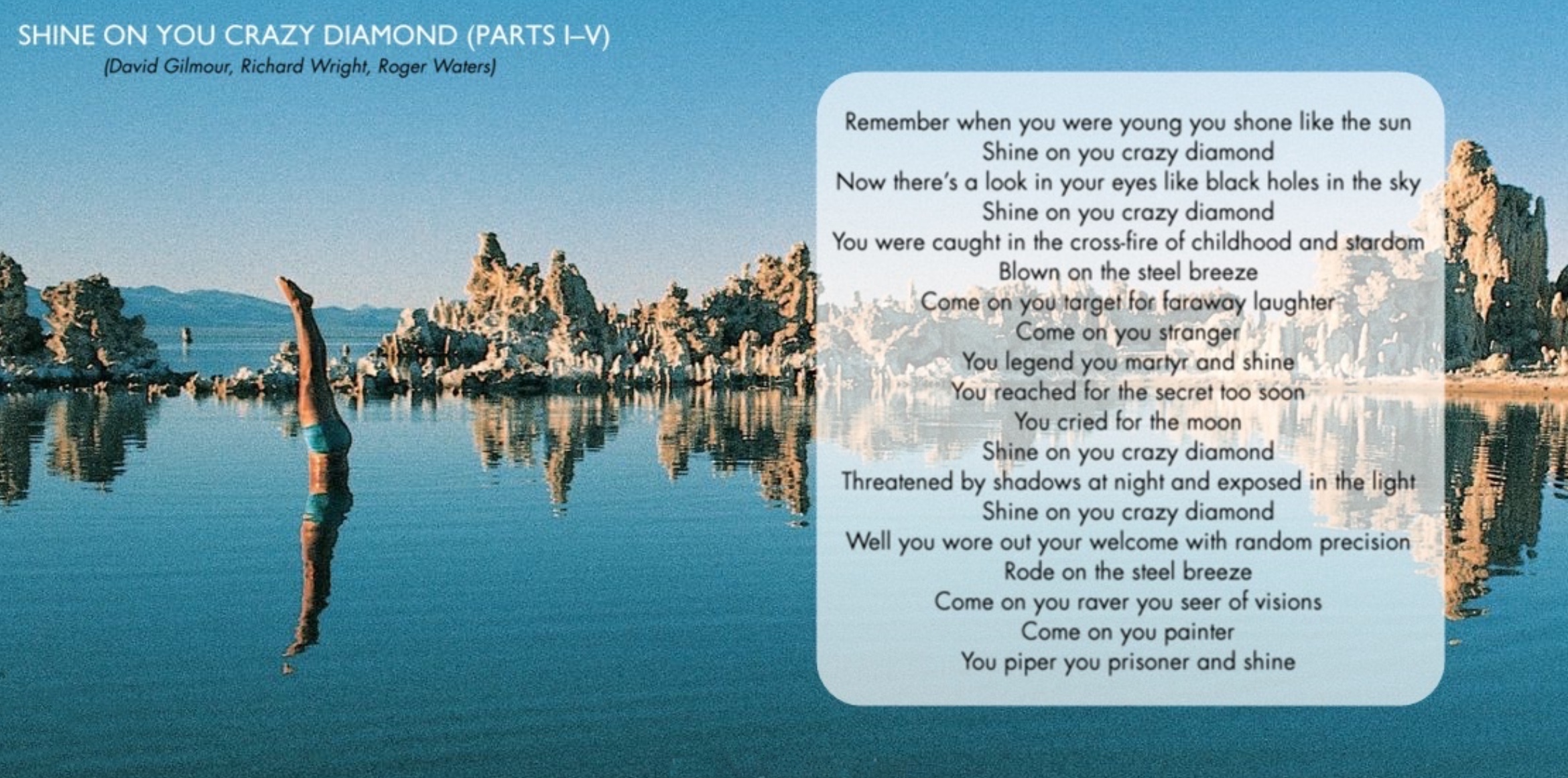
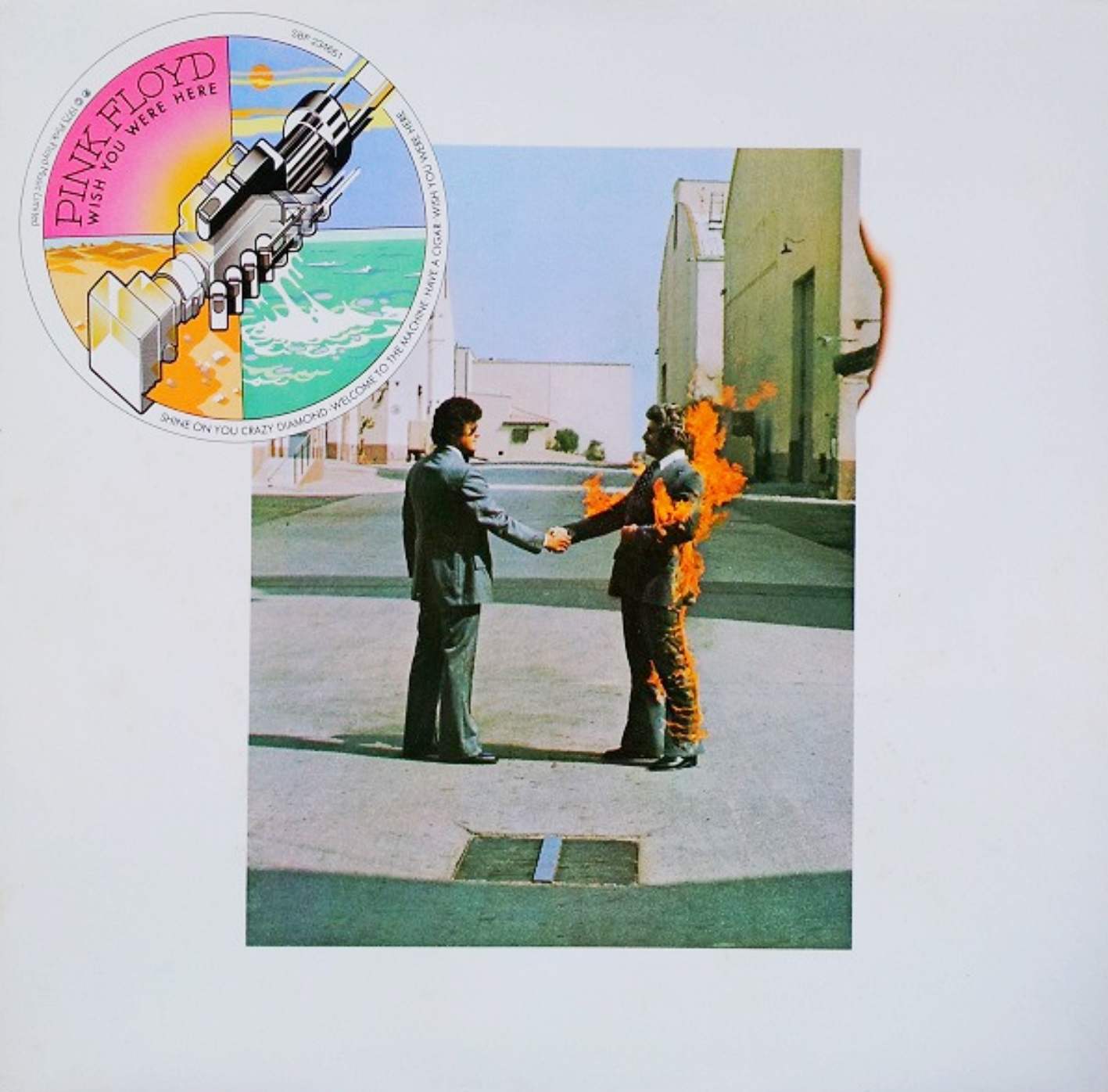
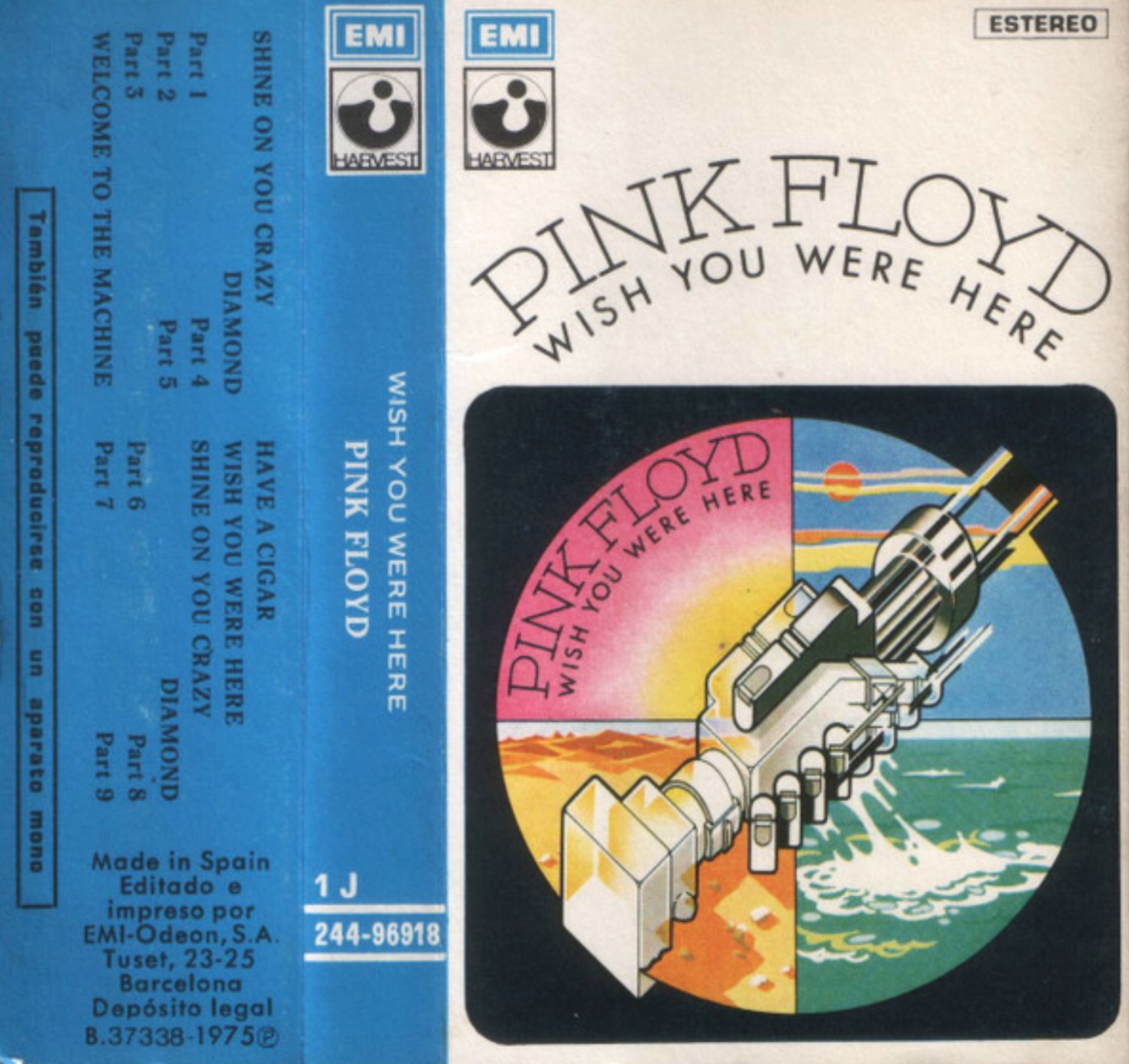
PINK FLOYD - SHINE ON YOU CRAZY DIAMOND


Llançament: 15 de setembre de 1975


"Shine On You Crazy Diamond" és una composició de nou parts de David Gilmour, Roger Waters i Richard Wright, publicada a l'àlbum "Wish You Were Here" de 1975. Aquesta icònica peça és un homenatge a l'antic company Syd Barrett, capturant tant la brillantor de les seves primeres contribucions a la banda com les lluites que va afrontar amb la salut mental. Roger Waters va escriure una lletra que reflexiona sobre la brillantor de Barrett i les seves posteriors dificultats amb la malaltia mental. Els versos "Remember when you were young / You shone like the sun / Shine on you crazy diamond" (Recordes quan eres jove / Brillaves com el sol / Brilla, boig diamant), capturen l'essència agredolça de la cançó. El procés d'enregistrament va coincidir amb un moment surrealista quan Syd Barrett va visitar inesperadament els estudis d'Abbey Road, apareixent notablement diferent de la figura vibrant que era abans. La coincidència del tema de la cançó i la inesperada presència de Barrett afegeix una capa de misteri a aquesta icònica peça de la discografia de Pink Floyd.


La decisió de dividir "Shine On You Crazy Diamond" en dues parts a l'àlbum "Wish You Were Here" demostra la decisió creativa de Roger Waters d'inserir altres pistes entre elles. Aquesta divisió intencionada afegeix un element dinàmic a l'estructura de l'àlbum, amb "Have A Cigar," "Welcome To The Machine" i "Wish You Were Here" creant un interludi temàtic. La seqüència reflexiva de Waters contribueix al flux narratiu general i a l'expressió artística de l'àlbum.


L'enfocament meticulós de Roger Waters en la gravació de les veus per "Shine On You Crazy Diamond" li va afectar la veu, cosa que va provocar la participació del cantant folk anglès Roy Harper per encarregar-se de les veus a "Have A Cigar". La veu distintiva de Harper va aportar un sabor diferent a la pista, i la seva contribució va afegir profunditat al paisatge musical global de l'àlbum. Les relacions interconnectades dins de la comunitat musical, com l'amistat de Harper amb Pink Floyd i Led Zeppelin, van tenir un paper en l’esforç col·laboratiu durant el procés d'enregistrament.


La pràctica de Pink Floyd de tocar les cançons en directe abans d'enregistrar-les, com van fer amb "Shine On You Crazy Diamond", reflecteix el seu compromís a refinar i perfeccionar el seu material a través d'experiències en directe. Aquest enfocament va permetre al grup avaluar les reaccions de l'audiència i afinar les cançons abans de llançar-les oficialment als àlbums. També destaca la seva insistència en la connexió entre les actuacions en directe i les gravacions d'estudi per moldre l'evolució de la seva música.


"Shine On You Crazy Diamond" va ser l'última cançó per la qual Richard Wright va rebre crèdits d'autoria abans de la seva sortida de Pink Floyd durant les sessions de “The Wall”. El creixent control exercit per Roger Waters i els reptes personals de Wright van contribuir a la seva sortida. El tecladista no es va reunir amb la banda fins al 1987, després que Roger Waters ja hagués marxat. Les relacions complexes i els canvis en la formació de la banda durant aquest temps van impactar significativament en el seu procés creatiu i en les dinàmiques internes.


PINK FLOYD - SHINE ON YOU CRAZY DIAMOND


Released: September 15, 1975


"Shine On You Crazy Diamond" is a nine-part composition by David Gilmour, Roger Waters, and Richard Wright, featured on Pink Floyd's 1975 album “Wish You Were Here”. This iconic piece serves as a tribute to former bandmate Syd Barrett, capturing both the brilliance of his early contributions to the band and the struggles he faced with mental health, with Roger Waters crafting lyrics that reflect on Barrett's brilliance and subsequent struggles with mental illness. The lines "Remember when you were young / You shone like the sun / Shine on you crazy diamond" capture the bittersweet essence of the song. The recording process coincided with a surreal moment when Syd Barrett unexpectedly visited Abbey Road studios, appearing markedly different from the vibrant figure he once was. The convergence of the song's theme and Barrett's unexpected presence adds a layer of mystique to this iconic piece of Pink Floyd's discography.


The decision to split "Shine On You Crazy Diamond" into two parts on the album "Wish You Were Here" showcases Roger Waters' creative choice to insert other tracks between them. This intentional division adds a dynamic element to the album's structure, with "Have A Cigar," "Welcome To The Machine," and "Wish You Were Here" creating a thematic and sonic interlude. Waters' thoughtful sequencing contributes to the overall narrative flow and artistic expression of the album.


Roger Waters' meticulous approach to recording the vocals for "Shine On You Crazy Diamond" led to vocal strain, prompting the involvement of English folk singer Roy Harper to handle the vocals on "Have A Cigar." Harper's distinctive voice brought a different flavor to the track, and his contribution added depth to the overall musical landscape of the album. The interconnected relationships within the music community, such as Harper's friendship with both Pink Floyd and Led Zeppelin, played a role in collaborative efforts during the recording process.


Pink Floyd's practice of performing songs live before recording them, as they did with "Shine On You Crazy Diamond," reflects their commitment to refining and perfecting their material through live experiences. This approach allowed the band to gauge audience reactions and fine-tune the songs before officially releasing them on albums. It also highlights their emphasis on the connection between live performances and studio recordings in shaping the evolution of their music.


"Shine On You Crazy Diamond" marked the last song for which Richard Wright received a writing credit before his departure from Pink Floyd during The Wall sessions. The increasing control exerted by Roger Waters and Wright's personal challenges contributed to his exit. The keyboardist didn't rejoin the band until 1987, after Roger Waters had already left. The complex relationships and changes within the band's lineup during this time significantly impacted their creative process and internal dynamics.






PINK FLOYD - ONE OF THESE DAYS


Released: November 29, 1971


"One of These Days" serves as the compelling opening track of Pink Floyd's 1971 album Meddle. Marked by an instrumental composition, the song features a notable spoken line from drummer Nick Mason: "One of these days, I'm going to cut you into little pieces." With its distinctive single-note bass riff, the track showcases Pink Floyd's prowess in using studio innovation to create a powerful and atmospheric piece, setting the tone for the band's exploration of the art-rock genre in the 1970s.


Dave Gilmour shared insights into the creation of "One of These Days" in Guitar World, noting its evolution from his experiments with the Binson delay unit. Roger Waters, intrigued by the techniques, applied them to the bass, resulting in the distinctive riff of the song. Gilmour also discussed the use of an H&H amp with vibrato for the middle section, creating a unique sound. Interestingly, Gilmour revealed that the opening bass section features a double track, with the first bass played by him and the second introduced by Roger Waters, albeit with a dull sound due to a lack of spare strings.

"One of These Days" became a concert staple during Pink Floyd's 1971–1973 and 1987–1994 tours. The Live at Pompeii version was renamed "One of These Days I'm Going to Cut You into Little Pieces," featuring the full spoken threat. The song was revived for the 1987–1989 A Momentary Lapse of Reason & Another Lapse tours and the 1994 Division Bell Tour, with David Gilmour on lap steel guitar and an ensemble of talented musicians. Live renditions were featured on the Delicate Sound of Thunder album and video (1988/1989), as well as the Pulse album and subsequent video releases (1995/2006/2019). Additionally, a live version appeared on the B-side of the "High Hopes/Keep Talking" double A-side single in 1994.


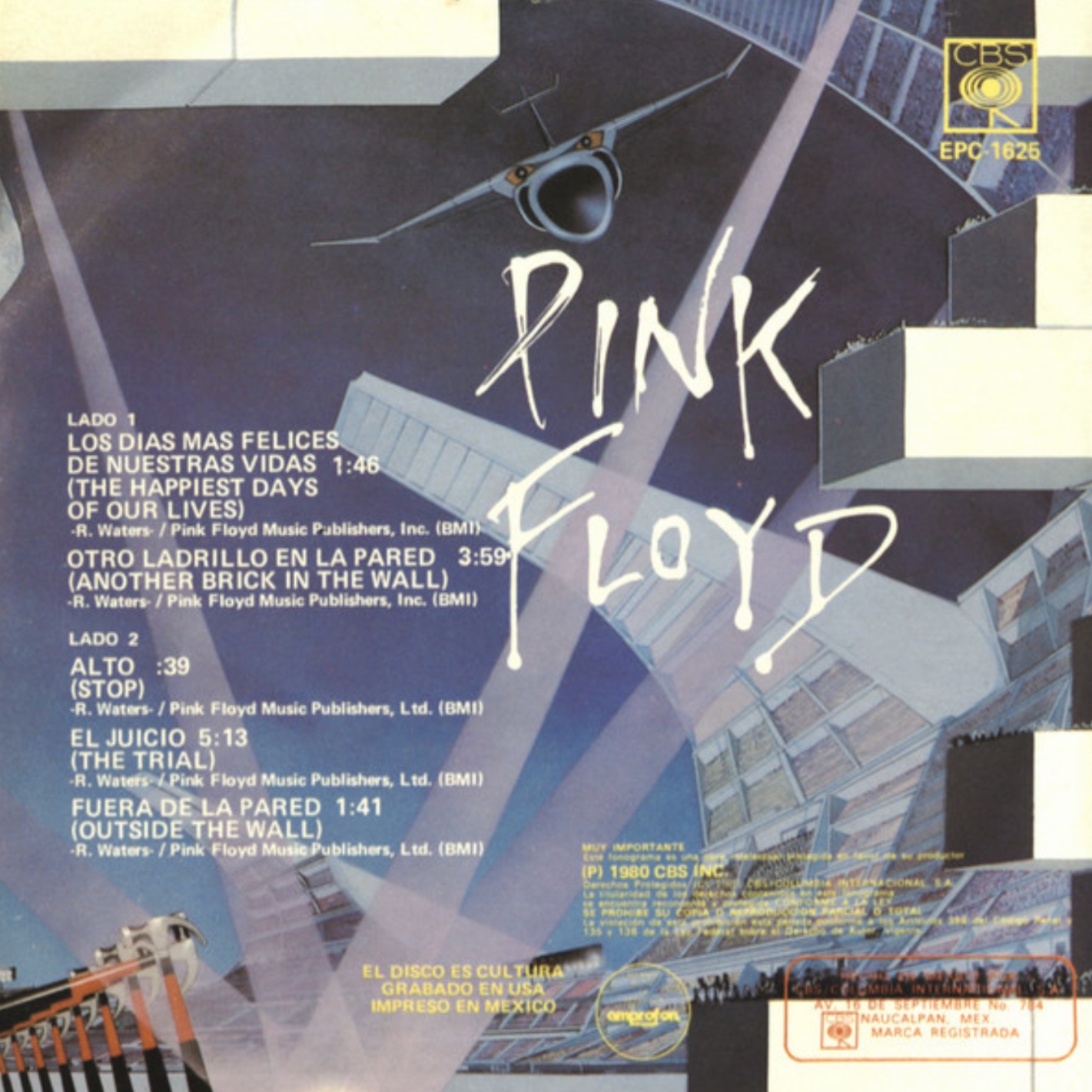
PINK FLOYD - THE HAPPIEST DAYS OF OUR LIVES / ANOTHER BRICK IN THE WALL (PART 2)


Publicació: 23 de novembre de 1979 (Regne Unit)  23 de gener de 1980 (EUA)

Llistes: Regne Unit: #1 (5 setmanes)   EUA: #1 (4 setmanes)


"The Happiest Days Of Our Lives" serveix com a irònica introducció de 1:50 a "Another Brick In The Wall (Part 2)" a l'àlbum de Pink Floyd "The Wall". El títol és sarcàstic, i la lletra descriu el maltractament als estudiants per part de professors severs. La cançó següent, "Another Brick In The Wall (Part 2)", continua la narrativa amb la famosa línia "We don't need no education". Era comú que les emissores de ràdio reprodueixessin aquestes dues cançons consecutivament.


La transició d’"Another Brick In The Wall (Part 1)" a "The Happiest Days Of Our Lives" inclou els sons d'un helicòpter, creant una anàlogia entre l'escola i un camp militar. Aquests efectes sonors i transicions fluides van ser elaborats amb habilitat pel productor Bob Ezrin durant la producció de l'àlbum "The Wall".


"Another Brick in the Wall (Part 2)" serveix com a comentari satíric sobre les experiències de Roger Waters amb l'educació formal, especialment a l'Escola Cambridgeshire per a Nois. Waters no suportava els seus professors de gramàtica, percebuts com més interessats en mantenir l'ordre que en proporcionar una educació significativa. El mur metafòric simbolitza la barrera emocional que Waters va construir al seu voltant a causa de la seva desconexió de la realitat, amb cada maó representant esdeveniments que van contribuir a aquest mur metafòric. La cançó és una crítica rebel contra figures i institucions autoritàries. La frase "We don't need no education" utilitza una doble negació, resultant una frase gramaticalment incorrecta que es pot interpretar com un comentari sobre la qualitat de l'educació o un sentiment rebel davant els suposats defectes en el sistema escolar. Afegeix una capa d'ironia a la crítica de la cançó cap a l'educació formal.


El ritme disco de la peça va ser un gir inesperat per a Pink Floyd, i va ser suggerit pel productor Bob Ezrin, un admirador del grup Chic. Ezrin es va inspirar en el so disco que va sentir de Nile Rodgers de Chic mentre estava a Nova York, influenciant la direcció rítmica de la cançó. El productor, que tenia una perspectiva diferent sobre els singles en comparació amb la banda, va convèncer Pink Floyd que "Another Brick in The Wall (Part 2)" podria ser un èxit com a senzill independent sense perjudicar les vendes de l'àlbum. Això va suposar una desviació de l'enfocament habitual de la banda d'evitar els llançaments de singles també inclosos en un àlbum. La decisió va ser encertada, ja que la cançó es va convertir en un èxit massiu, arribant al número 1 a diversos països, inclosos els EUA i el Regne Unit, desafiant l'enfocament tradicional de Pink Floyd respecte als senzills.


La versió del single és més curta, amb una durada de 3:10, i s’acaba durant el solo de guitarra. La versió de l'àlbum inclou una secció addicional on el mestre crida: "If you don't eat your meat, you can't have any pudding!" (Si no et menges la carn, no tindràs postres!). Això és seguit pel so d'un telèfon que porta a la següent cançó, "Mother". El context ampliat contribueix a la continuïtat temàtica dins de l'àlbum "The Wall".


El cor infantil a "Another Brick in the Wall (Part 2)" es va seleccionar d'una escola a Islington, Anglaterra, triada per la seva proximitat a l'estudi. Format per 23 nens d'entre 13 i 15 anys, es va sobreposar la gravació 12 vegades per crear la impressió d'un grup més gran. La idea del cor va sorgir del productor Bob Ezrin, que anteriorment havia utilitzat un cor infantil per a "School's Out" d'Alice Cooper. Tot i que va sorgir controvèrsia perquè els nens no van cobrar, van rebre compensació amb temps d'enregistrament d'estudi, i l'escola va rebre 1000 lliures juntament amb un disc de platí.


PINK FLOYD - THE HAPPIEST DAYS OF OUR LIVES / ANOTHER BRICK IN THE WALL (PART 2)


Single Released: November 23, 1979 (UK)  January 23, 1980 (US)

Charted:  UK: #1  (5 weeks)  US: #1 (4 weeks)


"The Happiest Days Of Our Lives" serves as an ironic 1:50 introduction to "Another Brick In The Wall (Part 2)" on Pink Floyd's album “The Wall”. The title is sarcastic, and the lyrics depict the mistreatment of students by harsh teachers. The subsequent song, "Another Brick In The Wall (Part 2)," continues the narrative with the famous line "We don't need no education." It was common for radio stations to play these two songs consecutively.


The transition from "Another Brick In The Wall (Part 1)" to "The Happiest Days Of Our Lives" features the sounds of a whirring helicopter, creating an analogy between school and a military camp. These sound effects and seamless transitions were skillfully crafted by producer Bob Ezrin during the production of “The Wall” album.


"Another Brick in the Wall (Part 2)" serves as a satirical commentary on Roger Waters' experiences with formal education, particularly at the Cambridgeshire School for Boys. Waters disliked his grammar school teachers, perceiving them as more interested in maintaining order than providing meaningful education. The metaphorical wall symbolizes the emotional barrier Waters constructed around himself due to his disconnection from reality, with each brick representing events that contributed to this metaphorical wall. The song is a rebellious critique of authoritarian figures and institutions. The line "We don't need no education" indeed uses a double negative, resulting in a grammatically incorrect phrase that could be interpreted as a commentary on the quality of education or a rebellious sentiment against perceived shortcomings in the school system. It adds a layer of irony to the song's critique of formal education.


The disco beat in the song was an unexpected twist for Pink Floyd, and it was suggested by producer Bob Ezrin, an admirer of the group Chic. Ezrin was inspired by the disco sound he heard from Nile Rodgers of Chic while in New York, influencing the rhythmic direction of the song. The producer who has a different perspective on singles compared to the band, convinced Pink Floyd that "Another Brick in The Wall (Part 2)" could be successful as a standalone single without hurting album sales. This marked a departure from the band's usual approach of avoiding single releases also featured on an album. The decision proved right, as the song became a massive hit, reaching #1 in various countries, including the US and UK, challenging Pink Floyd's traditional stance on singles.


The single version is shorter, running 3:10, and fades out during the guitar solo. The album version includes an additional section where the teacher screams, "If you don't eat your meat, you can't have any pudding!" This is followed by the sound of a phone ringing, leading into the next track, "Mother." The extended context adds to the thematic continuity within the album "The Wall".


The children's chorus in "Another Brick in the Wall (Part 2)" was drawn from a school in Islington, England, selected for its proximity to the studio. Comprising 23 kids aged 13 to 15, they were overdubbed 12 times to create the impression of a larger group. The idea for the choir came from Pink Floyd's producer, Bob Ezrin, who previously employed a children's choir for Alice Cooper's "School's Out." Although controversy arose over the kids not being paid, they were compensated with studio recording time, and the school received £1000 along with a Platinum record.


12.12.23


PINK FLOYD - DOGS 


Llançament: 21 de gener de 1977


"Dogs" és, sens dubte, una composició significativa a l'àlbum "Animals" de Pink Floyd, que barreja lletres potents de Roger Waters amb la sensibilitat melòdica de David Gilmour. Els orígens de la cançó com "Gotta Be Crazy" i la seva evolució cap a "Dogs" demostren la natura col·laborativa i canviant del procés creatiu de Pink Floyd en aquell període. És interessant com el canvi temàtic de "Wish You Were Here" a "Animals" va influir en el canvi de nom de la cançó, alineant-lo amb el comentari social més ampli explorat a l'àlbum.


"Dogs" és una crítica mordac sobre el món corporatiu, retratant els empresaris com a individus implacables que exploten el seu poder per aconseguir guanys personals, només per enfrontar-se a les conseqüències inevitables de les seves accions. La narrativa de la cançó condueix l'oient a través del cicle de vida d'aquests "Dogs", mostrant la seva ascensió a la riquesa, declivi eventual i final, sovint vinculat al càncer metafòric de la seva decadència moral. És una representació impactant dels mals socials i compromisos morals associats a la cerca de la riquesa i el poder.


Amb la veu caramel·litzada de David Gilmour proporcionant una reconfortant façana, la lletra de Roger Waters desplega un conte fosc d'ambició i desil·lusió. La juxtaposició de la interpretació emotiva de Gilmour i les paraules dures de Waters crea un paisatge sonor inquietantament bell però desassossegador. A mesura que la narrativa canvia, Waters pren l’iniciativa, detallant la desolació emocional provocada per una vida consumida per les aspiracions professionals. La interacció instrumental, magistralment creada per Gilmour i Richard Wright, recolzada pel subtil tamboreig de Nick Mason, intensifica l'atmosfera de la cançó, convertint "Dogs" en una experiència captivadora i immersiva.


Malgrat l'absència de "Dogs" a les actuacions en viu de Pink Floyd després del 1985 liderades per David Gilmour, Roger Waters ha continuat presentant aquesta fascinant composició en els seus concerts en solitari. La rellevant durabilitat de la cançó, amb el seu comentari punyent sobre la cobdícia i la por, subratlla l'impacte impereïdor de la música de Pink Floyd, proporcionant un llegat durador que va més enllà dels canvis dins la formació del grup.


PINK FLOYD - DOGS 


Released: January 21, 1977


"Dogs" is indeed a significant composition on Pink Floyd's "Animals," blending Roger Waters' potent lyrics with David Gilmour's melodic sensibility. The song's origins as "Gotta Be Crazy" and its evolution into "Dogs" demonstrate the collaborative and evolving nature of Pink Floyd's creative process during that period. It's interesting how the thematic shift from "Wish You Were Here" to "Animals" influenced the song's name change, aligning it with the broader societal commentary explored in the album.


"Dogs" serves as a scathing commentary on the corporate world, portraying businessmen as ruthless individuals who exploit their power for personal gain, only to face the inevitable consequences of their actions. The song's narrative takes the listener through the life cycle of these "Dogs," depicting their rise to wealth, eventual decline, and ultimate demise, often linked to the metaphorical cancer of their moral decay. It's a powerful portrayal of the societal ills and moral compromises associated with the pursuit of wealth and power.


With David Gilmour's velvety vocals providing an almost comforting facade, the lyrics by Roger Waters unravel a grim tale of ambition and disillusionment. The juxtaposition of Gilmour's emotive delivery and Waters' scathing words creates a hauntingly beautiful yet unsettling sonic landscape. As the narrative shifts, Waters takes the lead, detailing the emotional desolation wrought by a life consumed by career pursuits. The instrumental interplay, masterfully crafted by Gilmour and Richard Wright, supported by Nick Mason's subtle drumming, intensifies the song's atmosphere, making "Dogs" a compelling and immersive experience.


Despite the absence of "Dogs" from Pink Floyd's post-1985 live performances led by David Gilmour, Roger Waters has continued to feature this compelling composition in his solo shows. The song's enduring relevance, with its poignant commentary on greed and fear, underscores the timeless impact of Pink Floyd's music, providing a lasting legacy that transcends the changes within the band's lineup.