Total de visualitzacions de pàgina:

10.2.24


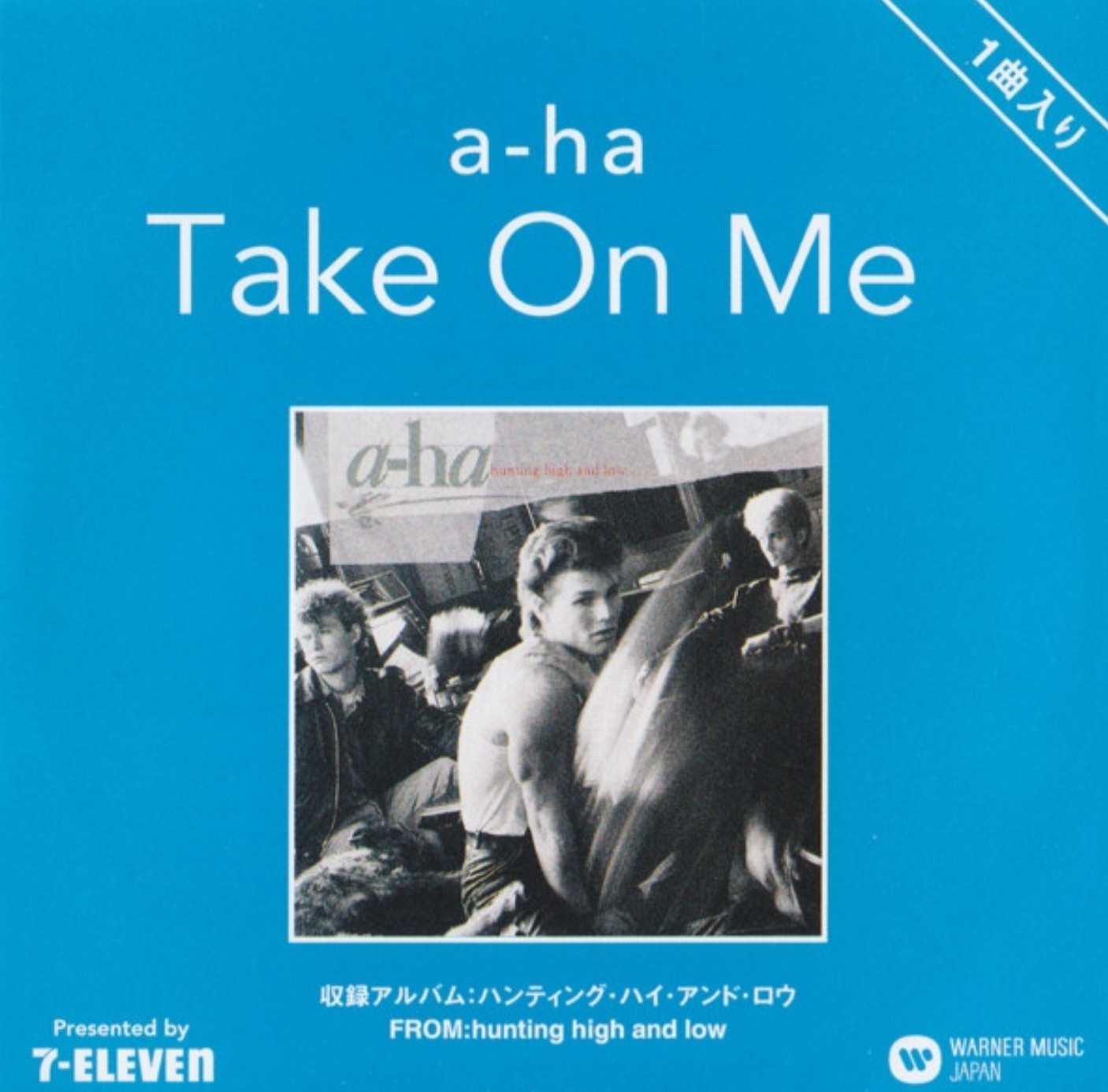
a-ha - TAKE ON ME


Publicació: 19 d'octubre de 1984

Llistes:  EUA: #1 (1 setmana)   Regne Unit: #2


"Take On Me" és una cançó de la banda noruega a-ha. La versió original, enregistrada el 1984 i llançada l'octubre del mateix any, va ser produïda per Tony Mansfield i remesclada per John Ratcliff. La versió internacional de l'èxit del 1985 va ser produïda per Alan Tarney per al primer àlbum d'estudi del grup, "Hunting high and low".


La primera versió de "Take On Me" va sortir a la llum a l'octubre de 1984. La banda la va escriure amb Tony Mansfield, el productor que havia estat gravant les seves demos. Té un vídeo bàsic que simplement mostra els membres del grup actuant en un escenari totalment blau. Aquell single de 1984 va tenir prou èxit per arribar al número 3 a Noruega, però va ser un fracàs al Regne Unit i ni tan sols es va llançar als Estats Units. Si l'escoltes avui sona bastant ridícula. No obstant, els executius de Warner Bros van veure que hi havia quelcom en ella. Alguns d'aquests executius també van percebre que Morten Harket era força guapo, cosa que es podia explotar comercialment.


Warner va pagar a a-ha per enregistrar una versió més neta i elegant de "Take On Me" amb la producció d'Alan Tarney. Després, el segell també va donar a Steve Barron, el gran director de videoclips de l'època, un pressupost enorme per fer un segon vídeo de la cançó. Barron tenia la idea d'una imatge; una mà que sortia d'un còmic, i es va posar a fer-ho realitat. Barron havia vist "Commuter", un curt d'animació que el matrimoni Michael Patterson i Candace havien fet com a treball d'estudi. Per "Commuter", Patterson i Reckinger van utilitzar la rotoscòpia, un estil d'animació meticulós en què els il·lustradors dibuixen sobre els fotogrames d'un film d'acció real. Barron els va posar en nòmina, i van fer "Take On Me" junts.


El nou vídeo és un encantador surrealisme pop enginyós. Una noia llegeix un còmic sobre corredors de motocicletes, crida l'atenció d'un dels personatges i després nota que aquest personatge li fa l'ullet. La seva mà l'agafa i l'arrossega al llibre, i ella entra en una mena de país de les meravelles on els membres d'a-ha canvien entre dibuixos a llapis i humans reals. Sorgeixen complicacions entre bandes rivals de motocicletes, però al final acaben junts al món real - una narrativa romàntica completa de cinema mut que no requereix ni una sola paraula de diàleg parlat. El vídeo és realment una meravella.


El vídeo es va llançar el maig de 1985, i al mateix temps es va llançar un single promocional amb fotogrames del vídeo a la portada. Warner Bros va promocionar la cançó a través del vídeo, aconseguint que les sales de cinema el mostrin abans de les pel·lícules i, finalment, que es passes a MTV. Quan MTV el va llançar, les emissores de ràdio també van posar la cançó, i a l'agost ja estava al Top 40 dels Estats Units. El single va continuar pujant a les llistes fins que va arribar al número 1. "Take On Me" només va aconseguir encapçalar les llistes durant una sola setmana, però el vídeo va escombrar els VMAs. És un cas clar on el vídeo es va fer més gran que la cançó. Amb aquest èxit, a-ha es va convertir en la primera banda noruega en aconseguir el número 1 als Estats Units. Una setmana després, la cançó també va arribar al seu pic a les llistes del Regne Unit, quedant-se al segon lloc darrere de "The power of love" de Jennifer Rush.


Hi ha un moment a la pel·lícula de 2016 "La La Land" on Emma Stone atrapa el fanàtic del jazz Ryan Gosling patint l’indignitat de tocar una versió de "Take On Me" a una festa en una piscina. Llavors li demana que toqui "I Ran" de A Flock Of Seagulls per humiliar-lo més. Al final veiem Gosling marxar enfadat mentre sona la versió de 1981 de "Tainted Love" de Soft Cell.


a-ha - TAKE ON ME


Released: October 19, 1984

Charted:  US: #1 (1 week)  UK: #2 


“Take On Me” is a song by the Norwegian band a-ha. The original version, recorded in 1984 and released in October of that same year, was produced by Tony Mansfield and remixed by John Ratcliff. The 1985 international hit version was produced by Alan Tarney for the group's 1985 debut studio album “Hunting high and low”.


The first version of “Take On Me” came out in October 1984. The band wrote it with Tony Mansfield, the producer who had been recording their demos. It has a basic video that simply shows the group members performing on an all-blue stage. That 1984 single did well enough to peak at #3 in Norway, but it flopped in the UK and wasn't even released in the US. If you listen to it today it sounds pretty ridiculous. Still, Warner Bros. executives saw there was something there. Some of these executives also perceived that Morten Harket was quite handsome, which was completely exploitable commercially.


Warner paid for a-ha to record a cleaner, sleeker version of “Take On Me” with the production of Alan Tarney. Then the label also gave Steve Barron, the big music-video director of the era, a huge budget to make a second “Take On Me” video. Barron had an idea for an image, a hand reaching up out of a comic book, and he set about making it happen. Barron had seen “Commuter”, an animated short that the husband-and-wife team Michael Patterson and Candace had made as a student film. For “Commuter”, Patterson and Reckinger used rotoscoping, a painstaking animation style in which illustrators trace over frames of live-action film. Barron put the two of them on retainer, and they made “Take On Me” together.


“Take On Me” is a charming bit of goony pop surrealism. A girl reads a comic book about motorcycle racers, catches the eye of one of the characters, and then notices that character winking at her. His hand reaches up and pulls her into the book, and she enters a sort of wonderland where the members of a-ha switch back and forth between pencil-sketch drawing and flesh-and-blood. There are complications involving crumpled paper and angry rival motorcycle gangs, but they finally end up together in the real world — a full silent-movie romantic narrative arc that doesn’t require one single word of spoken dialogue. The video really is a marvel. 


The video was released in May 1985, and a promotional single was released at the same time with stills from the video in the sleeve art. Warner Bros. promoted the song through the video, getting movie theaters to show it before films and eventually getting it on MTV. When MTV picked it up, radio stations also played the song, and by August it was in the US Top 40. The song continued to climb the charts until it hit #1 “Take On Me” only managed to top the charts for a single week, but the video swept the VMAs. It’s a definite case of the video being bigger than the song. With this hit, a-ha became the first Norwegian band to have #1 in USA. A week later, the song also reached its UK chart peak, coming in at #2 behind "The power of love" by Jennifer Rush.


There’s a moment in the 2016 film “La La Land” where Emma Stone catches the

Jazz sybarite Ryan Gosling suffering the indignity of playing a cover of “Take On Me” at a pool party. She then asks him to play “I Ran” by A Flock Of Seagulls to further humiliate him. We then see Gosling walking with his keytar, without playing it, while Soft Cell's 1981 version of “Tainted Love” plays. 


 ELECTRONIC feat. PET SHOP BOYS - GETTING AWAY WITH IT


Publicació: 4 de desembre de 1989

Llistes: Regne Unit: #12 EUA: #38


"Getting Away with It" marca el debut del grup anglès Electronic, format per Bernard Sumner de New Order, el guitarrista ex-Smiths Johnny Marr, i el vocalista convidat Neil Tennant de Pet Shop Boys. Inicialment llançada el 1989, la cançó combina els versos de Sumner i la tornada de Marr, amb lletres coescrites per Tennant i Sumner. Chris, tot i no estar implicat en la composició de la cançó, va contribuir en la seva gravació, com va revelar Johnny Marr dècades més tard.


"Getting Away with It" destaca com un excel·lent èxit de 1989 que precedeix l'àlbum debut homònim d'Electronic del 1991. Curiosament, inicialment no es va incloure a la primera edició britànica de l'àlbum, però posteriorment es va afegir a les versions britàniques posteriors i al llançament als Estats Units. Neil contribueix amb la veu de fons i l'escriptura de la cançó juntament amb Bernard Sumner, que fa la veu principal. La cançó planteja preguntes sobre perquè ha estat "escapant" tota la seva vida el narrador, amb una lletra que insinua pensaments i comportaments autodestructius. La lletres parodia de manera divertida a Morrissey, antic company de banda de Marr a The Smiths, conegut pel seu caràcter melancòlic i autodestructiu.


Es van crear dos vídeos musicals per a "Getting Away with It". La versió inicial, de 1989 dirigida per Chris Marker i produïda per Michael Shamberg, estava destinada a audiències europees. Mostrava Sumner, Marr i Tennant en un estudi fent l'edició de la cançó. El segon vídeo, produït pel llançament als Estats Units el 1990, mostrava Sumner i Tennant davant un teló de fons de colors, amb efectes artístics superposats, oferint una interpretació visualment diferent de la cançó.


ELECTRONIC feat. NEIL TENNANT - DISAPPOINTED


Estrena: 22 de juny de 1992

Llistes: Regne Unit: #6


"Disappointed" és el quart senzill del grup anglès d'alternativa dance Electronic. Llançat per Parlophone, compta amb la col·laboració de Neil Tennant dels Pet Shop Boys juntament amb els membres fundadors Johnny Marr i Bernard Sumner. Al juliol de 1992, "Disappointed" es va incloure a la banda sonora de la pel·lícula de misteri híbrid d'acció en viu/animació "Cool World" amb Kim Basinger i Brad Pitt. La inclusió de la cançó tant a la pel·lícula com a l'àlbum de la banda sonora es va promocionar durant el llançament del senzill als Estats Units, però no va arribar a les llistes del Hot 100 de Billboard.


Neil Tennant canta la veu solista de la lletra. Co-escrita amb Sumner i Marr que van crear la pista instrumental de fons, mentre que Tennant va escriure la lletra i la línia melòdica de la veu. La pista presenta un arranjament ric en harmonies, amb cordes de sintetitzador, piano, guitarra rítmica i la pròpia veu de Tennant afegint profunditat.


La lletra explora les emocions hesitants d'enamorar-se de algú, juxtaposades amb el temor a una possible decepció i desil·lusió, insinuant cicatrius emocionals passades. No obstant, el protagonista manté l'esperança de no ser ell qui decebi la seva possible estimada.


Neil Tennant va mencionar en una entrevista que "Disappointed" va estar molt influïda per "Désenchantée", una cançó de l'artista franco-canadenca Mylène Farmer. Mentre feia una gira per Europa, Tennant es va enamorar i no parava d'escoltar la cançó de Farmer, que inclou la frase "disappointed once again, disenchanted, encore" (decebut un altre cop, desencantat, encore). En paraules pròpies de Tennant, "Disappointed" serveix com a homenatge a Mylène Farmer. Curiosament, "Désenchantée" va aconseguir un èxit notable en una versió de Kate Ryan.


ELECTRONIC feat. PET SHOP BOYS - THE PATIENCE OF A SAINT


Data de publicació: 27 de maig de 1991


"The Patience of a Saint" és una col·laboració entre Electronic i els Pet Shop Boys. Mentre que Neil Tennant ha contribuït a altres pistes d'Electronic com "Getting Away with It" i "Disappointed", aquesta cançó destaca com l'única on tant Neil com Chris Lowe són coautors i intèrprets. Segons Bernard Sumner, Chris va participar activament en la creació de la música d'aquesta cançó. El narrador de "The Patience of a Saint" es retrata com una mena de personatge difícil, reconeixent la seva naturalesa despreocupada i admetent que pot acabar amb la paciència fins i tot dels individus més tolerants.


Segons el relat de Chris Heath, Neil i Chris van coincidir inicialment amb Johnny Marr mentre ajudaven a Bernard Sumner amb el seu àlbum en solitari cap al 1989. No obstant això, com que el projecte en solitari de Sumner mai es va materialitzar, i Marr i els Pet Shop Boys també hi van participar, això planteja la possibilitat que "The Patience of a Saint" podria haver tingut el seu origen durant aquest període. És plausible que la pista inicialment fos destinada al projecte en solitari de Sumner, amb Marr, Neil i Chris contribuint com a convidats. Més endavant, podria haver-se reutilitzat com a pista d'Electronic després que Sumner i Marr optessin per formar el seu duo.


"The Patience of a Saint" presenta un duet entre Neil Tennant i Bernard Sumner. La representació de la relació personal estreta entre dos homes és intrigant. Tot i que és possible que estiguin interpretant el mateix personatge, el fet de cantar parts diferents podria suggerir dues persones. Aquesta dinàmica afegeix profunditat i complexitat a la narrativa de la cançó, provocant diverses interpretacions


ELECTRONIC feat. PET SHOP BOYS - GETTING AWAY WITH IT 


Released: December 4, 1989

Charted:  UK: #12   US: #38 


"Getting Away with It" marks the debut single of the English band Electronic, formed by Bernard Sumner of New Order, ex-Smiths guitarist Johnny Marr, and guest vocalist Neil Tennant of Pet Shop Boys. Initially released in 1989, the song blends Sumner's verse and Marr's chorus, with lyrics co-written by Tennant and Sumner. Chris, although not involved in the song's writing, contributed to its recording, as revealed by Johnny Marr decades later.


"Getting Away with It" stands out as a terrific 1989 hit single preceding Electronic's eponymous 1991 debut album. Interestingly, it wasn't initially included on the first UK edition of the album but was later added to subsequent UK versions and the US release. Neil contributes background vocals and songwriting alongside Bernard Sumner, who sings lead. The song raises questions about what the narrator has been "getting away with" all his life, with lyrics hinting at self-destructive thoughts and behaviors. The lyrics playfully parody Morrissey, Marr's former bandmate in The Smiths, known for his melancholic and self-deprecating persona.


Two music videos were created for "Getting Away with It." The initial version, directed by Chris Marker and produced by Michael Shamberg, was intended for European audiences in 1989. It depicted Sumner, Marr, and Tennant in a studio setting, miming to the single edit of the song. The second video, produced for the US release in 1990, featured Sumner and Tennant against a backdrop of colored backgrounds, with artistic effects overlaid, offering a visually distinctive interpretation of the song.


ELECTRONIC feat. NEIL TENNANT - DISAPPOINTED


Released: June 22, 1992

Charted:  UK: #6 


"Disappointed" serves as the fourth single by English alternative dance group Electronic. Released on Parlophone, it features the collaboration of Neil Tennant from the Pet Shop Boys alongside founding members Johnny Marr and Bernard Sumner.  In July 1992, "Disappointed" found its place in the soundtrack of the live-action/animation hybrid mystery film “Cool World” featuring Kim Basinger and Brad Pitt. The song's inclusion in both the movie and its soundtrack album was highlighted during the US single release, but not charted on the Billboard Hot 100.


Neil Tennant takes the lead vocals, co-written with Bernard Sumner and Johnny Marr. Sumner and Marr crafted the backing instrumental track, while Tennant penned the lyrics and melody line of the vocal. The track features a propulsive and harmonically rich arrangement, with lush synth strings, piano, rhythm guitar, and Tennant's own falsetto background vocals adding depth. 


The lyrics explore the tentative emotions of falling in love with someone, juxtaposed with the fear of potential disappointment and disillusionment, hinting at past emotional scars. Yet, the protagonist remains hopeful that he won't be the one to disappoint his prospective lover.


Neil Tennant mentioned in an interview with Randee Dawn that "Disappointed" was heavily influenced by "Désenchantée," a song by French-Canadian artist Mylène Farmer. While touring in Europe, Tennant fell in love and kept hearing Farmer's track, which includes the line "disappointed once again, disenchanted, encore." In Tennant's own words, "Disappointed" serves as his homage to Mylène Farmer. Interestingly, "Désenchantée" later gained notable success in a version by Kate Ryan.


ELECTRONIC feat. PET SHOP BOYS - THE PATIENCE OF A SAINT


Released: 27 May 27, 1991


"The Patience of a Saint" is a collaboration between Electronic and the Pet Shop Boys. While Neil Tennant has contributed to other Electronic tracks like "Getting Away with It" and "Disappointed," this song stands out as the only one where both Neil and Chris Lowe are co-writers and performers. According to Bernard Sumner, Chris was heavily involved in crafting the music for this song. The narrator of "The Patience of a Saint" portrays himself as somewhat of a difficult character, acknowledging his carefree nature and admitting that he may try the patience of even the most tolerant individuals.


Chris Heath's account suggests that Neil and Chris initially crossed paths with Johnny Marr while assisting Bernard Sumner with his solo album around 1989. However, as Sumner's solo project never came to fruition, and Marr and the Pet Shop Boys were also involved, it raises the possibility that "The Patience of a Saint" could have originated during this period. It's plausible that the track was initially intended for Sumner's solo endeavor, with Marr, Neil, and Chris contributing as guests. Later on, it might have been repurposed as an Electronic track after Sumner and Marr opted to form their duo.


"The Patience of a Saint" features a duet between Neil Tennant and Bernard Sumner. The song's portrayal of a close personal relationship between two men is intriguing. While it's possible they're voicing the same character, singing different parts could suggest distinct personas. This dynamic adds depth and complexity to the song's narrative, prompting various interpretations.


J


PET SHOP BOYS - HEART


Estrena: 21 de març de 1988

Llistes: Regne Unit: #1 (3 setmanes)


"Heart" és una cançó del duo anglès Pet Shop Boys del seu segon àlbum d'estudi, "Actually" (1987). Llançada com el quart i últim single de l'àlbum el març de 1988 per Parlophone, la cançó ràpidament es va situar al capdavant de la llista de Singles del Regne Unit durant tres setmanes consecutives a l’abril de 1988. Aquest va ser el quart i últim número u del duo al Regne Unit fins a la data. "Heart" va assolir el número u al Regne Unit, però, curiosament, ni tan sols es va llançar com a single als Estats Units.


La cançó, escrita per Neil Tennant i Chris Lowe durant les seves sessions per al primer àlbum, "Please", el 1986, estava inicialment destinada a Madonna o a la cantant Hi-NRG Hazell Dean, però va acabar sent seva. Originalment titulada "Heartbeat", es va canvir el títol a causa de que Jon Moss, de Culture Club, va formar una banda anomenada Heartbeat UK. Neil Tennant, treballant amb el productor Andy Richards, va reestructurar els acords, i la pista va trobar el seu lloc a "Actually" dels Pet Shop Boys.


En una desviació del seu estil habitual, "Heart" és una cançó d'amor veritable, amb el terme "heartbeat" (bategada del cor) que té un doble significat: representa tant el ritme del cor com el ritme de la música. Temàticament, "Heart" és una confessió sincera d'amor profund, on el narrador sent que el seu cor s'accelera cada vegada que veu l'objecte del seu afecte. Neil Tennant la va descriure com "bastant dolça i sincera", mentre que Chris Lowe va assenyalar que "no és irònica en absolut".


Per promocionar el single, els Pet Shop Boys van protagonitzar un vídeo cinematogràfic, dirigit per Jack Gold i rodat a Iugoslàvia, amb Ian McKellen com un vampir que recorda a Dràcula. Inspirat lleugerament en Nosferatu, la trama es desplega amb Neil com a nuvi ric i Chris com a xofer. El vampir sedueix la núvia de Neil, deixant-lo "bitter and twisted" (amargat i torturat).


Quan es va incloure en la col·lecció retrospectiva "PopArt: The Hits", el llançament al Regne Unit va utilitzar la versió de la cançó de l'àlbum enlloc de la mescla del single per raons desconegudes. Curiosament la versió del single és la que es va incloure en el llançament als Estats Units.


PET SHOP BOYS - HEART 


Released: March 21, 1988

Charted:  UK: #1 (3 weeks) 


"Heart" is a song by the English duo Pet Shop Boys from their second studio album, “Actually” (1987). Released as the album's fourth and final single on March 1988 by Parlophone, the song swiftly rose to the top of the UK Singles Chart for three consecutive weeks in April 1988. This achievement marked the duo's fourth and final chart-topper in the United Kingdom to date. "Heart" hit #1 in the U.K. but, curiously, it wasn't even released as a single in the States.


This song, written by Neil Tennant and Chris Lowe during their sessions for the debut album, “Please”, in 1986, initially intended for Madonna or Hi-NRG singer Hazell Dean, ultimately became their own. Originally titled "Heartbeat," it underwent a title change due to Culture Club's Jon Moss forming a band called Heartbeat UK. Neil Tennant, working with producer Andy Richards, restructured the chords, and the track found its place on Pet Shop Boys' “Actually”.


In a departure from their usual style, "Heart" is a direct love song, with the term "heartbeat" carrying a dual meaning: representing both the rhythm of the heart and the beat of the music. Thematically, "Heart" is a sincere confession of deep love, where the narrator's heart skips a beat every time he sees the object of his affection. Neil Tennant described it as "quite sweet and sincere," while Chris Lowe noted it's "not ironic at all."


To promote the single, the Pet Shop Boys starred in a cinematic video, directed by Jack Gold and shot in Yugoslavia, featuring Ian McKellen as a vampire reminiscent of Dracula. Loosely inspired by Nosferatu, the plot unfolds with Neil as a wealthy groom and Chris as his chauffeur. The vampire seduces Neil's bride, leaving him "bitter and twisted."


When featured on the retrospective PopArt: The Hits collection, the UK release used the album version of the track instead of the hit single mix, for reasons unknown. However, the single mix was included on the US release.