"You May Be Right" és una cançó de l'àlbum de Billy Joel del 1980, "Glass Houses". Com a primera pista de l'àlbum, marca el to energètic i orientat cap al rock que defineix gran part del disc. Tot i que el senzill va assolir un respectable número 7 a les llistes dels Estats Units, no va aconseguir el mateix nivell d'èxit al Regne Unit, on no va entrar a les llistes.
Billy es mostra al seu millor moment punyent aquí, dient al seu oient que potser està boig, però potser és el que el seu oient està esperant. El tema de la cançó, de la bona noia que s'enamora del noi "dolent", és un estereotip clàssic del rock and roll, que retracta el carisma de qui pot ser poc convencional o imprevisible. La lletra de Joel reconeix de forma divertida la percepció de la temeritat mentre celebra la llibertat i l'emoció que comporta viure la vida al límit. La utilització de veus a l’estil de Mick Jagger afavoreix el caràcter rebel de la cançó, augmentant la seva vibració enèrgica i contundent. "You May Be Right" és vitalista, divertida i intel·ligent narrativament. La música transmet l'atmosfera i la cançó explica una història que segurament transcendirà molta gent. És una cançó divertida i apreciada pels fans.
El so de vidres trencats al principi marca el to del missatge desafiant de Billy Joel als seus crítics. L’imatge de llençar una pedra a la finestra d'una casa tota de vidre és una afirmació metafòrica, que suggereix que Joel està disposat a desafiar la saviesa convencional i a desafiar les expectatives, fins i tot si significa enfrontar-se a crítiques o represàlies. Incorporant aquest efecte sonor a la cançó i a la portada de l'àlbum, Joel transmet de manera efectiva la seva actitud rebel i la seva predisposició a trencar amb les limitacions i els estereotips. Serveix com a declaració audaç d'independència artística i desafiament contra aquells que poden intentar imposar limitacions o judicis al seu treball. La casa de vidre que apareix a la portada era la pròpia casa de Joel a Cove Neck, a Long Island.
Tot i la preferència de Billy Joel per les seves cançons més fosques, "You May Be Right" ocupa un lloc especial entre les seves preferides. Això diu del missatge perdurable de la cançó i de la seva importància per a Joel com a artista.
BILLY JOEL - YOU MAY BE RIGHT
Released: March 7, 1980
Charted: US: #7
"You May Be Right" is a track from Billy Joel's 1980 album "Glass Houses". As the album's opening track, it sets the tone for the energetic and rock-oriented sound that defines much of the record. While the single reached a respectable No. 7 on the US charts, it did not achieve the same level of success in the UK, failing to chart there.
Billy is at his pugnacious best here, telling his listener that he may be crazy, but he may be what the listener is looking for. The song's theme, of the good girl who falls in love with the "bad" boy, is a classic rock and roll stereotype, portraying the charm of someone who can be unconventional or unpredictable. Joel's lyrics playfully acknowledge the perception of recklessness while celebrating the freedom and excitement that comes with living life on the edge. The use of Mick Jagger-like vocals adds to the song's rebellious charm, enhancing its edgy and energetic vibe. "You May Be Right" is upbeat, funny, and lyrically clever. The music conveys the atmosphere and the song tells a story that will surely transcend many people. It's a fun song and the listeners loved it.
The sound of shattered glass at the beginning sets the tone for Billy Joel's defiant message to his critics. The imagery of throwing a rock into the window of an all-glass house is a metaphorical statement, suggesting that Joel is willing to challenge conventional wisdom and defy expectations, even if it means facing criticism or backlash. By incorporating this sound effect and imagery into the song and the album cover, Joel effectively conveys his rebellious attitude and willingness to break free from constraints and stereotypes. It serves as a bold statement of artistic independence and defiance against those who may seek to impose limitations or judgments on his work. The glass house featured on the cover was Joel's own home in Cove Neck on Long Island.
Despite Billy Joel's preference for his more obscure songs, "You May Be Right" holds a special place among his favorites. This speaks to the song's enduring appeal and its significance to Joel as an artist.
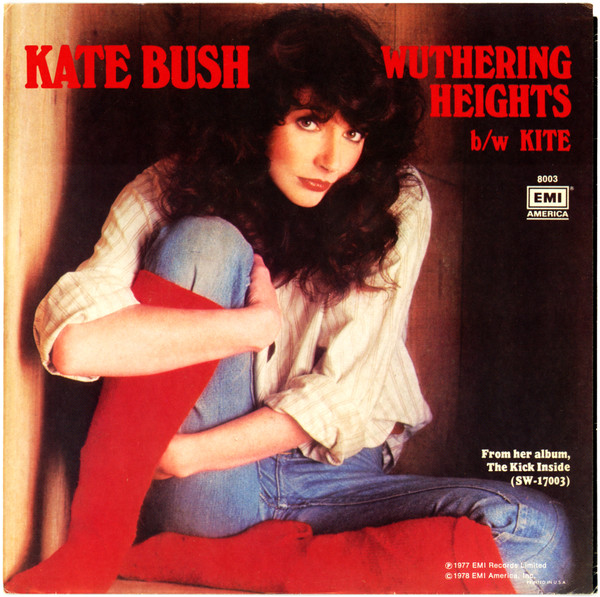
KATE BUSH - WUTHERING HEIGHTS
Estrena: 20 de gener de 1978
Llistes: Regne Unit: #1 (4 setmanes)
"Wuthering Heights" de Kate Bush és un single debut notable que la va catapultar a l'estrellatge. Inspirada en la novel·la d'Emily Brontë del mateix nom, la cançó va captivar l'audiència amb la seva melodia inquietant i l'estil vocal diferent de Bush. Assolir el número u a la llista de singles del Regne Unit durant quatre setmanes va ser un fet significatiu, especialment per a una artista debutant. A més, Bush de ser la primera artista femenina a aconseguir un single número u amb una cançó de la seva pròpia autoria i va solidificar encara més el seu estatus com a pionera en la indústria musical.
"Wuthering Heights" va ser un gran èxit a tot arreu excepte als Estats Units, ja què, malgrat el seu gran èxit al Regne Unit i altres països, Bush inicialment va tenir dificultats per aconseguir audiència als Estats Units, on la ràdio i l'exposició de la seva música eren limitades. A diferència de molts artistes britànics que es proposen conquerir els Estats Units, a Bush no li interessava fer l'esforç promocional necessari per aconseguir-ho. No obstant, les coses van canviar quan la seva cançó "Running Up That Hill (A Deal With God)" va aparèixer en un episodi de la sèrie de Netflix Stranger Things el 2022. Això va introduir la música de Bush a una nova generació d'oïents, la qual cosa va portar molts a endinsar-se en el seu extens catàleg a les plataformes d'streaming. La revifada de la cançó la va impulsar al número 8 a les llistes, marcant el seu millor resultat als Estats Units fins a la data.
Les decisions inicials en la carrera de Kate Bush, especialment pel que fa a la tria del seu primer single, "Wuthering Heights", manifesten la tensió que hi ha entre els artistes i les discogràfiques. EMI inicialment preferia llançar "James and the Cold Gun" com el primer single de Bush, expressant preocupació sobre la naturalesa poc convencional de "Wuthering Heights" i la seva recepció per part de les emissores de ràdio. Malgrat ser una novell en la indústria de la música amb només 19 anys, Bush va insistir en "Wuthering Heights" com a primer single. Malgrat les dubtes de la seva discogràfica, la cançó va resultar ser un èxit massiu, superant les expectatives i solidificant la visió artística de Bush. El resultat va demostrar la intuïció de Bush i va obrir el camí perquè pogués tenir més control creatiu sobre la seva carrera, com ho demostra la seva selecció de singles posterior, "The Man With The Child In His Eyes".
El procés creatiu de Kate Bush per "Wuthering Heights" demostra la seva capacitat d'empatia amb els personatges i els temes de la novel·la d'Emily Brontë, malgrat no haver llegit el llibre sencer en aquell moment. Inspirant-se en la història, Bush va agafar el llibre Wuthering Heights del seu germà i es va familiaritzar amb les frases i els temes clau. El personatge de Cathy va connectar profundament amb Bush, permetent-li enllaçar les emocions de desig intens i anhel, que va canalitzar cap a la lletra de la cançó.
Es van fer dos videoclips per a "Wuthering Heights". En la primera versió, dirigida per Nick Abson, Bush és representada ballant en el camp anglès, concretament a Salisbury Plain, lluint un vestit vermell impactant. Aquest vídeo captura l'essència dels temes lírics de la cançó i encarna l'esperit salvatge i indòmit de la Cathy de la novel·la d'Emily Brontë. La segona versió, dirigida per Keef, presenta una estètica diferent, amb Bush vestida amb un vestit blanc i actuant en una habitació fosca envoltada per una misteriosa boira blanca. Aquesta interpretació crea una atmosfera surrealista, afegint profunditat i intriga a la interpretació visual de la cançó.
Pat Benatar va fer una versió de "Wuthering Heights" en el seu àlbum "Crimes of Passion" del 1980.
KATE BUSH - WUTHERING HEIGHTS
Released: January 20, 1978
Charted: UK: #1 (4 weeks)
Kate Bush's "Wuthering Heights" is a remarkable debut single that catapulted her to stardom. Inspired by Emily Brontë's novel of the same name, the song captivated audiences with its haunting melody and Bush's distinctive vocal style. Achieving the number one spot on the UK Singles Chart for four weeks was a significant milestone, especially for a debut artist. Moreover, Bush's accomplishment of being the first female artist to achieve a number-one single with a self-penned song further solidified her status as a trailblazer in the music industry.
"Wuthering Heights" was a huge hit everywhere except the United States, since despite its widespread success in the United Kingdom and other countries, Bush initially had difficulty gaining traction in the US, where radio play and exposure of her music were limited. Unlike many British artists who set out to conquer the United States, Bush had no interest in making the promotional effort necessary to achieve it. However, things changed when her song "Running Up That Hill (A Deal With God)" was featured on an episode of the Netflix series Stranger Things in 2022. This introduced Bush's music to a new generation of listeners, which led many to delve into its extensive catalog on streaming platforms. The song's revival propelled it to No. 8 on the charts, marking Bush's highest US entry to date.
Kate Bush's early career decisions, particularly regarding the choice of her debut single, "Wuthering Heights," highlight the tension between artists and record labels. EMI initially favored releasing "James and the Cold Gun" as Bush's first single, expressing concerns about the unconventional nature of "Wuthering Heights" and its potential reception by radio stations. Despite being a newcomer to the music industry at just 19 years old, Bush insisted on "Wuthering Heights" as her debut single. Despite doubts from her label, the song proved to be a massive success, surpassing expectations and solidifying Bush's artistic vision. The outcome demonstrated Bush's intuition and paved the way for her to assert more creative control over her career, as evidenced by her subsequent single selection, "The Man With The Child In His Eyes".
Kate Bush's creative process for "Wuthering Heights" demonstrates her ability to empathize with the characters and themes of Emily Brontë's novel, despite not having read the book in its entirety at the time. Drawing inspiration from the story, Bush borrowed her brother's copy of Wuthering Heights and familiarized herself with key lines and themes. The character of Cathy resonated deeply with Bush, allowing her to tap into emotions of longing and intense desire, which she channeled into the song's lyrics.
Two music videos were made for "Wuthering Heights". In the first version, directed by Nick Abson, Bush is depicted dancing in the picturesque English countryside, specifically Salisbury Plain, wearing a striking red dress. This video captures the essence of the song's lyrical themes and embodies the wild, untamed spirit of Cathy from Emily Brontë's novel. The second version, directed by Keef, presents a different aesthetic, with Bush adorned in a white dress and performing in a dark room surrounded by a mysterious white mist. This rendition creates a surreal atmosphere, adding depth and intrigue to the visual interpretation of the song.
Pat Benatar covered "Wuthering Heights" on her 1980 album "Crimes of Passion."
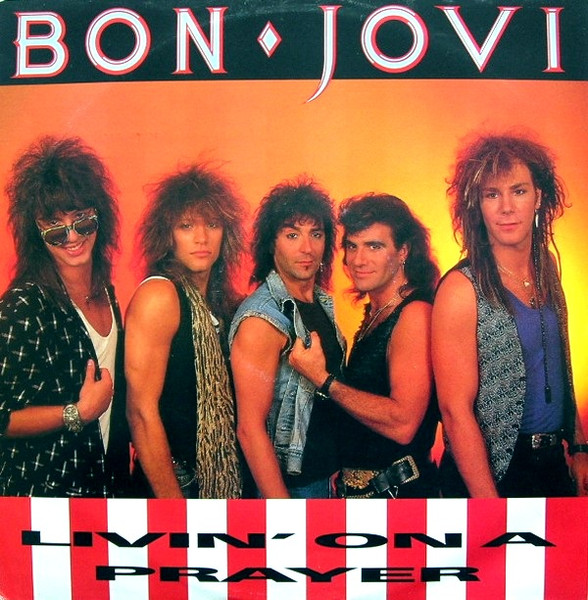
BON JOVI - LIVIN’ ON A PRAYER
Estrena: 31 d'octubre de 1986
Llistes: EUA: #1 (4 setmanes) Regne Unit: #4
"Livin' on a Prayer" és una cançó emblemàtica de l’àlbum "Slippery When Wet". Escrita per Jon Bon Jovi, Richie Sambora i Desmond Child, la cançó va catapultar el grup a una fama encara major. La seva melodia contagiosa, el tornada captivadora i la lletra sobre superar temps difícils van atrapar el públic arreu del món. La popularitat del vídeo musical a MTV va alimentar encara més l'èxit de la cançó, significant per a Bon Jovi el seu primer número 1 a la llista de Mainstream Rock de Billboard i el seu segon número 1 consecutiu a la llista Billboard Hot 100. "Livin' on a Prayer" segueix sent una de les cançons més icòniques de la banda.
"Livin' on a Prayer" va connectar profundament amb el públic per la seva representació de Tommy i Gina, dues persones joves que lluiten per superar els reptes de les seves vides. La narrativa de la cançó, que descriu el treball de Tommy als molls i el treball de Gina en un restaurant, va connectar amb la joventut de classe treballadora, especialment amb els de Nova Jersey, d'on provenia Bon Jovi. Desmond Child, un dels coautors de la cançó, es va inspirar en les seves pròpies experiències amb la seva llavors nòvia, Maria Vidal, que treballava com a cantant a un restaurant. Els companys de Vidal l’anomenaven Gina pel seu semblant amb l'actriu italiana Gina Lollobrigida.
"Livin' On A Prayer" s'inspira en l'estil d'himnes d'estadi popularitzat per Kiss, particularment evident en el seu èxit "I Was Made For Lovin' You", coescrit per Desmond Child i Paul Stanley. Desmond Child va reconèixer l’influència de Stanley en ensenyar-li l'art de crear himnes on el protagonista surt victoriós, amb música que contínuament va pujant en intensitat. Bon Jovi van aprendre molt dels himnes d'estadi de Kiss durant el seu pas com a teloners a la gira el 1984, i els va deixar un impacte profund. Presenciar l'efecte transformador de cançons com "Rock And Roll All Nite" de Kiss en l’estat d’ànim de l'audiència i va inspirar Bon Jovi a crear els seus pròpis himnes com "Livin' On A Prayer".
La cançó encarna la narrativa dels herois de classe treballadora que lluiten per aconseguir el Somni Americà, un tema que va quallar molt profundament entre el públic durant l'Amèrica de l'era Reagan. La lletra reflecteix la determinació de perseverar malgrat els obstacles, subratllant la importància de la resiliència i el suport dels éssers estimats en la cerca de l'èxit. L’aspiració del missatge a no rendir-se mai, fins i tot davant del fracàs, captura l'esperit d'optimisme i perseverança inherent a la mentalitat americana. Durant un període caracteritzat per l'individualisme i la autosuficiència, "Livin' On A Prayer" va proporcionar un crit d'anim a aquells que lluitaven per superar els reptes i assolir els seus objectius.
El paper fonamental de Derek Shulman en signar Bon Jovi amb Mercury Records i facilitar la seva col·laboració amb Desmond Child subratlla la dinàmica entre bambolines que van contribuir a l’èxit de "Slippery When Wet". La visió aguda de Shulman sobre el potencial de l'àlbum reflecteix la seva profunda comprensió de la indústria musical i la seva capacitat per reconèixer la combinació adequada de talent, temps i atractiu de mercat. L'anècdota sobre com Jon Bon Jovi inicialment volia deixar "Livin' On A Prayer" fora de l'àlbum destaca la incertesa i la falta de confiança que els artistes sovint experimenten durant el procés creatiu. L'encontre amb un grup d'adolescents, que probablement es van connectar intensament amb els temes i l'energia de la cançó, va servir com a validació del seu impacte potencial. "Livin' On A Prayer" es va convertir en una part integral de "Slippery When Wet", contribuint al seu estatus com a àlbum emblemàtic en la història del rock.
L'ús del talkbox per part de Richie Sambora en "Livin' On A Prayer" va contribuir sens dubte al so icònic de la cançó, afegint un element distintiu i memorable al solo de guitarra. La tècnica del talkbox, popularitzada per artistes com Peter Frampton, permet als guitarristes crear efectes únics semblants a la veu manipulant el so a través d'un tub inserit a la boca. La referència a Tommy i Gina en el gran èxit posterior de Bon Jovi "It's My Life" ret homenatge als immortals personatges de "Livin' On A Prayer" i destaca la seva importància en la narrativa de la banda. L'ús del talkbox per part de Sambora en ambdues cançons connecta encara més els fils musicals i temàtics entre els dos temes, creant una sensació de continuïtat pels fans.
El vídeo musical de "Livin' On A Prayer" captura l'energia i l’intensitat de les actuacions en directe de Bon Jovi. Dirigit per Wayne Isham i filmat al Grand Olympic Auditorium a Los Angeles, Califòrnia, el vídeo barreja de manera perfecta escenes de la banda assajant amb plans d'ells actuant davant d'un públic en directe. L'ús de l’imatge en blanc i negre durant les escenes d'assaig afegeix una estètica crua i àspera, contrastant amb els colors vibrants durant els segments de les actuacions en viu. El vídeo comença amb una silueta impressionant dels membres de la banda caminant per un passadís, marcant el to de l'actuació electritzant que vindrà a continuació. Un dels moments més memorables del vídeo és quan Jon Bon Jovi s'eleva sobre la multitud durant la tornada final, suspès per fils connectats a un arnès.
BON JOVI - LIVIN’ ON A PRAYER
Released: October 31, 1986
Charted: US: #1 (4 weeks) UK: #4
"Livin' on a Prayer" is a landmark song from their album "Slippery When Wet." Written by Jon Bon Jovi, Richie Sambora, and Desmond Child, the song catapulted the band to even greater fame. Its infectious melody, anthemic chorus, and relatable lyrics about struggling through tough times resonated with audiences worldwide. The music video's popularity on MTV further fueled the song's success, earning Bon Jovi their first No. 1 on the Billboard Mainstream Rock chart and their second consecutive No. 1 Billboard Hot 100 hit. "Livin' on a Prayer" remains one of Bon Jovi's most iconic songs.
"Livin' on a Prayer" resonated deeply with audiences due to its portrayal of Tommy and Gina, two young individuals striving to overcome challenges in their lives. The song's narrative, depicting Tommy's work on the docks and Gina's job in a diner, struck a chord with the working-class youth, particularly those from New Jersey, where Bon Jovi originated. Desmond Child, one of the song's co-writers, drew inspiration from his own experiences with his then-girlfriend, Maria Vidal, who worked as a singing waitress in a diner. Vidal's colleagues nicknamed her Gina because of her resemblance to the Italian actress Gina Lollobrigida.
"Livin' On A Prayer" draws inspiration from the stadium anthem style popularized by Kiss, particularly evident in their hit "I Was Made For Lovin' You", co-written by Desmond Child and Paul Stanley. Desmond Child acknowledged Stanley's influence in teaching him the art of crafting anthemic songs where the protagonist emerges victorious, with music that ascends continuously. Bon Jovi's exposure to Kiss's stadium anthems during their stint as a support act in 1984 left a profound impact. Witnessing the transformative effect of such songs, including Kiss's "Rock And Roll All Nite," on audience engagement and band fortunes, inspired Bon Jovi to create their own anthemic tracks like "Livin' On A Prayer."
Desmond Child's insight into the enduring appeal of "Livin' On A Prayer" encapsulates its resonance with the American ethos, particularly during the 1980s. The song embodies the narrative of working-class heroes striving for the American Dream, a theme that resonated deeply with audiences during Reagan-era America. The lyrics reflect the determination to persevere despite obstacles, emphasizing the importance of resilience and the support of loved ones in the pursuit of success. The aspirational message of never giving up, even in the face of failure, captures the spirit of optimism and perseverance inherent in the American psyche. During a period characterized by individualism and self-reliance, "Livin' On A Prayer" provided a rallying cry for those striving to overcome challenges and achieve their goals.
Derek Shulman's pivotal role in signing Bon Jovi to Mercury Records and facilitating their collaboration with Desmond Child underscores the behind-the-scenes dynamics that contributed to the success of "Slippery When Wet." Shulman's keen insight into the potential of the album reflects his deep understanding of the music industry and his ability to recognize the right combination of talent, timing, and market appeal. The anecdote about Jon Bon Jovi initially wanting to leave "Livin' On A Prayer" off the album highlights the uncertainty and self-doubt that artists often experience during the creative process. However, the encounter with a group of teenagers, who likely connected deeply with the song's themes and energy, served as a validation of its potential impact. "Livin' On A Prayer" became an integral part of "Slippery When Wet," contributing to its status as a landmark album in rock history.
Richie Sambora's use of the talkbox in "Livin' On A Prayer" indeed contributed to the song's iconic sound, adding a distinctive and memorable element to the guitar solo. The talkbox technique, popularized by artists like Peter Frampton, allows guitarists to create unique vocal-like effects by manipulating the sound through a tube inserted into their mouths. The reference to Tommy and Gina in Bon Jovi's later hit "It's My Life" pays homage to the enduring characters from "Livin' On A Prayer" and highlights their significance in the band's narrative. Sambora's use of the talkbox in both songs further connects the musical and thematic threads between the two tracks, creating a sense of continuity and resonance for fans.
The music video for "Livin' On A Prayer" captures the energy and intensity of Bon Jovi's live performances. Directed by Wayne Isham and filmed at the Grand Olympic Auditorium in Los Angeles, California, the video seamlessly blends scenes of the band rehearsing with shots of them performing in front of a live audience. The use of black and white footage during the rehearsal scenes adds a raw and gritty aesthetic, contrasting with the vibrant colors during the live performance segments. The video begins with a striking silhouette of the band members walking down a hall, setting the tone for the electrifying performance to come. One of the most memorable moments of the video is Jon Bon Jovi's soaring over the crowd during the final chorus, suspended by wires attached to a harness.