Total de visualitzacions de pàgina:

10.3.24


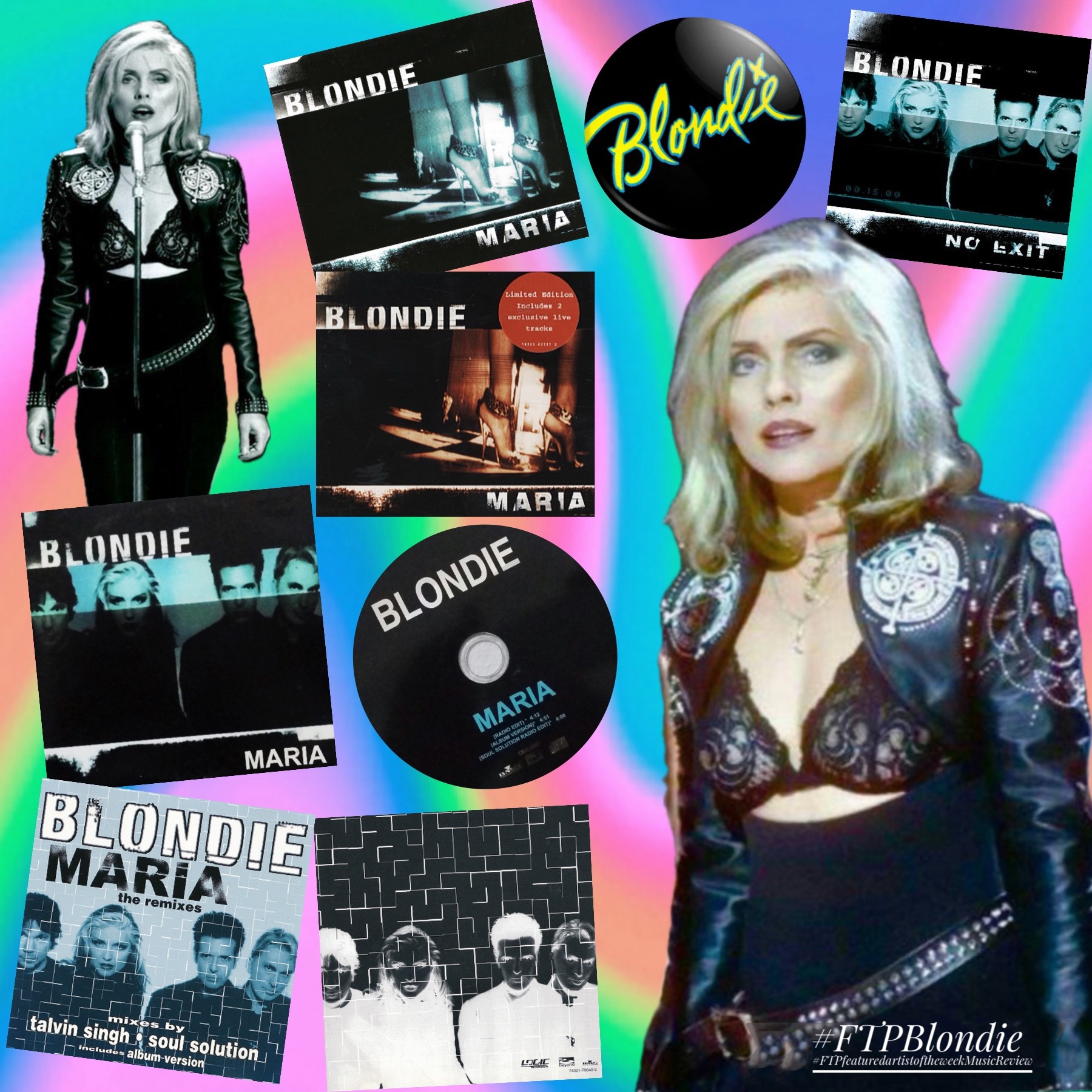
BLONDIE - MARIA 


Publicació: 11 de gener de 1999

Llistes: EUA: #82   Regne Unit: #1 (1 setmana)


Escrita pel teclista Jimmy Destri i produïda per Craig Leon, "Maria" va marcar el ressorgiment de Blondie, representant el seu primer llançament nou des del 1982, i va ser inclosa al seu setè àlbum, "No Exit", llançat el 1999. En sortir com a senzill a Europa el gener de 1999, "Maria" va guanyar ràpidament popularitat, assolint un èxit generalitzat a les llistes. Especialment, la cançó va arribar al número u al Regne Unit, essent el sisè número u de Blondie al país. A més del seu èxit al Regne Unit, "Maria" també va assolir el número u a les llistes a Grècia i Espanya, consolidant el seu estatus com a èxit internacional.


L'explicació de Jimmy Destri aporta llum sobre la profunditat temàtica de "Maria" destacant el concepte de desig, especialment el desig adolescent. A partir d'experiències personals i observacions, a través de "Maria", Destri captura l'experiència universal de l'ànsia i el desig per algú que sembla inassolible, tot reconeixent les complexitats inherents i els reptes de l'adolescència. En enmarcar l'objecte de desig com a Maria i comparar-la amb l'Ave Maria, Destri impregna la cançó d'un sentiment de reverència i admiració, eleva Maria a un pedestal de quasi estatus diví.


"Maria" va marcar un retorn triomfant per a Blondie, mostrant que els comebacks poden semblar autèntics i reintroduir una banda al primer pla de l'escena musical. L'admissió de Debbie Harry que el número u de la banda amb "Maria" va ser una sorpresa agradable destaca la naturalesa inesperada del seu retorn. Amb 53 anys en aquell moment, Harry va desafiar els estereotips d'edat, demostrant que el talent i la rellevància transcendien les barreres de l'edat.


El vídeo musical dirigit per Roman Coppola (acreditat com a Alan Smithee) ofereix una narrativa visualment captivadora ambientada en el context de la ciutat de Nova York. El vídeo es desplega amb escenes de la ciutat capturades amb ulleres de visió nocturna. A mesura que avança el vídeo, els espectadors són transportats a un apartament on Blondie interpreta la cançó, envoltats d'una aura de suspens. Figurants misteriosos vestits de negre es representen muntant equips de vigilància al voltant de diferents edificis.


Cap al clímax del vídeo, un dels individus vestits de negre pren l'objectiu amb un fusell de tirador cap a Deborah Harry. En una seqüència dramàtica de càmera lenta, una bala és disparada cap a Harry, trencant una finestra i una bombeta en el seu trajecte. En un gir surrealista, Harry, representada en temps real, atura calmadament la bala a l'aire abans que arribi a ella.


La reformació de Blondie el 1998, integrada pels membres originals Chris Stein i Deborah Harry, juntament amb els exmembres Jimmy Destri i Clem Burke, així com nous membres, va revitalitzar la dinàmica i l'energia de la banda. La gira de reunions i l'àlbum no només van encantar els fans de sempre, sinó que també van atraure una nova generació d'oients que descobrien la música de Blondie per primera vegada. L'èxit de "Maria" simbolitzava més que un èxit número u; representava un ressorgiment del so icònic de Blondie i reafirmava el seu estatus com a pioners de la new wave.


BLONDIE - MARIA 


Released: January 11, 1999

Charted:  US: #82   UK: #1 (1 week)


Written by the keyboardist Jimmy Destri and produced by Craig Leon, “Maria” marked Blondie's resurgence, representing their first new release since 1982, and was featured on their seventh album, “No Exit”, released in 1999. Upon its release as a single in Europe on January 1999, "Maria" swiftly gained traction, achieving widespread success on the charts. Notably, the song reached the number one spot in the United Kingdom, marking Blondie's sixth chart-topper in the UK. In addition to its UK success, "Maria" also soared to the top of the charts in Greece and Spain, solidifying its status as an international hit.


Jimmy Destri's explanation sheds light on the thematic depth of "Maria" by highlighting the concept of desire, particularly teenage desire. Drawing from personal experiences and observations, through "Maria," Destri captures the universal experience of yearning and longing for someone who seems unattainable, while also acknowledging the inherent complexities and challenges of adolescent romance. By framing the object of desire as Maria and likening her to the Ave Maria, Destri imbues the song with a sense of reverence and admiration, elevating Maria to a pedestal of almost divine status. 


"Maria" marked a triumphant return for Blondie, showcasing that comebacks can feel authentic and seamlessly reintroduce a band to the forefront of the music scene. Debbie Harry's admission that the band's No. 1 success with "Maria" came as a pleasant shock highlights the unexpected nature of their comeback. At 53 years old then, Harry defied age stereotypes, proving that talent and relevance transcend age boundaries. 


The music video directed by Roman Coppola (credited as Alan Smithee) offers a visually captivating narrative set against the backdrop of New York City. The video unfolds with scenes of the city captured through night-vision goggles. As the video progresses, viewers are transported into an apartment where Blondie performs the song, surrounded by an aura of suspense. Mysterious figures dressed in dark clothing are depicted setting up surveillance equipment around different buildings. 


Towards the climax of the video, one of the dark-clothed individuals takes aim with a sniper rifle at lead singer Deborah Harry. In a dramatic slow-motion sequence, a bullet is fired towards Harry, shattering through a window and a light bulb on its trajectory. In a surreal twist, Harry, portrayed in real-time motion, calmly plucks the bullet from the air before it reaches her.


Blondie's reformation in 1998, comprising original members Chris Stein and Deborah Harry, along with former members Jimmy Destri and Clem Burke, as well as new additions, revitalized the band's dynamic and energy. The reunion tour and album not only delighted longtime fans but also attracted a new generation of listeners who were discovering Blondie's music for the first time. The success of "Maria" symbolized more than just a chart-topping hit; it represented a resurgence of Blondie's iconic sound and reaffirmed their status as pioneers of new wave.




HEART - BARRACUDA


Estrena: 20 de maig de 1977

Llistes: EUA: #11


"Barracuda" de Heart és un poderós himne de rock que reflecteix les frustracions de la banda amb la indústria musical en aquell moment. La cançó va ser escrita per Ann i Nancy Wilson juntament amb el guitarrista Roger Fisher i el bateria Michael DeRosier. Va servir com a single principal del seu tercer àlbum d'estudi, "Little Queen", llançat el 1977.


La lletra de "Barracuda" transmet un sentiment de desafiament i resiliència, abordant els reptes i pressions que afrontava la banda amb la indústria discogràfica. En el moment de la seva creació, Heart estava fent la transició a un nou segell, CBS-Portrait, després d'experimentar friccions amb el seu segell anterior, Mushroom Records. El vell segell de la banda va llançar un àlbum anomenat "Magazine" el 1978, amb material enregistrat prèviament que Heart no va aprovar per al llançament, la qual cosa va fer augmentar les tensions.


La història darrere de "Barracuda" afegeix significat i context a la cançó. La revelació de les germanes Wilson posa de manifest els desafiaments personals i professionals que van patir amb l’indústria musical, especialment tractant amb suposicions injustificades i comentaris invasius sobre les seves vides personals. Un incident a un concert a Detroit, on un promotor va fer insinuacions inadequades sobre la relació d'Ann i Nancy Wilson, va servir com a catalitzador per a la creació de la cançó. La ira i la frustració d'Ann sobre l'incident van alimentar les frases poderoses de "Barracuda", que serveixen com a comentari mordaç sobre els aspectes més foscos de la indústria musical. La metàfora de la barracuda, un peix conegut per la seva naturalesa agressiva, captura efectivament els elements depredadors i oportunistes dins de la indústria. L'arranjament musical de Nancy complementa la lletra d'Ann, transmetent la intensitat i urgència de les emocions darrere de la cançó.


La polèmica sobre l'ús de "Barracuda" pel partit republicà durant la campanya presidencial del 2008 subratlla les complexitats entre la llicència musical i la intersecció entre la política i la cultura popular. L’objecció de les germanes Wilson a l'ús de la cançó va sorgir no només del desig de protegir la seva integritat artística, sinó també d'una discrepància fonamental amb les opinions i valors polítics de Sarah Palin. En un comunicat Heart van destacar que la imatge i les creences de Palin no es corresponien amb les seves pròpies, i no volien que la seva música es relacionés amb la seva campanya. Malgrat la sol·licitud pública perquè la cançó no s'utilitzés, la campanya republicana va continuar reproduint "Barracuda" a la Convenció Nacional Republicana, citant el seu dret legal a fer-ho sota acords de drets de representació. La resposta de les germanes Wilson als mitjans va destacar la ironia que una cançó originalment escrita com a crítica de la naturalesa corporativa de la indústria musical s'hagués utilitzat per a fins polítics.


HEART - BARRACUDA


Released: May 20, 1977

Charted:  US: #11   


"Barracuda" by Heart is a powerful rock anthem that reflects the band's frustrations with the music industry during that time. The song was written by Ann and Nancy Wilson along with guitarist Roger Fisher and drummer Michael DeRosier. It served as the lead single from their third studio album, "Little Queen", released in 1977.


The lyrics of "Barracuda" convey a sense of defiance and resilience, addressing the challenges and pressures faced by the band from the record industry. At the time of its creation, Heart was transitioning to a new label, CBS-Portrait, after experiencing friction with their previous label, Mushroom Records. The band's old label released an album called "Magazine" in 1978, comprised of previously recorded material that Heart did not approve for release, which added to the tensions.


The story behind "Barracuda" adds another layer of depth to the song's meaning and context. The Wilson sisters' revelation sheds light on the personal and professional challenges they faced in the music industry, particularly in dealing with unwarranted assumptions and invasive comments about their personal lives. The incident at the Detroit concert, where a promoter made inappropriate insinuations about Ann and Nancy Wilson's relationship, served as a catalyst for the creation of the song. Ann's anger and frustration over the incident fueled the powerful lyrics of "Barracuda," which serve as a scathing commentary on the darker aspects of the music business. The metaphor of the barracuda, a predatory fish known for its aggressive nature, effectively captures the predatory and opportunistic elements within the industry. Nancy's musical arrangement complements Ann's lyrics, conveying the intensity and urgency of the emotions behind the song.


The controversy surrounding the use of "Barracuda" during the 2008 presidential campaign underscored the complexities of music licensing and the intersection of politics and popular culture. The Wilson sisters' objection to the song's use stemmed not only from a desire to protect their artistic integrity but also from a fundamental disagreement with Sarah Palin's political views and values. Their statement emphasized that Palin's image and beliefs did not align with their own, and they did not want their music associated with her campaign. Despite their public request for the song not to be used, the Republican campaign proceeded with playing "Barracuda" at the National Republican Convention, citing their legal right to do so under performance rights agreements. The Wilson sisters' response in the media highlighted the irony of a song originally written as a critique of the music industry's corporate nature being co-opted for political purposes.


BLONDIE - DENIS


Publicació: Febrer de 1978

Llistes: Gran Bretanya: #2 


"Denis" és una notable versió de la cançó original "Denise" de Neil Levenson, inspirada en la seva amiga d'infància Denise Lefrak. Inicialment popularitzada pel grup de doo-wop nord-americà Randy & the Rainbows el 1963, la versió de Blondie va portar un gir fresc de new wave a la pista clàssica. Llançada el 1978 com a part del segon àlbum d'estudi de Blondie, "Plastic Letters", "Denis" (escrit amb la forma masculina del nom en francès) va ajudar a impulsar la banda al reconeixament internacional.


"Denis" va gaudir d'un èxit notable a tot Europa, assegurant-se una posició al número 2 al Regne Unit i entrant al Top 20 en nombrosos països europeus, incloent-hi el número 1 als Països Baixos. Al Regne Unit, la cançó va mantenir la posició número 2 durant tres setmanes consecutives, quedant inicialment per darrere de "Wuthering Heights" de Kate Bush i després de "Matchstalk Men and Matchstalk Cats and Dogs" de Brian and Michael. Aquest èxit es va donar gràcies a la promoció intensa de la seva discogràfica britànica Chrysalis Records.


El llançament del single "Denis" al Regne Unit estava disponible en formats de 7" i 12", amb dues cares B: "Contact in Red Square" de l'àlbum "Plastic Letters" i "Kung-Fu Girls" del repertori de Blondie. "Denis" va ser l'únic senzill llançat als Estats Units de l'àlbum "Plastic Letters", amb "I'm on E" com a cara B, tot i que no va aconseguir entrar a les llistes.


L'original de Randy and the Rainbows estava impregnat de l’encant de les veus de falset de la seva època, mentre que la versió de Blondie catapultava la cançó cap a finals dels anys 70 amb una barreja d'elements estilístics. Blondie va injectar la cançó amb una dosi de glam complementada amb versos en francès, incorporant sintetitzadors i accentuant l'arranjament amb una bateria frenètica, creant una atmosfera més adient per als oients de finals dels anys 70.


BLONDIE - DENIS


Released: February 1978

Charted:  UK: #2 


"Denis" by Blondie stands as a notable cover of the original song "Denise" by Neil Levenson, inspired by his childhood friend Denise Lefrak. Originally popularized by the American doo-wop group Randy & the Rainbows in 1963, Blondie's rendition brought a fresh new wave twist to the classic track. Released in 1978 as part of Blondie's second studio album, "Plastic Letters," "Denis" (spelled with the masculine form of the name in French) helped propel the band into the international spotlight.


"Denis" enjoyed remarkable success across Europe, securing a number 2 spot in the UK and breaking into the Top 20 in numerous European countries, including reaching number 1 in the Netherlands. In the UK, the song held the number 2 position for three consecutive weeks, initially trailing Kate Bush's "Wuthering Heights" and then Brian and Michael's "Matchstalk Men and Matchstalk Cats and Dogs." This success was helped by their British-based record company Chrysalis Records promoting it extensively.


The single release of "Denis" in the UK was available in both 7" and 12" formats, featuring two B-sides: "Contact in Red Square" from the "Plastic Letters" album and "Kung-Fu Girls" from Blondie's repertoire. However, "Denis" was the only single released in the US from the "Plastic Letters" album, with "I'm on E" serving as the B-side, although it failed to chart.


While the original by Randy and the Rainbows is steeped in the falsetto-voiced charm of its era, Blondie's rendition catapults the song into the late 1970s with a barrage of stylistic elements. Blondie injects the song with a dose of glam stomping, infuses verses in French, incorporates synthesizers, and punctuates the arrangement with frantic drum rolls, creating an atmosphere more suitable for listeners of the late 70s.