Total de visualitzacions de pàgina:

17.3.24


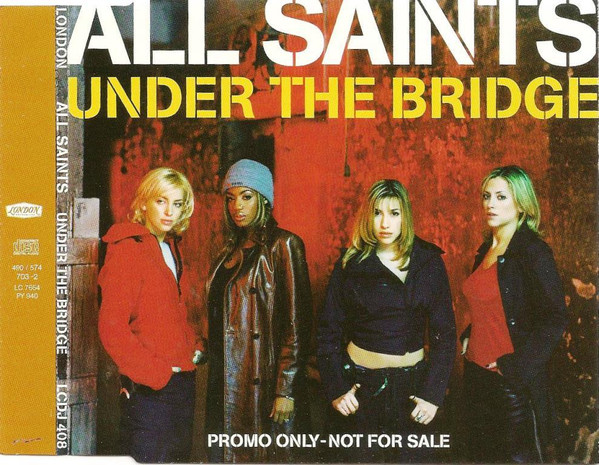
RED HOT CHILI PEPPERS / ALL SAINTS - UNDER THE BRIDGE


Red Hot Chili Peppers version Released: March 2, 1992

Charted: US: #2  UK:#13 


All Saints version Released: April 27, 1998

Charted:  UK: #1 (2 weeks)  


"Under the Bridge" stands as a poignant track by the Red Hot Chili Peppers from their album "Blood Sugar Sex Magik" (1991). Lead vocalist Anthony Kiedis wrote the lyrics, delving into themes of solitude and the challenges of drug sobriety. Initially hesitant to share it with the band, Kiedis's introspective composition struck a chord upon its release in March 1992 via Warner Bros. Records. Critics and fans alike lauded its emotional depth, propelling it to become the band's highest-charting single. It peaked at number two on the Billboard Hot 100 and clinched the top spot on the Cash Box Top 100, ultimately achieving platinum certification. Directed by Gus Van Sant, the song's music video was shot in Los Angeles. 


"Under the Bridge" originated as a deeply personal poem penned by Anthony Kiedis, the frontman of the Red Hot Chili Peppers. Initially, Kiedis didn't conceive it for the band; rather, it was a private reflection captured in his notebook. It was only when their producer, Rick Rubin, stumbled upon the poem that its potential as a song emerged. Despite Kiedis's initial reluctance to share his intimate creation, Rubin saw its promise and encouraged him to explore it musically.


Rubin recounted how Kiedis was initially hesitant to present it to the band. However, once Kiedis shared the poem with guitarist John Frusciante and bassist Flea, they each contributed their musical prowess, transforming the poem into a compelling song. Despite their initial reservations, the band recognized the power of "Under the Bridge" as it resonated deeply with listeners, ultimately becoming one of their most beloved and acclaimed tracks.


In his memoir "Scar Tissue," Anthony Kiedis recounts the genesis of "Under the Bridge" and its deeply personal origins. He reveals that the lyrics were born out of a moment of introspection while driving home from a Red Hot Chili Peppers session. Feeling isolated from the deepening friendship between John Frusciante and Flea, Kiedis also grappled with the loss of Hillel Slovak, the band's original guitarist, to a drug overdose in 1988. It was during this solitary drive that the poignant opening line, "Sometimes I feel like I don't have a partner," emerged in his mind. Kiedis describes how he began improvising poetry, setting his emotions to a melody as he traveled down the freeway. Upon returning home, he meticulously transcribed his raw emotions into a structured song format, using his notebook as a vessel to channel his anguish into art. 


Flea, in an interview with the Los Angeles Times, reflected on the profound resonance of the song, recognizing its ability to encapsulate the genuine and profound sense of loneliness experienced by many in the vast and bustling city of Los Angeles. 


"Under the Bridge" took on new life when it became the third single from the debut album of English girl group All Saints, titled "All Saints" (1997). In the UK and Australia, the single was released as a double A-side, paired with a cover of Labelle's "Lady Marmalade." This release strategy proved successful, propelling "Under the Bridge" to the top spot on the UK Singles Chart, marking All Saints' second number-one single in the UK.


Their version made notable changes to the original lyrics, such as replacing "City of Angels" with "City of cities" and altering "I walk through her hills" to "I walk through his field." Additionally, the last verse, which contained drug references, was completely omitted from their rendition. These alterations transformed the song into a more conventional love song compared to the introspective original by the Red Hot Chili Peppers.


The All Saints version incorporates samples of the original recording, notably including the distinctive guitar playing at the beginning. The Red Hot Chili Peppers expressed dissatisfaction with this rendition. Anthony Kiedis felt that the cover was poorly executed. Moreover, the omission of the final verse, which contains personal and significant lyrics for Kiedis, detracted from the authenticity of the song. Kiedis remarked that All Saints' rendition seemed incongruous with the lyrical content, as the band members appeared unaware of the deeper meaning behind the lyrics. On the other hand, their version was well received by critics who gave them favorable comments.




QUEEN - I WANT TO BREAK FREE


Publicació: 2 d'abril de 1984

Llistes: EUA: #45 Regne Unit: #3


"I Want to Break Free" és un himne poderós escrit pel baixista de Queen, John Deacon, que va fer el seu debut el 1984 com a part del seu àlbum "The Works". Tot i que va assolir només un èxit modest als EUA, arribant al #45 a les llistes, el seu impacte a tot Europa i Amèrica del Sud va ser profund, arribant al #3 al Regne Unit. El missatge de lliberació de la cançó va connectar a nivell global, ressonant com un himne contra diverses formes d'opressió.


El vídeo musical va generar controvèrsia a causa de la seva paròdia del programa de televisió britànic "Coronation Street". En el vídeo, tots els membres de la banda apareixien travestits, amb Freddie Mercury com a mestressa de casa, John Deacon com a àvia, Roger Taylor com a escolar i Brian May com a una altra mestressa de casa. Mentre l'homenatge era clar pels fans coneguts amb el programa, molts altres es van quedar perplexos per la representació poc convencional. Brian May va revelar en una entrevista amb la revista Q al març de 2011 que la idea del vídeo va venir de la parella de Roger Taylor en aquell moment, i no de Freddie Mercury com molts assumien.


La paròdia de Coronation Street va rebre crítiques i va ser finalment prohibida a MTV, la qual cosa va afectar significativament l'èxit del senzill als Estats Units. Fred Mandel, que va contribuir amb sintetitzadors i el solo característic a la pista, va compartir la seva perspectiva en el documental Days of Our Lives, assenyalant que l'humor britànic retratat al vídeo no va connectar bé amb l'audiència americana. Com a canadenc, Mandel va reconèixer entendre l'humor però va reconèixer les seves possibles barreres culturals als Estats Units.


El director David Mallet va intervenir quan Freddie Mercury va suggerir afaitar-se el bigoti pel seu paper de dona al vídeo. Mallet va insistir en mantenir el bigoti intacte per afegir a l'humor de l'escena, destacant l'efecte còmic de Mercury apareixent travestit amb el seu distintiu bigoti. Aquesta decisió va contribuir a l'humor del vídeo, particularment el moment icònic quan Mercury apareix amb una aspiradora.


Lisa Stansfield va retre homenatge a Queen i Mercury al Concert Homenatge a Freddie Mercury del 1992 interpretant "I Want to Break Free". La versió de Stansfield era un gest cap al vídeo musical icònic, ja que apareixia a l'escenari de l'Estadi de Wembley amb rul·los al cap i empenyent una aspiradora, replicant les imatges humorístiques de l'original.


QUEEN - I WANT TO BREAK FREE


Released: April 2, 1984

Charted:  US: #45    UK: #3 


"I Want to Break Free" is a powerful anthem written by Queen's bassist John Deacon, making its debut in 1984 as part of their album "The Works." While it reached only modest success in the US, landing at #45 on the charts, its impact across Europe and South America was profound, soaring to #3 in the UK. The song's message of liberation struck a chord globally, resonating as an anthem against various forms of oppression. 


The music video for sparked controversy due to its parody of the British TV soap opera "Coronation Street." In the video, all the band members appeared in drag, with Freddie Mercury as a housewife, John Deacon as a grandmother, Roger Taylor as a schoolgirl, and Brian May as another housewife. While the homage was clear to fans familiar with the show, many others were left perplexed by the unconventional portrayal. Brian May revealed in an interview with Q magazine in March 2011 that the idea for the video came from Roger Taylor's girlfriend at the time, rather than from Freddie Mercury as many assumed. 


The Coronation Street pastiche video faced backlash and was ultimately banned on MTV, which significantly impacted the single's success in America. Fred Mandel, who contributed synths and the signature solo to the track, shared his perspective in the Days of Our Lives documentary, noting that the British humor portrayed in the video didn't resonate well with American audiences. As a Canadian, Mandel acknowledged understanding the humor but recognized its potential cultural barriers in the United States.


Director David Mallet intervened when Freddie Mercury suggested shaving off his trademark mustache for his role as a woman in the video. Mallet insisted that keeping the mustache intact added to the humor of the scene, emphasizing the comedic effect of Mercury appearing in drag with his distinctive facial hair. This decision contributed to the enduring humor of the video, particularly the iconic moment when Mercury appears with a vacuum cleaner.


Lisa Stansfield paid homage to Queen and Freddie Mercury at the 1992 Freddie Mercury Tribute Concert by performing "I Want to Break Free." Stansfield's rendition was a nod to the song's iconic music video, as she appeared on stage at Wembley Stadium wearing hair curlers and pushing a vacuum cleaner, replicating the humorous imagery from the original video. 


FLEETWOOD MAC / SANTANA - BLACK MAGIC WOMAN


Versió de Fleetwood per a Mac Publicada: 29 de març de 1968

Llistes: Regne Unit: #37

Versió Santana Publicada: novembre de 1970

Llistes: EUA: #4


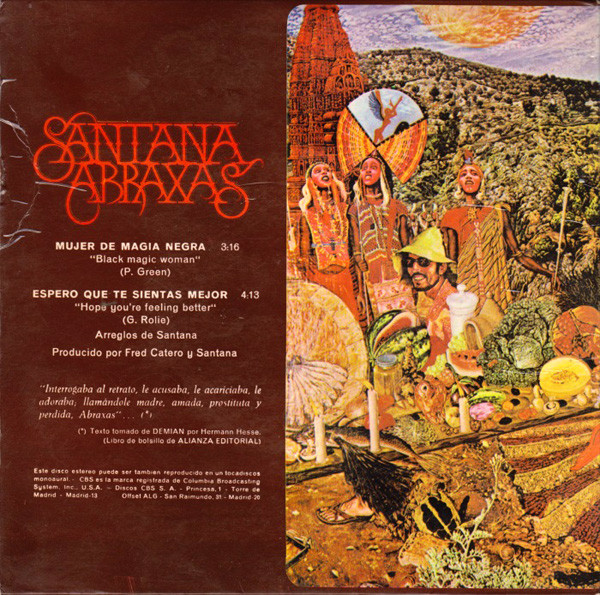
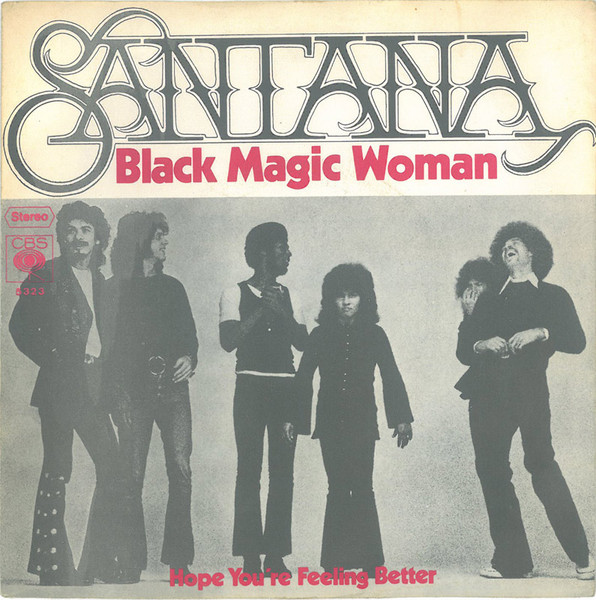
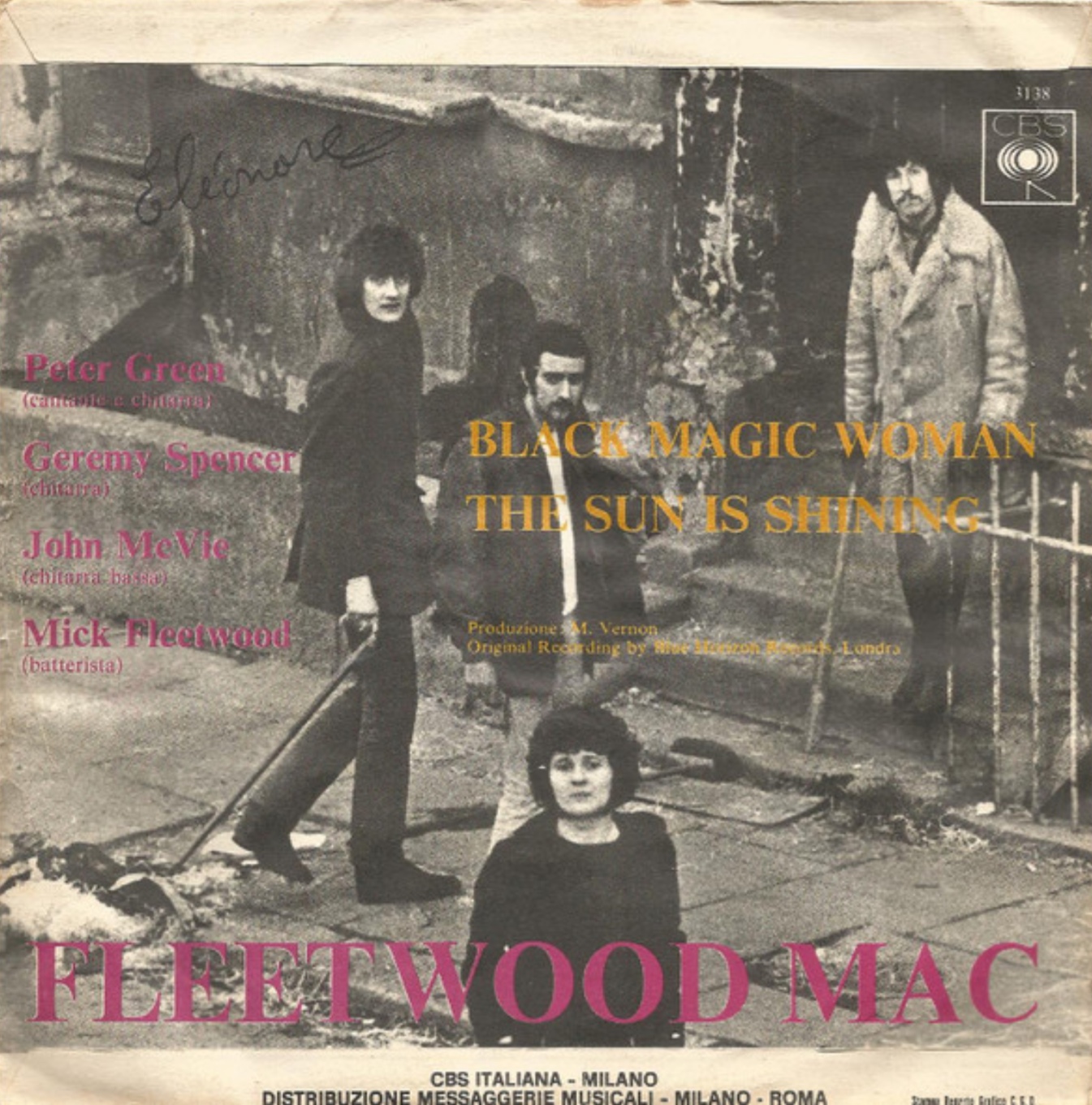
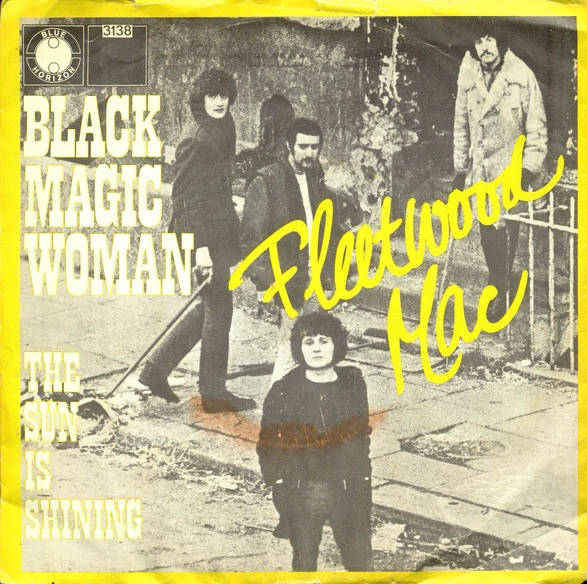
"Black Magic Woman" és una cançó escrita pel músic britànic Peter Green, inicialment enregistrada per la seva banda Fleetwood Mac el 1968. Va guanyar més popularitat quan Santana va llançar la seva versió com a primer single del seu àlbum "Abraxas" el 1970. La versió de Santana va assolir un èxit notable a les llistes de música, arribant al número quatre tant als Estats Units com al Canadà, acabant sent la versió més coneguda de la cançó.


Peter Green la va escriure el 1968, amb la seva antiga nòvia, Sandra Elsdon com a inspiració, a qui Green anomenava afectuosament "Magic Mamma". Green ha reconegut que la música va estar influïda per "All Your Love", una pista d’Otis Rush que ja havia estat enregistrada per la seva anterior banda, John Mayall & the Bluesbreakers, amb Eric Clapton a la guitarra principal. Green va explicar que va prendre el concepte que Mayall li va ensenyar, que consistia a utilitzar les primeres línies d'una cançó per crear-ne una de nova, i ho aplicà a "Black Magic Woman".


L'ascens de Santana després de la seva memorable actuació al Woodstock l’agost de 1969 els va impulsar a la fama. Amb el llançament del seu àlbum debut només dues setmanes després, van guanyar ràpidament reconeixement i van començar a fer gires. La pressió per mantenir el seu èxit els va portar a incloure versions en els seus àlbums posteriors, com ara "Oye Como Va" de Tito Puente i "Black Magic Woman" de Fleetwood Mac a "Abraxas". Aquest moviment estratègic va donar resultats, ja que les seves versions van ser un èxit i van consolidar encara més la seva posició com una de les bandes més grans d'Amèrica en aquell moment.


La versió de Santana de "Black Magic Woman", enregistrada el 1970, està entrelaçada amb l'instrumental de 1966 de Gábor Szabó, "Gypsy Queen", que barreja ritmes de jazz, folklòrics hongaresos i llatins. El medley es va convertir en una de les cançons distintives de Santana i un dels seus èxits més grans. El teclista Gregg Rolie, que va ser la veu principal en aquesta peça, va marxar a Journey el 1973. El senzill va passar un impressionant total de 13 setmanes a la llista de Billboard Hot 100, arribant al número quatre al gener de 1971. Aquest èxit va contribuir significativament a que l'àlbum "Abraxas", llançat el 1970, arribés al número u a les llistes i va aconseguir el disc de platí quadruple el 1986, amb "Black Magic Woman" jugant un paper fonamental en la seva popularitat.


La influència de la màgia negra i les experiències psicodèliques en la vida de Peter Green i la seva sortida de Fleetwood Mac és un aspecte notable de la seva història. Els seus encontres amb persones interessades en la màgia negra, juntament amb la seva experimentació amb LSD, van impactar significativament en la seva salut mental i eventualment van portar a la seva sortida de la banda. Els drets d'autor de la versió de Santana van proporcionar un suport econòmic crucial per a Green, especialment després que deixés Fleetwood Mac i lluités amb els seus reptes personals. Malgrat la seva naturalesa generosa, la decisió de Green de donar la major part dels seus guanys va fer que els drets d'autor dels seus èxits anteriors esdevinguessin vitals per a la seva estabilitat financera en anys posteriors.


FLEETWOOD MAC / SANTANA - BLACK MAGIC WOMAN


Fleetwood Mac version Released: March 29, 1968

Charted: UK: #37 

Santana version Released: November 1970

Charted:  US: #4 


"Black Magic Woman" is a song written by British musician Peter Green, initially recorded by his band Fleetwood Mac in 1968. However, it gained more prominence when Santana released their rendition as the first single from their album "Abraxas" in 1970. Santana's version of the song achieved significant chart success, reaching number four on both the US and Canadian charts, ultimately making it the more well-known rendition of the song.


Peter Green wrote the song in 1968, drawing lyrical inspiration from his former girlfriend, Sandra Elsdon, who Green affectionately called "Magic Mamma." Green has acknowledged that the song's musical composition was influenced by "All Your Love," a track by Otis Rush that had been previously recorded by Green's former band, John Mayall & the Bluesbreakers, featuring Eric Clapton on lead guitar. Green explained that he took the concept Mayall taught him, which involved using the first lines of a song to create a new one, and applied it to "Black Magic Woman".


Santana's rise to fame after their memorable performance at Woodstock in August 1969 propelled them into the spotlight. With the release of their debut album just two weeks later, they quickly gained recognition and began touring extensively. The pressure to maintain their success led them to include covers on their subsequent albums, such as Tito Puente's "Oye Como Va" and Fleetwood Mac’s "Black Magic Woman" on Abraxas. This strategic move paid off, as their covers became a hit and further solidified their position as one of the biggest bands in America. 


Santana's rendition of "Black Magic Woman," recorded in 1970, is famously intertwined with Gábor Szabó's 1966 instrumental "Gypsy Queen," which infuses jazz, Hungarian folk, and Latin rhythms. The medley became one of Santana's signature songs and one of their biggest hits. Santana keybord player Gregg Rolie sang lead on this. He joined Journey in 1973. The single spent an impressive 13 weeks on the Billboard Hot 100 chart, peaking at number four in January 1971. This success contributed significantly to Santana's album "Abraxas," released in 1970, which reached number one on the charts and achieved quadruple platinum status in 1986, with "Black Magic Woman" playing a pivotal role in its popularity.


The influence of black magic and psychedelic experiences on Peter Green's life and departure from Fleetwood Mac is a notable aspect of his story. His encounters with individuals interested in black magic, coupled with his experimentation with LSD, significantly impacted his mental health and eventually led to his departure from the band. The royalties from Santana's cover of "Black Magic Woman" provided crucial financial support for Green, especially after he left Fleetwood Mac and struggled with personal challenges. Despite his generous nature, Green's decision to give away most of his earnings meant that the royalties from his earlier hits became vital for his financial stability in later years.