Total de visualitzacions de pàgina:

22.3.24


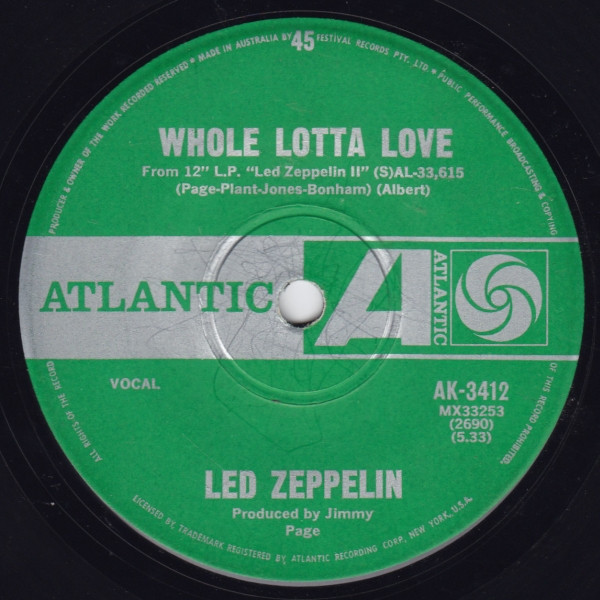
LED ZEPPELIN - WHOLE LOTTA LOVE


Publicació: 7 de novembre de 1969 (EUA) 1997 (Regne Unit)

Llistes: EUA: #4   Regne Unit: #21


"Whole Lotta Love" de Led Zeppelin és una cançó de rock clàssic que serveix com a tema d'obertura del seu segon àlbum, "Led Zeppelin II". Tot i que es va llançar com a single el 1969 en diversos països, no es va llançar al Regne Unit. Als Estats Units, es va convertir en un èxit massiu i va ser certificat com a disc d'or. La cançó presenta riffs de guitarra icònics i una veu poderosa de Robert Plant.


"Whole Lotta Love" inclou lletres atrevides i suggeridores de Robert Plant, inspirades en el blues. Plant comunica de manera efectiva el seu desig i voluntat de donar-ho tot al seu interès amorós, utilitzant imatges vívides i una interpretació apassionada. La lletra està adaptada de "You Need Love", una cançó escrita per Willie Dixon i enregistrada per Muddy Waters el 1962. Led Zeppelin va arribar a un acord amb Dixon el 1985, qui va utilitzar els diners del conveni per establir un programa que proporcionava instruments per a les escoles. Els Small Faces també van prendre prestada la cançó de Dixon en el seu tema de 1966 "You Need Loving", amb lletres que semblen molt a les utilitzades per Plant en "Whole Lotta Love".


"Whole Lotta Love" presenta un so de bateria espectacular com a fonament, amb Jimmy Page gravant la bateria a la gran sala dels Olympic Studios de Londres, coneguda pels seus sostres de 28 peus d’alçària. L'enginyer George Chkiantz va utilitzar col·locacions de micròfons poc convencionals per capturar el so, incloent-hi diverses posicions gens habituals al voltant del kit de bateria. Page va buscar que els cops de bateria de Bonzo (John Bonham) destaquessin clarament de la resta, reforçant l'experiència de so panoràmic de la cançó.


Com a productor de Led Zeppelin, Page va utilitzar tècniques innovadores durant tot el procés d'enregistrament, especialment evidents en la secció lliure al voltant del minut 1:20 de la cançó, sovint anomenada "el descontrol". Durant aquesta secció, Page i l'enginyer Eddie Kramer van experimentar amb diversos efectes d'estudi i ajustos, manipulant botons per crear un so diferent i electritzant.


L'efecte d'eco invers a "Whole Lotta Love" es produeix al voltant del minut 4, on la veu distant de Robert Plant canta cada frase de la lletra abans que la seva veu arrenqui. Aquesta cançó de ser una de les primeres en utilitzar aquest efecte, conegut com a eco invers, en la música popular, cosa que va ocórrer accidentalment durant el procés d'enregistrament. El sangrat no intencionat de la veu de Plant en una presa diferent a la pista vocal mestra va presentar un desafiament durant la mescla. En lloc d'intentar eliminar-lo, Jimmy Page i l'enginyer Eddie Kramer van agafar-se creativament a l'error, potenciant-lo perquè sonés intencionat. Van afegir reverberació a la veu distant, creant un efecte atmosfèric que donava la impressió que la veu de Plant presagiava les seves frases des de la distància.


Amb l'èxit de "Whole Lotta Love" a Amèrica, la divisió britànica de la discogràfica de Led Zeppelin, Atlantic Records, va considerar llançar una versió reduïda de la cançó per al mercat britànic, però quan Jimmy Page va escoltar l'edició escurçada de 3:12, es va oposar vehementment a la idea i es va negar a tornar a escoltar la versió reduïda. Led Zeppelin va emetre un comunicat de premsa afirmant la seva intenció de no llançar "Whole Lotta Love" com a single al Regne Unit, subratllant que la cançó va ser concebuda com a part del concepte global de l'àlbum. Com a resultat, el single americà va romandre idèntic a la versió de l'àlbum, preservant la integritat de la cançó.


Finalment, el 1997, Led Zeppelin va llançar una versió editada de 4:50 al Regne Unit per commemorar el 30è aniversari de la banda. No obstant, enmig del domini d'artistes com les Spice Girls i Puff Daddy a les llistes de singles, el llançament va rebre relativament poca atenció, arribant només al número 21 de les llistes.


Leona Lewis i Jimmy Page van oferir una interpretació memorable de "Whole Lotta Love" a la cerimònia de clausura dels Jocs Olímpics de Pequín del 2008, marcant el traspàs a l'amfitrió dels Jocs del 2012, Londres. Donada la naturalesa lleugerament suggerent de la lletra de la cançó, hi va haver preocupacions sobre la seva idoneïtat per a un esdeveniment apte per a tots els públics. Per abordar això, Leona Lewis va fer un ajust tàctic a les lletres, canviant "every inch of my love" per "every bit of my love", assegurant així una interpretació més adequada per a l'ocasió.


LED ZEPPELIN - WHOLE LOTTA LOVE


Released: November 7, 1969 (US) 1997 (UK)

Charted:  US: #4  UK: #21 


"Whole Lotta Love" by Led Zeppelin is a classic rock song that serves as the opening track on their second album, “Led Zeppelin II”. While it was released as a single in 1969 in various countries, no single was released in the United Kingdom. In the United States, it became a massive hit and was certified gold. The song features iconic guitar riffs and powerful vocals by Robert Plant. 


"Whole Lotta Love" features Robert Plant's bold and suggestive lyrics, drawing inspiration from the blues. Plant effectively communicates his desire and willingness to give his all to his love interest, using vivid imagery and passionate delivery. The lyrics are derived from "You Need Love," a song written by Willie Dixon and recorded by Muddy Waters in 1962. Led Zeppelin reached an agreement with Dixon in 1985, who used the settlement money to establish a program providing instruments for schools. The Small Faces also borrowed from Dixon's song in their 1966 track "You Need Loving," with lyrics that closely resemble those used by Plant in "Whole Lotta Love." 


"Whole Lotta Love" features a massive drum sound as its foundation, with Jimmy Page recording the drums in the large room at Olympic Studios in London, known for its 28-foot ceilings. Engineer George Chkiantz utilized unconventional microphone placements to capture the sound, including placing microphones in various positions around the drum kit. Page aimed for Bonzo's (John Bonham's) drum strokes to stand out clearly, contributing to the song's panoramic audio experience.


As Led Zeppelin's producer, Page employed innovative techniques throughout the recording process, particularly evident in the freeform section around 1:20 into the song, often referred to as "the freakout." During this section, Page and engineer Eddie Kramer experimented with various studio effects and adjustments, manipulating knobs to create a distinct and electrifying sound. 


The backward echo effect in "Whole Lotta Love" occurs around the 4-minute mark, where Robert Plant's distant voice sings each line of the lyrics before his full-throated vocal kicks in. This effect, known as backward echo, was one of the first instances of its use in popular music and happened accidentally during the recording process. The unintended bleed of Plant's vocal from a different take onto the master vocal track presented a challenge during mixing. Rather than attempting to eliminate it, Jimmy Page and engineer Eddie Kramer creatively embraced the mistake, enhancing it to sound intentional. They added reverb to the distant vocal, creating an atmospheric effect that gave the impression of Plant's voice foreshadowing his lines from a distance. 


Despite the success of "Whole Lotta Love" in America, the UK division of Led Zeppelin's label, Atlantic Records, considered releasing a shortened version of the song for the UK market, but when Jimmy Page heard the 3:12 truncated edit, he vehemently opposed the idea and refused to listen to the shortened version again. Led Zeppelin issued a press release stating their intention not to release "Whole Lotta Love" as a single in the UK, emphasizing that the song was conceived as part of the album's overall concept. As a result, the American single remained identical to the album version, preserving the integrity of the song.


Finally in 1997, Led Zeppelin released a 4:50 edit of "Whole Lotta Love" in the UK to commemorate the band's 30th anniversary. However, amidst the dominance of acts like the Spice Girls and Puff Daddy on the singles chart, the release received relatively little attention, reaching only #21 in the charts.


Leona Lewis and Jimmy Page delivered a memorable performance of "Whole Lotta Love" at the closing ceremony of the 2008 Beijing Olympics, marking the handover to the host of the 2012 games, London. Given the song's somewhat suggestive lyrical content, there were concerns about its appropriateness for a family-friendly event. To address this, Leona Lewis made a tactful adjustment to the lyrics, changing "every inch of my love" to "every bit of my love," ensuring a more suitable rendition for the occasion.




20.3.24


BANGLES - WALK LIKE AN EGYPTIAN


Publicació: 1 de setembre de 1986

Llistes: Regne Unit: #3   EUA: #1 (4 setmanes)


Llançada com el tercer single del seu àlbum "Different Light", "Walk Like an Egyptian" va marcar un moment significatiu per a les Bangles, catapultant-les a l'estrellatge. La cançó va pujar ràpidament a les llistes, assolint el primer numero 1 per a la banda i una certificació d'or de la RIAA.


La inspiració de Liam Sternberg per a "Walk Like an Egyptian" va sorgir d'un moment d'observació mentre estava en un vaixell fent un transbord. En veure els passatgers intentant mantenir l'equilibri enmig dels moviments del vaixell, Sternberg va notar que els seus gestos es semblaven a moviments a l'estil egipci. Aquesta observació humorística va encendre la idea per a la cançó, incorporant astutament aquests moviments peculiars a la seva lletra i melodia.


"Walk Like an Egyptian" estava inicialment pensada perquè la bateria Debbi Peterson la cantés íntegrament. El productor David Kahne va optar per un procés de selecció d’estil en l’audició, permetent que cada membre provés diferents seccions de la lletra. Finalment, totes els membres de la banda excepte la cantant planejada inicialment van cantar els versos de la cançó, Vicki Peterson, la germana de Debbi, va fer el primer vers, seguida de la baixista Michael Steele i després Susanna Hoffs pel vers restant.


El procés d'enregistrament de "Walk Like an Egyptian" va crear tensions dins de les Bangles, exacerbades per la decisió d'excloure la bateria Debbi Peterson de cantar a la cançó. Aquest moment cabdal va posar de manifest dinàmiques distants dins de la banda, provocant conflictes amb qüestions d'igualtat i visibilitat entre elles. Malgrat la seva insistència en compartir equitativament l'atenció a l'escenari, la decisió de deixar Debbi fora de la cançó subratllava fissures més profundes dins del grup. Amb canvis posteriors en la producció i dinàmiques canviants, particularment posar el focus d’atenció en Susanna Hoffs va fer que la química de la banda es veies tensada, contribuint en última instància a la seva ruptura el 1989.


El videoclip de "Walk Like an Egyptian" va rebre una nominació al millor vídeo de grup als Premis MTV Video Music Awards de 1987. Mostra les Bangles interpretant la cançó en un concert, intercalat amb escenes de persones ballant en la posició reminiscent de l'antic Egipte, que van inspirar el compositor Liam Sternberg. Tot i que la major part d'aquestes escenes es van filmar als carrers de la ciutat de Nova York, es van utilitzar efectes especials per incorporar imatges de figures notables com Diana, Princesa de Gal·les, el príncep Carles, Muammar el-Qaddafi i l'Estatua de la Llibertat.


En una escena memorable del vídeo, Susanna Hoffs va ser filmada en un primer pla on els seus ulls es movien d'un costat a l'altre, aparentment mirant cap a l'esquerra i cap a la dreta. En una entrevista, Hoffs va revelar que durant la gravació del vídeo, que es va fer amb una audiència en directe, en realitat estava fent contacte visual amb membres de l'audiència com a manera de fer front al pànic escènic. Sense saber que la càmera s'havia enfocat en ella, capturant aquest moment, ella alternava entre mirar un membre de l'audiència a la seva esquerra i un a la seva dreta. Sigui com sigui que es va decidir la gravació d'aquest moment, ha quedat com un dels instants més icònics i sexys dels anys 80.


BANGLES - WALK LIKE AN EGYPTIAN


Released: September 1, 1986

Charted:  UK: #3  US: #1 (4 weeks)


Released as the third single from their album "Different Light," "Walk Like an Egyptian" marked a significant milestone for the Bangles, catapulting them to stardom. The song quickly climbed the charts, earning the band their first number-one hit and a gold certification from the RIAA. 


Liam Sternberg's inspiration for "Walk Like an Egyptian" stemmed from a moment of observation while on a ferry boat. Witnessing passengers trying to maintain their balance amidst the boat's movements, Sternberg noticed their gestures resembled Egyptian-like motions. This humorous observation sparked the idea for the song, which cleverly incorporated these quirky movements into its lyrics and catchy melody.


The division of verses among the Bangles in "Walk Like an Egyptian" was initially intended for drummer Debbi Peterson to sing entirely. Producer David Kahne opted for an audition-style selection process, allowing each member to try out different sections of the lyrics. Finally all the members of the band except the initially planned singer did the verses of the song, Vicki Peterson, Debbi's sister, secured the first verse, followed by bass player Michael Steele and then Susanna Hoffs for the remaining verse.


The recording process of "Walk Like an Egyptian" created tensions within the Bangles, exacerbated by the decision to exclude drummer Debbi Peterson from singing in the song. This pivotal moment highlighted underlying dynamics within the band, as they grappled with issues of equality and visibility. Despite their insistence on equal spotlight sharing on stage, the decision to leave Debbi out of the song underscored deeper fissures within the group. With subsequent changes in production and shifting dynamics, particularly the focus on Susanna Hoffs, the band's chemistry became strained, ultimately contributing to their breakup in 1989.


The music video for "Walk Like an Egyptian" received a nomination for Best Group Video at the 1987 MTV Video Music Awards. It showcases the Bangles performing the song at a concert, interspersed with scenes of people dancing in poses reminiscent of Ancient Egyptian reliefs, which inspired songwriter Liam Sternberg. While most of these scenes were filmed on the streets of New York City, special effects were employed to incorporate images of notable figures such as Diana, Princess of Wales, Prince Charles, Muammar Gaddafi, and the Statue of Liberty.


In a memorable scene from the video, Susanna Hoffs was filmed in a close-up where her eyes moved from side to side, appearing to look left and right. In an interview, Hoffs revealed that during the video shoot, which occurred with a live audience, she was actually making eye contact with individual audience members as a way to cope with stage fright. Unaware that the camera had zoomed in on her, capturing this moment, she alternated between looking at an audience member on her left and one on her right. However the recording of that moment was decided, it has remained one of the most iconic and sexiest instant of the 80s.


NEW ORDER - BLUE MONDAY


Publicació: 7 de març de 1983

Llistes: EUA: #68   Regne Unit: #3


"Blue Monday" és una cançó emblemàtica llançada el març de 1983, a través de Factory Records. Inicialment, es va editar només en maxi-single, també va aparèixer en certes versions del cassette i CD de l'àlbum de la banda "Power, Corruption & Lies" (1983). Composada i produïda col·lectivament per Gillian Gilbert, Peter Hook, Stephen Morris i Bernard Sumner, "Blue Monday" té la distinció de ser el maxi-single més venut a Gran Bretanya. La seva durada de 7 minuts i 25 segons el converteix en un dels senzills més llargs en les llistes de vendes. Malgrat la seva popularitat, el single no va ser llançat en el format tradicional de 7 polzades fins al 1988, cosa que va incrementar encara més les seves vendes. La seva importància es destaca a la pel·lícula "24 Hour Party People", que documenta l'ascens de Factory Records, el segell discogràfic de la banda.


El 1988, Quincy Jones i John Potoker van col·laborar en un remix de la cançó titulada "Blue Monday 88" emparellada amb el tema instrumental de la cara B "Beach Buggy". Aquest remix va ser llançat sota el segell de Quincy Jones, Qwest Records. La versió renovada va arribar a la tercera posició a les llistes britàniques, impulsada principalment per les vendes rècord del format de la versió de single tradicional. Posteriorment, el 1995, el duo alemany Hardfloor va fer un altre remix de la cançó, arribant a la 17a posició a les llistes del Regne Unit.


El títol "Blue Monday" no s'esmenta a la lletra, una característica habitual en moltes altres cançons de New Order. La banda es va inspirar pel títol de la cançó en una il·lustració del llibre de Kurt Vonnegut "Breakfast of Champions", que Stephen Morris, el bateria de la banda, estava llegint en aquell moment. La il·lustració mostrava la frase "Goodbye Blue Monday", fent referència a l'impacte positiu de la invenció de la rentadora en les vides de les dones de casa.


"Blue Monday" té una influència significativa en el gènere de l'electrònica. Tot i que el synthpop ja destacava en la música popular britànica, aquesta pista s'acredita com un dels primers discos de ball britànics que van entrar amb èxit a l’escena de clubs de Nova York.


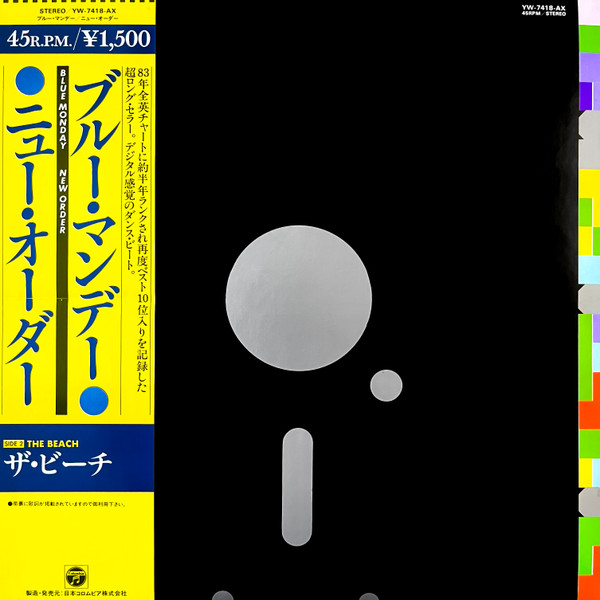
Curiosament, la portada del senzill no mostra de manera directa el nom del grup ni el títol de la cançó en anglès. Enlloc d'això, mostra la representació codificada: "FAC 73 BLUE MONDAY AND THE BEACH NEW ORDER", expresada a través d'una sèrie de blocs de colors. La clau de decodificació d'aquest missatge estava impresa a la part posterior de la portada de l'àlbum "Power, Corruption & Lies".


Les reflexions de Peter Hook sobre "Blue Monday" proporcionen una visió sobre la complexa relació que sovint tenen els artistes amb les seves obres més icòniques. Tot i els sentiments ocasionals de descontentament que poden sorgir per estar fortament associats amb una cançó en particular, Hook reconeix l'apel·lat atemporal i la qualitat atemporal de "Blue Monday". Atribueix aquesta qualitat a l'habilitat de la cançó per reinventar-se contínuament, evocant un sentiment enlloc de ser només una cançó convencional. Hook també reflexiona amb humor sobre la ignorància de la banda sobre els alts costos de producció de les cobertes del senzill en comparació amb els discos mateixos, destacant la naturalesa imprevisible del seu èxit. Malgrat qualsevol reserva, la banda reconeix i abraça finalment la importància de la cançó en el seu llegat i continua interpretant-la per al gaudiment dels seus fans.


La decisió de New Order d’interpretar "Blue Monday" en directe al programa Top of the Pops de la BBC, tot i la política del programa de fer playback, va donar lloc a un moment memorable però caòtic. Peter Hook reflexiona sobre l'experiència amb sentit de l'humor, reconeixent les dificultats tècniques trobades durant la interpretació. Malgrat els reptes, aparèixer al Top of the Pops va ser un fet significatiu per a la banda, proporcionant-los un moment de reconeixement, especialment entre els membres de la família i els parents que eren escèptics sobre el seu èxit.


NEW ORDER - BLUE MONDAY


Released: March 7, 1983

Charted:  US: #68   UK: #3 


"Blue Monday" by New Order is a landmark song released on March 1983, through Factory Records. Initially appearing as a 12-inch single, it also featured on certain cassette and CD versions of the band's album "Power, Corruption & Lies" (1983). Composed and produced collectively by Gillian Gilbert, Peter Hook, Stephen Morris, and Bernard Sumner, "Blue Monday" holds the distinction of being the best-selling 12-inch single in Britain. Its extended duration of 7 minutes and 25 seconds makes it one of the longest-charting singles ever. Despite its popularity, the single wasn't issued in the traditional 7-inch format until 1988, a move that further fueled its sales. Its significance is underscored in the film "24 Hour Party People," which documents the ascent of Factory Records, the band's label.


In 1988, Quincy Jones and John Potoker collaborated on a remix of the song titling it "Blue Monday 88" and pairing it with the instrumental B-side "Beach Buggy." This remix was released under Quincy Jones' label, Qwest Records. The revamped version ascended to the third position on the British charts, driven largely by the record-breaking sales of the 7-inch version. Subsequently, in 1995, the German duo Hardfloor undertook another remix of the track, propelling it to the 17th spot on the UK charts.


The title "Blue Monday" is not explicitly mentioned in the lyrics, a characteristic shared with many other New Order songs. The band derived the song's title from an illustration in Kurt Vonnegut's book "Breakfast of Champions," which Stephen Morris, the band's drummer, happened to be reading at the time. The illustration featured the phrase "Goodbye Blue Monday," referencing the positive impact of the invention of the washing machine on housewives' lives.


"Blue Monday" holds significant influence in the electronica genre. While synthpop was already prominent in British popular music, this track is credited as one of the first British dance records to successfully penetrate the New York club scene.


Interestingly, the single's sleeve does not straightforwardly display the group name or song title in English. Instead, it features a coded representation: "FAC 73 BLUE MONDAY AND THE BEACH NEW ORDER," conveyed through a series of colored blocks. The decoding key for this message was printed on the back sleeve of the album "Power, Corruption & Lies."


Peter Hook's reflections on "Blue Monday" provide insight into the complex relationship artists often have with their most iconic works. Despite occasional feelings of discontent that may arise from being strongly associated with a particular song, Hook acknowledges the enduring appeal and timeless quality of "Blue Monday." He attributes this to the track's ability to continually reinvent itself, evoking a feeling rather than just being a conventional song. Hook also humorously recounts the band's obliviousness to the high production costs of the single's sleeves compared to the records themselves, highlighting the unpredictable nature of their success. Despite any reservations, the band ultimately recognizes and embraces the song's significance to their legacy and continues to perform it for the enjoyment of their fans.


New Order's decision to perform "Blue Monday" live on BBC's Top of the Pops, despite the show's policy of miming to a backing track, resulted in a memorable yet chaotic moment. Peter Hook reflects on the experience with a sense of humor, acknowledging the technical difficulties encountered during the performance. Despite the challenges, appearing on Top of the Pops was a significant milestone for the band, providing a moment of validation and recognition, especially among family members and relatives who may have previously been skeptical of their success.