Total de visualitzacions de pàgina:

21.5.24


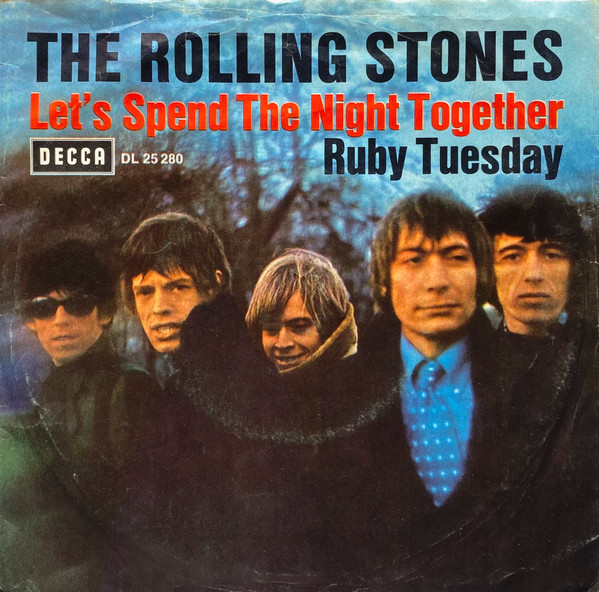
ROLLING STONES - LET’S SPEND THE NIGHT TOGETHER / RUBY TUESDAY


LET’S SPEND THE NIGHT TOGETHER

Estrenada: 13 de gener de 1967

Llistes: Regne Unit: #3   EUA: #55


"Let's Spend the Night Together" és una cançó escrita per Mick Jagger i Keith Richards, originalment llançada com a single de doble cara A juntament amb "Ruby Tuesday" al gener de 1967. També es va llançar com a primera pista a la versió americana del seu àlbum "Between the Buttons". Aquesta cançó va causar un gran revolució en el seu llançament a causa de la seva lletra suggerent, amb Mick Jagger fent una proposta atrevida per passar la nit amb una dona. La naturalesa obertament sexual de la cançó va portar a la censura, amb moltes emissores de ràdio que es negaven a reproduir-la o que censuraven la paraula "nit" per alleujar el contingut suggerent.


Glyn Johns, l'enginyer de la sessió de "Let's Spend the Night Together", va recordar una anècdota interessant sobre el so de tamborineig al pont de la cançó. Va mencionar que durant la sessió, dos policies van entrar inesperadament a l'estudi de Londres. Per desviar-ne l'atenció de les drogues presents a l'estudi, el manager dels Stones, Andrew Loog Oldham, va fer que els policies enregistressin una presa d'ells picant els seus bastons com a percussió. Sorprenentment, aquest so enregistrat va arribar a la versió final de la cançó.


Els Rolling Stones van enfrontar-se a la censura quan van interpretar "Let's Spend the Night Together" al programa The Ed Sullivan Show el 1967. Per complir amb els estàndards conservadors del programa, van modificar la lletra a "let's spend some time together" ("passem una mica de temps junts"). Mick Jagger va expressar el seu descontentament girant els ulls durant la interpretació, assenyalant la seva frustració amb la censura imposada pels productors del programa.


RUBY TUESDAY

Estrena: 13 de gener de 1967

Llistes: Regne Unit: #3   EUA: #1 (1 setmana)


"Ruby Tuesday" és una cançó enregistrada pels Rolling Stones el 1966, llançada al gener de 1967. La cançó es va convertir en el quart número u de la banda als Estats Units, aconseguint la posició número tres al Regne Unit, com a doble cara A amb "Let's Spend the Night Together". Tot i que els singles sovint eren exclosos dels àlbums d'estudi al Regne Unit, la cançó es va publicar a la versió americana de "Between the Buttons".


Keith Richards va compartir algunes idees sobre "Ruby Tuesday", assenyalant que provenia de les seqüeles emocionals d'una ruptura: "Això és una d'aquelles coses: alguna tia amb qui has trencat, i tot el que et queda és el piano, la guitarra i un parell de calces. I adéu. I així en surt la cançó". Va explicar que el procés de composició fluïa d'aquest sentiment inicial, reflectint la cruesa de l'experiència. Richards va insinuar que la cançó podria haver estat inspirada per l'absència de Linda Keith, afegint humorísticament: "Probablement va ser escrit sobre que la Linda Keith no hi era. No ho sé, s'havia enfadat en algun moment. Era molt ploranera, molt, molt Ruby Tuesday i era un dimarts."


Tot i les turbulències personals, la cançó reflecteix un punt de vista més ampla de l'ètica lliure de l'era hippie en lloc d'expressar amargor o angoixa. Sorprenentment, el so distintiu de la cançó no està dominat per la guitarra de Richards sinó pel flautí de Brian Jones, complementat pel piano de Jack Nitzsche i el contrabaix de Bill Wyman. Mick Jagger, que no va contribuir a escriure la melodia o la lletra, va trobar plaer en interpretar la cançó, reconeixent el seu atractiu perdurable: "És una melodia realment agradable, i una lletra realment agradable. Cap de les quals vaig escriure jo. Però sempre gaudeixo cantant-la."


ROLLING STONES - LET’S SPEND THE NIGHT TOGETHER / RUBY TUESDAY


LET’S SPEND THE NIGHT TOGETHER

Released: January 13, 1967

Charted:  UK: #3    US: #55 


"Let's Spend the Night Together" is a song written by Mick Jagger and Keith Richards, originally released by the Rolling Stones as a double A-sided single alongside "Ruby Tuesday" in January 1967. It also serves as the opening track on the American version of their album "Between the Buttons." This track caused quite a stir upon its release due to its suggestive lyrics, with Mick Jagger making a bold proposition to spend the night with a woman. The overtly sexual nature of the song led to censorship, with many radio stations refusing to play it or censoring out the word "night" to tone down the suggestive content.


Glyn Johns, the engineer at the session for "Let's Spend the Night Together," recalled an interesting anecdote about the tapping sound in the bridge of the song. He mentioned that during the session, two policemen unexpectedly entered the London studio. To divert their attention away from the drugs present in the studio, the Stones' manager, Andrew Loog Oldham, had the policemen record a take of them banging their batons for percussion. Surprisingly, this recorded sound made it into the final version of the song.


The Rolling Stones faced censorship when they performed "Let's Spend the Night Together" on The Ed Sullivan Show in 1967. To comply with the show's conservative standards, they altered the lyrics to "let's spend some time together." Mick Jagger expressed his displeasure by rolling his eyes during the performance, signaling his frustration with the censorship imposed by the show's producers.


RUBY TUESDAY

Released: January 13, 1967

Charted:  UK: #3    US: #1 (1 week)


"Ruby Tuesday" stands as a song recorded by the Rolling Stones in 1966, with its release following in January 1967. Notably, the track became the band's fourth number-one hit in the United States, achieving a position of number three in the United Kingdom, albeit as a double A-side with "Let's Spend the Night Together." Although singles were often excluded from studio albums in the UK, the song found its place in the American version of "Between the Buttons."


Keith Richards shared insights about "Ruby Tuesday," noting it stemmed from the emotional aftermath of a breakup: "That's one of those things - some chick you've broken up with. And all you've got left is the piano and the guitar and a pair of panties. And it's goodbye, you know. And so it just comes out of that." He elaborated that the songwriting process flowed from this initial sentiment, reflecting the rawness of the experience. Richards hinted that the song might have been inspired by Linda Keith's absence, humorously adding, "It was probably written about Linda Keith not being there. I don't know, she had pissed off somewhere. It was very mournful, very, VERY Ruby Tuesday and it was a Tuesday."


Notwithstanding the personal turmoil, the song reflects a broader embrace of the free-spirited ethos of the hippie era rather than expressing bitterness or anguish. Surprisingly, the song's signature sound is not dominated by Richards' guitar but by Brian Jones' plaintive recorder, complemented by Jack Nitzsche's piano and Bill Wyman's upright bass. Mick Jagger, who didn't contribute to the writing of the melody or lyrics, still found joy in performing the song, acknowledging its enduring appeal: "It’s just a really nice melody, and a really nice lyric. Neither of which I wrote. But I always enjoy singing it."




20.5.24


ROLLING STONES - STREET FIGHTING MAN


Publicació: 31 d'agost de 1968 (EUA) Juliol de 1971 (Regne Unit)

Llistes: EUA: #48   Regne Unit: #21


"Street Fighting Man" és una cançó escrita pel prolífic duo de compositors Mick Jagger i Keith Richards. Coneguda per la seva instrumentació índia aportada per Brian Jones, la cançó ha estat etiquetada com una cançó de raga rock. Les seves lletres controvertides i ambiguës, que toquen temes de revolució armada, l'han convertit en una de les cançons més populars i provocadores de la banda. Inicialment llançada com a single als Estats Units l’agost de 1968, posteriorment va aparèixer a l'àlbum "Beggars Banquet" al Regne Unit, on va obrir la cara B.


"Street Fighting Man" reflexa la convulsió civil tumultuosa que va sorgir a Europa i Amèrica el 1968. Inspirat en esdeveniments de la vida real, particularment la protesta a Grosvenor Square a Londres el 17 de març de 1968, Mick Jagger va escriure la lletra després de presenciar la manifestació en primera persona. Al costat de Vanessa Redgrave i uns estimats 25.000 manifestants, Jagger inicialment va participar condemnant la guerra del Vietnam. A mesura que la protesta va escalar en violència, Jagger es va retirar, reconeixent que el seu estatus de celebritat restava importància a la causa. Aquesta experiència va alimentar la temàtica de la cançó sobre la convulsió societal i la lluita pel canvi.


Keith Richards va emprar una tècnica distintiva de guitarra a "Street Fighting Man", semblant a l'enfocament de "Jumpin' Jack Flash". En lloc d'utilitzar guitarres elèctriques, Richards va crear el so de la cançó íntegrament amb guitarres acústiques. Va sobregravar diverses parts de guitarra acústica, tocades directament al micròfon amb una força considerable. La part aguda de guitarra va ser aconseguida passant la guitarra acústica a través d'un reproductor de casset sense limitador, resultant en la distorsió apreciada. A més, un sitar en el fons va complementar l'efecte de les altes notes de la guitarra. Apart del baix, que va ser sobregravat més tard, tots els instruments de la pista eren acústics.


El llançament als Estats Units inicialment va incloure una funda amb una imatge que mostrava la policia pegant manifestants a Los Angeles. Aquesta versió del single també tenia una música diferent, incloent veus alternes i un piano més destacable, però la discogràfica ràpidament va retirar aquesta versió de la circulació, convertint-la en un article de col·leccionista avui dia.


Keith Richards considera "Street Fighting Man" una de les seves cançons favorites dels Rolling Stones, trobant que el seu missatge encara és rellevant. Creu que quan la gent està profundament descontenta amb el seu govern o situació social, prendre els carrers és una resposta vàlida. Richards fa un paral·lelisme amb la història americana, suggerint que el país deu la seva existència en part a aquests actes de protesta pública. Mick Jagger més tard va reflexionar sobre la polèmica al voltant de "Street Fighting Man", reconeixent que algunes emissores de ràdio van prohibir la cançó per ser subversiva. Va trobar-ho irònic, assenyalant que tot i que la cançó pot tenir temes subversius, és poc realista esperar que una revolució comenci únicament des d'un disc.


Bruce Springsteen va incloure "Street Fighting Man" com a bis durant la seva gira "Born in the U.S.A." de 1985, i va elogiar la icònica frase "What can a poor boy do but sing in a rock and roll band?" (Què pot fer un pobre noi més que cantar en una banda de rock and roll?) com una de les més grans de la història del rock and roll.


ROLLING STONES - STREET FIGHTING MAN


Released: August 31, 1968 (US) July 1971 (UK)

Charted:  US: #48   UK: #21 


"Street Fighting Man" is a song written by the prolific songwriting duo of Mick Jagger and Keith Richards. Known for its Indian instrumentation contributed by Brian Jones, the track has been labeled as a raga rock song. Its controversial and ambiguous lyrics, which touch on themes of armed revolution, have made it one of the band's most popular and provocative songs. Initially released as a single in the United States in August 1968, it later appeared on the “Beggars Banquet” album in the United Kingdom, where it opened side two.


"Street Fighting Man" reflects the tumultuous civil unrest that gripped Europe and America in 1968. Inspired by real-life events, particularly the protest at Grosvenor Square in London on March 17, 1968, Mick Jagger penned the lyrics after witnessing the demonstration firsthand. Alongside Vanessa Redgrave and an estimated 25,000 protesters, Jagger initially participated in condemning the Vietnam War. As the protest escalated into violence, Jagger retreated, recognizing that his celebrity status detracted from the cause. This experience fueled the song's themes of societal upheaval and the struggle for change.


Keith Richards employed a distinctive guitar technique on "Street Fighting Man," reminiscent of his approach on "Jumpin' Jack Flash." Rather than using electric guitars, Richards crafted the song's sound entirely with acoustic guitars. He overdubbed multiple acoustic guitar parts, played directly into the microphone with considerable force. The high-end lead part was achieved by running the acoustic guitar through a cassette player without a limiter, resulting in distortion. Additionally, a sitar in the background contributed to the effect of the high notes on the guitar. Apart from the bass guitar, which was overdubbed later, all instruments on the track were acoustic.


The US release of "Street Fighting Man" initially featured a picture sleeve depicting police beating protesters in Los Angeles. This version of the single also had different music, including alternate vocals and more prominent piano. However, the record company swiftly withdrew this version from circulation, making it a rare collector's item today.


Keith Richards considers "Street Fighting Man" one of his favorite Rolling Stones tracks, finding its message still relevant. He believes that when people are deeply discontented with their government or social situation, taking to the streets is a valid response. Richards draws a parallel to American history, suggesting that the country owes its existence in part to such acts of public protest. Mick Jagger later reflected on the controversy surrounding "Street Fighting Man," acknowledging that some radio stations banned the song for being subversive. He found it ironic, noting that while the song may have subversive themes, it's unrealistic to expect a revolution to start solely from a record. 


Bruce Springsteen included "Street Fighting Man" as an encore during his 1985 Born in the U.S.A. Tour, and praised the iconic line "What can a poor boy do but sing in a rock and roll band?" as one of the greatest in rock and roll history. 


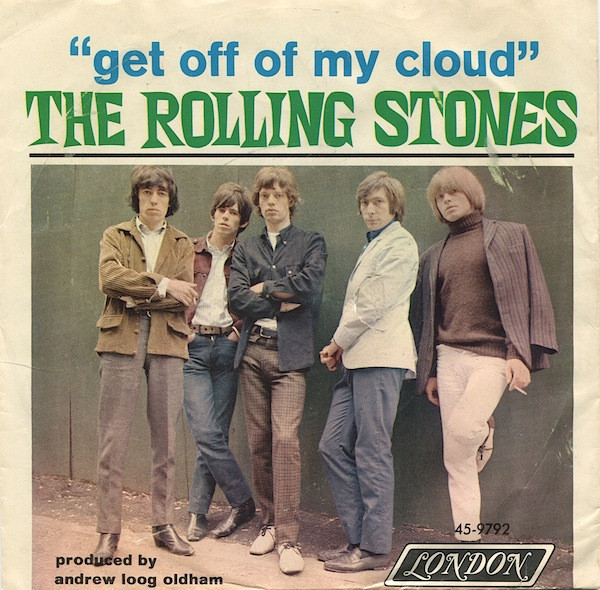
ROLLING STONES - GET OFF OF MY CLOUD

Publicació: 24 de setembre de 1965 (EUA) 22 d'octubre de 1965 (Regne Unit)

Llistes: EUA: #1 (2 setmanes)  Regne Unit: #1 (3 setmanes)


"Get Off of My Cloud" és una cançó escrita per Mick Jagger i Keith Richards com a single següent al seu èxit "(I Can't Get No) Satisfaction." Enregistrada a Hollywood, Califòrnia, a principis de setembre de 1965, la cançó es va llançar al setembre als Estats Units i a l'octubre al Regne Unit. Va assolir un èxit arrollador als Estats Units, al Regne Unit, al Canadà i a Alemanya, mentre arribava al número dos en diversos altres països.


Keith Richards va reflexionar sobre "Get Off of My Cloud" com una resposta a la pressió de seguir l'èxit de "(I Can't Get No) Satisfaction." La va descriure com una reacció impulsiva a la demanda sobtada d'un altre èxit, expressant sorpresa pel seu èxit mentre reconeixia el seu encant.


Mick Jagger va reflexionar sobre el significat de la cançó en una entrevista del 1995, assenyalant que era la melodia de Keith aparellada amb la seva pròpia lletra. La va descriure com una cançó que expressa el sentiment de "deixa'm en pau, d’alienació postadolescent", arrelada en la seva experiència d'allunyar-se d’una societat massa ordenada als anys 60, especialment a Amèrica, que va trobar restrictiva en el pensament, el comportament i l'aspecte.


La introducció de bateria palmejant de Watts marca el ritme per a l'atac ferotge de les dues guitarres de Richards i Jones. La banda inicialment va buscar un ambient més lent i més groovy inspirat en l'artista de soul de Nova Orleans Lee Dorsey, però la versió final va acabar amb un so més energètic i roquer, com la va descriure Richards. La lletra de Jagger, que parla de la frustració de tornar al seu cotxe només per trobar multes d'aparcament "com una bandera enganxada a la meva finestra", eren entre les més vívides que havia escrit en aquell moment. Tot i els elogis per les seves lletres en anys posteriors, Jagger les va rebutjar contundentment, dient: "Oh, no, no ho són - són una merda."


L'avaluació entusiasta de Neil Young de "Get Off of My Cloud" dels Rolling Stones en la biografia "Shakey" captura l'essència de l'esperit rebel de la cançó. Young la va elogiar com encara millor que "Satisfaction", citant el seu abandonament lliure i imprudent. Amb "Get Off of My Cloud", els Stones van oferir un himne desafiant en contra de diverses molèsties modernes, des de la fama a les trucades telefòniques fins als edificis d'apartaments atapeïts, encarnant un crit rebel contra les pressions de la vida contemporània. Malgrat el seu to rebel, la cançó va arribar al número u a Amèrica, seguint els passos de la seva predecessora.


ROLLING STONES - GET OFF OF MY CLOUD


Released: September 24, 1965 (US)  October 22, 1965 (UK)

Charted:  US: #1 (2 weeks)   UK: #1 (3 weeks)


"Get Off of My Cloud" is a song written by Mick Jagger and Keith Richards as a follow-up single to their successful "(I Can't Get No) Satisfaction." Recorded in Hollywood, California, in early September 1965, the song was released in September in the United States and October in the United Kingdom. It achieved chart-topping success in the US, UK, Canada, and Germany, while reaching number two in several other countries.


Keith Richards reflected on "Get Off of My Cloud" as a response to the pressure of following up the success of "(I Can't Get No) Satisfaction." He described it as a knee-jerk reaction to the sudden demand for another hit single, expressing surprise at its success while acknowledging its charm.


Mick Jagger reflected on the song's meaning in a 1995 interview, noting that it was Keith's melody paired with his own lyrics. He described it as a song expressing the sentiment of "stop-bugging-me, post-teenage-alienation," rooted in his experience of breaking away from the ordered society of the 1960s, particularly in America, which he found restrictive in thought, behavior, and dress.


Watts' stomping drum intro sets the pace for Richards and Jones' fierce dual-guitar assault. The band initially aimed for a slower, funkier vibe inspired by New Orleans soul artist Lee Dorsey, but the final version ended up with a more energetic, rock-driven sound, as Richards described it. Jagger's lyrics, which touch on the frustration of returning to his car only to find parking tickets "like a flag stuck on my window screen," were among the most vivid he had written at that time. Despite praise for his lyrics in later years, Jagger dismissed them bluntly, saying, "Oh, no, they're not – they're crap."


Neil Young's enthusiastic assessment of The Rolling Stones' "Get Off of My Cloud" in the biography "Shakey" captures the essence of the song's rebellious spirit. Young praised it as even better than "Satisfaction," citing its loose, reckless abandon. With "Get Off of My Cloud," The Stones delivered a defiant anthem against various modern annoyances, from fame to phone calls to crowded apartment buildings, embodying a rebel yell against the pressures of contemporary life. Despite its rebellious edge, the song soared to Number One in America, following in the footsteps of its predecessor.