Total de visualitzacions de pàgina:

9.6.24


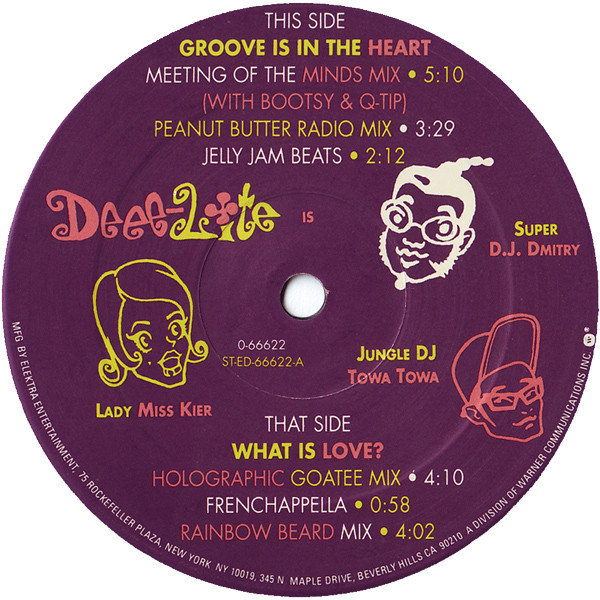
DEEE-LITE - GROOVE IS IN THE HEART

Publicació: agost de 1990

Llistes: Regne Unit: #2   EUA: #4


"Groove Is in the Heart" de Deee-Lite es va llançar a l'agost de 1990 com a primer i principal senzill del seu primer àlbum, "World Clique". La cançó, escrita i produïda per la banda, va assolir un gran èxit, arribant al número u a Austràlia i encapçalant tant les llistes de més venudes a Canadà com les llistes de música de ball de Billboard als Estats Units.


"Groove Is in the Heart" es va escriure inicialment a finals dels anys 80 i es va interpretar per primera vegada en directe ja el 1989. Abans de gravar-la, el DJ Dimitry va contactar amb el pioner del funk Bootsy Collins, enviant-li una cinta. Impressionat, Collins va volar per tocar el baix a la pista i també va aparèixer al videoclip. Va reclutar els seus companys músics de funk Maceo Parker al saxo i Fred Wesley al trombó. El rap al mig de la cançó està interpretat per Q-Tip, en aquell moment membre d'A Tribe Called Quest. Q-Tip ha col·laborat amb diversos artistes, inclosos De La Soul, Mariah Carey i The Beastie Boys. La pista de fons de la cançó inclou molts samplers, destacant el riff principal de la cançó de Herbie Hancock "Bring Down the Birds" de la banda sonora de Blowup. A més, els xiulets van ser samplejats de "Get Up" de Vernon Burch.


Deee-Lite va complementar el seu so funky amb una imatge distinctiva, lluint vestimenta exagerada dels anys 70 amb colors cridaners, plomes i sabates de plataforma altes. El grup va treure el seu nom de la cançó de Cole Porter "It's De-Lovely," que transmet l'experiència d'enamorar-se profundament. Aquesta connexió es refereix en la lletra amb la frase "Just de-lovely and delicious."


El videoclip, dirigit per Hiroyuki Nakano, mostra la cantant principal Lady Miss Kier ballant al costat dels altres membres de la banda en un escenari psicodèlic dels anys 1960. Malgrat rebre nominacions en diverses categories als Premis MTV Video Music Awards de 1991, el vídeo no va guanyar cap premi.


DEEE-LITE - GROOVE IS IN THE HEART


Released: August 1990

Charted:  UK: #2   US: #4 


"Groove Is in the Heart" by Deee-Lite was released in August 1990 as their debut and lead single from their first album, “World Clique” (1990). The song, written and produced by the band, achieved widespread success, reaching number one in Australia and topping both the Canadian RPM and US Billboard dance charts.


"Groove Is in the Heart" was initially written in the late 1980s and first performed live as early as 1989. Before recording  it DJ Dimitry reached out to funk pioneer Bootsy Collins, sending him a tape. Impressed, Collins flew in to play bass on the track and also appeared in the music video. He enlisted fellow funk musicians Maceo Parker on saxophone and Fred Wesley on trombone. The rap in the middle of the song is performed by Q-Tip, then a member of A Tribe Called Quest. Q-Tip has collaborated with various artists, including De La Soul, Mariah Carey, and The Beastie Boys. The song's backing track heavily relies on samples, notably the main riff from Herbie Hancock's track "Bring Down the Birds" from the Blowup soundtrack. Additionally, the whistles in the song were sampled from Vernon Burch's "Get Up."" 


Deee-Lite complemented their funky sound with a distinct image, sporting exaggerated '70s attire featuring loud colors, feather boas, and high platform shoes. The group derived their name from the Cole Porter song "It's De-Lovely," which conveys the experience of falling deeply in love. This connection is referenced in the song's lyrics with the line, "Just de-lovely and delicious."


The music video for directed by Hiroyuki Nakano, showcases lead singer Lady Miss Kier dancing alongside other band members against a 1960s psychedelic-themed background. Despite receiving nominations in several categories at the 1991 MTV Video Music Awards, the video did not win any awards.




 

NEW RADICALS - YOU GET WHAT YOU GIVE


Publicada: 3 de novembre de 1998

Llistes: Regne Unit: #5   EUA: #36


"You Get What You Give" és el primer i més exitós senzill de la banda de rock alternatiu americana New Radicals. Llançada al novembre de 1998, va assolir el número 36 a la llista US Billboard Hot 100 i el número vuit a la llista Billboard Modern Rock Tracks. Internacionalment, va arribar al número cinc al Regne Unit, al número quatre a Irlanda i al número u a Canadà i Nova Zelanda.


Gregg Alexander, el cervell darrere dels New Radicals, va rebutjar l'escenari i va criticar la cultura de la fama a "You Get What You Give", fins i tot fent referència a figures famoses com Marilyn Monroe i Hanson. El seu recorregut a la indústria musical va ser tumultuós, marcat per acords discogràfics dolents, àlbums cancel·lats i desil·lusió amb les expectatives de la indústria. Malgrat l'èxit de "You Get What You Give", Alexander va desfer els New Radicals després d'un sol àlbum, citant una falta d'interès en ser un fenomen puntual. Va passar a produir i escriure cançons sota el pseudònim Alex Ander, gaudint de l'èxit amb cançons com "The Game Of Love" de Santana.


"You Get What You Give" és un himne per a la joventut optimista dels anys noranta, afirmant la creença que els esforços i la bondat serien correspostos a la vida. La lletra també critica les grans empreses i els problemes socials, abordant preocupacions sobre l'assegurança mèdica i el poder d'indústries com la banca.


La decisió de Gregg Alexander d'incloure una llista de celebritats en la lletra de tancament de la cançó va generar controvèrsia, amb Marilyn Manson expressant la seva disconformitat per ser esmentat al costat de Courtney Love. La intenció d'Alexander era destacar la tendència dels mitjans de comunicació a centrar-se en qüestions trivials en lloc dels problemes reals abordats a la cançó. Malgrat les crítiques, alguns dels artistes esmentats, com Hanson, més tard van col·laborar amb Alexander.


El videoclip es va rodar a l’Staten Island Mall de Nova York i va ser dirigit per Evan Bernard. Gregg Alexander va explicar que va seleccionar aquesta ubicació perquè considera el centre comercial com una metàfora de la societat: un espai fabricat i regulat dissenyat per promoure el consumisme. Al vídeo, un grup d'adolescents, liderats per Alexander, provoca el caos al centre comercial participant en diverses activitats disruptives, com atrapar vigilants de seguretat en xarxes, empresonar empresaris en gàbies d'animals, llençar mercaderies o robar Lambrettas. 


NEW RADICALS - YOU GET WHAT YOU GIVE


Released: November 3, 1998

Charted:  UK: #5   US: #36  


"You Get What You Give" is the debut and most successful single from American alternative rock band New Radicals. Released on November 1998, it peaked at number 36 on the US Billboard Hot 100 and number eight on the Billboard Modern Rock Tracks chart. Internationally, it reached number five in the United Kingdom, number four in Ireland, and number one in Canada and New Zealand.


Gregg Alexander, the mastermind behind The New Radicals, shunned the spotlight and critiqued celebrity culture in "You Get What You Give," even calling out famous figures like Marilyn Monroe and Hanson. His journey in the music industry was tumultuous, marked by record deals, dropped albums, and disillusionment with industry expectations. Despite the success of "You Get What You Give," Alexander disbanded The New Radicals after just one album, citing a lack of interest in being a one-hit wonder. He transitioned to producing and songwriting under the pseudonym Alex Ander, enjoying success with hits like Santana's "The Game Of Love."


"You Get What You Give" is an anthem for optimistic youth in the '90s, encapsulating the belief that one's efforts and kindness would be reciprocated in life. The lyrics also critique big business and societal issues, addressing concerns about health insurance and the power of industries like banking. 


Gregg Alexander's decision to include a list of celebrities in the closing lyrics of the song sparked controversy, with Marilyn Manson expressing displeasure at being mentioned alongside Courtney Love. Alexander's intention was to highlight the media's tendency to focus on trivial matters rather than the real issues addressed in the song. Despite the backlash, some of the artists mentioned, like Hanson, later collaborated with Alexander, showing that not all held a grudge.


The music video was shot in the Staten Island Mall in New York and directed by Evan Bernard. Gregg Alexander explained that he selected this location because he views the shopping mall as a metaphor for society—a fabricated, regulated space designed to promote consumerism. In the video, a group of teenagers, led by Alexander, causes chaos in the mall by engaging in various disruptive activities, such as trapping security guards in nets, imprisoning businessmen in animal cages, overturning merchandise, stealing Lambrettas, and moshing in the food court.


8.6.24


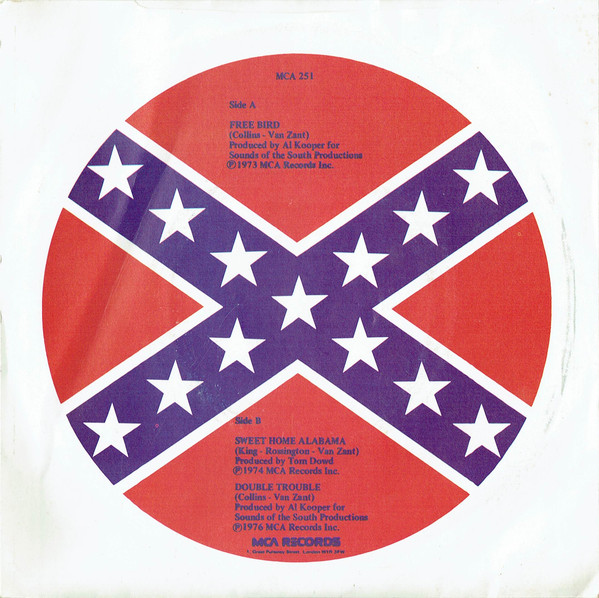
LYNYRD SKYNYRD - FREE BIRD


Llançament: novembre de 1974

Llistes: EUA: núm. 19   Regne Unit: núm. 21


"Free Bird" és un himne de rock de Lynyrd Skynyrd, escrit pel guitarrista Allen Collins i el cantant principal Ronnie Van Zant. Originalment presentat al seu àlbum debut del 1973, la cançó va guanyar popularitat com a llançament en single al novembre de 1974. Va fer la seva entrada a les llistes dels EUA Billboard Hot 100, debutant al núm. 87 i posteriorment ascendint al núm. 19 a principis de 1975, sent el segon Top 40 de la banda. Una interpretació en directe va tornar a les llistes a finals de 1976, arribant al núm. 38 al gener de 1977.


"Free Bird" es podria associar amb Duane Allman pel seu doble solo de guitarra al final, semblant a l’estil de moltes de les primeres cançons dels Allman Brothers. Malgrat l’especulació i les dedicatories ocasionals a Allman durant els concerts, la cançó en realitat va ser escrita abans de la seva mort el 1971 i no tenia cap intenció de ser un homenatge a ell.


La lletra gira al voltant del compromís d'un home sobre la llibertat de moure's. Els primers versos, "If I leave here tomorrow, would you still remember me?" (Si me'n vaig d'aquí demà, encara em recordaries?) van ser inspirats per una conversa entre Allen Collins i la seva nòvia Kathy, on ella va plantejar aquesta pregunta durant una disputa.


"Free Bird" va experimentar una transformació des de la seva forma inicial de balada fins a l'himne de rock en què es va convertir. Originalment enregistrada el 1972 sense els llegendaris solos de guitarra, va ser el guitarrista Allen Collins qui havia estat desenvolupant la cançó durant dos anys abans. Ronnie Van Zant, inspirat una nit, va escriure la lletra després de fer que Collins i Gary Rossington repetissin la música fins que va trobar les paraules adients. A mesura que la cançó evolucionava, Collins continuava refinant-la fins a la seva gravació final per a l'àlbum "Pronounced Leh-nerd Skin-nerd" el 1973.


La cançó va afrontar escepticisme tant de la banda com de la seva discogràfica, MCA, abans del seu llançament. Alguns executius del segell dubtaven del seu potencial radiofònic a causa de la seva durada. Malgrat això, la banda va insistir a incloure-la a l'àlbum, tot i que no eren conscients de la immensa popularitat que aconseguiria.


El tràgic accident d'avió el 1977 va marcar el final prematur del viatge de Lynyrd Skynyrd, prenent les vides del cantant principal Ronnie Van Zant i del guitarrista Steve Gaines, entre d'altres. Malgrat la pèrdua, la tradició de la banda de concloure els seus concerts amb "Free Bird" va continuar. En absència de Ronnie, el seu germà Johnny va trobar emocionalment difícil cantar la cançó, portant la banda a interpretar-la instrumentalment mentre que el públic entonava la lletra, servint com a commovedor homenatge al seu líder caigut.


LYNYRD SKYNYRD - FREE BIRD


Released: November 1974

Charted:  US: #19   UK: #21 


"Free Bird" is a rock anthem by Lynyrd Skynyrd, written by guitarist Allen Collins and lead vocalist Ronnie Van Zant. Originally featured on their 1973 debut album, the song gained popularity as a single release in November 1974. It made its mark on the US Billboard Hot 100, debuting at No. 87 and later climbing to No. 19 in early 1975, marking the band's second Top 40 hit. A live rendition of the track re-entered the charts in late 1976, reaching No. 38 by January 1977.


"Free Bird" may have drawn associations with Duane Allman due to its double guitar solo at the end, reminiscent of the style found in many early Allman Brothers songs. Despite speculation and occasional dedications to Allman during concerts, the song was actually written before his death in 1971 and was not intended as a tribute to him.


The lyrics revolve around a man's contemplation of commitment and the freedom to roam. The opening lines, "If I leave here tomorrow, would you still remember me?" were inspired by a conversation between Allen Collins and his girlfriend Kathy, where she posed this question during a dispute.


"Free Bird" underwent a transformation from its initial ballad form to the iconic rock anthem it became. Originally recorded in 1972 without the legendary guitar solos, it was guitarist Allen Collins who had been developing the song for two years prior. Ronnie Van Zant, inspired one night, wrote the lyrics after having Collins and Gary Rossington repeatedly play the music until he found the words. As the song evolved, Collins continued refining it until its final recording for the album "Pronounced Leh-nerd Skin-nerd" in 1973.


The song faced skepticism from both the band and their record label, MCA, prior to its release. Some executives at the label doubted its potential for airplay due to its length. Despite this, the band insisted on including it on the album, though they were unaware of the immense popularity it would achieve.


The tragic plane crash in 1977 marked the untimely end of Lynyrd Skynyrd's journey, taking the lives of lead singer Ronnie Van Zant and guitarist Steve Gaines, among others. Despite the loss, the band's tradition of concluding their shows with "Free Bird" persisted. In the absence of Ronnie, his brother Johnny found it emotionally challenging to sing the song, leading the band to perform it instrumentally while the audience joined in singing the lyrics, serving as a poignant tribute to their fallen frontman.