Total de visualitzacions de pàgina:

15.6.24


KALEO - WAY DOWN WE GO


Publicació: 7 d'agost de 2015

Llistes: EUA: #54


Kaleo, una banda islandesa de rock formada el 2012 a Mosfellsbær, els membres són el líder JJ Julius Son, el bateria David Antonsson, el baixista Daniel Kristjansson i el guitarrista Rubin Pollock. La seva cançó "Way Down We Go" es va publicar com a segon senzill per al seu segon àlbum d'estudi, "A/B", llançat per Elektra Records i Atlantic Records. El tema va assolir un èxit significatiu, arribant al número 1 a les llistes de Billboard Alternative Songs i Rock Airplay.


Originalment llançada l’agost de 2015, "Way Down We Go" va agafar empenta després de ser presentada en diversos programes de televisió, incloent-hi el final de la cinquena temporada de Suits, el sisè episodi de la vuitena temporada de The Vampire Diaries i un tràiler de la sèrie d'Netflix Orange Is the New Black. A més, va aparèixer a la banda sonora de FIFA 16 i en un anunci televisiu del minorista del Regne Unit Boots UK. Aquesta exposició va portar la cançó a fer el seu debut al Hot 100 al gener de 2017, més d'un any després del seu llançament.


Julius Son va escriure la cançó al voltant del seu riff central, començant amb el mateix riff abans d'afegir els versos i la tornada. Va descriure la cançó com a bluesera, especialment quan es toca de manera acústica, assenyalant que va començar amb ell picant els peus i experimentant amb la guitarra.


El vídeo es va filmar a l'interior del volcà inactiu Thrihnukagigur a Islàndia al juliol de 2015, coincidint amb el títol de la cançó. Julius Son va explicar que van coordinar amb les autoritats per filmar a l'interior del volcà, però va ser més desafiador del que esperaven a causa de la logística de transportar l'equip amunt i avall del volcà. Malgrat els desafiaments, van gravar tant el vídeo com l'àudio a l'interior del volcà, aprofitant l'acústica fantàstica, la qual cosa va esdevenir un resultat plenament satisfactori tot i els esforços.


KALEO - WAY DOWN WE GO


Released: August 7, 2015

Charted:  US: #54 


Kaleo, an Icelandic rock band formed in 2012 in Mosfellsbær, comprises frontman JJ Julius Son, drummer David Antonsson, bassist Daniel Kristjansson, and guitarist Rubin Pollock. Their song "Way Down We Go" served as the second single for their second studio album, “A/B,” released by Elektra Records and Atlantic Records. The track achieved significant success, reaching No. 1 on Billboard's Alternative Songs and Rock Airplay charts.


Originally released on August 2015, "Way Down We Go" gained momentum after being featured in various TV shows, including the season five finale of Suits, the sixth episode of The Vampire Diaries' eighth season, and a trailer for the Netflix series Orange Is the New Black. Additionally, it appeared on the FIFA 16 soundtrack and in a television ad for the UK retailer Boots UK. This exposure led to the song making its debut on the Hot 100 in January 2017, over a year after initially charting on Hot Rock Songs.


Julius Son wrote the song around its central riff, starting with the riff itself before adding the verse and chorus. He described it as a bluesy song, especially when played acoustically, noting that it began with him tapping his feet and experimenting on the guitar.


The video was filmed inside the dormant Icelandic volcano Thrihnukagigur in July 2015, aligning with the song's title. Julius Son explained that they coordinated with the authorities to film inside the volcano, but it was more challenging than anticipated due to the logistics of transporting equipment up and down the volcano. Regardless of the challenges, they captured both video and audio inside the volcano, taking advantage of the fantastic acoustics, which resulted in a satisfying outcome.


14.6.24


LED ZEPPELIN - TANGERINE / THAT’S THE WAY


Llançament: 5 d'octubre de 1970

Àlbum: Led Zeppelin III


"Tangerine" és una balada de Led Zeppelin, enregistrada el 1970 i inclosa en el costat acústic del seu àlbum "Led Zeppelin III". La cançó reflexiona sobre l'amor perdut i presenta un ritme de guitarra acústica puntejada acompanyat de guitarra pedal steel. Jimmy Page la va escriure i la va enregistrar per primera vegada durant el seu temps amb The Yardbirds. És l'última cançó de Led Zeppelin escrita únicament per Page sense la col·laboració de Robert Plant, i és l'única pista de "Led Zeppelin III" a la qual Plant no va contribuir a la lletra. Jimmy Page va dedicar la cançó "Tangerine" a Jackie DeShannon, la seva parella a l'època d'escriure-la.


El fals inici del principi estava destinat com a guia per marcar el tempo. Jimmy Page el va deixar a la gravació final perquè va pensar que era una bona idea en aquell moment, tot i que posteriorment va expressar dubtes sobre això.


La cançó "Knowing That I'm Losing You", enregistrada per The Yardbirds el 4 d'abril de 1968, comparteix similituds sorprenents amb "Tangerine" de Led Zeppelin. Tot i que la música és gairebé idèntica, la lletra, cantada per Keith Relf, difereix. Aquesta versió mai es va llançar oficialment, tot i que estava prevista la seva inclusió a la compilació ”Cumular Limit”. Jimmy Page, antic membre de The Yardbirds, en va vetar el llançament, i finalment va filtrar-se a internet. Alguns han acusat Page d'apropiar-se d'una composició de The Yardbirds i d'alterar la lletra per evitar conflictes. No hi ha hagut cap declaració pública dels membres restants de The Yardbirds sobre aquest tema.


"That's the Way" és una balada inclosa al tercer àlbum de Led Zeppelin, "Led Zeppelin III", llançat el 1970. És una cançó acústica que reflecteix les opinions de Robert Plant sobre l'ecologia i el medi ambient a través de les seves lletres. El títol original era "The Boy Next Door". Segons Robert Plant, la cançó va ser escrita només trenta minuts abans que la filla de Jimmy Page, Scarlet fos concebuda.


El viatge a Gal·les per a les sessions de "Led Zeppelin III" és un relat llegendari en la història de la banda. Mentre passejaven amb una guitarra i una gravadora, es van establir al costat d’un barranc per escriure-la. Aquestes sessions van donar a Jimmy Page l'oportunitat d'explorar nous territoris musicals, mentre que, igualment important, van permetre a Robert Plant evolucionar com a compositor. Ja no limitat a temes sobre bravuconades, Plant va escriure les seves primeres lletres realment profundes per a "That's The Way", cosa que va ser un fet significatiu en el seu creixement artístic. Reflectint la serena campinya de Gal·les, destaca com una de les cançons més relaxades de Led Zeppelin.


La frase "I can't believe what people saying, you're gonna let your hair hang down, I'm satisfied to sit here working all day long, you're in the darker side of town" (No puc creure el que la gent diu, et deixaràs els cabells llargs, jo estic satisfet de seure aquí treballant tot el dia, ets al costat més fosc de la ciutat) reflecteix les experiències de Led Zeppelin en els seus primers dies de gira per Amèrica. Al sud, la banda sovint s'afrontava a l’hostilitat i discriminació a causa dels seus cabells llargs, rebent amenaces de mort abans dels concerts i trobant-se amb actes violents en entrar a restaurants, incloent-hi ser escopits o amenaçats amb pistoles. Aquesta lletra captura el contrast entre el seu propi enfocament pacífic a la vida i l'hostilitat que van trobar en determinades parts del país.


LED ZEPPELIN - TANGERINE / THAT’S THE WAY


Released: October 5, 1970

Album: Led Zeppelin III


"Tangerine" is a ballad by Led Zeppelin, recorded in 1970 and included on the acoustic-oriented side of their album “Led Zeppelin III”. The song reflects on lost love and features strummed acoustic guitar rhythm accompanied by pedal steel guitar. Jimmy Page wrote this song and first recorded it during his time with The Yardbirds. It marks the last Led Zeppelin song solely written by Page without input from Robert Plant, and notably, it's the only track on “Led Zeppelin III” for which Plant didn't contribute to the lyrics. Jimmy Page dedicated the song "Tangerine" to Jackie DeShannon, his girlfriend at the time of writing the song.


The fade to silence at the beginning was initially intended as a tempo guide. Jimmy Page left it in the final recording as he thought it was a good idea at the time, although he later expressed doubts about it. 


The song "Knowing That I'm Losing You," recorded by The Yardbirds on April 4, 1968, shares striking similarities with Led Zeppelin's "Tangerine." While the music is nearly identical, the lyrics, sung by Keith Relf, differ. This version was never officially released, although it was intended for inclusion on the Cumular Limit compilation. Jimmy Page, a former member of The Yardbirds, vetoed the release of the song, and it eventually leaked onto the internet. Some have accused Page of appropriating a Yardbirds composition and altering the lyrics to avoid potential conflicts. There has been no public statement from the remaining members of The Yardbirds regarding this matter.


"That's the Way" is a ballad featured on Led Zeppelin's third album, "Led Zeppelin III," released in 1970. It's an acoustic song that reflects Robert Plant's views on ecology and the environment through its lyrics. The original title was "The Boy Next Door." According to Robert Plant, the song was written just 30 minutes before Jimmy Page's daughter Scarlet was conceived.


The journey to Wales for the Led Zeppelin III sessions is a legendary tale in the band's history, and its significance cannot be overstated. While on a long walk with a guitar and tape recorder, they settled in a ravine to write it. These sessions provided Jimmy Page with the chance to explore new musical territories, while equally crucially, they allowed Robert Plant to evolve as a songwriter. No longer confined to themes of bravado, Plant penned his first truly profound lyrics for "That's The Way," marking a significant milestone in his artistic growth. Reflecting the serene Welsh countryside, it stands out as one of Led Zeppelin's most mellow songs.


The lyrics "I can't believe what people saying, you're gonna let your hair hang down, I'm satisfied to sit here working all day long, you're in the darker side of town" reflect Led Zeppelin's experiences in their earlier days touring America. In the South, the band often faced hostility and discrimination due to their long hair, receiving death threats before concerts and encountering violence when entering restaurants, including being spat on or threatened with guns. These lyrics capture the contrast between their own peaceful approach to life and the hostility they encountered in certain parts of the country.


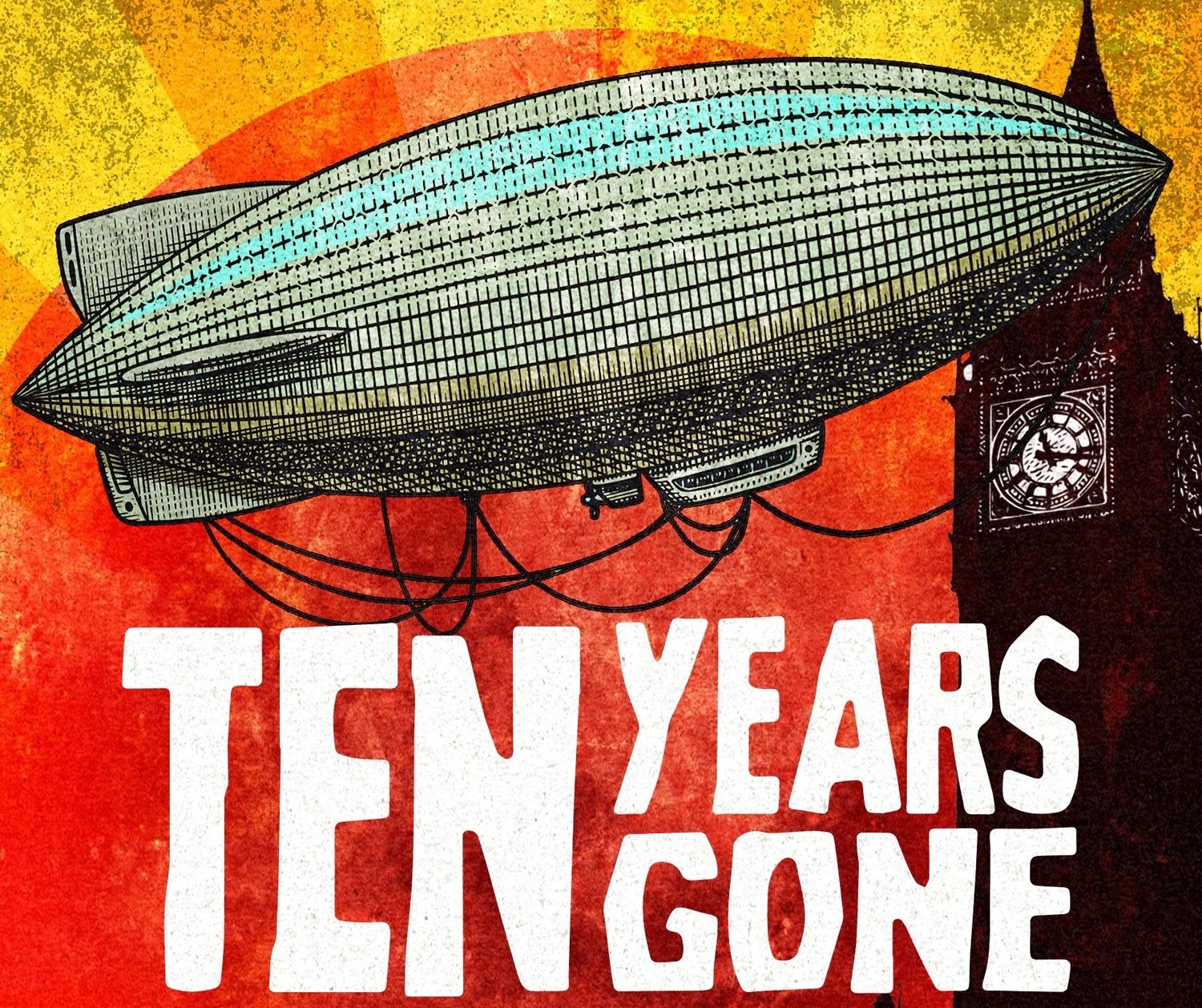
 LED ZEPPELIN - TEN YEARS GONE

Llançament: 24 de febrer de 1975

Àlbum: Physical Graffiti


"Ten Years Gone" és un tema profund de l'àlbum de 1975 “Physical Graffiti”. Inicialment concebuda com una instrumental per Jimmy Page, va superposar al voltant de 14 pistes de guitarra per crear la secció harmònica. Més tard, Robert Plant va afegir lletra, infonent a la peça una profunditat poètica i emocional. Segons el productor discogràfic Rick Rubin, la cançó és "Una peça profunda i reflexiva amb riffs hipnòtics que es creuen. Llum i foscor, ombra i resplendor. Sembla que la natura surt dels altaveus." Robert Plant va descriure "Ten Years Gone" com una peça meticulosament elaborada, construïda a partir de diverses seccions composades per Jimmy Page.


Plant va compartir la història de fons de "Ten Years Gone" en una entrevista de 1975 amb Rolling Stone, explicant que una antiga amant li va posar un ultimàtum entre ella i la seva carrera musical. Malgrat el seu amor per la dona, Plant va optar per seguir la seva passió musical, cosa que va acabar en la seva separació. Reflexionant sobre la decisió, Plant va explicar que ella havia continuat amb una vida feliç, mentre ell va seguir el seu propi camí, somrient malgrat el disgust que s’esborraria amb el pas del temps.


LED ZEPPELIN - TEN YEARS GONE


Released: February 24, 1975

Album: Physical Graffiti


"Ten Years Gone" stands as a profound track from Led Zeppelin's 1975 album “Physical Graffiti”. Initially conceived as an instrumental by Jimmy Page, he layered around 14 guitar tracks to create the harmonious section. Later, Robert Plant added lyrics, infusing the piece with poignant depth and emotional resonance. According to record producer Rick Rubin, the song is "A deep, reflective piece with hypnotic, interweaving riffs. Light and dark, shadow and glare. It sounds like nature coming through the speakers." Robert Plant described "Ten Years Gone" as a meticulously crafted piece, pieced together from various sections composed by Jimmy Page. 


Plant shared the backstory of "Ten Years Gone" in a 1975 interview with Rolling Stone, recounting how a former lover issued an ultimatum between her and his music career. Despite his love for her, Plant chose to pursue his musical passion, ultimately leading to their separation. Reflecting on the decision, Plant noted how she had moved on to a content life, while he continued on his own path, smiling despite the passage of time.


LED ZEPPELIN - WHEN THE LEVEE BREAKS


Llançament: 8 de novembre de 1971

Àlbum: Led Zeppelin IV


"When the Levee Breaks" és una cançó de blues country escrita i enregistrada inicialment per Memphis Minnie i Kansas Joe McCoy el 1929. Led Zeppelin va versionar la pista per al seu quart àlbum sense títol. El cantant Robert Plant va proposar la cançó perquè la banda la gravés, i tot i que les lletres de Plant van romandre fidels a l'original, Jimmy Page va introduir un nou riff de guitarra que va distingir la seva interpretació, però sovint és la excepcional percussió de John Bonham el que rep més atenció com a tret definitori de la cançó.


La lletra s’inspira en la Gran Inundació del Mississipí de 1927. Durant aquest esdeveniment catastròfic, els treballadors de les plantacions afroamericans van ser coaccionats amb armes de foc per treballar en el dic, apilant sacs de sorra per evitar la inundació dels pobles veïns. La cançó reflecteix les dificultats que van afrontar aquests treballadors, que treballaven incansablement tant de dia com de nit per evitar l'aixecament de les aigües. Després que el dic finalment es trenqués molts dels afroamericans van quedar atrapats a les àrees inundades, obligats a participar en els esforços d’auxili i neteja mentre vivien en camps improvisats amb provisions limitades. Robert Plant es va sentir atret per aquest context històric i va incloure el disc original a la seva col·lecció.


"When the Levee Breaks" va ser sotmesa a una extensa producció a l'estudi, amb un resultat de mescla complex. Tot i que el procés va ser desafiador, el resultat va ser impressionant, especialment quan s’escolta amb auriculars. Al llarg de la cançó, les veus es van tractar de manera diferent a cada vers, a vegades incorporant efectes de fase. A més, Jimmy Page va utilitzar una tècnica d'eco inversa a l'harmonica, posant l'eco abans del so, afegint un toc sonor peculiar a la cançó.


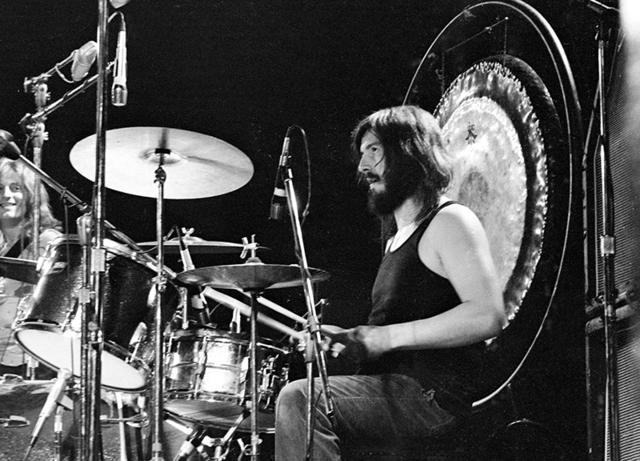
El so icònic de la bateria de John Bonham es va aconseguir a través de tècniques d'enregistrament innovadores. L'enginyer Andy Johns va posicionar la bateria de Bonham en un rebedor a Headley Grange, amb micròfons situats a tres pisos d'altura per captar el so que rebotava cap al cel. El so únic de la bateria es va millorar encara més passant la bateria a través d'un Binson Echorec, una màquina d'eco inicialment destinada a les guitarres. A diferència dels dispositius basats en cinta, el Binson Echorec utilitzava un tambor de metall prim per crear el seu eco distintiu. Johns va utilitzar dos micròfons a la bateria, afegint limitadors a tots dos mics per controlar la dinàmica. La combinació de l'acústica del rebedor, la col·locació dels micròfons i l'efecte d'eco únic produït pel Binson Echorec va resultar en el so de bateria inigualable de Bonham a la pista. Johns va descriure l'efecte com "bastant espectacular," atribuint el distintiu so "Ga Gack" al Binson Echorec en lloc de la tècnica de toc de Bonham.


La cançó va ser enregistrada inicialment a un ritme més ràpid abans de ser frenada durant la producció. Aquesta alteració de ritme va resultar en un so únic i pesant, especialment perceptible en els solos d'harmonica i guitarra. Robert Plant va adaptar la seva veu per ajustar-se a la nova tonalitat, contribuint a la qualitat distintiva de la pista. Les intricades tècniques d'estudi emprades van fer que la cançó fos extremadament difícil de replicar en directe. Led Zeppelin la va interpretar només en dues ocasions: una com a assaig previ a un concert a Dinamarca abans de la seva gira pels Estats Units el 1975 i una altra vegada durant la seva segona nit a Chicago.


Jason Bonham, reflexionant sobre la icònica contribució a la bateria de la pista "When the Levee Breaks" del seu pare, la va descriure com "la introducció de bateria dels Déus." Va subratllar el reconeixement universal de l'habilitat a la bateria de John Bonham, observant que la gent identificaria immediatament el so com la feina del seu pare. Malgrat l'estatus llegendari del seu pare en el món de la música, Jason va lamentar no haver tingut l'oportunitat d'expressar-li directament com d’extraordinària era la seva habilitat a la bateria, ja que John Bonham era simplement el "pare" per a ell.


LED ZEPPELIN - WHEN THE LEVEE BREAKS


Released: November 8, 1971

Album: Led Zeppelin IV


"When the Levee Breaks" is a country blues song initially written and recorded by Memphis Minnie and Kansas Joe McCoy in 1929. Led Zeppelin covered the track for their untitled fourth album. Singer Robert Plant proposed the song for the band to record, and although Plant's lyrics remained faithful to the original, Jimmy Page introduced a new guitar riff that distinguished their rendition, but it's often John Bonham's exceptional drumming that garners the most attention as the song's defining feature.


The lyrics draw inspiration from The Great Mississippi Flood of 1927. During this catastrophic event, African-American plantation workers were coerced at gunpoint to labor on the levee, stacking sandbags to prevent the flooding of neighboring towns. The song reflects the hardships faced by these workers, who toiled tirelessly both day and night to stave off the rising waters. After the levee eventually broke, African Americans were often trapped in the flooded areas, compelled to engage in relief and cleanup efforts while living in makeshift camps with limited provisions. Robert Plant was drawn to this historical context and included the record in his collection.


"When the Levee Breaks" underwent extensive production in the studio, resulting in a complex and intricate mix. While the process was challenging, the outcome proved impressive, particularly when listened to through headphones.  Throughout the song, the vocals were treated differently on each verse, sometimes incorporating phasing effects. Additionally, Jimmy Page utilized a backward echo technique on the harmonica, placing the echo ahead of the sound, adding to the song's distinctive sonic palette.


John Bonham's iconic drum sound was achieved through innovative recording techniques. Engineer Andy Johns positioned Bonham's drums in a stairwell at Headley Grange, with microphones placed three stories above to capture the sound echoing skyward. The unique drum sound was further enhanced by running the drums through a Binson Echorec, an echo machine initially intended for guitars. Unlike tape-based devices, the Binson Echorec utilized a thin steel drum to create its distinctive echo effect. Johns used two Beyerdynamic M160 microphones on the drums, adding limiters to both mics to control the dynamics. The combination of the stairwell acoustics, microphone placement, and the unique echo effect produced by the Binson Echorec resulted in Bonham's unparalleled drum sound on the track. Johns described the effect as "quite spectacular," attributing the distinctive "Ga Gack" sound to the Binson Echorec rather than Bonham's playing technique.


The song was initially recorded at a faster tempo before being slowed down during production. This alteration in tempo resulted in a unique, sludgy sound, particularly noticeable in the harmonica and guitar solos. Robert Plant adapted his vocals to match the new key, contributing to the distinctive quality of the track. The intricate studio techniques employed made the song exceedingly difficult to replicate in a live setting. Led Zeppelin performed it live on only two occasions: once as a warm-up gig in Denmark before their 1975 US tour and again during their second night in Chicago.


Jason Bonham, reflecting on his father's iconic drumming contribution to "When the Levee Breaks," described it as "the drum intro of the Gods." He emphasized the universal recognition of John Bonham's drumming prowess, noting that people would immediately identify the sound as his father's work. Despite his father's legendary status in the music world, Jason regretted not having the opportunity to express directly to him how extraordinary his drumming was, as John Bonham was simply "dad" to him.