Total de visualitzacions de pàgina:

26.6.24


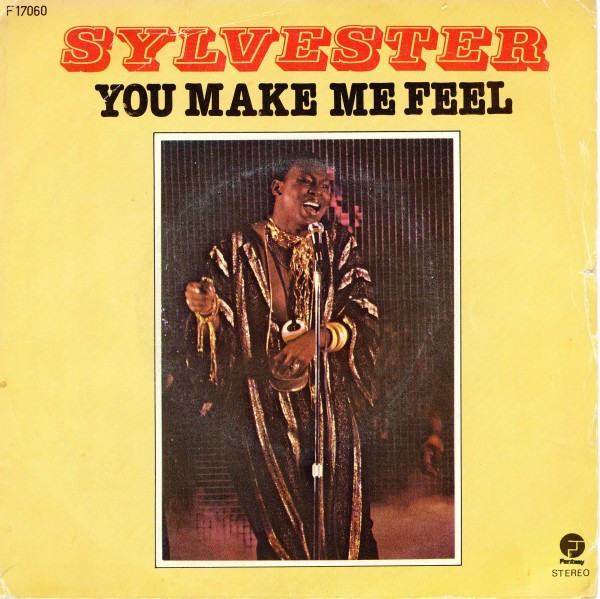
SYLVESTER - YOU MAKE ME FEEL (MIGHTY REAL)


Publicació: octubre de 1978

Llistes: Regne Unit: #8   EUA: #36


"You Make Me Feel (Mighty Real)" és una cançó disco del 1978 de l'intèrpret estatunidenc Sylvester. Coescrita per James Wirrick i Sylvester, va ser llançada per Fantasy Records com el segon single de l'àlbum "Step II". Aquesta cançó va marcar el punt d'inflexió de Sylvester al Regne Unit, convertint-se en el seu primer èxit dins del top 10, arribant al número 8 a la llista de singles l’octubre de 1978. Als Estats Units, també va tenir èxit, convertint-se en el seu segon single dins del top 40 a la llista Billboard Hot 100, arribant al número 36 al febrer de 1979. La cançó també va encapçalar la llista Billboard Dance Club Songs als Estats Units.


"You Make Me Feel (Mighty Real)" va començar inicialment com una cançó gòspel de ritme mitjà dominada pel piano. El productor Patrick Cowley va transformar-la amb un remix pioner en el gènere disco. Després de presenciar un assaig de la cançó al City Club de San Francisco, Cowley es va oferir a fer el remix, incorporant instrumentació i efectes electrònics. Aquest enfocament innovador va ser paral·lel a "I Feel Love" de Donna Summer, que també va utilitzar elements electrònics abans del seu temps.


El 1978, es va llançar un maxisingle amb "Dance (Disco Heat)" com a cara A i "You Make Me Feel (Mighty Real)" com a cara B. Les versions llargues d'ambdues pistes van ser enormement populars a les discoteques, dominant la primera posició a la llista Billboard Dance/Disco durant sis setmanes consecutives l’agost i setembre d'aquell any. Aquestes cançons van jugar un paper important en solidificar la reputació de Sylvester com una figura destacada en la música disco i dance, tant als Estats Units com internacionalment.


Jimmy Somerville, conegut pel seu treball amb Bronski Beat i Communards, va publicar una versió de "You Make Me Feel (Mighty Real)" el 1989. A més, Byron Stingily, un cantant de música house de Chicago i exmembre de Ten City, va gravar la seva pròpia versió el 1997.


SYLVESTER - YOU MAKE ME FEEL (MIGHTY REAL)


Released : October 1978

Charted:  UK: #8    US: #36 


"You Make Me Feel (Mighty Real)" is a 1978 disco track by American singer Sylvester. Co-written by James Wirrick and Sylvester, it was released by Fantasy Records as the second single from Sylvester's album "Step II". This track marked Sylvester's breakthrough in the United Kingdom, becoming his first top 10 hit, reaching No. 8 on the UK Singles Chart in October 1978. In the United States, it achieved success as well, becoming his second top 40 hit on the Billboard Hot 100 chart, peaking at No. 36 in February 1979. The song also topped the US Billboard Dance Club Songs.


"You Make Me Feel (Mighty Real)" initially began as a mid-tempo gospel song driven by piano. Producer Patrick Cowley's remix transformed it into a pioneering disco record. After witnessing a rehearsal of the song at San Francisco's City Club, Cowley offered to remix it, incorporating electronic instrumentation and effects. This innovative approach paralleled Donna Summer's "I Feel Love," which also utilized electronic elements ahead of its time.


In 1978, a 12" single was released featuring "Dance (Disco Heat)" as the A-side and "You Make Me Feel (Mighty Real)" as the B-side. The extended dance mixes of both tracks became hugely popular in dance clubs, dominating the top spot on the Billboard Dance/Disco chart for six consecutive weeks in August and September of that year. These songs played a significant role in solidifying Sylvester's reputation as a prominent figure in the disco and dance music scene, both in the United States and internationally.


Jimmy Somerville, known for his work with Bronski Beat and Communards, released a cover of "You Make Me Feel (Mighty Real)" in 1989. Additionally, Byron Stingily, a house music singer from Chicago and former member of Ten City, recorded his own version of the song in 1997. 


PATRICK HERNANDEZ - BORN TO BE ALIVE


Estrenada: novembre de 1978

Llistes: Regne Unit: #10   EUA: #16


"Born to Be Alive" és una cançó escrita i interpretada pel cantant francès Patrick Hernandez. Llançada el 1978, es va convertir en un èxit mundial, arribant al número u de la llista US Billboard National Disco Action a principis de 1979. La cançó va encapçalar les llistes a França d'abril a juliol de 1979 i va arribar al número 16 a la llista Billboard Hot 100.


L’èxit de la cançó es va reflectir en les seves vendes. "Born to Be Alive" ha venut aproximadament 800.000 unitats anualment, sovint present en àlbums de recopilació. El gener de 1979, Hernandez va rebre el seu primer disc d'or a Itàlia. Abans que acabés l'any, ja havia guanyat 52 discs d'or i de platí d'uns 50 països.


Patrick Hernandez, nascut a França d'un pare espanyol i una mare austríaca/italiana, va escriure la cançó el 1978. Inicialment, va tenir dificultats per trobar un productor disposat a treballar amb la cançó fins que va conèixer el productor belga Jean Vanloo. Junts, van gravar el tema a Bèlgica i el van llançar sota el segell discogràfic francès Aquarius el 1978. La cançó va guanyar ràpidament popularitat als clubs de ball d'Europa i després va ser editada pel segell discogràfic britànic Gem Records el 1979. La seva popularitat va creuar finalment l'Atlàntic, arribant als Estats Units més tard el 1979 quan va ser remixada i llançada pel segell discogràfic nord-americà A-Tom-Mik, dirigit pel promotor de música de ball Tom Hayden i l'editor de música Mike Stewart.


Quan es preparava per a la gira pels Estats Units el 1979, Patrick Hernandez va enviar el seu productor Jean Vanloo i el seu amic Jean-Claude Pellerin a Nova York per trobar ballarins. Durant les audicions, una jove Madonna va ser una de les seleccionades per unir-se a Hernandez en la gira. Se la pot veure en un dels vídeos promocionals de la cançó.


PATRICK HERNANDEZ - BORN TO BE ALIVE


Released: November 1978

Charted:  UK: #10  US: #16 


"Born to Be Alive" is a song written and performed by French singer Patrick Hernandez. Released in 1978, it became a global hit, reaching number one on the US Billboard National Disco Action chart in early 1979. The song topped the charts in France from April to July 1979 and peak at #16 on the Billboard Hot 100. 


The song's success was reflected in its sales. "Born to Be Alive" has sold approximately 800,000 units annually, often featured in compilation albums. In January 1979, Hernandez received his first gold record in Italy. By the end of the year, he had earned 52 gold and platinum records from over 50 countries. 


Patrick Hernandez, born in France to a Spanish father and Austrian/Italian mother, wrote the song in 1978. Initially, he struggled to find a producer willing to take on the song until he met Belgian producer Jean Vanloo. Together, they recorded the track in Belgium and released it under the French record label Aquarius in 1978. The song quickly gained traction in dance clubs across Europe and was subsequently picked up by the UK record label Gem Records in 1979. The song's popularity eventually crossed the Atlantic, reaching the United States later in 1979 when it was remixed and released by US record label A-Tom-Mik, headed by dance promoter Tom Hayden and music publisher Mike Stewart.


When preparing for his 1979 US tour, Patrick Hernandez sent his producer Jean Vanloo and his friend Jean-Claude Pellerin to New York City to find dancers. During the auditions, a young Madonna was among those selected to join Hernandez on tour. She can be seen in one of the promo videos of the song.


25.6.24


McFADDEN & WHITEHEAD - AIN’T NO STOPPIN’ US NOW 


Publicació: abril de 1979

Llistes: Regne Unit: #5   EUA: #13


"Ain't No Stoppin' Us Now" és una cançó disco llançada el 1979 pel duo d'R&B americà McFadden & Whitehead, del seu àlbum debut també titulat "McFadden & Whitehead." Gene McFadden i John Whitehead, juntament amb el teclista Jerry Cohen, van escriure i produir la cançó. El duo ja era conegut com a compositors i productors a Philadelphia International Records, contribuint a moltes pistes que van definir el so del Philadelphia Soul durant aquella època.


Cap a finals dels anys 70, McFadden i Whitehead, ja establerts com a compositors i productors a Philadelphia International Records, estaven desitjant gravar el seu propi material. Amb el suport de Gamble i Huff, van aprofitar l'oportunitat i van escriure l'himne motivacional "Ain't No Stoppin' Us Now." Inspirada en la seva pròpia experiència i determinació, la cançó va ser acceptada àmpliament pels oients que afrontaven reptes i aspiracions. Va arribar al número u a les llistes R&B i també va tenir èxit a la ràdio Top 40.


La gravació de "Ain't No Stoppin' Us Now" als Sigma Sound Studios de Philadelphia va implicar diversos músics i vocalistes talentosos. Els guitarristes Dennis Harris i Bobby Eli, el baixista James Williams i el bateria Keith Benson van contribuir a l'arranjament instrumental. Les veus de suport van ser gravades pel trio femení Barbara Ingram, Carla Benson i Evette Benton, conegudes pel seu treball als Sigma Sound Studios sota diversos noms com The Sweeties, The Philadelphia Angels i The Girls.


Ampliament interpretada com una reflexió per part de la comunitat afroamericana, la cançó va guanyar significat i va ser coneguda com "el nou l'himne nacional negre", juntament amb l'original "Lift Every Voice and Sing", que data del 1900. Kelefa Sanneh ha destacat l'esperit exuberant de la cançó i la seva interpretació com una expressió de l'orgull negre. Amb el pas dels anys, ha mantingut la seva rellevància i continua sonant en diversos formats musicals, testimoniant el seu atractiu perdurable i el missatge de perseverança atemporal.


McFADDEN & WHITEHEAD - AIN’T NO STOPPIN’ US NOW 


Released : April 1979

Charted:  UK: #5   US: #13 


"Ain't No Stoppin' Us Now" is a disco song released in 1979 by the American R&B duo McFadden & Whitehead, from their debut album also titled "McFadden & Whitehead." Gene McFadden and John Whitehead, along with keyboard player Jerry Cohen, wrote and produced the song. The duo were prominent songwriters and producers at Philadelphia International Records, contributing to many tracks that shaped the Philadelphia Soul sound during that era.


By the late '70s, McFadden and Whitehead, already established as songwriters and producers at Philadelphia International Records, were eager to record their own material. With the support of Gamble and Huff, they seized the opportunity and penned the motivational anthem "Ain't No Stoppin' Us Now." Inspired by their own journey and determination, the song resonated widely with listeners facing challenges and aspirations. It soared to number one on the R&B charts and also found success on Top 40 radio. 


The recording of "Ain't No Stoppin' Us Now" at Sigma Sound Studios in Philadelphia involved several talented musicians and vocalists. Guitarists Dennis Harris and Bobby Eli, bass player James Williams, and drummer Keith Benson contributed to the instrumental arrangement. The backing vocals were provided by the female trio Barbara Ingram, Carla Benson, and Evette Benton, who were renowned for their work at Sigma Sound Studios under various names such as The Sweeties, The Philadelphia Angels, and The Girls. 


Widely interpreted as a reflection of the African American experience, the song garnered significance and became known as "the new black national anthem," alongside the original "Lift Every Voice and Sing," which dates back to 1900. Kelefa Sanneh has highlighted the song's exuberant spirit and its common interpretation as an expression of Black pride. Over the years, it has maintained its relevance and continues to be played across various music formats, attesting to its enduring appeal and message of perseverance.


24.6.24


CHIC - LE FREAK


Publicació: 21 de setembre de 1978

Llistes: Regne Unit: #7   EUA: #1 (6 setmanes)


"Le Freak" va ser el primer número u en les llistes Billboard Hot 100 i R&B de Chic. Juntament amb les pistes "I Want Your Love" i "Chic Cheer", va encapçalar les llistes de música disco durant set setmanes. Nile Rodgers i Bernard Edwards van escriure "Le Freak" després de ser rebutjats a l'entrada del Studio 54 de Nova York, tot i que la seva cançó "Dance, Dance, Dance (Yowsah, Yowsah, Yowsah)" sonava sovint a l'interior.


El cap d'any de 1977, Nile Rodgers i Bernard Edwards van ser convidats al renombrat club de Nova York per la cantant Grace Jones, qui volia que fessin una producció per a ella. Però a la seva arribada, no eren a la llista de convidats i no van poder convèncer al porter de la seva identitat. Frustrats i vestits per a l'ocasió sense tenir on anar, van tornar a casa i van començar a escriure una cançó com a resposta a l'incident. Inicialment titulada "Fuck Off", la van canviar a "Freak Off" quan la van gravar, però encara no sonava bé. Canviar les primeres frases a "aaaahh Freak Out!" en comptes de "aaaahh Fuck Off!" va donar lloc al títol final, "Le Freak". Tot i que no van acabar treballant amb Grace Jones en aquell moment, Rodgers va produir el seu àlbum de comeback el 1986. L’Studio 54 és mencionat en l'últim vers de la cançó: "Come on down to 54". Un any després del seu rebuig, "Le Freak" va ser inclosa en un àlbum de cançons de ball anomenat "A Night At Studio 54", i per aquell temps, ja no tenien problemes per entrar al club.


Nile Rodgers va compartir amb la publicació Big Issue que tenia confiança que "Le Freak" seria un èxit massiu, tot i la reacció inicialment negativa de la discogràfica. Va recordar que després de reproduir la cançó de set minuts i mig, la sala de conferències es va buidar, quedant només ell mateix, Bernard Edwards i l'advocat. Els executius eren fora, intentant explicar-los com els disgustava la cançó i esperant que hi hagués alguna cosa millor a l'àlbum. Està clar que els executius no en tenien ni idea del que s’escoltava als clubs a les nits. 


"Le Freak" va ser el primer single a ser desplaçat del primer lloc als Estats Units dues vegades, recuperant cada vegada la primera posició. Va arribar per primera vegada al núm. 1 al desembre de 1978, després va baixar al núm. 2 durant una setmana per fer lloc a "You Don't Bring Me Flowers". Va recuperar la posició núm. 1 per una altra setmana abans de tornar a baixar al núm. 2 durant dues setmanes, aquesta vegada desplaçada per "Too Much Heaven" dels Bee Gees. Al gener de 1979, "Le Freak" va tornar al núm. 1 per tercera vegada, mantenint la primera posició durant quatre setmanes addicionals.


CHIC - LE FREAK


Released : September 21, 1978

Charted:  UK: #7   US: #1 (6 weeks) 


"Le Freak" was the band's first Billboard Hot 100 and R&B number-one hit. Along with the tracks "I Want Your Love" and "Chic Cheer," it topped the disco charts for seven weeks. Nile Rodgers and Bernard Edwards wrote "Le Freak" after being denied entry to New York’s Studio 54, despite their song "Dance, Dance, Dance (Yowsah, Yowsah, Yowsah)" frequently playing inside.


On New Year's Eve in 1977, Nile Rodgers and Bernard Edwards were invited to the renowned New York City club by singer Grace Jones, who wanted them to do some production work for her. However, upon arrival, they were not on the guest list and couldn't convince the doorman of their identity. Frustrated and dressed up with nowhere to go, they returned home and began writing a song in response to the incident. Initially titled "Fuck Off," they changed it to "Freak Off" when recording, but it still didn't sound right. Changing the opening lines to "aaaahh Freak Out!" instead of "aaaahh Fuck Off!" led to the final title, "Le Freak." Although they didn't end up working with Grace Jones then, Rodgers produced her comeback album in 1986. Studio 54 is mentioned in the song's last verse: "Come on down to 54." A year after their rejection, "Le Freak" was included in an album of dance songs called “A Night At Studio 54”, and by then, they had no trouble getting into the club.


Nile Rodgers shared with the Big Issue that he was confident "Le Freak" would be a massive hit, despite the record company's initial negative reaction. He recalled that after playing the seven-and-a-half-minute song, the conference room emptied, leaving only himself, Bernard Edwards, and their attorney. The executives were outside, struggling to tell them how much they disliked the song and hoping there was something better on the album.


"Le Freak" was the first single to be displaced from the US #1 spot twice, each time regaining the top position. It first reached #1 in December 1978, then dropped to #2 for a week to make way for "You Don't Bring Me Flowers." It reclaimed the #1 position for another week before dropping to #2 again for two weeks, this time for the Bee Gees' "Too Much Heaven." In January 1979, "Le Freak" moved back to #1 for a third time, holding the top spot for an additional four weeks.