Total de visualitzacions de pàgina:

29.6.24


GEORGE McCRAE - ROCK YOUR BABY


Publicació: maig de 1974

Llistes: Regne Unit: #1 (3 setmanes)  EUA: #1 (2 setmanes)


"Rock Your Baby" és el primer senzill de George McCrae, produït i escrit per Harry Wayne Casey i Richard Finch de KC and the Sunshine Band. Llançada el 1974, es va convertir en una de les primeres cançons de la música disco en assolir un enorme èxit internacional. La cançó va liderar la llista Hot 100 als Estats Units durant dues setmanes al juliol de 1974, va arribar al número u a la llista R&B i va passar tres setmanes al capdavant de la UK Singles Chart. Amb vendes de més de 11 milions de còpies a tot el món, continua sent un dels pocs singles que han venut més de 10 milions de còpies físiques globalment.


Casey i Finch van enregistrar inicialment "Rock Your Baby" ells dos. Van contractar el guitarrista Jerome Smith per només 15 dòlars perquè afegís el seu toc a la pista, una pràctica que sovint seguien en els primers dies de KC & The Sunshine Band, mantenint un petit grup central i contractant músics de sessió segons fos necessari. Finch va explicar que van utilitzar un altaveu d’un transistor com a micròfon per a la bateria en aquesta gravació. Quan el micròfon per a la bateria va fallar, Finch va improvisar reutilitzant el transformador del micròfon trencat i connectant-lo a un petit altaveu de ràdio de butxaca, que va col·locar dins la bateria.


Inicialment, "Rock Your Baby" no estava pensada per a George McCrae, però va estar al moment adequat a l'estudi i va provar a cantar-la. Henry Stone, propietari de TK Records, va recordar suggerir a Harry Wayne Casey que Gwen McCrae, la dona de George, podria ser una opció adequada per gravar la cançó. No obstant això, quan George va entrar a l'estudi, Stone va suggerir deixar-li provar primer. La combinació del ritme contagios i la veu en falset de McCrae va resultar ser una fórmula guanyadora, conduint a l'èxit de la cançó.


GEORGE McCRAE - ROCK YOUR BABY


Released : May 1974

Charted:  UK: #1 (3 weeks)  US: #1 (2 weeks) 


"Rock Your Baby" is George McCrae's debut single, produced and written by Harry Wayne Casey and Richard Finch of KC and the Sunshine Band. Released in 1974, it became a landmark in early disco music, achieving massive international success. The song topped the Hot 100 chart in the United States for two weeks in July 1974, reached number one on the R&B chart, and spent three weeks at the top of the UK Singles Chart. With sales of over 11 million copies worldwide, it remains one of the few singles to have sold over 10 million physical copies globally.


Casey and Finch initially recorded "Rock Your Baby" with just the two of them. However, they brought in guitarist Jerome Smith for a mere $15 to add his touch to the track, a practice they often followed in the early days of KC & The Sunshine Band, keeping a small core group and hiring session musicians as needed. Finch shared that they used a transistor radio speaker as the bass drum microphone for this recording. When the microphone for the kick drum malfunctioned, Finch improvised by repurposing the transformer from the broken microphone and connecting it to a small pocket radio speaker, which he placed inside the bass drum. 


"Rock Your Baby" wasn't initially intended for George McCrae, but he happened to be in the studio at the right time and added his vocals to the track. TK Records owner Henry Stone recalled suggesting to Harry Wayne Casey that Gwen McCrae, George's wife, might be a suitable choice to record the track. However, when George walked in, Stone suggested letting him have a go first. The combination of the infectious rhythm and McCrae's falsetto vocals proved to be a winning formula, leading to the song's success. 


28.6.24


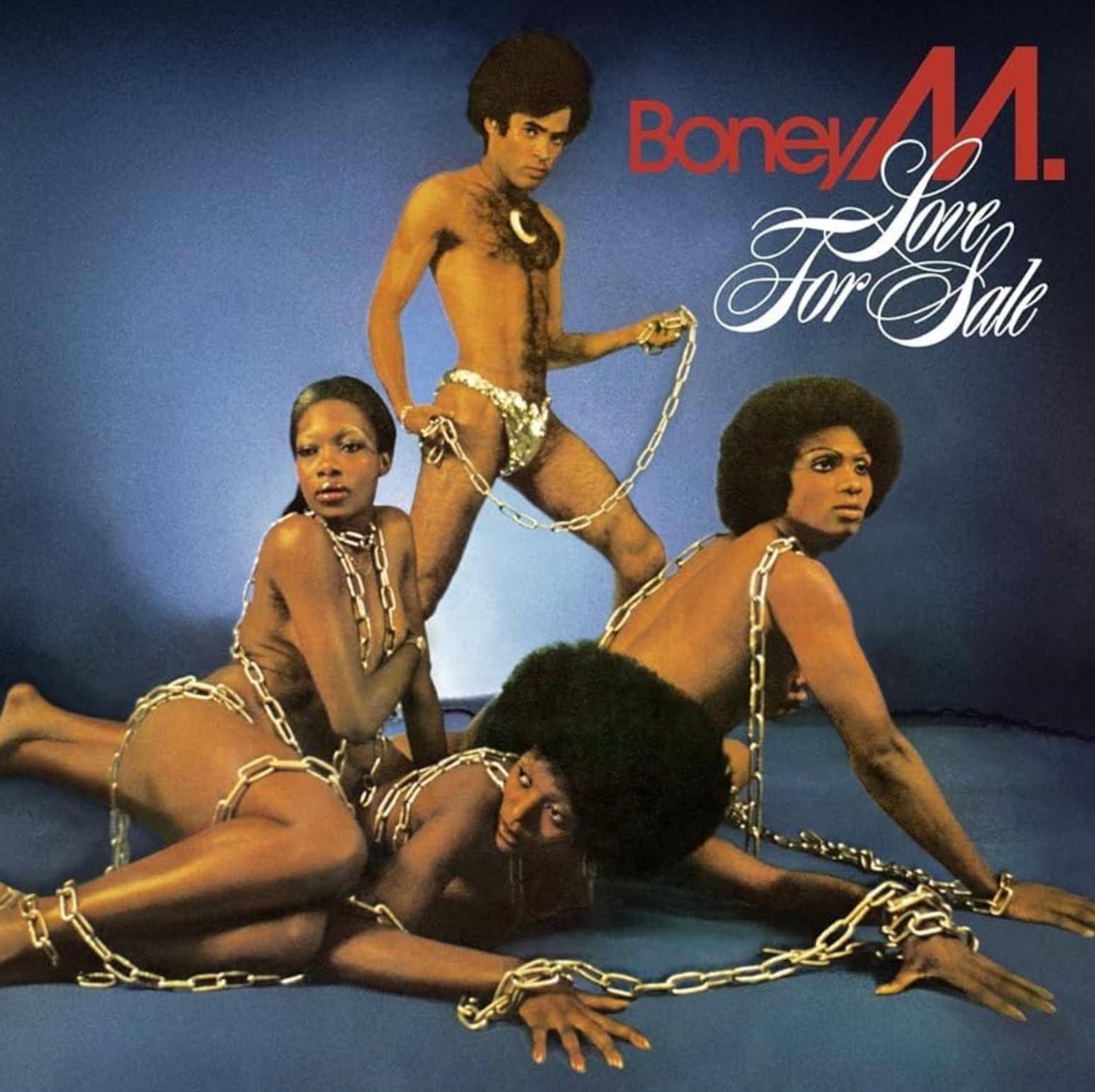
BONEY M. - MA BAKER


Estrena: 2 de maig de 1977

Llistes: Regne Unit: #2   EUA: #96 


"Ma Baker" va ser llançada com a single el 1977, sent la pista principal del seu segon àlbum, "Love for Sale." Va assolir un èxit significatiu al convertir-se en el seu tercer número u consecutiu a Alemanya i liderar les llistes a tot Europa. Al Regne Unit, va arribar al número 2, per poc no va aconseguir el primer lloc, cosa que va impedir "I Feel Love" de Donna Summer. A Estats Units, la seva recepció va ser més modesta, assolint el número 96 a les llistes.


"Ma Baker" es distingeix de les típiques cançons disco com "Daddy Cool" per les seva lletra basada en una persona real, Kate Barker. Nascuda com Arizona Clark, es va casar amb George Barker el 1892 i va tenir quatre fills que es van convertir en gàngsters notoris semblants a figures com Bonnie & Clyde i John Dillinger. Tot i que la cançó la retracta com la líder de la banda Barker-Karpis, històricament va tenir un paper més de suport en les activitats criminals dels seus fills. Kate Barker i el seu fill Fred van trobar la seva fi en un enfrontament dramàtic amb el FBI prop d'Ocklawaha, Florida, el gener de 1935, un tiroteig que va involucrar al voltant de 1500 trets de munició i encara és el tiroteig més llarg registrat pel FBI. Aquesta combinació de fets històrics i llegenda al voltant de la vida de Kate Barker va proporcionar una narrativa convincent per a la cançó de Boney M.


"Ma Baker" va ser creada per l'equip de composició format per Frank Farian, George Reyam i Fred Jay. Llançada pel segell Atlantic al Regne Unit, la cançó va prendre inspiració del coneixement de Fred Jay sobre la història de Ma Barker, que va conèixer durant els seus anys als Estats Units abans de residir a Alemanya. La narrativa de la cançó sobre Ma Barker és controvertida, mesclant folklore i relats sensacionalistes en lloc d'adequar-se estrictament a la història real. Contràriament a la representació de la lletra, els registres històrics suggereixen que Ma Barker podria haver tingut un paper més perifèric en les activitats criminals dels seus fills en lloc de ser la instigadora. La decisió d'utilitzar "Ma Baker" com a títol es va basar principalment en el seu atractiu fonètic.


BONEY M. - MA BAKER


Released: May 2, 1977

Charted:  UK: #2   US: #96 


"Ma Baker" was released as a single in 1977, serving as the lead track from their second album, "Love for Sale." It achieved significant success by becoming their third consecutive number-one hit in Germany and topping charts across Europe. In the UK, it reached number 2, narrowly missing the top spot due to Donna Summer's "I Feel Love." Its reception in the United States was more modest, peaking at number 96 on the charts. 


"Ma Baker" stands out from typical disco songs like "Daddy Cool" due to its meaningful lyrics based on a real person, Kate Barker. Born Arizona Clark, she married George Barker in 1892 and had four sons who became notorious gangsters akin to figures like Bonnie & Clyde and John Dillinger. While the song portrays her as the leader of the Barker-Karpis gang, historically she played a more supportive role in her sons' criminal activities. Kate Barker and her son Fred met their end in a dramatic shootout with the FBI near Ocklawaha, Florida in January 1935, a confrontation that involved around 1500 rounds of ammunition and remains the longest FBI shootout on record. This blend of historical fact and legend surrounding Kate Barker's life provided a compelling narrative for Boney M.'s song.


"Ma Baker" was crafted by the songwriting team of Frank Farian, George Reyam, and Fred Jay. Released on the Atlantic label in the UK, the song drew inspiration from Fred Jay's familiarity with the Ma Barker story, which he encountered during his years in America before residing in Germany. The song's narrative about Ma Barker is controversial, blending folklore and sensationalized accounts rather than strictly adhering to recorded history. Contrary to the lyrics' portrayal, historical records suggest that Ma Barker may have been more of a peripheral figure in her sons' criminal activities rather than their instigator. The decision to use "Ma Baker" as the title was primarily for its phonetic appeal.


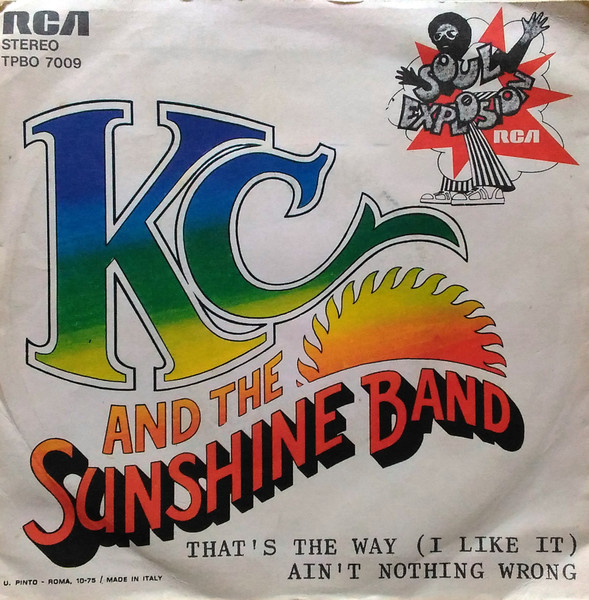
KC & THE SUNSHINE BAND - THAT’S THE WAY (I LIKE IT)


Publicació: 10 de juny de 1975

Llistes: Regne Unit: #4   EUA: #1 (2 setmanes)


"That's the Way (I Like It)" de KC and the Sunshine Band, inclòs al seu segon àlbum d'estudi autotitulat del 1975, va assolir un èxit significatiu a les llistes de Billboard. Es va convertir en el segon número u de la banda a la llista Hot 100. Va liderar la llista dues vegades en un període d'un mes a finals de 1975. Després d'arribar al número u durant una setmana, va ser breument reemplaçat per un altre èxit disco, "Fly, Robin, Fly" de Silver Convention. "That's the Way (I Like It)" va recuperar la primera posició per una setmana addicional després que "Fly, Robin, Fly" completés tres setmanes al cim. La cançó també va liderar la llista de singles de soul durant una setmana.


Inicialment, la cançó tenia un to més suggerent amb "uh-huhs" que originalment pretenien sonar sensuales, inspirats per la cançó francesa "Je T'aime... Moi Non Plus" de Jane Birkin i Serge Gainsbourg. El cantant Harry Wayne Casey va decidir moderar aquestes vocalitzacions per transmetre alegria en lloc de plaer.


Quant a la lletra, Rick Finch va mencionar que van haver de moderar les paraules per fer que la cançó fos més comercialment viable i evitar la controvèrsia. Va destacar els estàndards de censura més estrictes de l'època comparats amb avui, on els artistes poden ser més explícits. Finch creia en mantenir la lletra suggerent d'una manera poètica per permetre als oients interpretar-les com vulguin, fet que ampliava l'atractiu de la cançó i la feia més inclusiva.


En una entrevista, Richard Finch va reflexionar sobre l'eufòria i l'energia que envoltava la creació de "That's the Way (I Like It)". Finch va descriure com l'èxit del seu èxit anterior, "Get Down Tonight", va alimentar la seva emoció i confiança. Va destacar la joia i l'entusiasme que sentien tots els implicats en el procés d'enregistrament, assenyalant que es podien sentir els somriures a les interpretacions, especialment dels cantants dels cors. Finch va atribuir la qualitat màgica de la cançó a la sensació palpable i incredulitat que estaven aconseguint l'èxit des de la seva base a Miami, Florida, en una petita discogràfica independent. L'experiència era tan surrealista per a ells que sovint sentien que estaven vivint un somni.


KC & THE SUNSHINE BAND - THAT’S THE WAY (I LIKE IT)


Released : June 10, 1975

Charted:  UK: #4    US: #1 (2 weeks)


"That's the Way (I Like It)" by KC and the Sunshine Band, featured on their 1975 self-titled second studio album, achieved significant success on the Billboard charts. It became the band's second number-one hit on the Billboard Hot 100, a rare feat in music history as it topped the chart twice within a one-month period in late 1975. Initially reaching number one for one week, it was briefly replaced by another disco hit, "Fly, Robin, Fly" by Silver Convention. "That's the Way (I Like It)" reclaimed the top spot for an additional week after "Fly, Robin, Fly" completed its three-week reign. The song also topped the soul singles chart for one week.


Initially the song had a more suggestive tone with "uh-huhs" that were originally meant to sound sensual, inspired by the French song "Je T'aime... Moi Non Plus" by Jane Birkin and Serge Gainsbourg. Lead singer Harry Wayne Casey decided to tone down these vocalizations to convey jubilation rather than pleasure. 


Regarding the lyrics, Rick Finch mentioned that they had to moderate the words to make the song more commercially viable and avoid controversy. He highlighted the stricter censorship standards of the time compared to today, where artists can be more explicit. Finch believed in keeping lyrics suggestive in a poetic manner to allow listeners to interpret them as they wish, which he felt broadened the song's appeal and made it more inclusive.


In an interview Richard Finch reflected on the euphoria and energy surrounding the creation of "That's the Way (I Like It)". Finch described how the success of their previous hit, "Get Down Tonight," fueled their excitement and confidence. He emphasized the joy and enthusiasm felt by everyone involved in the recording process, noting that you can hear the smiles in the performances, especially from the background singers. Finch attributed the magical quality of the song to the palpable sense of accomplishment and disbelief that they were achieving success from their base in Miami, Florida, on a small independent label. The experience was so surreal to them that they often felt like they were living a dream.


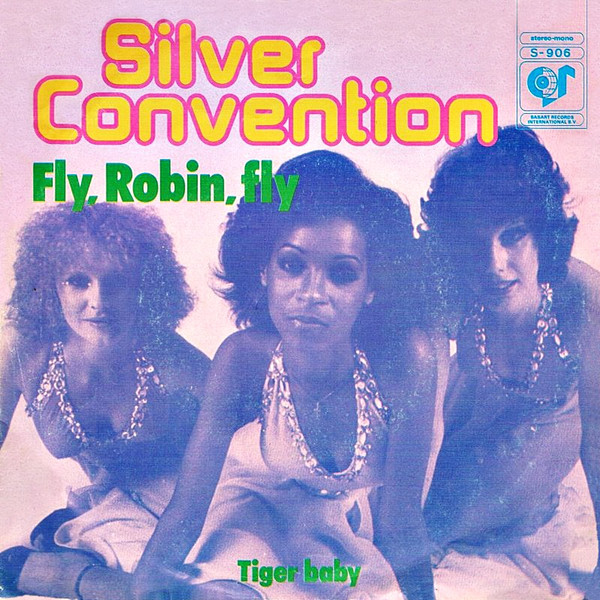
SILVER CONVENTION - FLY, ROBIN, FLY


Publicació: setembre de 1975

Llistes: Regne Unit: #28   EUA: #1 (3 setmanes)


"Fly, Robin, Fly" és una cançó del grup de música disco alemany Silver Convention, del seu àlbum debut “Save Me”. Escrita per Sylvester Levay i Stephan Prager, i produïda per Prager, la cançó es va llançar com a tercer senzill de l'àlbum al setembre de 1975. Va arribar al número u de la llista US Billboard Hot 100, convertint Silver Convention en el segon grup alemany en aconseguir un número u als Estats Units. El gran èxit de la cançó també va guanyar un Premi Grammy a la Millor Actuació Instrumental R&B el 1976.


El productor Sylvester Levay va crear "Fly, Robin, Fly" basant-se en un riff que li va venir al cap una matinada mentre caminava. El seu company productor Michael Kunze ho va recordar i va suggerir utilitzar-lo per a l'àlbum de Silver Convention que estaven gravant. Levay inicialment tenia reserves sobre incloure-la a l'àlbum, però Kunze estava segur que seria un èxit i va proposar el títol "Run, Rabbit, Run". Levay n’era reticent per l'associació amb el Volkswagen Rabbit. La matinada següent, Levay va sentir una cançó anomenada "Run, Rabbit" a l'Armed Forces Network just abans de la sessió d'enregistrament. Va suggerir ràpidament a Kunze que canviessin el títol, i en 30 segons, Kunze va suggerir "Fly, Robin, Fly".


"Fly, Robin, Fly" destaca per tenir la quantitat més petita de paraules (sis) de qualsevol cançó que no sigui instrumental a assolir el número u al Hot 100. La tornada repeteix "fly, robin, fly" tres vegades, i acaba amb "Up, up to the sky!" Els productors van reduir la lletra a la mínima expresió perquè el grup alemany, que no era fluït en anglès, va trobar complicat memoritzar lletres llargues en un idioma estranger.


Als Estats Units, "Fly, Robin, Fly" va arribar al número u de la llista Billboard Hot 100 al novembre de 1975, mantenint la primera posició durant tres setmanes. Va ser precedida i reemplazada per "That's the Way (I Like It)" de KC and the Sunshine Band. El single també va encapçalar la llista Soul Singles Chart durant una setmana i va passar tres setmanes al número u de la llista Dance/Disco Chart. A Canadà, la cançó va arribar al número u de la llista RPM Top Singles Chart el 17 de gener de 1976, desplaçant "Saturday Night" dels Bay City Rollers de la primera posició.


SILVER CONVENTION - FLY, ROBIN, FLY


Released : September 1975

Charted:  UK: #28   US: #1 (3 weeks) 


"Fly, Robin, Fly" is a song by the German disco group Silver Convention from their debut album *Save Me* (1975). Written by Sylvester Levay and Stephan Prager, and produced by Prager, the song was released as the third single from the album in September 1975. It reached number one on the US Billboard Hot 100, making Silver Convention the second German act to achieve a number one hit in the US. The song's success also earned it a Grammy Award for Best R&B Instrumental Performance in 1976.


Producer Sylvester Levay created "Fly, Robin, Fly" based on a riff he had in his head one morning while walking. His fellow producer Michael Kunze remembered it and suggested using it for the Silver Convention album they were recording. Levay initially had reservations about including it on the album, but Kunze was confident it would be a hit and proposed the title "Run, Rabbit, Run." Levay was hesitant due to the association with the Volkswagen Rabbit. The next morning, Levay heard a song called "Run, Rabbit" on Armed Forces Network just before the recording session. He quickly suggested to Kunze that they change the title, and within 30 seconds, Kunze came up with "Fly, Robin, Fly."


"Fly, Robin, Fly" is notable for containing the fewest unique words (six) of any non-instrumental Hot 100 chart-topper. The chorus repeats "fly, robin, fly" three times, concluding with "Up, up to the sky!" The song features minimal lyrics because the German group, not fluent in English, found it challenging to memorize extensive lyrics in an unfamiliar language.


In the United States, "Fly, Robin, Fly" reached number one on the Billboard Hot 100 in November 1975, maintaining the top position for three weeks. It was both preceded and succeeded by "That's the Way (I Like It)" by KC and the Sunshine Band. The single also topped the Soul Singles Chart for one week and spent three weeks at number one on the Dance/Disco Chart. In Canada, the song reached number one on the RPM Top Singles Chart on January 17, 1976, displacing the Bay City Rollers' "Saturday Night" from the top spot.