Total de visualitzacions de pàgina:

11.7.24


HUEY LEWIS & THE NEWS - I WANT A NEW DRUG


Estrenada: 3 de gener de 1984

Llistes: EUA: #6


"I Want a New Drug" és una cançó de l'àlbum "Sports", publicada el 1983. Va ser el segon senzill de l'àlbum, després de l'èxit de "Heart and Soul", i es va convertir en una de les cançons de referència de la banda. La cançó va arribar al número sis a la llista Billboard Hot 100 i també va encapçalar la llista Dance Club Play.


Huey Lewis ha mencionat que la paraula "drug" a la cançó és metafòrica, referint-se a la sensació que es té en estar amb algú que es desitja, especialment dones. La lletra suggereix que, a diferència dels veritables medicaments, aquest "drug" metafòric no té efectes secundaris negatius com ara la boca seca, els ulls vermells o fer cara de pocs amics.


"I Want a New Drug" existeix en tres versions diferents. La versió de l'àlbum presenta dos solos llargs de guitarra, un al mig i un altre com a final que es va apagant. L'edició del senzill omet el primer solo (encara que es troba parcialment en l’àlbum de grans èxits) i acaba amb la banda sostenint un acord que es va esvaint. Aquesta versió correspon al vídeo musical. A més, hi ha un mix especial dance que redueix les parts instrumentals, incorpora un so més electrònic i allarga la durada de la cançó a 5 minuts i 32 segons.


El vídeo musical reflecteix la narrativa de la cançó, mostrant Huey Lewis despertant tard, adonant-se que té un concert aquella nit, i apressant-se a través de San Francisco en diversos mitjans de transport com el seu descapotable groc, el transbordador de San Francisco i un helicòpter llogat per arribar al concert a temps. Durant el trajecte, veu una dona dues vegades i la troba més tard a la primera fila del concert. La dona és l'actriu Signy Coleman, que també va aparèixer al vídeo musical de "Heart and Soul". Segons Lewis, la banda va optar per aquest concepte de vídeo musical per evitar una interpretació literal de la lletra de la cançó, i per destacar que "I Want a New Drug" és una cançó d'amor, no sobre drogues.


El 1984, Huey Lewis va demandar Ray Parker Jr. i Columbia Pictures per infracció de drets d'autor, argumentant que Parker havia plagiat la melodia de la seva cançó "I Want a New Drug" per a la cançó principal de la pel·lícula Ghostbusters. La demanda es va resoldre fora dels tribunals, amb els termes de la resolució, inclosa la compensació de Columbia a Lewis, inicialment mantinguts com a confidencials. El 2001, Lewis va revelar els detalls de la resolució en el programa VH1 Behind the Music. Posteriorment, Ray Parker Jr. va demandar Lewis per incompliment de l'acord de confidencialitat de la seva causa.


HUEY LEWIS & THE NEWS - I WANT A NEW DRUG


Released: January 3, 1984

Charted:  US: #6 


"I Want a New Drug" is a song from the album "Sports," released in 1983. It served as the album's second single, following the success of "Heart and Soul”, becoming one of the band's signature tracks. The song peaked at number six on the U.S. Billboard Hot 100 and also topped the Dance Club Play chart. 


Huey Lewis has mentioned that the word "drug" in the song is metaphorical, referring to the feeling one gets from being with someone they desire, particularly women. The lyrics suggest that unlike actual drugs, this metaphorical "drug" does not have negative side effects like dry mouth, red eyes, or making one's face break out.


"I Want a New Drug" exists in three distinct versions. The album version features two lengthy guitar solos, one in the middle and another as a fade-out. The single edit omits the first solo (although it's partially included in their greatest hits album) and ends with the band sustaining a chord that naturally fades out. This version corresponds to the music video. Additionally, a special dance mix reduces the instrumental parts, incorporates a more electronic sound, and extends the song's duration to 5 minutes and 32 seconds.


The music video mirrors the song's narrative, depicting Huey Lewis waking up late, realizing he has a concert that night, and rushing across San Francisco in various modes of transportation including his yellow convertible, the San Francisco ferry, and a chartered helicopter to make it to the concert on time. Along the way, he spots a woman twice and later finds her in the front row at the concert. The woman is actress Signy Coleman, whose mother was a friend of Lewis's mother and who also appeared in the music video for "Heart and Soul". According to Lewis, the band opted for this music video concept to avoid a literal interpretation of the song's lyrics, emphasizing that "I Want a New Drug" is a love song, not about drugs.


In 1984, Huey Lewis sued Ray Parker Jr. and Columbia Pictures for copyright infringement, alleging that Parker had plagiarized the melody of his song "I Want a New Drug" for the theme song of the film Ghostbusters. The lawsuit was settled out of court, with the terms of the settlement, including Columbia's payment to Lewis, initially kept confidential. In 2001, Lewis disclosed the settlement details on VH1's Behind the Music. Subsequently, Ray Parker Jr. sued Lewis for breaching the confidentiality agreement of their settlement.


EURYTHMICS - THE MIRACLE OF LOVE


Estrenada: 17 de novembre de 1986

Llistes: Regne Unit: #23


"The Miracle of Love" és una balada escrita per Annie Lennox i David A. Stewart dels Eurythmics, i produïda per Stewart. Va ser el tercer senzill de l'àlbum Revenge del duo, llançat al Regne Unit, encara que no va ser publicada com a single als Estats Units.


La inspiració creativa de Stewart va néixer a la seva cuina de Londres, on va crear el riff amb una guitarra acústica, atret per la reverberació natural de l'espai. Va desenvolupar els acords i la frase "The miracle of love will take away your pain" ("El miracle de l'amor eliminarà el teu dolor"). Quan ho va compartir amb Lennox, ella va crear ràpidament la melodia i la lletra del vers. Van contractar Michael Kamen pels arranjaments de les cordes i van idear una secció instrumental emotiva per a la part central de la cançó. Finalment Lennox va afegir el seu toc distintiu a les veus.


Stewart atribueix gran part de la ressonància emocional de la cançó a la destresa vocal de Lennox. En la seva reflexió a The Dave Stewart Songbook, destaca la seva poderosa veu, assenyalant la seva capacitat per commoure emocions profundes, arribant fins a portar els oients a les llàgrimes. Stewart creu que aquest poder no només ve del so de la seva veu, sinó també de les seves arrels escoceses, que impregnen el seu cant amb una bellesa evocadora reminiscent de les melodies tradicionals escoceses i irlandeses. Enfatitza que la combinació de la veu de Lennox i el seu patrimoni cultural crea un impacte emocional profund que ressona a tota la cançó.


El vídeo musical va ser dirigit per Dave Stewart i Billy Poveda, qui van optar per una càmera de 8mm per aconseguir una estètica crua i autèntica. Intercalades amb imatges de Lennox cantant hi ha escenes de material de guerra, creant una poderosa combinació entre la lletra i les dures imatges. És destacable que cada menció de "the miracle of love" coincideix amb imatges d'explosions de bombes atòmiques, un contrast intencional triat per Stewart per aconseguir un fort impacte. Malgrat la seva timidesa, el talent d'actriu de Lennox resplendeix en el vídeo, com es pot veure en la seva convincent interpretació. Stewart va capturar un moment sincer de Lennox amb una lent zoom, quan no sabia que l'estaven filmant, mostrant la rialla genuïna, que apareix al final del vídeo i afegint un toc personal a la narrativa visual.


"Miracle of Love" sovint era triada com a peça final als concerts dels Eurythmics, deixant al públic una experiència commovedora i emocional. Dave Stewart recorda que la cançó tenia un impacte profund en els assistents als concerts, sovint provocant llàgrimes entre els membres de l'audiència.


EURYTHMICS - THE MIRACLE OF LOVE


Released: November 17, 1986

Charted:  UK: #23 


"The Miracle of Love" is an electropop ballad penned by Eurythmics' Annie Lennox and David A. Stewart and produced by Stewart. It served as the third single from the duo's sixth album, Revenge, in the UK, although it wasn't released as a single in the United States.


Stewart's creative spark ignited in his London kitchen, where he crafted the riff on acoustic guitar, drawn to the space's natural reverb. He fleshed out the chords and the line "The miracle of love will take away your pain." When he shared it with Lennox, she swiftly conjured up the melody and verse lyric. They enlisted Michael Kamen to arrange strings and devised a stirring instrumental section for the middle. Lennox added her signature touch with ad-libbed vocals at the end.


Stewart attributes much of the song's emotional resonance to Lennox's vocal prowess. In his reflection in The Dave Stewart Songbook, he highlights her distinctive voice, noting its ability to stir deep emotions, even moving listeners to tears. Stewart believes this power stems not only from the sound of her voice but also from her Scottish roots, which imbue her singing with a haunting beauty reminiscent of traditional Scottish and Irish melodies. He emphasizes that the combination of Lennox's voice and her cultural heritage creates a profound emotional impact that resonates throughout the song.


The music video was directed by Dave Stewart and Billy Poveda, who opted for an 8mm camera to achieve a gritty aesthetic. Interspersed with shots of Lennox singing are scenes of war footage, creating a powerful juxtaposition between the lyrics and the stark imagery. Notably, each mention of "the miracle of love" coincides with footage of an atomic bomb explosion, a deliberate contrast chosen by Stewart for maximum impact. Despite her shyness, Lennox's talent as an actress shines through in the video, as evidenced by her compelling performance. Stewart captured a rare candid moment of Lennox with a long lens, when she didn't know she was being filmed, showcasing her genuine laughter, which appears at the conclusion of the video, adding a personal touch to the visual narrative.


"The Miracle of Love" was often chosen as the closing number at Eurythmics concerts, leaving audiences with a poignant and emotional experience. Dave Stewart recalled that the song had a profound impact on concertgoers, often eliciting tears from the audience members.


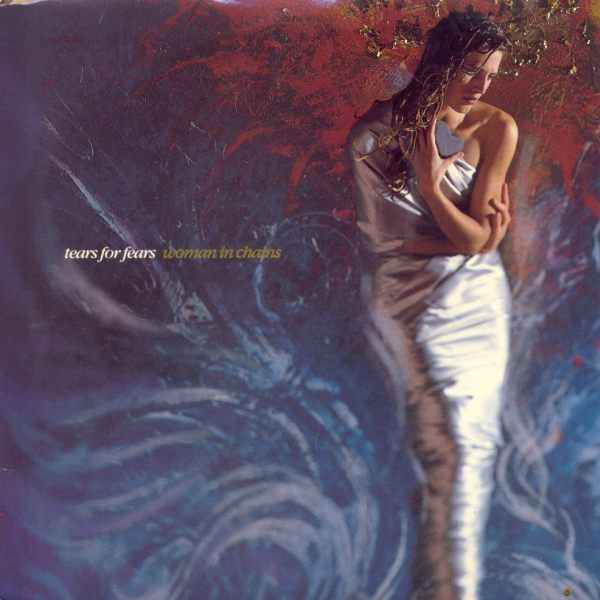
TEARS FOR FEARS - WOMAN IN CHAINS


Publicació: 6 de novembre de 1989

Llistes: Regne Unit: #26   EUA: #36


"Woman in Chains", llançada el 1989 des de l'àlbum "The Seeds of Love", és celebrada com un "himne feminista". La cançó va assolir èxit internacional, arribant als 40 principals de múltiples països com el Regne Unit, els Estats Units, Canadà, França i els Països Baixos. Compta amb Phil Collins a la bateria i mostra la potent veu d'Oleta Adams, qui posteriorment va guanyar reconeixement per la seva exitosa carrera en solitari.


Oleta Adams va impactar significativament Tears for Fears en les gravacions de l’àlbum "The Seeds of Love" abans de unir-se oficialment a ells. Durant una gira pels Estats Units per donar suport al seu àlbum anterior, Roland Orzabal i Curt Smith van assistir a una de les actuacions d'Adams a Kansas City. Van quedar profundament commoguts per la seva poderosa interpretació emocional, que contrastava fortament amb el seu enfocament complex i intel·lectual de la música en aquell moment. Aquesta experiència va impulsar Orzabal a reavaluar la seva direcció musical, inspirant un canvi cap a l'ús d'instruments reals i prioritzant les veus soul. Seguint aquesta revelació, Adams va acabar unint-se a Tears for Fears durant la seva gira de "The Seeds of Love" el 1990.


"Woman in Chains" explora el tema d'una dona atrapada en una relació amb un home dominador i possessiu. Roland Orzabal va explicar a Melody Maker que la cançó va estar inspirada per la literatura feminista que llegia en aquell moment. Va destacar les societats matriarcalistes, on les dones ocupen el centre en lloc de ser subordinades als homes, assenyalant que tendeixen a ser menys violentes i menys avaricioses. Orzabal també va reflexionar sobre com els rols de gènere tradicionals reprimeixen el costat femení dels homes i com tant homes com dones en pateixen les conseqüències. Va expressar que mentre els homes poden percebre's com a dominadors tenint el control en les societats patriarcals, també es perden els aspectes de la vida que les dones poden experimentar lliurement.


En una entrevista del 1990 amb The Washington Post, Roland Orzabal va explicar els temes personals i socials profunds inclosos a "Woman in Chains". Va dir que mentre la cançó aborda l'opressió de les dones a nivell mundial, també s'endinsa en la seva pròpia lluita interna amb la repressió del seu costat femení psicològic. Orzabal va revelar que la lletra de la cançó parla també de la relació amb la seva mare. La frase  punyent "Free her" a la conclusió de la cançó té un doble significat per a Orzabal, representant no només la lliberació de les dones sinó també el seu propi anhel de llibertat personal i d'acceptació del seu costat femení.


Al ser un duet, Tears for Fears sovint van col·laborar amb diversos músics convidats en les seves gravacions. Quan estaven escrivint la cançó i imaginant l'estil de bateria que volien, van pensar específicament en Phil Collins. Finalment, van aconseguir que Collins participés tocant a la pista.


El vídeo musical dirigit per Andy Morahan està filmat en blanc i negre i es centra en el tema d'una relació abusiva. El vídeo retracta un home, representat com un boxejador, i una dona, interpretada com una ballarina de barra (interpretada per Angela Alvarado), destacant les dinàmiques de la seva relació problemàtica. Interposades amb aquestes escenes narratives hi ha imatges de Tears for Fears i la vocalista Oleta Adams interpretant la cançó.


TEARS FOR FEARS - WOMAN IN CHAINS


Released: November 6, 1989

Charted:  UK: #26    US: #36 


"Woman in Chains" released in 1989 from the album "The Seeds of Love," is celebrated as a "feminist anthem." The song achieved international success, reaching the top 40 charts in multiple countries such as the United Kingdom, United States, Canada, France, and the Netherlands. It features Phil Collins on drums and showcases powerful vocals by Oleta Adams, who later gained recognition for her successful solo career.


Oleta Adams made a significant impact on Tears for Fears' approach to their album "The Seeds of Love" before officially joining them. While on tour in the US supporting their previous album, Roland Orzabal and Curt Smith attended one of Adams' performances in Kansas City. They were deeply moved by her powerful emotional delivery, which contrasted sharply with their own complex and intellectual approach to music at the time. This experience prompted Orzabal to reevaluate their musical direction, inspiring a shift towards using real instruments and prioritizing soulful vocals. Following this revelation, Adams eventually joined Tears for Fears during their "The Seeds of Love" tour in 1990.


"Woman in Chains" delves into the theme of a woman trapped in a relationship with a domineering and possessive man. Roland Orzabal explained to Melody Maker that the song was inspired by feminist literature he was reading at the time. He highlighted societies that are matricentric, where women are at the center rather than being subordinate to men, noting they tend to be less violent and less greedy. Orzabal also reflected on how traditional gender roles suppress the feminine side of men and how both men and women suffer as a result. He expressed that while men may be perceived as having control in patriarchal societies, they also miss out on aspects of life that women are allowed to experience freely.


In a 1990 interview with The Washington Post, Roland Orzabal discussed the deeper personal and societal themes embedded in "Woman in Chains." He explained that while the song addresses the oppression of women globally, it also delves into his own internal struggle with repressing the feminine aspect of his psyche. Orzabal revealed that the song's lyrics resonate with his relationship with his mother as well. The poignant line "Free her" in the song's conclusion carries a dual meaning for Orzabal, representing not only the liberation of women but also his own yearning for personal freedom and acceptance of his feminine side.


Due to Tears for Fears being a duo, Roland Orzabal and Curt Smith often collaborated with various guest musicians on their recordings. When they were conceptualizing the song and envisioning the drumming style they wanted, they specifically thought of Phil Collins. Eventually, they managed to get Collins on board to play drums for the track.


The music video directed by Andy Morahan, is filmed in black and white and centers around the theme of an abusive relationship. The video portrays a man, depicted as a boxer, and a woman, portrayed as a pole dancer (played by Angela Alvarado), highlighting the dynamics of their troubled relationship. Interspersed with these narrative scenes are shots of Tears for Fears and guest vocalist Oleta Adams performing the song.