"The Beat Goes On" is a song written by Sonny Bono and performed by Sonny & Cher. Released as a single in 1967 and featured on their album "In Case You're in Love," it entered the Billboard Hot 100 chart on January 14, 1967, eventually peaking at number six. The track is notable for its use of the renowned Los Angeles session musicians known as "The Wrecking Crew," who provided the backing music.
"The Beat Goes On" is notable for its lyrics that reference the cultural and historical events of its time. Released in 1967, the song's lyrics encapsulate the zeitgeist of the era with mentions of miniskirts, the Vietnam War, and electric baseball scores. These references served to reflect the social changes and technological advancements occurring during the 1960s.
Carol Kaye, a prominent Los Angeles studio musician, played bass on this track. Known for her extensive work with artists like Phil Spector and Brian Wilson, Kaye transitioned from guitar to bass and contributed significantly to the song. Originally featuring a sparse bass part, Kaye transformed it into a key component of the track's instrumentation. Reflecting on her role, Kaye noted that her bass line elevated the song from "nothing" to a hit record, emphasizing the importance of bass lines in music production.
"The Beat Goes On" was sung at Sonny Bono's funeral, and the song's title was engraved on his tombstone. It was a fitting tribute to the singer.
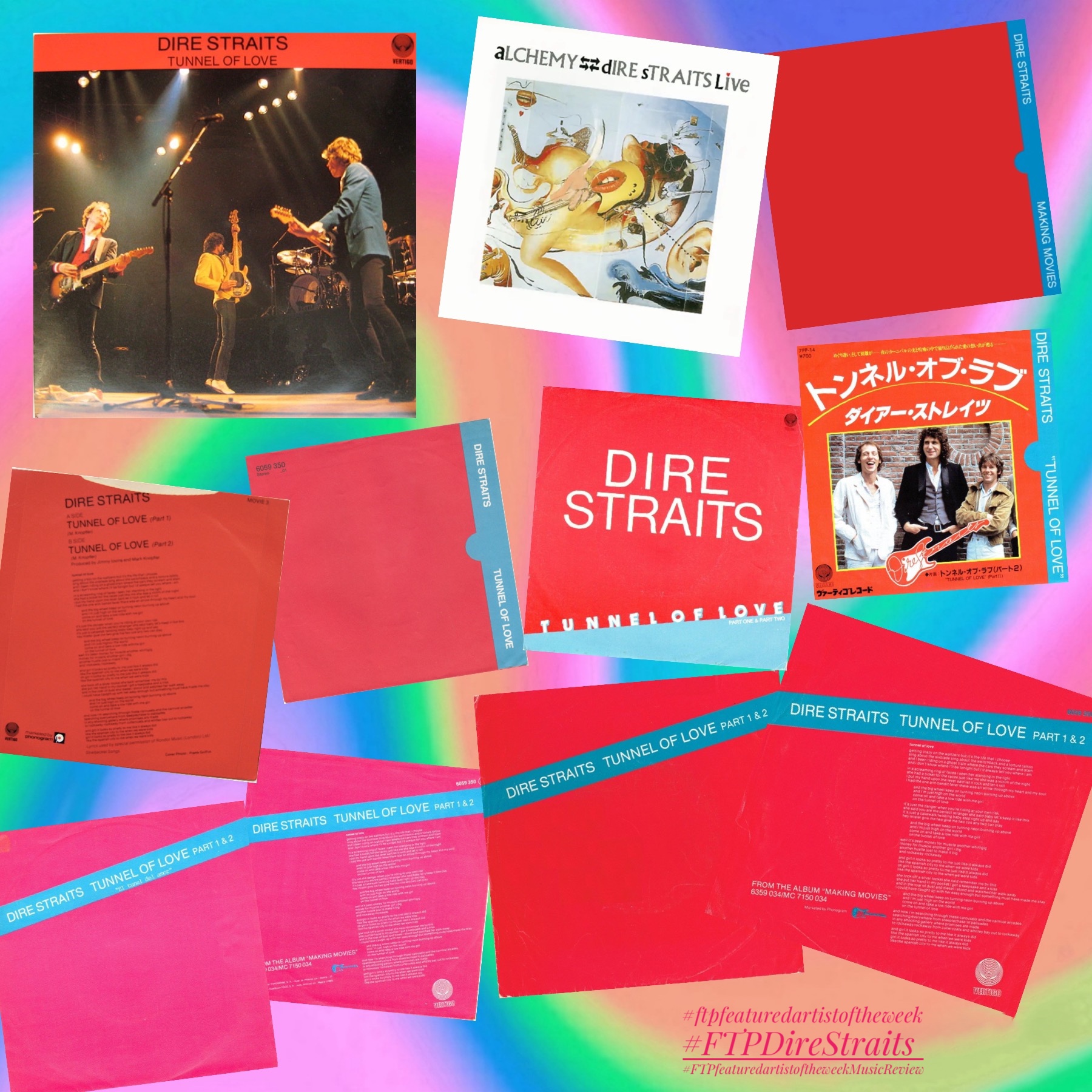
DIRE STRAITS - TUNNEL OF LOVE
Estrena: 24 d'octubre de 1980
Llistes: Regne Unit: #54
"Tunnel of Love" és un senzill inclòs a l'àlbum "Making Movies" de 1980. També està inclosa als àlbums en directe "Alchemy" i "Live at the BBC". La cançó va guanyar fama addicional com a part de la banda sonora de la pel·lícula de 1982 "An Officer and a Gentleman", protagonitzada per Richard Gere. "Tunnel of Love" és una de les tres cançons de Dire Straits no acreditades únicament a Mark Knopfler (les altres són "Money for Nothing" i "What's The Matter Baby?"). Tot i que Knopfler va composar la cançó, la seva introducció instrumental presenta un arranjament de la "Carousel Waltz" del musical "Carousel" de Rodgers i Hammerstein.
"Tunnel of Love" és una cançó semi-autobiogràfica de Mark Knopfler, reflexionant sobre els seus records visitant el parc d'atraccions de la Spanish City a Whitley Bay, prop de la seva casa d'infància a Newcastle-Upon-Tyne. Knopfler recorda que l'ambient animat i la música rock 'n' roll alta al parc d'atraccions van inspirar el seu interès inicial per la música. La Spanish City va tancar eventualment, però durant el seu apogeu, "Tunnel of Love" es va convertir en el seu himne no oficial. La cançó narra l'experiència del protagonista en conèixer una noia jove al parc d'atraccions, passar temps amb ella i separar-se a contracor.
Mark Knopfler va reflexionar sobre un moment de satisfacció com a compositor mentre escrivia "Tunnel of Love", descrivint-lo com l'instant en què va adonar-se que havia trobat l'or creatiu. Recorda arribar a una secció concreta de la cançó, que va anomenar la "ruptura", on sentia que tot—la bateria, el piano i tots els instruments—s'alineaven perfectament amb la seva visió. Knopfler va destacar la sensació emocionant dels elements encaixant sense esforç, un moment clau que li va confirmar que estava creant alguna cosa especial amb la composició.
"Tunnel of Love" és coneguda per la seva qualitat cinematogràfica amb narrativa i intricada musicalitat. La cançó, que inclou un característic i llarg solo de guitarra de Mark Knopfler, té una durada de 8 minuts i 11 segons. Es va publicar com a single a diversos països, però es va dividir en dues parts, amb la "Part 1" amb una durada de 5 minuts i 1 segon, per ajustar-se a les limitacions d'un disc de 45 rpm. No es va publicar com a senzill als Estats Units.
Malgrat la seva popularitat i el seu estatus com una de les composicions més emblemàtiques de la banda, el single va aconseguir una posició relativament modesta a la UK Singles Chart, arribant al número 54 en el seu llançament l'octubre de 1981, però va tenir més èxit a altres països, arribant al número 7 a Itàlia i al número 11 a Espanya.
DIRE STRAITS - TUNNEL OF LOVE
Released: October 24, 1980
Charted: UK: #54
"Tunnel of Love" is a single featured on the album "Making Movies" from 1980. It's also included on their live albums "Alchemy" and "Live at the BBC." The song gained additional fame as part of the soundtrack for the 1982 film "An Officer and a Gentleman," starring Richard Gere. Notably, "Tunnel of Love" is one of only three Dire Straits songs not solely credited to Mark Knopfler (the others being "Money for Nothing" and "What's The Matter Baby?"). While Knopfler composed the song, its opening instrumental features an arrangement of the "Carousel Waltz" from the musical "Carousel" by Rodgers and Hammerstein.
"Tunnel of Love" is a semi-autobiographical song by Mark Knopfler, reflecting on his memories of visiting the fairground at the Spanish City in Whitley Bay, near his childhood home in Newcastle-Upon-Tyne. Knopfler recalled that the lively atmosphere and loud rock 'n' roll music at the fairground inspired his early interest in music. The Spanish City eventually closed down, but during its heyday, "Tunnel of Love" became its unofficial anthem. The song narrates the protagonist's experience of meeting a young girl at the amusement park, spending time with her, and reluctantly parting ways.
Mark Knopfler reflected on a moment of songwriting satisfaction he experienced while composing "Tunnel of Love," describing it as the instance when he realized he had struck creative gold. He recalled reaching a particular section of the song, which he termed the "breakdown," where he felt everything—the drums, piano, and all instruments—align perfectly with his vision. Knopfler emphasized the exhilarating sensation of elements falling into place effortlessly, a pivotal moment that affirmed he was onto something special with the composition.
"Tunnel of Love" is known for its cinematic quality with narrative storytelling and musical intricacy. The song, which includes a trademark lengthy guitar solo by Mark Knopfler, runs for 8 minutes and 11 seconds. It was released as a single in various countries but was split into two parts, with "Part 1" lasting 5 minutes and 1 second, to fit the limitations of a 45 rpm disc. It wasn’t released as a single in America.
Despite its popularity and status as one of the band's iconic compositions, the single achieved a relatively modest position on the UK Singles Chart, reaching number 54 upon its release as a single in October 1981, but it found greater success in other countries, notably reaching number 7 in Italy and number 11 in Spain.
4.8.24
ROLLING STONES - STAR STAR
Estrenada: desembre de 1973
Àlbum: Goats Head Soup
"Star Star," originalment titulada "Starfucker", és una cançó dels Rolling Stones, escrita per Mick Jagger i Keith Richards. Tot i no ser llançada com a single arreu, es va publicar com a senzill en alguns països juntament amb "Doo Doo Doo Doo Doo (Heartbreaker)" com a cara B, provinent de l'àlbum "Goats Head Soup" (1973). El canvi de títol de "Starfucker" a "Star Star" es va produir després que Ahmet Ertegün d'Atlantic Records insistís en la modificació.
"Star Star" aborda el tema de les groupies, reflectint les experiències personals de Mick Jagger en l'estil de vida del rock and roll. Tot i que alguns compositors s'inspiren en experiències personals, la representació de les dones com a groupies va causar indignació entre grups feministes. Malgrat la controvèrsia, Mick Jagger es va negar a disculpar-se, mantenint que simplement estava reflectint el que observava en la indústria de la música. Aquesta posició subratlla la tensió entre l'expressió artística i la responsabilitat social, un tema recurrent en les discussions sobre lletres de cançons provocatives.
La lletra "She'll get John Wayne before he dies" (es va fer John Wayne abans que morís) va suposar un repte ja que John Wayne va refusar el permís per utilitzar el seu nom. Per evitar aquest problema, l'enginyer Andy Johns va afegir ressò a la lletra i va convèncer la discogràfica que era inidentificable, tot i que no ho era. Quan "Goats Head Soup" es va llançar en CD, la lletra original no va ser distorsionada. En contrast, Steve McQueen va trobar, segons informes, divertida la referència a ell a la cançó. A més, la frase “keeping her pussy clean” (mantenir el seu cony net) van ser distorsionada en el llançament original però posteriorment van ser restaurada en edicions posteriors, només als Estats Units; a Europa no es va modificar mai.
El moment del llançament de "Star Star" és especial, ja que es va produir aproximadament nou mesos després de l'aventura de Carly Simon amb Mick Jagger i el llançament de la seva cançó "You're So Vain", en què Jagger proporcionava veus de fons. Simon, que estava casada amb James Taylor en aquell moment, s'havia traslladat a Hollywood, un detall esmentat a la lletra de la cançó dels Stones. A més, la frase "Yeah, you and me we made a pretty pair" (si, tu i jo fem una bonica parella) de "Star Star" va rebre resposta al vers "well you said that we made such a pretty pair" (vas dir que fèiem una bonica parella) de "You're So Vain." Tot i aquestes connexions, els membres dels Rolling Stones s’han referit a la cançó pel seu títol original, "Starfucker."
Durant una actuació en directe al Twickenham Stadium el 2003, Mick Jagger va modificar la lletra canviant la frase "Ali MacGraw got mad with you for giving head to Steve McQueen" a "Billy Bob Thornton got mad with me for giving head to Angelina."
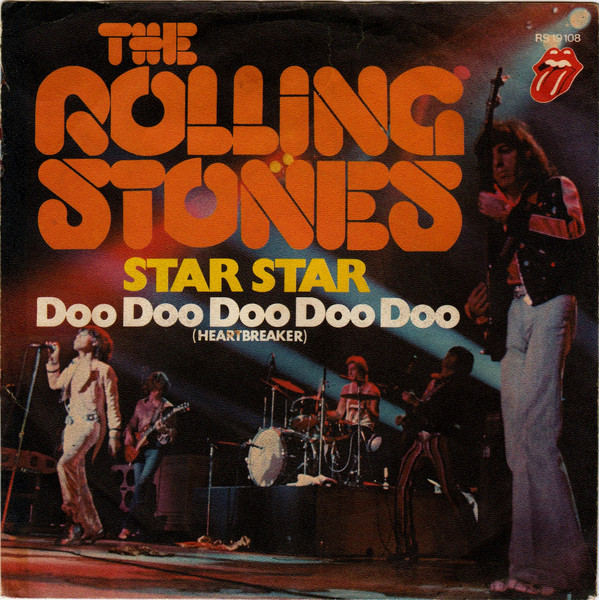
ROLLING STONES - STAR STAR
Released: December 1973
Album: Goats Head Soup
"Star Star," originally titled "Starfucker," is a song by The Rolling Stones, written by Mick Jagger and Keith Richards. Although not widely released as a single, it was issued as a single in a few select countries alongside "Doo Doo Doo Doo Doo (Heartbreaker)" as its B-side, from the album "Goats Head Soup" (1973). The title change from "Starfucker" to "Star Star" occurred after Ahmet Ertegün of Atlantic Records insisted on the alteration.
"Star Star," delves into the topic of groupies, reflecting Mick Jagger's firsthand experiences in the rock and roll lifestyle. While some songwriters draw inspiration from personal experiences, the song's portrayal of women as groupies sparked outrage among feminist groups. Despite the controversy, Mick Jagger refused to apologize, maintaining that he was merely depicting what he observed in the music industry. This stance underscores the tension between artistic expression and social responsibility, a recurring theme in discussions surrounding provocative song lyrics.
The lyric "She'll get John Wayne before he dies" posed a challenge as John Wayne refused permission to use his name. To circumvent this issue, engineer Andy Johns added echo to the lyric and convinced the record company that it was unrecognizable, although it wasn't. When "Goats Head Soup" was released on CD, the original lyric was not distorted. In contrast, Steve McQueen reportedly found the reference to him in the song amusing. Additionally, references to 'keeping her pussy clean' were distorted in the original release but subsequently restored in later issues, albeit only in the US; in Europe, they remained unchanged.
The timing of the release of "Star Star" is notable, as it occurred about nine months after Carly Simon's affair with Mick Jagger and the release of her song "You're So Vain," on which Jagger provided background vocals. Simon, who was married to James Taylor at the time, had relocated to Hollywood, a detail mentioned in the Stones song lyrics. Moreover, the lyric "Yeah, you and me we made a pretty pair" from "Star Star" mirrors the verse "well you said that we made such a pretty pair" from "You're So Vain." Despite these connections, the Rolling Stones members have consistently referred to the song by its original title, "Starfucker."
During a 2003 live performance at Twickenham Stadium, Mick Jagger altered the lyrics of "Star Star" from "Ali MacGraw got mad with you for giving head to Steve McQueen" to "Billy Bob Thornton got mad with me for giving head to Angeline."
DIRE STRAITS - SO FAR AWAY
Estrena: 12 d'abril de 1985
Llistes: Regne Unit: #20 EUA: #19
"So Far Away", llançada com a primera cançó de l'àlbum "Brothers in Arms", es va convertir en el quart èxit dins del Top 20 del Regne Unit per als Dire Straits. Inicialment llançada com a senzill principal al Regne Unit i Europa l’abril de 1985, va arribar al número 20 al Regne Unit i va assolir el Top 10 en diversos països europeus. A Amèrica del Nord, va ser llançada posteriorment com el tercer senzill de l'àlbum, assolint el número 3 a la llista Hot Adult Contemporary Tracks i el número 19 al Billboard Hot 100 el 1986. Això va significar el tercer èxit consecutiu dins del Top 20 per als Dire Straits a la llista Hot 100.
La cançó reflecteix la contemplació de Mark Knopfler sobre els desafiaments que comporta un estil de vida itinerant que manté les persones lluny dels essérs estimats. Tot i que la temàtica de la cançó te a veure amb les seves pròpies experiències de ser a la carretera durant la gravació de l'àlbum a Montserrat, Knopfler va aclarir que no és autobiogràfica. En una entrevista amb la BBC, va destacar que el sentiment de la cançó s'aplica universalment, especialment en el món modern on els viatges i la separació són comuns. Knopfler va assenyalar la dificultat de mantenir relacions a través de mètodes de comunicació a distància com el telèfon, suggerint que la separació prolongada inevitablement estira aquestes connexions.
La frase "Estic cansat de fer petons per telèfon, perquè estàs tan lluny de mi" reflecteix una experiència comuna dels anys 80, relacionada amb el fenomen de les línies de telèfon per a sexe. Durant aquella època, abans de l'accés generalitzat a Internet, les persones podien trucar a números de telèfon especials que sovint estaven associats amb serveis de sexe per telèfon. Aquests serveis facturaven les trucades a tarifes elevades per minut per a diverses interaccions, incloent converses amb operadors de sexe per telèfon o participació en línies de festa per socialitzar. No era infreqüent que les persones, especialment adolescents o joves adults explorant la seva sexualitat, es comprometessin en aquestes activitats per telèfon. Els costos inclosos a vegades podien portar a disputes amb les companyies telefòniques, on els clients podrien afirmar un ús no autoritzat per un "phreaker" per evitar pagar factures exorbitants. Aquest context cultural proporciona un rerefons per entendre el sentiment líric expressat a la cançó.
"Brothers in Arms", llançat el 1985, té una significació especial al ser un dels primers àlbums enregistrats específicament en digital directament per a una futura publicació en CD. L'àlbum també es va llançar en vinil, reflectint el període de transició entre formats. L'estratègia de llançament dual va resultar en discrepàncies entre les versions de CD i vinil. Específicament, la meitat de les cançons del CD són més llargues que les seves equivalents al LP. Aquesta diferència destaca l'evolució de la tecnologia de l'època i els ajustos realitzats per acomodar les capacitats i limitacions de cada format.
DIRE STRAITS - SO FAR AWAY
Released: April 12, 1985
Charted: UK: #20 US: #19
"So Far Away" released as the opening track on the album "Brothers in Arms" became Dire Straits’ fourth top 20 hit. Initially released as the lead single in the UK and Europe in April 1985, it charted at number 20 in the UK and reached the Top 10 in several European countries. In North America, it was later released as the album's third single, reaching number 3 on the Hot Adult Contemporary Tracks chart and number 19 on the Billboard Hot 100 in 1986. This success marked Dire Straits' third consecutive Top 20 hit from "Brothers in Arms" on the Hot 100 chart.
The song reflects Mark Knopfler's contemplation of the challenges posed by an itinerant lifestyle that keeps individuals away from loved ones. Despite the song's theme resonating with his own experiences of being on the road during the album's recording in Montserrat, Knopfler clarified that it is not autobiographical. In an interview with the BBC, he emphasized that the song's sentiment applies universally, particularly in a modern world where travel and separation are common. Knopfler highlighted the difficulty of maintaining relationships through distant communication methods like the telephone, suggesting that prolonged separation inevitably strains such connections.
The line "I'm tired of making out on the telephone, 'cause you're so far away from me" reflect a common experience of the 1980s, related to the phenomenon of phone-sex lines. During that era, before widespread internet access, individuals could dial special phone numbers which were often associated with phone sex services. These services billed callers at high rates per minute for various interactions, including conversations with phone sex operators or participation in party lines for socializing. It was not uncommon for individuals, particularly teenagers or young adults exploring their sexuality, to engage in these activities over the phone. The costs incurred could sometimes lead to disputes with phone companies, where customers might claim unauthorized use by a "phreaker" to avoid paying exorbitant bills. This cultural backdrop provides context to the lyrical sentiment expressed in the song.
“Brothers in Arms” released in 1985, holds significance as one of the early albums specifically recorded in direct digital for eventual release on CD. The album was also released on vinyl, reflecting the transitional period between formats. The dual release strategy resulted in discrepancies between the CD and vinyl versions. Specifically, half of the tracks on the CD are longer than their counterparts on the LP. This difference highlights the evolving technology of the time and the adjustments made to accommodate the capabilities and constraints of each format.