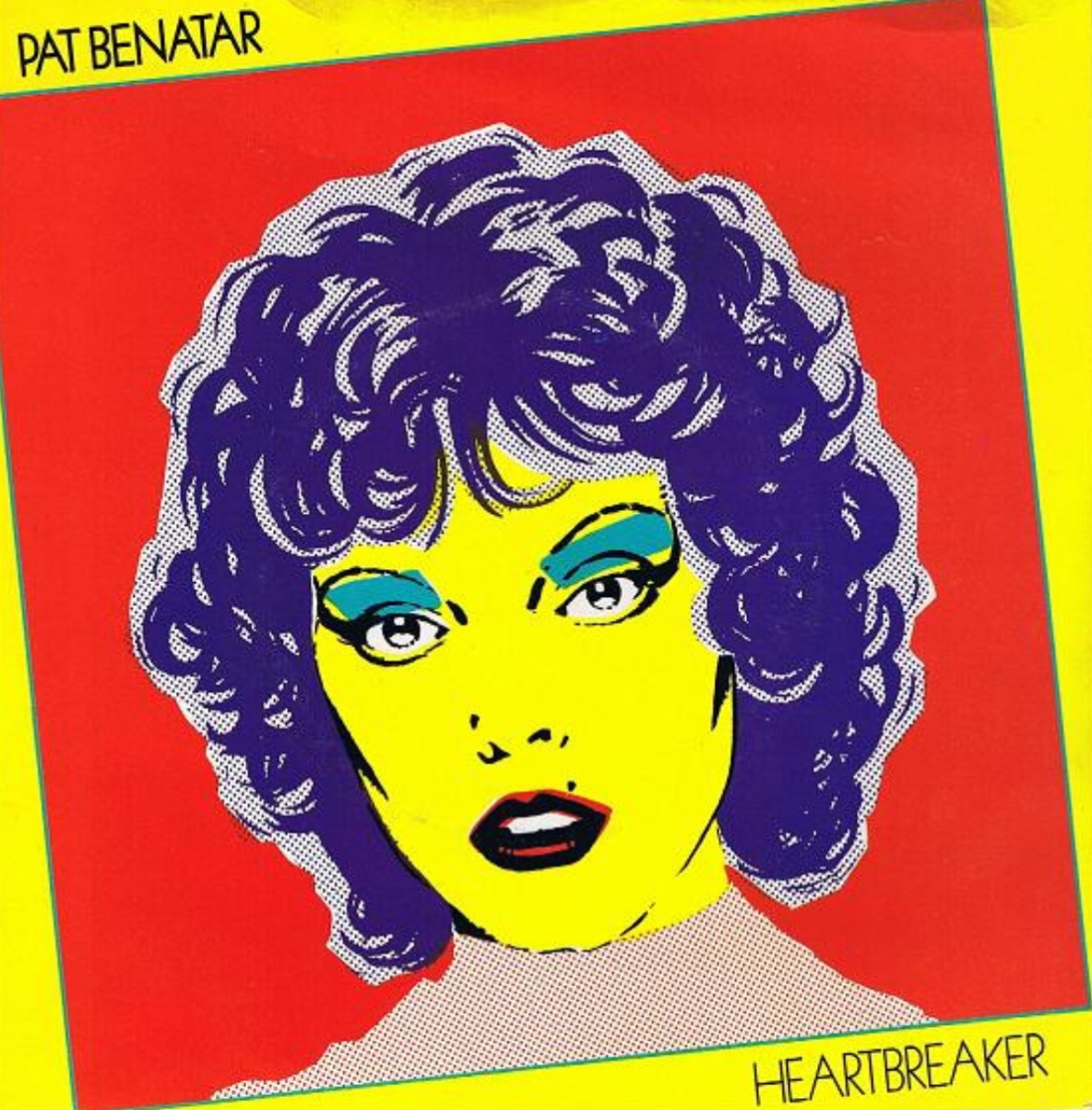
"Heartbreaker" was the second single from Pat Benatar's debut album, “In the Heat of the Night”. It followed the underperforming single "If You Think You Know How to Love Me." The song became Benatar's breakthrough hit, reaching number 23 on the US Billboard Hot 100 and spending four and a half months on the chart, making it one of her longest-charting singles. It was particularly successful on album-oriented rock stations, peaking at number 13 on the Tunecasters Rock Tracks chart. Internationally, it reached number 16 in Canada, number 14 in New Zealand, and number 95 in Australia.
Pat Benatar's regular backing band plays a crucial role in her music, with significant contributions from her husband Neil Giraldo, who is her lead guitarist and co-writer. Other key members of her band include drummer Myron Grombacher, keyboardist Charlie Giordano, and bassist Mick Mahan. For the recording of "Heartbreaker," the lineup featured Neil Giraldo on guitar and keyboard, Scott St. Clair Sheets on rhythm guitar, Roger Capps on bass, and Glen Alexander Hamilton on drums.
Originally written by Geoff Gill and Cliff Wade, the song was first recorded by British singer Jenny Darren in 1978. Since the original lyrics were filled with British expressions unfamiliar to American audiences, Benatar was tasked with adjusting the lyrics. She rewrote the song, making it more relatable to American listeners. Benatar has expressed her love for the track, which remains one of her favorites. Interestingly, many of her famous songs, including "Hit Me With Your Best Shot," were written by men, highlighting her collaboration with male songwriters.
U2 - SUNDAY BLOODY SUNDAY
Publicació: 21 de març de 1983
Àlbum: War
"Sunday Bloody Sunday" és una cançó carregada de contingut polític publicada com a tema d'obertura de l’àlbum "War" i es va llançar com el tercer single del disc. Coneguda pel seu ritme militarista de bateria, guitarra contundent i harmonies melòdiques, la cançó reflexa sobre els problemes a Irlanda del Nord i aborda temes de violència, injustícia i la recerca de la pau a Irlanda.
"Sunday Bloody Sunday" és una cançó que reflexa l'incident del Diumenge Sagnant de 1972 a Derry, Irlanda del Nord, on tropes britàniques van matar 13 civils durant una protesta pels drets civils. Inspirat per la cançó de John Lennon del mateix nom sobre els problemes a Irlanda del Nord, The Edge va concebre la idea per a "Sunday Bloody Sunday". El vers inicial de Bono, "I can't believe the news today" (No em puc creure les notícies d'avui), recorda "A Day In The Life" de Lennon. La lletra condemna el bany de sang històric a Irlanda, centrant-se més en temes universals com el patiment humà que en prendre partit políticament. Versions primerenques de la cançó incloïen referències a l'IRA i l'UDA, però aquestes van ser eliminades per adoptar una postura més humana i no sectària. La lletra incorpora referències bíbliques i insta a posar fi a la violència, culminant en una súplica per abraçar la pau, simbolitzada per "Sunday bloody Sunday".
El bateria Larry Mullen Jr. va parlar de "Sunday Bloody Sunday" el 1983, destacant que la cançó transcendeix incidents polítics específics com el Bloody Sunday a Irlanda del Nord. En comptes d'això, aborda temes més amplis del patiment humà i la insensatesa de la violència. Mullen va subratllar que el missatge de la cançó s'aplica universalment als conflictes a tot el món, insta les persones a deixar de banda divisions polítiques i buscar el diàleg i la pau. Va criticar les bandes que es centren únicament en ideologies polítiques sense abordar el cost humà del conflicte, afirmant que el veritable problema és la pèrdua de vides a causa de l'amargor i l'odi.
Bono sovint introdueix la cançó en concerts amb "This is not a rebel song" (Aquesta no és una cançó rebel), una tradició que va començar des de l’actuació de la banda al Red Rocks Amphitheatre de Colorado el 1983. Enmig de la controvèrsia, Bono oneja una bandera blanca durant les actuacions per simbolitzar la pau, un gest immortalitzat en el film del concert "Live at Red Rocks: Under a Blood Red Sky" dirigit per Gavin Taylor, tot i que la versió del disc va ser gravada al Rockpalast festival a Alemania.
U2 - SUNDAY BLOODY SUNDAY
Released: March 21, 1983
Album: War
"Sunday Bloody Sunday" is a politically charged song by U2, serving as the opening track from their 1983 album “War” and released as the album's third single. Known for its militaristic drumbeat, harsh guitar, and melodic harmonies, the song reflects on the Troubles in Northern Ireland addressing themes of violence, injustice, and the quest for peace in Ireland.
"Sunday Bloody Sunday" is a song that reflects on the 1972 Bloody Sunday incident in Derry, Northern Ireland, where British troops killed 13 civilians during a civil rights protest. Inspired by John Lennon's song of the same name about the Troubles in Northern Ireland, The Edge conceived the idea for "Sunday Bloody Sunday." Bono's opening line, "I can't believe the news today," subtly echoes Lennon's "A Day In The Life." The song's lyrics are a condemnation of the historic bloodshed in Ireland, focusing more on universal themes of human suffering rather than taking sides politically. Early versions of the song included references to the IRA and UDA, but these were removed to adopt a more humane and non-sectarian stance. The lyrics incorporate biblical references and urge an end to violence, culminating in a plea to embrace peace, symbolized by "Sunday bloody Sunday."
Drummer Larry Mullen Jr. discussed "Sunday Bloody Sunday" in 1983, emphasizing that the song transcends specific political incidents like Bloody Sunday in Northern Ireland. Instead, it addresses broader themes of human suffering and the senselessness of violence. Mullen stressed that the song's message applies universally to conflicts worldwide, urging people to set aside political divisions and pursue dialogue and peace. He criticized bands that focus solely on political ideologies without addressing the human cost of conflict, asserting that the real issue is the loss of life due to bitterness and hatred.
Bono often introduces it at concerts with "This is not a rebel song," a tradition beginning from the band's 1983 performance at Red Rocks Amphitheatre in Colorado. Amid controversy, Bono waved a white flag during performances to symbolize peace, a gesture immortalized in the concert film "Live at Red Rocks: Under a Blood Red Sky" directed by Gavin Taylor, however the live version appeared on the album "Under A Blood Red Sky” was recorded at the Rockpalast festival in Germany.
BOB MARLEY & THE WAILERS - NO WOMAN NO CRY
Estrena: 25 d'octubre de 1974
Llistes: Regne Unit: #8
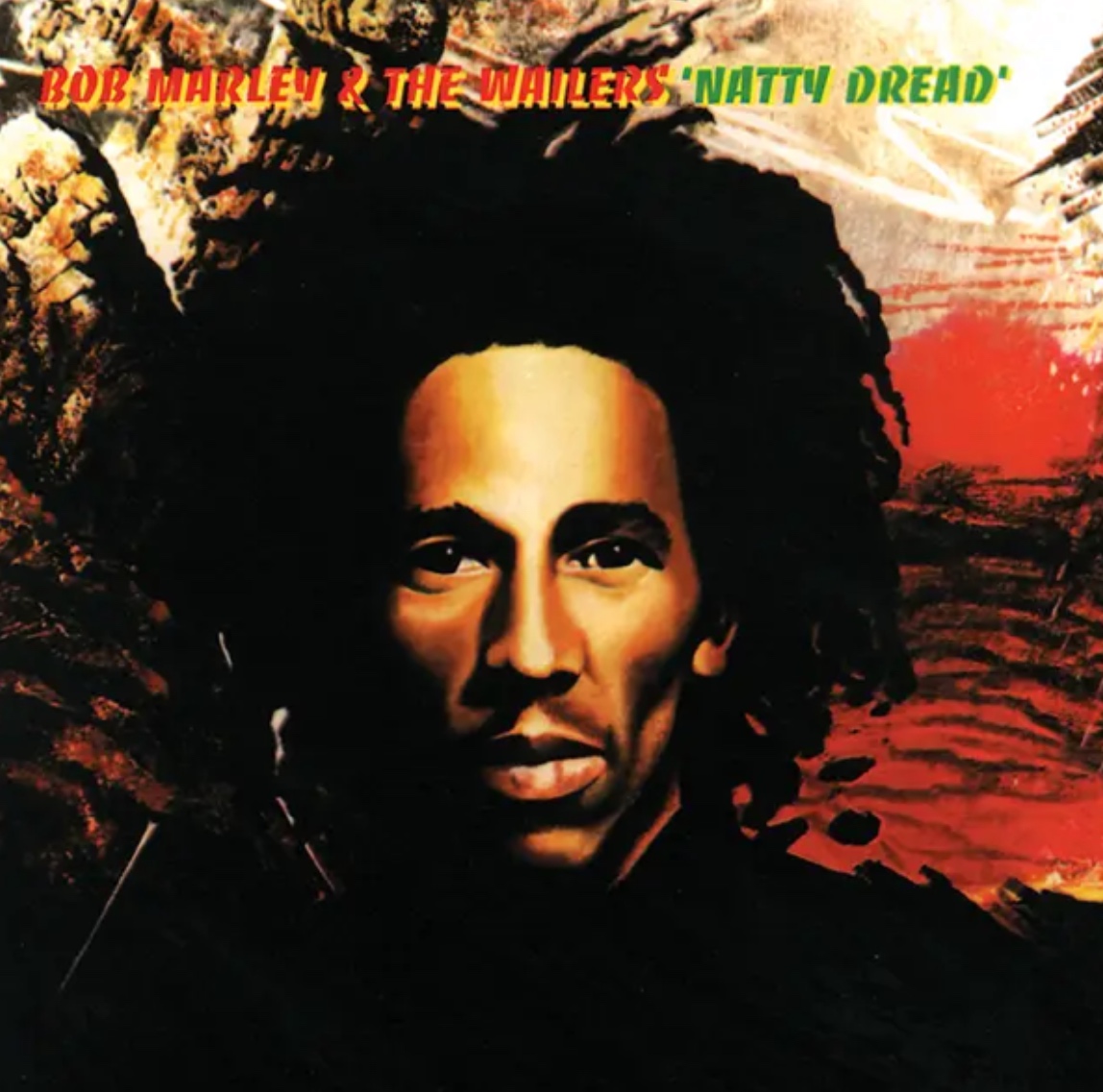
"No Woman, No Cry" és una coneguda cançó de reggae de Bob Marley and the Wailers, gravada originalment el 1974 per a l'àlbum "Natty Dread". Llançada com a senzill de l'àlbum en directe "Live!" del 1975, va guanyar gran popularitat i més tard es va incloure en els àlbums recopilatoris de Marley, especialment en l'icònic "Legend". En reconeixement a la seva significança cultural, la versió en directe va ser introduïda al Grammy Hall of Fame l'any 2005.
"No Woman, No Cry" va marcar un punt d'inflexió important per a Bob Marley and the Wailers quan es va llançar com a senzill de l'àlbum "Live!". Gravada al Lyceum Theatre de Londres el 17 de juliol de 1975 durant la gira "Natty Dread", aquesta actuació es va convertir en el seu gran èxit. Marley havia refinat el seu so reggae per arribar a un públic més ampli, millorant-lo amb músics com Family Man Barrett i Al Anderson. Aquesta estratègia va donar els seus fruits, ja que van obtenir crítiques excel·lents, van esgotar entrades als concerts arreu dels Estats Units i van aconseguir un èxit immens quan van arribar a Londres.
La presència escènica captivadora de Marley i el seu atractiu universal, que atreia públics diversos, destacaven la seva capacitat per transcendir les divisions racials. "No Woman, No Cry" es va convertir en una de les favorites dels concerts, amb les seves frases emotives i la seva melodia accessible, que animaven a la participació entusiasta de públics de tots els orígens.
Aston "Family Man" Barrett, el baixista dels Wailers, va explicar que "No Woman, No Cry" celebra la força i la resistència de les dones, emfatitzant la importància de la independència i la seva fortalesa interior. La frase original, "No, Woman, Nuh cry," utilitza "nuh" en l’argot jamaicà per dir "no", aclarint que el missatge és "No, dona, no ploris". La cançó tranquil·litza una dona, assegurant-li que malgrat els desafiaments de l'entorn, tot anirà bé, i l'encoratja a no plorar. Reflecteix un sentiment de suport cap a les dones.
L'actitud de Bob Marley de crèditar Vincent "Tartar" Ford com a compositor de "No Woman, No Cry" exemplifica la seva lleialtat als amics i els seus esforços per donar-los suport econòmic. Ford, un amic proper que gestionava una cuina solidària a Kingston durant els anys de pobresa de Marley, va rebre el crèdit de compositor malgrat que Marley va ser qui va escriure la cançó. Aquest gest formava part de l'estratègia de Marley per assegurar-se que aquells propers an ell rebessin royalties, donades les complexitats i incerteses relacionades amb els seus propis acords de royalties i contractes. Marley va continuar amb aquesta pràctica en cançons posteriors, atribuint composicions a amics i membres de la banda per garantir-los suport financer, tot i que la distribució real dels royalties a aquests beneficiaris continua sent poc clara.
BOB MARLEY & THE WAILERS - NO WOMAN NO CRY
Released: October 25, 1974
Charted: UK: #8
"No Woman, No Cry" is a renowned reggae song by Bob Marley and the Wailers, originally recorded in 1974 for the album “Natty Dread”. Released as a single from the 1975 album Live!, it gained widespread popularity and was later included in Marley's compilation albums, notably the iconic “Legend”. In recognition of its cultural significance, the live version was inducted into the Grammy Hall of Fame in 2005.
"No Woman, No Cry" marked a significant turning point for Bob Marley and the Wailers when it was released as a single from their album “Live!”. Recorded at London's Lyceum Theatre on July 17, 1975 during the Natty Dread Tour, the performance became their breakthrough. Marley had refined his reggae sound to appeal to broader audiences, enhancing it with musicians like Family Man Barrett and Al Anderson. This approach paid off as they garnered glowing reviews, sold out shows across the US, and found immense success by the time they reached London.
Marley's compelling stage presence and universal appeal, drawing diverse crowds, underscored his ability to transcend racial divides. "No Woman, No Cry" became a concert favorite, its emotive lyrics and accessible melody prompting enthusiastic participation from audiences of all backgrounds.
Aston "Family Man" Barrett, bass player of the Wailers, explained that "No Woman, No Cry" celebrates the strength and resilience of women, emphasizing the importance of independence and inner strength. The original line, "No, Woman, Nuh cry," uses "nuh" in Jamaican Patois to mean "don't," clarifying that the message is "No, Woman, Don't cry." The song reassures a woman that despite the challenges of their surroundings, everything will be alright and encourages her not to shed tears. It reflects a supportive sentiment towards women.
Bob Marley's approach to crediting Vincent "Tartar" Ford as the composer of "No Woman, No Cry" exemplified his loyalty to friends and his efforts to support them financially. Ford, a close friend who ran a soup kitchen in Kingston during Marley's impoverished years, received the composer credit despite Marley writing the song. This gesture was part of Marley's broader strategy to ensure that those close to him received royalties, given the complexities and uncertainties surrounding his own royalty arrangements and contracts. Marley continued this practice in subsequent works, attributing compositions to friends and band members to secure financial support for them, although the actual distribution of royalties to these proxies remains unclear.
14.9.24
LOS BRAVOS - BLACK IS BLACK
Estrena: juliol de 1966
Llistes: EUA: #4 Regne Unit: #2
"Black Is Black" és una cançó de la banda de rock espanyola Los Bravos, llançada el 1966 com el seu primer senzill sota el segell Decca Records. Produïda per Ivor Raymonde, la cançó es va convertir en un gran èxit internacional, arribant al número dos a les llistes del Regne Unit, al número quatre als Estats Units i al primer lloc al Canadà. Aquest èxit va marcar Los Bravos com la primera banda de rock espanyola a aconseguir un èxit internacional amb un single.
Aquesta vibrant i emocional cançó captura el conflicte intern d'una persona que ha estat deixada per una noia. El cantant està dividit: inicialment vol que torni, però després ho reconsidera, temerós que, si ella torna, només el tornarà a deixar, causant-li encara més dolor. A mesura que continua reflexionant, es planteja la idea que potser les coses podrien anar bé si ella tornés, però en el fons sap que no tornarà. Malgrat això, la il·lusió de tenir una opció sembla portar-li algun consol i alleujament. La cançó transmet de manera commovedora la muntanya russa d'emocions que sovint acompanya una ruptura.
Los Bravos es va formar amb quatre membres de la banda espanyola Los Sonors: el baixista Miguel Vicens Danus, el guitarrista Tony Martinez, l'organista Manuel Fernández i el bateria Pablo Sanllehi, juntament amb el cantant nascut a Alemanya Michael Kogel (conegut com Mike Kennedy). El grup tenia com a objectiu entrar al mercat europeu amb música pop en anglès. Després de signar amb la divisió espanyola de Decca Records, van viatjar a Anglaterra per col·laborar amb Ivor Raymonde, un productor i arranjador britànic conegut per treballar amb artistes com Marty Wilde, Billy Fury i Dave Berry. El 1966, Los Bravos van llançar "Black Is Black" com el seu primer senzill sota Decca, que es va convertir en un èxit global.
El 1977, el grup femení francès La Belle Epoque va enregistrar una versió disco de la cançó, que va arribar al número dos a les llistes del Regne Unit. Aquesta va ser l'única altra versió de la cançó que va aconseguir un èxit significatiu a les llistes, però ha estat versionada per diversos artistes al llarg dels anys. Entre els més destacats es troben The Shadows, The Standells, Rick Springfield i The Lady Killers.
LOS BRAVOS - BLACK IS BLACK
Released: July 1966
Charts: US: #4 UK: #2
"Black Is Black" is a song by the Spanish rock band Los Bravos, released in 1966 as their debut single under Decca Records. Produced by Ivor Raymonde, the song became a significant international hit, reaching number two on the UK charts, number four in the US, and topping the charts in Canada. This success marked Los Bravos as the first Spanish rock band to achieve an international hit single.
This vibrant and emotional song captures the inner turmoil of someone who has been left by a girl. The singer is conflicted: he initially wants her back, but then reconsiders, fearing that if she returns, she'll just leave him again, causing even greater heartbreak. As he continues to reflect, he entertains the idea that maybe things could work out if she came back. However, deep down, he knows she's not returning. Despite this, the illusion of having a choice seems to bring him some comfort and relief. The song poignantly conveys the rollercoaster of emotions that often accompany a breakup.
Los Bravos was formed by four members from the Spanish band Los Sonors—bassist Miguel Vicens Danus, guitarist Tony Martinez, organist Manuel Fernández, and drummer Pablo Sanllehi—along with German-born singer Michael Kogel (also known as Mike Kennedy). The group aimed to break into the European market with English-language pop music. After signing with the Spanish division of Decca Records, they traveled to England to collaborate with Ivor Raymonde, a British producer and arranger known for working with artists like Marty Wilde, Billy Fury, and Dave Berry. In 1966, Los Bravos released "Black Is Black" as their first single under Decca, which became a global hit.
In 1977, the French female group La Belle Epoque recorded a disco version of the song, which reached #2 on the UK charts. This was the only other version of the song to achieve significant chart success, but it has been covered by various artists over the years. Notable among these are The Shadows, The Standells, Rick Springfield, and The Lady Killers.