Total de visualitzacions de pàgina:

30.11.23


DEPECHE MODE - EVERYTHING COUNTS

Released : July 11, 1983

Charted:  UK: #6 


"Everything Counts" is a song from their 1983 third studio album “Construction Time Again” A live version of the song was released in 1989 to support the band's live album “101”. The original single reached #6 on the UK Singles Charts, whereas the live version reached #22. It’s the first song to have both Martin Gore and Dave Gahan sing prominently at different times and was quick to become one of the fan favourites when they toured. 


The studio version of “Everything Counts” is a standout and one of Depeche Mode’s biggest early hits. However, this 1989 live version reigns supreme. Made by a more mature band the finale of “101” benefits hugely from stronger vocals from Martin Gore. During the chorus of the original 1983 take, his falsetto was still coming into its own, but six years later it’s fully realized—not to mention more powerfully contrasted against Dave Gahan’s low-pitched lamentations.


Martin Gore to NME in 1983: "I think 'Everything Counts' was partly inspired by going to Thailand as well that's where the oriental flavour comes in, like Korea 'n' all that. But you go over there and all the hotels are full of, like, businessmen and basically they tend to treat people as though they're nothing. All they're interested in is their business — that's what I really hate about big business, people just don't seem to matter. Just money. You see all the women over there 'n' they're all prostitutes — that's the only way they can make any money. 'Course, the businessmen love it. Work [will "remove the stains"]. It's no good just sitting back and hoping things'll change, you've got to actually work together. The material's there; it's like, there's enough food in the world to feed everybody and then half the world's eating three quarters of it and the rest of the world's starving. But the food is there. There is a solution. The thing is, the people in power don't care about someone with a low wage, they only care about their own power. But I think people should care about other people, y'know, cos from the moment we're born we're put into competition with everybody else. I really don't understand why people go into politics — what makes someone at 16 or 17 decide to go into parliament? It's got to be people themselves. People's attitudes have got to be changed. For instance, when I wrote "All we need's universal revolution", I didn't mean, like, everyone to take up arms, but more a total change of attitude. That's what's needed. People's attitudes have got to be changed. You've got to look at the world to change things. Attitudes in the world, poverty in the world.


 

DEPECHE MODE - PEOPLE ARE PEOPLE

Released : March 12, 1984

Charted:  UK: #4    US: #13 


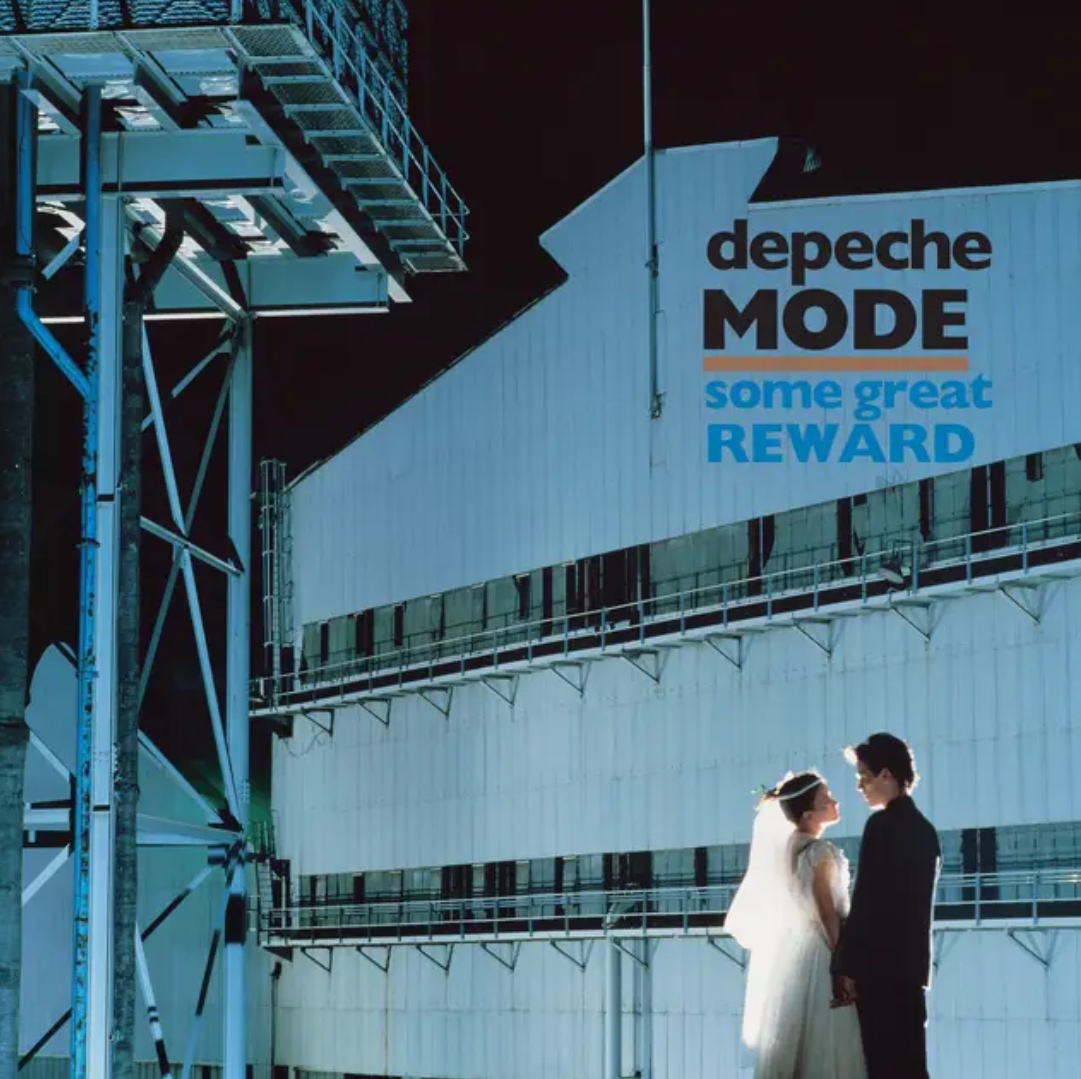
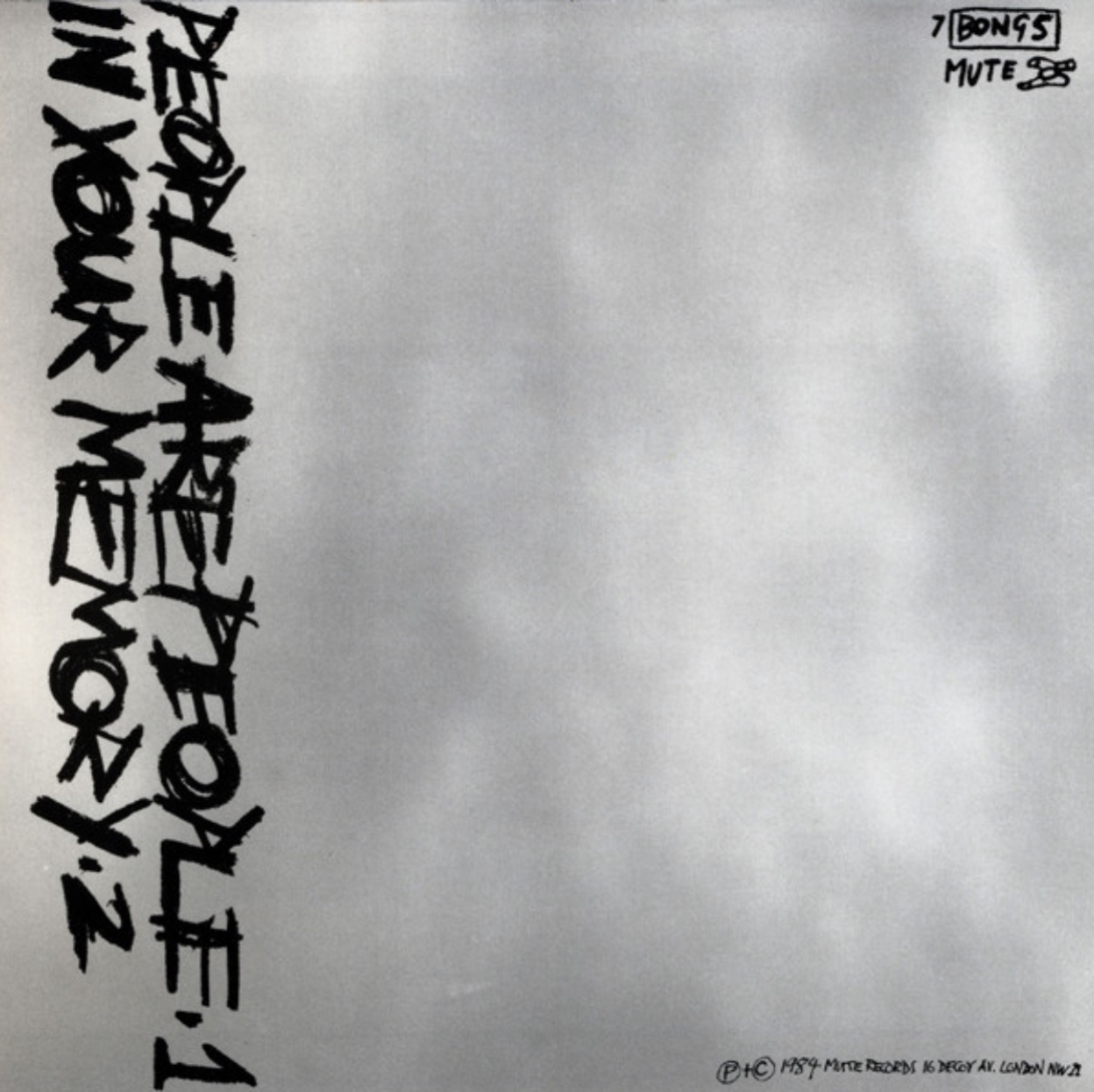
"People Are People" is a song released as the lead single from the band’s 1984 fourth studio album “Some Great Reward”. This was Depeche Mode's breakthrough hit in the United States; they had several chart hits in the UK to this point. 


Written by band member Martin Gore, this song is a call for people to put aside their differences and work toward unity. Gore said on Record Mirror: "Although it's a song about racism, that's just one example of people not getting on. It's about all sorts of differences between people." This song I t's unusual for Depeche Mode because the lyrics are so blatant and leave little to the imagination. The song earned them a great deal of freedom, allowing them to create more music on their terms.


Martin Gore told in 1986: Usually we spend two or three days before recording just sampling sounds. Then we sample as we go. If somebody has a good idea, we just stop recording and do some sampling. Sometimes we use old favourites — like one sample which we first used on 'People Are People'. It’s a Hank Marvin-type guitar sound, an acoustic guitar plucked with a 50-pfennig piece. We’ve used that three or four times. 


Gareth Jones told in 2007: Martin made a demo for 'People Are People' — it was also the first time the band had done a pre-production session — and this had one ambient sound that he'd recorded with a Walkman on an airplane; a bit of laughter and noise. He looped this up on the demo, and we decided to somehow recreate that sound, but it was impossible to recreate because it was a 'found sound', full of texture and rhythm, so we ended up using what was on the demo.


Dave Gahan told in 2017: This was the first song of ours that made a dent, really, into popular radio. We were using all these tape loops to create rhythms and the technology was quite advanced, but it wasn't anything like it is today, the things that you can do. It's not one of Martin's particular favorites, this one, and I don’t think we've done it live since the mid '80s. It's quite literal, very poppy, all major chords — something Martin doesn't like so much these days. But the song really propelled us into a new cosmos at that particular time.


29.11.23


DEPECHE MODE - ENJOY THE SILENCE

Publicació: 5 de febrer de 1990

Llistes: Regne Unit: #6   EUA: #8


"Enjoy the Silence" és una cançó publicada com a segon senzill del setè àlbum d'estudi de la banda "Violator". El senzill té la certificació d'Or als EUA i Alemanya, i va guanyar el millor senzill britànic als Brit Awards de 1991.


La cançó explora el concepte de trobar consol en el silenci, abraçant moments de solitud en un món caòtic. La lletra explica la història d'algú que busca la tranquil·litat fugint del soroll i les distraccions de la vida quotidiana. Fomenta una connexió més profunda amb un mateix i amb el món que l'envolta animant els oients a apreciar moments de tranquil·litat i introspecció. La lletra també il·lustra la idea que les paraules poden ser violentes i difícils d'entendre, mentre que el silenci pot proporcionar un lloc de tranquil·litat, pau i comprensió. En definitiva, aquesta és una cançó sobre el poder del silenci i la seva importància per reflectir i apreciar la bellesa de la vida.


La lletra commovedora era inicialment per a una cançó lenta, una mena de balada. No obstant això, Alan Wilder va tenir la idea d'accelerar-la i fer-la més disco al que Gore s'oposava. Va sentir que contradeia la serenitat i l'estètica de la lletra, però va acceptar quan va escoltar la nova versió.


Ampliament considerada com la seva millor gravació, "Enjoy The Silence" va començar la seva vida com una maqueta casolana simplista gravada per Martin Gore només amb un òrgan i la seva veu principal tremolosa. No va ser fins que la banda la va portar a l'estudi amb el productor Flood i Daniel Miller que la idea es va donar a conèixer per transformar-la completament, en un tema de discoteca; segons Flood, Gore estava lluny d'estar convençut que funcionaria. Flood recorda que la banda va gravar en un estudi al mig del no-res en algun lloc de Dinamarca amb només camps i mosques per a companyia. El seu últim objecte, un sintetitzador modular Roland, es va instal·lar degudament a l'estudi i la nova versió va començar a prendre forma. Un groove disco clàssic es va agafar sense tenir en compte com a punt de partida per a la metamorfosi, i d'aquell elegant banc de sintetitzadors va sorgir una línia de baix i una atmosfera airejada que va fer clic gairebé immediatament. En declaracions el 1998, Gore va dir: "Aquesta va ser l'única vegada a l'estudi en què pensàvem que teníem un senzill d'èxit.


DEPECHE MODE - ENJOY THE SILENCE


Released :  February 5, 1990

Charted:  UK: #6   US: #8 


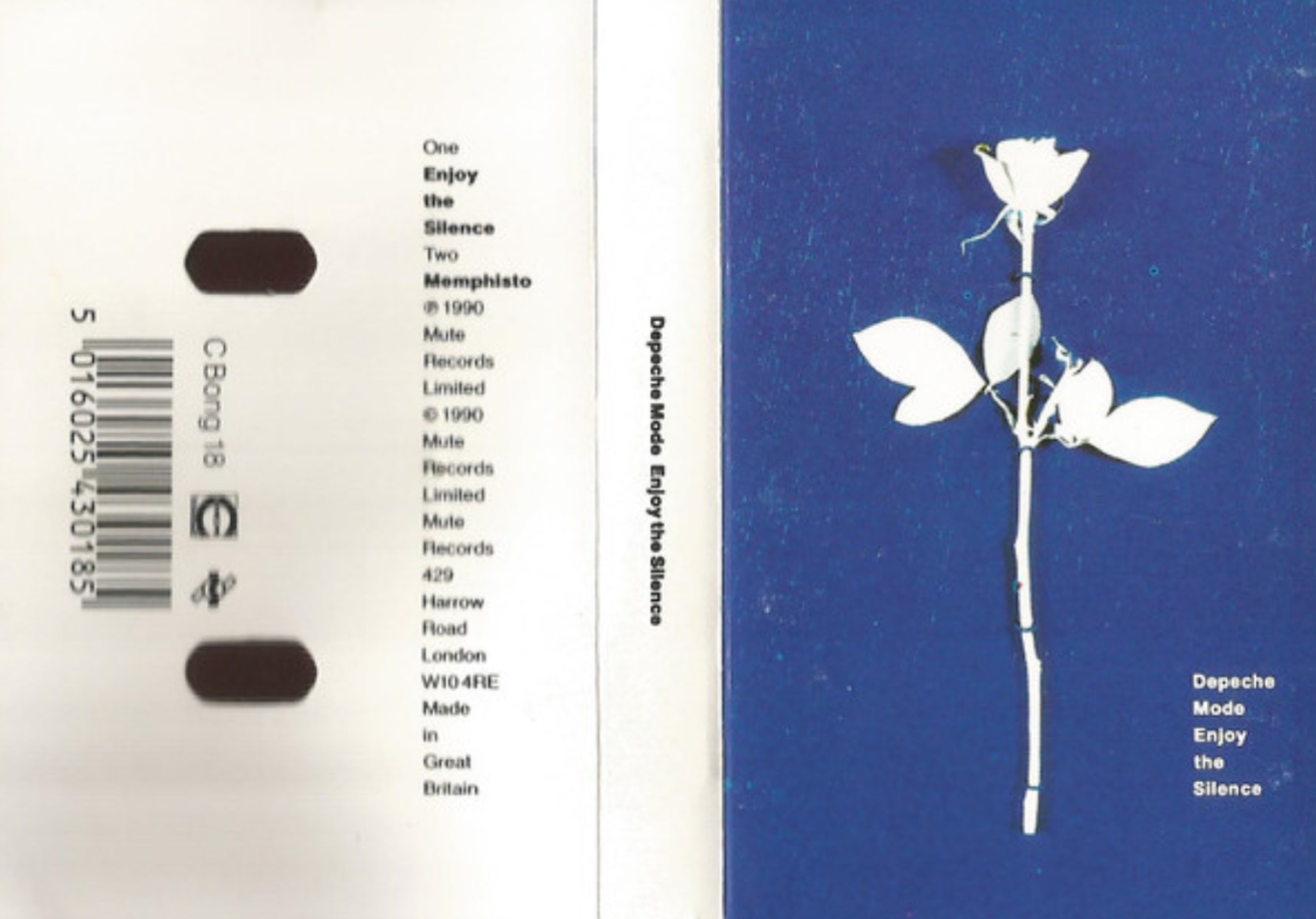
"Enjoy the Silence" is a song released as the second single from the band 1990 seventh studio album, “Violator”. The single is certified Gold in the US and Germany, and won Best British Single at the 1991 Brit Awards.


The song explores the concept of finding solace in silence, embracing moments of solitude in a chaotic world. The lyrics tell the story of someone who seeks tranquility by escaping the noise and distractions of daily life. It encourages a deeper connection with oneself and the surrounding world by encouraging listeners to appreciate moments of quiet and introspection. The lyrics also illustrate the idea that words can be violent and hard to comprehend, while silence can provide a place of tranquility, peace and understanding. Ultimately, this is a song about the power of silence and its importance to reflect and appreciate the beauty of life. 


The stripped-back, poignant lyrics were initially going to be sung over a slow track, a ballad of sorts. However, Alan Wilder had the idea to speed it up and make it more disco which Gore was opposed to. He felt it contradicted the serenity and aesthetic of the lyrics, but he came around once he’d heard the new version.


Widely regarded as their finest recorded moment, “Enjoy The Silence” began its life as a simplistic, downcast home demo, recorded by Martin Gore with just a pump organ and his trembling lead vocal. It wasn’t until the band took it into the studio with producer Flood and Daniel Miller presiding that the rather radical idea was floated around to transform it completely, into an uptempo disco track; according to Flood, Gore was far from convinced that it would work. Flood remembers the band recording in a studio in the middle of nowhere somewhere in Denmark with only fields and flies for company. His latest gizmo, a Roland modular synth, was duly installed in the studio and the new direction began to take shape. A classic disco groove was heedlessly nabbed as a starting point for the metamorphosis, and from out of that snazzy bank of synths came a bassline and some airy atmospherics that clicked almost immediately. Speaking in 1998, Gore said: “This was the only time ever in the studio when we thought we had a hit single. 


 DEPECHE MODE - STRANGELOVE

Released : April 27, 1987

Charted:  UK: #16  US: #50 


"Strangelove" is a song released as the lead single from their 1987 sixth studio album, “Music for the Masses”. It reached #76 on the Billboard Hot 100, and was the first of nine number ones on the US Hot Dance Club Play chart, where it stayed for three weeks at the top. t was remixed by production team Bomb the Bass  and released again as a single in the US, known informally as "Strangelove '88", this time reaching number 50 on the Hot 100.


Depeche Mode remixed “Strangelove” after releasing it as a single because they deemed it too cluttered and happy to fit in on “Music For The Masses”. But the first version is still better. A svelte new wave megahit, it wastes no time jumping into not one but two of the band’s greatest melodies, with the verses and choruses somehow being equally infectious. Even the bridge is so catchy that, for lesser bands, it could be the hook of the biggest song of their lives. Long story short: this is unforgettable pop condensed into its purest possible strain.


Gore said: "I really like this track and think it's one of our poppiest singles. Somehow I don't know if it still works for me... occasionally in our career we've stepped on the wrong side of commerciality, not very often , and 'Strangelove' is just on the right side. It's like "Enjoy The Silence", it's just on the right side of commerciality. There's a line and if you step over it too far it becomes bland pop music."


When Depeche Mode was interviewed about the songs on the '101' CD for the April 1989 issue of French magazine 'Best', Alan Wilder said: "The only thing that comes to mind about 'Strangelove' is the amount of time we spent on recording it and the discussions it caused. I can't even say how many times we had to redo it. We had to change the bass line at least a hundred times. We also had a lot of percussion that we ended up removing. In fact, the problem was that we decided it would become a single before even recording it and that complicated things. We wanted to do it well, and all that for a result which, in my opinion, is not excellent. The live version is much more satisfying."