Total de visualitzacions de pàgina:

29.9.24


THE TEMPTATIONS - MY GIRL 


Estrena: 21 de desembre de 1964

Llistes: Regne Unit: #2   EUA: #1 (1 setmana)


"My Girl" és una cançó de The Temptations, escrita i produïda per Smokey Robinson i Ronald White de The Miracles. Va ser el primer número u als Estats Units per a The Temptations i és àmpliament reconeguda com la seva cançó més emblemàtica. Smokey Robinson es va inspirar per escriure "My Girl" gràcies a la seva dona, Claudette Rogers Robinson, que també era membre de The Miracles. La cançó es va incloure a l'àlbum de 1965 “The Temptations Sing Smokey”. El 2017, "My Girl" va ser seleccionada per a la preservació al National Recording Registry de la Biblioteca del Congrés dels Estats Units per la seva significació cultural, històrica i artística.


"My Girl" va ser escrita al Teatre Apollo mentre The Temptations estaven de gira amb The Miracles. Robinson estava treballant la cançó al piano del teatre quan White s'hi va unir, i junts la van completar. Originalment destinada a The Miracles, The Temptations en van quedar tan impressionats que van convèncer Robinson perquè els deixés gravar-la. Com a mà dreta de Berry Gordy a Motown, Robinson va accedir i va passar la setmana següent assajant la cançó amb The Temptations. Quan van tornar a Detroit, Robinson i White van produir la sessió de gravació on The Temptations van enregistrar el que es convertiria en el seu primer gran èxit número u.


Smokey Robinson va escriure "My Girl" específicament pensant en la veu de David Ruffin. Aquesta cançó va ser el primer senzill de The Temptations amb Ruffin com a vocalista principal, ja que els anteriors havien comptat amb Eddie Kendricks i Paul Williams en aquest paper. La potent actuació de Ruffin a "My Girl" el va portar a convertir-se en el cantant principal del grup. Robinson va continuar escrivint nombrosos èxits per a The Temptations, que eren considerats el grup vocal més talentós de Motown.


Els membres de Motown, The Funk Brothers, van participar a "My Girl", contribuint amb l'arranjament senzill però molt efectiu. L'arranjament, realitzat per Paul Riser, comença amb la icònica línia de baix de James Jamerson, seguida del riff ascendent de guitarra de Robert White. La introducció també inclou espetecs de dits, la bateria de Benny Benjamin i cordes proporcionades per l'Orquestra Simfònica de Detroit. Aquest arranjament va ser dissenyat per destacar les veus, fent que la lletra fos clara i impactant. Aquest enfocament va establir un model per a futures gravacions de The Temptations i va jugar un paper clau en el seu ascens a l'estrellat, mantenint el focus en els cantants durant les actuacions.


La cançó es va tornar a llançar el 1992, després de l'estrena, el novembre de 1991, de la pel·lícula del mateix nom, que incloïa la cançó. Tot i que no va arribar a les llistes de Billboard, va assolir el número 2 a la llista de senzills del Regne Unit.


THE TEMPTATIONS - MY GIRL 


Released : December 21, 1964

Charted:  UK: #2   US: #1 (1 week)


"My Girl" is a song by The Temptations, written and produced by Smokey Robinson and Ronald White of The Miracles. It became The Temptations' first U.S. number one single and is widely recognized as their signature song. Smokey Robinson was inspired to write "My Girl" by his wife, Claudette Rogers Robinson, who was also a member of The Miracles. The track was featured on The Temptations' 1965 album “The Temptations Sing Smokey”. In 2017, "My Girl" was selected for preservation in the National Recording Registry by the Library of Congress due to its cultural, historical, and artistic significance.


"My Girl" was written at the Apollo Theater while The Temptations were on tour with The Miracles. Robinson was working on the song at a piano in the theater when White joined him, and together they completed it. Originally intended for The Miracles, The Temptations were so impressed by the song that they persuaded Robinson to let them record it instead. As Motown's Berry Gordy's right-hand man, Robinson agreed and spent the next week rehearsing the song with The Temptations. Upon returning to Detroit, Robinson and White produced the recording session where The Temptations laid down what would become their first U.S. number one hit.


Smokey Robinson specifically wrote "My Girl" with David Ruffin's voice in mind. This song marked the first Temptations single to feature Ruffin as the lead vocalist, as previous singles had featured Eddie Kendricks and Paul Williams in that role. Ruffin's powerful performance on "My Girl" led to him becoming the group's primary lead singer. Robinson continued to write numerous hits for The Temptations, who were regarded as the most talented vocal group at Motown.


Members of the Motown house band, The Funk Brothers, played on "My Girl," contributing to its simple yet highly effective arrangement. The arrangement, charted by Paul Riser, begins with James Jamerson's iconic bassline, followed by Robert White's ascending guitar riff. The song's introduction also features finger snaps, drums by Benny Benjamin, and strings provided by the Detroit Symphony Orchestra. This arrangement was designed to highlight the vocals, making the lyrics clear and impactful. The approach set a template for future Temptations recordings and played a key role in their rise to stardom by keeping the focus on the singers during performances.


The song was re-released in 1992, following the November 1991 release of the film of the same name, which featured the song. It did not reach the Billboard charts, but did reach number 2 in the UK Singles Chart.


28.9.24


BEACH BOYS - THE WARMTH OF THE SUN


Released: October 26, 1964

Album: Shut Down Volume 2


"The Warmth of the Sun" is a song by the Beach Boys, written by Brian Wilson and Mike Love. It was released in 1964 on the album “Shut Down Volume 2” and also served as the B-side to the single "Dance, Dance, Dance," which became a hit, reaching number eight in the US. and number twenty-four in the UK. Brian Wilson produced both the song and the rest of the album. 


"The Warmth of the Sun" was written in November 1963, just before the assassination of President John F. Kennedy. Although the song's lyrics were written beforehand, the emotional weight of the tragic event influenced the atmosphere during its recording. Mike Love explained that the song is about the loss of love, describing the experience of being in love with someone who no longer feels the same. The melancholy and reflective mood of the song, combined with the charged emotions following Kennedy’s assassination.


In a 2008 interview Mike Love reflected on the inspiration behind the lyrics of the song. He explained that the melancholy melody Brian Wilson composed led him to write lyrics about unreciprocated love, drawing from a personal experience where a girl he liked did not feel the same. Despite the heartbreak, Love chose to focus on the positive, seeing the memory of love as "the warmth of the sun." His goal was to create music that offered listeners a "sonic oasis," much like in "In My Room," where they could escape or find solace in their troubles.


Fred Vail, former manager and promoter for The Beach Boys, shared his recollection of November 22, 1963, the day President John F. Kennedy was assassinated, in the Forgotten Hits newsletter. He described the day as starting like any other, with people preparing for the upcoming Thanksgiving holiday and going about their daily routines. At the time, Vail was a 19-year-old college student and concert promoter, preparing for a Beach Boys "dance and show" event that evening in Marysville, California. The Beach Boys were rising stars, with hits like "Surfin' USA," "Surfer Girl," and "Little Deuce Coupe" already under their belts, and their recent singles "Be True to Your School" and "In My Room" climbing the charts. Vail emphasized how the events of that day, much like Pearl Harbor for the previous generation and 9/11 for the next, marked a loss of innocence for the baby boomer generation.


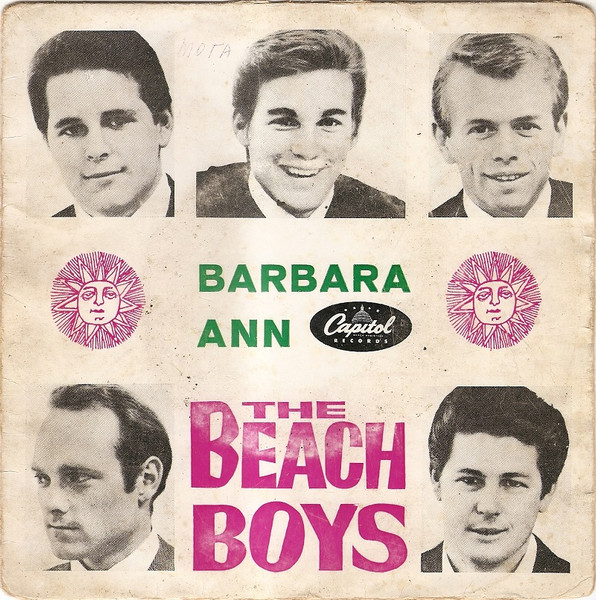
BEACH BOYS - BARBARA ANN


Estrena: 20 de desembre de 1965

Llistes: EUA: #2 Regne Unit: #3


"Barbara Ann" és una cançó escrita per Fred Fassert i gravada per primera vegada pels The Regents el 1961, arribant al número 13 del Billboard Hot 100. Fassert va escriure la cançó cap al 1958, posant-li el nom de la seva germana. El seu germà, Charles Fassert, formava part dels The Regents, fet que va portar el grup a gravar la cançó, amb Guy Villari com a veu principal en falset.


Els Beach Boys van gravar una versió més famosa per al seu àlbum en directe del 1965 “Beach Boys' Party!”. Llançada com a single amb "Girl Don't Tell Me" com a cara B, va arribar al número 2 als Estats Units i al número 3 al Regne Unit. Dean Torrence de Jan and Dean va proporcionar la veu principal juntament amb Brian Wilson, tot i que Torrence no va ser acreditat a l'àlbum. Al final de la cançó es pot escoltar a Carl Wilson agraint-li la interpretació.


Capitol Records va llançar "Barbara Ann" com a senzill inesperadament, sense informar als Beach Boys. La banda estava centrada en guanyar credibilitat com a grup musical seriós i preferia evitar cançons simplistes. Aquesta decisió es va prendre després que el single anterior del grup no tingués èxit, cosa que va portar a Al Coury de Capitol a llançar "Barbara Ann" ràpidament.


"Barbara Ann" va entrar a la llista del Billboard Hot 100 l'1 de gener de 1966 i ràpidament va pujar al número 2 el 29 de gener, col·locant-se en posició de potencialment arribar al número 1 però va ser bloquejada per "My Love" de Petula Clark. Finalment va arribar al número 2 del Billboard Hot 100 als Estats Units, va encapçalar les llistes a Alemanya, Suïssa i Noruega, i va arribar al número 3 al Regne Unit. També va ser el major èxit dels Beach Boys a Itàlia, arribant al número 4.


BEACH BOYS - BARBARA ANN


Released: December 20, 1965

Charts:  US: #2    UK: #3 


"Barbara Ann" is a song written by Fred Fassert and first recorded by The Regents in 1961, where it reached No. 13 on the Billboard Hot 100. Fassert wrote the song around 1958, naming it after his sister. His brother, Charles Fassert, was in The Regents, which led to the group's recording of the track, featuring falsetto lead vocals by Guy Villari.


The Beach Boys recorded a more famous version for their 1965 live album “Beach Boys' Party!”. Released as a single with "Girl Don't Tell Me" as the B-side, it peaked at No. 2 in the U.S. and No. 3 in the UK. Dean Torrence of Jan and Dean provided lead vocals alongside Brian Wilson, although Torrence was not credited on the album. Carl Wilson can be heard thanking him at the song's conclusion.


Capitol Records unexpectedly released "Barbara Ann" as a single without informing the Beach Boys. The band was focused on gaining credibility as a serious musical act and preferred to avoid simplistic songs. This decision came after the group's previous single performed poorly, prompting Capitol's Al Coury to rush-release "Barbara Ann."


"Barbara Ann" entered the Billboard Hot 100 chart on January 1, 1966, and quickly rose to No. 2 by January 29, positioning itself to potentially reach No. 1. However, it was blocked by Petula Clark's "My Love." The song ultimately peaked at No. 2 on the US Billboard Hot 100, topped the charts in Germany, Switzerland, and Norway, and reached No. 3 in the UK. It was also the Beach Boys' biggest hit in Italy, reaching No. 4.


27.9.24


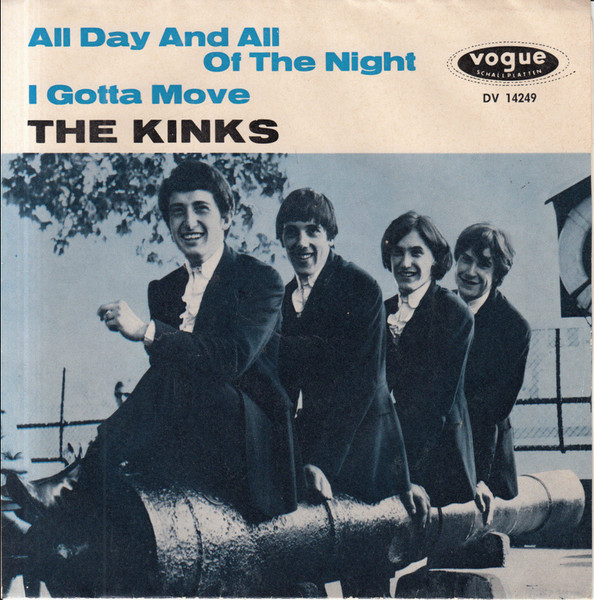
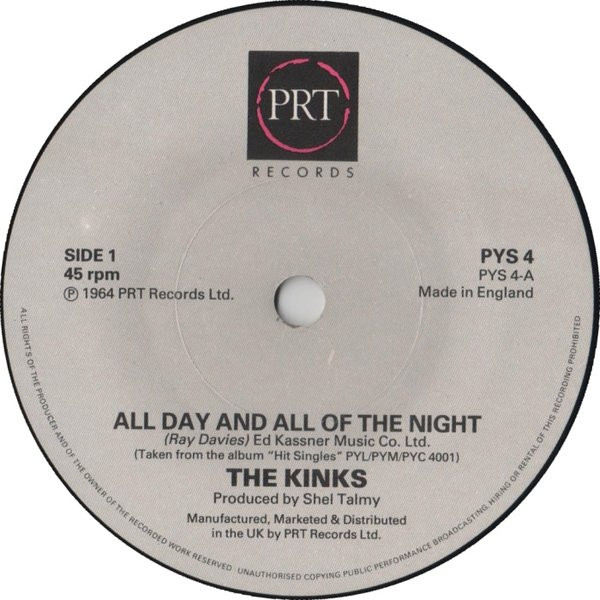
 THE KINKS - ALL DAY AND ALL OF THE NIGHT

Estrena: 23 d'octubre de 1964

Llistes: Regne Unit: #2   EUA: #7


"All Day and All of the Night", llançada el 1964, va aconseguir un èxit significatiu com a single. Va arribar al número 2 a les llistes de Record Retailer al Regne Unit i al número 7 al Billboard Hot 100 als Estats Units el 1965. També va ser inclosa a l'EP Kinksize Hits al Regne Unit i al segon àlbum americà dels Kinks, "Kinks-Size" (1965). El cantant Ray Davies va descriure la cançó com "neuròtica", reflectint temes d'obsessió i possessivitat en les relacions.


"All Day and All of the Night" va ser concebuda com a seguiment del seu èxit "You Really Got Me". Sota la pressió de la seva discogràfica per produir un altre èxit ràpidament, la banda va crear una cançó amb un so d’acords potents similars, que va tornar a ser exitosa. Ambdues cançons comparteixen similituds en el seu ritme, estructura, veus de fons, progressions i solos de guitarra. El tema va ser produït per Shel Talmy, el manager de la banda, que també va produir les primeres obres de The Who. El seu estil de producció destacava per un so fort i dinàmic, que es va convertir en un distintiu de les primeres gravacions dels Kinks.


Ray Davies va negar vehementment el persistent rumor que Jimmy Page tocava la guitarra en les primeres cançons dels Kinks, incloent "All Day and All of the Night". En una entrevista, Davies va recordar un incident específic durant la sessió d'enregistrament de la cançó. La banda tenia un horari ajustat, gravant al matí ràpidament abans d'un concert més tard aquell dia. Jimmy Page, que treballava en un altre estudi en aquell moment, va passar a escoltar el solo de guitarra de Dave Davies. Segons Ray Davies, Page va riure davant del solo, però més tard va afirmar que havia tocat a la pista.


Ray Davies va rebutjar la afirmació de Page, afirmant que el solo va ser interpretat per Dave Davies, el guitarrista principal de la banda. Davies va expressar la seva frustració amb la afirmació de Page i es va referir a ell en termes forts, afirmant: "Així que penso que és un idiota, i pot llençar totes les malediccions que vulgui sobre mi perquè sé que tinc raó i ell està equivocat."


"All Day and All of the Night" va ser objecte de comparacions amb "Hello, I Love You" de The Doors, provocant discussions sobre les similituds en les seves estructures musicals. Ray Davies va mencionar el desig del seu editor de dur a terme accions legals per les similituds, però va decidir no procedir. Dave Davies va expressar irritació per la percebuda falta de reconeixement respecte a aquestes similituds. Robby Krieger de The Doors va negar les acusacions de robatori musical atribuint en canvi l'ambient de la cançó a "Sunshine of Your Love" de Cream.


THE KINKS - ALL DAY AND ALL OF THE NIGHT


Released: October 23, 1964

Charted:  UK: #2   US: #7 


"All Day and All of the Night" released in 1964, achieved significant success as a single. It reached No. 2 on the Record Retailer chart in the UK and No. 7 on the Billboard Hot 100 chart in the US in 1965. The song was also featured on the Kinksize Hits EP in the UK and on the Kinks' second American album, “Kinks-Size” (1965). Lead singer Ray Davies described the song as "neurotic," reflecting themes of obsession and possessiveness in relationships.


"All Day and All of the Night" was crafted as a follow-up to their breakthrough hit, "You Really Got Me." Under pressure from their record company to produce another hit quickly, the band created a song with a similar power chord-driven sound, which proved successful once again. Both songs share similarities in their beat, structure, background vocals, progressions, and guitar solos. The track was produced by Shel Talmy, the band's manager, who also produced The Who's early work. Talmy's production style emphasized a loud and dynamic sound, which became a hallmark of The Kinks' early recordings. 


Ray Davies vehemently denied the persistent rumor that Jimmy Page played guitar on The Kinks' early songs, including "All Day and All of the Night." In an interview Davies recalled a specific incident during the recording session for the song. The band had a tight schedule, recording early in the morning before a gig later that day. Jimmy Page, who was working in another studio at the time, dropped by to listen to Dave Davies' guitar solo. According to Ray Davies, Page laughed and snickered at the solo, but later claimed he had played on the track. 


Ray Davies dismissed Page's claim, asserting that the solo was performed by Dave Davies, the band's lead guitarist. Davies expressed frustration with Page's assertion and referred to him in strong terms, stating, "So I think he's an asshole, and he can put all the curses he wants on me because I know I'm right and he's wrong." 


"All Day and All of the Night" drew comparisons to The Doors' "Hello, I Love You," prompting discussions about similarities in their musical structures. Ray Davies mentioned his publisher's desire to pursue legal action over the similarities but opted not to proceed. Dave Davies expressed irritation over the perceived lack of acknowledgment regarding these similarities. Robby Krieger of The Doors denied allegations of musical theft in the liner notes of the Doors Box Set, attributing the song's vibe instead to Cream's "Sunshine of Your Love."