The day after the Jackson 5 released “I’ll Be There,” their fourth national single and fourth #1, Michael Jackson turned 12. Even if you’ve been living your entire life with “I’ll Be There,” with the myth of Michael Jackson’s whole career, that’s staggering. “I’ll Be There” is an almost painfully adult song, a song about regret and longing and warmth and support and mixed-up feelings. And Jackson sings it with an almost absurd grace, a sense of empathy and tenderness and understanding.
Before “I’ll Be There,” the three Jackson 5 songs that had hit #1 were all variations on the same thing. They were springy, funky, uptempo jams that reimagined the giddiest bits from Sly & The Family Stone, as reworked by Motown’s assembly line geniuses and interpreted by a group of adorable, frighteningly talented children. This was a formula, and it was a formula that worked better than anyone could’ve ever anticipated. On their first three singles Michael Jackson and his brothers practically vibrate with excitement. That’s not what happens on “I’ll Be There.” “I’ll Be There” is something else.
The song itself is as shatteringly lovely as any Motown ballad. It’s a pledge to support and comfort another person, no matter what happens. We don’t find out the whole story until the third verse: “If you should ever find someone new, I know he better be good to you / Cuz if he doesn’t, I’ll be there.” With that line, the whole song shifts. We learn that we’re hearing someone singing about an ex, promising that he’ll drop everything and come running whenever his former love gets lonely. That line transforms it from a song of friendship to one of heartbreak.
A song like “I’ll Be There” is central to the legend of Michael Jackson, both for being an amazing song and for what it represents. Here, this angelic child was singing these incredibly adult songs, doing them better than any adult ever could. Jackson was a global superstar as a small child, which means he never got to enjoy anything resembling childhood. Then, as a galactically famous adult, Jackson chased those childhood feelings that he never got to feel, remaking himself as an alien manchild. In that pursuit of what all his money couldn’t buy him, Michael became strange and creepy and tragic. He definitely died too young. All that transcendence came with a heavy price tag. And yet, after all that, after everything we saw, those songs are perfect. “I’ll Be There” is perfect.
In his autobiography Moon Walk, Michael Jackson noted that "I'll Be There" was the song that solidified The Jackson 5's careers and showed audiences that the group had potential beyond bubblegum pop. Nevertheless, "I'll Be There" was the Jackson 5's final number-one Hot 100 hit as a group. For the rest of their career as a major-label act, Jackson 5 singles would climb no higher than number 2.
MARVIN GAYE - WHAT’S GOING ON
Publicació: 20 de gener de 1971
Llistes: EUA: #2
"What's Going On" és una cançó del cantautor nord-americà Marvin Gaye, publicada el 1971 a la filial de Motown, Tamla. Originalment inspirada en un incident de brutalitat policial presenciat per Renaldo "Obie" Benson, la cançó va ser composta per Benson, Al Cleveland i Gaye i produïda pel mateix Gaye. La lletra de Gaye en aquesta cançó es va inspirar en les històries que el seu germà Frankie li va explicar quan va tornar de la guerra del Vietnam. La cançó va marcar la sortida de Gaye del Motown Sound cap a un material més personal.
La cançó tracta sobre els disturbis civils i la injustícia social de principis dels anys setanta. Es tracta de protestar contra la brutalitat policial, la guerra i el racisme i l'opressió als afroamericans. Gaye canta sobre la necessitat de trobar solucions a aquests problemes i la necessitat de portar comprensió i pau. La cançó anima els oients a pensar per què estan passant aquests problemes i a preguntar-se: "Què està passant?"
Aquesta va ser una de les primeres cançons de Motown a fer una declaració política potent. Stevie Wonder and the Temptations també estaven gravant material més seriós i desafiant, cosa que va suposar una sortida radical dels èxits de Motown dels anys 60. La cançó va tenir un impacte enorme perquè els oients no estaven acostumats a escoltar comentaris socials de Gaye. Com va dir Jackson Browne en una entrevista de 2008 a Rolling Stone: "Ningú esperava una cançó contra la guerra d'ell. Però va ser un moment en el temps en què la gent estava disposada a escoltar-la de qualsevol, si fos sincer. I qui millor que la persona que t'ha parlat d'amor i desig?"
Segons el llibre "Mercy, Mercy Me: The Art, Loves & Demons of Marvin Gaye", el cap de Motown, Berry Gordy, es va negar inicialment a publicar aquesta cançó, qualificant-la de "el pitjor disc que he escoltat a la meva vida". La cançó la va treure l'home al capdavant de l’empresa mentre Gordy estava de vacances i, per descomptat, es va posar furiós fins que es va assabentar que el senzill va vendre 100.000 còpies als EUA quan es va llançar. No cal dir que aviat va canviar d'opinió sobre la cançó. Tot i que Berry Gordy admet que tenia reserves sobre "What's Going On", afirma que totes les històries que envolten la seva negativa a publicar la cançó són falses.
Gordy va explicar al Wall Street Journal: "Durant anys, la gent ha escrit que vaig impedir el llançament d'aquesta cançó i que Marvin m'havia amenaçat amb no tornar a gravar mai més si no la publicava, Això és una lectura fantàstica, però no és cert". Va continuar explicant les possibles ramificacions de la cançó: "El meu motiu per rebutjar-la no va ser aturar el senzill, només va ser per determinar si aquesta era o no una altra de les seves idees estrambòtiques. Motown parlava de música per a totes les persones: blancs i negres, blaus i verds, policies i lladres. Em vaig mostrar reticent a que la nostra música alienés ningú. Això era un gran risc per a la imatge de la discogràfica."
MARVIN GAYE - WHAT’S GOING ON
Released : January 20, 1971
Charted: US: #2
"What's Going On" is a song by American singer-songwriter Marvin Gaye, released in 1971 on the Motown subsidiary Tamla. Originally inspired by a police brutality incident witnessed by Renaldo "Obie" Benson, the song was composed by Benson, Al Cleveland, and Gaye and produced by Gaye himself. Gaye's lyrics in this song were inspired by the stories his brother Frankie told him when he came back from the Vietnam war. The song marked Gaye's departure from the Motown Sound towards more personal material.
The song is about the civil unrest and social injustice of the early 1970s. It touches on protesting police brutality, war, and the racism and oppression of African Americans. Gaye sings about the need to find solutions to these issues and the need to bring understanding and peace. The song encourages listeners to think about why these issues are happening and to ask themselves, “What's going on?”
This was one of the first Motown songs to make a powerful political statement. Stevie Wonder and the Temptations were also recording more serious and challenging material, which was a radical departure from the Motown hits of the '60s. The song had a tremendous impact because listeners weren't used to hearing social commentary from Gaye. As Jackson Browne said in a 2008 interview with Rolling Stone: "No one was expecting an anti-war song from him. But it was a moment in time when people were willing to hear it from anybody, if it was heartfelt. And who better than the person who has talked to you about love and desire?"
According to the book “Mercy, Mercy Me: The Art, Loves & Demons of Marvin Gaye”, Motown head Berry Gordy initially refused to release this song, calling it the ‘worst record I ever heard in my life’. The song was slipped out by the man in charge while Gordy was on vacation and, of course, he was furious... until he found out the single sold 100,000 copies in the US upon its release. Needless to say, he soon changed his mind about this song. Although Berry Gordy admits he had reservations about "What's Going On", he claims all of the stories surrounding his refusal to release the song are false.
He explained to the Wall Street Journal: "For years, people have written that I stood in the way of this song's release and that Marvin had threatened never to record for me again if I didn't put it out," he said. "That must make for great reading, but none of it is true." He went on to explain the potential ramifications of the song: "My reason for pushing back on Marvin wasn't to stop the single, just to determine whether or not this was another one of his wild ideas," Gordy said. "Motown was about music for all people - white and black, blue and green, cops and the robbers. I was reluctant to have our music alienate anyone. This was a big risk for his image."
"Three Times a Lady" és una cançó de 1978 del grup de soul nord-americà Commodores per al seu àlbum "Natural High", escrita pel cantant Lionel Richie i produïda per James Anthony Carmichael i els Commodores.
"Three Times a Lady" és una balada sincera que expressa un profund agraïment i amor per algú que ha tingut un impacte indeleble en la vida del cantant. La lletra presenta una reflexió sobre els records estimats i un reconeixement al paper significatiu que ha tingut aquesta persona per fer que la vida tingui sentit i valgui la pena. el cantant agraeix a la persona el temps que han compartit i els records que han creat junts. La menció de "the end of our rainbow" (el final del nostre arc de Sant Martí) suggereix el compliment del seu viatge o relació. Significa arribar a un punt en què han experimentat una àmplia gamma d'emocions, alegries i reptes.
Lionel Richie va explicar en una entrevista de 1979 a la revista Blues & Soul: "La vaig escriure l'any 1978 i va tenir un significat molt personal per a mi. Vaig assistir a l'aniversari del casament dels meus pares i el meu pare va fer un discurs sobre com estimava la meva mare, i va apreciar la manera com havia estat al seu costat durant 37 anys. Va ser bonic i vaig començar a pensar en la meva pròpia vida i com la meva dona em manté al seu costat, com fa tantes coses sense que se li demanin ni agraeixin. Així que vaig escriure "Three Times A Lady" com a dedicatòria a la meva dona i a la meva mare. Crec que la meva veïna ho va resumir quan va dir que si un home li volia comprar un regal, tot el que necessitava era comprar-li aquest disc i no dir res més".
Aquesta va ser una cançó innovadora per als Commodores i per a Lionel Richie com a compositor. Va passar a formats pop, easy listening i fins i tot country, preparant l'escenari per a més èxits de Commodores en la mateixa línia i sobretot per l'èxit massiu en solitari de Lionel Richie. En la mateixa entrevista de Blues & Soul, Richie va dir: "La cançó m'ha donat tanta satisfacció personal. Crec que el somni de tots els compositors és ser totalment acceptat. I per la quantitat de premis que ha guanyat la cançó, sembla que al món sencer li encanta. És una sensació fantàstica".
Al Regne Unit, "Three Times a Lady" va ser el major èxit per a Motown Records mantenint-se al número 1 durant cinc setmanes.
COMMODORES - THREE TIMES A LADY
Released : June 9, 1978
Charted: UK: #1 (5 weeks) US: #1 (2 weeks)
"Three Times a Lady" is a 1978 song by American soul group Commodores for their album “Natural High”, written by lead singer Lionel Richie. It was produced by James Anthony Carmichael and Commodores.
"Three Times a Lady" is a heartfelt ballad that expresses deep gratitude and love for someone who has had an indelible impact on the singer's life. The lyrics present a reflection on cherished memories and a recognition of the significant role this person has played in making life meaningful and worth living. the singer thanks the person for the times they have shared and the memories they have created together. The mention of "the end of our rainbow" suggests the fulfillment of their journey or relationship. It signifies reaching a point where they have experienced a wide range of emotions, joys, and challenges.
Lionel Richie explained in a 1979 interview with Blues & Soul magazine: "I wrote it back in 1978 and it was a very personal meaning to me. I attended the wedding anniversary of my parents and my father made a speech about how much he loved my mother and appreciated the way she had stood beside him for 37 years. It was beautiful and I started to think about my own life and how my wife stands by me, how she does so many things without being asked or thanked. So, I wrote 'Three Times A Lady' as a dedication to my wife and my mother. I think my next door neighbor summed it up when she said that if a man wanted to buy her a present, all he need do is buy her that record and he wouldn't have to say anything else."
This was a breakthrough song for the Commodores and for Lionel Richie as a songwriter. It crossed over to pop, easy listening and even country formats, setting the stage for further Commodores hits and Richie's massive solo success. In the same Blues & Soul interview, Richie said: "The song has given me so much personal satisfaction. I think it is every songwriter's dream to be totally accepted. And from the masses of awards that the song has won, it seems that the whole world really does love that song. It's a great feeling."
In the UK, this was the biggest UK hit for Motown Records staying at number one for five weeks.
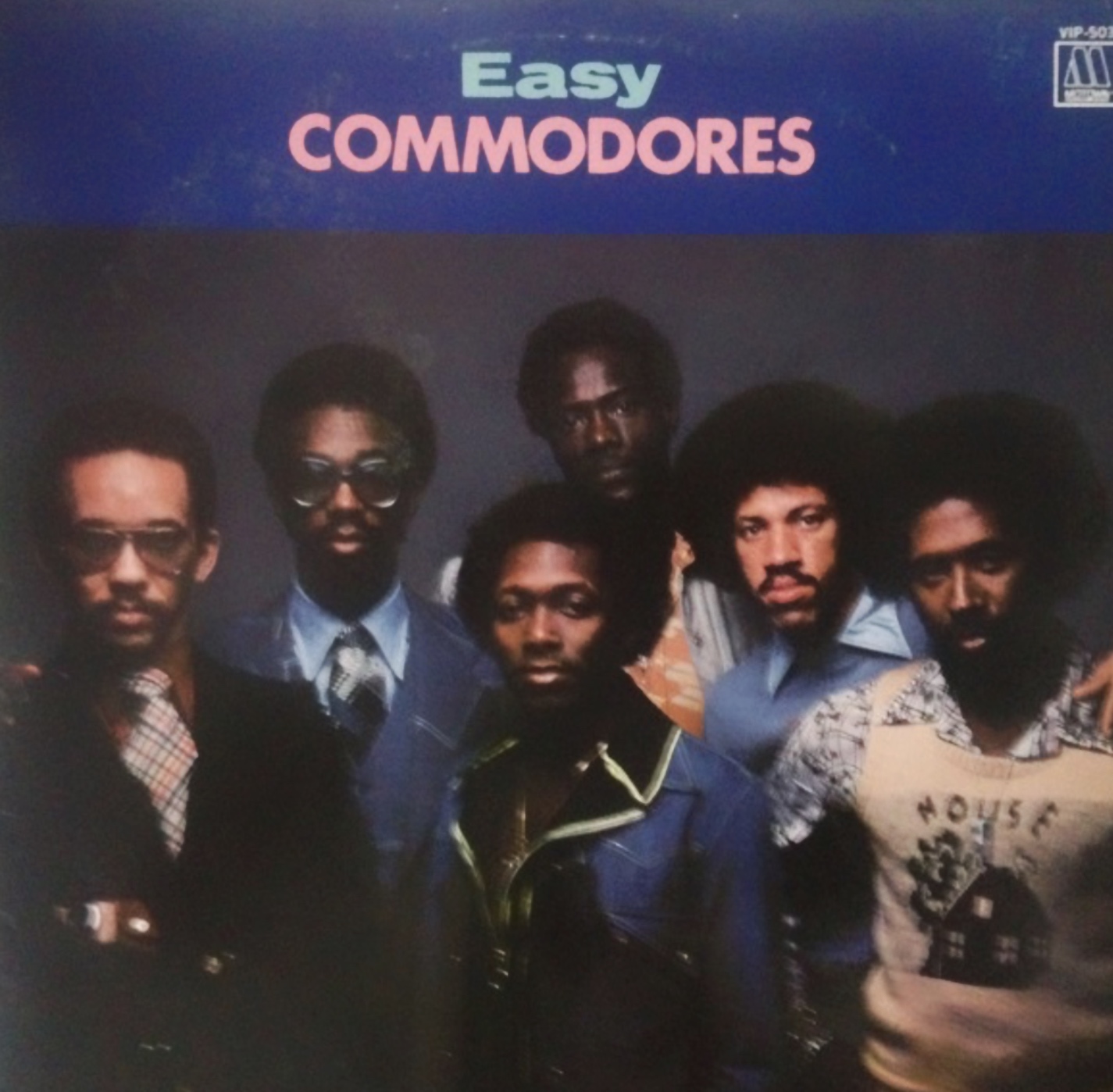
COMMODORES - EASY
Publicació: març de 1977
Llistes: Regne Unit: #9 EUA: #4
"Easy" és una cançó de la banda nord-americana Commodores del seu cinquè àlbum d'estudi, "Commodores". El cantant Lionel Richie la va escriure, i es va convertir en un èxit per a la banda, portant-los al pop i al territori adult contemporani quan abans eren pur funk. Això va portar a èxits més suaus per a la banda com "Still" i "Three Times A Lady". Quan Richie va anar en solitari el 1981, es va convertir en una superestrella del pop suau amb cançons similars.
La cançó parla del dificil que pot ser la vida, però que també és important que et prenguis un moment per a tu mateix i gaudeixis d'un diumenge al matí tranquil. La lletra parla del dolor i les dificultats de la vida, però emfatitzen que està bé fer un descans i tenir calma i estar relaxat. La cançó transmet que és important prendre temps per a tu mateix, apreciar les petites coses i viure la vida al teu ritme.
El solo de guitarra, interpretat pel fundador del grup Thomas McClary, va ser complicat. Va explicar: "Quan tens frases en una cançó que diuen: 'Per què dimonis algú em posaria cadenes? He pagat les meves obligacions per fer-ho', has de fer coincidir la intensitat d'aquestes frases amb un so i una sensació que mostra musicalment la mateixa intensitat i el mateix context del que estàs dient. A moltes balades la cançó acabaria en el solo, però volíem que aquest solo de guitarra portés l’oient a un altre nivell d'intensitat. Així que, bàsicament, aquesta era la inspiració darrere del solo".
Cash Box la va anomenar "una balada bluesy que verifica la versatilitat i la professionalitat dels Commodores com a músics complets". Record World va dir que "els Commodores es converteixen en l'últim equip de r&b en canviar de marxa i oferir una balada. I han fet una de les seves millors melodies".
COMMODORES - EASY
Released : March 1977
Charted: UK: #9 US: #4
"Easy" is a song by American band Commodores from their fifth studio album, “Commodores”. Lead singer Lionel Richie wrote this song, which became a crossover hit for the band, bringing them into pop and adult contemporary territory when they were previously pure funk. This led to more soft hits for the band like "Still" and "Three Times A Lady". When Richie went solo in 1981, he became a soft rock superstar with similar songs.
The song is about how life can be hard, but that's why it's important to take a moment for yourself and just enjoy a peaceful Sunday morning. The lyrics speak of the pain and hardships of life, but emphasize that it's ok to take a break and just be easy and relaxed. The song conveys that it is important to take time for yourself, appreciate the little things, and live life at your own pace.
The guitar solo, played by group founder Thomas McClary, was tricky business. He explained: "When you have lyrics in a song that say, 'Why in the world would anybody put chains on me? I've paid my dues to make it,' you have to match the intensity of those lyrics to a sound and a feel that musically portrays the same intensity and the same context of what you're saying. A lot of ballads, the song would just end, but we wanted the guitar solo to take it to another level of intensity. So that was basically the inspiration behind it."
Cash Box called it "a bluesy ballad that verifies the Commodores' versatility and professionalism as all-around musicians." Record World said that "the Commodores become the latest r&b outfit to shift gears and offer a ballad – it's one of their best melodies."