TOM PETTY & THE HEARTBREAKERS - LISTEN TO HER HEART
Released: August 30, 1978
Charted: US: #59
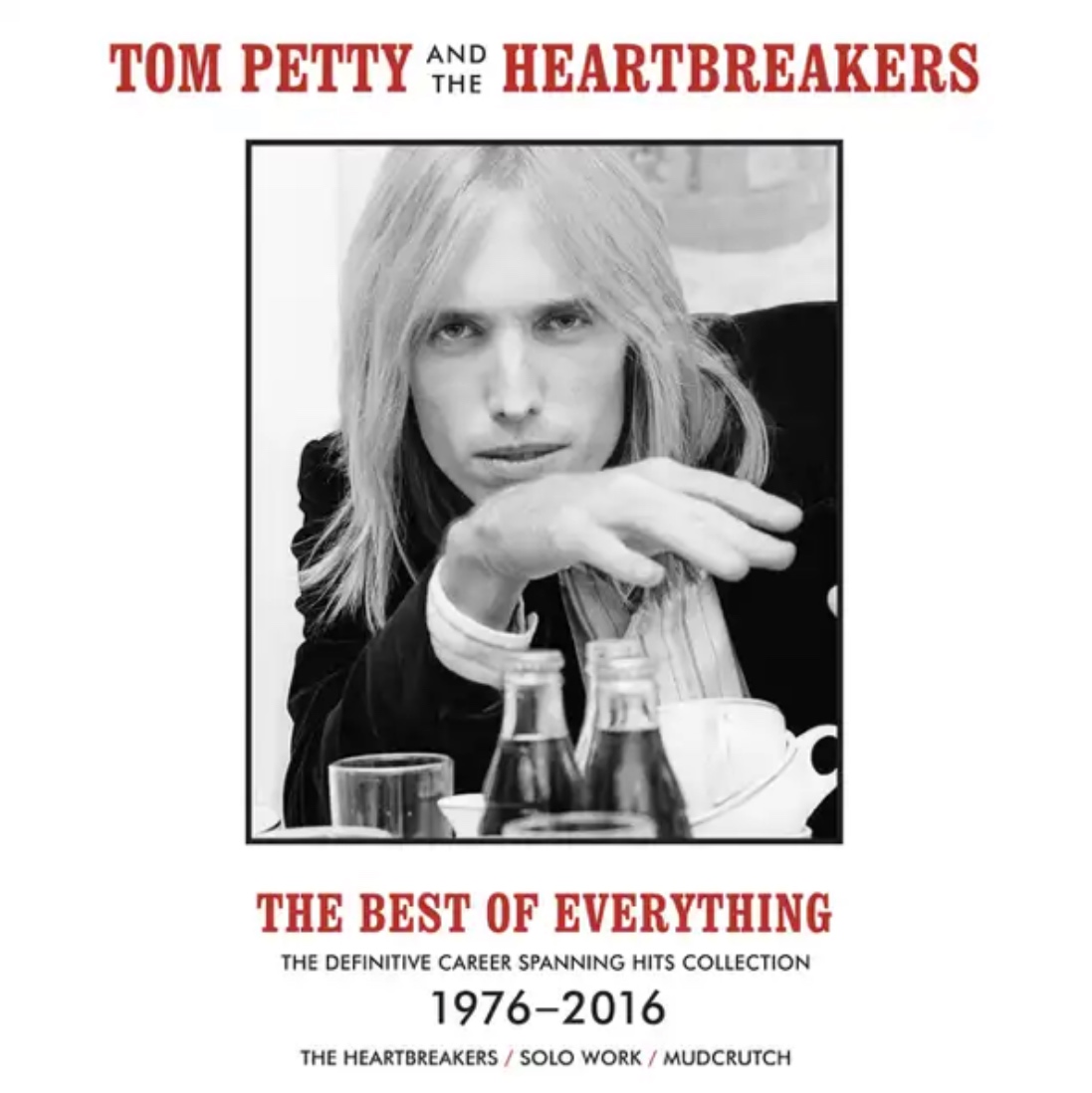
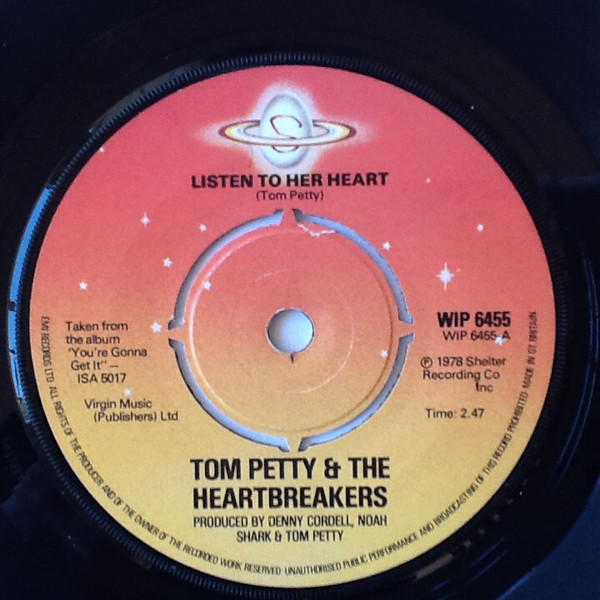
"Listen to Her Heart" was released as the second single from Tom Petty and the Heartbreakers' album "You're Gonna Get It!" Despite high hopes, Petty expressed concerns to Rolling Stone in 1978, stating, "Everything’s banking on that one song right now, and I’m prepared for the worst." The song only reached number 59 on the singles charts, which may be attributed to Petty's direct mention of cocaine. He was asked to change the lyrics to "Champagne" instead. Petty expressed disbelief at the request, questioning, "What women would leave some guy for money and Champagne? I mean, Champagne is only $4 a bottle."
This track was inspired by a story told to Tom Petty by his wife Jane. Shortly after moving to Los Angeles, Jane attended a party hosted by R&B legend Ike Turner. During the event, Turner locked the doors from the inside, preventing anyone from leaving. Petty transformed this peculiar incident into the theme of the song, creating a driving and tightly wound anthem that addresses a man's disregard for a woman's true feelings.
"Listen to Her Heart" holds a significant place in Tom Petty's discography, earning high praise from various music publications. Billboard and Rolling Stone both ranked it among Petty's greatest songs. Cash Box lauded its emphatic guitar opening and portrayal of an independent woman, while Record World likened its sound to Buddy Holly, noting its pop sensibility.
25.5.24
TOM PETTY & THE HEARTBREAKERS - REFUGEE
Released: January 11, 1980
Charted: US: #15
"Refugee" by Tom Petty and the Heartbreakers was released in January 1980 as the second single from their album "Damn the Torpedoes." Written by Heartbreakers guitarist Mike Campbell with lyrics by Tom Petty, the song peaked at No. 15 on the Billboard Hot 100 singles chart. It became a staple in the band's live performances, notably closing out their set at Live Aid in 1985.
Tom Petty's reflection on "Refugee" sheds light on the song's origins and its thematic underpinnings. Born out of frustration and defiance in response to the pressures of the music industry, particularly a dispute with the record company, the track served as a form of catharsis for Petty. His anger and disillusionment with the system permeated the tone of the "Damn the Torpedoes" album, of which "Refugee" was a standout track.
Mike Campbell's insights into the recording process of "Refugee" highlight the challenges the band faced in capturing the right vibe for the track. In spite of Tom Petty's straightforward approach to writing lyrics over the music as it was, the band encountered difficulties in nailing down the feel of the song during the recording sessions. Campbell's departure from the studio out of frustration underscores the intensity of the pressure they were under. However, upon regrouping, they ultimately succeeded in overcoming their obstacles and achieving the desired result.
Mike Campbell's recollection underscores the uncertainty that often accompanies the release of a song. Despite the band's confidence in the quality of "Refugee," they were unsure about its potential success until positive feedback from unexpected sources, like the receptionist at the studio, suggested otherwise. Campbell's insight highlights the multifaceted nature of a hit record, influenced not only by the song's merits but also by external factors such as timing, audience expectations, and cultural relevance.
The decision to create a music video for "Refugee" to avoid appearing on The Merv Griffin Show ended up having unexpected benefits when MTV launched in 1981. The video gained significant airplay on the network, providing Tom Petty and the Heartbreakers with additional exposure and a platform to reach a broader audience.
TOM PETTY - RUNNIN’ DOWN A DREAM
Released: July 29, 1989
Charted: US: #23 UK: #55
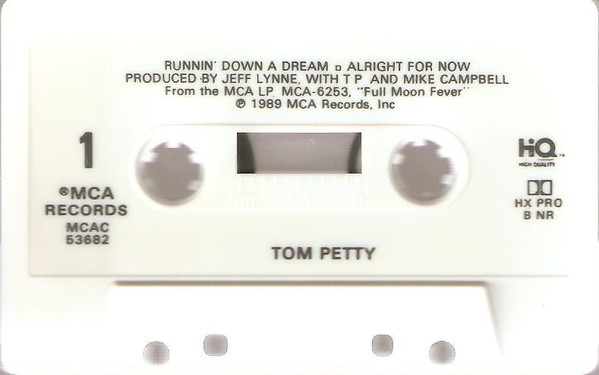
"Runnin' Down a Dream" is a song co-written and recorded by Tom Petty. Released in July 1989 as the second single from his first solo album “Full Moon Fever”, it achieved moderate chart success, reaching number 23 on both the US Billboard Hot 100 and the Canadian charts. Additionally, it topped the Billboard Album Rock Tracks chart. "Full Moon Fever" was released as a solo album by Tom Petty, but it featured contributions from all the Heartbreakers except drummer Stan Lynch.
"Runnin' Down a Dream" is Tom Petty's ode to pursuing his dreams, inspired by his encounter with Elvis Presley in 1961. As an 11-year-old, Petty witnessed Elvis on the set of the film Follow That Dream in Ocala, Florida, where he saw firsthand the mesmerizing effect Elvis had on people. This encounter ignited Petty's passion for music and set him on the path to becoming a rock musician, following in Elvis's footsteps.
"Runnin' Down a Dream," was driven by a heavy riff crafted by Mike Campbell, initially written in a different time signature but straightened out by Petty before taking it to producer Jeff Lynne. Campbell also delivered the song's fiery guitar solo, capturing a blend of searing held notes and frenetic shredding in just one take.
Petty infused the hard-charging track with vivid lyrics celebrating the freedom of cruising down the highway, reflecting his profound connection to the essence of rock & roll. Petty once remarked, "To me, American music was all about listening in the car." The line "Me and Del were singin,' little 'Runaway'" references the 1961 Del Shannon hit "Runaway." Shannon is credited for "barnyard noises" on the album, heard just after the song ends. These noises, along with a message from Tom Petty, mark the middle of the album and were included as an interlude for CD listeners, who don't need to flip over a record or tape.
The music video was directed by Jim Lenahan and featured animation inspired by the classic comic strip "Little Nemo in Slumberland" by Winsor McCay. Animated by Allan & Wilson Animation Studio and Anivision Ltd., the video depicts Tom Petty and a character resembling Flip journeying through Slumberland. The animation style mirrors McCay's artwork. Additionally, the 1933 film "King Kong" is referenced, with Petty atop the Chrysler Building attempting to swat oversized mosquitoes, reminiscent of Kong swatting at biplanes in the film.
ROLLING STONES - SYMPATHY FOR THE DEVIL -Revised-
Released: December 6, 1968
Charted: UK: #14 US: #97
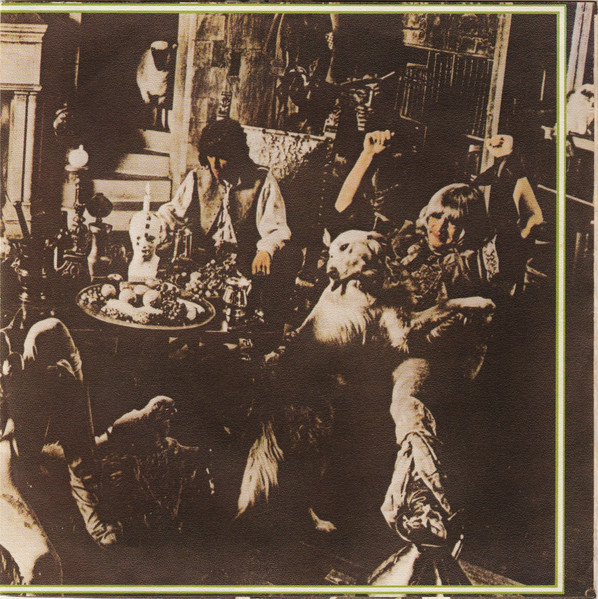
"Sympathy for the Devil" is a sinister song by the Rolling Stones, written by Mick Jagger and credited to the Jagger–Richards partnership. It serves as the opening track on the band's 1968 album "Beggars Banquet." Despite its dark themes, Jagger clarified that the song is about the dark side of humanity, not a celebration of Satanism. With its haunting narrative from the perspective of the devil, boasting of his involvement in historical atrocities, the song contributed to the Stones' image as frightening bad boys. Initially titled "The Devil Is My Name" and previously known as "Fallen Angels," the song challenges listeners to consider their role in humanity's darker moments.
The lyrics were influenced by the novel "The Master and Margarita" by Mikhail Bulgakov. Mick Jagger's girlfriend at the time, Marianne Faithfull, introduced him to the book. In Bulgakov's work, the devil is depicted as a sophisticated socialite, a figure of wealth and taste. The haunting "whoo-whoo" backing vocals were added during a take when Keith Richards' girlfriend, Anita Pallenberg, contributed them spontaneously. The Stones liked the effect, so Pallenberg, along with Richards, Brian Jones, Bill Wyman, Marianne Faithfull, and Jimmy Miller, performed the backing vocals on the record.
Keith Richards shared his perspective on "Sympathy for the Devil" in 2002, emphasizing its uplifting nature despite its dark subject matter. He likened the Devil to a constant presence, suggesting that acknowledging evil is essential for dealing with it effectively. Richards noted that the song's themes remained relevant, particularly in times of turmoil such as after 9/11. He emphasized the importance of confronting evil rather than ignoring it, suggesting that doing so renders it powerless.
"Sympathy for the Devil" touches on various historical events, including the crucifixion of Christ, the Russian Revolution, World War II, and the Kennedy assassinations. Mick Jagger began writing the song before the assassination of Robert Kennedy on June 5, 1968. Originally, the lyric referred to the 1963 assassination of John F. Kennedy with the line "who killed Kennedy?" However, following Robert Kennedy's assassination, Jagger modified the lyric to "who killed the Kennedys?" to encompass both tragic events.
"Sympathy for the Devil" gained a darker significance after The Rolling Stones performed it at their Altamont Speedway concert on December 6, 1969. The concert descended into chaos and tragedy when a fan was fatally stabbed by Hells Angels gang members, who were hired for security. As The Stones played the song, the crowd grew increasingly unruly. Later, during "Under My Thumb," the fatal stabbing occurred. This tragic event was documented in the film "Gimme Shelter."
Carlos Santana's perspective on "Sympathy for the Devil" reflects his belief that Mick Jagger and Keith Richards may not fully comprehend the implications of the song's lyrics. Santana expressed his disconnection with the song's message, emphasizing that the devil is not a figure to be taken lightly. His experience at the Altamont concert likely influenced his perception, as the tragic events that unfolded during The Rolling Stones' performance of the song underscored the potential consequences of playing with such themes. Santana's decision to exclude footage of The Stones from the "Gimme Shelter" film further demonstrates his reservations about their performance and its association with the violence at Altamont.