Total de visualitzacions de pàgina:

17.6.24


FRANKIE GOES TO HOLLYWOOD - RELAX


Estrena: 24 d'octubre de 1983

Llistes: EUA: #10   Regne Unit: #1 (5 setmanes)


"Relax" és el primer senzill de la banda anglesa Frankie Goes to Hollywood, llançat al Regne Unit per ZTT Records el 1983. La cançó va ser produïda per Trevor Horn, conegut pel seu treball amb bandes com Yes, The Buggles i Art of Noise. Remarcablement, quan "Relax" va arribar al número u al Regne Unit el gener de 1984, "Owner of a Lonely Heart" de Yes també encapçalava les llistes als Estats Units. Això va fer que Trevor Horn fos l'únic productor a aconseguir simultàniament números u tant al Regne Unit com als Estats Units amb cançons d'artistes diferents.


ZTT Records va signar Frankie Goes to Hollywood després que el productor Trevor Horn els veiés interpretar una versió primerenca de "Relax" a The Tube. Horn va descriure la versió original com més aviat un jingle, però va veure-hi potencial. Va dominar el procés d'enregistrament, contractant els Blockheads per a sessions quan enregistrar amb la banda es va revelar com un desafiament. Finalment, Horn va crear una versió més electrònica amb l'ajuda del músic de sessió Andy Richards i del programador de ritmes J. J. Jeczalik. El procés d'enregistrament va ser intensiu, amb Horn lluitant per la perfecció. Paul Morley, cofundador de ZTT, va orquestrar una campanya de màrqueting centrada en temes controvertits com el sexe i la guerra, posant èmfasi en el valor de la homosexualitat de la banda.


"Relax" va sorgir d'un moment d'inspiració mentre el cantant principal, Johnson, corria cap a assajos el 1982. Inicialment, el grup va afirmar que la lletra tractava sobre "motivació" per enganyar la censura, però més tard van confessar que tractava sobre sexe. La lletra provocativa i la polèmica il·lustració de la portada van causar commoció al Regne Unit, portant a una prohibició de la BBC. No obstant, la prohibició només va alimentar la seva popularitat, propulsant-la al capdamunt de les llistes durant cinc setmanes. "Relax" va aconseguir la distinció de ser el primer single número u prohibit al Regne Unit des del sensual duet de Serge Gainsbourg i Jane Birkin "Je T'aime... Moi Non Plus" el 1969.


Quan "Relax" va ser llançada per primera vegada al novembre de 1983, el seu progrés a les llistes del Regne Unit va ser lent, però després d'una actuació a Top of the Pops el 5 de gener de 1984, la cançó va pujar ràpidament al número sis. El 11 de gener, el locutor de ràdio de la BBC, Mike Read, va expressar el seu rebuig pel contingut suggerent de la lletra i es va negar a punxar el disc. Malgrat això, la cançó va continuar pujant a les llistes, arribant al número dos el 17 de gener i finalment arribant al número u el 24 de gener. La BBC va ampliar la seva prohibició a Top of the Pops, la qual cosa va provocar que es mostrés una imatge fixa de la banda durant l'anunci del seu lloc número u. La prohibició de la BBC es va convertir en un problema, especialment perquè les ràdios i les televisions comercials continuaven posant la cançó. A finals de 1984, la es va aixecar la prohibició i "Relax" va aparèixer tant a l'edició del dia de Nadal de Top of the Pops com a la llista de les cançons més venudes de l'any a Ràdio 1.


Al juny de 1984, "Relax" va experimentar un ressorgiment de popularitat, tornant a entrar al top deu durant nou setmanes addicionals, incloent-hi dues setmanes al número dos, amb "Two Tribes" ocupant el primer lloc. Aquesta fita va fer que Frankie Goes to Hollywood es convertís en el tercer artista, juntament amb els Beatles i John Lennon, a tenir simultàniament les dues primeres posicions a la llista del Regne Unit.


El primer vídeo musical oficial, dirigit per Bernard Rose i ambientat en una discoteca gay amb temàtica S&M al Wilton's Music Hall de Londres, mostrava els membres de la banda interaccionant amb diversos personatges. Suposadament va ser prohibit per MTV i la BBC. Es va fer un segon vídeo dirigit per Godley i Creme, que mostrava el grup interpretant la cançó amb llums làser de fons. Malgrat això, la BBC va prohibir completament la cançó, així que cap dels dos vídeos mai es va emetre en programes musicals de la cadena. Un vídeo de la interpretació en directe, dirigit per David Mallet, va circular per MTV, mentre que un altre vídeo de MTV de la versió d'estudi incloïa imatges de la pel·lícula de Brian De Palma "Body Double", on Frankie Goes to Hollywood interpreta "Relax" en el plató d'una pel·lícula pornogràfica.


FRANKIE GOES TO HOLLYWOOD - RELAX


Released: October 24, 1983

Charted:  US: #10     UK: #1 (5 weeks)


"Relax" is the debut single by English band Frankie Goes to Hollywood, released in the United Kingdom by ZTT Records in 1983. The song was produced by Trevor Horn, known for his work with bands like Yes, The Buggles, and Art of Noise. Remarkably, when "Relax" reached number one in the UK in January 1984, "Owner of a Lonely Heart" by Yes was also topping the charts in the United States. This made Trevor Horn the only producer to achieve simultaneous number ones in both the UK and US with songs by different artists.


ZTT Records signed Frankie Goes to Hollywood after producer Trevor Horn saw them perform an early version of "Relax" on The Tube. Horn described the original version as more of a jingle but saw potential in it. He dominated the recording process, enlisting the Blockheads for sessions when recording with the band proved challenging. Eventually, Horn crafted a more electronic version with assistance from session musician Andy Richards and rhythm programmer J. J. Jeczalik. The recording process was intensive, with Horn striving for perfection. Paul Morley, ZTT co-founder, orchestrated a marketing campaign focusing on controversial themes like sex and war, emphasizing the shock value of the band's open homosexuality.


"Relax" emerged from a moment of inspiration while lead singer Johnson rushed to rehearsals in 1982. Initially, the band claimed it was about "motivation" to throw off censors, but later confessed it was about sex. The song's provocative lyrics and controversial artwork caused a stir in the UK, leading to a BBC ban. However, the ban only fueled its popularity, propelling it to the top of the charts for five weeks. "Relax" achieved the distinction of being the first banned UK number one single since the steamy Serge Gainsbourg and Jane Birkin duet "Je T'aime... Moi Non Plus" in 1969. 


When "Relax" was first released in November 1983, its progress on the UK charts was slow. However, after a performance on Top of the Pops on January 5, 1984, the song quickly climbed to number six. On January 11, BBC Radio DJ Mike Read expressed his distaste for the suggestive lyrics and refused to play the record on air. Despite this, the song continued to rise in the charts, reaching number two by January 17 and eventually hitting number one on January 24. The BBC extended their ban to Top of the Pops, leading to a still picture of the band being shown during the announcement of their number one spot. The BBC's ban became an embarrassment, especially as commercial radio and television stations continued to play the song. By the end of 1984, the ban was lifted, and "Relax" was featured on both the Christmas Day edition of Top of the Pops and Radio 1's rundown of the best-selling singles of the year.


In June 1984, "Relax" experienced a resurgence in popularity, re-entering the top ten for an additional nine weeks, including two weeks at No. 2, with "Two Tribes" taking the top spot. This achievement made Frankie Goes to Hollywood the third act, alongside the Beatles and John Lennon, to simultaneously hold the top two positions on the UK chart.


The first official music video directed by Bernard Rose and set in an S&M themed gay nightclub at Wilton’s music hall in London, featured the bandmembers encountering various characters. It was allegedly banned by MTV and the BBC. A second video directed by Godley and Creme was made, featuring the group performing with laser beams. Despite this, the BBC banned the song completely, so neither video was ever broadcast on BBC music programs. A live performance video directed by David Mallet circulated on MTV, while another MTV video of the studio version included footage from the Brian De Palma film "Body Double," where Frankie Goes to Hollywood performs "Relax" on the set of a porn film.


16.6.24


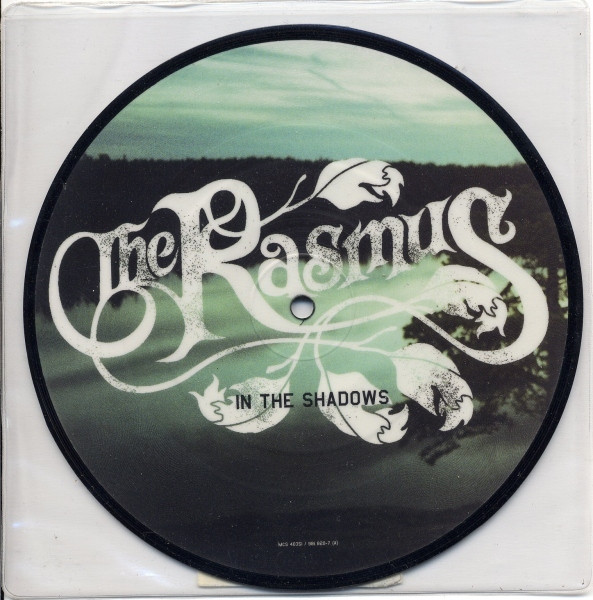
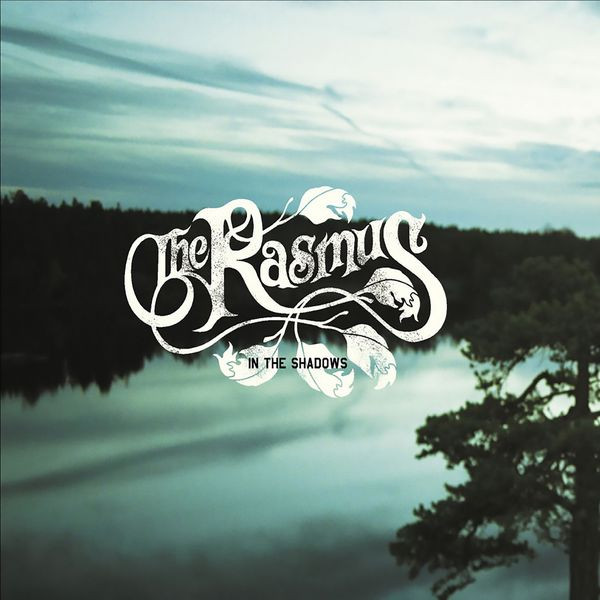
THE RASMUS - IN THE SHADOWS


Publicació: 10 de gener de 2003

Llistes: Regne Unit: #3


"In the Shadows" és una cançó de la banda finlandesa de rock alternatiu, The Rasmus, inclosa al seu cinquè àlbum d'estudi, “Dead Letters”. Llançat inicialment a Finlàndia al gener de 2003, el single va obtenir un gran èxit a les llistes de vendes d'Europa i Oceania. Va arribar al número 3 al Regne Unit i va assolir el primer lloc a Nova Zelanda.


"Dead Letters" va suposar un gran avanç per a la banda, venent 2 milions de còpies a nivell mundial i guanyant 8 discs d'or i 6 de platí. El senzill principal "In the Shadows", va rebre una aclamació significativa, guanyant 6 discs d'or i 2 de platí, venent més de 1 milió de còpies. Cal destacar que va batre el rècord de royalties per actuacions rebudes a l'estranger per una composició finlandesa.


"In the Shadows" té quatre vídeos musicals diferents: la versió finlandesa, europea, nord-americana i una versió simplificada. La versió finlandesa mostra la banda actuant en un escenari semblant a un heliport i intentant robar un banc, acabant sent perseguits per la policia. El cantant principal, Lauri Ylönen, escapa per un pèl de ser capturat, aferrat a la caixa forta arrossegada pel cotxe en fugida. Finalment, evadeix la policia amb l'ajuda del bateria Aki Hakala. Aquesta versió també inclou imatges de la pel·lícula finlandesa "Pahat pojat".


La versió europea mostra la banda actuant en un escenari mentre els corbs volen al voltant de la sala, trencant finalment les finestres i fent que saltin espurnes mentre es transformen en plomes.


A la versió nord-americana i britànica, dirigida per Philipp Stölzl, la banda actua en una mansió victoriana antiga durant un concert. Una criada que treballa a la mansió es distreu amb imatges de la banda als miralls, portant-la a cometre errors en les seves tasques. Finalment, és arrossegada a través d'un mirall pel cantant principal Lauri i es suma al concert, deixant la seva habitació buida mentre el mestre de la casa i altres entren. 


A la quarta versió del vídeo musical, The Rasmus es mostren actuant en una habitació d'aspecte senzill, semblant al decorat de la versió "Crow". Es va llançar una nova versió d’"In the Shadows", coescrita i interpretada pel grup de rap ucraïnès Kalush Orchestra, juntament amb un vídeo musical. Dirigit per Leonid Kolosovskyi, el vídeo acompanya la versió renovada titulada "In the Shadows of Ukraine".


THE RASMUS - IN THE SHADOWS


Released: January 10, 2003

Charted:  UK: #3 


"In the Shadows" is a track by the Finnish alternative rock band, The Rasmus, featured on their fifth studio album, “Dead Letters”. Initially released in Finland in January 2003, the single garnered significant chart success across Europe and Oceania. It peaked at No. 3 in the United Kingdom and secured the top spot in New Zealand.


"Dead Letters" was a major breakthrough for the band, selling 2 million copies worldwide and earning 8 Gold and 6 platinum music certification awards. The lead single "In the Shadows," received significant acclaim, earning 6 gold and 2 platinum awards, selling over 1 million copies. Notably, it broke the record for performance royalties received abroad on a Finnish composition.


"In the Shadows" has four different music videos: the Finnish, European, American, and a simplified version. The Finnish version depicts the band performing on a helipad-like stage and attempting to rob a bank, only to be pursued by the police. Lead singer Lauri Ylönen narrowly escapes capture, clinging to the safe-door dragged by the getaway car. He eventually evades the police with the help of drummer Aki Hakala. This version also includes footage from the Finnish movie "Pahat pojat."


The European version features the band performing on a stage while crows fly around the room, eventually breaking through windows and causing sparks to fly as they transform into feathers. 


In the US and UK version, directed by Philipp Stölzl, the band performs in an old Victorian mansion during a concert. A maid working in the mansion becomes distracted by glimpses of the band in mirrors, leading to mistakes in her duties. Eventually, she is pulled through a mirror by lead singer Lauri and joins the concert, leaving her room empty as the master of the house and others enter.


In the fourth version of the music video, The Rasmus are depicted performing in a plain-looking room, reminiscent of the setting in the "Crow" version. A new version of "In the Shadows," co-written by and featuring the Ukrainian rap group Kalush Orchestra, was released along with a music video. Directed by Leonid Kolosovskyi, the music video accompanies the revamped version titled "In the Shadows of Ukraine."


 ROXETTE - JOYRIDE  

Estrena: 25 de febrer de 1991

Llistes: EUA: #1 (1 setmana)  Regne Unit: #4


"Joyride" del duo de pop suec Roxette es va llançar el febrer de 1991 com a single principal del seu tercer àlbum d'estudi del mateix títol. Escrita per Per Gessle, la cançó es va convertir en un dels èxits més grans de Roxette, encapçalant les llistes a tot Europa, Austràlia, Canadà i els Estats Units el 1991.


Per Gessle, el membre masculí del duo Roxette, va escriure "Joyride" per a la seva nòvia després de trobar una nota que ella va deixar al seu piano que deia "Hej din tok, jag alskar dig", que es tradueix com "Hello, you fool, I love you" (Hola, idiota, t'estimo) en suec. Va incorporar aquesta frase a la cançó. Gessle també va decidir afegir xiulets a la melodia després de ser inspirat pel xiulet predominant de la cançó "Always Look On The Bright Side Of Life" de la pel·lícula "Life of Brian" dels Monty Python. Va interpretar els xiulets ell mateix, sobregravant-los 12 vegades.


Gessle i Marie Fredriksson, el duo darrere de Roxette, van ser ferms en considerar "Joyride" com el senzill principal, però la seva discogràfica, EMI, inicialment no estava d'acord. La discogràfica preferia la balada "Spending My Time", considerant que la pista animada de "Joyride" era massa arriscada. Gessle i Fredriksson es van mantenir ferms, i "Joyride" va acabar sent el seu quart èxit consecutiu número u. En canvi, "Spending My Time" no va aconseguir un èxit similar, significant el seu primer single a les llistes que no va arribar al Top 30.


El vídeo musical va ser dirigit per Doug Freel i va incloure escenes divertides i espectaculars, incloent Marie i Per asseguts a un Ferrari mentre un conductor invisible conduia el cotxe. Per commemorar el 30è aniversari de la cançó arribant al número u de la llista dels Billboard Hot 100 dels Estats Units, el vídeo es va restaurar i es va estrenar en 4K a YouTube el 2021. Gessle va mencionar que algunes escenes complicades de "pantalla verda" es van eliminar durant el procés de restauració, però que es van descobrir altres imatges interessants en el material original.


El títol de l'àlbum va ser inspirat per una entrevista amb Paul McCartney, on va descriure la seva col·laboració amb John Lennon en l'escriptura de cançons com "un llarg viatge divertit". Gessle va trobar la frase adequada i positiva, convertint-la en un títol ideal per al seu àlbum mentre estaven enmig de la gravació.


ROXETTE - JOYRIDE  


Released: February 25, 1991

Charted:  US: #1 (1 week) UK: #4 


"Joyride" by Swedish pop duo Roxette was released on February 1991 as the lead single from their third studio album of the same title. Written by Per Gessle, it became one of Roxette's biggest hits, topping charts across Europe, Australia, Canada, and the United States in 1991.


Per Gessle, the male member of the duo Roxette, wrote "Joyride" for his girlfriend after finding a note she left on his piano that read, "Hej din tok, jag alskar dig," which translates to "Hello, you fool, I love you" in Swedish. He incorporated this line into the song. Gessle also decided to add whistling to the tune after being inspired by the whistle-heavy song "Always Look On The Bright Side Of Life" from Monty Python's Life of Brian. He performed the whistling himself, overdubbing it 12 times.


Gessle and Marie Fredriksson, the duo behind Roxette, were adamant about "Joyride" being the lead single, but their record label, EMI, initially disagreed. The label preferred the ballad "Spending My Time," believing the uptempo track of "Joyride" was too risky. Gessle and Fredriksson stood firm, and "Joyride" went on to become their fourth consecutive number-one hit. Conversely, "Spending My Time" failed to achieve similar success, marking their first chart single to miss the Top 30.


The music video for "Joyride" was directed by Doug Freel and featured playful and spectacular scenes, including Marie and Per sitting on a Ferrari while an invisible driver controlled the car. To commemorate the 30th anniversary of the song reaching No. 1 on the US Billboard Hot 100, the video was restored and premiered in 4K on YouTube in 2021. Gessle mentioned that some challenging "green screen" scenes were removed during the restoration process, but other interesting footage was discovered in the raw material.


The title of the album was inspired by an interview with Paul McCartney, where he described his songwriting partnership with John Lennon as "a long joyride." Gessle found the phrase fitting and positive, making it an ideal title for their album while they were in the midst of recording.